
Nutrition comparison
Bamboo Shoots vs Hearts of Palm: Which Low-Calorie Vegetable Is Better?
Compare bamboo shoots and hearts of palm on calories, fiber, vitamins, sodium, and safety. Learn which vegetable fits your diet, cooking style, and health goals best.
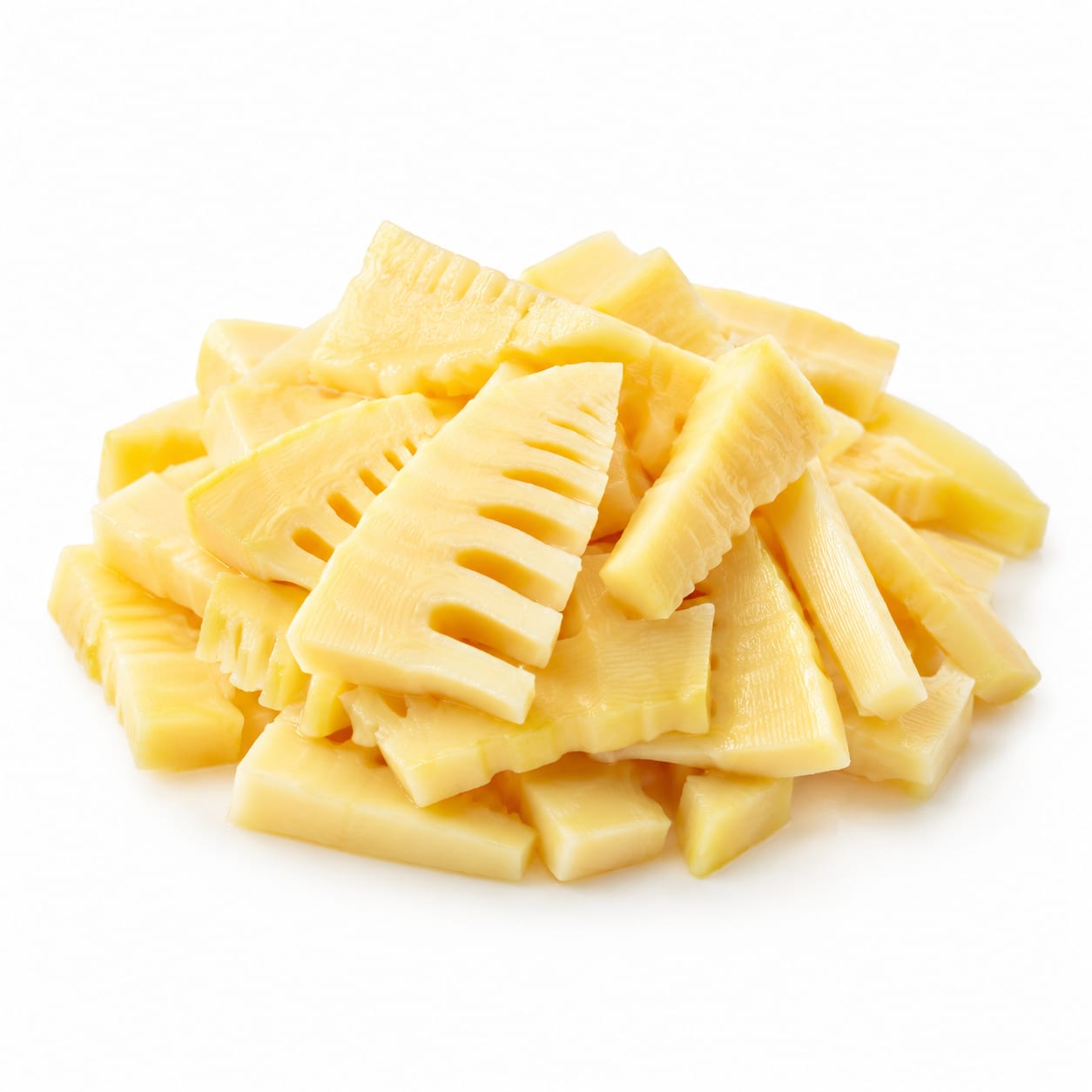
Bamboo Shoots
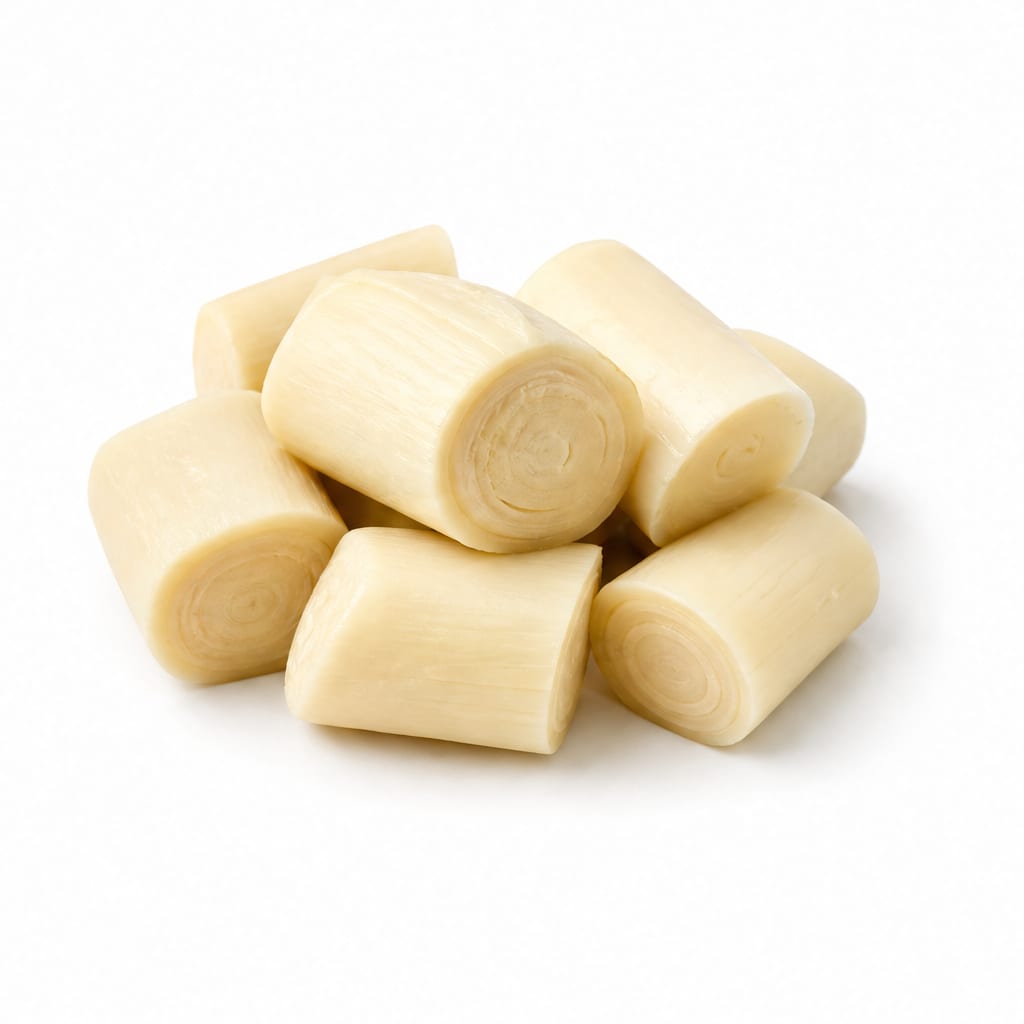
Hearts of Palm
Hearts of Palm win on convenience and vitamin content, while Bamboo Shoots offer more phytochemicals and a crunchier texture for stir-fries. The real decision comes down to cuisine preference and whether you cook from fresh or rely on cans.
Hearts of Palm edge ahead slightly due to better vitamin content, easier preparation safety, and stronger convenience factor. Bamboo Shoots remain competitive with superior phytochemicals and texture for cooking, but the preparation risk and lower vitamin density narrow their lead.
Hearts of Palm deliver more B-vitamins and are safer straight from the can, but Bamboo Shoots provide unique antioxidants and a firmer bite that holds up better in hot dishes.
At a glance
Executive summary
Overall
It depends
Healthier
It depends
More practical
Hearts of Palm
Daily use
Hearts of Palm
Key comparison lenses
low-calorie vegetable swap for weight management
Both are ultra-low-calorie vegetables often used as bulk fillers in meals, making them direct substitutes for dieters
sodium and processing exposure from canned forms
Both are commonly sold canned, creating a hidden sodium trap that users rarely consider
safety and proper preparation requirements
Bamboo shoots carry a unique cyanogenic glycoside risk if undercooked, which is a critical safety differentiator
micronutrient density comparison
Users choosing between low-calorie vegetables still want to know which delivers more nutritional value per bite
culinary versatility and recipe compatibility
Texture and flavor differences affect which dishes each vegetable works in
Best choice for
Bamboo Shoots
- Stir-fry and hot dish enthusiasts
- People seeking antioxidant-rich Asian cuisine staples
- Anyone wanting maximum crunch and fiber texture in cooked meals
- Those who enjoy cooking from fresh or frozen ingredients
Hearts of Palm
- Salad lovers wanting a tender, artichoke-like bite
- People who prefer ready-to-eat convenience from cans or jars
- Anyone needing more B-vitamins, especially B6 and folate
- Those following Latin American or tropical cuisine traditions
Least suitable for
Bamboo Shoots
- Anyone unwilling to properly boil fresh shoots before eating
- People on strict low-sodium diets who only have access to canned versions
- Those wanting a quick no-cook vegetable addition
Hearts of Palm
- People avoiding canned or jarred foods due to sodium concerns
- Those wanting a vegetable that holds firm texture in long-cooked dishes
- Anyone sensitive to slightly acidic or tangy flavors
Deep comparison
Dimension by dimension
Each lens scores both foods and breaks down who each option suits.
- Dimension 1 · Priority 90It depends
Calorie Density and Weight Management
Bamboo Shoots · 78Hearts of Palm · 80Both are extremely low-calorie vegetables, but Hearts of Palm are slightly lower in calories per serving when comparing drained canned versions.
Tradeoff
The calorie difference is negligible in real portions — roughly 10-15 calories per cup. What matters more is which one you'll actually eat consistently as a meal filler.
Why it matters
When replacing higher-calorie ingredients, both work well. The winning choice is whichever fits your recipes and keeps you satisfied.
Real-world impact
Swapping rice for either vegetable saves 200+ calories per cup. The 10-calorie gap between them won't move the needle on weight loss.
Bamboo Shoots
- Hot meals where the firmer texture replaces noodles or higher-calorie crunch ingredients
Better for
- Raw preparations — fresh bamboo shoots must be cooked before eating
Worse for
Hearts of Palm
- Cold dishes and salads where tenderness replaces higher-calorie creamy ingredients
Better for
- Dishes requiring long cooking where the softer texture breaks down too much
Worse for
- Dimension 2 · Priority 82Bamboo Shoots
Fiber and Digestive Health
Bamboo Shoots · 79Hearts of Palm · 72Bamboo Shoots contain slightly more dietary fiber per serving, including more insoluble fiber that supports regular digestion.
Tradeoff
Hearts of Palm still provide decent fiber but are lower overall. The difference is modest but noticeable if you're relying on these as a primary fiber source.
Why it matters
Fiber is the main reason these vegetables feel filling despite minimal calories. More fiber means steadier digestion and longer-lasting satiety.
Real-world impact
A cup of bamboo shoots gives you roughly 2-3g fiber versus 1.5-2g for hearts of palm. Neither is a fiber powerhouse, but bamboo shoots contribute more toward daily goals.
Bamboo Shoots
- Improving bowel regularity
- Adding bulk to meals without adding calories
Better for
- Those with IBS who react to higher insoluble fiber loads
Worse for
Hearts of Palm
- Gentler digestion for sensitive stomachs since the fiber is softer
Better for
- Anyone counting on a single vegetable to meet fiber needs
Worse for
- Dimension 3 · Priority 78Hearts of Palm
Micronutrient Density
Bamboo Shoots · 62Hearts of Palm · 77Hearts of Palm deliver significantly more vitamin B6, vitamin C, folate, and zinc, making them the more nutrient-dense option per calorie.
Tradeoff
Bamboo Shoots have more potassium and unique phytochemicals like lignans, but fall short on the vitamins most people actually track.
Why it matters
When eating ultra-low-calorie foods, every micronutrient counts. Hearts of Palm give you more nutritional value for the same caloric budget.
Real-world impact
A serving of Hearts of Palm covers about 15% of your B6 needs and 10% of folate. Bamboo shoots cover less than 5% of most vitamins.
Bamboo Shoots
- Potassium intake for blood pressure management
- Access to unique phenolic compounds with emerging antioxidant research
Better for
- Anyone relying on vegetable variety for vitamin coverage
Worse for
Hearts of Palm
- B-vitamin support for energy metabolism
- Vitamin C for immune function and iron absorption
- Zinc for wound healing and immune health
Better for
- Those specifically seeking potassium-rich foods
Worse for
- Dimension 4 · Priority 86It depends
Sodium and Processing Exposure
Bamboo Shoots · 68Hearts of Palm · 64Both are frequently canned with high sodium, but Hearts of Palm tend to be packed in brine with even higher salt content than canned bamboo shoots.
Tradeoff
Fresh bamboo shoots can be found more easily in Asian markets, giving you a low-sodium option. Hearts of Palm are almost always canned or jarred.
Why it matters
A single serving of canned hearts of palm can deliver 300-600mg sodium — over 25% of your daily limit. This undermines the health benefits of an otherwise clean vegetable.
Real-world impact
Rinsing canned versions reduces sodium by about 40%, but you'll still be getting a significant salt load if you eat these daily.
Bamboo Shoots
- Availability of fresh and frozen low-sodium options
- Generally lower sodium in canned versions compared to hearts of palm brine
Better for
- Fresh preparation requires time and boiling, which may push people toward canned high-sodium versions
Worse for
Hearts of Palm
- No cyanogenic glycoside risk means you can eat them straight from the can after rinsing
Better for
- Nearly impossible to find fresh outside tropical regions, forcing reliance on high-sodium canned products
Worse for
- Dimension 5 · Priority 85Hearts of Palm
Safety and Preparation Requirements
Bamboo Shoots · 55Hearts of Palm · 88Fresh bamboo shoots contain cyanogenic glycosides that must be thoroughly cooked before eating, while hearts of palm are safe to eat directly from the can.
Tradeoff
Bamboo shoots require 20+ minutes of boiling to remove toxins, adding preparation time and safety considerations. Hearts of palm have no such risk.
Why it matters
Improperly prepared bamboo shoots can cause cyanide poisoning symptoms including dizziness, nausea, and headaches. This is a real risk many home cooks are unaware of.
Real-world impact
If you meal-prep or cook in batches, bamboo shoots add an extra safety step. Hearts of palm can be opened, rinsed, and eaten immediately.
Bamboo Shoots
- Experienced cooks comfortable with proper preparation techniques
- Anyone using pre-boiled or frozen bamboo shoots where the toxin risk is already eliminated
Better for
- Families with children who might snack on raw ingredients during cooking
- Anyone unfamiliar with the mandatory boiling requirement
Worse for
Hearts of Palm
- Beginners and anyone wanting foolproof food safety
- Quick meal assembly without extra cooking steps
Better for
- No meaningful safety downside — this is hearts of palm's strongest advantage
Worse for
- Dimension 6 · Priority 70It depends
Culinary Versatility and Enjoyment
Bamboo Shoots · 75Hearts of Palm · 73Bamboo shoots excel in hot, savory dishes with their firm crunch, while hearts of palm shine in cold preparations and as a tender salad addition.
Tradeoff
Neither vegetable is a culinary Swiss army knife. Their textures and flavors suit different cuisines and preparations, so your pantry should match your cooking style.
Why it matters
The healthiest vegetable is the one you actually enjoy eating. If you love stir-fries, bamboo shoots win. If you live on salads, hearts of palm are the better pick.
Real-world impact
Bamboo shoots absorb broth and sauce flavors beautifully in soups and curries. Hearts of palm add a clean, slightly tangy bite to salads and ceviche-style dishes.
Bamboo Shoots
- Stir-fries, curries, ramen, and hot pot dishes
- Any recipe where you want a vegetable that stays crunchy after cooking
Better for
- Raw applications and cold dishes
- Cuisines outside East and Southeast Asian traditions where the flavor feels out of place
Worse for
Hearts of Palm
- Salads, cold appetizers, and no-cook meal prep
- Vegan seafood alternatives like 'crab' cakes due to flaky texture
Better for
- Long-simmered dishes where the tender texture turns mushy
- Recipes requiring a firm, distinct crunch
Worse for
Timeline
Health impact over time
Short-term
Hours to days
Bamboo Shoots
- Improved fullness from fiber when added to meals
- Potential digestive discomfort if consuming large amounts of insoluble fiber suddenly
- Risk of nausea or dizziness if fresh shoots are undercooked due to cyanogenic glycosides
Hearts of Palm
- Quick satiety from water and fiber content with minimal calorie cost
- Possible bloating from sodium if eating canned versions without rinsing
- Easy digestion due to tender fiber structure
Long-term
Months to years
Bamboo Shoots
- Better bowel regularity from consistent insoluble fiber intake
- Antioxidant benefits from lignans and phenolic compounds with emerging anti-cancer research
- Potential sodium burden if relying on canned versions daily
Hearts of Palm
- Improved B-vitamin status supporting energy metabolism and nervous system health
- Consistent low-calorie bulk that supports sustainable weight management
- Long-term sodium exposure risk if canned versions are a daily staple without rinsing
Risk profile
Safety & processing
Fresh bamboo shoots are a whole food with minimal processing, though most Western consumers access them canned. Hearts of palm are almost always canned or jarred in brine with citric acid and salt, making them more processed by default. If you can find fresh bamboo shoots at an Asian market, they are the closer-to-nature option.
Bamboo Shoots
Cyanogenic glycoside toxicity from undercooked fresh shoots
highFresh bamboo shoots contain taxiphyllin, which releases hydrogen cyanide when raw. Boil for at least 20 minutes with the lid off to allow toxins to evaporate. Canned and frozen versions are pre-cooked and safe.
Botulism from improperly home-canned bamboo shoots
mediumHome canning of low-acid vegetables like bamboo shoots without proper pressure canning creates botulism risk. Stick to commercially canned products or fresh/frozen.
Sodium from canned versions
mediumCanned bamboo shoots typically contain 400-600mg sodium per cup drained. Rinsing reduces this by roughly 40%.
Hearts of Palm
High sodium from brine packing
mediumCanned hearts of palm often contain 500-800mg sodium per cup drained, higher than bamboo shoots. Always rinse before eating.
BPA exposure from can linings
lowMost canned vegetables use BPA-lined cans. Look for jarred versions or BPA-free cans if this concerns you.
Sulfite sensitivity from some preserved versions
lowSome hearts of palm products contain sulfites as preservatives, which can trigger reactions in sensitive individuals.
Who wins for whom
Audience fit
Same foods, different winners depending on your goal.
children
Hearts of PalmHearts of palm are safer with no toxin risk, easier to chew, and have a milder flavor that kids tolerate better.
daily consumption
Hearts of PalmHearts of palm are safer, more convenient, and provide better vitamin coverage for regular use — as long as you manage the sodium from canned versions.
diabetes
Bamboo ShootsBamboo shoots have slightly more fiber and a marginally lower glycemic impact, though both are essentially zero-impact on blood sugar.
elderly
Hearts of PalmThe tender texture of hearts of palm is easier to chew and digest, and the B-vitamin content supports nervous system health in aging adults.
muscle gain
It dependsNeither provides meaningful protein. Both are useful as low-calorie sides that let you allocate more calories toward protein-rich foods.
weight loss
It dependsBoth are excellent low-calorie fillers. Choose bamboo shoots for hot meals and hearts of palm for cold dishes — the calorie difference is negligible.
Your move
Decision guide
Choose Bamboo Shoots
- You regularly cook Asian-style stir-fries, curries, or noodle soups
- You have access to fresh or frozen bamboo shoots and enjoy the preparation process
- You want a vegetable that stays crunchy and holds texture in hot dishes
- You're specifically seeking the antioxidant phytochemicals found in bamboo shoots
Choose Hearts of Palm
- You eat a lot of salads and want a low-calorie, tender addition
- Convenience matters — you want something you can open, rinse, and eat
- You're looking for more B-vitamins and vitamin C from your vegetable choices
- You want a safe option that requires no cooking knowledge
Either works if
- You're simply looking for a low-calorie vegetable to bulk up meals
- You rinse canned vegetables before eating to manage sodium
- You enjoy rotating different vegetables for variety and nutrient diversity
Avoid both if
- You're on a strict low-sodium diet and only have access to canned versions of either
- You expect either vegetable to be a significant protein or calorie source
- You're looking for a fiber powerhouse — both are decent but neither is exceptional
Final recommendation
Keep both in rotation. Use bamboo shoots when you're cooking hot, savory meals where crunch matters. Use hearts of palm when you need a quick, no-cook addition to salads or cold dishes. If you must pick one for daily use, hearts of palm win on safety, convenience, and vitamin content — just rinse them well.
Practical
Consumer tips
- 1
Always rinse canned bamboo shoots and hearts of palm for 30 seconds under running water to remove roughly 40% of the sodium
- 2
If buying fresh bamboo shoots, boil them for at least 20 minutes uncovered before using in any recipe — this is non-negotiable for safety
- 3
Look for jarred hearts of palm instead of canned to avoid BPA exposure from can linings
- 4
Frozen bamboo shoots are a great middle ground — pre-cooked for safety, lower sodium than canned, and still firm in texture
- 5
Hearts of palm make an excellent vegan substitute for crab or lobster in cakes and salads due to their flaky, tender texture
- 6
If sodium is a major concern, seek out low-sodium or no-salt-added canned versions, which are increasingly available online and at health food stores