
Nutrition comparison
Bamboo Shoots vs Artichoke Hearts: Nutrition, Fiber, and Health Comparison
Compare Bamboo Shoots and Artichoke Hearts side by side — fiber content, calories, liver health benefits, safety concerns, and which vegetable is better for your goals.
Overall winner · Artichoke Hearts
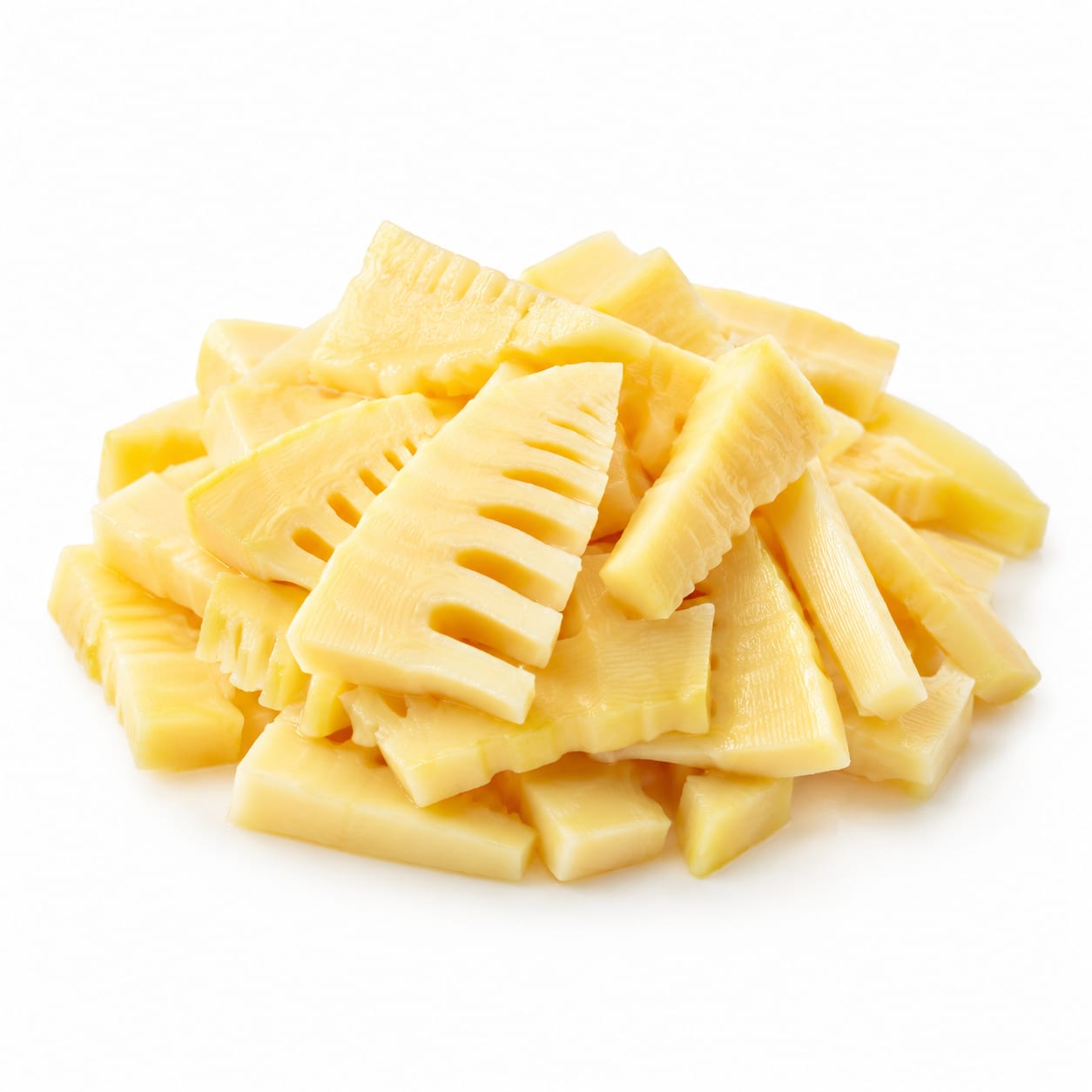
Bamboo Shoots
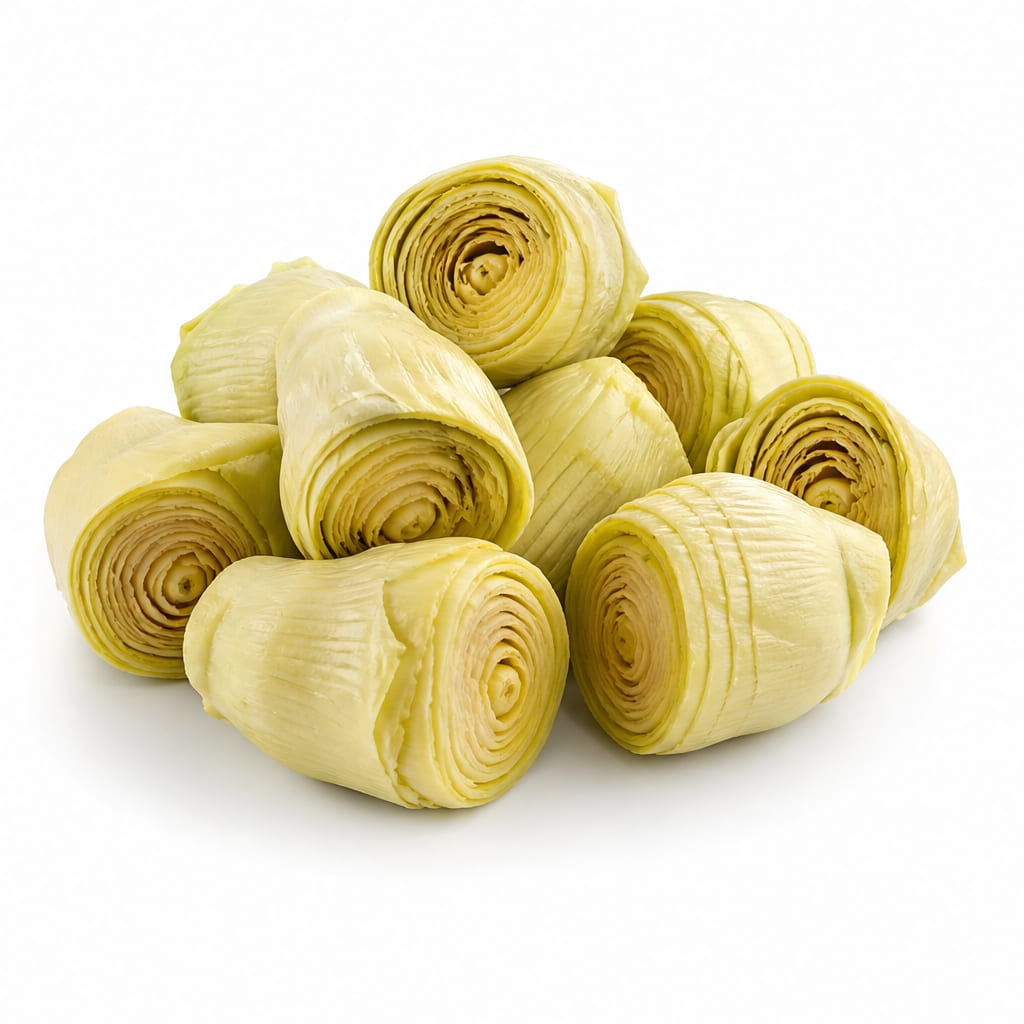
Artichoke Hearts
Artichoke Hearts win on fiber, antioxidants, and safety, while Bamboo Shoots offer fewer calories and a lighter crunch when you want minimal intake.
Artichoke Hearts score notably higher due to superior fiber, antioxidant content, and no toxin concerns. Bamboo Shoots remain a valid low-calorie choice but offer less nutritional substance per serving.
Artichoke Hearts deliver substantially more fiber and liver-supportive compounds but cost more and can cause bloating; Bamboo Shoots are lighter and cheaper but require careful cooking to remove natural toxins.
At a glance
Executive summary
Overall
Artichoke Hearts
Healthier
Artichoke Hearts
More practical
It depends
Daily use
Artichoke Hearts
Key comparison lenses
Fiber and digestive health comparison
Artichoke Hearts are among the highest-fiber vegetables available, while Bamboo Shoots offer moderate fiber with different digestive properties
Low-calorie vegetable selection for weight management
Both are extremely low-calorie vegetables often chosen by people managing weight, but with different satiety profiles
Preparation safety and toxin concerns
Bamboo Shoots contain cyanogenic glycosides requiring proper cooking, while Artichoke Hearts have no such risk
Canned vs fresh sodium and processing tradeoffs
Both are commonly purchased canned or jarred, making sodium content a real-world decision factor
Liver and antioxidant health benefits
Artichoke Hearts contain cynarin and silymarin known for liver support, a unique advantage worth highlighting
Best choice for
Bamboo Shoots
- Minimal calorie budgets under strict cutting phases
- Asian stir-fry dishes where texture matters more than nutrition
- People who find high-fiber vegetables cause uncomfortable bloating
- Budget-conscious shoppers needing bulk volume cheaply
Artichoke Hearts
- Daily fiber goals and gut health optimization
- Liver support and antioxidant intake
- Satiety without overeating — keeps you fuller longer
- Mediterranean diet followers and whole-food eating patterns
Least suitable for
Bamboo Shoots
- People unfamiliar with proper preparation techniques for fresh shoots
- Those concerned about cyanogenic glycoside exposure from inadequate cooking
- Anyone seeking high nutrient density per calorie
- Individuals looking for significant protein or vitamin intake from vegetables
Artichoke Hearts
- People with severe IBS or FODMAP sensitivities — inulin can trigger symptoms
- Very tight grocery budgets — jarred artichoke hearts are expensive
- Those who dislike the slightly bitter or tangy flavor
- Quick-cook meal prep — even canned versions need rinsing and often roasting
Deep comparison
Dimension by dimension
Each lens scores both foods and breaks down who each option suits.
- Dimension 1 · Priority 95Artichoke Hearts
Fiber and Gut Health
Bamboo Shoots · 45Artichoke Hearts · 92Artichoke Hearts deliver roughly double the fiber per serving, including prebiotic inulin that feeds beneficial gut bacteria.
Tradeoff
That same inulin can cause gas and bloating in sensitive individuals, while Bamboo Shoots are gentler on digestion despite offering less fiber.
Why it matters
Fiber is the single most underconsumed nutrient in Western diets, and Artichoke Hearts are one of the most efficient ways to close that gap.
Real-world impact
A single serving of Artichoke Hearts can provide nearly 20% of your daily fiber needs, while Bamboo Shoots would require multiple servings to achieve the same.
Bamboo Shoots
- Those with IBS or FODMAP intolerance who need lower-fiber options
- Anyone transitioning to higher fiber who needs a gentler starting point
Better for
- Falling short of daily fiber targets easily
- Missing prebiotic benefits that support beneficial bacteria
Worse for
Artichoke Hearts
- Daily gut health maintenance and microbiome support
- Preventing constipation without supplements
- Building long-term digestive resilience
Better for
- Causing uncomfortable bloating in FODMAP-sensitive people
- Creating urgency to find bathrooms if you eat too much too fast
Worse for
- Dimension 2 · Priority 88Bamboo Shoots
Calorie Density and Weight Management
Bamboo Shoots · 88Artichoke Hearts · 75Bamboo Shoots contain roughly half the calories per serving of Artichoke Hearts, making them the lighter option for aggressive calorie restriction.
Tradeoff
Lower calories also mean less satiety — you may feel hungry sooner after Bamboo Shoots compared to the more filling Artichoke Hearts.
Why it matters
For strict cutting phases, every calorie matters. But for sustainable weight management, staying full matters more than counting calories.
Real-world impact
A large bowl of Bamboo Shoots barely makes a dent in your calorie budget but may leave you reaching for a snack an hour later.
Bamboo Shoots
- Aggressive calorie-cutting diets where volume matters more than fullness
- Late-night eating when you want something with almost zero caloric impact
Better for
- Feeling unsatisfied and compensating with other foods
- Needing larger portions to feel like you ate anything meaningful
Worse for
Artichoke Hearts
- Sustainable weight loss where satiety prevents overeating later
- Replacing higher-calorie foods with something that actually keeps you satisfied
Better for
- Higher calorie count adding up if you eat large quantities frequently
Worse for
- Dimension 3 · Priority 82Artichoke Hearts
Antioxidant and Liver Support
Bamboo Shoots · 40Artichoke Hearts · 90Artichoke Hearts contain cynarin and silymarin, compounds specifically studied for liver protection and bile production support.
Tradeoff
Bamboo Shoots contain lignans and phenolics with antioxidant activity, but the clinical evidence and potency are far weaker.
Why it matters
Your liver processes everything you consume, and daily dietary support compounds add up meaningfully over years.
Real-world impact
Regular Artichoke Heart consumption is associated with improved liver enzyme markers in studies, while Bamboo Shoots have no comparable evidence.
Bamboo Shoots
- Anyone who simply wants basic antioxidant intake without specific liver focus
Better for
- Missing a genuinely evidence-backed liver-supportive food
- Antioxidant content is modest compared to many vegetables
Worse for
Artichoke Hearts
- People with fatty liver concerns or elevated liver enzymes
- Regular alcohol consumers seeking dietary liver protection
- Those wanting functional food benefits beyond basic nutrition
Better for
- None significant — this is a clear strength area
Worse for
- Dimension 4 · Priority 85Artichoke Hearts
Preparation Safety and Toxin Risk
Bamboo Shoots · 50Artichoke Hearts · 95Fresh Bamboo Shoots contain cyanogenic glycosides that release cyanide if not properly boiled, while Artichoke Hearts have no such risk.
Tradeoff
Canned Bamboo Shoots are pre-cooked and safe, but fresh shoots demand careful preparation that many home cooks may not know about.
Why it matters
Improperly prepared fresh Bamboo Shoots can cause acute cyanide poisoning symptoms including dizziness, nausea, and vomiting.
Real-world impact
If you buy fresh Bamboo Shoots at an Asian market and simply stir-fry them without boiling first, you could get sick. Artichoke Hearts carry no such risk regardless of preparation.
Bamboo Shoots
- Canned Bamboo Shoots are perfectly safe and require no special handling
Better for
- Fresh shoots require 20+ minutes of boiling to detoxify safely
- Risk of improper preparation if you are unfamiliar with the process
- Potential for serious illness if shortcuts are taken
Worse for
Artichoke Hearts
- Complete peace of mind regardless of preparation method
- Safe for children and elderly who may be more vulnerable to toxin exposure
- No need to research or remember special cooking procedures
Better for
- None significant for safety
Worse for
- Dimension 5 · Priority 78It depends
Sodium and Canned Processing Concerns
Bamboo Shoots · 60Artichoke Hearts · 55Both are frequently purchased canned or jarred with significant sodium, but Bamboo Shoots tend to have slightly less added salt in canned form.
Tradeoff
Artichoke Hearts are often packed in brine with oil and seasonings, increasing both sodium and calorie content beyond what the raw vegetable offers.
Why it matters
Canned vegetables can easily deliver 300-500mg of sodium per serving, which matters enormously for blood pressure management.
Real-world impact
A half-cup of canned Artichoke Hearts can contain 400mg of sodium — nearly 20% of your daily limit. Rinsing helps but does not eliminate it.
Bamboo Shoots
- Slightly lower sodium in most canned versions
- Easier to find low-sodium or water-packed options
Better for
- Canned versions still contribute meaningful sodium to your daily total
Worse for
Artichoke Hearts
- Fresh or frozen artichoke hearts eliminate sodium concerns entirely
Better for
- Jarred versions often include oil, vinegar, and seasonings that add calories and sodium
- Harder to find plain canned versions without brine
Worse for
- Dimension 6 · Priority 80Artichoke Hearts
Nutrient Density Per Calorie
Bamboo Shoots · 50Artichoke Hearts · 82Artichoke Hearts provide significantly more vitamins, minerals, and beneficial compounds per calorie than Bamboo Shoots.
Tradeoff
Bamboo Shoots offer potassium and modest amounts of B vitamins, but the total micronutrient payload is relatively thin.
Why it matters
When calories are limited, every bite should deliver as much nutritional value as possible.
Real-world impact
Choosing Artichoke Hearts means getting folate, vitamin K, magnesium, and vitamin C alongside your fiber — Bamboo Shoots give you potassium and not much else.
Bamboo Shoots
- Situations where you specifically want potassium without other nutrients
Better for
- Relatively empty calories compared to most vegetables
- Missing opportunities to stack micronutrients when calories are scarce
Worse for
Artichoke Hearts
- Maximizing vitamin and mineral intake from vegetable choices
- Getting folate for pregnancy or general cellular health
- Supporting bone health through vitamin K intake
Better for
- None significant — nutrient density is a clear strength
Worse for
Timeline
Health impact over time
Short-term
Hours to days
Bamboo Shoots
- Very light on the stomach with minimal digestive load
- Improperly cooked fresh shoots can cause nausea, dizziness, or headache within hours
- Low fiber means less immediate bloating risk compared to high-fiber vegetables
Artichoke Hearts
- High inulin content can cause gas, bloating, or cramping in sensitive people within hours
- Noticeable fullness and satiety after even a modest portion
- Cynarin may cause a slight bitter aftertaste or mild bile stimulation after eating
Long-term
Months to years
Bamboo Shoots
- Consistent low-calorie intake supports weight maintenance but may not provide enough nutrients alone
- Moderate fiber contributes to regular bowel movements but is insufficient for optimal gut health
- No known chronic disease risk when properly prepared and consumed
Artichoke Hearts
- Substantial fiber intake reduces risk of colorectal cancer, heart disease, and type 2 diabetes over time
- Liver-protective compounds may lower risk of non-alcoholic fatty liver disease with regular consumption
- Prebiotic inulin supports a healthier gut microbiome linked to improved immunity and mood
Risk profile
Safety & processing
Both vegetables are whole foods in their fresh form. However, jarred Artichoke Hearts frequently come packed in oil with citric acid, salt, and sometimes preservatives, while canned Bamboo Shoots typically contain just water and salt. Fresh or frozen versions of both are the cleanest options.
Bamboo Shoots
Cyanogenic glycoside toxicity
highFresh Bamboo Shoots contain taxiphyllin, which releases hydrogen cyanide when cells are damaged. Boiling for at least 20 minutes in an open pot destroys the toxin. Canned versions are pre-cooked and safe.
BPA exposure from canned linings
lowMost canned Bamboo Shoots use BPA-lined cans, though many brands are transitioning to BPA-free alternatives.
Artichoke Hearts
High sodium from brine packing
mediumCanned or jarred Artichoke Hearts often contain 300-500mg sodium per serving. Rinsing reduces but does not eliminate this. Choose frozen or low-sodium versions when possible.
Choking hazard from tough outer leaves
lowOnly relevant when preparing whole artichokes — artichoke hearts sold commercially have tough parts removed.
Who wins for whom
Audience fit
Same foods, different winners depending on your goal.
children
Artichoke HeartsArtichoke Hearts have no toxin risk and provide folate important for growth. Bamboo Shoots are safe when canned but fresh preparation risks are concerning with children involved.
daily consumption
Artichoke HeartsThe combination of high fiber, liver-supportive compounds, and better overall nutrient density makes Artichoke Hearts a more impactful daily vegetable choice.
diabetes
Artichoke HeartsHigher fiber content slows glucose absorption and improves insulin sensitivity over time, making Artichoke Hearts the better choice for blood sugar management.
elderly
Artichoke HeartsFiber becomes increasingly important for digestive regularity in older adults, and Artichoke Hearts deliver substantially more. Vitamin K also supports bone health.
muscle gain
It dependsNeither vegetable provides meaningful protein. Both serve only as side dishes or volume fillers alongside protein sources.
weight loss
Artichoke HeartsDespite slightly more calories, Artichoke Hearts provide far more satiety per serving, reducing the likelihood of overeating later in the day.
Your move
Decision guide
Choose Bamboo Shoots
- You are on an aggressive calorie-cutting phase and want maximum volume for minimal calories
- You cook Asian cuisine regularly and want authentic texture in stir-fries and soups
- You find high-fiber vegetables cause uncomfortable bloating and need a gentler option
- You are on a tight grocery budget and need affordable vegetable bulk
Choose Artichoke Hearts
- You want to significantly increase your daily fiber intake without supplements
- Liver health is a priority due to medication, alcohol consumption, or fatty liver risk
- You follow a Mediterranean diet or whole-food eating pattern
- You want a vegetable that actually keeps you full between meals
- You are willing to spend more for substantially more nutritional value
Either works if
- You simply want a low-calorie vegetable side dish and have no specific health goals
- You are meal-prepping and both fit your recipe needs
- You rotate vegetables for variety and both sound appealing this week
Avoid both if
- You have severe FODMAP intolerance and cannot tolerate inulin or fermentable fibers
- You are on a strict sodium restriction and only have access to canned versions of both
- You are looking for a protein-rich vegetable — neither provides meaningful protein
Final recommendation
Make Artichoke Hearts your default choice for daily nutrition and health benefits, especially for fiber and liver support. Keep Bamboo Shoots in rotation for Asian recipes, lighter meals, or when you need a low-fiber day. If you buy Bamboo Shoots fresh, always boil them thoroughly — no shortcuts. For either vegetable, choose frozen or low-sodium canned versions when possible to avoid unnecessary salt.
Practical
Consumer tips
- 1
Rinse canned Bamboo Shoots and Artichoke Hearts under running water for 30 seconds to remove roughly 20-30% of added sodium
- 2
Fresh Bamboo Shoots must be boiled in an open pot for at least 20 minutes before any other cooking method — never stir-fry or steam them raw
- 3
Frozen artichoke hearts are typically lower in sodium than jarred versions and have better texture than canned
- 4
If Artichoke Hearts cause bloating, start with small portions and gradually increase over weeks to let your gut adapt to the inulin
- 5
Look for Bamboo Shoots packed in water rather than brine for the lowest sodium option
- 6
Fresh artichokes are intimidating to prepare but dramatically cheaper than jarred hearts — consider learning the technique if you eat them weekly