
Nutrition comparison
Bamboo Shoots vs Water Chestnuts: Nutrition, Safety, and Which to Choose
Bamboo shoots pack more fiber and fewer calories than water chestnuts, but require careful cooking to remove natural toxins. Compare nutrition, safety, taste, and best uses for each vegetable.
Overall winner · Bamboo Shoots
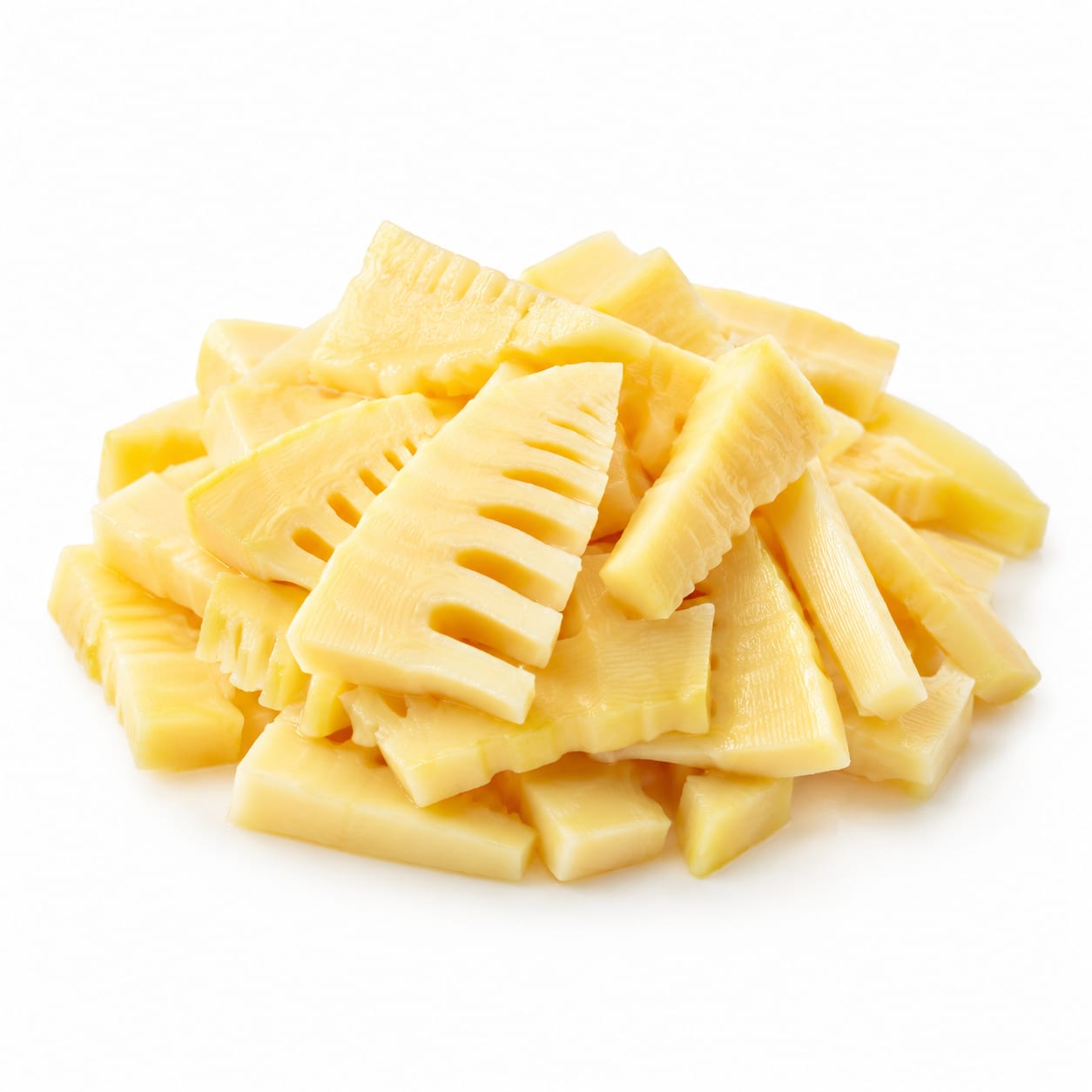
Bamboo Shoots
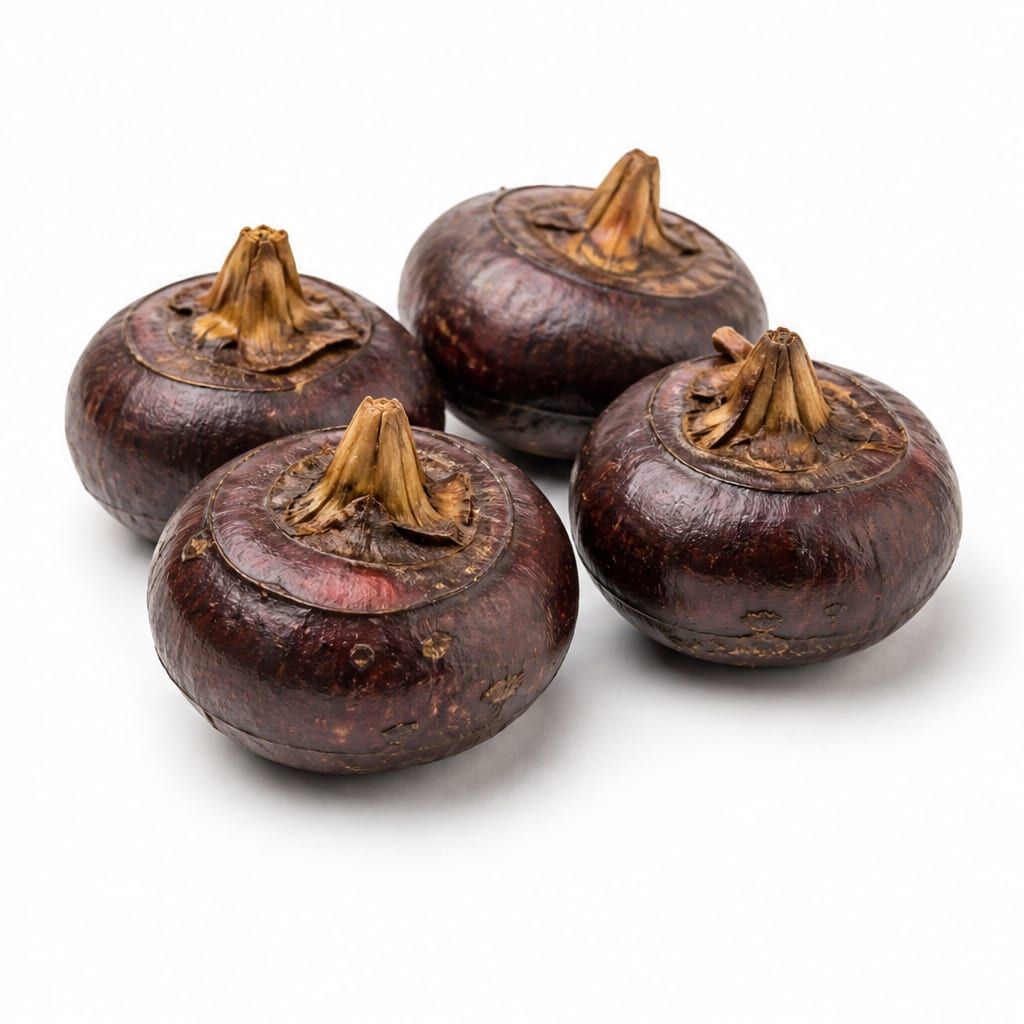
Water Chestnuts
Bamboo shoots edge ahead with dramatically more fiber, fewer calories, and richer micronutrients, but require careful cooking to be safe. Water chestnuts win on convenience and raw safety.
Bamboo shoots score higher due to superior fiber content, lower calories, and richer micronutrient profile. Water chestnuts remain competitive through convenience, raw safety, and culinary versatility. The gap reflects nutritional density advantages that matter more for health-focused eaters.
Nutritional density and fiber versus convenience and worry-free preparation
At a glance
Executive summary
Overall
Bamboo Shoots
Healthier
Bamboo Shoots
More practical
Water Chestnuts
Daily use
It depends
Key comparison lenses
low-calorie vegetable comparison for weight management
Both are extremely low-calorie Asian vegetables often chosen as diet-friendly options
safety and preparation requirements
Bamboo shoots contain natural toxins that require proper cooking, while water chestnuts can be eaten raw
fiber and digestive health benefits
Both are valued for fiber content but bamboo shoots are significantly higher in fiber per calorie
culinary texture and cooking versatility
Water chestnuts retain crunch after cooking, bamboo shoots offer a different textural experience
canned vs fresh availability and quality
Both are commonly sold canned, which affects nutritional value and taste differently
Best choice for
Bamboo Shoots
- Weight loss seekers wanting maximum fiber with minimal calories
- People managing blood sugar who need high-fiber low-carb options
- Those looking to support healthy digestion and gut motility
- Home cooks comfortable with proper preparation techniques
Water Chestnuts
- Busy cooks who want a safe crunch without extra prep steps
- People who enjoy raw vegetables in salads and fresh dishes
- Anyone wanting a satisfying texture that survives stir-frying and canning
- Those unfamiliar with bamboo shoot preparation safety requirements
Least suitable for
Bamboo Shoots
- Anyone unwilling to properly cook before eating due to natural toxin risk
- People with thyroid concerns who want to minimize goitrogenic foods
- Those seeking a grab-and-go raw snack vegetable
Water Chestnuts
- Strict low-carb dieters who count every gram of carbohydrate
- People wanting maximum fiber intake per calorie consumed
- Those avoiding higher-sodium canned varieties without fresh access
Deep comparison
Dimension by dimension
Each lens scores both foods and breaks down who each option suits.
- Dimension 1 · Priority 93Bamboo Shoots
Calorie Density and Weight Management
Bamboo Shoots · 95Water Chestnuts · 72Bamboo shoots deliver roughly one-third the calories of water chestnuts per serving, making them one of the lowest-calorie vegetables available.
Tradeoff
Water chestnuts provide more sustained energy from carbohydrates, while bamboo shoots are almost negligibly caloric.
Why it matters
For anyone tracking calories closely, bamboo shoots let you eat a larger volume of food for fewer calories, which helps with feeling full without overeating.
Real-world impact
A full cup of bamboo shoots costs you about 25 calories versus roughly 120 for the same amount of water chestnuts. That difference adds up over a week of meals.
Bamboo Shoots
- Strict calorie counters
- Volume eaters who want large portions
- People in an aggressive weight loss phase
Better for
- Endurance athletes needing carb energy
- Underweight individuals seeking calorie density
Worse for
Water Chestnuts
- Active people needing more carbohydrate fuel
- Those who find very low-calorie foods unsatisfying
Better for
- Anyone on a strict calorie budget
- Those who tend to overeat higher-carb foods
Worse for
- Dimension 2 · Priority 90Bamboo Shoots
Fiber and Digestive Health
Bamboo Shoots · 88Water Chestnuts · 58Bamboo shoots contain roughly 2-3 times more fiber per serving than water chestnuts, making them significantly better for digestion and gut health.
Tradeoff
Water chestnuts offer gentler fiber that is less likely to cause bloating in sensitive individuals, while bamboo shoots deliver more bulk for regularity.
Why it matters
Fiber is the most commonly deficient nutrient in modern diets. Bamboo shoots provide a meaningful contribution toward daily targets, while water chestnuts contribute modestly.
Real-world impact
Adding bamboo shoots to a stir-fry can provide nearly 10% of your daily fiber in one serving. Water chestnuts would give you about 3-4%.
Bamboo Shoots
- People with sluggish digestion needing more bulk
- Anyone falling short on daily fiber goals
- Those managing cholesterol through dietary fiber
Better for
- Individuals with severe IBS who react to high-fiber loads
- People transitioning from very low-fiber diets too quickly
Worse for
Water Chestnuts
- People with irritable bowel who need gentler fiber sources
- Those introducing fiber gradually to avoid bloating
Better for
- Anyone relying on vegetables as a primary fiber source
- Those with chronic constipation needing stronger support
Worse for
- Dimension 3 · Priority 88Water Chestnuts
Safety and Preparation Requirements
Bamboo Shoots · 45Water Chestnuts · 92Raw bamboo shoots contain cyanogenic glycosides that can release hydrogen cyanide, requiring thorough cooking. Water chestnuts are safe to eat raw straight from the produce section.
Tradeoff
Bamboo shoots reward careful preparation with richer nutrition, while water chestnuts offer peace of mind and zero preparation anxiety.
Why it matters
Improperly prepared bamboo shoots can cause nausea, dizziness, and in extreme cases serious toxicity. This is a real safety concern, not a theoretical one.
Real-world impact
If you grab fresh bamboo shoots and snack on them raw, you could get sick. Water chestnuts you can slice and eat immediately with zero risk.
Bamboo Shoots
- Experienced home cooks who follow proper preparation steps
- Those using pre-cooked canned bamboo shoots where risk is eliminated
Better for
- Careless or rushed meal preparers
- Households with curious children who sample raw ingredients
Worse for
Water Chestnuts
- Beginner cooks unfamiliar with bamboo shoot safety
- Anyone wanting raw vegetable snack options
- Families with children who might grab uncooked ingredients
Better for
- None significant — water chestnuts have no meaningful safety downside
Worse for
- Dimension 4 · Priority 78Bamboo Shoots
Micronutrient Density
Bamboo Shoots · 76Water Chestnuts · 62Bamboo shoots provide more copper, potassium, and various B vitamins per calorie, while water chestnuts offer decent potassium but less overall nutritional variety.
Tradeoff
Neither is a micronutrient powerhouse, but bamboo shoots give you more nutritional value per calorie consumed.
Why it matters
When calories are limited, getting more vitamins and minerals per bite matters. Bamboo shoots deliver better nutrient density for the caloric investment.
Real-world impact
Think of bamboo shoots as the better return-on-investment vegetable. You spend fewer calories and get more minerals back.
Bamboo Shoots
- Those eating fewer calories who need efficient nutrient sources
- Anyone wanting to maximize mineral intake per bite
Better for
- Those who dislike the taste and would eat fewer vegetables overall
Worse for
Water Chestnuts
- People already meeting micronutrient needs through other foods
- Those prioritizing taste and texture over nutritional optimization
Better for
- Anyone relying on a small number of vegetables for mineral intake
Worse for
- Dimension 5 · Priority 75Water Chestnuts
Culinary Versatility and Texture
Bamboo Shoots · 62Water Chestnuts · 85Water chestnuts maintain their signature crunch even after prolonged cooking and canning, while bamboo shoots soften more and have a milder textural presence.
Tradeoff
Water chestnuts are the texture champion that survives any cooking method, while bamboo shoots offer subtler flavor that absorbs seasonings beautifully.
Why it matters
Texture is a major driver of food satisfaction. The enduring crunch of water chestnuts makes them more versatile across raw and cooked applications.
Real-world impact
Toss water chestnuts into a stir-fry and they stay crisp. Bamboo shoots will soften and blend into the dish. Both have their place, but water chestnuts are more predictable.
Bamboo Shoots
- Dishes where you want vegetables to absorb surrounding flavors
- Soups and braises where softer texture is preferred
Better for
- Dishes where maintaining crunch matters
- Raw applications like salads and crudités
Worse for
Water Chestnuts
- Stir-fries where crunch is essential
- Raw salads and fresh spring rolls
- Any dish where you want textural contrast that survives cooking
Better for
- Slow-cooked dishes where crunch feels out of place
- Pureed or blended recipes
Worse for
- Dimension 6 · Priority 82Bamboo Shoots
Blood Sugar Impact
Bamboo Shoots · 90Water Chestnuts · 65With far fewer carbohydrates and more fiber to slow absorption, bamboo shoots have minimal impact on blood sugar. Water chestnuts carry more carbs and less fiber to buffer them.
Tradeoff
Bamboo shoots are nearly free of metabolic burden, while water chestnuts provide useful carbohydrate energy at the cost of a moderate glycemic load.
Why it matters
For anyone monitoring blood sugar — whether diabetic, prediabetic, or simply avoiding energy crashes — bamboo shoots are the safer bet.
Real-world impact
Bamboo shoots will not spike your blood sugar at all. A large serving of water chestnuts might cause a modest rise, especially if eaten alone.
Bamboo Shoots
- People with diabetes or insulin resistance
- Those following low-carb or keto approaches
- Anyone trying to avoid afternoon energy crashes
Better for
- Post-workout recovery when carbs would actually help
Worse for
Water Chestnuts
- Active individuals who need carbohydrate fuel before exercise
- Those who tolerate carbs well and want pre-workout energy
Better for
- Diabetics managing tight glycemic control
- Low-carb dieters tracking net carbs carefully
Worse for
Timeline
Health impact over time
Short-term
Hours to days
Bamboo Shoots
- Excellent fullness per calorie due to high fiber volume
- Zero blood sugar disruption after eating
- Risk of nausea or headache if consumed raw or undercooked due to natural cyanogenic compounds
Water Chestnuts
- Mild satiety from water content and some fiber
- Small blood sugar response from carbohydrate content
- Safe to eat raw with no toxicity risk, making them a worry-free quick snack
Long-term
Months to years
Bamboo Shoots
- Improved digestive regularity from consistent high fiber intake
- Better cholesterol management through soluble fiber
- Potential thyroid impact if consumed in very large quantities frequently due to goitrogenic compounds
Water Chestnuts
- Modest digestive support from moderate fiber
- Decent potassium intake supporting blood pressure regulation
- Minimal risk profile with no known toxicity concerns at normal consumption levels
Risk profile
Safety & processing
Both foods are naturally whole vegetables in their fresh form. However, both are commonly sold canned, which introduces sodium and sometimes slight texture changes. Canned bamboo shoots and water chestnuts are still recognizable as whole foods with minimal additives beyond salt and water.
Bamboo Shoots
Cyanogenic glycoside toxicity from raw consumption
highFresh bamboo shoots contain taxiphyllin, which converts to hydrogen cyanide when cells are damaged. Boiling for at least 20 minutes in an open pot destroys this compound. Canned bamboo shoots are pre-cooked and safe.
Goitrogenic compound exposure
lowBamboo shoots contain compounds that may interfere with thyroid function when consumed in very large amounts regularly. This is rarely a practical concern at normal serving sizes.
Water Chestnuts
Canned sodium content
mediumCanned water chestnuts often contain added sodium. Rinsing helps reduce this, but sodium-sensitive individuals should check labels or seek fresh options.
Potential bacterial contamination of fresh water chestnuts
lowSince water chestnuts grow in aquatic environments, fresh ones can harbor bacteria on the skin. Washing and peeling eliminates this concern.
Who wins for whom
Audience fit
Same foods, different winners depending on your goal.
children
Water ChestnutsWater chestnuts are safe raw, fun to eat, and have a mild sweet crunch that appeals to kids. Bamboo shoots require careful cooking and pose a safety risk if a child sampled them raw.
daily consumption
It dependsBamboo shoots offer better daily nutritional value but require preparation effort and awareness. Water chestnuts are easier to incorporate casually but provide less fiber. Choose based on whether you prioritize nutrition or convenience.
diabetes
Bamboo ShootsBamboo shoots have negligible carbohydrate content and high fiber, resulting in virtually no glycemic impact. Water chestnuts carry more carbs with less fiber buffering.
elderly
Bamboo ShootsThe superior fiber content in bamboo shoots supports digestive regularity, which becomes increasingly important with age. Properly cooked bamboo shoots are safe and beneficial.
muscle gain
It dependsNeither is a meaningful protein source. Water chestnuts offer slightly more carbohydrate energy for training fuel, but both are complementary vegetables rather than muscle-building staples.
weight loss
Bamboo ShootsBamboo shoots provide dramatically fewer calories and significantly more fiber per serving, creating better satiety with less caloric cost.
Your move
Decision guide
Choose Bamboo Shoots
- You are counting calories and want maximum food volume for minimal energy cost
- Digestive regularity and fiber intake are top priorities for you
- You are managing blood sugar and want vegetables with near-zero glycemic impact
- You are comfortable boiling fresh bamboo shoots thoroughly or using pre-cooked canned versions
- You want a vegetable that absorbs flavors well in soups and braised dishes
Choose Water Chestnuts
- You want a safe, raw snack vegetable with no preparation anxiety
- Crunch and texture retention in stir-fries matters to you
- You are cooking for children or beginners who might not follow safety protocols
- You need pre-workout carbohydrate energy from a whole food source
- You prefer a vegetable that works equally well raw in salads or cooked in hot dishes
Either works if
- You are building an Asian-inspired stir-fry and want vegetable variety
- You are looking for low-calorie crunch options beyond celery and cucumber
- You want to rotate vegetables for dietary diversity without overthinking it
Avoid both if
- You have a known allergy to either food, which is rare but possible
- You are strictly avoiding all canned foods and cannot access fresh versions
- You are on a very low-FODMAP diet and are sensitive to either vegetable
Final recommendation
For most health-conscious eaters, bamboo shoots are the nutritionally superior choice — more fiber, fewer calories, better blood sugar profile. However, that advantage comes with a real safety responsibility: always cook them thoroughly. If you want a worry-free crunchy vegetable you can eat raw or toss into any dish without thinking, water chestnuts are the practical winner. The smartest approach is keeping both in rotation: bamboo shoots when you are meal-prepping and can cook properly, water chestnuts when you need something quick and safe.
Practical
Consumer tips
- 1
If buying canned bamboo shoots, check for low-sodium options and rinse before using to reduce salt content by up to 40%
- 2
Fresh bamboo shoots must be boiled in an open pot for at least 20 minutes before eating — never skip this step
- 3
Fresh water chestnuts are worth seeking out at Asian markets — the crunch and sweetness are dramatically better than canned
- 4
Peel fresh water chestnuts with a paring knife and soak in water to prevent browning if not using immediately
- 5
Frozen bamboo shoots are a good middle ground between fresh and canned — already cooked and with better texture than canned
- 6
Add bamboo shoots to soups and stews where their flavor-absorbing quality shines, and save water chestnuts for stir-fries and salads where crunch matters