
Nutrition comparison
Bamboo Shoots vs Bok Choy: Nutrition, Safety, and Which to Choose
Compare Bamboo Shoots and Bok Choy side by side. Learn which has more fiber, which is safer to prepare, and which vegetable fits your health goals better.
Overall winner · Bok Choy
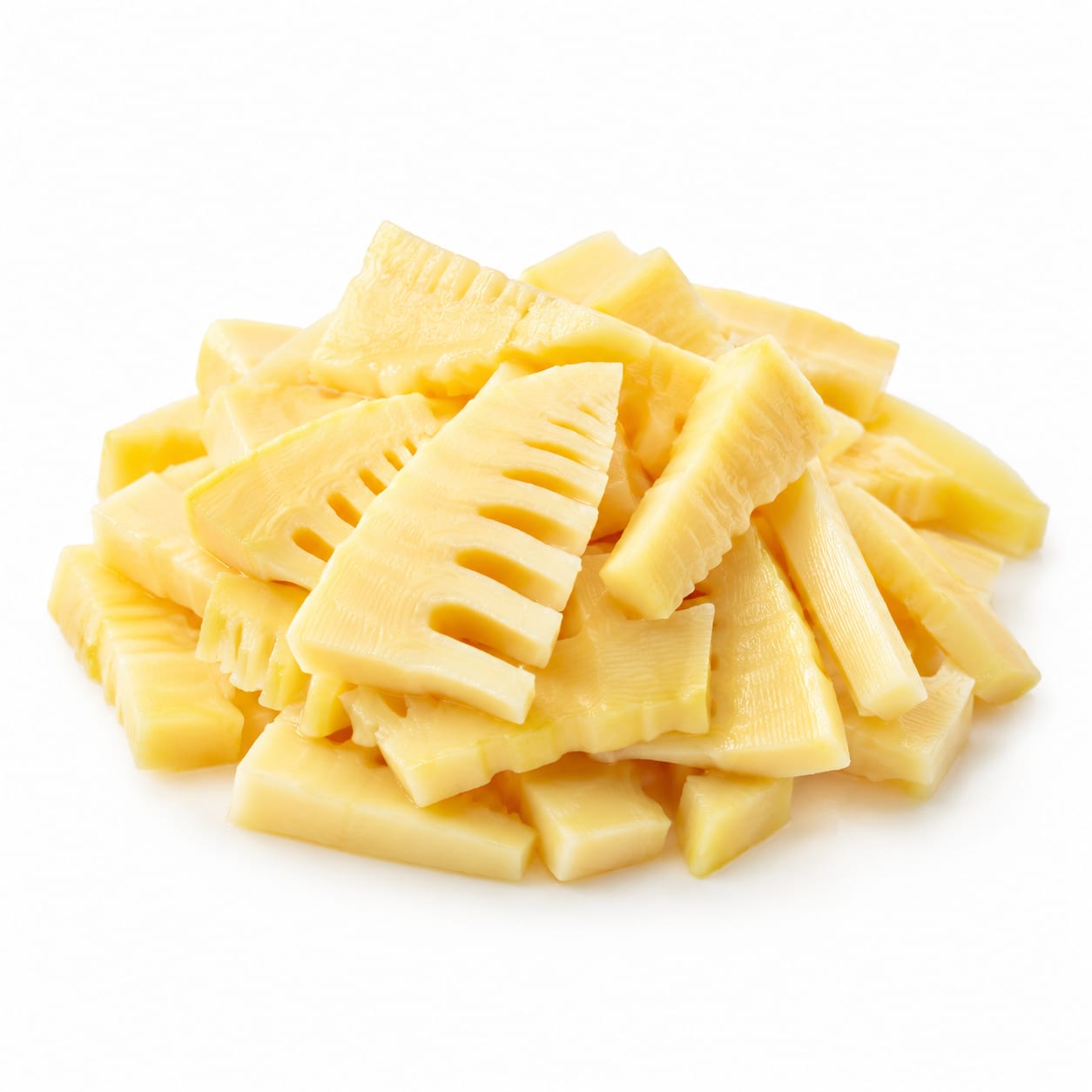
Bamboo Shoots
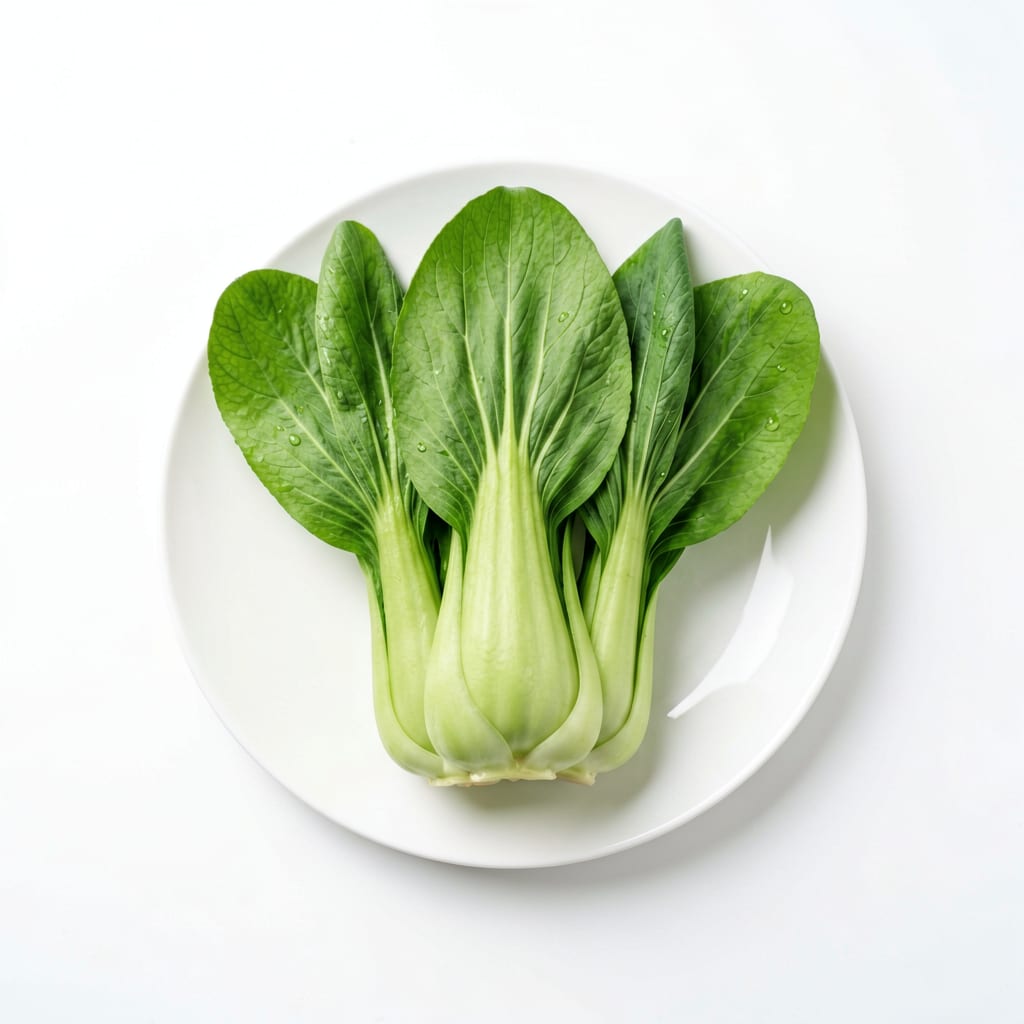
Bok Choy
Bok Choy wins on nutrient density and convenience, but Bamboo Shoots offer superior fiber and a unique culinary texture worth keeping in rotation.
Bok Choy scores higher due to superior nutrient density, easier preparation, and broader versatility. Bamboo Shoots remain valuable for fiber and satiety but require more careful handling and offer fewer micronutrients.
Bok Choy gives you more vitamins and minerals per bite with easier prep, while Bamboo Shoots fill you up longer and support digestion better.
At a glance
Executive summary
Overall
Bok Choy
Healthier
Bok Choy
More practical
Bok Choy
Daily use
Bok Choy
Key comparison lenses
nutrient density comparison
Bok Choy is significantly more vitamin and mineral rich, while Bamboo Shoots offer fiber and unique phytonutrients
safety and preparation
Bamboo Shoots contain cyanogenic glycosides requiring thorough cooking, while Bok Choy is safe raw or lightly cooked
weight management
Both are extremely low calorie but Bamboo Shoots offer more fiber for fullness
digestive health
Bamboo Shoots provide notably more fiber, supporting gut health and regularity
bone and immune support
Bok Choy delivers exceptional vitamin K, calcium, and vitamin C for bone and immune function
Best choice for
Bamboo Shoots
- People prioritizing digestive regularity and fiber intake
- Those seeking low-calorie volume eating with maximum satiety
- Anyone wanting unique texture and crunch in Asian dishes
- Budget-conscious shoppers using canned bamboo shoots
Bok Choy
- People wanting maximum vitamin and mineral density per calorie
- Those who need quick-cooking or raw vegetable options
- Anyone focused on bone health and immune support
- Families needing versatile vegetables kids will eat
Least suitable for
Bamboo Shoots
- Anyone unwilling to properly boil and prepare fresh shoots due to toxicity risk
- People on low-sodium diets relying on canned versions
- Those wanting a quick no-cook vegetable option
Bok Choy
- People with thyroid conditions who eat large amounts raw
- Those seeking high-fiber vegetables for constipation relief
- Anyone wanting a substantial textural crunch in stir-fries
Deep comparison
Dimension by dimension
Each lens scores both foods and breaks down who each option suits.
- Dimension 1 · Priority 92Bok Choy
nutrient_density
Bamboo Shoots · 45Bok Choy · 88Bok Choy delivers dramatically more vitamins K, C, A, and calcium per calorie. Bamboo Shoots are relatively micronutrient-poor despite their fiber content.
Tradeoff
Bamboo Shoots offer more fiber and some unique phytonutrients, but Bok Choy covers far more nutritional bases in a single serving.
Why it matters
If you eat limited vegetable variety, Bok Choy gives you more nutritional insurance per bite.
Real-world impact
A single cup of Bok Choy covers over half your daily vitamin K and vitamin A needs. Bamboo Shoots cover almost no daily vitamin targets.
Bamboo Shoots
- Getting more insoluble fiber in your diet
Better for
- Relying on Bamboo Shoots as a primary vegetable leaves micronutrient gaps
Worse for
Bok Choy
- Meeting daily vitamin and mineral needs efficiently
- Supporting bone density through vitamin K and calcium
- Boosting immune function with vitamin C
Better for
- Not providing as much filling fiber per serving
Worse for
- Dimension 2 · Priority 85Bamboo Shoots
fiber_and_satiety
Bamboo Shoots · 82Bok Choy · 55Bamboo Shoots contain roughly double the fiber of Bok Choy, making them noticeably more filling for the same calories.
Tradeoff
You feel fuller with Bamboo Shoots but get fewer vitamins. Bok Choy is lighter and less filling but more nutrient-rich.
Why it matters
For volume eaters or those managing hunger on low calories, fiber content makes a real daily difference.
Real-world impact
A Bamboo Shoot side dish keeps you satisfied longer between meals. Bok Choy may leave you reaching for a snack sooner.
Bamboo Shoots
- Staying full between meals on fewer calories
- Supporting digestive regularity and gut health
- Adding bulk to stir-fries without adding calories
Better for
- High fiber may cause bloating if you're not used to it
Worse for
Bok Choy
- Lighter meals where you don't want to feel stuffed
- Quick digestion before exercise
Better for
- Less helpful for constipation or hunger management
Worse for
- Dimension 3 · Priority 88Bok Choy
safety_and_preparation
Bamboo Shoots · 40Bok Choy · 90Fresh Bamboo Shoots contain cyanogenic glycosides that must be neutralized by thorough boiling. Bok Choy is safe raw or lightly cooked.
Tradeoff
Bamboo Shoots reward careful preparation with unique texture and flavor, but the safety barrier is real. Bok Choy is essentially worry-free.
Why it matters
Improperly prepared Bamboo Shoots can cause cyanide poisoning symptoms including dizziness, nausea, and headache.
Real-world impact
Bok Choy can be rinsed and eaten immediately. Fresh Bamboo Shoots require peeling and 20+ minutes of boiling before they're safe.
Bamboo Shoots
- Experienced cooks who enjoy traditional preparation methods
Better for
- Risk of improper preparation leading to illness
- Canned versions often loaded with sodium
- Intimidating for inexperienced home cooks
Worse for
Bok Choy
- Busy weeknight cooking
- Raw vegetable platters and salads
- Families with children who need simple safe prep
- Meal prepping in bulk without extra steps
Better for
- Minimal safety concerns to flag
Worse for
- Dimension 4 · Priority 75Bok Choy
culinary_versatility
Bamboo Shoots · 55Bok Choy · 85Bok Choy works raw in salads, pickled, grilled, stir-fried, or in soups. Bamboo Shoots are more limited to cooked Asian dishes.
Tradeoff
Bamboo Shoots bring an irreplaceable crunchy texture to specific dishes, but Bok Choy adapts to nearly any cuisine or cooking method.
Why it matters
A more versatile vegetable gets eaten more often, which matters more than theoretical nutrition.
Real-world impact
Bok Choy can be your go-to green for breakfast eggs, lunch salads, and dinner stir-fries. Bamboo Shoots shine in specific recipes but rarely appear outside them.
Bamboo Shoots
- Authentic Asian soup and curry recipes
- Adding distinct crunch that Bok Choy cannot replicate
Better for
- Rarely used outside Asian recipes
- Cannot be eaten raw
Worse for
Bok Choy
- Salads and raw applications
- Quick sautés and sheet pan meals
- Smoothies and green juices
- Multiple cuisine styles beyond Asian cooking
Better for
- Lacks the distinctive woody crunch some dishes need
Worse for
- Dimension 5 · Priority 72Bok Choy
cancer_preventive_compounds
Bamboo Shoots · 50Bok Choy · 85Bok Choy contains glucosinolates that break down into cancer-fighting compounds like sulforaphane. Bamboo Shoots have lignans but less evidence.
Tradeoff
Cruciferous vegetables like Bok Choy have strong epidemiological backing for cancer risk reduction. Bamboo Shoots offer some phytonutrients but with weaker evidence.
Why it matters
Regular cruciferous vegetable intake is one of the most consistent dietary patterns linked to lower cancer risk.
Real-world impact
Eating Bok Choy a few times weekly contributes meaningfully to long-term cancer risk reduction. Bamboo Shoots are a healthy addition but less proven for this purpose.
Bamboo Shoots
- Providing lignans with some antioxidant activity
Better for
- Less research backing specific cancer-fighting compounds
Worse for
Bok Choy
- Delivering well-studied glucosinolates
- Supporting detoxification enzyme pathways
- Consistent evidence linking regular intake to lower cancer risk
Better for
- Goitrogenic when consumed raw in very large amounts by susceptible individuals
Worse for
- Dimension 6 · Priority 70Bok Choy
sodium_and_processing_concerns
Bamboo Shoots · 35Bok Choy · 90Canned Bamboo Shoots often contain 400-600mg sodium per serving. Fresh Bamboo Shoots and Bok Choy are both naturally very low sodium.
Tradeoff
If you buy fresh Bamboo Shoots, sodium is a non-issue. But most people buy canned, which creates a hidden sodium load.
Why it matters
A single serving of canned Bamboo Shoots can deliver 25% of your daily sodium limit before you add any sauce or seasoning.
Real-world impact
People watching blood pressure or sodium intake need to rinse canned Bamboo Shoots thoroughly or seek fresh ones. Bok Choy is almost always sold fresh.
Bamboo Shoots
- Fresh Bamboo Shoots are naturally sodium-free
Better for
- Canned versions are sodium bombs
- May contain preservatives in processed forms
Worse for
Bok Choy
- Consistently low sodium regardless of how purchased
- No hidden processing additives
- Widely available fresh year-round
Better for
- Minimal processing concerns to flag
Worse for
Timeline
Health impact over time
Short-term
Hours to days
Bamboo Shoots
- Improved fullness after meals due to high fiber content
- Potential digestive discomfort if consuming large amounts without adequate water
- Risk of nausea or headache if fresh shoots are undercooked
Bok Choy
- Quick nutrient boost especially vitamins K, C, and A
- Very gentle on digestion when cooked
- Possible mild thyroid suppression if eaten raw in extremely large quantities
Long-term
Months to years
Bamboo Shoots
- Better digestive regularity and gut health from consistent fiber intake
- Cholesterol-lowering potential from phytosterols in Bamboo Shoots
- Risk of elevated blood pressure if regularly consuming canned versions
Bok Choy
- Stronger bones from consistent vitamin K and calcium intake
- Lower cancer risk from regular glucosinolate consumption
- Better immune function from sustained vitamin C and A intake
Risk profile
Safety & processing
Both vegetables are whole foods in their fresh form. However, Bamboo Shoots are frequently sold canned with added sodium and sometimes preservatives, raising the effective processing concern. Bok Choy is almost always sold fresh with minimal intervention.
Bamboo Shoots
Cyanogenic glycosides in raw shoots
highFresh Bamboo Shoots contain taxiphyllin, which releases hydrogen cyanide when raw. Must be boiled 20+ minutes before eating. Symptoms of improper preparation include dizziness, nausea, vomiting, and headache.
High sodium in canned products
mediumCanned Bamboo Shoots frequently contain 400-600mg sodium per serving. Rinsing helps but does not eliminate all added sodium.
Sulfite preservatives in some canned varieties
lowSome canned Bamboo Shoots contain sulfites as preservatives, which can trigger reactions in sensitive individuals.
Bok Choy
Goitrogenic compounds when raw
lowBok Choy contains goitrogens that can interfere with thyroid function when consumed raw in very large amounts. Cooking largely neutralizes this concern. Normal intake poses negligible risk.
Pesticide residue on conventional bunches
lowBok Choy appears on the EWG's Dirty Dozen list some years. Washing thoroughly or choosing organic reduces exposure.
Who wins for whom
Audience fit
Same foods, different winners depending on your goal.
children
Bok ChoyBok Choy is safer to prepare, milder in flavor, and can be served raw or lightly cooked. Bamboo Shoots require careful cooking and have a tougher texture some children reject.
daily consumption
Bok ChoyBok Choy's nutrient density, easy preparation, and culinary versatility make it sustainable as a daily vegetable. Bamboo Shoots work better as an occasional addition due to preparation requirements and more limited use cases.
diabetes
Bamboo ShootsHigher fiber content in Bamboo Shoots slows glucose absorption more effectively, leading to steadier blood sugar after meals.
elderly
Bok ChoyBok Choy provides critical vitamin K and calcium for bone health, is easier to chew when cooked, and requires no special safety precautions. The fiber in Bamboo Shoots can be helpful but may cause bloating in sensitive digestive systems.
muscle gain
It dependsNeither vegetable is a meaningful protein source. Bok Choy provides slightly more calcium for muscle contraction support, but the difference is negligible. Choose based on what you'll eat more of alongside protein.
weight loss
Bamboo ShootsBamboo Shoots provide more fiber and greater satiety per calorie, helping you eat less overall. Both are excellent low-calorie choices, but the fiber edge makes Bamboo Shoots slightly more useful for hunger management.
Your move
Decision guide
Choose Bamboo Shoots
- You want maximum fiber and fullness from a low-calorie vegetable
- You're comfortable boiling and preparing fresh shoots properly
- You cook Asian cuisines regularly and want authentic texture
- You're managing constipation or need more bulk in your diet
Choose Bok Choy
- You want the most vitamins and minerals per calorie
- You need a quick-cooking vegetable for busy weeknights
- You're focused on bone health, immune support, or cancer prevention
- You want one versatile green that works in any meal
Either works if
- You simply want more vegetable variety in your diet
- You're eating well below your calorie needs and either adds value
- You enjoy Asian cooking and can use both in different dishes
Avoid both if
- You have severe thyroid issues and consume large quantities of raw cruciferous vegetables
- You need calorie-dense foods to maintain or gain weight
Final recommendation
Keep Bok Choy as your everyday green for its nutrient density and convenience. Add Bamboo Shoots occasionally when you want extra fiber, unique texture, or authentic Asian flavors. If using canned Bamboo Shoots, rinse thoroughly to cut sodium, or seek fresh shoots and boil them properly for the safest and most rewarding experience.
Practical
Consumer tips
- 1
Rinse canned Bamboo Shoots under running water for 30 seconds to remove up to 40% of added sodium
- 2
If buying fresh Bamboo Shoots, peel the tough outer layers and boil for at least 20 minutes before using
- 3
Choose Bok Choy with crisp white stems and vibrant green leaves — yellowing means it's past peak freshness
- 4
Store Bok Choy in a perforated bag in the crisper drawer and use within 5 days for best nutrient retention
- 5
Slice Bok Choy leaves and stems separately — stems need 1-2 minutes more cooking time
- 6
Baby Bok Choy is more tender and sweeter than mature bunches, ideal for quick cooking or light steaming
- 7
If you have thyroid concerns, cook Bok Choy before eating rather than consuming it raw in large amounts
- 8
Frozen Bamboo Shoots are a middle ground between fresh and canned — lower sodium than canned, less prep than fresh