
Appetizer
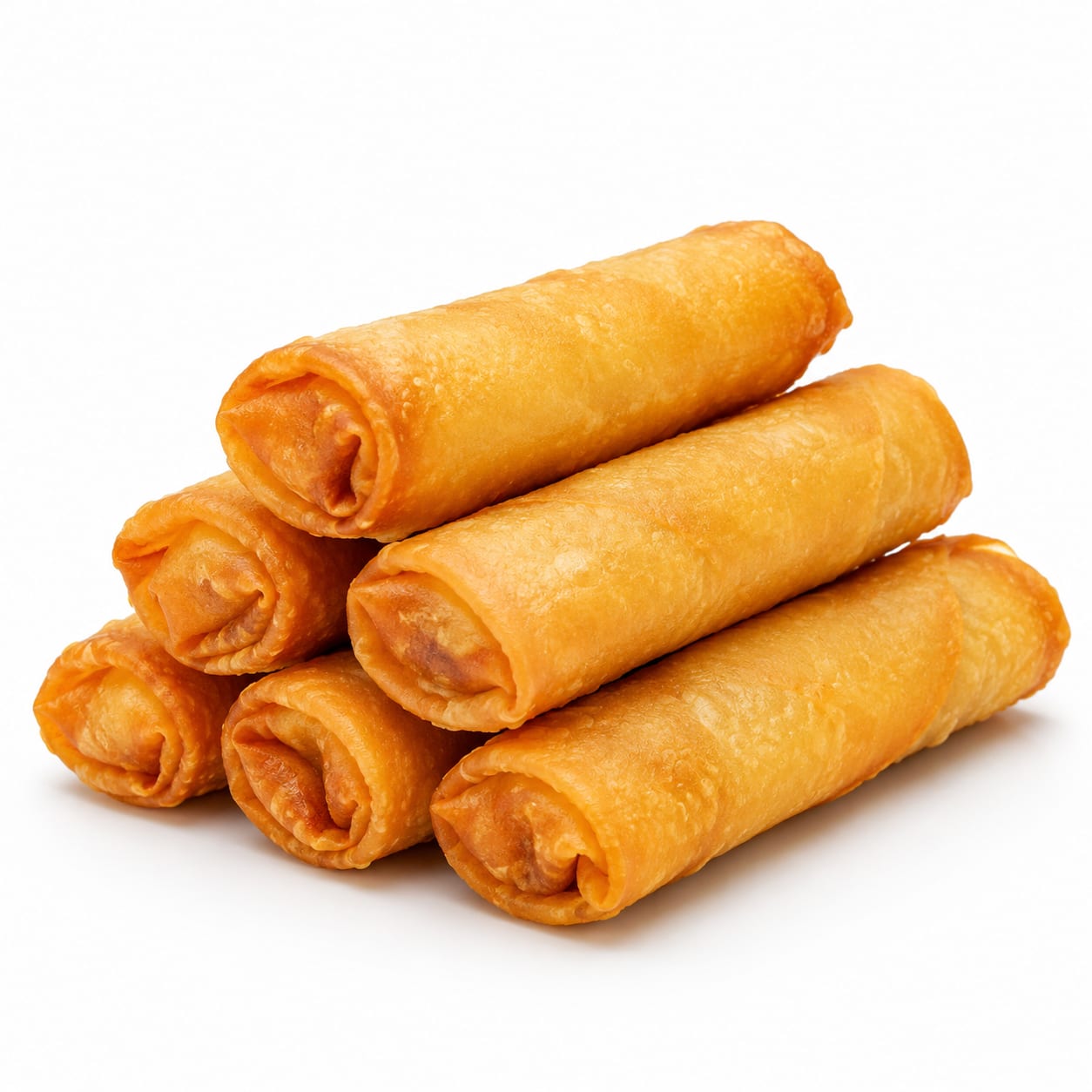
Spring Roll
A deep-fried appetizer of vegetables and meat wrapped in a thin wheat wrapper.
A popular Asian appetizer consisting of vegetables and often meat or shrimp wrapped in a thin dough wrapper and deep-fried until crispy.
energy-dense fried appetizer
Typical serving · 85g
Common varieties · vegetable spring roll, pork spring roll, shrimp spring roll, fresh spring roll (summer roll), mini spring roll
Overall context score across nutrition, safety, and diet fit
At a glance
Quick facts
Simple indicators based on nutrition, processing, and diet fit.
The story
What makes it unique
Fried spring rolls are energy-dense due to significant fat absorption during deep-frying. The refined wheat wrapper provides rapidly digesting carbohydrates, while the filling offers modest protein and fiber. Satiety is limited by the high energy density and low fiber content, leading to rapid digestion and blood sugar spikes.
Varieties: vegetable spring roll · pork spring roll · shrimp spring roll · fresh spring roll (summer roll) · mini spring roll
Per 100g
Nutrition breakdown
Macro balance and key metrics at a glance.
Energy
Density 2.40 kcal/g
Protein
Carbs
Fat
Fiber
Sugar
2 g
Sodium
450 mg
Potassium
120 mg
Glycemic index
75
Glycemic load
19
Water content
45%
Standout compounds
Nutrient highlights
Fat
highProvides concentrated energy from frying oils
Sodium
moderateEnhances flavor but contributes to high salt intake
Carbohydrates
moderateOffers quick-digesting energy from refined wrappers
Vitamin A
lowDerived from vegetable fillings like cabbage and carrots
Wellness map
Health scores & processing
NOVA processing scale
ultra-processed · Ultra-processed
Commercial spring rolls use refined flours, industrial frying oils, and often contain added preservatives and sodium, undergoing significant industrial processing and deep-frying.
Diet compatibility
- Weight loss
- Muscle gain
- Diabetes
- Gut health
- Low carb
- High protein
- Heart health
Relative standing
Food rankings
Qualitative ranks compared to similar whole foods.
- Satietypoor
- Blood sugarpoor
- Nutrient densitypoor
- Fitness fuelmoderate
- Processing qualitypoor
Eat with confidence
Food safety profile
Primary safety concerns involve acrylamide from deep-frying starchy wrappers and potential pathogens if meat fillings are undercooked. Sodium levels are also elevated.
Evidence confidence 85%
- Pesticideslow
- Antibioticsmoderate
- Heavy metalslow
- Contaminationmoderate
Watch for
- acrylamide
- undercooked meat pathogens
Safer choices
Fresh summer rolls or homemade baked spring rolls using whole food ingredients.
Prep tips
Ensure meat fillings are cooked to safe internal temperatures; bake instead of deep-fry to reduce acrylamide formation.
Acrylamide formation in deep-fried starchy foods is a monitored concern for long-term health.
Deep dive
Health analysis
How this food may fit different goals and preparation choices.
Weight loss
High energy density and fat content make fried spring rolls a poor choice for calorie-controlled diets.
Blood sugar
Refined flour wrappers and frying oil cause rapid digestion and blood sugar spikes, offering poor glycemic control.
Fitness & energy
Provides quick calories but lacks the sustained energy release or sufficient protein needed for workout recovery.
Gut health
Low fiber and high fat offer minimal prebiotic benefit and can slow healthy gastric emptying.
Processing quality
Deep-fried in industrial oils with refined carbohydrates, making it a heavily processed food with low nutrient density.
Food safety
Acrylamide formation from frying starchy wrappers poses a minor long-term risk; ensure proper meat handling to avoid foodborne illness.
Common mistakes
Assuming all spring rolls are healthy because they contain vegetables; deep-frying drastically alters the nutritional profile.
Best preparation
Baking or air-frying instead of deep-frying, and using whole grain or rice paper wrappers with lean protein fillings.
Practical guide
Best use cases
When and how this food fits real eating patterns.
Occasional indulgent appetizer
Suitable as a shared starter for occasional dining out rather than a dietary staple.
Quick calorie-dense snack
Provides a high-calorie option when energy needs are exceptionally high and weight gain is desired.
Balance sheet
Pros & cons
Upsides
- Convenient and readily available
- Provides quick caloric energy
- Contains some vegetables in the filling
- Can be modified to be healthier by baking or air-frying
Trade-offs
- High in calories and fat from deep-frying
- Refined carbohydrates spike blood sugar
- Low in dietary fiber
- Often high in sodium
- Contains acrylamide from frying starchy dough
Fit check
Who is it for?
Great match
- occasional dining out
- sharing as an appetizer
- quick calorie surplus
Consider alternatives
- weight loss
- blood sugar control
- heart-healthy diets
- low-sodium diets
Side by side
How it compares
Open the full head-to-head analysis for nutrition, safety, and practical tradeoffs.
This food
Spring Roll
VS90% alike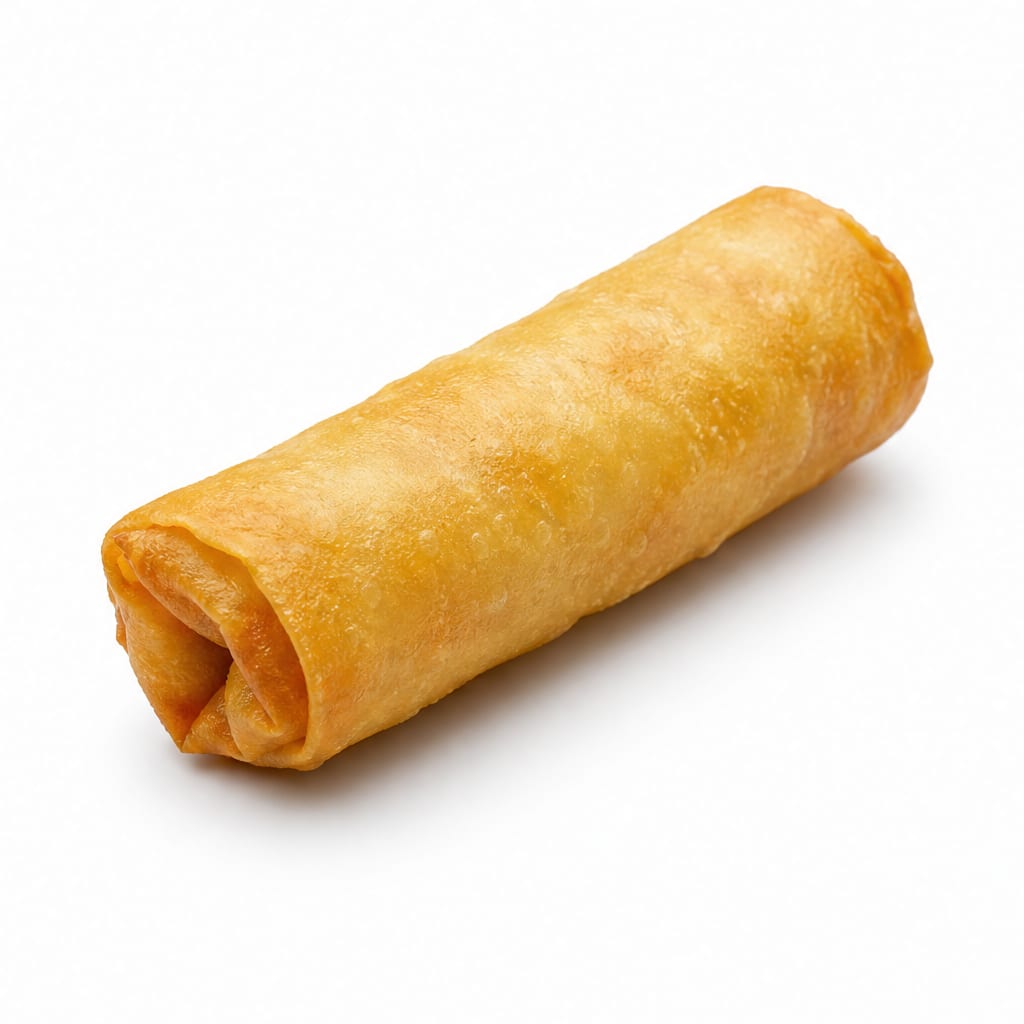
Compare with
Egg Roll
Egg rolls have thicker, egg-based wrappers and are always fried, making them slightly heavier and higher in calories than standard fried spring rolls.
Spring rolls have thinner wrappers and slightly fewer calories than egg rolls, but both are deep-fried and high in fat.
This food
Spring Roll
VS75% alike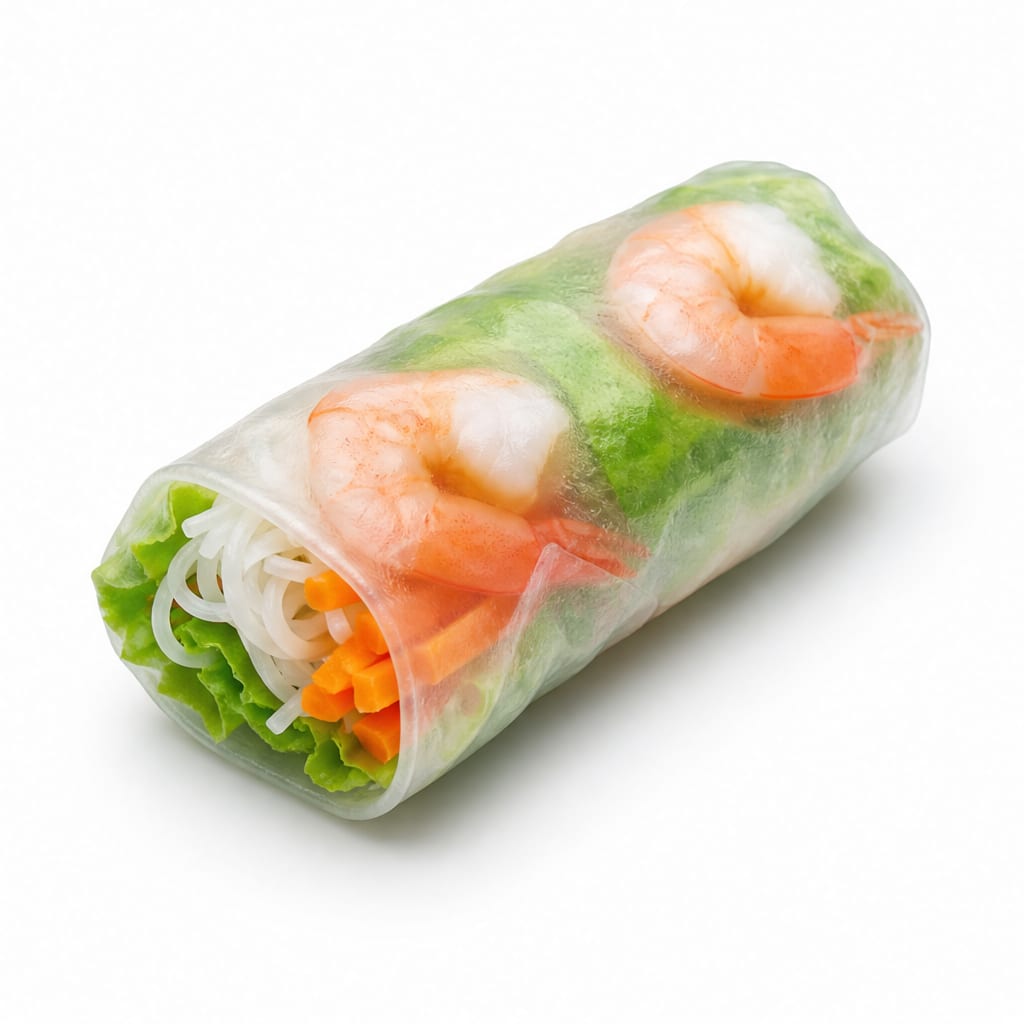
Compare with
Fresh Summer Roll
Fresh summer rolls skip the frying and use rice paper, making them dramatically lower in calories and fat while retaining more vegetable nutrients.
Fresh summer rolls are much healthier than fried spring rolls, offering lower calories and no fried fats, making them better for weight loss.
This food
Spring Roll
VS80% alike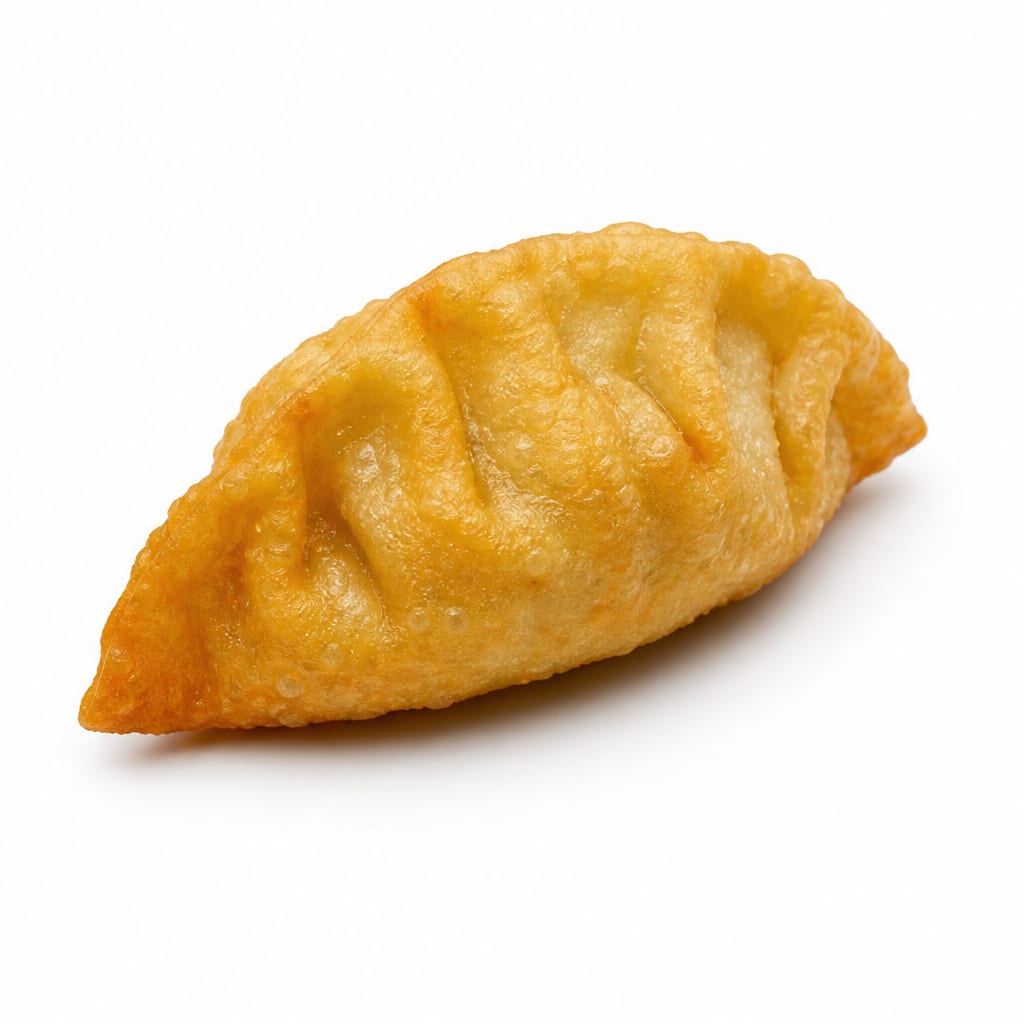
Compare with
Fried Dumpling
Fried dumplings are pan-fried rather than deep-fried, generally resulting in slightly less fat absorption than spring rolls, though still high in calories.
Fried dumplings absorb less oil than deep-fried spring rolls, offering slightly fewer calories, but both are heavy appetizers.
This food
Spring Roll
VS70% alike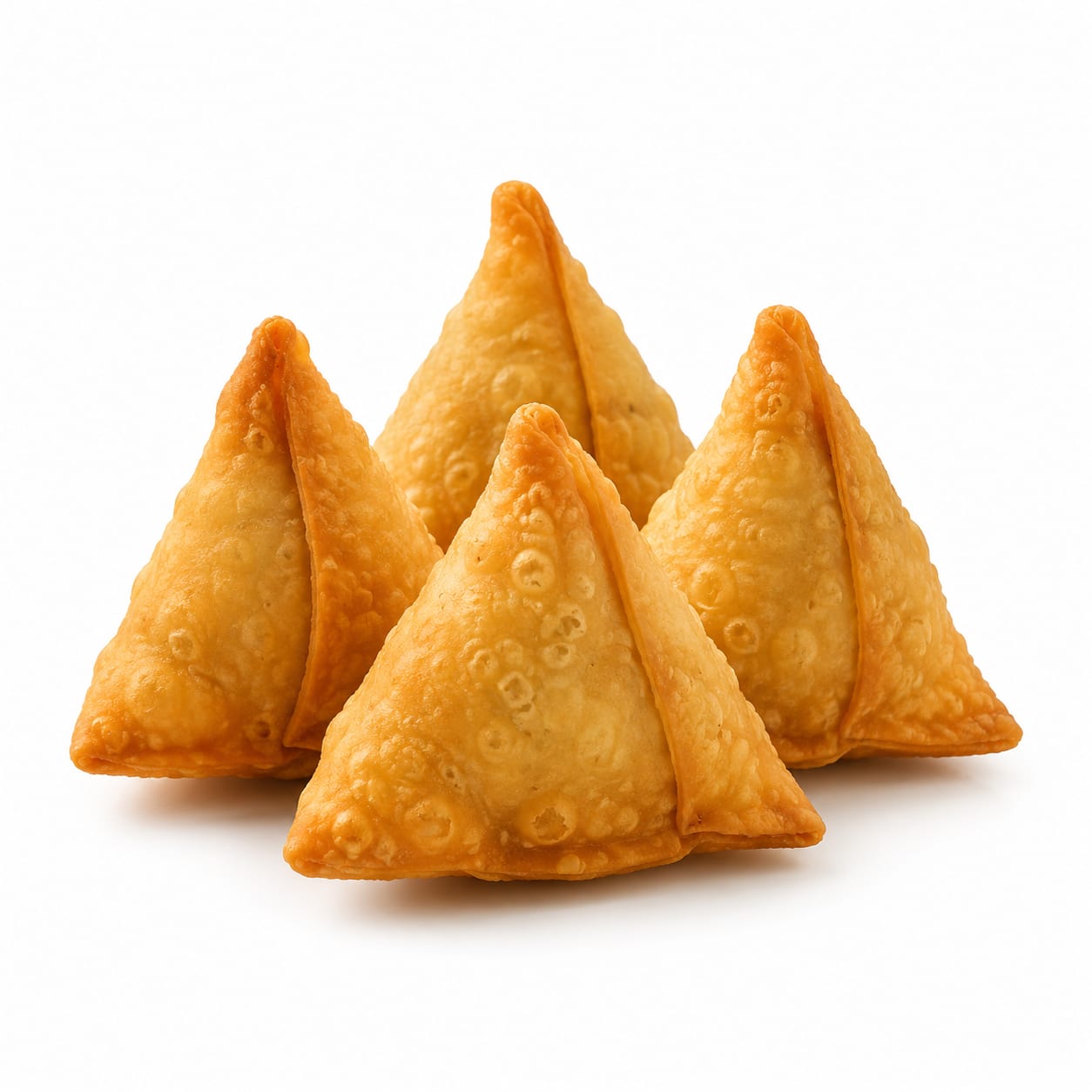
Compare with
Samosa
Samosas use a thicker pastry crust and often contain potatoes and peas, while spring rolls use thinner wrappers and cabbage fillings. Both are deep-fried and high in calories.
Spring rolls are slightly lower in carbohydrates than potato-filled samosas, but both are high-fat fried foods.
This food
Spring Roll
VS85% alike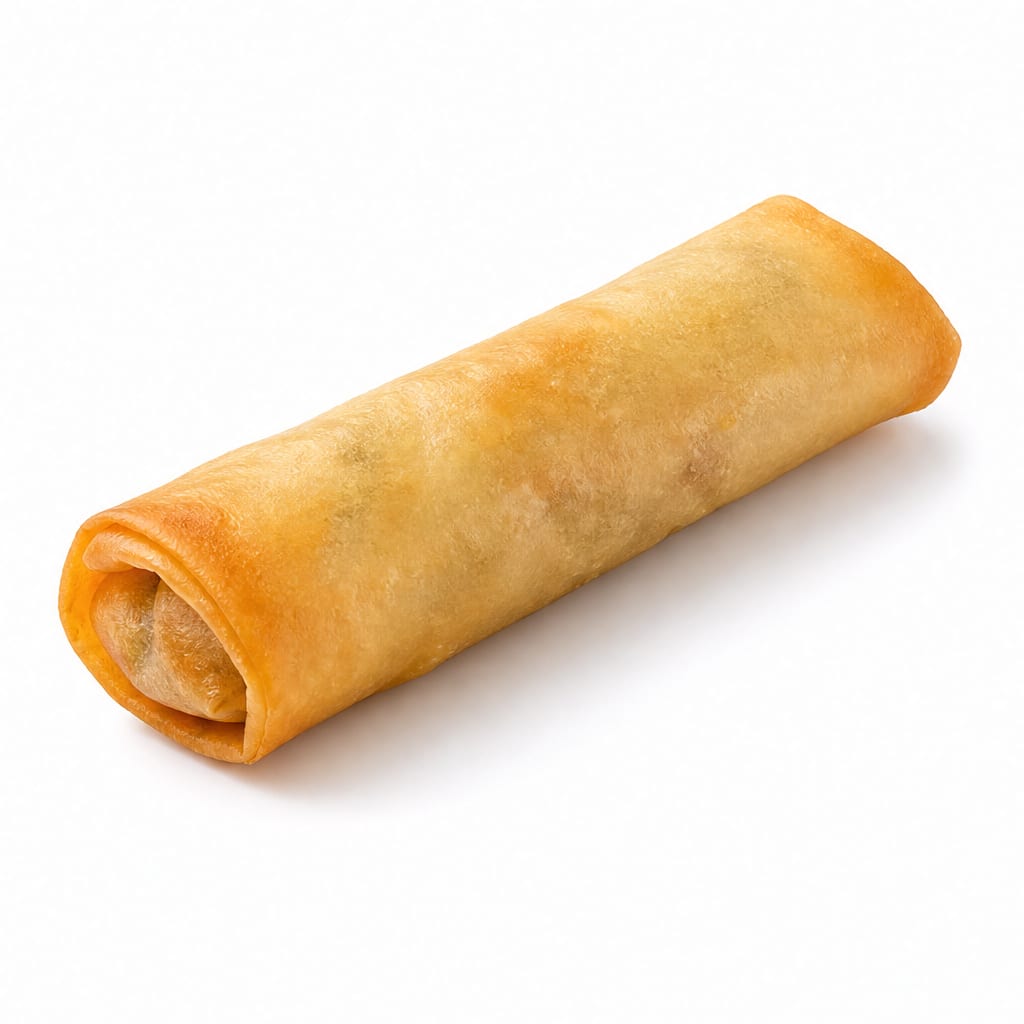
Compare with
Baked Spring Roll
Baking spring rolls eliminates the deep-frying step, drastically reducing fat content and calories while maintaining a similar flavor profile and filling.
Baked spring rolls are far healthier than fried ones, cutting fat and calories significantly while keeping the same great taste.
This food
Spring Roll
VS65% alike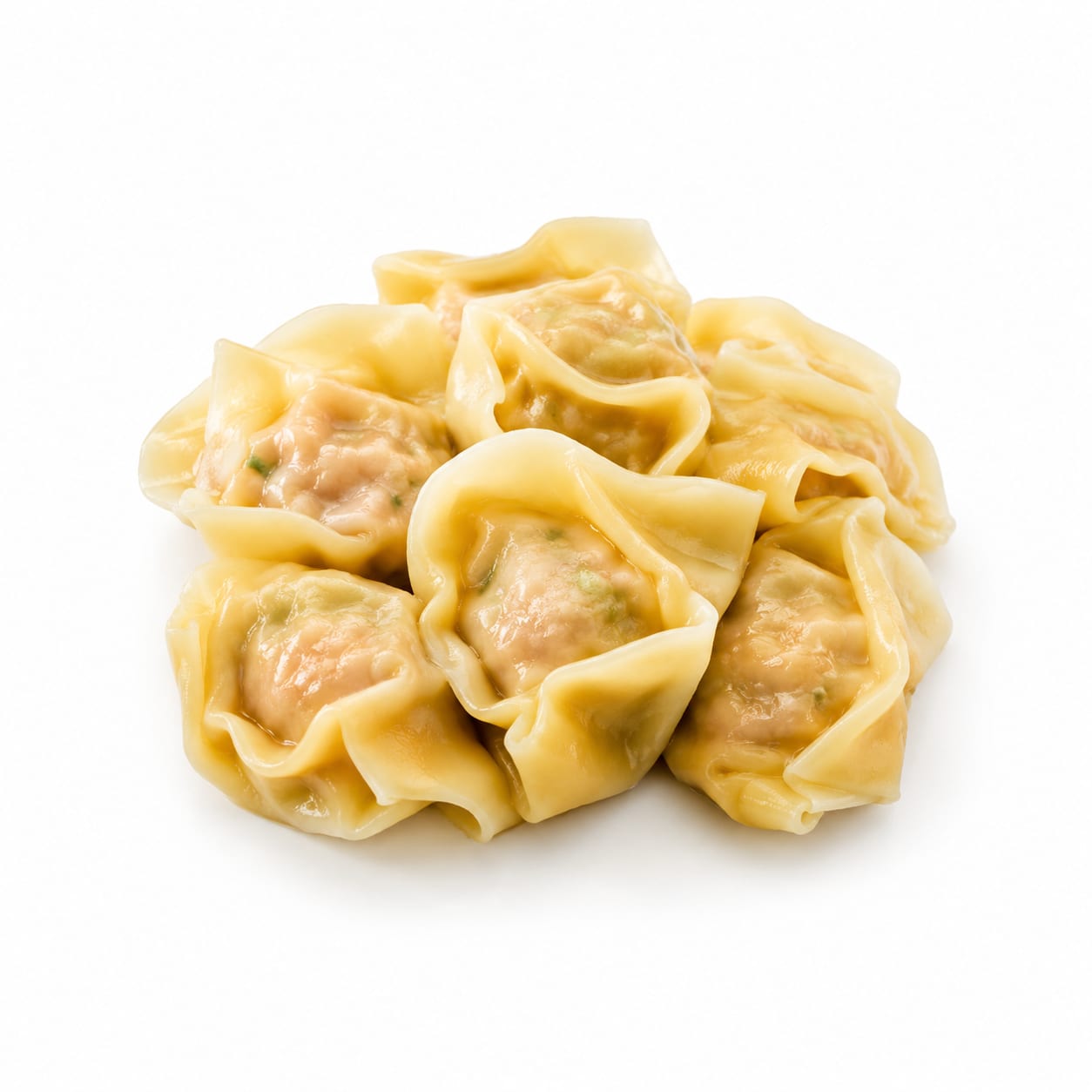
Compare with
Wonton
Wontons are typically boiled or served in soup, making them much lower in calories and fat compared to deep-fried spring rolls.
Boiled wontons are a much lighter choice than fried spring rolls, providing fewer calories and less fat.
This food
Spring Roll
VS60% alike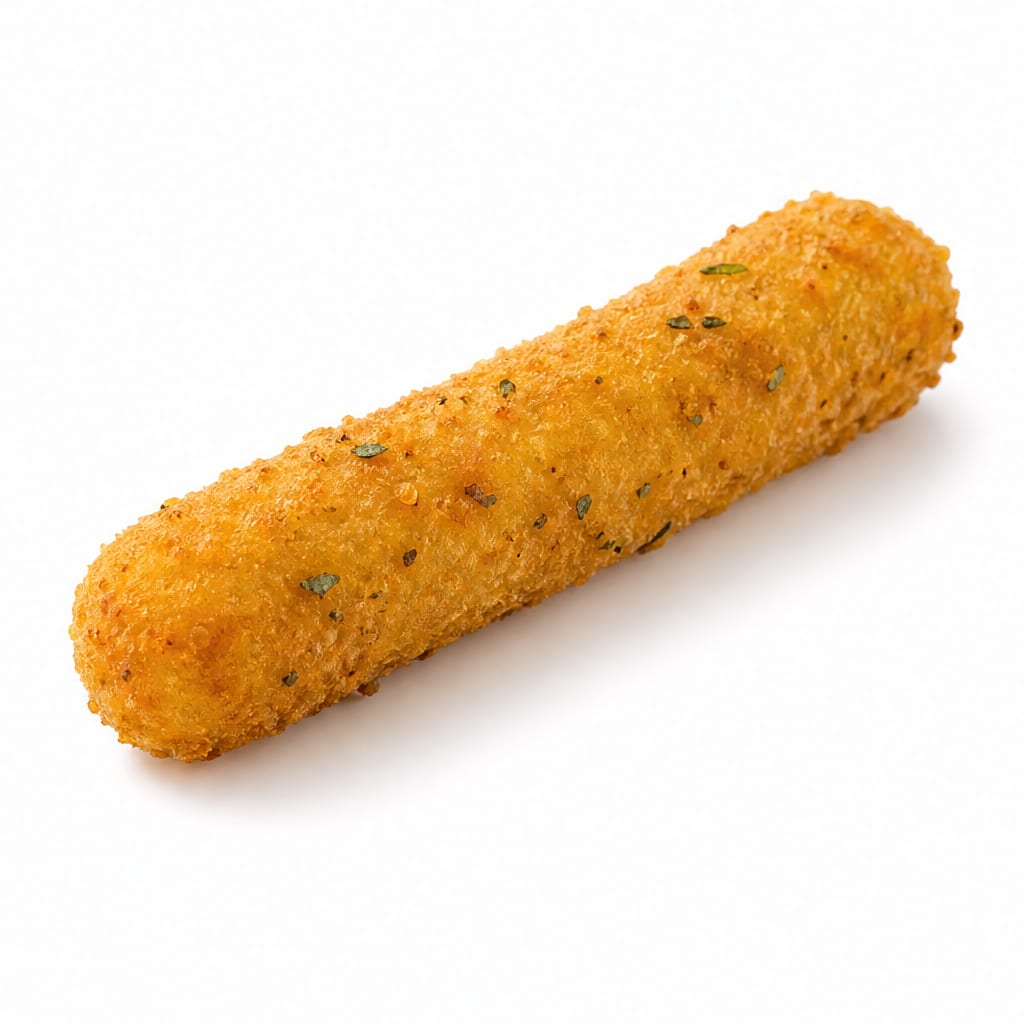
Compare with
Mozzarella Stick
Both are deep-fried and high in calories, but mozzarella sticks provide more protein and calcium from cheese, while spring rolls offer minimal fiber from vegetables.
Spring rolls have slightly fewer calories than mozzarella sticks, but mozzarella sticks offer more protein for fitness recovery.
This food
Spring Roll
VS65% alike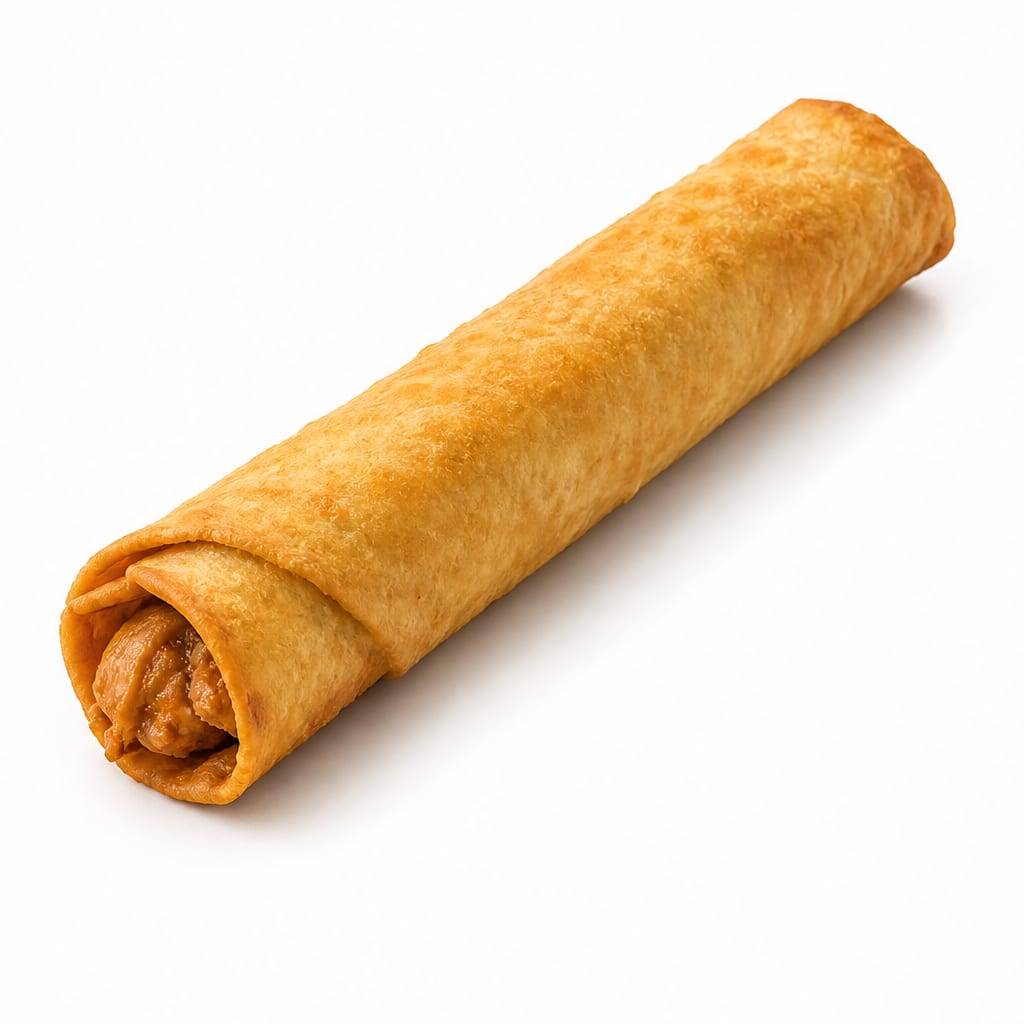
Compare with
Taquito
Taquitos use corn tortillas and meat fillings, while spring rolls use wheat wrappers and vegetable fillings. Both are deep-fried and high in fat.
Spring rolls and taquitos are similar in calories and fat, but taquitos usually offer more protein from their meat filling.
This food
Spring Roll
VS70% alike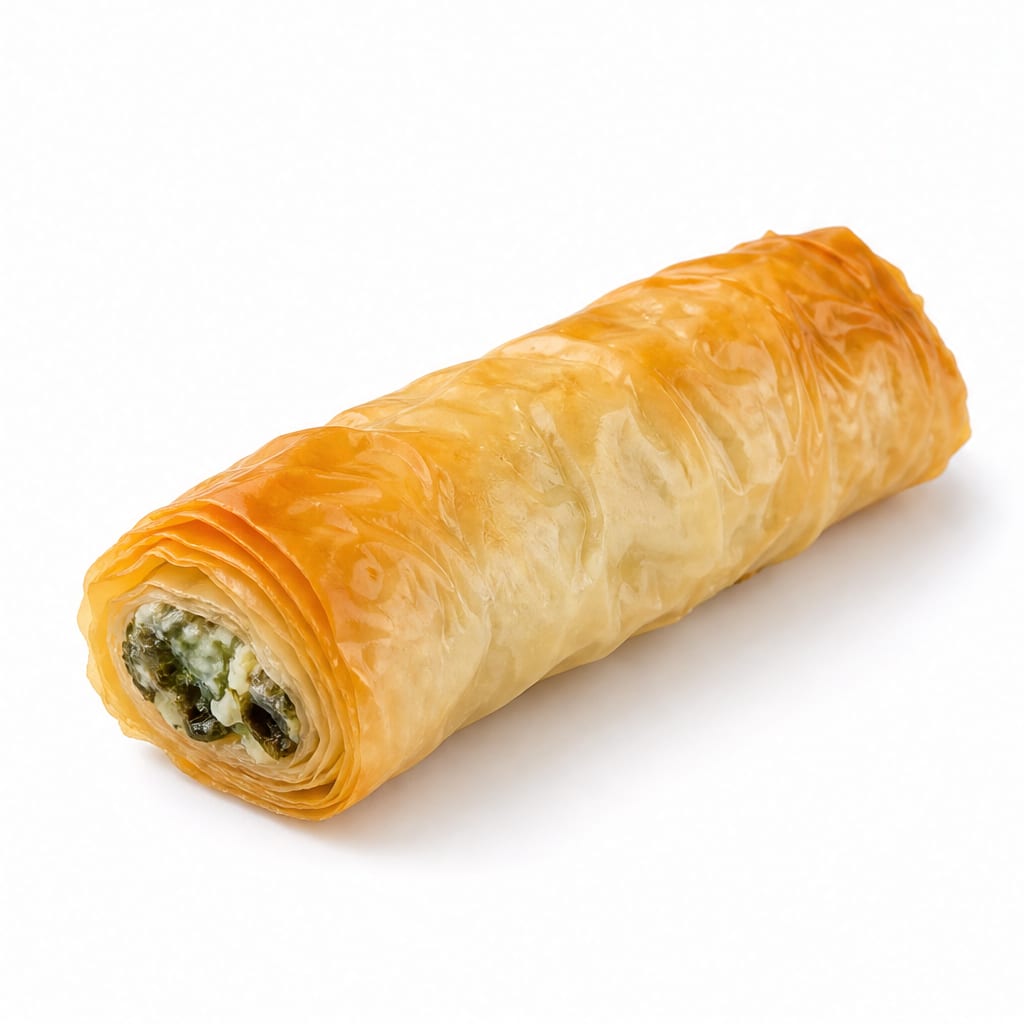
Compare with
Phyllo Roll
Phyllo rolls can be baked or fried. Even when baked, the layered phyllo dough absorbs butter or oil, making them comparable in calories to fried spring rolls.
Baked phyllo rolls can be as calorie-dense as fried spring rolls due to butter, but baked phyllo avoids the deep-frying acrylamide risk.
This food
Spring Roll
VS75% alike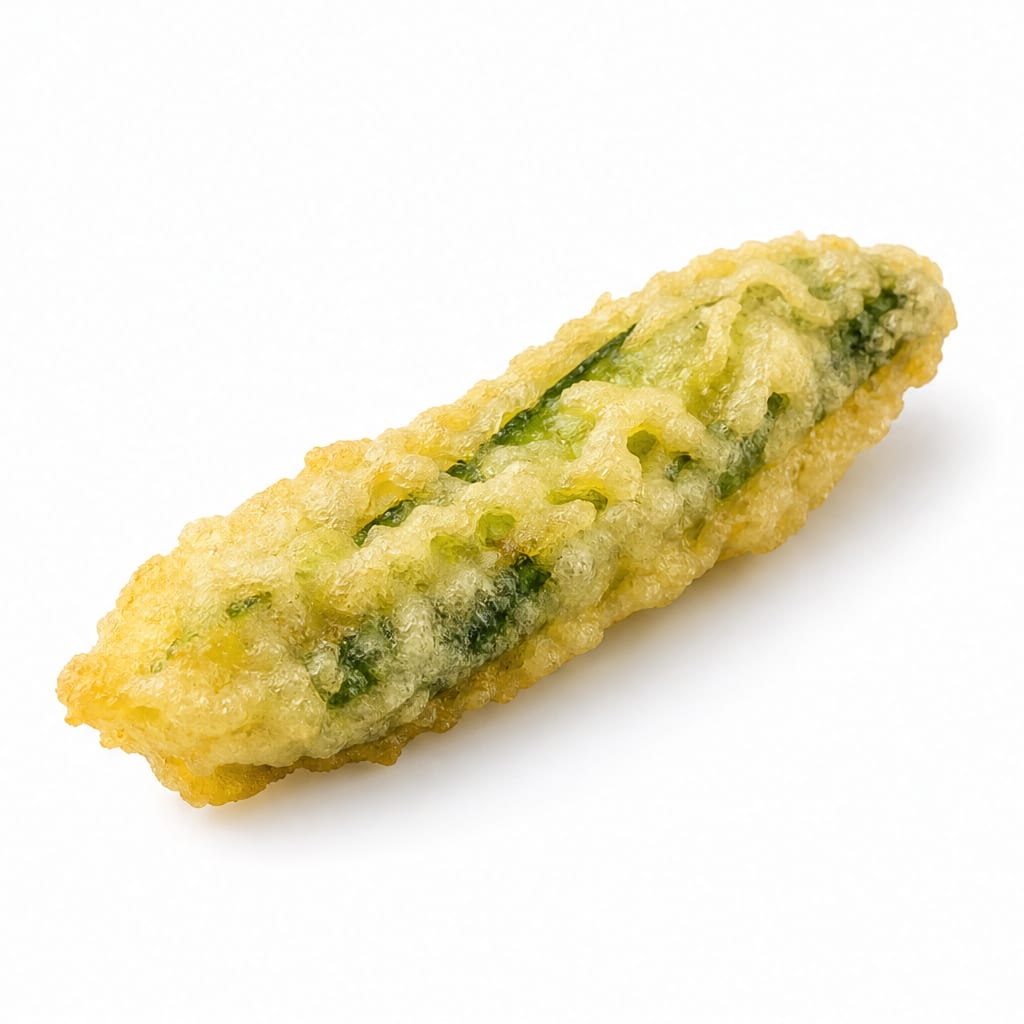
Compare with
Vegetable Tempura
Tempura uses a batter coating rather than a wrapper, but both result in deep-fried vegetables with high fat and calorie content.
Spring rolls and vegetable tempura are equally high in fat and calories from deep-frying, offering similar nutritional drawbacks.
Common questions
FAQ
Answers aligned with how people search for this food.
Are spring rolls good for weight loss?
No, fried spring rolls are high in calories and fat due to deep-frying, making them unsuitable for weight loss. Fresh summer rolls are a much better low-calorie alternative.
How many calories are in a fried spring roll?
A typical restaurant-style fried spring roll contains around 200 to 250 calories per piece, largely from absorbed frying oil.
What is the difference between a spring roll and an egg roll?
Egg rolls have thicker, egg-based wheat wrappers and are always fried. Spring rolls have thinner wrappers and can be either fried or served fresh.
Are fresh spring rolls healthier than fried?
Yes, fresh summer rolls use rice paper and skip the frying process, cutting calories and fat significantly while preserving vegetable nutrients.
Can diabetics eat spring rolls?
Fried spring rolls can spike blood sugar due to the refined flour wrapper and are best limited. Fresh spring rolls with lean protein and vegetables are a safer choice.
Why are spring rolls so high in calories?
The deep-frying process causes the thin wrapper to absorb large amounts of oil, drastically increasing the calorie density of the food.
Are spring rolls high in carbs?
Yes, the wheat or rice wrappers are primarily carbohydrate, and the addition of sweet dipping sauces can increase the carb content further.
How can I make spring rolls healthier?
Bake or air-fry them instead of deep-frying, use whole grain wrappers, load up on vegetable fillings, and choose lean proteins like shrimp or chicken.
Transparency
Data confidence
Estimated confidence for nutrition data, interpretation, safety notes, and comparisons.
Nutrition data
Health analysis
Food safety
Comparisons