
Nutrition comparison
Spring Roll vs Baked Spring Roll: Nutrition & Health Comparison
Compare Spring Roll vs Baked Spring Roll to see which is healthier. Discover the calorie, fat, and texture differences to make the best choice for your diet.
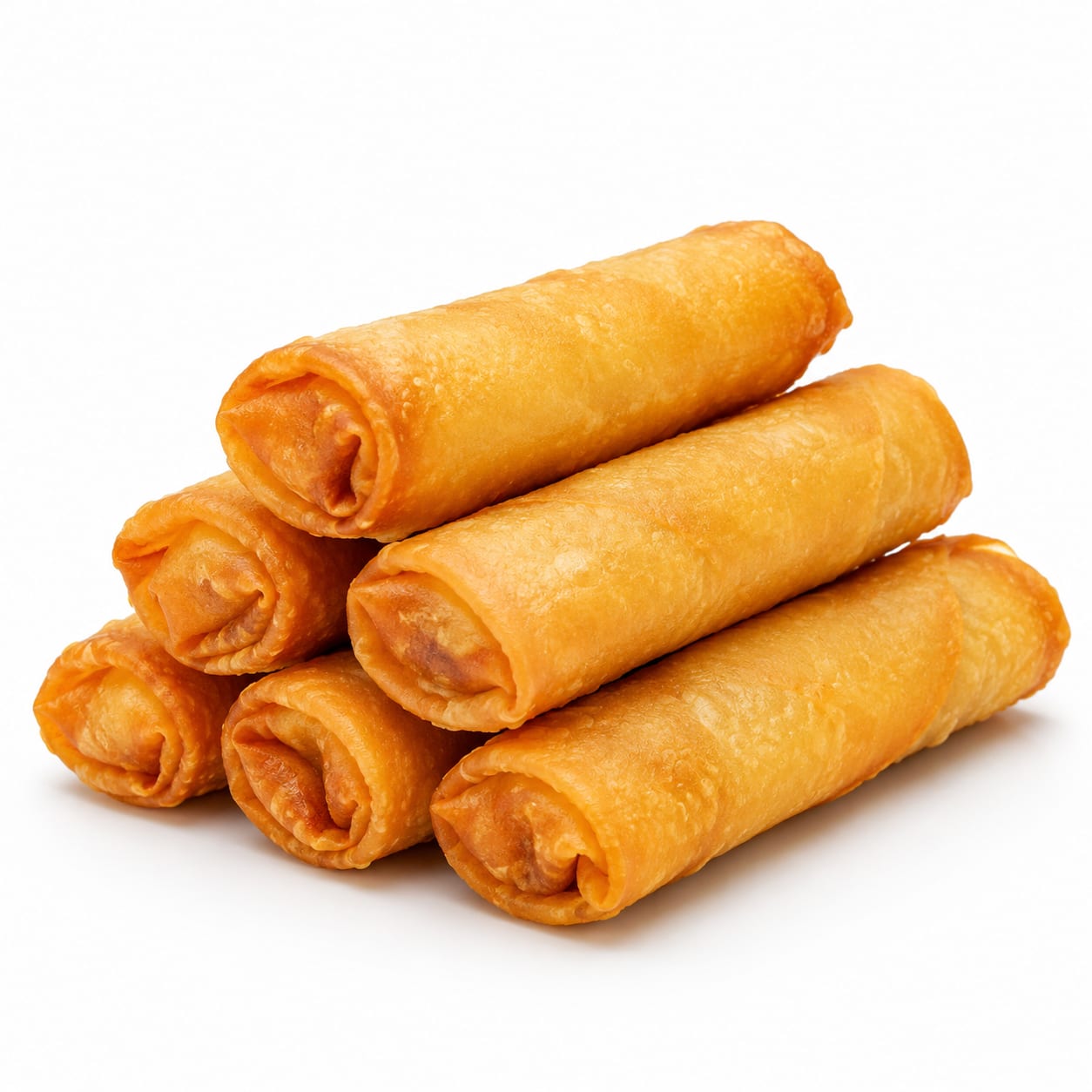
Spring Roll
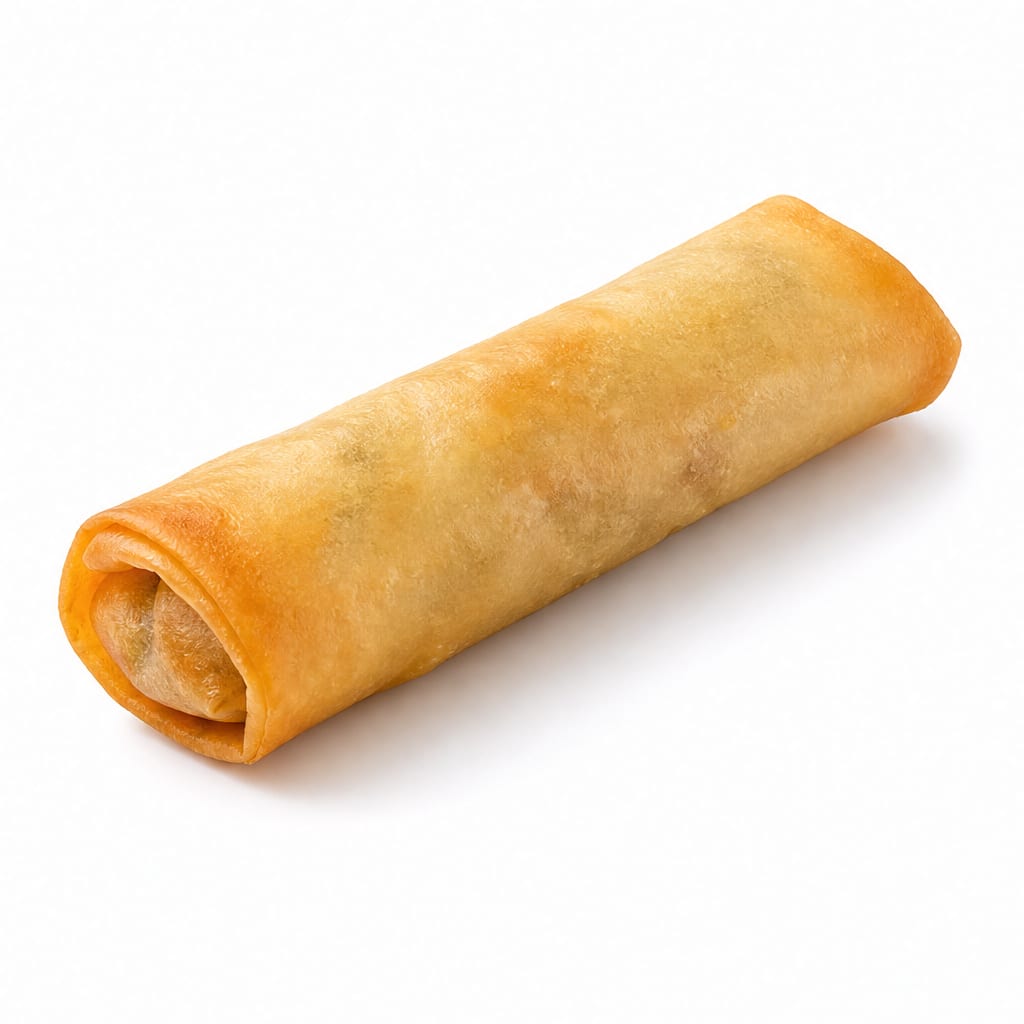
Baked Spring Roll
Baked Spring Rolls are significantly lighter and better for regular consumption, but traditional Spring Rolls deliver an unmatched crispy indulgence.
Baked Spring Rolls score higher overall due to their vastly superior fat profile and practicality for home cooks. Traditional Spring Rolls remain competitive for taste and texture but lose points for heavy calorie density and inflammatory oils.
You trade the authentic, shatteringly crisp texture and rich mouthfeel of deep frying for a dramatically lighter, lower-fat, and heart-friendly profile when you choose baking.
At a glance
Executive summary
Overall
It depends
Healthier
Baked Spring Roll
More practical
Baked Spring Roll
Daily use
Baked Spring Roll
Key comparison lenses
Fat and calorie reduction from cooking method
The primary difference between traditional and baked versions is the elimination of deep frying, which drastically changes the fat profile.
Heart health and inflammatory oil impact
Deep frying in seed oils introduces oxidized fats and inflammatory compounds, whereas baking avoids this entirely.
Texture and satisfaction tradeoff
Frying creates a unique shatteringly crisp wrapper that baking struggles to fully replicate, impacting the eating experience.
Home cooking practicality
Baking is far less messy and dangerous than deep frying at home, making it more accessible for everyday meals.
Best choice for
Spring Roll
- Special occasion indulgences
- Authentic restaurant experiences
- When you crave maximum crunch
Baked Spring Roll
- Weeknight dinners
- Weight management phases
- Meal prepping for the week
Least suitable for
Spring Roll
- People managing high cholesterol
- Daily snacking habits
- Those avoiding deep-fried foods
Baked Spring Roll
- Strict traditionalists seeking authentic texture
- Events where premium indulgence is expected
Deep comparison
Dimension by dimension
Each lens scores both foods and breaks down who each option suits.
- Dimension 1 · Priority 95Baked Spring Roll
Fat and Calorie Density
Spring Roll · 35Baked Spring Roll · 85Baking slashes the fat content by up to 70% compared to deep frying, making Baked Spring Rolls a much lighter option.
Tradeoff
You lose the rich, fatty mouthfeel that makes traditional versions feel so indulgent, but you save hundreds of calories per serving.
Why it matters
Lower fat density means you can eat a satisfying portion without overshooting your daily calorie budget.
Real-world impact
Eating Baked Spring Rolls leaves you feeling light and energized after the meal, rather than weighed down and sluggish.
Spring Roll
- Those needing high-calorie intake
- Seeking maximum flavor from fat
Better for
- Weight loss diets
- Low-fat dietary protocols
Worse for
Baked Spring Roll
- Calorie counters
- Anyone tracking macros
- People wanting larger portions for fewer calories
Better for
- Those needing calorie-dense meals
Worse for
- Dimension 2 · Priority 85Baked Spring Roll
Heart Health and Inflammation
Spring Roll · 30Baked Spring Roll · 80Deep frying introduces oxidized fats and high omega-6 levels from seed oils, while baking keeps the wrapper stable and fat profile clean.
Tradeoff
Traditional Spring Rolls can trigger inflammatory responses if consumed frequently, whereas baked versions support long-term cardiovascular health.
Why it matters
Chronic inflammation from oxidized frying oils is a hidden driver of heart disease and metabolic dysfunction.
Real-world impact
Choosing baked versions regularly is an easy, painless way to protect your heart without giving up your favorite foods.
Spring Roll
- Anyone with heart disease risk factors
- People prone to inflammation
Worse for
Baked Spring Roll
- People with high cholesterol
- Those managing inflammatory conditions
- Cardiovascular health prioritizers
Better for
- Dimension 3 · Priority 80Spring Roll
Texture and Satisfaction
Spring Roll · 95Baked Spring Roll · 65Deep frying creates a blistered, shatteringly crisp wrapper that baking can only approximate, never fully replicate.
Tradeoff
You sacrifice the ultimate crunch and structural integrity for a healthier cooking method.
Why it matters
Texture heavily influences satiety and the psychological satisfaction of eating; a great crunch is deeply rewarding.
Real-world impact
Traditional Spring Rolls feel like a treat you savor; baked versions feel more like a healthy meal you enjoy but might not crave.
Spring Roll
- Food enthusiasts seeking authentic texture
- Special occasions where indulgence matters
Better for
- People sensitive to greasy mouthfeel
Worse for
Baked Spring Roll
- Those who dislike greasy textures
- People prioritizing comfort over crunch
Better for
- Anyone craving a true fried crunch
Worse for
- Dimension 4 · Priority 75Baked Spring Roll
Cooking Convenience and Safety
Spring Roll · 30Baked Spring Roll · 90Baking is a hands-off, mess-free process, while deep frying requires active monitoring, thermometers, and messy oil disposal.
Tradeoff
Baking takes longer in the oven than a quick fry, but frees you from the stove and the danger of hot splashing oil.
Why it matters
If a food is difficult or dangerous to prepare, you are far less likely to make it at home.
Real-world impact
You can pop Baked Spring Rolls in the oven and chop vegetables, rather than babysitting a pot of boiling oil.
Spring Roll
- Restaurants with commercial fryers
- Cooks seeking rapid 3-minute cook times
Better for
- Anyone intimidated by deep frying
- Cooks who hate oil splatter
Worse for
Baked Spring Roll
- Home cooks wanting easy cleanup
- Families avoiding hot oil hazards
- Meal preppers making large batches
Better for
- Those needing food ready in under 5 minutes
Worse for
Timeline
Health impact over time
Short-term
Hours to days
Spring Roll
- Heavy, full feeling due to high fat content
- Potential sluggishness or an afternoon energy crash
- Greasy aftertaste or slight stomach heaviness
Baked Spring Roll
- Lighter post-meal feeling
- Steadier energy without the fat-induced crash
- Satisfying without feeling overstuffed
Long-term
Months to years
Spring Roll
- Increased risk of elevated LDL cholesterol from fried oils
- Higher potential for systemic inflammation if eaten frequently
- Easy to overconsume calories leading to gradual weight gain
Baked Spring Roll
- Better cardiovascular markers from lower fat intake
- Easier weight management due to lower calorie density
- Stable blood lipid profiles
Risk profile
Safety & processing
Both use similar wrappers and fillings, but the deep frying process fundamentally alters the oil quality in traditional Spring Rolls, introducing degraded and oxidized fats that act like processed additives in the body.
Spring Roll
Oxidized cooking oils
mediumRepeated heating or high-heat deep frying degrades seed oils, creating compounds that promote cellular stress and inflammation.
Hot oil splatter burns
mediumDeep frying at home carries a real risk of severe skin burns from oil splashing, especially with wet fillings.
Baked Spring Roll
Acrylamide formation
lowBaking starchy foods at high temperatures can form small amounts of acrylamide, though far less than deep frying produces.
Drying out
lowOverbaking can make the wrapper excessively tough and dry, though this is a culinary issue rather than a safety hazard.
Who wins for whom
Audience fit
Same foods, different winners depending on your goal.
children
Baked Spring RollKids benefit from the lower fat content, and baking eliminates the dangerous hot oil risk in the kitchen.
daily consumption
Baked Spring RollThe lower inflammatory load and calorie count make Baked Spring Rolls a sustainable, everyday choice.
diabetes
Baked Spring RollHigh fat intake from deep frying can worsen insulin resistance; the baked version keeps the fat low and blood sugar more stable.
elderly
Baked Spring RollMuch easier on the digestive system and far better for maintaining healthy cholesterol and heart function.
muscle gain
It dependsNeither is a protein powerhouse, but traditional Spring Rolls offer slightly more calories if you struggle to eat enough.
weight loss
Baked Spring RollBaked Spring Rolls save hundreds of calories per serving by skipping the oil bath, making it much easier to stay in a deficit.
Your move
Decision guide
Choose Spring Roll
- You are eating out and want the authentic, indulgent experience
- It is a special celebration where maximum flavor and crunch matter
- You are an experienced home cook comfortable deep frying
Choose Baked Spring Roll
- You are meal prepping for a healthy week
- You want to protect your heart and manage your weight
- You are cooking at home and want an easy, mess-free dinner
Either works if
- You only eat them occasionally and portion size is controlled
- The filling quality is identical and highly nutritious
Avoid both if
- You have a severe allergy to common wrapper ingredients like wheat or rice
- You are on a strict very-low-carb diet and the fillings are carb-heavy
Final recommendation
Make Baked Spring Rolls your go-to for everyday meals to save calories and skip the inflammatory oils. Save the traditional deep-fried Spring Rolls for restaurant treats or special occasions when that unmatched crunch is worth the indulgence.
Practical
Consumer tips
- 1
Lightly brush Baked Spring Rolls with oil before baking to get a golden, crisp exterior without the deep fry.
- 2
If deep frying at home, use a high-smoke-point oil like avocado oil and do not reuse the oil to minimize oxidized fats.
- 3
Pack both versions with extra lean protein and veggies to make them a complete, satisfying meal regardless of cooking method.
- 4
Let Baked Spring Rolls rest on a wire rack after cooking so the bottom does not steam and get soggy.