
Nutrition comparison
Spring Roll vs Vegetable Tempura: Which Is Healthier?
Compare spring rolls and vegetable tempura on calories, fat, nutrition, and digestion. Find out which Asian appetizer is better for weight loss, heart health, and everyday eating.
Overall winner · Spring Roll
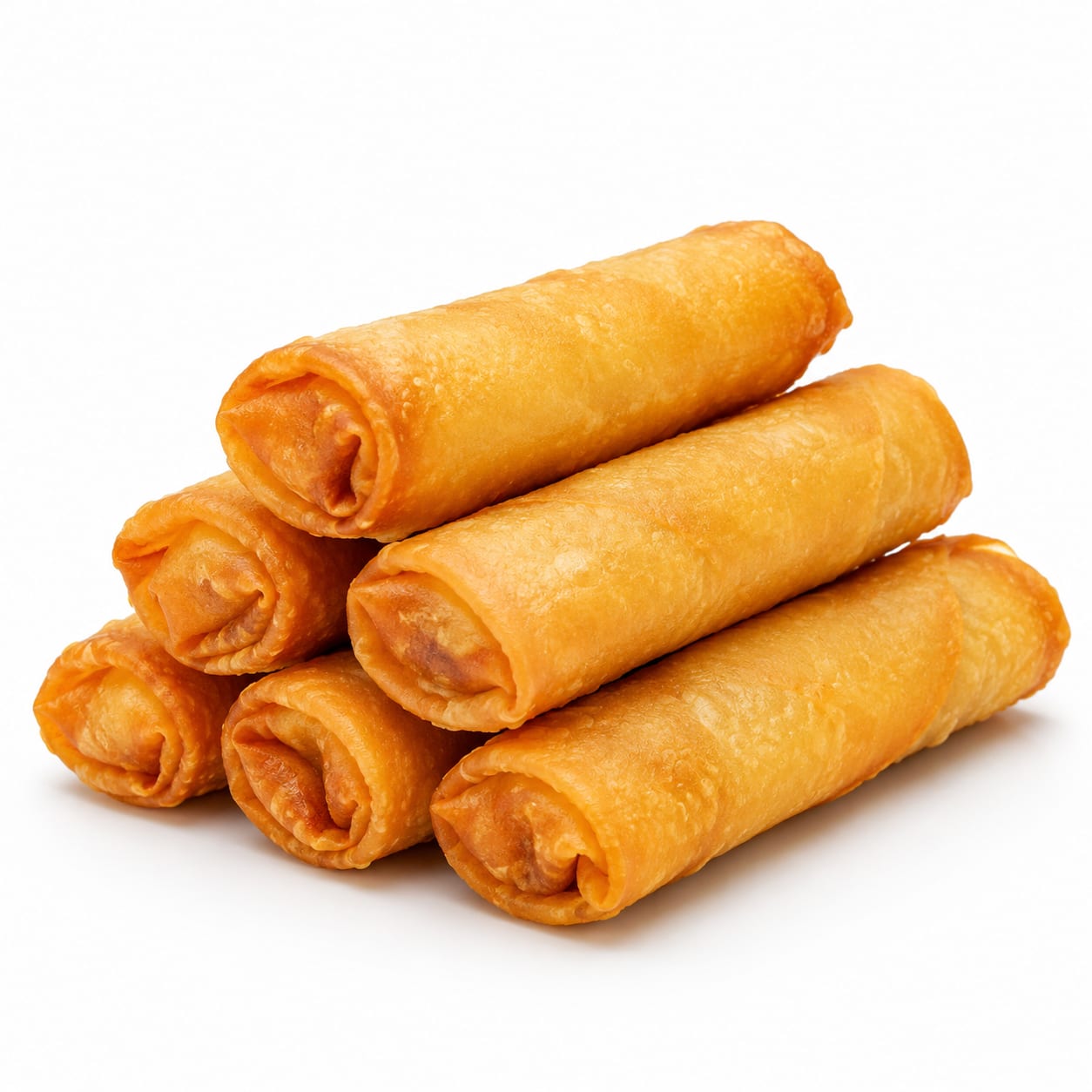
Spring Roll
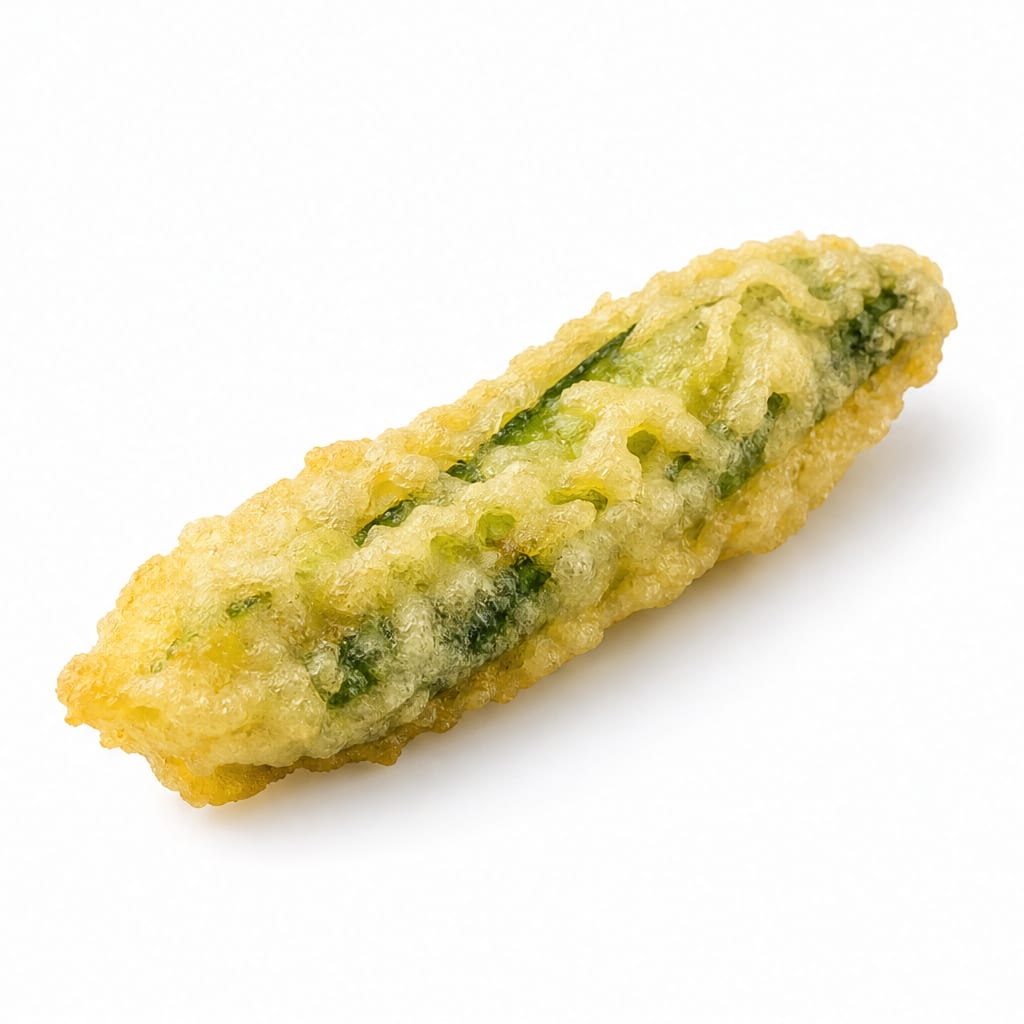
Vegetable Tempura
Spring rolls win on nutrition and lightness, but vegetable tempura wins on pure satisfaction and crunch factor.
Spring rolls score substantially higher due to lower calories, less fat, better nutrient retention, and easier digestion. Vegetable tempura scores lower mainly because deep frying adds significant fat and calories while degrading vegetable nutrients. Tempura still earns points for satisfaction and enjoyment, which matters for long-term dietary adherence.
You are choosing between a lighter, lower-calorie appetizer and a crispy, indulgent one that costs significantly more in fat and calories.
At a glance
Executive summary
Overall
Spring Roll
Healthier
Spring Roll
More practical
It depends
Daily use
Spring Roll
Key comparison lenses
calorie and fat comparison
The single biggest difference is cooking method: fresh spring rolls are not fried while tempura is deep-fried, creating a massive calorie and fat gap
weight management decision
Users choosing between these two are often trying to enjoy Asian appetizers without overconsuming calories
craving satisfaction vs health tradeoff
Tempura delivers crunch and indulgence that spring rolls cannot match, making this a classic taste versus health decision
nutrient preservation
Deep frying degrades heat-sensitive vitamins in vegetables, while fresh spring rolls retain more nutrients
digestive comfort
Fried foods sit heavier and can cause bloating, while fresh rolls feel lighter and easier to digest
Best choice for
Spring Roll
- People tracking calories or trying to lose weight
- Anyone wanting a light starter before a main course
- Those with sensitive digestion who avoid fried foods
- Hot weather eating when heavy food sounds unappealing
Vegetable Tempura
- Those craving crunch and texture satisfaction
- People not worried about calorie intake
- Special occasion or treat meals
- Anyone who finds steamed vegetables boring and needs excitement to eat veggies
Least suitable for
Spring Roll
- People who find low-fat meals unsatisfying and end up overeating later
- Those wanting a hearty, filling appetizer
- Anyone who dislikes soft, non-crispy textures
Vegetable Tempura
- People managing heart disease or high cholesterol
- Anyone on a calorie-restricted diet
- Those with gallbladder issues or fat intolerance
- People eating late at night before bed
Deep comparison
Dimension by dimension
Each lens scores both foods and breaks down who each option suits.
- Dimension 1 · Priority 95Spring Roll
calorie_density
Spring Roll · 85Vegetable Tempura · 35A typical fresh spring roll runs 100-150 calories, while a vegetable tempura serving easily hits 250-350 calories from oil absorption alone.
Tradeoff
Spring rolls let you eat two or three for the calorie cost of one tempura serving, but tempura feels more like a treat.
Why it matters
If you are ordering multiple appetizers or eating at a restaurant, this calorie gap compounds quickly across a meal.
Real-world impact
Choosing spring rolls over tempura at a Japanese restaurant could save you 200-400 calories before your main dish even arrives.
Spring Roll
- Weight loss
- Controlling appetizer calories
- Eating lighter before a heavy main
Better for
- When you need substantial energy from your appetizer
Worse for
Vegetable Tempura
- Situations where calorie density provides needed energy
- Very active individuals burning high calories
Better for
- Calorie-conscious eating
- Multiple-course meals
Worse for
- Dimension 2 · Priority 90Spring Roll
fat_content_and_heart_health
Spring Roll · 88Vegetable Tempura · 30Spring rolls contain minimal fat, while tempura absorbs 10-20 grams of fat per serving from deep frying oil.
Tradeoff
Spring rolls are genuinely heart-friendly, whereas tempura's fried batter delivers a significant saturated fat load depending on the oil used.
Why it matters
Regular consumption of deep-fried appetizers adds up to meaningful cardiovascular risk over time, even if each serving seems small.
Real-world impact
Ordering tempura instead of spring rolls a few times per month could add thousands of calories of fat to your annual intake.
Spring Roll
- Heart health
- Cholesterol management
- Low-fat diets
Better for
- Very low-fat diets that might need more satiety
Worse for
Vegetable Tempura
- Keto or high-fat diets where fat intake is desired
Better for
- Heart disease risk
- High blood pressure
- Anyone monitoring lipid panels
Worse for
- Dimension 3 · Priority 80Spring Roll
nutrient_retention
Spring Roll · 82Vegetable Tempura · 45Fresh vegetables in spring rolls retain their vitamin C, B vitamins, and antioxidants. Tempura's hot oil destroys much of the heat-sensitive nutrition.
Tradeoff
You get more actual nutrition from spring rolls, but tempura's cooking method makes vegetables taste dramatically better to many people.
Why it matters
If you are eating vegetable appetizers partly for their vitamin content, frying undermines that goal significantly.
Real-world impact
The vitamin C in your tempura broccoli is mostly gone by the time you eat it, while spring roll vegetables still deliver most of their original nutrients.
Spring Roll
- Maximizing vitamin intake
- Antioxidant preservation
- Getting real vegetable nutrition
Better for
- Situations where raw vegetables are not food-safe
Worse for
Vegetable Tempura
- Making vegetables palatable for picky eaters who otherwise skip them
Better for
- Nutrient-dense eating
- Anyone relying on appetizers for vegetable nutrition
Worse for
- Dimension 4 · Priority 85Vegetable Tempura
satiety_and_satisfaction
Spring Roll · 55Vegetable Tempura · 80Tempura's fat content and crunch create stronger satiety signals and more eating satisfaction per bite.
Tradeoff
Spring rolls may leave you wanting more food sooner, while tempura feels like a real indulgence that satisfies cravings.
Why it matters
If a lighter appetizer leaves you hungry and reaching for extra food, the calorie savings disappear quickly.
Real-world impact
You might eat three spring rolls and still feel peckish, but two pieces of tempura can feel like enough of a treat to stop.
Spring Roll
- Light snacking before a full meal
- Hot days when heavy food feels wrong
Better for
- Emotional eaters who feel deprived by light foods
- Situations where you need the appetizer to actually fill you up
Worse for
Vegetable Tempura
- Craving satisfaction
- Preventing later overeating through fat-based satiety
- Treat meals where enjoyment matters
Better for
- People who find fried food triggers them to keep eating more fried food
Worse for
- Dimension 5 · Priority 75Spring Roll
digestive_comfort
Spring Roll · 85Vegetable Tempura · 40Fresh spring rolls are gentle on the stomach and easy to digest. Tempura's fried batter can cause bloating, sluggishness, and acid reflux.
Tradeoff
Spring rolls feel light and comfortable after eating, while tempura can sit heavy and cause discomfort, especially before a main course.
Why it matters
If you have a sensitive stomach or are eating before activity, heavy fried food can ruin the rest of your experience.
Real-world impact
Eating tempura before a main course can make you feel overly full and uncomfortable, while spring rolls leave room for the meal ahead.
Spring Roll
- Sensitive digestion
- Acid reflux sufferers
- Eating before physical activity
- Multi-course meals
Better for
- Situations where lightness feels insufficient
Worse for
Vegetable Tempura
- Those with iron stomachs who never notice digestive effects from fried food
Better for
- Gallbladder issues
- GERD or acid reflux
- IBS triggered by fried foods
- Eating before exercise
Worse for
- Dimension 6 · Priority 70Spring Roll
blood_sugar_stability
Spring Roll · 72Vegetable Tempura · 50Spring rolls with rice paper and vegetables create a moderate glycemic load. Tempura's battered coating adds refined carbs that spike blood sugar faster, and the fat delays but prolongs the spike.
Tradeoff
Neither is ideal for strict blood sugar control, but spring rolls cause a cleaner, more predictable glucose response.
Why it matters
For people with diabetes or insulin resistance, the tempura batter adds refined flour that complicates blood sugar management.
Real-world impact
After tempura, you might get an energy crash once the fat-delayed sugar spike subsides, while spring rolls provide steadier energy.
Spring Roll
- Diabetes management
- Steady energy
- Avoiding afternoon crashes
Better for
- Those who need higher calorie intake to prevent hypoglycemia
Worse for
Vegetable Tempura
- Situations where delayed energy release is actually useful
Better for
- Insulin resistance
- Prediabetes
- Blood sugar monitoring
Worse for
Timeline
Health impact over time
Short-term
Hours to days
Spring Roll
- Light, comfortable feeling after eating
- Steady energy without crash
- Easy digestion without bloating
- May feel hungry sooner if eaten alone
Vegetable Tempura
- Heavy, full sensation that can be uncomfortable
- Possible sluggishness or drowsiness after eating
- Risk of heartburn or acid reflux
- Strong craving satisfaction and pleasure response
Long-term
Months to years
Spring Roll
- Better weight maintenance from lower calorie habits
- Lower cardiovascular risk from minimal fried food intake
- Preserved digestive health from gentle foods
- Possible nutrient gaps if not paired with protein
Vegetable Tempura
- Increased cardiovascular risk if consumed frequently
- Higher calorie intake patterns leading to gradual weight gain
- Potential inflammatory effects from repeated fried food consumption
- Possible gallbladder stress from high fat intake
Risk profile
Safety & processing
Spring rolls are closer to whole food with minimal processing: vegetables, rice paper, and herbs. Tempura involves batter made from refined flour and deep frying in oil, which adds processing and potential concerns about oil quality and reuse in restaurants.
Spring Roll
Contaminated raw vegetables
mediumFresh vegetables in spring rolls can carry bacteria if not washed properly, especially at restaurants with inconsistent food safety practices.
Rice paper spoilage
lowRice paper is shelf-stable and rarely spoils, but once hydrated it can harbor bacteria if left at room temperature too long.
Vegetable Tempura
Oxidized frying oil
mediumRestaurants that reuse frying oil create oxidized compounds that are inflammatory and potentially carcinogenic. The more the oil is reused, the worse this gets.
Acrylamide formation
mediumHigh-temperature frying of starchy batters produces acrylamide, a probable carcinogen. Tempura's batter coating creates the exact conditions for this.
Cross-contamination in fryers
lowShared fryers mean vegetable tempura may contact residues from shrimp, chicken, or other allergens, which matters for people with severe allergies.
Who wins for whom
Audience fit
Same foods, different winners depending on your goal.
children
Vegetable TempuraMost children find tempura's crunch far more appealing than soft spring rolls. Getting kids to eat vegetables via tempura is better than them eating no vegetables at all.
daily consumption
Spring RollSpring rolls are light enough to eat regularly without health consequences. Daily tempura would mean daily deep-fried food, which is not sustainable for most people's health.
diabetes
Spring RollSpring rolls cause a more predictable and moderate blood sugar response. Tempura's refined flour batter and high fat create a delayed but problematic glucose spike.
elderly
Spring RollSpring rolls are easier to chew, gentler on aging digestion, and lower in the fats that can aggravate cardiovascular conditions common in older adults.
muscle gain
It dependsNeither is a meaningful protein source. Spring rolls are lower calorie which may not support surplus eating, while tempura adds calories but from fat rather than protein.
weight loss
Spring RollSpring rolls deliver vegetable nutrition and satisfying volume at roughly half the calories of tempura, making them far easier to fit into a calorie deficit.
Your move
Decision guide
Choose Spring Roll
- You are watching your weight or counting calories
- You want a light appetizer that will not ruin your appetite for the main course
- You have digestive sensitivity to fried foods
- You are eating on a hot day and heavy food sounds unappealing
- You care about getting actual vitamin content from your vegetables
Choose Vegetable Tempura
- You are celebrating or having a treat meal
- You find healthy appetizers boring and would rather enjoy fewer pieces of something delicious
- You are sharing appetizers and want something most people will enjoy
- You have trouble eating vegetables without the appeal of crunch and batter
- You are very active and the extra calories are welcome
Either works if
- You are eating Asian food and want a vegetable-forward appetizer
- You want something to share with a group before a main course
Avoid both if
- You need a high-protein appetizer, as neither delivers meaningful protein
- You have a gluten sensitivity and cannot confirm the ingredients in the wrappers or batter
- You are on a strict low-carb diet, since both contain carbohydrate-heavy wrappers or batter
Final recommendation
Make spring rolls your default choice for regular dining and save tempura for occasional treats. This gives you the best health outcome while still enjoying tempura's crunch when it truly matters. If tempura is the only way you will eat vegetables, it is still better than skipping them entirely.
Practical
Consumer tips
- 1
Ask for spring rolls with the dipping sauce on the side to control sodium and sugar intake
- 2
If ordering tempura, ask whether the restaurant uses fresh oil, as freshly fried tempura is healthier and tastes better
- 3
Pair spring rolls with a protein-rich main dish like grilled chicken or tofu to make the meal more satisfying
- 4
Consider ordering one spring roll and one piece of tempura to get both lightness and crunch without overdoing either
- 5
Check if spring rolls contain shrimp or pork if you want a vegetarian option, as recipes vary widely
- 6
Restaurant tempura oil quality varies enormously. Higher-end Japanese restaurants typically use better oil and change it more frequently