
Whole Grains
Oatmeal
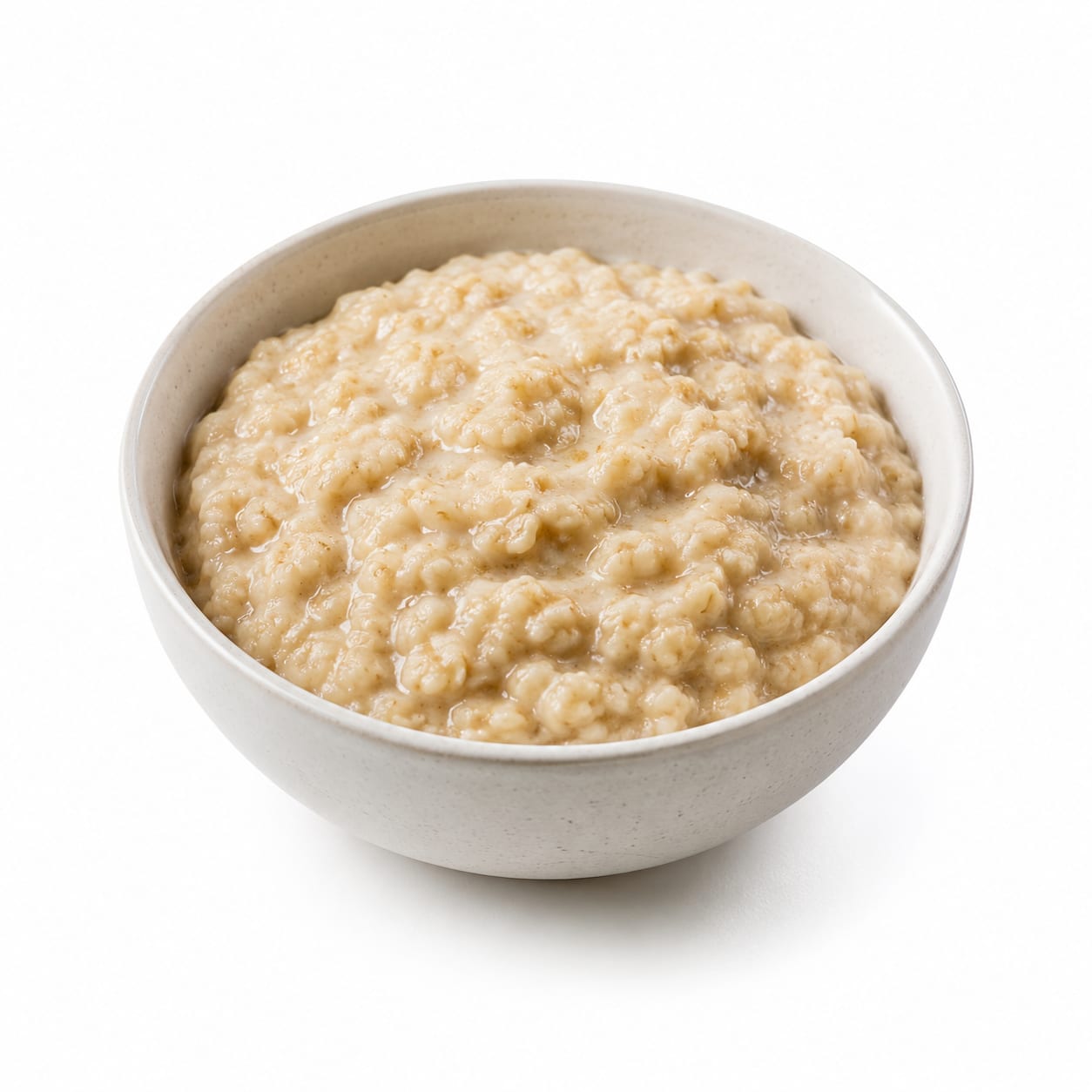
A warm breakfast cereal made from oats, recognized for its high soluble fiber and heart-health benefits.
Oatmeal is a preparation of oats that have been dehusked, steamed, and flattened, or simply ground into a coarse meal. It is widely consumed as a breakfast porridge and is prized for its high soluble fiber content, particularly beta-glucan.
slow-digesting whole-grain carbohydrate source
Typical serving · 234g
Common varieties · steel-cut, rolled, instant, scottish
Overall context score across nutrition, safety, and diet fit
At a glance
Quick facts
Simple indicators based on nutrition, processing, and diet fit.
The story
What makes it unique
Oatmeal digests at a moderate rate due to its viscous soluble fiber content, which delays gastric emptying and glucose absorption. This results in a moderate glycemic index and high satiety. Its macronutrient profile is dominated by complex carbohydrates, with a moderate amount of plant protein and healthy unsaturated fats. Processing varies from minimally processed steel-cut to highly processed instant varieties.
Varieties: steel-cut · rolled · instant · scottish
Per 100g
Nutrition breakdown
Macro balance and key metrics at a glance.
Energy
Density 0.68 kcal/g
Protein
Carbs
Fat
Fiber
Sugar
0.3 g
Sodium
2 mg
Potassium
61 mg
Glycemic index
55
Glycemic load
7
Water content
84%
Standout compounds
Nutrient highlights
Beta-glucan
highLowers cholesterol and stabilizes blood sugar by forming a viscous gel in the gut
Manganese
highSupports bone health and metabolic function
Phosphorus
moderateEssential for energy production and bone structure
Magnesium
moderateRegulates muscle and nerve function, supports blood pressure
Wellness map
Health scores & processing
NOVA processing scale
minimally processed · Whole food
Plain rolled or steel-cut oats undergo minimal physical processing (steaming and flattening or chopping) with no added ingredients, retaining the whole grain structure.
Diet compatibility
- Weight loss
- Muscle gain
- Diabetes
- Gut health
- Low carb
- High protein
- Heart health
Relative standing
Food rankings
Qualitative ranks compared to similar whole foods.
- Satietyexcellent
- Blood sugargood
- Nutrient densitygood
- Fitness fuelgood
- Processing qualityexcellent
Eat with confidence
Food safety profile
Oats are generally safe, but conventional farming often uses glyphosate as a desiccant. Cross-contamination with gluten-containing grains is a risk for those with celiac disease.
Evidence confidence 85%
- Pesticidesmoderate
- Antibioticslow
- Heavy metalslow
- Contaminationlow
Watch for
- glyphosate residues
Safer choices
Certified organic oats and certified gluten-free oats to avoid pesticide residues and gluten cross-contact.
Prep tips
Rinsing raw oats before cooking can remove some surface dust and potential residues, though it may slightly reduce soluble fiber.
Conventional oats are frequently pre-harvest treated with glyphosate, leading to common residue findings.
Deep dive
Health analysis
How this food may fit different goals and preparation choices.
Weight loss
High volume and water absorption create prolonged fullness, reducing overall calorie intake throughout the day.
Blood sugar
Beta-glucan slows carbohydrate digestion, flattening the glucose curve. Instant varieties lose this benefit and spike blood sugar faster.
Fitness & energy
Provides a sustained release of carbohydrates for endurance activities, but lacks sufficient protein for optimal muscle recovery alone.
Gut health
Feeds beneficial gut bacteria and adds bulk to stool, promoting regularity and a healthy microbiome.
Processing quality
Steel-cut and rolled oats are intact whole grains. Instant oatmeal is heavily processed and often contains added sugars.
Food safety
Primary concern is agricultural chemical residues from conventional farming rather than microbial contamination.
Common mistakes
Adding excessive sugar, honey, or dried fruit turns a healthy bowl into a high-sugar dessert. Choosing instant packets over whole oats.
Best preparation
Cook rolled or steel-cut oats with water or milk, then top with nuts, seeds, and fresh berries for balanced macros.
Practical guide
Best use cases
When and how this food fits real eating patterns.
Sustained morning energy
Provides slow-digesting carbohydrates to fuel physical or mental tasks without a mid-morning crash.
Cholesterol management
Daily consumption of 3g of beta-glucan from oats actively helps lower LDL cholesterol levels.
High-volume weight loss breakfast
Absorbs large amounts of water during cooking, creating a high-volume, low-calorie meal that stretches the stomach.
Pre-workout fuel
Easily digestible carb source when eaten 1-2 hours before endurance exercise.
Balance sheet
Pros & cons
Upsides
- High in heart-healthy soluble fiber
- Promotes long-lasting satiety
- Helps regulate blood sugar in non-instant forms
- Highly versatile flavor profile
- Affordable and shelf-stable
Trade-offs
- Relatively high in carbohydrates for strict low-carb diets
- Instant varieties spike blood sugar rapidly
- Often contaminated with gluten or pesticide residues
- Low in complete protein
Fit check
Who is it for?
Great match
- heart health diets
- high-volume eating
- endurance athletes
- cholesterol management
Consider alternatives
- strict ketogenic diets
- people with severe celiac disease
- those needing high-protein recovery meals
Side by side
How it compares
Open the full head-to-head analysis for nutrition, safety, and practical tradeoffs.
This food
Oatmeal
VS85% alike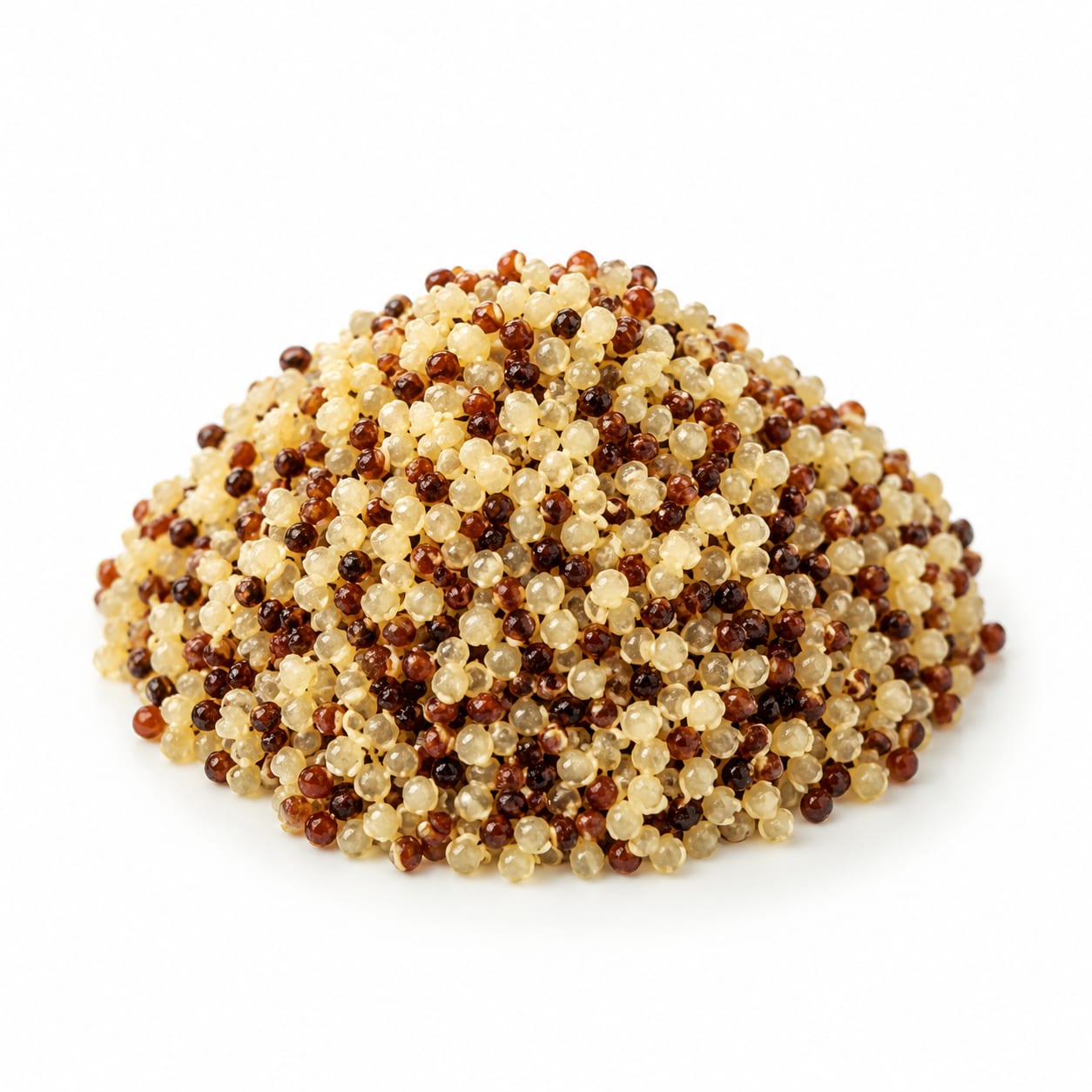
Compare with
Quinoa
Quinoa provides a complete protein profile, while oatmeal offers superior soluble fiber for heart health and satiety.
Oatmeal provides more fiber and satiety for weight loss, while quinoa offers more complete protein for muscle recovery.
This food
Oatmeal
VS80% alike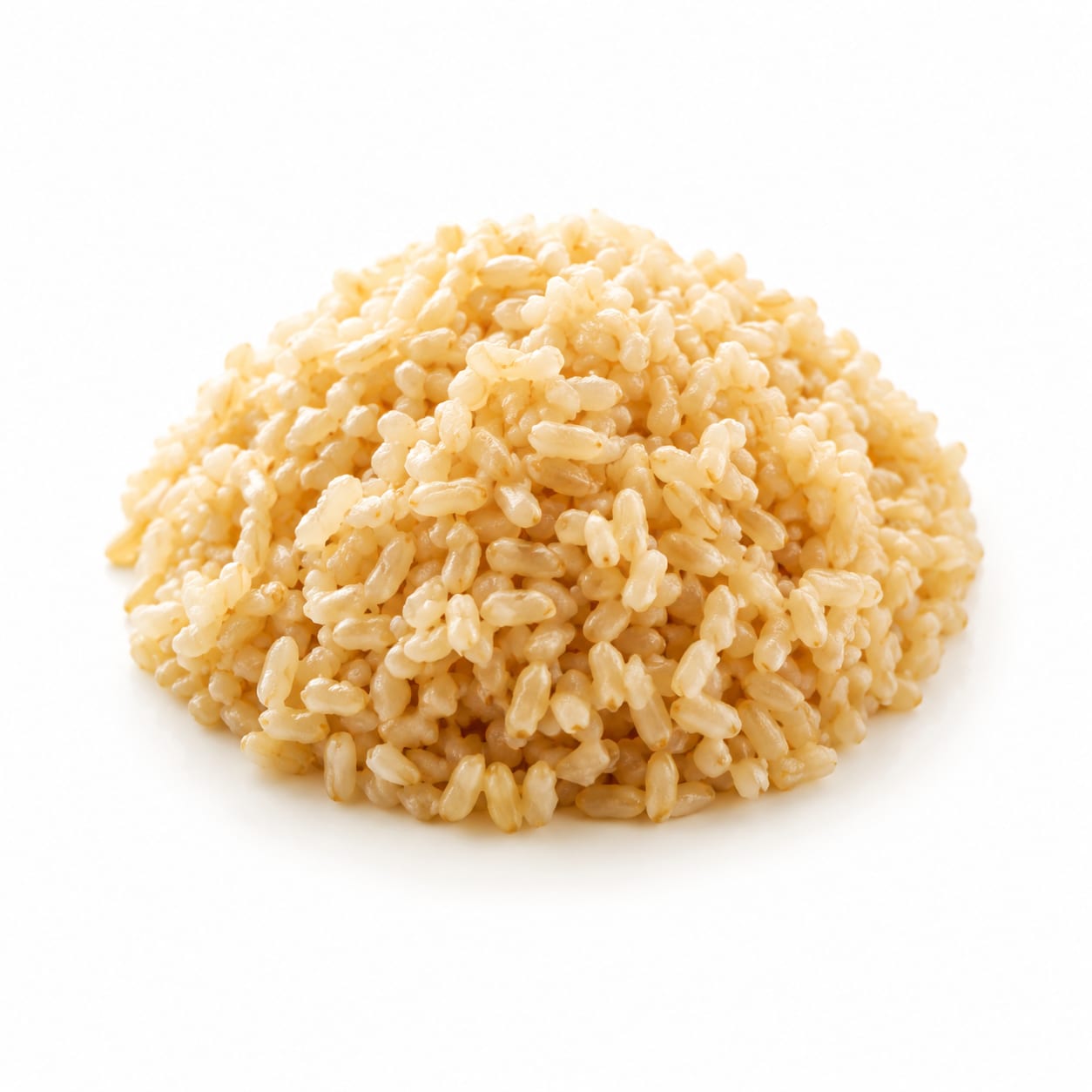
Compare with
Brown Rice
Oatmeal has significantly more soluble fiber and a lower glycemic impact than brown rice.
Oatmeal beats brown rice for blood sugar control and cholesterol reduction due to its high beta-glucan content.
This food
Oatmeal
VS90% alike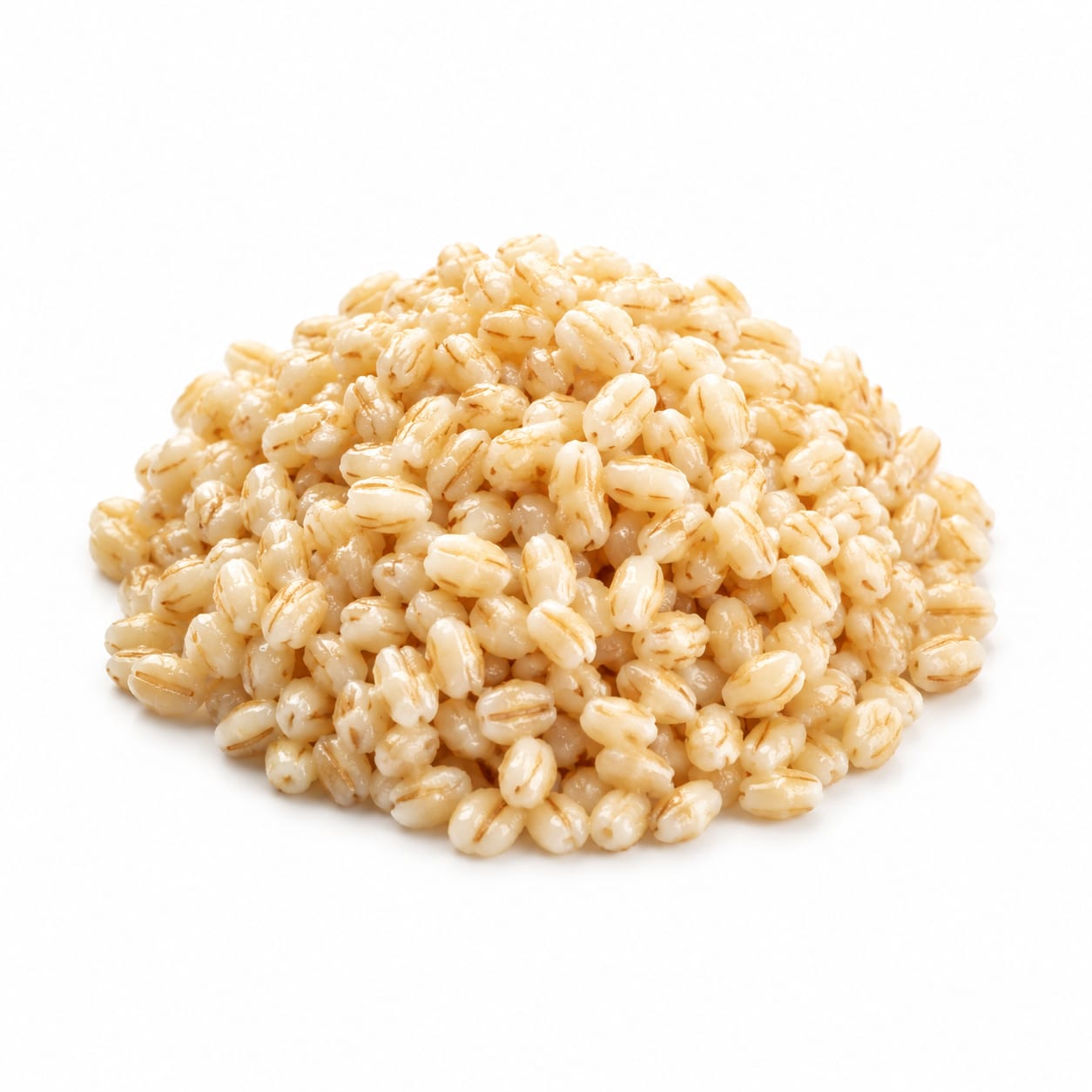
Compare with
Barley
Barley contains even more beta-glucan than oats, but oatmeal is far more popular and versatile for breakfast.
Barley slightly edges out oatmeal for fiber and blood sugar control, but oatmeal is much easier to incorporate into a daily diet.
This food
Oatmeal
VS70% alike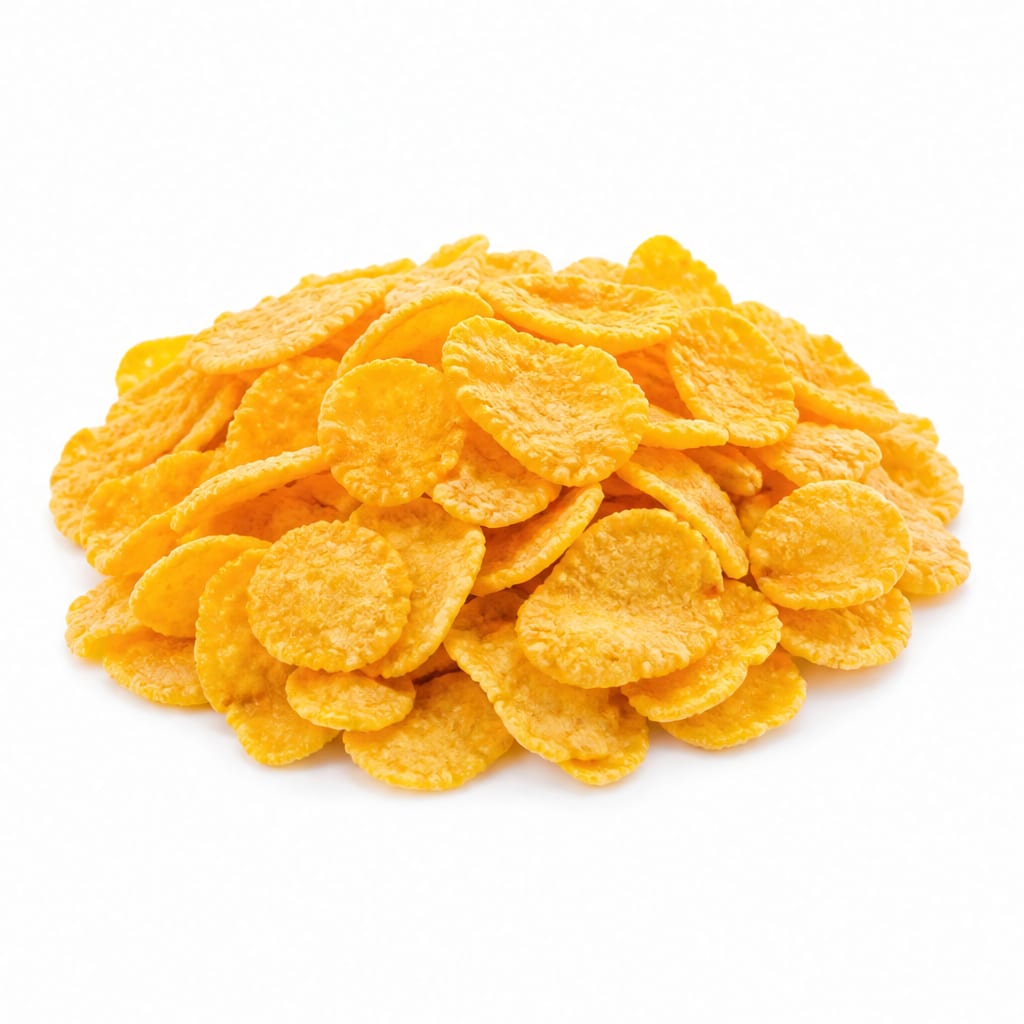
Compare with
Cornflakes
Oatmeal is a whole grain with high fiber, while cornflakes are highly processed with minimal fiber and a high glycemic index.
Oatmeal is vastly superior to cornflakes for satiety and blood sugar stability, as cornflakes are heavily processed and spike glucose.
This food
Oatmeal
VS75% alike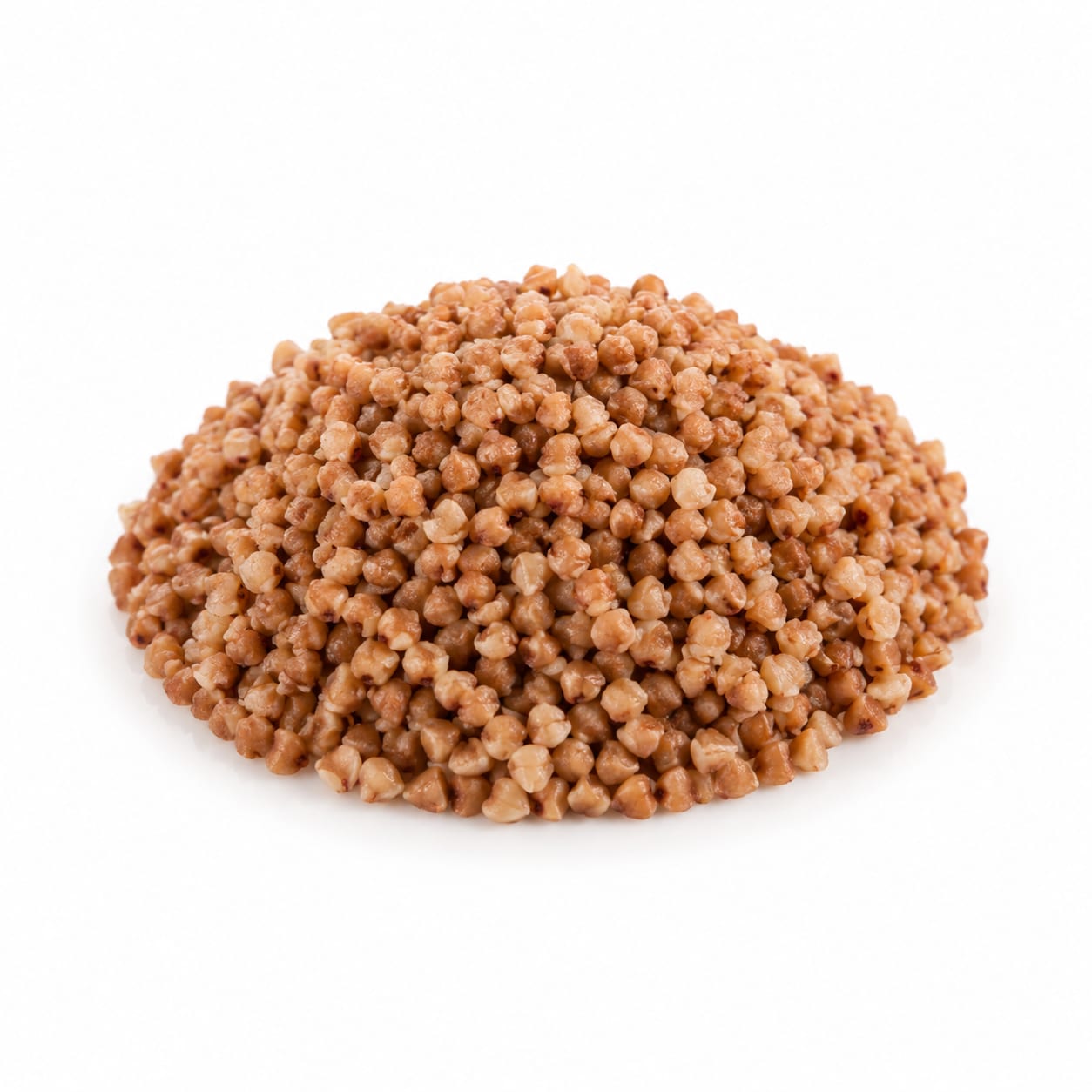
Compare with
Buckwheat
Buckwheat is a pseudo-cereal with more protein and rutin for vein health, while oatmeal has more soluble fiber.
Oatmeal offers more cholesterol-lowering fiber, while buckwheat provides more protein and is naturally gluten-free.
This food
Oatmeal
VS85% alike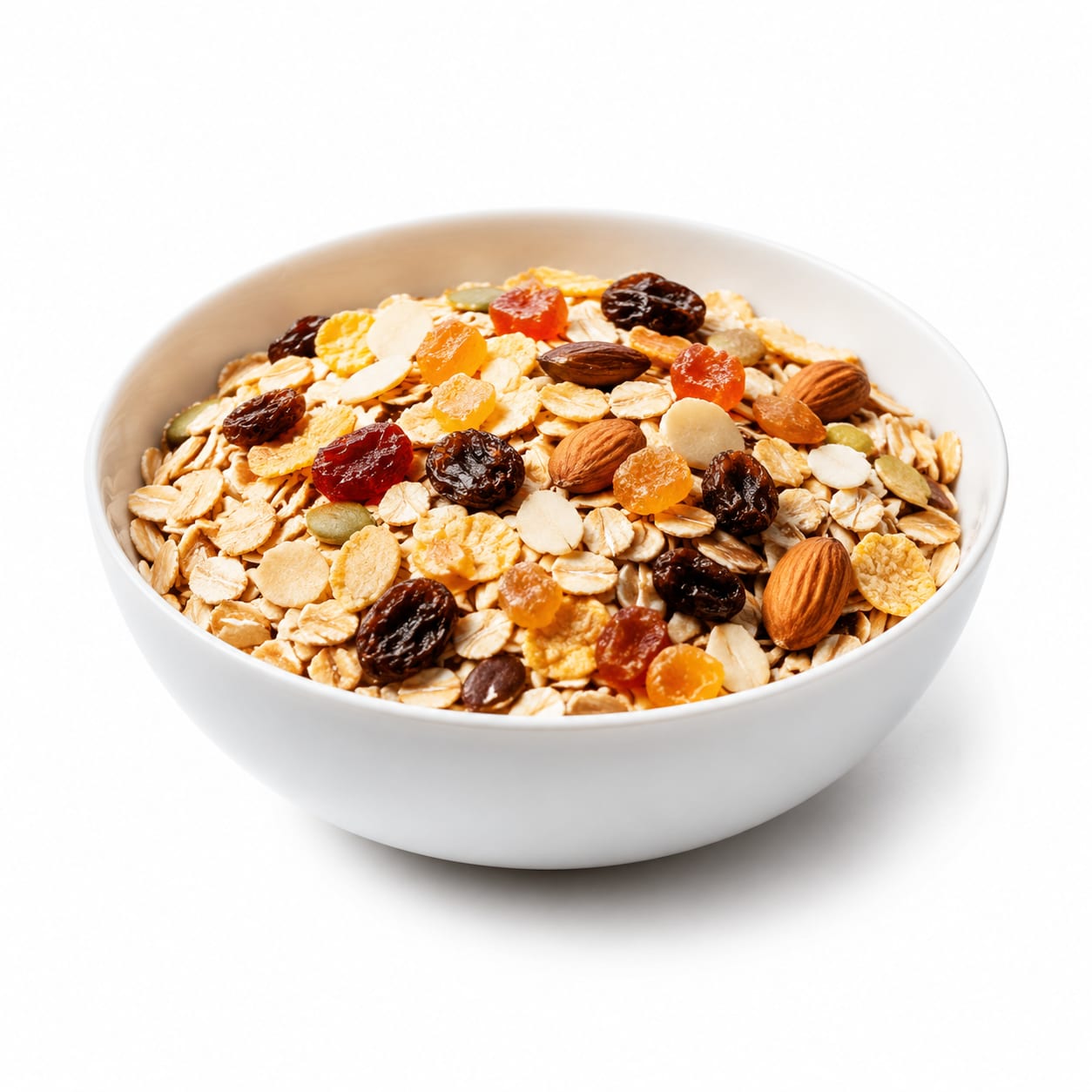
Compare with
Muesli
Plain oatmeal allows for controlled toppings, whereas muesli can be calorie-dense from added sugars and fats.
Plain oatmeal is lower in sugar and calories than muesli, which often contains added dried fruit and sweeteners.
This food
Oatmeal
VS70% alike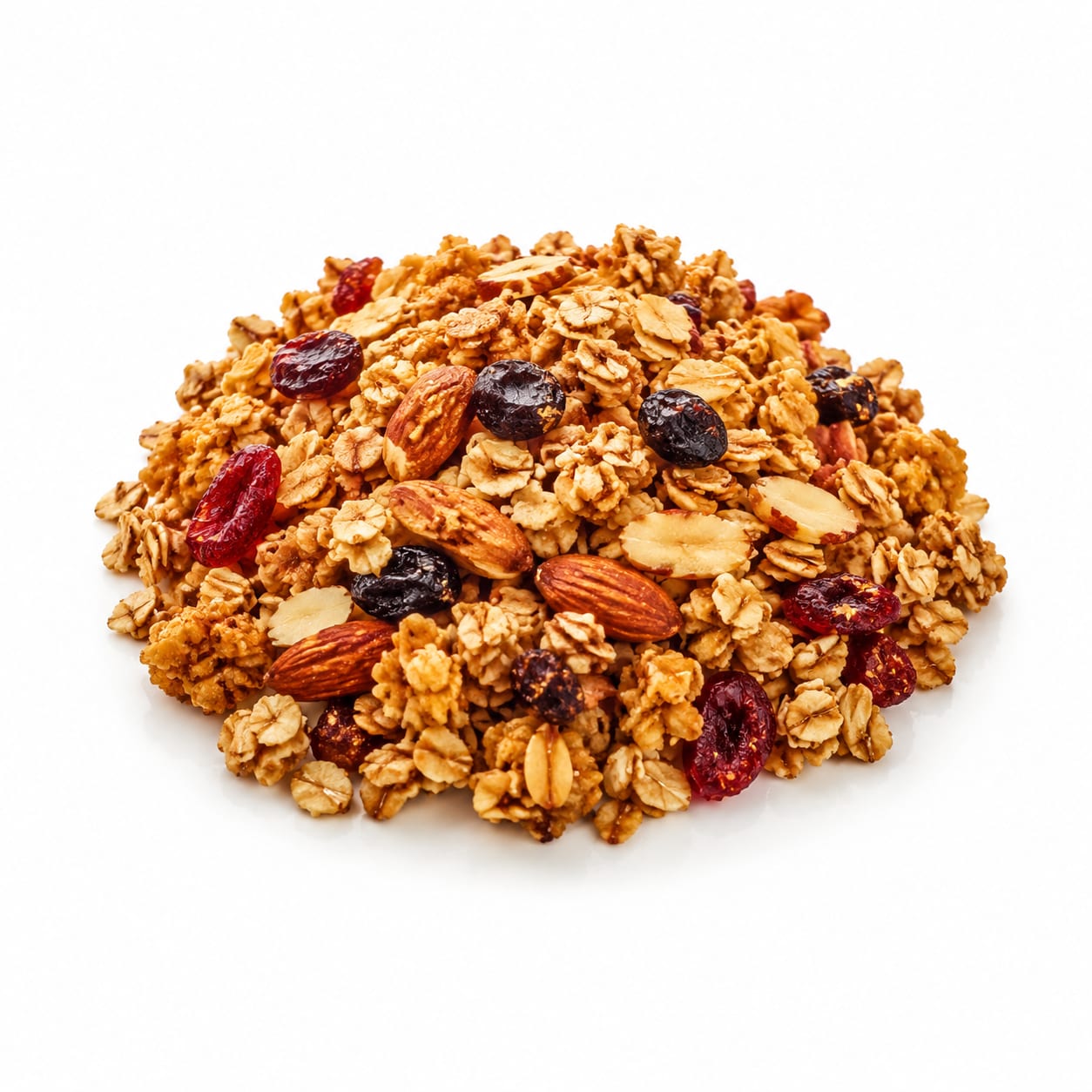
Compare with
Granola
Granola is baked with added oils and sweeteners, making it highly calorie-dense compared to simple cooked oatmeal.
Oatmeal is a low-calorie weight loss food, while granola is a calorie-dense, sugar-added snack best eaten in moderation.
This food
Oatmeal
VS65% alike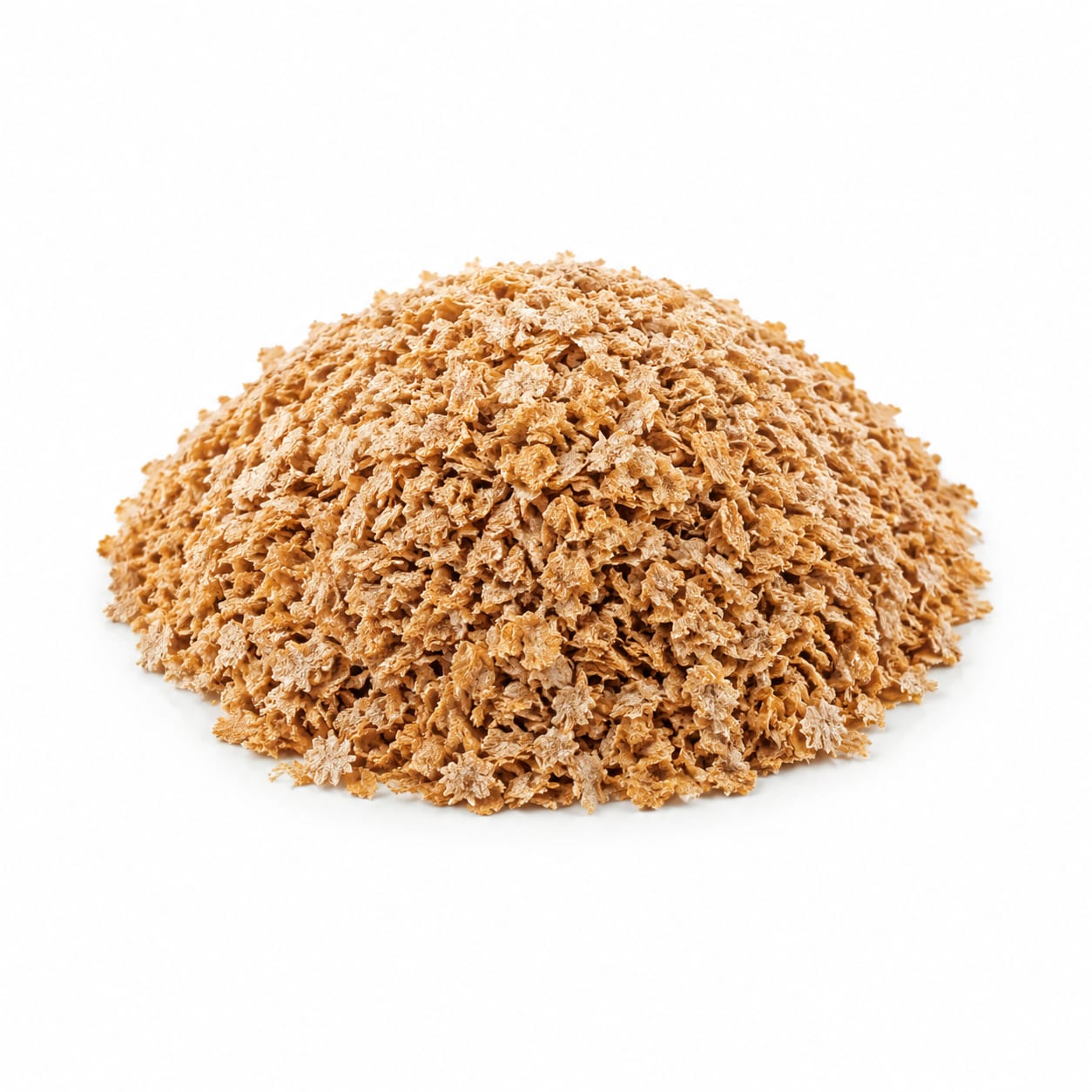
Compare with
Wheat Bran
Wheat bran is purely insoluble fiber for bowel regularity, while oatmeal provides soluble fiber for cholesterol and blood sugar.
Wheat bran is better for strict constipation relief, but oatmeal is superior for blood sugar control and heart health.
This food
Oatmeal
VS60% alike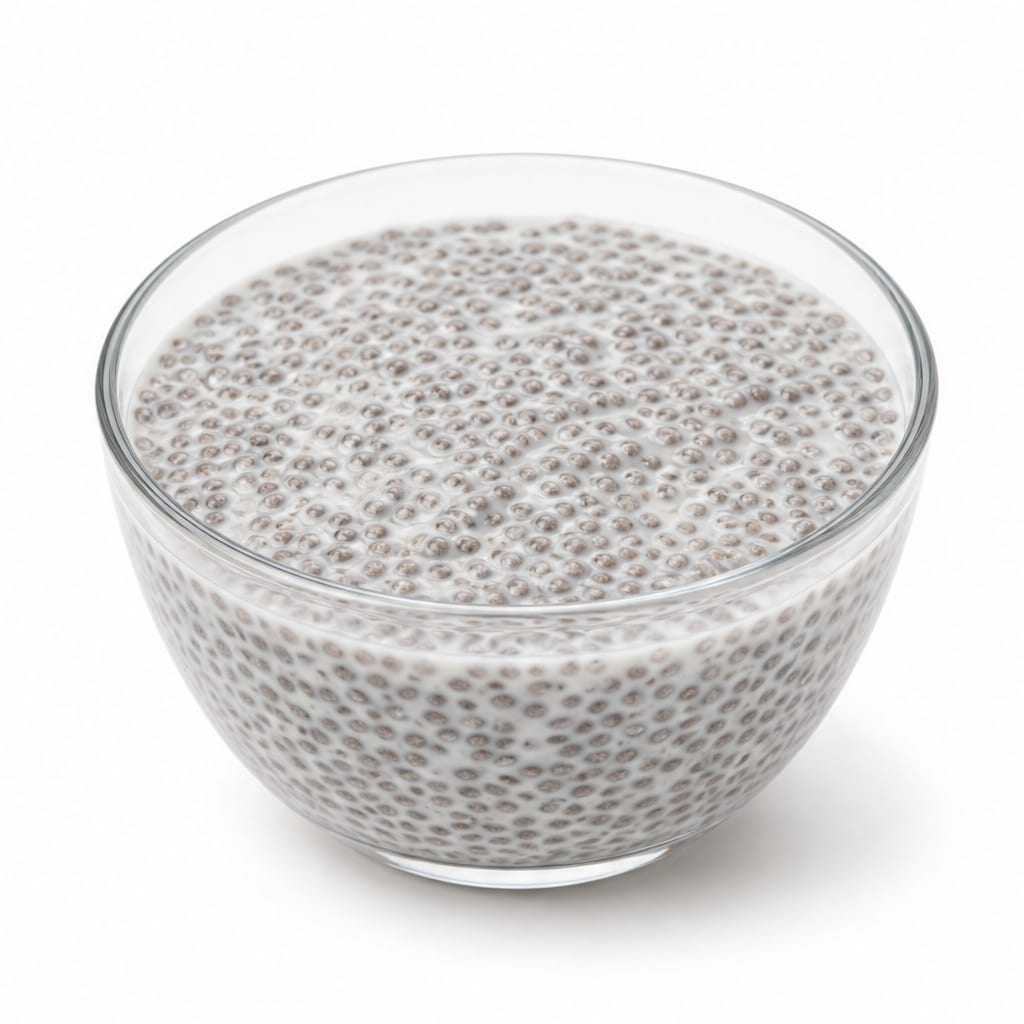
Compare with
Chia Pudding
Chia pudding offers more healthy fats and protein with minimal carbs, while oatmeal provides sustained carbohydrate energy.
Chia pudding is lower in carbs and higher in healthy fats, while oatmeal provides better sustained energy for active mornings.
This food
Oatmeal
VS55% alike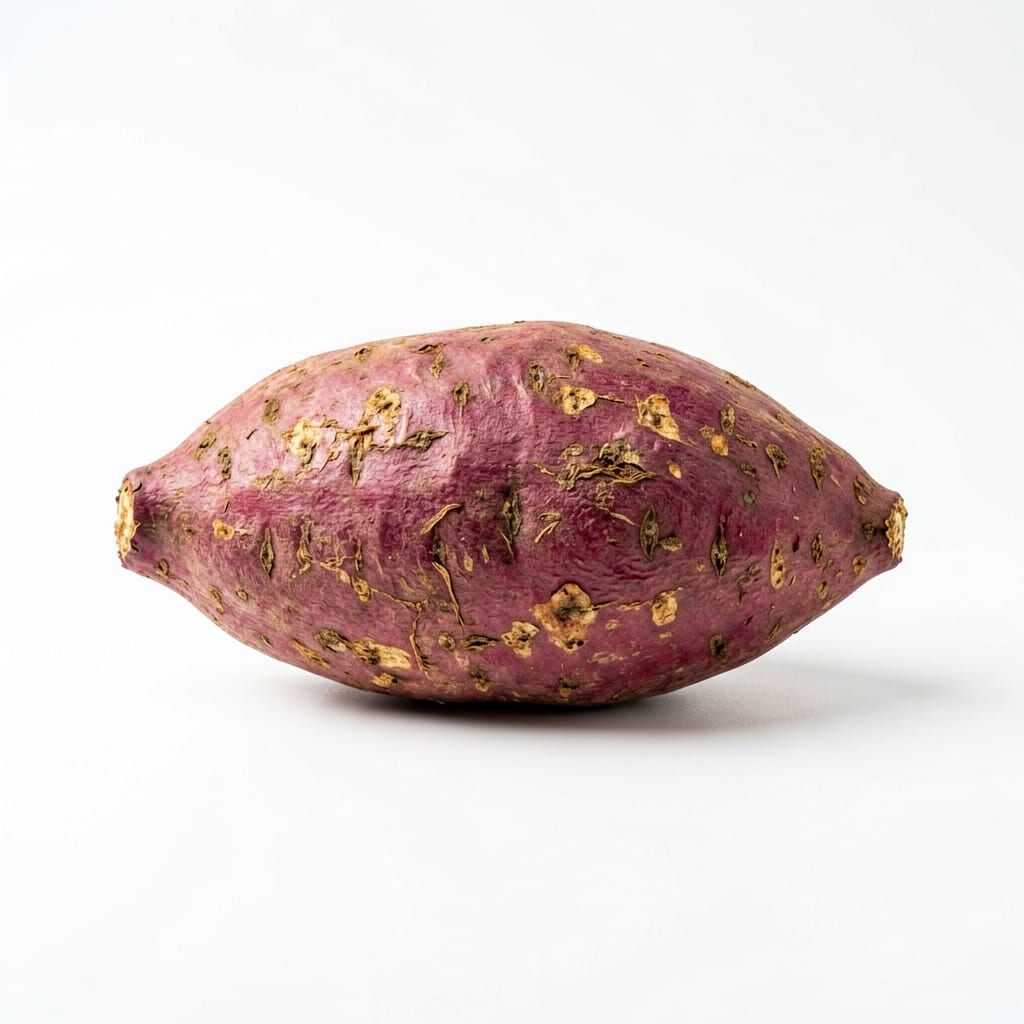
Compare with
Sweet Potato
Sweet potatoes offer high vitamin A and antioxidants, while oatmeal provides more protein and soluble fiber.
Oatmeal provides more satiety and cholesterol-lowering fiber, while sweet potatoes offer more vitamins and antioxidants.
Common questions
FAQ
Answers aligned with how people search for this food.
Is oatmeal good for weight loss?
Yes, oatmeal is excellent for weight loss. Its high soluble fiber content absorbs water and slows digestion, keeping you full for hours and reducing the urge to snack.
Does oatmeal spike blood sugar?
Plain steel-cut or rolled oatmeal has a low to moderate glycemic impact and does not typically spike blood sugar. However, instant oatmeal digests quickly and can cause a rapid glucose spike.
What is the healthiest type of oatmeal?
Steel-cut oats are the healthiest because they are the least processed and have the lowest glycemic index. Rolled oats are a close second and take less time to cook.
Can diabetics eat oatmeal?
Yes, diabetics can safely eat plain rolled or steel-cut oats. The beta-glucan fiber helps regulate blood sugar, but portion control is important as it is still a carbohydrate.
Is oatmeal gluten-free?
Pure oats are naturally gluten-free, but they are frequently cross-contaminated with wheat during farming and processing. Look for certified gluten-free labels if you have celiac disease.
Does oatmeal make you gain weight?
Oatmeal itself does not cause weight gain. Weight gain usually occurs from adding high-calorie toppings like sugar, honey, peanut butter, or dried fruit in large amounts.
What is the difference between steel-cut and rolled oats?
Steel-cut oats are chopped whole groats that take longer to cook and digest. Rolled oats are steamed and flattened, cooking faster but having a slightly higher glycemic index.
Is it okay to eat oatmeal every day?
Yes, eating a serving of oatmeal daily is beneficial for heart health and digestion, provided you vary your diet with other whole foods to ensure broad nutrient intake.
Transparency
Data confidence
Estimated confidence for nutrition data, interpretation, safety notes, and comparisons.
Nutrition data
Health analysis
Food safety
Comparisons