
Nutrition comparison
Oatmeal vs Wheat Bran: Which Fiber is Better for You?
Compare Oatmeal vs Wheat Bran for digestion, weight loss, and heart health. Learn the key differences between soluble and insoluble fiber to choose the best breakfast.
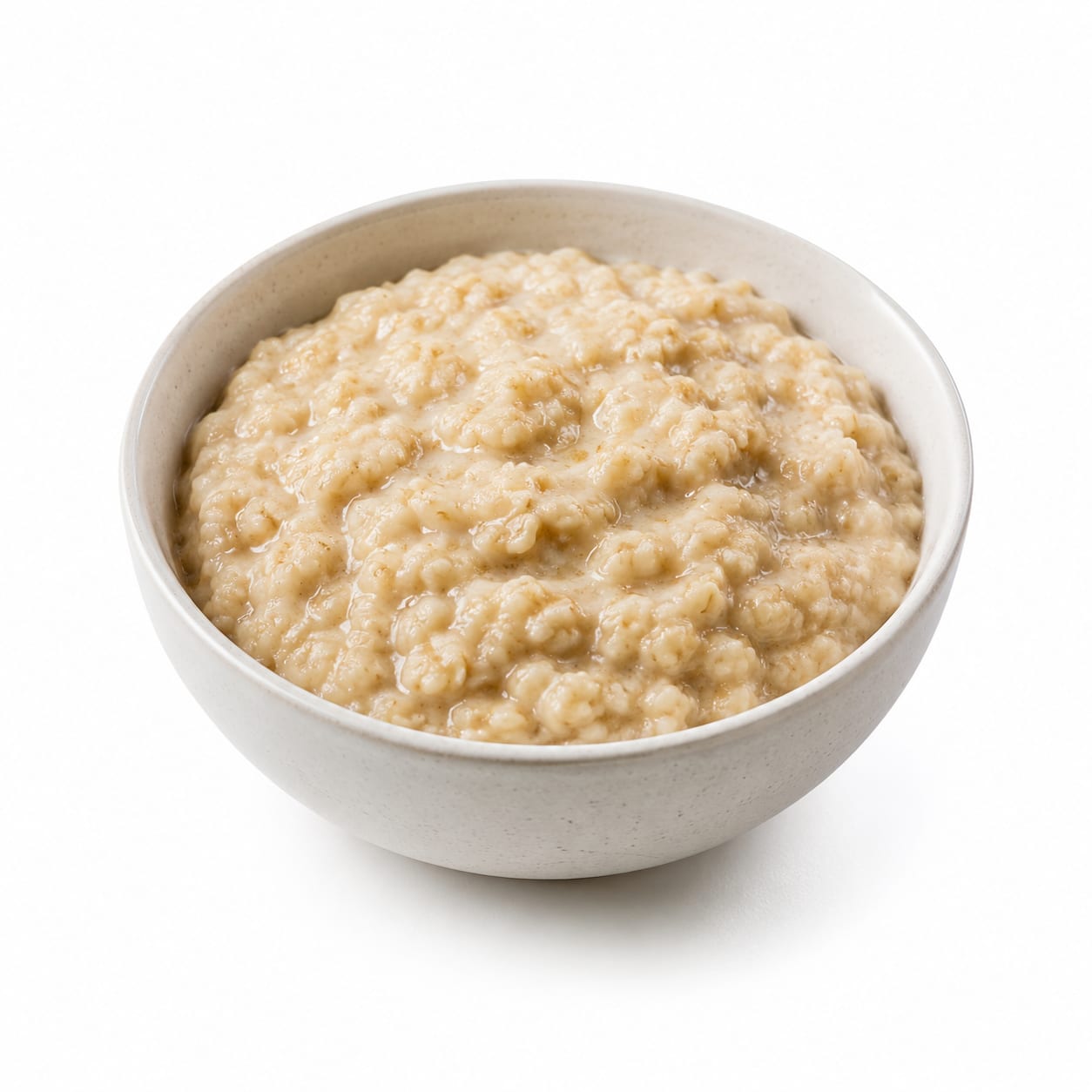
Oatmeal
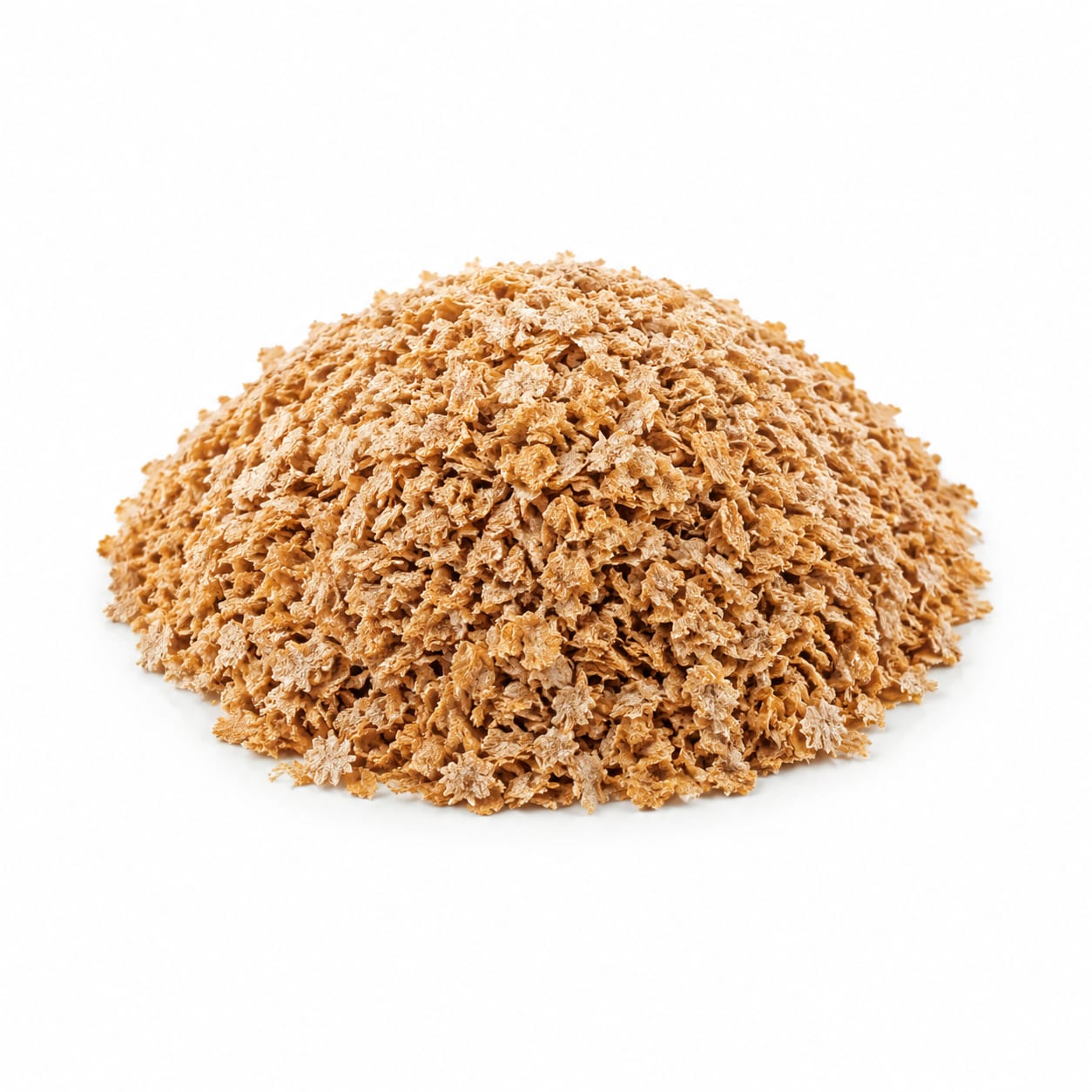
Wheat Bran
Oatmeal is a comforting, all-in-one breakfast that gently lowers cholesterol, while Wheat Bran is a fiber powerhouse best used as a digestive boost.
Oatmeal scores higher for being a balanced, standalone meal with broad health benefits, while Wheat Bran is an excellent targeted supplement but less practical as a primary food.
Soluble fiber for heart health and steady energy versus insoluble fiber for fast digestion and regularity.
At a glance
Executive summary
Overall
It depends
Healthier
It depends
More practical
Oatmeal
Daily use
Oatmeal
Key comparison lenses
Fiber type and digestive impact
Oatmeal provides soothing soluble fiber, while Wheat Bran delivers aggressive insoluble fiber for fast transit.
Blood sugar management
Soluble fiber in Oatmeal actively slows glucose absorption, making it a key comparison point.
Breakfast convenience versus supplement use
Oatmeal is a standalone meal, whereas Wheat Bran is typically an add-in, affecting real-world adherence.
Heart health and cholesterol lowering
Beta-glucan in Oatmeal is famous for lowering cholesterol, a benefit Wheat Bran lacks.
Best choice for
Oatmeal
- People wanting a soothing, filling breakfast
- Those managing high cholesterol
- People with sensitive stomachs or IBS
Wheat Bran
- People struggling with chronic constipation
- Those needing a low-calorie fiber boost
- Low-carb dieters adding fiber without carbs
Least suitable for
Oatmeal
- People strictly limiting total carbohydrates
- Those needing massive insoluble fiber intake for severe constipation
Wheat Bran
- People with IBS or diarrhea
- Those wanting a standalone satisfying meal
Deep comparison
Dimension by dimension
Each lens scores both foods and breaks down who each option suits.
- Dimension 1 · Priority 95It depends
Digestive Health and Regularity
Oatmeal · 80Wheat Bran · 95Wheat Bran is the undisputed king of insoluble fiber for speeding up transit time, while Oatmeal's soluble fiber feeds gut bacteria and soothes the digestive tract.
Tradeoff
Wheat Bran can be too harsh for sensitive stomachs, whereas Oatmeal is gentler but less effective for severe constipation.
Why it matters
Choosing the wrong fiber type can either cure your constipation or trigger uncomfortable bloating and cramps.
Real-world impact
If you are chronically constipated, Wheat Bran will get things moving; if you have a sensitive gut, Oatmeal will keep you comfortable.
Oatmeal
- Soothing an irritated gut
- Feeding beneficial gut bacteria
- Managing IBS-D symptoms
Better for
- Resolving severe constipation quickly
Worse for
Wheat Bran
- Curing stubborn constipation
- Adding bulk to stool quickly
- Speeding up slow transit time
Better for
- Sensitive digestive tracts
- People prone to diarrhea or IBS-D
Worse for
- Dimension 2 · Priority 85Oatmeal
Blood Sugar Control
Oatmeal · 90Wheat Bran · 80Oatmeal's beta-glucan forms a gel that slows sugar absorption, providing steadier energy. Wheat Bran has minimal carbs but is usually eaten in small amounts.
Tradeoff
Oatmeal actively improves insulin response when eaten as a meal, while Wheat Bran's impact is mostly from displacing higher-carb foods.
Why it matters
Steady blood sugar prevents the afternoon energy crash and cravings that derail your diet.
Real-world impact
A bowl of Oatmeal keeps you energized until lunch; a sprinkle of Wheat Bran helps, but will not carry a meal on its own.
Oatmeal
- Providing steady, long-lasting energy
- Reducing insulin spikes at breakfast
- Forming a balanced carb base for the morning
Better for
- Can spike blood sugar if overcooked or sweetened heavily
Worse for
Wheat Bran
- Adding fiber without adding carbohydrates
- Lowering the glycemic load of other foods it is mixed with
Better for
- Does not provide lasting energy on its own
Worse for
- Dimension 3 · Priority 80Oatmeal
Heart Health and Cholesterol
Oatmeal · 95Wheat Bran · 70Oatmeal is famous for its cholesterol-lowering beta-glucan, whereas Wheat Bran's insoluble fiber does not have the same direct heart-health benefits.
Tradeoff
Oatmeal actively binds to cholesterol in the gut, while Wheat Bran focuses more on waste elimination than lipid lowering.
Why it matters
Heart disease is a leading killer, and daily soluble fiber is one of the easiest dietary interventions to lower cholesterol.
Real-world impact
Eating Oatmeal daily can meaningfully lower your LDL cholesterol numbers over time, while Wheat Bran keeps you regular but will not move the needle on your lipid panel.
Oatmeal
- Lowering LDL cholesterol
- Improving arterial health
- Reducing heart disease risk markers
Better for
Wheat Bran
- Supporting healthy weight, which indirectly helps the heart
Better for
- Lacks the specific soluble fiber needed to bind and remove cholesterol
Worse for
- Dimension 4 · Priority 75Oatmeal
Versatility and Practicality
Oatmeal · 90Wheat Bran · 60Oatmeal is a complete, comforting meal on its own. Wheat Bran is dry and gritty, usually requiring mixing into other foods to be palatable.
Tradeoff
You can enjoy Oatmeal as a warm bowl in minutes, but Wheat Bran is mostly a nutritional add-in you have to hide in smoothies or baking.
Why it matters
If a food is hard to eat, you will not stick with it long enough to see the health benefits.
Real-world impact
Oatmeal is an easy daily habit; Wheat Bran is something you might buy and let sit in the pantry because it is hard to eat plain.
Oatmeal
- Quick, comforting breakfasts
- Standalone meals
- Easy prep and endless flavor variations
Better for
- Can get boring if not spiced up with fruit or nuts
Worse for
Wheat Bran
- Mixing into yogurt or smoothies
- Adding fiber to baking without altering flavor
Better for
- Unpalatable on its own
- Gritty texture
- Requires recipe integration
Worse for
Timeline
Health impact over time
Short-term
Hours to days
Oatmeal
- Steady morning energy
- Comforting and warming
- Gentle digestion
Wheat Bran
- Rapid bowel movement stimulation
- Feeling very full with few calories
- Possible bloating if not used to it
Long-term
Months to years
Oatmeal
- Lower cholesterol levels
- Better blood sugar regulation
- Healthier gut microbiome
Wheat Bran
- Excellent protection against constipation
- Lower risk of diverticulitis
- Possible reduced mineral absorption due to phytic acid
Risk profile
Safety & processing
Both are whole-food options with minimal processing. Steel-cut Oatmeal is the least processed form, while Wheat Bran is simply the outer layer of the wheat kernel milled off.
Oatmeal
Gluten cross-contamination
mediumUnless certified gluten-free, Oatmeal is often processed in facilities with wheat, posing a risk for those with celiac disease.
Wheat Bran
Gluten presence
highWheat Bran naturally contains gluten, making it completely unsafe for those with celiac disease or severe gluten sensitivity.
Phytic acid interference
lowHigh phytic acid content can bind to minerals like iron and zinc, reducing their absorption if consumed in very large amounts.
Who wins for whom
Audience fit
Same foods, different winners depending on your goal.
children
OatmealOatmeal is a comforting, easy-to-eat breakfast kids actually enjoy, while Wheat Bran is too harsh and gritty for most children's palates.
daily consumption
OatmealOatmeal is easier to eat every day as a complete meal without digestive irritation or palate fatigue.
diabetes
OatmealThe beta-glucan in Oatmeal actively improves insulin sensitivity and slows glucose absorption better than the insoluble fiber in Wheat Bran.
elderly
It dependsOatmeal is easier to chew and digest for sensitive systems, but Wheat Bran is highly effective for the common elderly issue of constipation.
muscle gain
OatmealOatmeal provides complex carbs for workout energy and has more protein per serving than Wheat Bran.
weight loss
It dependsWheat Bran adds massive fiber volume for almost zero calories, but Oatmeal provides a more satisfying meal that prevents later snacking.
Your move
Decision guide
Choose Oatmeal
- You want a warm, comforting breakfast
- You need to lower your cholesterol
- You have a sensitive stomach or IBS
- You need steady energy for a busy morning
Choose Wheat Bran
- You struggle with chronic constipation
- You need a low-calorie fiber boost for smoothies or baking
- You are on a low-carb diet and need more fiber
Either works if
- You just want to increase your daily fiber intake
- You are mixing them together for a super-fiber breakfast
Avoid both if
- You have a severe gluten allergy and cannot find certified gluten-free Oatmeal
Final recommendation
Make Oatmeal your daily breakfast base for its heart and blood sugar benefits, and keep Wheat Bran on hand to sprinkle in when you need extra digestive clearing power.
Practical
Consumer tips
- 1
If you have celiac disease, always choose certified gluten-free Oatmeal, as standard Oatmeal is often cross-contaminated.
- 2
Start with a small amount of Wheat Bran (1-2 tablespoons) to avoid sudden bloating or gas.
- 3
Pair Oatmeal with healthy fats and protein like nuts or seeds to prevent blood sugar spikes and stay full longer.
- 4
Mixing a tablespoon of Wheat Bran into your Oatmeal gives you the best of both fiber worlds.
- 5
Soaking Oatmeal overnight makes it easier to digest and reduces phytic acid.