
Nutrition comparison
Oatmeal vs Buckwheat: Which is Healthier for You?
Comparing Oatmeal and Buckwheat? Discover the key differences in blood sugar impact, gluten, protein, and heart health to find the best grain for your diet.
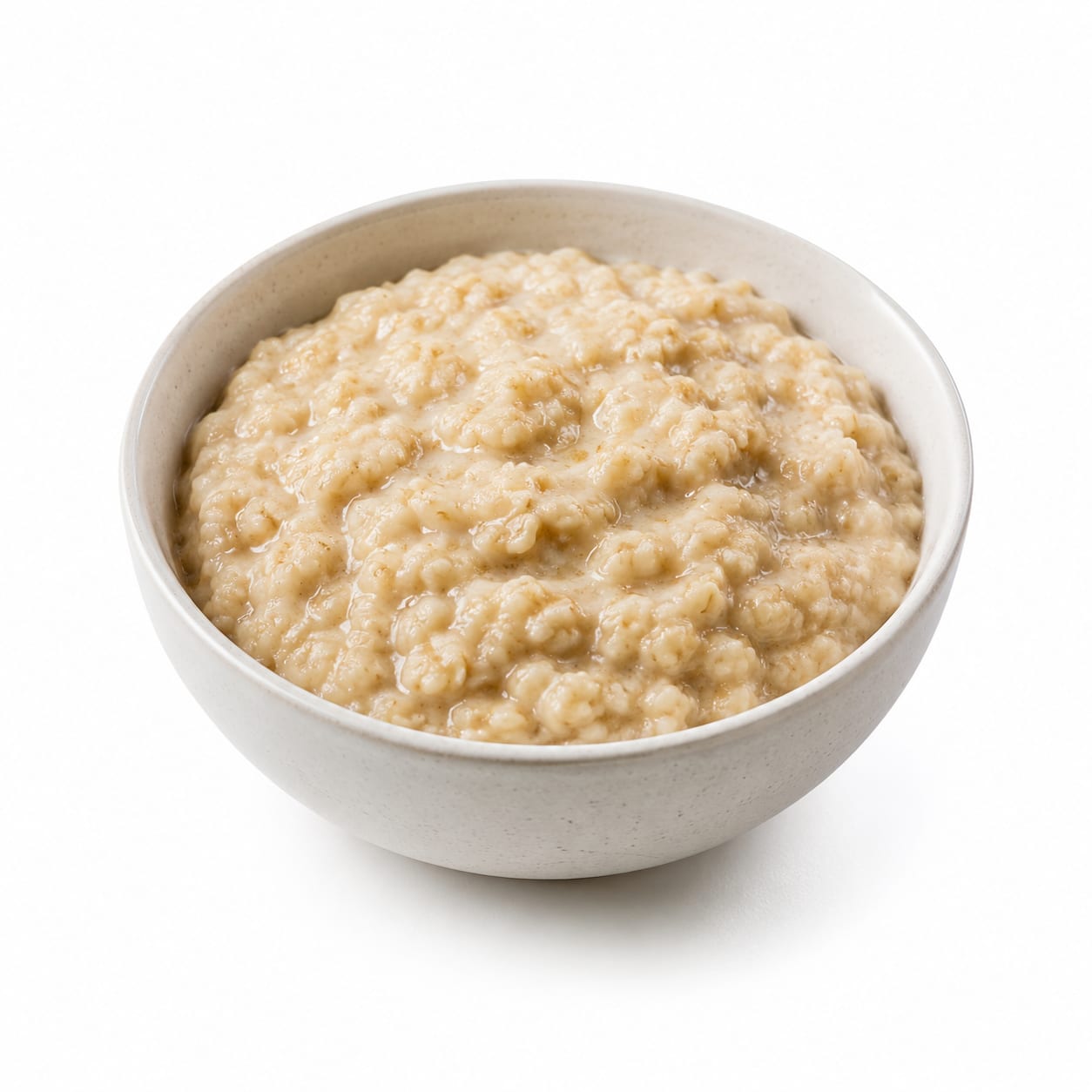
Oatmeal
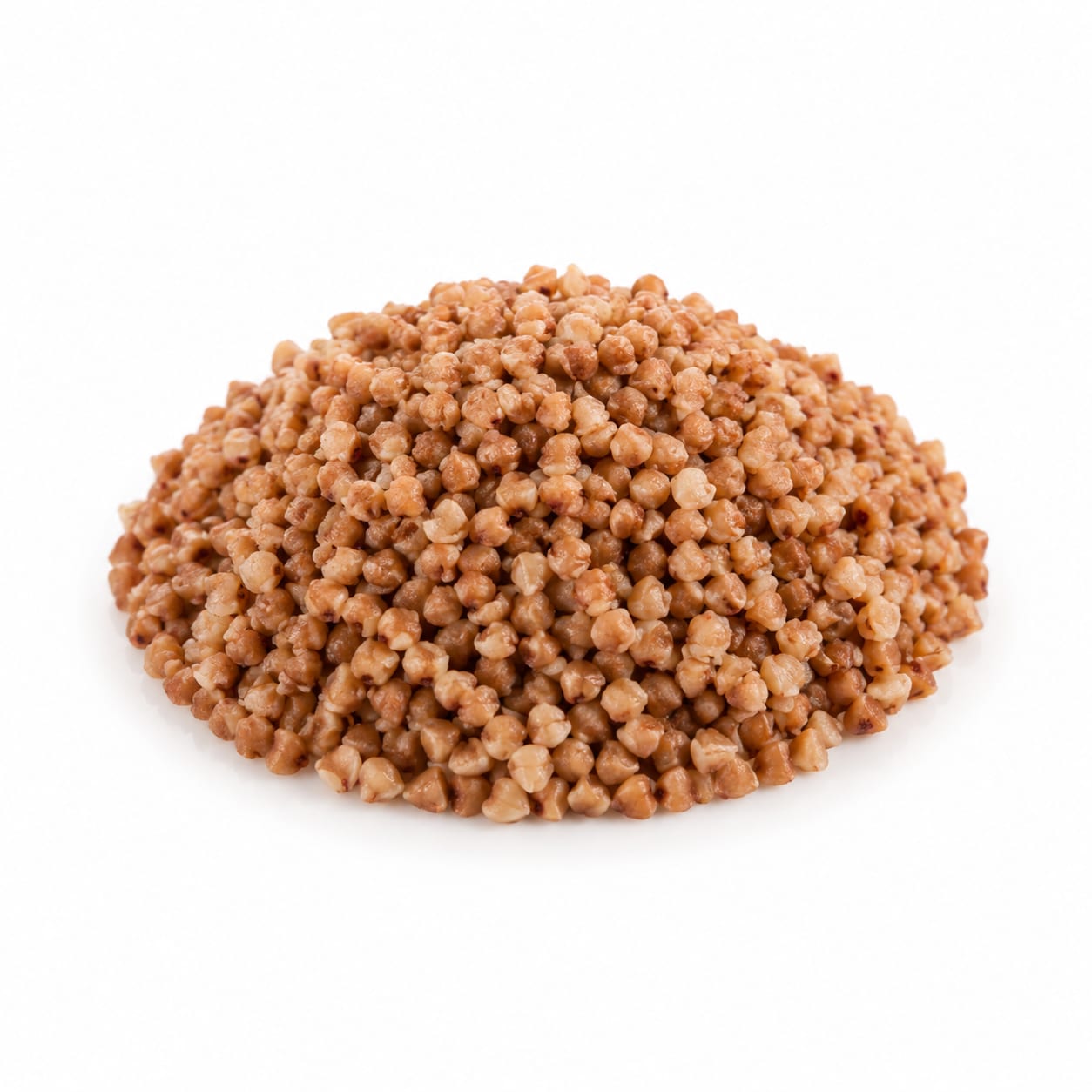
Buckwheat
Oatmeal is the champion for heart health and quick comfort, while Buckwheat is the superior choice for blood sugar stability and gluten-free diets.
Buckwheat edges ahead slightly due to its superior blood sugar profile and naturally gluten-free status, but Oatmeal remains a tightly competing staple because of its proven heart health benefits and everyday convenience.
Oatmeal's unmatched cholesterol-lowering beta-glucan versus Buckwheat's lower glycemic impact and higher protein content.
At a glance
Executive summary
Overall
It depends
Healthier
It depends
More practical
Oatmeal
Daily use
Oatmeal
Key comparison lenses
Blood sugar control and diabetes management
Buckwheat has a significantly lower glycemic index and contains compounds that improve insulin sensitivity, making it a critical differentiator.
Heart health and cholesterol lowering
Oatmeal is famous for its beta-glucan content, which actively lowers LDL cholesterol, a benefit Buckwheat cannot match as directly.
Gluten sensitivity and celiac safety
Buckwheat is naturally gluten-free, whereas Oatmeal is frequently cross-contaminated with gluten, making this a major deciding factor for many.
Satiety and protein density
Buckwheat offers more protein and a denser nutrient profile, keeping you full longer compared to standard Oatmeal.
Best choice for
Oatmeal
- Lowering LDL cholesterol
- Quick, comforting breakfasts
- Soothing digestive issues
Buckwheat
- Managing blood sugar and insulin resistance
- Strict gluten-free or celiac diets
- Higher plant-based protein intake
Least suitable for
Oatmeal
- Those with celiac disease or severe gluten intolerance
- People strictly managing blood sugar spikes
Buckwheat
- Those who prefer mild, neutral breakfast flavors
- People needing a sub-5-minute morning meal
Deep comparison
Dimension by dimension
Each lens scores both foods and breaks down who each option suits.
- Dimension 1 · Priority 90Oatmeal
Heart Health & Cholesterol
Oatmeal · 95Buckwheat · 78Oatmeal is the undisputed winner for cardiovascular health, specifically for lowering cholesterol.
Tradeoff
You lose Oatmeal's targeted cholesterol-lowering effect when you choose Buckwheat, though Buckwheat still supports heart health via rutin and magnesium.
Why it matters
Beta-glucan soluble fiber in Oatmeal binds to cholesterol in the gut and flushes it out, a mechanism Buckwheat lacks.
Real-world impact
Eating Oatmeal daily can meaningfully drop your LDL cholesterol numbers over a few months, making it a favorite of cardiologists.
Oatmeal
- Reducing LDL cholesterol
- Improving arterial health
Better for
- Does not actively improve insulin sensitivity
Worse for
Buckwheat
- Strengthening blood vessel walls via rutin
- Lowering blood pressure
Better for
- Lacks the specific soluble fiber needed to aggressively lower cholesterol
Worse for
- Dimension 2 · Priority 92Buckwheat
Blood Sugar Stability
Oatmeal · 72Buckwheat · 90Buckwheat provides steadier energy and avoids the blood sugar spikes that common Oatmeal can cause.
Tradeoff
You get better blood sugar control with Buckwheat, but give up the creamier texture and faster cook time of Oatmeal.
Why it matters
Buckwheat has a lower glycemic index and contains D-chiro-inositol, a compound that makes cells more sensitive to insulin.
Real-world impact
A bowl of Buckwheat porridge is far less likely to cause a mid-morning energy crash compared to a bowl of instant Oatmeal.
Oatmeal
- Quick energy replenishment after a workout
Better for
- Instant varieties can spike blood sugar rapidly
Worse for
Buckwheat
- Preventing afternoon energy crashes
- Managing type 2 diabetes
- Reducing cravings
Better for
- Takes longer to digest, which might feel heavy before intense exercise
Worse for
- Dimension 3 · Priority 80Buckwheat
Protein & Satiety
Oatmeal · 68Buckwheat · 84Buckwheat is significantly more filling and packs more protein per serving than Oatmeal.
Tradeoff
Buckwheat keeps you full for longer, but its denser, earthier texture is less comforting than Oatmeal's creamy consistency.
Why it matters
More protein and a denser fiber matrix slow digestion, sending stronger fullness signals to the brain.
Real-world impact
If you find yourself hungry two hours after a bowl of Oatmeal, switching to Buckwheat might easily bridge the gap to lunch.
Oatmeal
- Lighter pre-workout fuel
Better for
- May require added nuts or protein to keep you full
Worse for
Buckwheat
- Sustaining energy through long work mornings
- Supporting muscle maintenance on plant-based diets
Better for
- Heavier feeling in the stomach if you are not used to it
Worse for
- Dimension 4 · Priority 85Buckwheat
Gluten & Digestive Tolerance
Oatmeal · 55Buckwheat · 95Buckwheat is naturally gluten-free, making it the safer and more comfortable choice for sensitive digestions.
Tradeoff
Buckwheat is a safe haven for celiacs, whereas Oatmeal requires careful sourcing to avoid gluten cross-contamination.
Why it matters
Even trace gluten contamination in Oatmeal can trigger inflammation and digestive distress in highly sensitive individuals.
Real-world impact
If you have celiac disease or a gluten intolerance, Buckwheat offers peace of mind and zero bloating, while Oatmeal always carries a risk unless certified gluten-free.
Oatmeal
- Generally well-tolerated by those without gluten issues
Better for
- High risk of cross-contamination with wheat
Worse for
Buckwheat
- Safe for celiacs
- Eliminates gluten-related brain fog and bloating
Better for
- Rarely, can cause allergic reactions in those sensitive to buckwheat proteins
Worse for
- Dimension 5 · Priority 70Oatmeal
Convenience & Versatility
Oatmeal · 90Buckwheat · 65Oatmeal is far easier to find, faster to cook, and blends into more recipes seamlessly.
Tradeoff
Oatmeal is a low-effort everyday staple, while Buckwheat requires more planning, longer cooking, and an acquired taste.
Why it matters
Convenience dictates consistency. The easier a food is to prepare, the more likely you are to eat it regularly.
Real-world impact
You can make Oatmeal in the microwave in 2 minutes on a busy Tuesday, but Buckwheat groats usually need 15-20 minutes on the stove.
Oatmeal
- Rushed weekday mornings
- Meal prep and baking
Better for
- Can become boring if eaten the same way daily
Worse for
Buckwheat
- Hearty dinner grain bowls
- Traditional Eastern European dishes
Better for
- Longer prep time deters spontaneous cooking
Worse for
Timeline
Health impact over time
Short-term
Hours to days
Oatmeal
- Provides quick, comforting energy
- Can cause a blood sugar spike if eating instant varieties
- Soothing to the stomach when eaten warm
Buckwheat
- Delivers steady, sustained energy without a crash
- Feels very filling, which may reduce snacking
- Slightly earthy flavor takes getting used to
Long-term
Months to years
Oatmeal
- Significantly lowers LDL cholesterol and supports heart health
- Regular consumption stabilizes digestion due to soluble fiber
- May expose sensitive individuals to chronic low-level gluten inflammation
Buckwheat
- Improves insulin sensitivity and helps manage or prevent type 2 diabetes
- Strengthens capillary walls and improves circulation due to rutin
- Provides a safe, nutrient-dense staple for lifelong gluten-free diets
Risk profile
Safety & processing
Both Oatmeal and Buckwheat are whole-food staples when purchased in their basic forms (steel-cut, rolled, or groats). However, flavored instant Oatmeal packets are heavily processed and loaded with sugar, whereas Buckwheat is rarely sold in such highly processed formats.
Oatmeal
Gluten cross-contamination
highOats are frequently grown and processed alongside wheat, making standard Oatmeal unsafe for those with celiac disease.
Glyphosate residue
mediumOats are a pre-harvest desiccation crop, meaning they are often sprayed with glyphosate right before harvest, leaving chemical residues.
Buckwheat
Buckwheat allergy
lowThough rare, buckwheat can cause severe allergic reactions in some individuals, particularly in regions where it is commonly consumed.
Cross-contamination in processing facilities
lowWhile naturally gluten-free, some buckwheat products may be processed on shared equipment, so certified labels still matter.
Who wins for whom
Audience fit
Same foods, different winners depending on your goal.
children
OatmealOatmeal has a milder, sweeter flavor and creamier texture that kids naturally prefer over the earthy, nutty taste of Buckwheat.
daily consumption
OatmealOatmeal is more versatile, faster to prepare, and easier to incorporate into a daily routine without flavor fatigue.
diabetes
BuckwheatBuckwheat actively improves insulin sensitivity and causes a much slower, lower rise in blood sugar compared to Oatmeal.
elderly
OatmealOatmeal is softer, easier to chew and digest, and its cholesterol-lowering properties are highly beneficial for aging cardiovascular systems.
muscle gain
BuckwheatBuckwheat contains more protein and a richer amino acid profile, making it a better base for muscle-building meals.
weight loss
BuckwheatBuckwheat's higher protein and lower glycemic index provide better satiety and fewer cravings, making it easier to maintain a calorie deficit.
Your move
Decision guide
Choose Oatmeal
- You want to actively lower your cholesterol
- You need a quick, comforting breakfast on busy mornings
- You prefer a mild, creamy base for fruits and sweeteners
Choose Buckwheat
- You have celiac disease or gluten sensitivity
- You are managing diabetes or insulin resistance
- You want a higher-protein, filling grain to prevent mid-day snacking
Either works if
- You are looking for a warm, whole-food breakfast alternative to eggs
- You want to rotate healthy grains to diversify your fiber intake
Avoid both if
- You are on a strict ketogenic or very low-carb diet
- You have severe grain or seed sensitivities that trigger gut inflammation
Final recommendation
Keep both in your pantry for different needs. Use Oatmeal as your quick, cholesterol-lowering daily driver, and rotate in Buckwheat when you need a blood-sugar-friendly, gluten-free meal that keeps you full for hours.
Practical
Consumer tips
- 1
Always buy certified gluten-free Oatmeal if you have any gluten sensitivity, as standard oats are heavily cross-contaminated.
- 2
Soak Buckwheat groats overnight to cut cooking time in half and improve digestibility.
- 3
Avoid instant flavored Oatmeal packets; they are packed with sugar and strip away the whole-grain benefits. Stick to rolled or steel-cut oats.
- 4
Toast Buckwheat groats in a dry pan before boiling to enhance their naturally nutty flavor and reduce bitterness.
- 5
Add a scoop of protein powder or a dollop of Greek yogurt to Oatmeal to match the satiety power of Buckwheat.