
Nutrition comparison
Oatmeal vs Sweet Potato: Which Carb is Better for You?
Compare Oatmeal vs Sweet Potato for weight loss, blood sugar, and nutrients. Discover the health benefits, tradeoffs, and best uses for each whole-food carb.
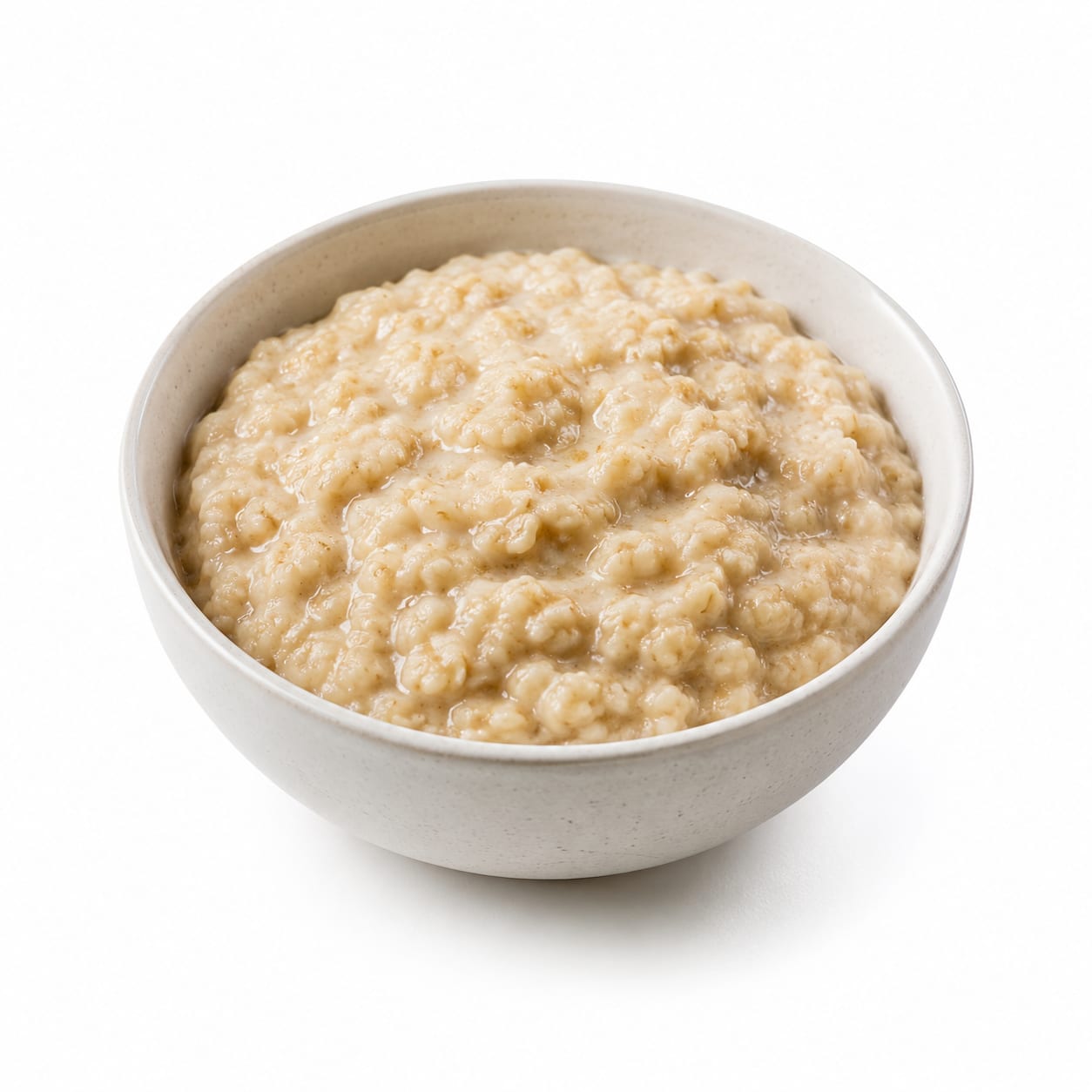
Oatmeal
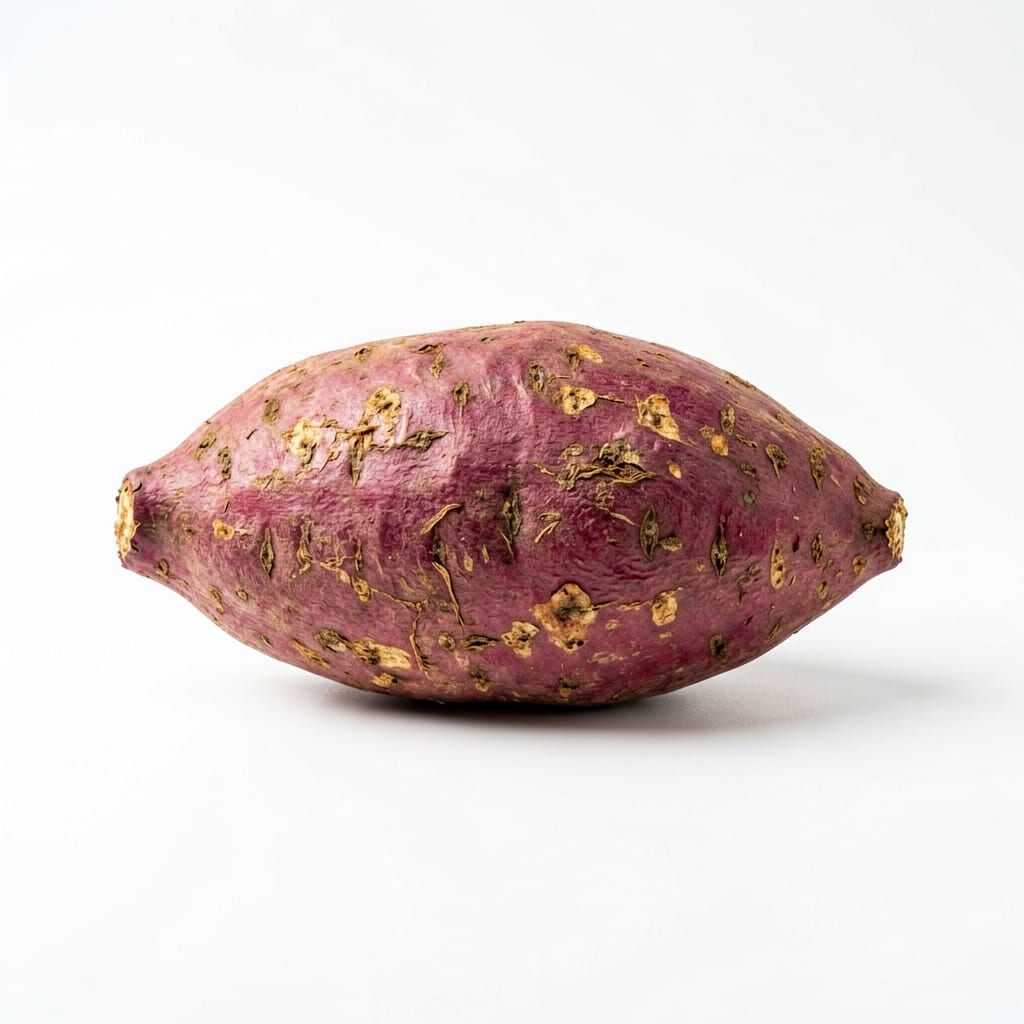
Sweet Potato
Oatmeal is your quick, comforting breakfast champion, while Sweet Potato is the micronutrient-dense, savory fuel that keeps you fuller longer.
Sweet Potato edges out Oatmeal slightly due to superior micronutrient density and better blood sugar stability for most varieties, but Oatmeal remains an incredibly practical and heart-healthy choice.
Convenience and soluble fiber from Oatmeal versus massive Vitamin A and steadier energy from Sweet Potato.
At a glance
Executive summary
Overall
It depends
Healthier
It depends
More practical
Oatmeal
Daily use
It depends
Key comparison lenses
Blood sugar management and glycemic impact
Both are carb-heavy staples, so how they affect blood sugar is the biggest concern for most people.
Satiety and weight loss compatibility
Users often choose between these as filling, low-fat carb sources for weight management.
Meal timing and convenience
Oatmeal is a breakfast staple while Sweet Potato is a lunch or dinner side, making practical fit a key decision factor.
Micronutrient density
Sweet Potatoes offer massive Vitamin A, while Oatmeal provides unique minerals like manganese and phosphorus.
Best choice for
Oatmeal
- Busy mornings when you need a hot meal in 3 minutes
- People actively trying to lower cholesterol
- Anyone wanting a comforting, customizable breakfast bowl
Sweet Potato
- Savory meal prep for lunches and dinners
- People needing more Vitamin A and potassium in their diet
- Those who find oatmeal too sweet or boring
Least suitable for
Oatmeal
- People with severe gluten cross-reactivity if not using certified gluten-free oats
- Those looking for a savory dinner carb
- Anyone sensitive to quick-digesting carbs if using instant oats
Sweet Potato
- People who need a zero-prep, instant meal
- Those strictly limiting carbohydrates
- Anyone who dislikes sweet flavors in savory meals
Deep comparison
Dimension by dimension
Each lens scores both foods and breaks down who each option suits.
- Dimension 1 · Priority 92Sweet Potato
Blood Sugar Stability
Oatmeal · 70Sweet Potato · 85Sweet Potatoes generally provide steadier energy with less of a crash, especially compared to instant or rolled Oatmeal.
Tradeoff
Oatmeal's beta-glucan helps, but instant varieties digest too fast. Sweet Potatoes have a lower glycemic index when boiled, offering smoother energy.
Why it matters
Steady blood sugar means fewer afternoon energy crashes and less cravings later in the day.
Real-world impact
Eating Sweet Potato with lunch keeps you focused through the 3 PM slump better than a bowl of rolled oats might.
Oatmeal
- Steel-cut oat users who pair it with protein and fat
Better for
- Instant oatmeal eaters who experience sugar spikes
Worse for
Sweet Potato
- Anyone prone to energy crashes after carb-heavy meals
- Pre-diabetics looking for safer carb sources
Better for
- Those who bake them, which increases their glycemic index significantly
Worse for
- Dimension 2 · Priority 85Sweet Potato
Micronutrient Density
Oatmeal · 65Sweet Potato · 95Sweet Potatoes are a nutritional powerhouse, absolutely crushing Oatmeal in Vitamin A and antioxidants.
Tradeoff
Oatmeal brings decent minerals like manganese and iron, but Sweet Potato delivers massive amounts of beta-carotene and potassium.
Why it matters
Vitamin A is critical for immune function and eye health, and most people do not get enough.
Real-world impact
A single Sweet Potato gives you over 400% of your daily Vitamin A needs; Oatmeal gives you none.
Oatmeal
- Those needing more iron and zinc in their diet
Better for
- People relying on it as their sole source of micronutrients
Worse for
Sweet Potato
- Anyone wanting to boost immunity and eye health naturally
- People who do not eat many colorful vegetables
Better for
- Those taking Vitamin A supplements where excess intake is a risk
Worse for
- Dimension 3 · Priority 80Oatmeal
Convenience and Prep Time
Oatmeal · 90Sweet Potato · 60Oatmeal is far more convenient for quick meals, requiring just a microwave and a bowl.
Tradeoff
Sweet Potatoes take 30 to 45 minutes to bake or boil, while Oatmeal can be ready in under 3 minutes.
Why it matters
When you are hungry and rushed, the food you can make fastest is the one you will actually eat.
Real-world impact
You can make Oatmeal on a busy Tuesday morning without breaking your routine; Sweet Potatoes require meal prep foresight.
Oatmeal
- Busy professionals needing a 5-minute breakfast
- Students in dorms with only a microwave
Better for
- Situations where you want a portable, hand-held food
Worse for
Sweet Potato
- Weekend meal prep sessions
Better for
- Last-minute hunger when you need food immediately
Worse for
- Dimension 4 · Priority 78Oatmeal
Heart Health and Cholesterol
Oatmeal · 90Sweet Potato · 70Oatmeal is uniquely proven to lower LDL cholesterol thanks to its specific soluble fiber.
Tradeoff
Sweet Potato has heart-healthy potassium, but Oatmeal's beta-glucan actively binds to cholesterol and removes it.
Why it matters
Heart disease is a leading killer, and daily soluble fiber is one of the most effective dietary defenses.
Real-world impact
Eating a bowl of Oatmeal daily can meaningfully reduce your cholesterol numbers over a few months.
Oatmeal
- People with high LDL cholesterol
- Those with a family history of heart disease
Better for
- Those who load their oats with sugar, negating heart benefits
Worse for
Sweet Potato
- People with high blood pressure due to high potassium content
Better for
- Those specifically targeting LDL cholesterol reduction
Worse for
- Dimension 5 · Priority 88Sweet Potato
Satiety and Fullness
Oatmeal · 80Sweet Potato · 88Sweet Potatoes keep you fuller for longer due to their high water content and dense fiber profile.
Tradeoff
Oatmeal is filling initially, but the faster-digesting varieties can leave you hungry again within two hours.
Why it matters
Staying full prevents overeating and helps you stick to your dietary goals without feeling miserable.
Real-world impact
A medium Sweet Potato at lunch will reliably keep you full until dinner; Oatmeal might require a mid-morning snack.
Oatmeal
- Those who eat steel-cut oats with added protein and fat
Better for
- Those eating small portions of instant oats
Worse for
Sweet Potato
- People trying to cut calories without feeling starved
- Anyone who gets hungry quickly after eating carbs
Better for
- People who prefer light, easily digestible meals before a workout
Worse for
Timeline
Health impact over time
Short-term
Hours to days
Oatmeal
- Quick, comforting warmth that feels soothing in the morning
- Can cause a slight energy dip if eaten alone without protein
- Very easy on the stomach and gentle for digestion
Sweet Potato
- Provides sustained, grounded energy without a sugar rush
- Feels heavy and substantial in the stomach, curbing hunger for hours
- Can cause temporary bloating if you eat a very large portion
Long-term
Months to years
Oatmeal
- Consistently lower LDL cholesterol from daily beta-glucan intake
- Better heart health markers over time
- Potential for nutrient monotony if used as the only carb source
Sweet Potato
- Improved immune function and skin health from massive Vitamin A intake
- Better blood pressure management from high potassium
- Strong protection against age-related eye decline
Risk profile
Safety & processing
Both are whole foods at their core, but flavored instant oatmeal packets are loaded with added sugars and artificial flavors. Plain Sweet Potatoes are as natural as it gets, while plain rolled or steel-cut Oatmeal is also very clean.
Oatmeal
Gluten cross-contamination
mediumOats are inherently gluten-free but are frequently processed on shared equipment with wheat, posing a risk for those with Celiac disease.
Added sugars in instant packets
highFlavored instant oatmeal can contain up to 12g of added sugar per packet, turning a healthy breakfast into a dessert.
Sweet Potato
Pesticide residue
mediumSweet Potatoes are typically lower on the Dirty Dozen list, but conventional farming still uses fungicides on the soil.
Oxalate content
lowThey contain moderate oxalates, which could be an issue for people prone to calcium oxalate kidney stones.
Who wins for whom
Audience fit
Same foods, different winners depending on your goal.
children
OatmealOatmeal is easier for kids to chew and digest, and it is simpler to hide nutritious mix-ins like nut butter or fruit.
daily consumption
It dependsOatmeal is better for daily breakfast convenience and heart health, while Sweet Potato is better for daily micronutrient coverage and blood sugar stability.
diabetes
Sweet PotatoBoiled Sweet Potatoes have a lower glycemic index and cause less of a blood sugar spike than most common oat varieties.
elderly
OatmealOatmeal is extremely gentle on aging digestive systems and provides crucial soluble fiber for heart health without requiring heavy chewing.
muscle gain
Sweet PotatoThe complex carbs in Sweet Potatoes provide longer-lasting energy for heavy training sessions and better glycogen replenishment.
weight loss
Sweet PotatoSweet Potatoes are more voluminous and filling per calorie, making it easier to stay in a deficit without feeling deprived.
Your move
Decision guide
Choose Oatmeal
- You need a fast, comforting breakfast before work
- Your doctor told you to lower your cholesterol
- You want a warm base for fruits, nuts, and seeds
- You have a sensitive stomach and need gentle fiber
Choose Sweet Potato
- You are meal-prepping lunches or dinners for the week
- You want a savory carb that pairs well with protein and greens
- You need more Vitamin A and potassium in your life
- You want a carb source that keeps you full for 4 or more hours
Either works if
- You just need a healthy, whole-food carbohydrate source
- You are an athlete looking for clean fuel
- You are trying to avoid processed grains and refined sugars
Avoid both if
- You are on a strict ketogenic or very low-carb diet
- You have severe digestive issues with high-fiber foods during a flare-up
Final recommendation
Let the time of day guide you. Start your morning with Oatmeal for a quick, cholesterol-lowering breakfast, and rely on Sweet Potatoes for lunch or dinner when you need lasting energy and a massive dose of vitamins. Both are exceptional carb choices that beat bread or pasta almost every time.
Practical
Consumer tips
- 1
Always buy plain rolled or steel-cut oats; skip the flavored packets to avoid hidden sugars.
- 2
Boil Sweet Potatoes instead of baking them if you want the lowest possible glycemic impact.
- 3
Pair Oatmeal with a protein source like Greek yogurt or protein powder to prevent a mid-morning crash.
- 4
Let cooked Sweet Potatoes cool in the fridge overnight; this increases resistant starch, which feeds good gut bacteria and lowers the glycemic index further.
- 5
Look for certified gluten-free oats if you have Celiac disease or gluten sensitivity.