
Root Vegetables
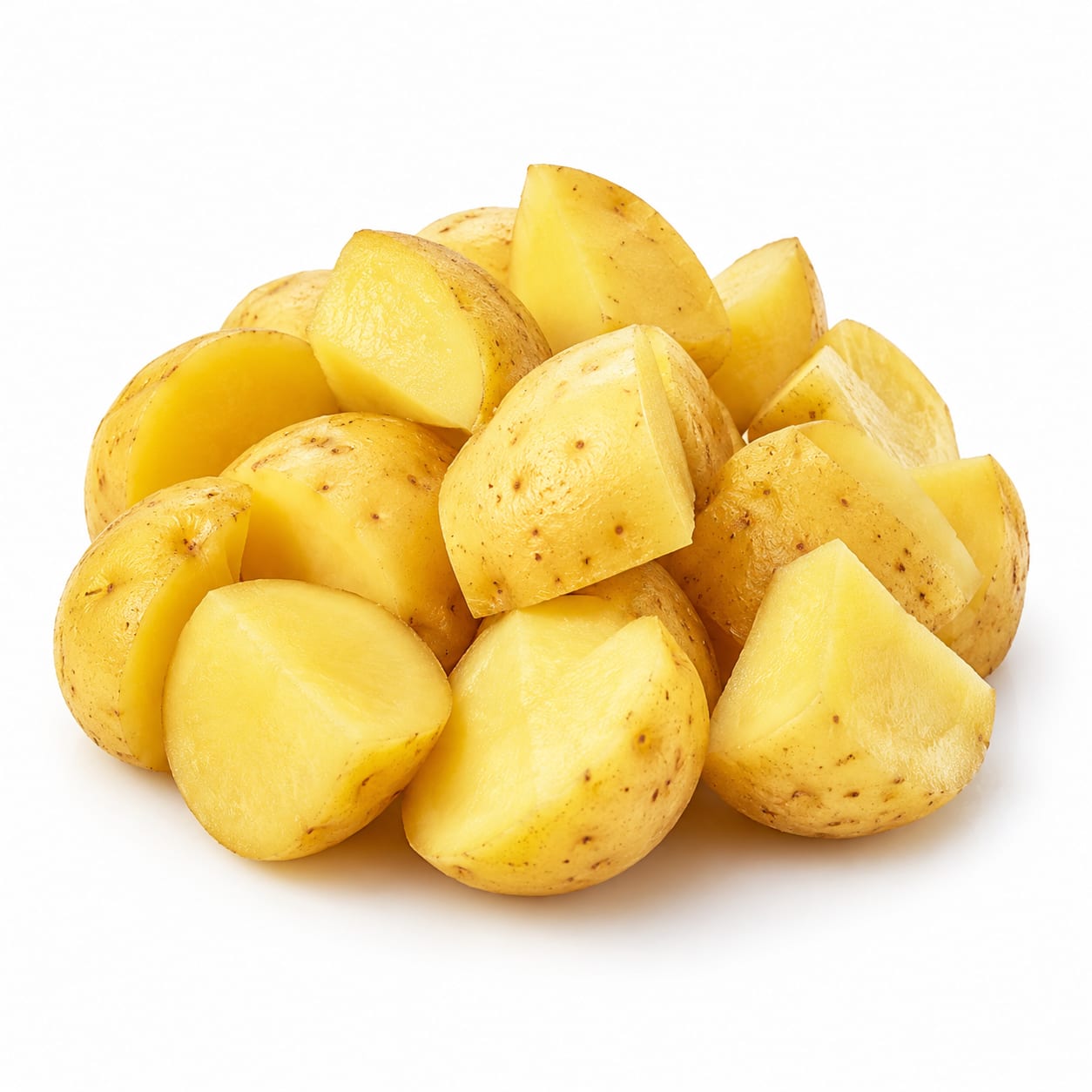
Yukon Gold Potato
A yellow-fleshed, medium-starch potato prized for its creamy texture and buttery flavor.
A medium-starch potato variety recognized by its thin, smooth yellow skin and yellowish flesh, known for a naturally buttery flavor and creamy texture that makes it highly versatile in cooking.
moderate-starch carbohydrate root vegetable
Typical serving · 150g
Common varieties · standard yukon gold, baby yukon gold, large yukon gold
Overall context score across nutrition, safety, and diet fit
At a glance
Quick facts
Simple indicators based on nutrition, processing, and diet fit.
The story
What makes it unique
Yukon Gold potatoes are tubers composed primarily of water and complex carbohydrates. They digest at a moderate rate when hot, but cooling after cooking significantly increases resistant starch content, which behaves like soluble fiber, slowing digestion and reducing the glycemic response while feeding beneficial gut bacteria.
Varieties: standard yukon gold · baby yukon gold · large yukon gold
Per 100g
Nutrition breakdown
Macro balance and key metrics at a glance.
Energy
Density 0.77 kcal/g
Protein
Carbs
Fat
Fiber
Sugar
0.8 g
Sodium
5 mg
Potassium
421 mg
Glycemic index
65
Glycemic load
14
Water content
79%
Standout compounds
Nutrient highlights
Potassium
highRegulates fluid balance and supports healthy blood pressure
Vitamin C
moderateSupports immune function and acts as an antioxidant
Vitamin B6
moderateEssential for brain development and amino acid metabolism
Resistant Starch
moderateFeeds beneficial gut bacteria and improves insulin sensitivity when cooled after cooking
Wellness map
Health scores & processing
NOVA processing scale
unprocessed · Whole food
Sold as a whole, raw root vegetable with no added ingredients or industrial processing.
Diet compatibility
- Weight loss
- Muscle gain
- Diabetes
- Gut health
- Low carb
- High protein
- Heart health
Relative standing
Food rankings
Qualitative ranks compared to similar whole foods.
- Satietygood
- Blood sugarmoderate
- Nutrient densitygood
- Fitness fuelgood
- Processing qualityexcellent
Eat with confidence
Food safety profile
Generally safe, but potatoes can develop solanine if exposed to light and turn green. Peeling away green areas and sprouts eliminates most solanine risk.
Evidence confidence 90%
- Pesticidesmoderate
- Antibioticslow
- Heavy metalslow
- Contaminationlow
Watch for
- solanine
- pesticide residue
- soilborne bacteria
Safer choices
Organic Yukon Gold potatoes to minimize pesticide exposure, as root vegetables can absorb soil chemicals.
Prep tips
Scrub skin thoroughly under running water to remove soil. Cut away any green spots, sprouts, or damaged areas before cooking.
Solanine levels are monitored in commercial potatoes, but improper storage or greening can elevate concentrations to toxic levels.
Deep dive
Health analysis
How this food may fit different goals and preparation choices.
Weight loss
Moderate calorie density and high satiety make them filling, but portion control is necessary due to carbohydrate content.
Blood sugar
Boiled and served hot, they have a moderate-to-high glycemic index. Cooling them significantly lowers the glycemic impact via resistant starch formation.
Fitness & energy
Provides readily available glucose for glycogen replenishment, making them a solid post-workout carbohydrate source.
Gut health
When cooked and cooled, resistant starch feeds beneficial colonic bacteria, supporting microbiome health and improving insulin sensitivity.
Processing quality
A whole, unprocessed food with a single ingredient, retaining its natural nutrient matrix.
Food safety
Primary risk is solanine toxicity from green skin or sprouts; removing green areas eliminates this risk.
Common mistakes
Frying or loading with butter and sour cream negates weight loss and heart health benefits; overcooking increases the glycemic index.
Best preparation
Boiling, baking, or roasting; cooling after cooking maximizes resistant starch.
Practical guide
Best use cases
When and how this food fits real eating patterns.
Post-workout recovery
Provides fast-digesting carbohydrates to replenish muscle glycogen stores after intense exercise.
Gut-friendly potato salad
Cooking, cooling, and dressing with vinegar creates a high resistant starch, low glycemic side dish.
Heart-healthy potassium source
Offers significant potassium per serving to help regulate blood pressure when prepared without excess salt.
Balance sheet
Pros & cons
Upsides
- High satiety per calorie consumed
- Good source of potassium for blood pressure regulation
- Forms resistant starch when cooled, benefiting gut health
- Versatile cooking applications with a naturally buttery flavor
- Unprocessed whole food with a natural nutrient matrix
Trade-offs
- Moderate-to-high glycemic index when served hot
- Relatively low in protein and healthy fats
- Carb density requires strict portion control for weight loss
- Solanine toxicity risk if potatoes turn green or sprout
- Absorbs agricultural pesticides from soil
Fit check
Who is it for?
Great match
- post-workout glycogen replenishment
- resistant starch diets
- high-volume low-calorie eating
- whole-food plant-based diets
Consider alternatives
- strict ketogenic diets
- very low-carb diets
- uncontrolled blood sugar management
- high-protein diets
Side by side
How it compares
Open the full head-to-head analysis for nutrition, safety, and practical tradeoffs.
This food
Yukon Gold Potato
VS90% alike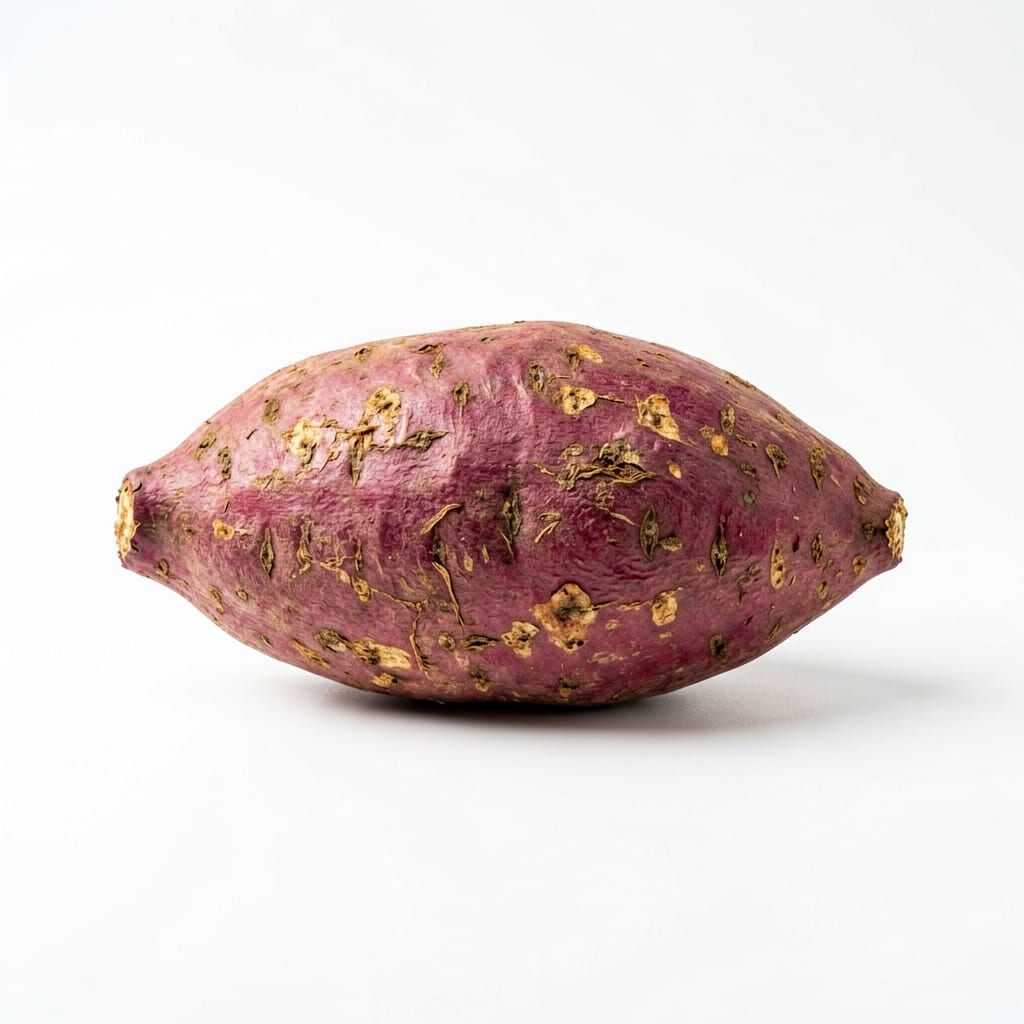
Compare with
Sweet Potato
Sweet potatoes are higher in vitamin A and fiber, while Yukon Golds have a creamier texture and slightly lower sugar content.
Sweet potatoes provide more vitamin A and fiber, while Yukon Gold potatoes offer a creamier texture and slightly less sugar.
This food
Yukon Gold Potato
VS95% alike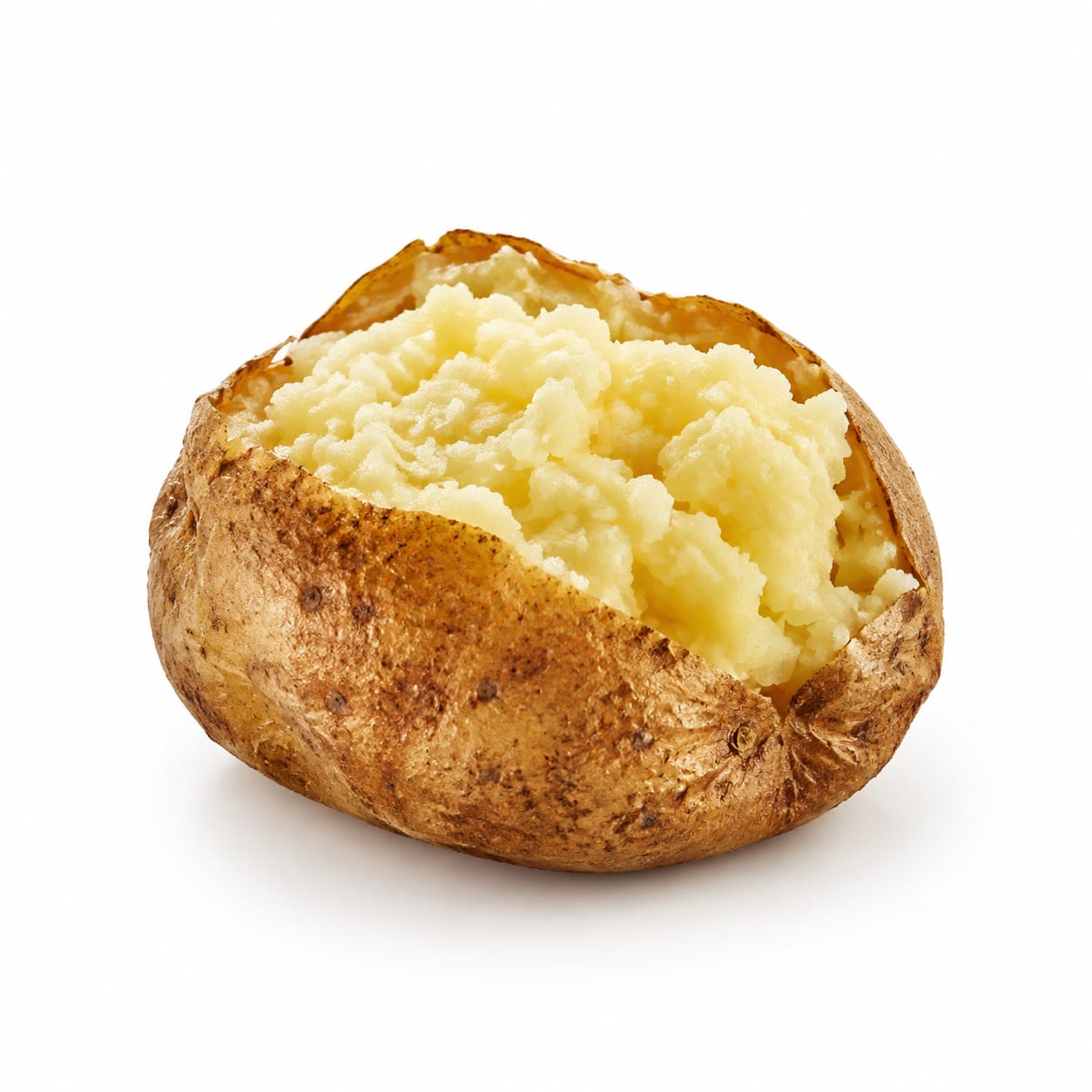
Compare with
Russet Potato
Russets are higher in starch and best for baking, while Yukon Golds are waxier, hold their shape better, and have a naturally buttery taste.
Russets offer more potassium and fiber, while Yukon Golds have a lower glycemic index and creamier texture requiring less added fat.
This food
Yukon Gold Potato
VS85% alike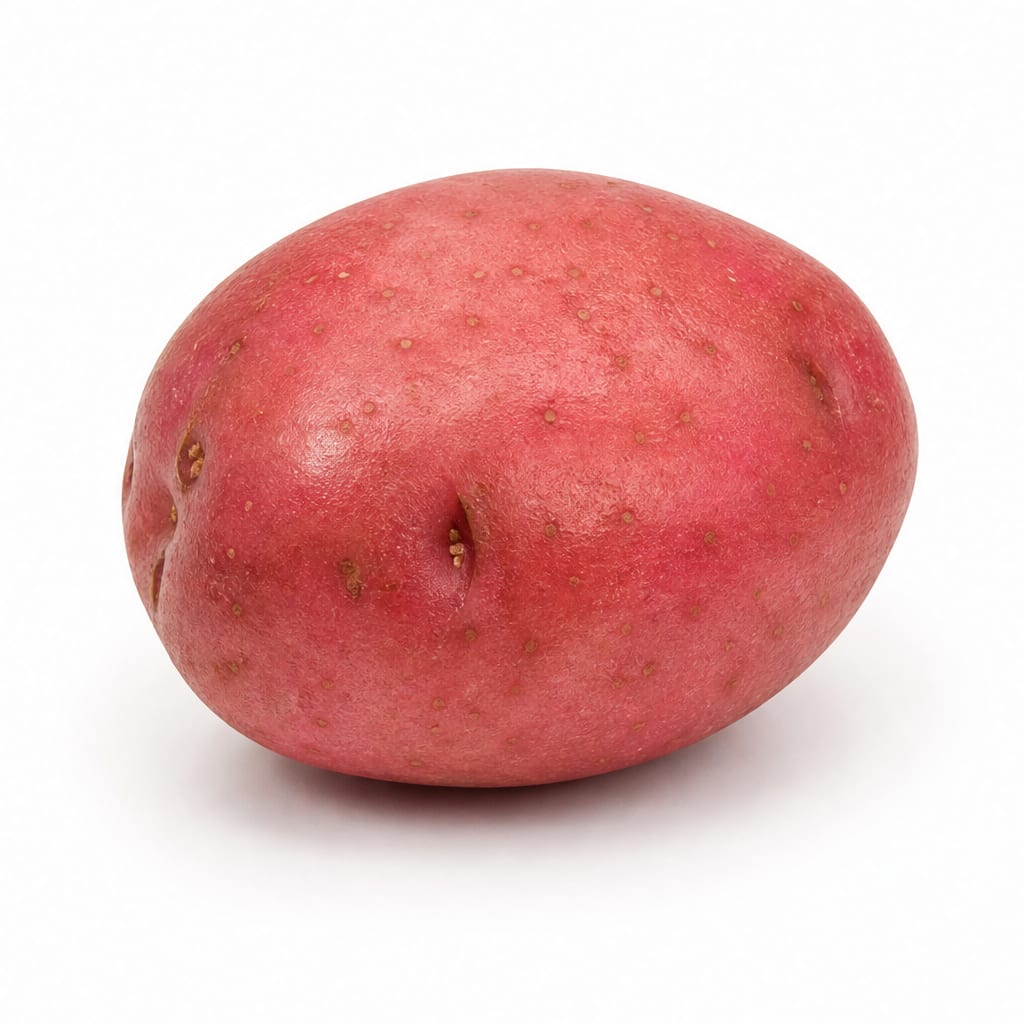
Compare with
Red Potato
Red potatoes are waxier with less starch, while Yukon Golds sit in the middle between waxy and starchy, offering better mashing texture.
Red potatoes have a slightly lower glycemic index, while Yukon Golds provide a fluffier texture and more potassium.
This food
Yukon Gold Potato
VS60% alike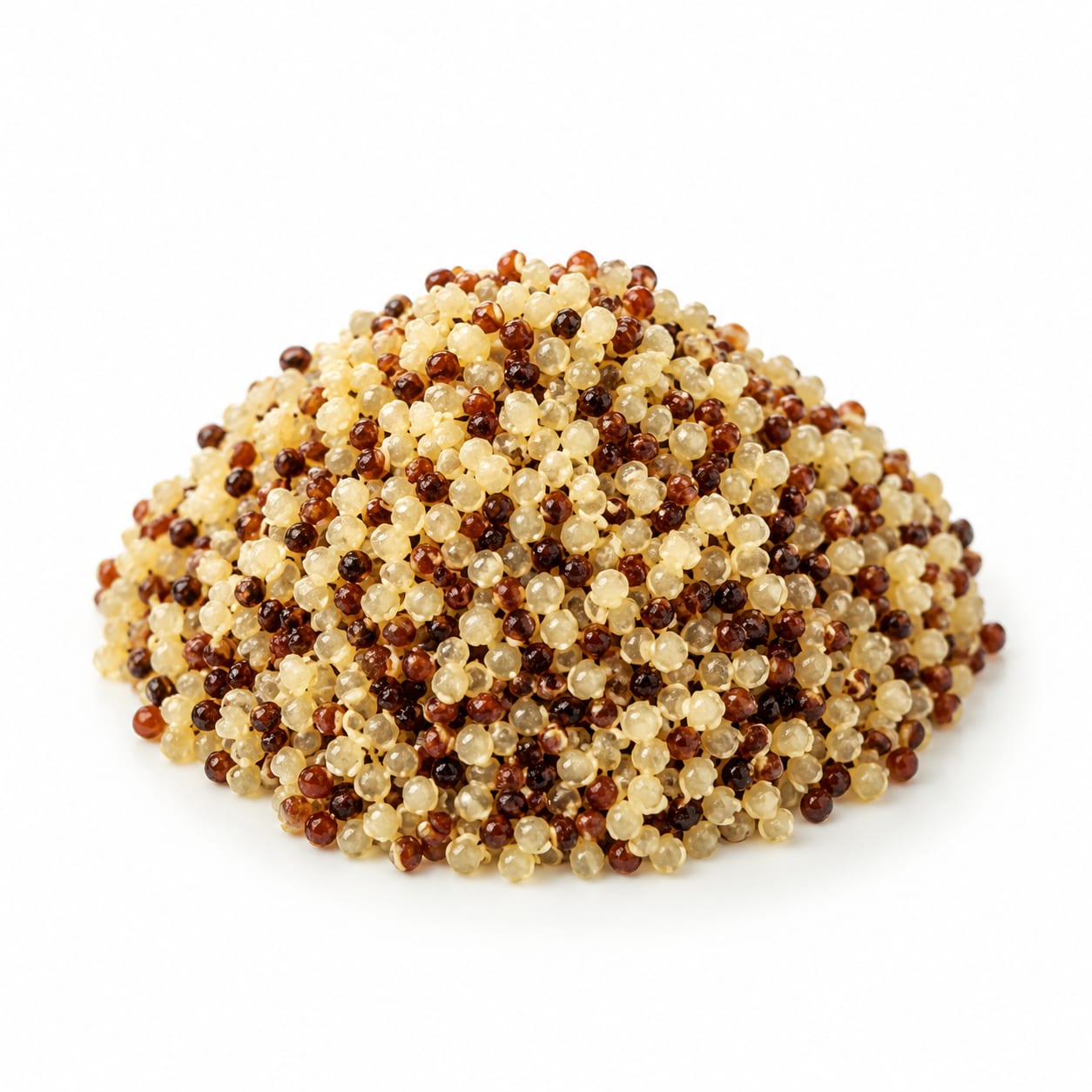
Compare with
Quinoa
Quinoa is a seed high in complete protein and fiber, whereas Yukon Golds are a root vegetable lower in calories but much lower in protein.
Quinoa provides more protein and fiber for stable energy, while Yukon Golds are lower in calories and fat for volume eating.
This food
Yukon Gold Potato
VS70% alike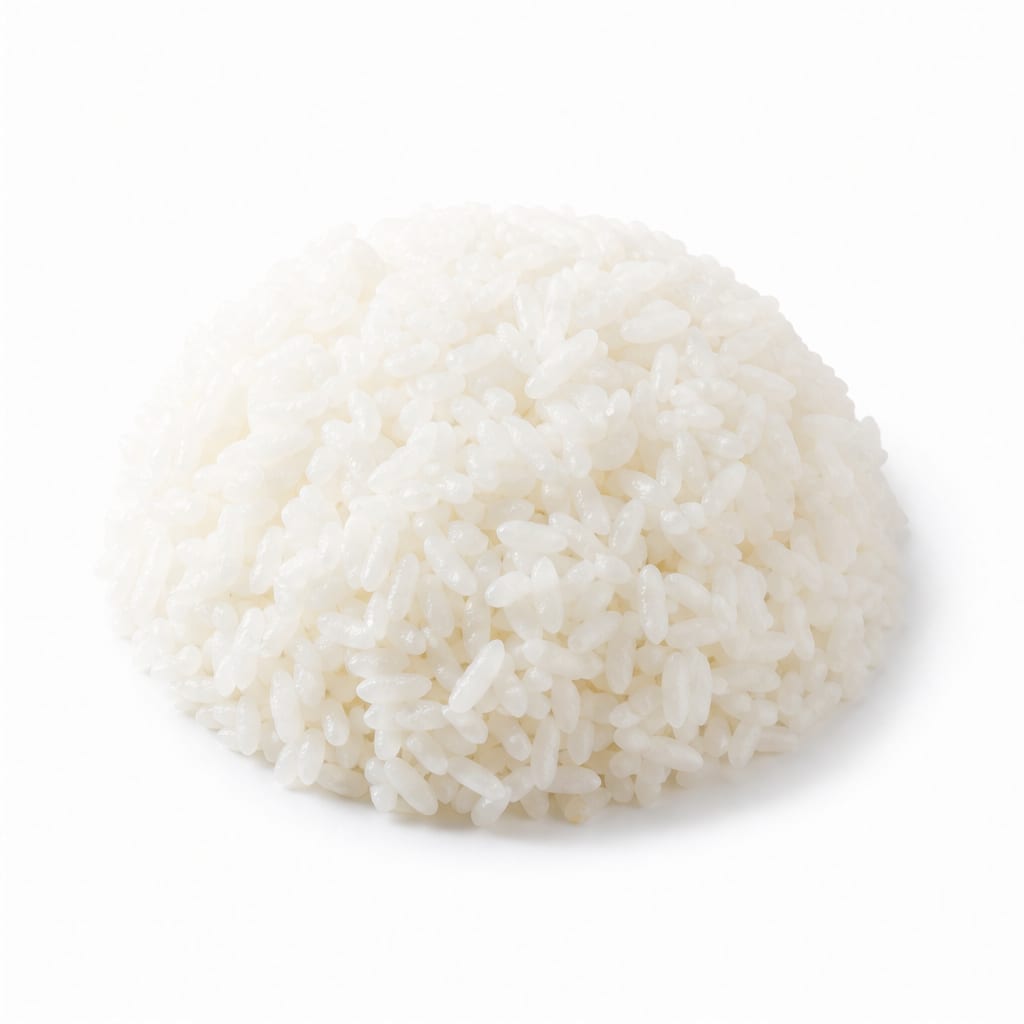
Compare with
White Rice
Yukon Golds provide significantly more potassium, vitamin C, and satiety than white rice, which is heavily processed and stripped of nutrients.
Yukon Gold potatoes offer far more potassium and satiety per calorie than white rice, making them the healthier carb choice.
This food
Yukon Gold Potato
VS65% alike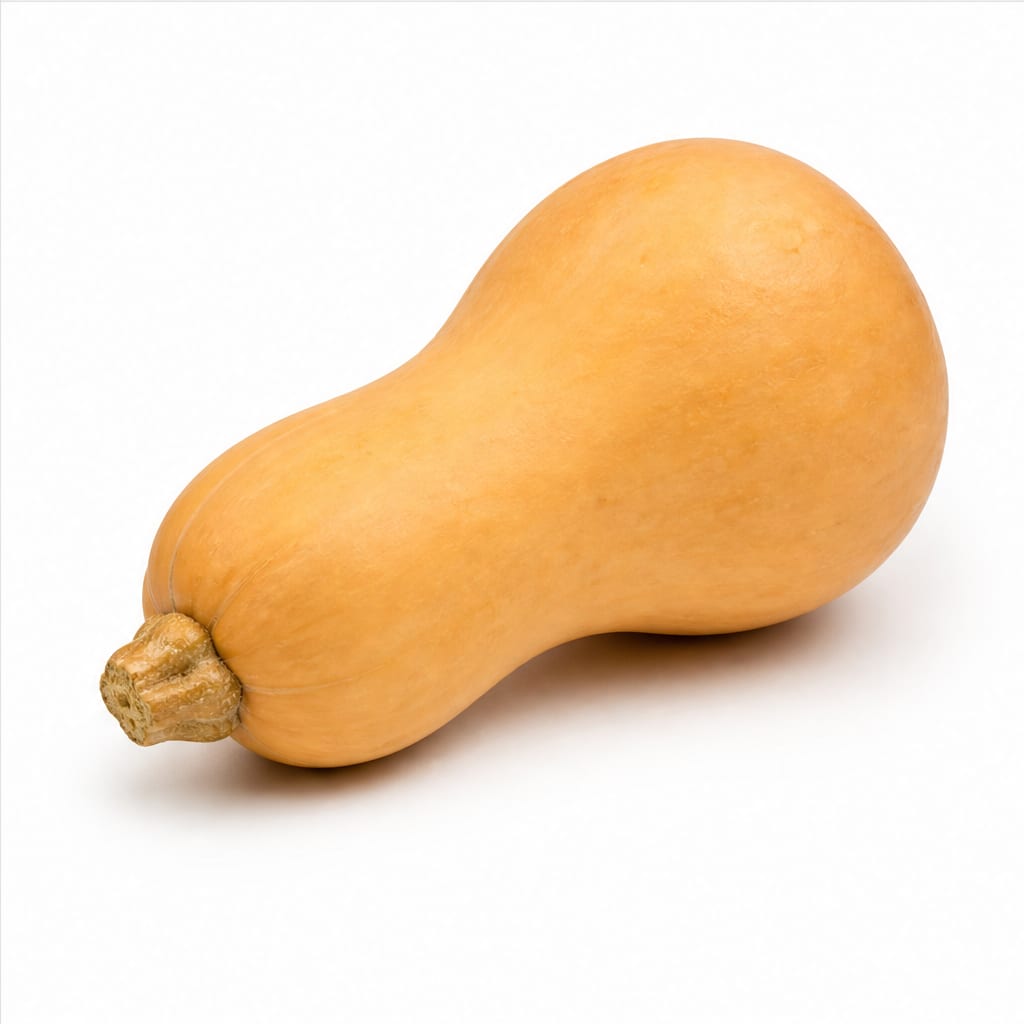
Compare with
Butternut Squash
Butternut squash is lower in calories and carbs, and richer in vitamin A, while Yukon Golds are more filling and better for post-workout fuel.
Butternut squash is lower in calories and higher in vitamin A, while Yukon Golds provide more carbs for energy and higher satiety.
This food
Yukon Gold Potato
VS50% alike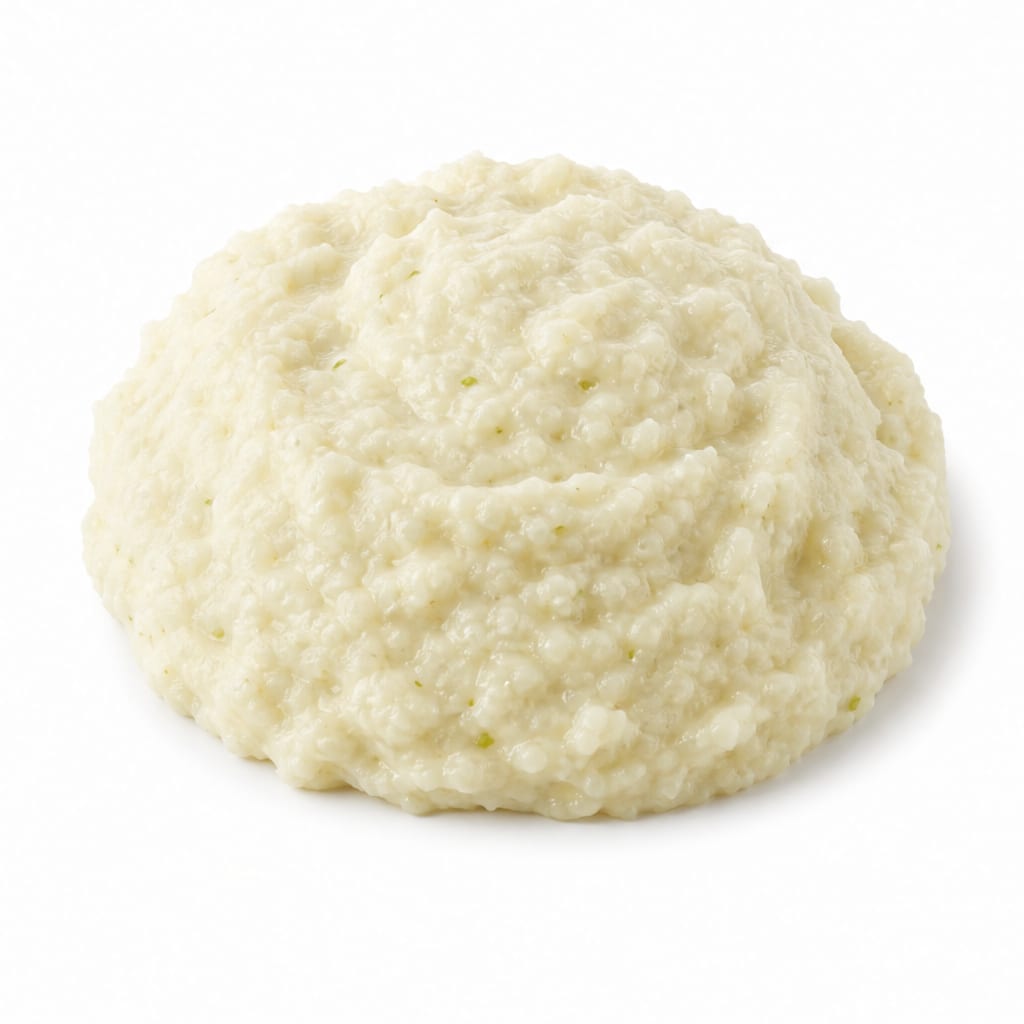
Compare with
Cauliflower Mash
Cauliflower mash is drastically lower in carbs and calories, but Yukon Golds provide real energy, potassium, and superior satiety.
Cauliflower mash wins for low-carb and low-calorie diets, while Yukon Golds win for workout fuel and keeping you full longer.
This food
Yukon Gold Potato
VS55% alike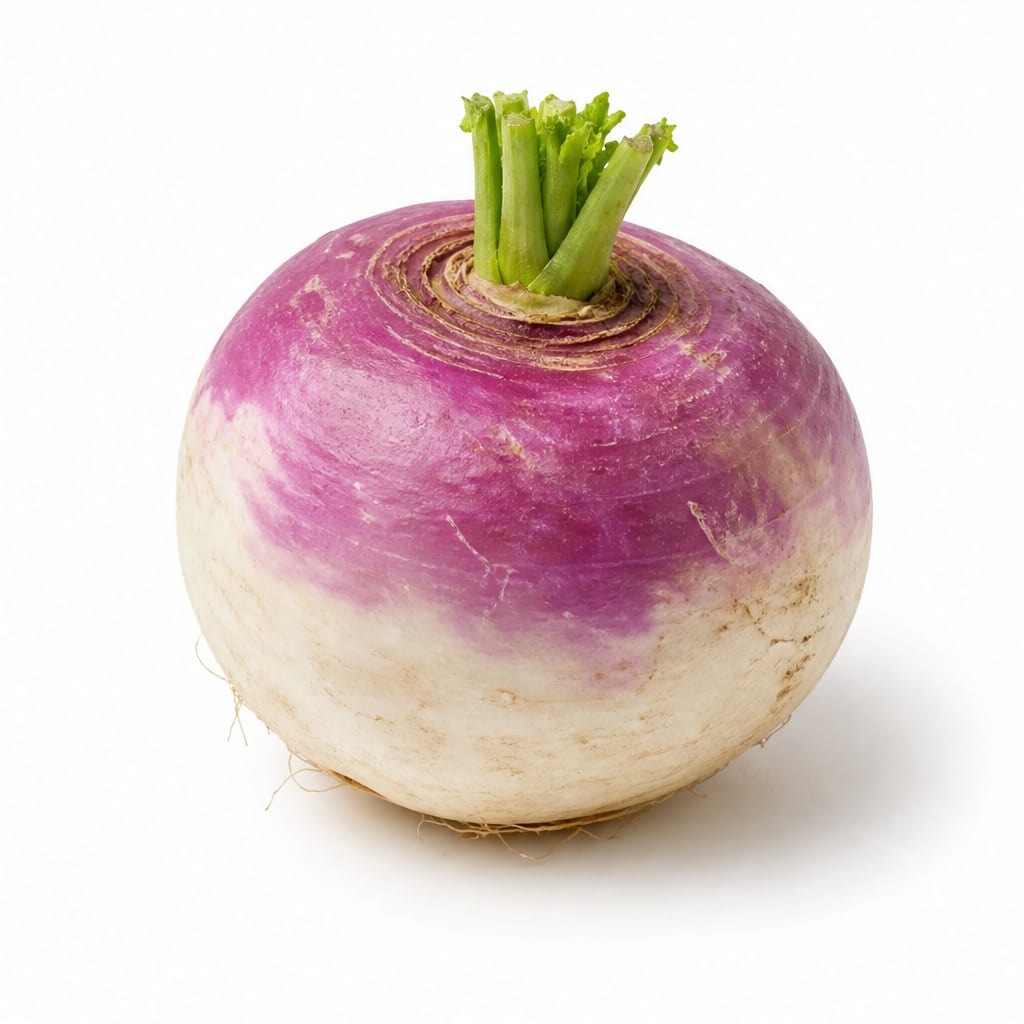
Compare with
Turnip
Turnips are lower in calories and carbohydrates, but Yukon Golds offer better texture, taste, and post-workout carbohydrate replenishment.
Turnips are much lower in carbs and calories, while Yukon Golds provide better energy for active lifestyles and a creamier texture.
This food
Yukon Gold Potato
VS60% alike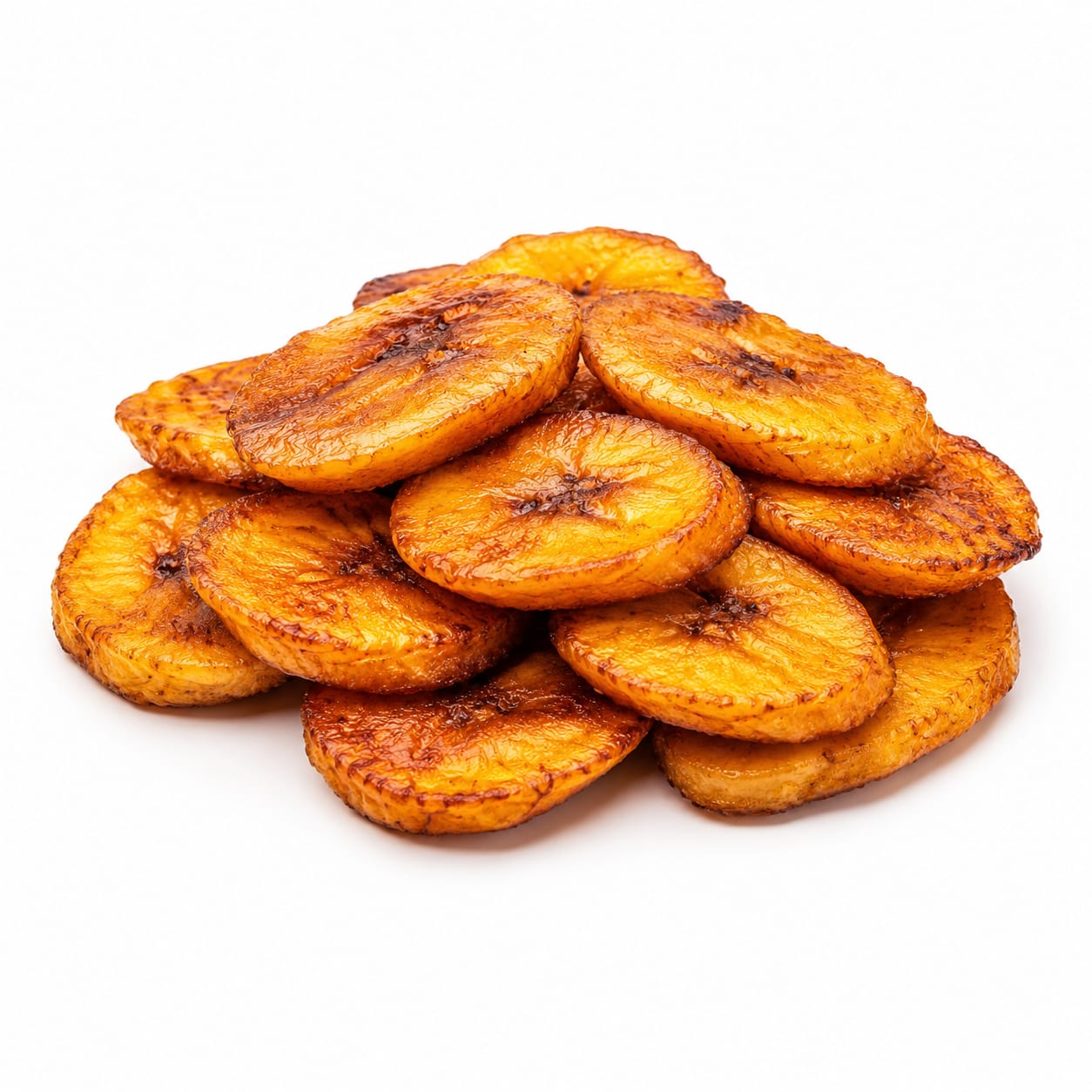
Compare with
Plantain
Plantains are higher in sugar and vitamin A, while Yukon Golds are lower in calories and better for resistant starch formation when cooled.
Yukon Golds are lower in sugar and calories, while plantains offer more vitamin A and dense energy for heavy exertion.
This food
Yukon Gold Potato
VS65% alike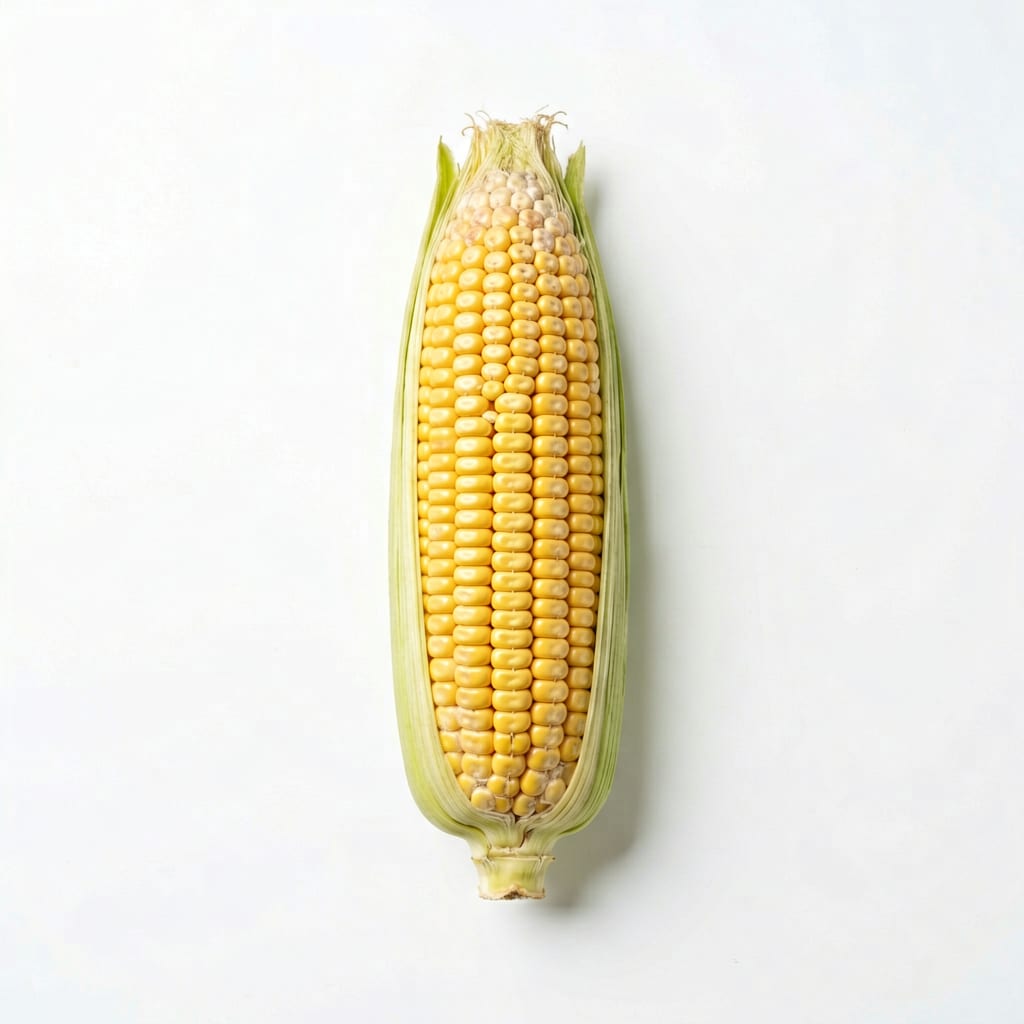
Compare with
Corn
Corn is higher in sugar and protein, while Yukon Golds are lower in calories and provide a better base for resistant starch formation.
Yukon Golds are lower in calories and sugar, while corn provides slightly more protein and different antioxidant profiles.
Common questions
FAQ
Answers aligned with how people search for this food.
Are Yukon Gold potatoes good for weight loss?
Yes, when boiled or baked and eaten without high-calorie toppings. They have high satiety and moderate calories, but portion control is important due to their carb content.
Do Yukon Gold potatoes raise blood sugar?
Yes, eating them hot after cooking raises blood sugar moderately. However, cooking them, cooling them in the fridge, and eating them cold or reheated significantly lowers their glycemic impact due to resistant starch.
Are Yukon Gold potatoes healthier than russet potatoes?
Yukon Golds have a slightly lower glycemic index and a creamier texture that requires less added fat. Russets have slightly more fiber and potassium. Both are healthy when prepared properly.
Can diabetics eat Yukon Gold potatoes?
Yes, in moderation. Diabetics should monitor portion sizes and prefer cooking, cooling, and reheating them to increase resistant starch, which blunts the blood sugar spike.
What is resistant starch in potatoes?
Resistant starch is a type of carbohydrate that resists digestion in the small intestine. It forms when potatoes are cooked and then cooled, acting like fiber to feed gut bacteria and improve insulin sensitivity.
Do you need to peel Yukon Gold potatoes?
No, their thin, smooth skin is edible and contains fiber, vitamins, and minerals. Leaving the skin on improves the nutritional profile and texture.
Why do Yukon Gold potatoes turn green?
Potatoes turn green when exposed to light, which indicates the presence of solanine, a naturally occurring toxin. Green potatoes should have the green parts cut away or be discarded to avoid illness.
Are Yukon Gold potatoes high in potassium?
Yes, they are a good source of potassium, providing about 421mg per 100g, which supports heart health and muscle function.
Transparency
Data confidence
Estimated confidence for nutrition data, interpretation, safety notes, and comparisons.
Nutrition data
Health analysis
Food safety
Comparisons