
Nutrition comparison
Yukon Gold Potato vs Sweet Potato: Nutrition, Blood Sugar, and Health Comparison
Sweet potatoes deliver more vitamin A, fiber, and antioxidants, while Yukon Golds offer more potassium and culinary versatility. Compare blood sugar impact, satiety, and which potato fits your health goals best.
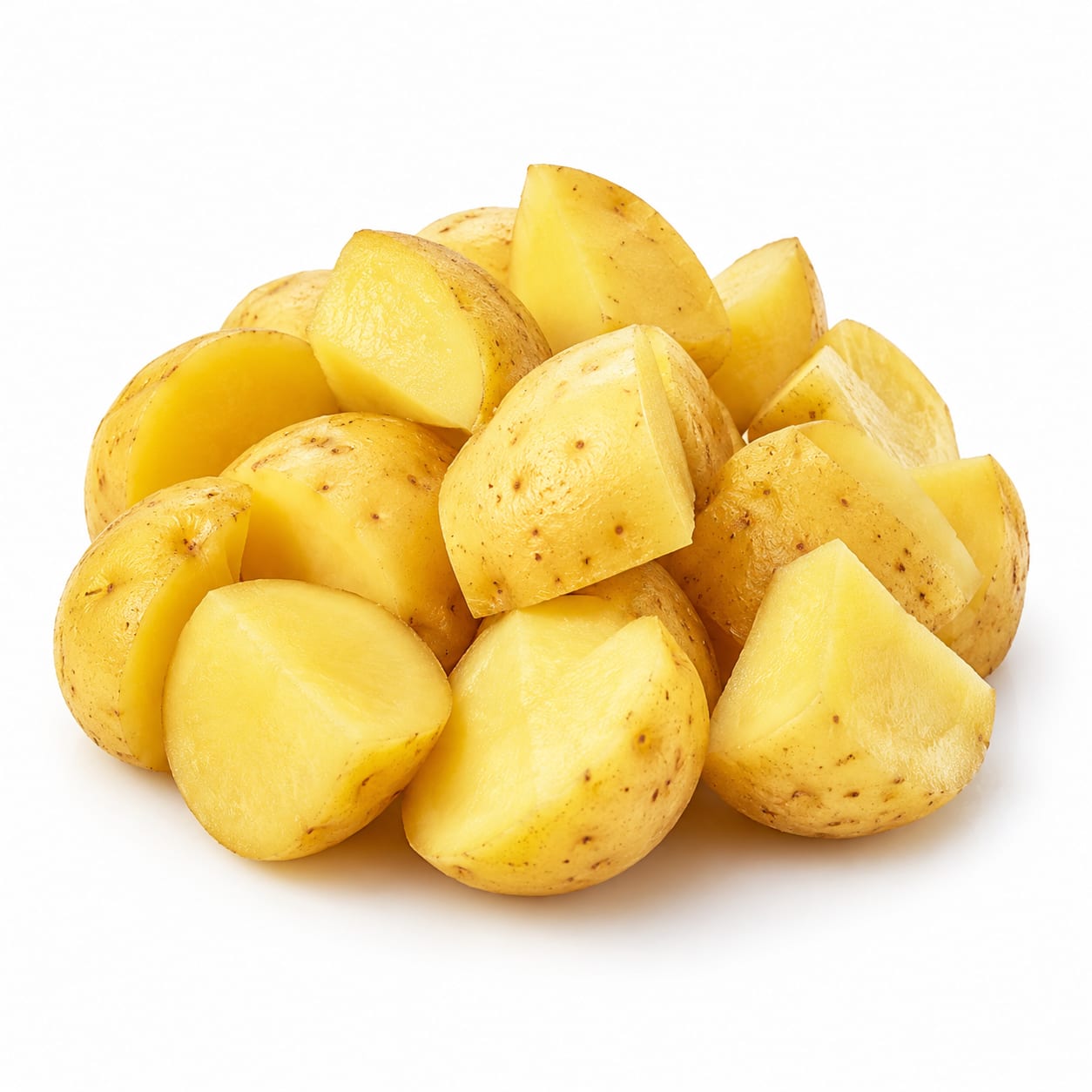
Yukon Gold Potato
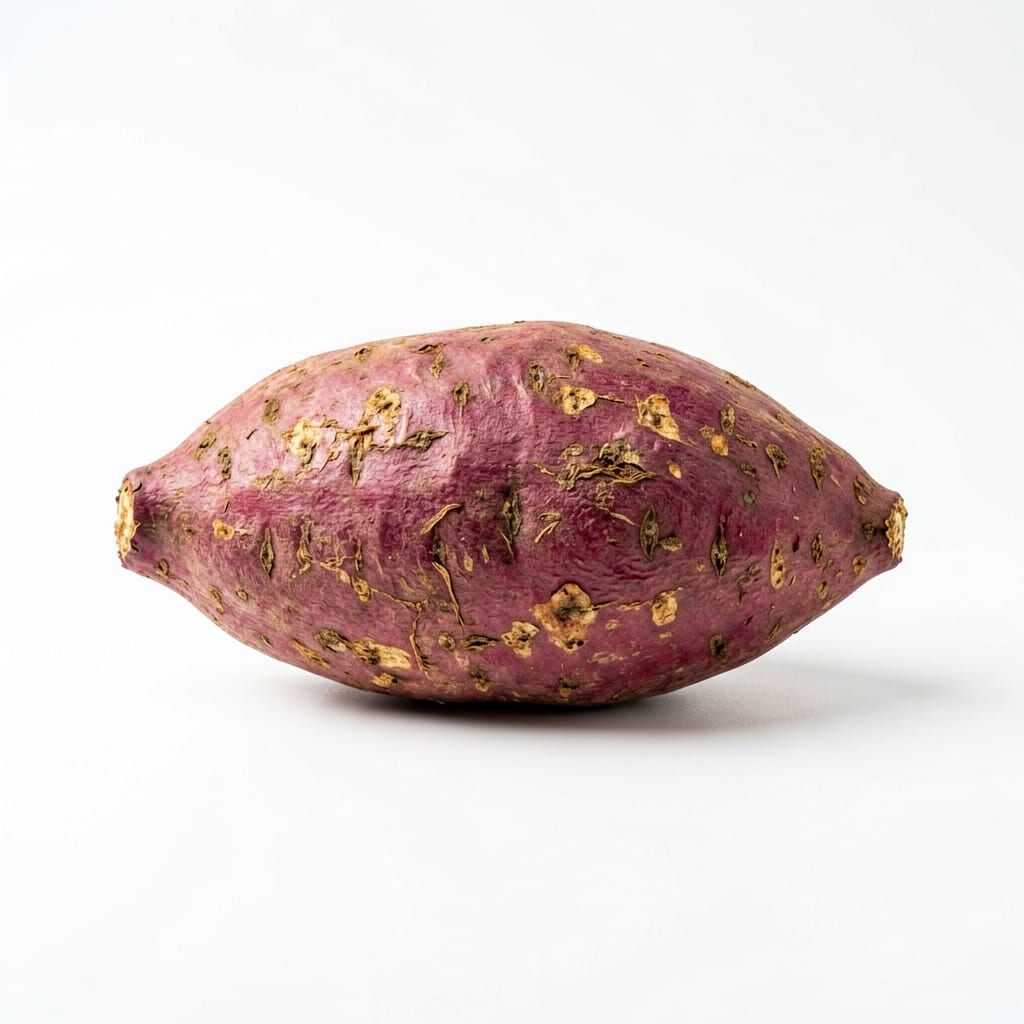
Sweet Potato
Sweet potatoes win on vitamins and antioxidants; Yukon Golds win on potassium and culinary flexibility. Your goals decide the winner.
Sweet potatoes score higher due to superior fiber, vitamin A, and antioxidant content. Yukon Golds remain competitive thanks to potassium, culinary versatility, and milder blood sugar impact when cooled after cooking. The gap is meaningful but not overwhelming — both are quality whole foods.
Sweet potatoes deliver far more vitamin A and fiber but have a stronger, sweeter flavor that limits dish compatibility. Yukon Golds are milder and more versatile but less nutrient-dense overall.
At a glance
Executive summary
Overall
It depends
Healthier
Sweet Potato
More practical
Yukon Gold Potato
Daily use
Sweet Potato
Key comparison lenses
blood sugar management
These are both starchy carbs with meaningfully different glycemic impacts, which is the top concern for most people choosing between them
nutrient density comparison
Sweet potatoes deliver dramatically more vitamin A and antioxidants, while Yukon Golds offer more potassium — users want to know what they're actually getting
weight management and satiety
Both are filling carb sources but differ in fiber and calorie density, affecting how much people tend to eat
meal versatility and practicality
Yukon Golds are culinary workhorses; sweet potatoes have a distinct flavor profile that doesn't fit every dish
long-term health outcomes
Antioxidant content and anti-inflammatory properties differ significantly, influencing chronic disease risk over years of consumption
Best choice for
Yukon Gold Potato
- People who want a neutral carb that fits any cuisine
- Those watching vitamin A intake (hypervitaminosis A risk)
- Anyone needing more potassium in their diet
- Home cooks who value versatility and easy prep
Sweet Potato
- Anyone wanting maximum nutrition per calorie
- People managing blood sugar who still want carbs
- Those seeking more fiber and antioxidants
- Anyone eating for eye health or immune support
Least suitable for
Yukon Gold Potato
- People strictly managing blood sugar spikes
- Those seeking high antioxidant intake from carbs
- Anyone needing significant vitamin A from food sources
Sweet Potato
- People who find sweet flavors in savory meals unappealing
- Those on strict low-carb or keto diets
- Anyone with beta-carotene sensitivity or excess vitamin A concerns
Deep comparison
Dimension by dimension
Each lens scores both foods and breaks down who each option suits.
- Dimension 1 · Priority 92Sweet Potato
Blood Sugar Stability
Yukon Gold Potato · 55Sweet Potato · 72Sweet potatoes cause a gentler blood sugar rise than Yukon Golds, especially when boiled rather than baked.
Tradeoff
Yukon Golds develop resistant starch when cooked and cooled, which narrows the gap significantly if you eat them as leftovers or potato salad.
Why it matters
Steadier blood sugar means fewer energy crashes, less cravings, and better long-term metabolic health.
Real-world impact
A sweet potato at lunch is less likely to leave you reaching for a snack at 3pm than a Yukon Gold, unless that Yukon Gold was cooked yesterday and eaten cold.
Yukon Gold Potato
- Potato salad meals where the potato is cooled before eating
- Post-workout when you actually want faster carb absorption
Better for
- Sedentary evenings when you don't need quick energy
- Anyone counting on stable blood sugar without careful prep
Worse for
Sweet Potato
- Sustained energy through a long afternoon
- Anyone prediabetic or insulin resistant
- Breakfast carbs that won't spike and crash you
Better for
- Post-workout recovery when faster glucose delivery is actually beneficial
Worse for
- Dimension 2 · Priority 88Sweet Potato
Nutrient Density
Yukon Gold Potato · 52Sweet Potato · 89Sweet potatoes are nutritional powerhouses, delivering over 100% of daily vitamin A in a single serving along with significantly more vitamin C and antioxidants.
Tradeoff
Yukon Golds offer more potassium per serving, which matters for blood pressure regulation and muscle function. If potassium is your priority, Yukon Golds have the edge.
Why it matters
Higher nutrient density means your calories work harder for you — supporting immunity, vision, skin health, and disease prevention without eating more food.
Real-world impact
One medium sweet potato essentially covers your vitamin A needs for the day. You'd need to eat several Yukon Golds to match that, and they still wouldn't deliver beta-carotene.
Yukon Gold Potato
- Athletes needing potassium for cramp prevention and recovery
- People already getting plenty of vitamin A from other sources
Better for
- People relying on potatoes as a primary vegetable source
- Anyone eating a low-produce diet that needs nutrient density
Worse for
Sweet Potato
- Anyone wanting maximum vitamins per calorie
- People who don't eat many orange or dark green vegetables
- Those focused on immune and eye health
Better for
- Those already taking high-dose vitamin A supplements (risk of excess)
Worse for
- Dimension 3 · Priority 82Sweet Potato
Fiber and Digestive Health
Yukon Gold Potato · 48Sweet Potato · 74Sweet potatoes provide roughly 50% more fiber than Yukon Golds, especially soluble fiber that feeds gut bacteria.
Tradeoff
Yukon Golds can develop resistant starch when cooled after cooking, which acts like fiber and partially closes this gap — but only if you eat them cold or reheated gently.
Why it matters
More fiber means better digestion, steadier energy, improved cholesterol, and a healthier gut microbiome over time.
Real-world impact
A sweet potato keeps you fuller longer and supports better digestion. A Yukon Gold eaten hot provides less of both, though day-old roasted potatoes in a salad perform surprisingly well.
Yukon Gold Potato
- Leftover potato preparations where resistant starch has formed
- People who find high-fiber foods cause bloating
Better for
- People relying on a single starch for fullness and digestive support
Worse for
Sweet Potato
- Anyone struggling to hit daily fiber targets
- People wanting gut health benefits without supplements
- Those managing cholesterol through diet
Better for
- Individuals with IBS who are sensitive to fermentable fibers
Worse for
- Dimension 4 · Priority 78Sweet Potato
Antioxidant and Anti-Inflammatory Power
Yukon Gold Potato · 35Sweet Potato · 88Sweet potatoes are loaded with beta-carotene, anthocyanins (especially purple varieties), and other anti-inflammatory compounds. Yukon Golds have minimal antioxidant content by comparison.
Tradeoff
The antioxidant advantage of sweet potatoes is most meaningful when eaten with some fat, which dramatically improves beta-carotene absorption. Plain steamed sweet potatoes waste some of this potential.
Why it matters
Chronic inflammation drives heart disease, cancer, and aging. Antioxidant-rich foods are one of the most impactful dietary choices for long-term health.
Real-world impact
Eating sweet potatoes regularly with a drizzle of olive oil is a genuinely powerful anti-inflammatory habit. Yukon Golds are neutral here — not harmful, but not actively helpful either.
Yukon Gold Potato
- Meals where you're already getting antioxidants from other vegetables
Better for
- Diets low in colorful produce that need antioxidant support
Worse for
Sweet Potato
- Long-term anti-inflammatory eating patterns
- Anyone with inflammatory conditions like arthritis
- People who don't eat many berries or leafy greens
Better for
- Situations where sweet potatoes are eaten without any fat, reducing absorption
Worse for
- Dimension 5 · Priority 75Yukon Gold Potato
Culinary Versatility
Yukon Gold Potato · 85Sweet Potato · 60Yukon Golds are the Swiss Army knife of potatoes — they mash, roast, boil, and fry beautifully with a neutral flavor that works in any cuisine.
Tradeoff
Sweet potatoes have a distinct sweetness and softer texture that limits them. They shine in specific dishes but can feel out of place in traditional savory recipes.
Why it matters
A carb you actually enjoy cooking with gets eaten more consistently. Versatility reduces meal prep friction and food waste.
Real-world impact
Yukon Golds work in potato salad, soup, breakfast hash, gnocchi, and roasts without anyone questioning the flavor. Sweet potatoes in the same dishes can feel sweet and heavy.
Yukon Gold Potato
- Weekly meal prep where one potato needs to work across multiple dishes
- Cooking for picky eaters who resist sweet flavors in dinner
- Traditional recipes from potato-heavy cuisines
Better for
- Meals where you want the carb to contribute meaningful micronutrients
Worse for
Sweet Potato
- Comfort food recipes where sweetness is welcome
- Baked or roasted as a standalone side dish
- Breakfast bowls and healthy dessert alternatives
Better for
- Diverse weekly menus requiring a neutral starch base
- Cooking for people who dislike sweet-savory combinations
Worse for
- Dimension 6 · Priority 76Sweet Potato
Satiety and Fullness
Yukon Gold Potato · 68Sweet Potato · 78Sweet potatoes keep you fuller for longer thanks to more fiber and a lower glycemic response, though both are reasonably satisfying starchy foods.
Tradeoff
Yukon Golds have a slightly higher protein content per calorie, which contributes to fullness in a different way. For some people, a hot Yukon Gold potato feels more immediately satisfying than a sweet potato.
Why it matters
Better satiety means less snacking, easier portion control, and fewer cravings between meals.
Real-world impact
A sweet potato at lunch tends to carry you to dinner more reliably. A Yukon Gold might leave you hunting for something else within a couple hours unless paired with protein and fat.
Yukon Gold Potato
- Meals with plenty of protein and fat where the potato is just one component
- People who find sweet potatoes too heavy or filling
Better for
- Situations where the potato is the main calorie source and needs to satisfy alone
Worse for
Sweet Potato
- Solo meals where the carb needs to hold you over alone
- Weight management through natural appetite suppression
- Afternoon meals that need to last until late dinner
Better for
- Light meals where you don't want to feel overly full
Worse for
Timeline
Health impact over time
Short-term
Hours to days
Yukon Gold Potato
- Provides quick energy from easily digestible starch
- May cause a noticeable blood sugar rise and subsequent dip within 2-3 hours if eaten alone
- High potassium helps with hydration and muscle function after exercise
Sweet Potato
- Delivers steady energy with less of a blood sugar spike
- Significant vitamin A supports immediate immune function and skin health
- Fiber promotes comfortable digestion and sustained fullness
Long-term
Months to years
Yukon Gold Potato
- Regular consumption without cooling first may contribute to higher average blood sugar over time
- Excellent potassium source supports long-term blood pressure and stroke risk reduction
- Neutral antioxidant profile means less active protection against cellular aging
Sweet Potato
- Consistent beta-carotene intake supports eye health and reduces age-related vision decline
- Anti-inflammatory compounds may lower risk of chronic diseases including heart disease and certain cancers
- Higher fiber intake supports gut microbiome diversity and colorectal health over decades
Risk profile
Safety & processing
Both Yukon Gold potatoes and sweet potatoes are whole, unprocessed foods as typically purchased. Neither carries meaningful additive concerns. The main processing risk comes from how you prepare them — deep frying either one significantly degrades their health profile.
Yukon Gold Potato
Solanine toxicity from greening
lowYukon Golds, like all potatoes, can develop solanine when exposed to light. Green-tinged potatoes should be discarded. Proper storage in a cool, dark place eliminates this risk.
Acrylamide formation during high-heat cooking
mediumFrying or roasting Yukon Golds at temperatures above 375°F creates acrylamide, a probable carcinogen. Boiling and steaming avoid this entirely.
Sweet Potato
Oxalate content
lowSweet potatoes contain moderate oxalates. For most people this is irrelevant, but those with a history of calcium oxalate kidney stones should moderate intake.
Acrylamide formation during high-heat cooking
mediumLike regular potatoes, sweet potatoes form acrylamide when fried or roasted at high temperatures. Boiling is the safest cooking method.
Who wins for whom
Audience fit
Same foods, different winners depending on your goal.
children
Sweet PotatoKids benefit enormously from the vitamin A in sweet potatoes for growth and immune development. The natural sweetness also makes them more appealing to young palates.
daily consumption
Sweet PotatoSweet potatoes offer more cumulative health benefits when eaten daily — more fiber, more vitamins, more antioxidants. Yukon Golds are fine daily too, but deliver less nutritional momentum over time.
diabetes
Sweet PotatoSweet potatoes have a significantly lower glycemic index and more fiber, resulting in gentler blood sugar responses. Boiled sweet potatoes are especially well-tolerated.
elderly
Sweet PotatoOlder adults need more vitamin A for vision preservation and immune function. The softer texture of cooked sweet potatoes is also easier to chew and digest.
muscle gain
Yukon Gold PotatoYukon Golds deliver faster-digesting carbs that are useful post-workout for glycogen replenishment, plus slightly more potassium for muscle recovery and cramp prevention.
weight loss
Sweet PotatoSweet potatoes provide more fiber and stronger satiety per calorie, making it easier to eat less overall. Their lower glycemic impact also reduces insulin-driven fat storage signals.
Your move
Decision guide
Choose Yukon Gold Potato
- You want a neutral carb that works in any recipe without changing the flavor profile
- You're eating for post-workout recovery and want faster carb absorption
- You need more potassium in your diet for blood pressure or muscle function
- You're meal prepping for the week and need one versatile potato for multiple dishes
- You plan to cook and cool your potatoes to maximize resistant starch
Choose Sweet Potato
- You want maximum nutrition per calorie from your carb sources
- You're managing blood sugar and want the gentler glycemic option
- You don't eat many orange vegetables and need the vitamin A boost
- You want anti-inflammatory and antioxidant benefits from everyday meals
- You find the natural sweetness satisfying and enjoy sweet-savory dishes
Either works if
- You're eating a well-rounded diet with plenty of vegetables and just need a solid carb source
- You're pairing the potato with protein and healthy fat, which minimizes the glycemic difference
- You're boiling rather than baking, which narrows the nutritional gap
- You simply want variety and enjoy both flavors
Avoid both if
- You're on a strict ketogenic or very low-carb diet
- You have severe oxalate sensitivity or a history of calcium oxalate kidney stones
- You're deep frying either one regularly — that preparation negates most health benefits
Final recommendation
Eat sweet potatoes most days for the nutritional upside, and keep Yukon Golds in rotation for meals where their versatility and milder flavor make more sense. The best diet includes both — just lean toward sweet potatoes when health optimization matters most, and toward Yukon Golds when practicality and flavor compatibility are the priority.
Practical
Consumer tips
- 1
Cook sweet potatoes with a fat source like olive oil or butter — it can increase beta-carotene absorption by over 50%
- 2
Cool your Yukon Golds in the fridge after cooking to develop resistant starch, then reheat gently — you'll get fiber-like benefits and a lower glycemic response
- 3
Boiling either potato produces a lower glycemic response than baking or roasting
- 4
Store both in a cool, dark place — never the fridge for sweet potatoes, which damages their texture and creates off-flavors
- 5
Purple sweet potatoes are even more antioxidant-rich than orange ones if you can find them
- 6
Don't peel sweet potatoes — most of the fiber and many antioxidants are in or near the skin
- 7
A medium sweet potato counts as roughly one serving of orange vegetables in dietary guidelines — most people need 2-3 weekly servings from this category