
Nutrition comparison
Yukon Gold Potato vs Butternut Squash: Nutrition, Blood Sugar, and Which to Choose
Compare Yukon Gold potatoes and butternut squash on blood sugar impact, satiety, vitamins, and weight loss. Find out which starchy vegetable fits your health goals better.
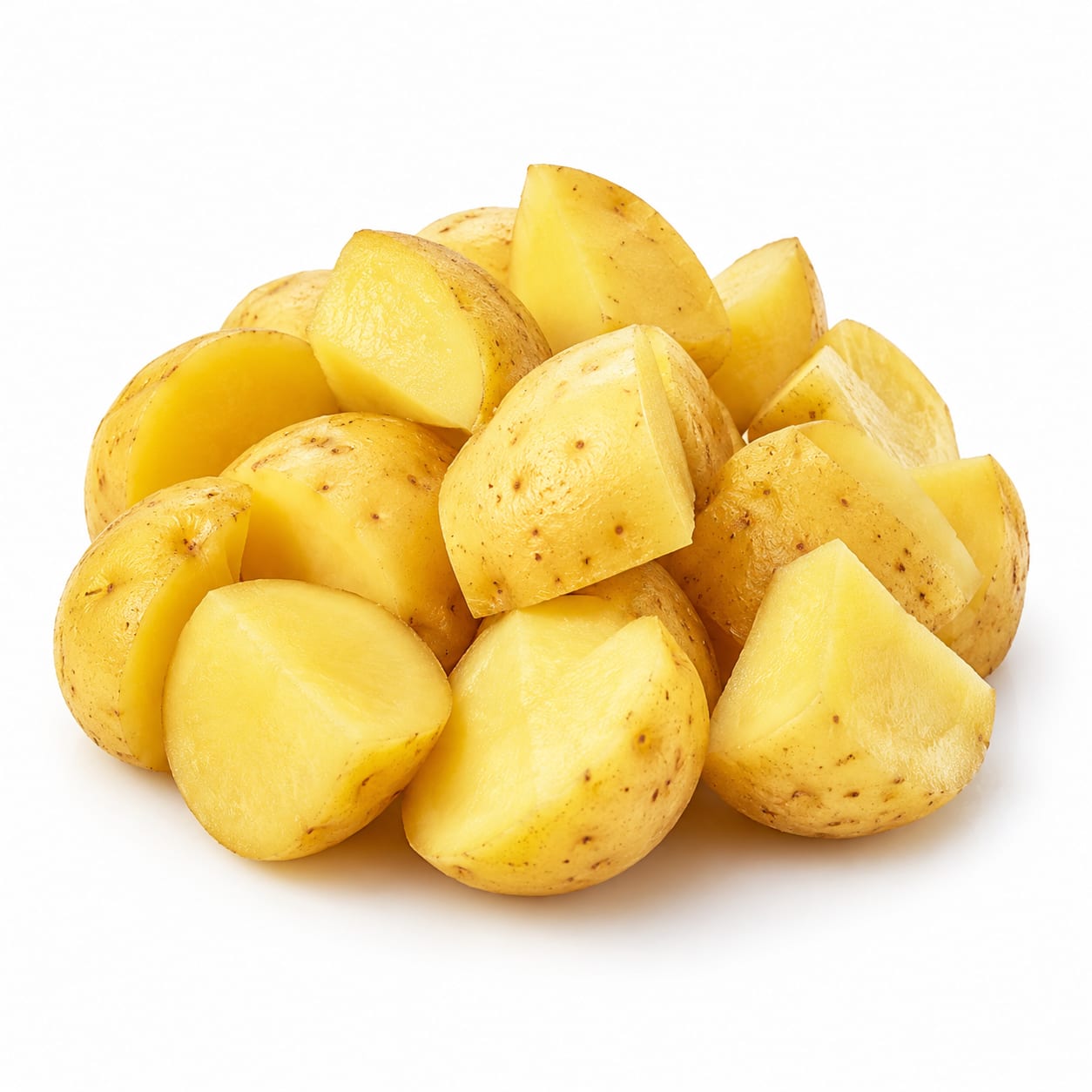
Yukon Gold Potato
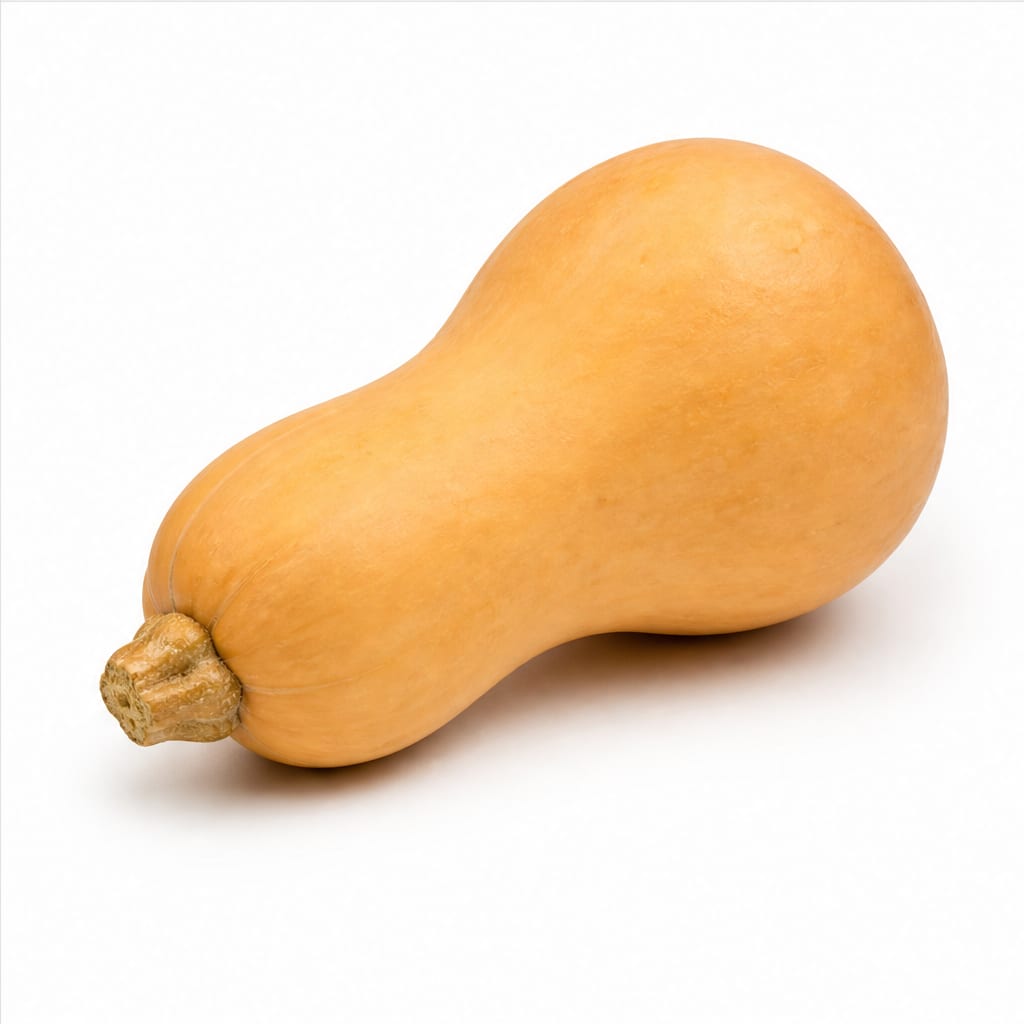
Butternut Squash
Butternut squash wins for blood sugar control and micronutrients; Yukon Gold potatoes win for satiety, potassium, and everyday versatility.
Butternut squash scores higher overall due to its superior micronutrient profile and gentler blood sugar impact. Yukon Gold potatoes remain competitive through higher satiety, more potassium, and easier daily practicality. The gap is moderate because both are genuinely nutritious whole foods.
You choose between steadier energy and more vitamins with butternut squash, or greater filling power and easier prep with Yukon Gold potatoes.
At a glance
Executive summary
Overall
It depends
Healthier
Butternut Squash
More practical
Yukon Gold Potato
Daily use
It depends
Key comparison lenses
blood sugar management
Both are starchy carbs with meaningfully different glycemic impacts, a top concern for most users comparing root vegetables
weight loss and satiety
Calorie density and fullness differ enough to influence portion control and daily intake decisions
micronutrient prioritization
Butternut squash offers dramatically more vitamin A and antioxidants while Yukon Golds lead in potassium and B6
meal versatility and convenience
Preparation difficulty, cook time, and recipe flexibility vary significantly between these two
long-term disease prevention
Antioxidant profiles and inflammatory potential differ in ways that compound over years of eating
Best choice for
Yukon Gold Potato
- Athletes needing quick refueling after intense training
- People counting calories who want maximum fullness per serving
- Anyone managing blood pressure through high potassium intake
- Busy households wanting fast, versatile side dishes
- Those with vitamin B6 needs including pregnant women
Butternut Squash
- People managing diabetes or insulin resistance
- Anyone wanting immune support through beta-carotene
- Those seeking steadier afternoon energy without crashes
- People prioritizing antioxidant intake for long-term health
- Anyone looking for naturally sweet flavor without added sugar
Least suitable for
Yukon Gold Potato
- People strictly controlling blood sugar spikes
- Those on low-carb or keto diets
- Anyone avoiding nightshades due to inflammation concerns
Butternut Squash
- People who need high potassium for blood pressure management
- Those wanting maximum protein from their carb sources
- Anyone short on prep time since peeling and cutting takes effort
Deep comparison
Dimension by dimension
Each lens scores both foods and breaks down who each option suits.
- Dimension 1 · Priority 92Butternut Squash
blood sugar stability
Yukon Gold Potato · 45Butternut Squash · 78Butternut squash digests more slowly and causes a gentler glucose rise than Yukon Gold potatoes.
Tradeoff
Yukon Golds provide faster energy replenishment after exercise but risk spiking blood sugar if eaten solo without protein or fat.
Why it matters
Steadier blood sugar means fewer energy crashes, less cravings between meals, and better long-term metabolic health.
Real-world impact
A butternut squash lunch keeps you even-keeled through the afternoon. A plain baked Yukon Gold might leave you hungry again within two hours.
Yukon Gold Potato
- Post-workout carb replenishment
- Endurance athletes during training
- Situations requiring quick accessible energy
Better for
- Eating alone without protein or fat pairing
- Late evening meals when insulin sensitivity is lower
Worse for
Butternut Squash
- Diabetes or prediabetes management
- Avoiding afternoon energy crashes
- Sustained energy through long workdays
Better for
- Rapid glycogen replenishment after intense exercise
Worse for
- Dimension 2 · Priority 88Yukon Gold Potato
satiety and fullness
Yukon Gold Potato · 82Butternut Squash · 68Yukon Gold potatoes rank among the most filling foods tested, while butternut squash is moderately satisfying.
Tradeoff
You feel fuller with Yukon Golds but may get hungrier sooner due to faster digestion. Butternut squash keeps energy steadier even though the fullness sensation is less intense.
Why it matters
Greater satiety helps with portion control and reduces snacking between meals.
Real-world impact
A medium baked Yukon Gold with skin can keep you full for hours. The same calories of butternut squash feel lighter and less substantial.
Yukon Gold Potato
- Weight loss through natural portion control
- Big physical workdays requiring lasting fullness
- Reducing between-meal snacking urges
Better for
- Small appetites finding potatoes uncomfortably heavy
Worse for
Butternut Squash
- Lighter meals where you prefer not feeling heavy
- Smaller appetites that find potatoes too filling
Better for
- Anyone relying on a single food to carry them between meals
Worse for
- Dimension 3 · Priority 85Butternut Squash
micronutrient density
Yukon Gold Potato · 58Butternut Squash · 88Butternut squash delivers dramatically more vitamin A and antioxidants. Yukon Golds lead in potassium and vitamin B6.
Tradeoff
Butternut squash is an antioxidant powerhouse supporting immunity and skin health. Yukon Golds excel at electrolyte balance and energy metabolism.
Why it matters
Vitamin A supports immune function, vision, and skin integrity. Potassium regulates blood pressure and fluid balance.
Real-world impact
One cup of butternut squash covers over 300% of daily vitamin A needs. A Yukon Gold gives you more potassium than a banana.
Yukon Gold Potato
- Blood pressure management through high potassium
- Energy metabolism support from B6
- Active individuals losing electrolytes through sweat
Better for
- Anyone relying on it as a primary vitamin A source
Worse for
Butternut Squash
- Immune system support during cold season
- Eye health and vision protection
- Skin health and anti-aging through beta-carotene
- Long-term antioxidant protection against cellular damage
Better for
- Athletes needing significant potassium replenishment
Worse for
- Dimension 4 · Priority 75Butternut Squash
fiber and digestive health
Yukon Gold Potato · 55Butternut Squash · 74Butternut squash provides more fiber per serving, especially soluble fiber that feeds gut bacteria.
Tradeoff
Yukon Golds offer resistant starch when cooled after cooking, which also supports gut health but requires eating them cold or reheated.
Why it matters
Higher fiber intake improves digestion, supports beneficial gut bacteria, and helps regulate cholesterol.
Real-world impact
Regular butternut squash consumption promotes smoother digestion. Cold potato salad made from Yukon Golds gives you a different but also valuable fiber benefit.
Yukon Gold Potato
- Resistant starch benefits from cooled preparations like potato salad
- Prebiotic effects that differ from squash fiber
Better for
- Fiber benefit diminishes if always served hot
Worse for
Butternut Squash
- More consistent fiber benefit regardless of serving temperature
- Better for regularity and digestive comfort
- Soluble fiber supporting cholesterol management
Better for
- Does not offer resistant starch benefits
Worse for
- Dimension 5 · Priority 78Yukon Gold Potato
versatility and convenience
Yukon Gold Potato · 85Butternut Squash · 60Yukon Gold potatoes are faster to prepare and fit into more recipes. Butternut squash requires peeling and longer cook times.
Tradeoff
Potatoes are weeknight-friendly and universally adaptable. Squash demands more effort but rewards with natural sweetness and unique flavor.
Why it matters
Convenience determines what you actually cook on busy days, not what you wish you would cook.
Real-world impact
You can have Yukon Golds roasted, mashed, or baked in 25-40 minutes with minimal prep. Butternut squash peeling and cubing alone can take 10-15 minutes before cooking even starts.
Yukon Gold Potato
- Weeknight dinners when time is tight
- Meal prep requiring multiple cooking methods
- Households with picky eaters who accept potatoes readily
- Breakfast hash and quick skillet meals
Better for
- Gourmet presentations where squash adds more visual appeal
Worse for
Butternut Squash
- Autumn and holiday cooking where effort is part of the tradition
- Soups and purees where sweetness enhances the dish
Better for
- Last-minute meal needs
- Households where peeling hard squash is a barrier
Worse for
- Dimension 6 · Priority 72Butternut Squash
anti-inflammatory potential
Yukon Gold Potato · 52Butternut Squash · 80Butternut squash is rich in beta-carotene and other antioxidants that actively reduce inflammation. Potatoes belong to the nightshade family, which can trigger inflammation in sensitive individuals.
Tradeoff
Most people tolerate potatoes well, but those with joint pain or autoimmune conditions may notice nightshade sensitivity.
Why it matters
Chronic inflammation drives heart disease, arthritis, and accelerated aging.
Real-world impact
If your joints ache after eating potatoes regularly, butternut squash is a smart swap. If you feel fine after potatoes, nightshade concern is minimal.
Yukon Gold Potato
- People without nightshade sensitivity who tolerate potatoes well
Better for
- People with suspected nightshade sensitivity
- Those managing autoimmune flare-ups
Worse for
Butternut Squash
- Anyone with known nightshade sensitivity
- Joint pain or arthritis management
- Autoimmune conditions where reducing inflammation matters
- Long-term cellular protection through antioxidants
Better for
- No significant inflammatory downside
Worse for
Timeline
Health impact over time
Short-term
Hours to days
Yukon Gold Potato
- Quick energy boost within 30-60 minutes of eating
- Strong feeling of fullness that reduces snacking
- Possible blood sugar spike if eaten without protein or fat
- Immediate potassium replenishment after sweating
Butternut Squash
- Steady energy without the crash or rebound hunger
- Mild digestive comfort from soluble fiber
- Natural sweetness satisfying sugar cravings without dessert
- Warming, comforting sensation from cooked squash
Long-term
Months to years
Yukon Gold Potato
- Consistent potassium intake supporting healthy blood pressure
- Resistant starch from cooled potatoes feeding beneficial gut bacteria
- Potential nightshade-related joint inflammation in sensitive people
- Risk of blood sugar dysregulation if frequently eaten alone
Butternut Squash
- Substantial vitamin A intake protecting vision and immune function over decades
- Antioxidant consumption reducing oxidative damage linked to aging
- Consistent fiber supporting gut microbiome diversity
- Lower glycemic load reducing long-term diabetes risk
Risk profile
Safety & processing
Both foods are whole, unprocessed vegetables as typically purchased. Concerns arise only with preparation methods like deep frying potatoes or adding excessive butter and sugar to squash.
Yukon Gold Potato
Solanine toxicity from greening or sprouting
lowGreen spots or sprouts indicate solanine buildup. Cut them away deeply or discard the potato. Rarely dangerous but can cause digestive upset.
Acrylamide formation during high-heat cooking
mediumFrying or roasting at very high temperatures creates acrylamide, a probable carcinogen. Boiling and steaming avoid this. Moderation matters more than avoidance.
Pesticide residue on conventional potatoes
mediumPotatoes frequently appear on dirty dozen lists. Peeling reduces residue significantly but also removes fiber and nutrients. Buying organic is worthwhile if you eat them often.
Butternut Squash
Pesticide residue on conventional squash
lowThick skin protects the flesh from most pesticide exposure. Peeling effectively removes surface residue.
Cross-contamination during pre-cut packaging
lowPre-cubed butternut squash saves time but has slightly higher food safety risk from processing. Whole squash is safer and lasts longer.
Who wins for whom
Audience fit
Same foods, different winners depending on your goal.
children
Butternut SquashNatural sweetness appeals to kids, and the massive vitamin A content supports growing immune systems and vision. Mashed butternut squash is an easy sell to picky eaters.
daily consumption
It dependsRotate both for the broadest nutrient coverage. Yukon Golds on active days for energy and potassium, butternut squash on lighter days for vitamins and steady energy.
diabetes
Butternut SquashLower glycemic index and more fiber mean gentler blood sugar response. Butternut squash is one of the safest starchy carbs for insulin-resistant individuals.
elderly
Butternut SquashSofter texture when cooked, more vitamin A for aging eyes, and gentler blood sugar impact suit older adults. Potassium from potatoes is valuable but the overall nutrient profile of squash better addresses age-related concerns.
muscle gain
Yukon Gold PotatoFaster-digesting carbs replenish glycogen more efficiently after training, and slightly more protein per serving supports recovery. Potatoes are a staple carb for athletes for good reason.
weight loss
Yukon Gold PotatoYukon Gold potatoes score higher on the satiety index, meaning you naturally eat less afterward. Their filling power per calorie is exceptional when boiled or baked without added fat.
Your move
Decision guide
Choose Yukon Gold Potato
- You need lasting fullness to control snacking between meals
- You are physically active and need efficient glycogen replenishment
- Blood pressure management through dietary potassium is a priority
- Weeknight speed and recipe flexibility matter most to you
- You enjoy potato salad and want resistant starch benefits
Choose Butternut Squash
- Blood sugar control is a daily concern for you
- You want maximum vitamin A and antioxidant protection
- Afternoon energy crashes ruin your productivity
- Joint pain or nightshade sensitivity is an issue
- You prefer naturally sweet flavors without adding sugar
Either works if
- You want a whole-food carb source instead of refined grains
- Both fit your calorie and macro needs for the day
- You are building a balanced plate with protein and vegetables already covered
Avoid both if
- You are on a strict ketogenic or very low-carb diet
- You need concentrated protein sources rather than starchy carbohydrates
Final recommendation
Eat both on different days. Yukon Gold potatoes give you unmatched satiety and potassium for active days. Butternut squash delivers superior vitamins and steadier energy for everything else. If you must pick one for daily use, butternut squash edges ahead for long-term health outcomes. If you must pick one for weight loss or athletic performance, choose Yukon Golds. The real win is keeping both in your rotation.
Practical
Consumer tips
- 1
Boil or steam Yukon Golds instead of frying to avoid acrylamide formation and keep calories low
- 2
Cool cooked potatoes in the fridge overnight to increase resistant starch content, then reheat or eat cold in salads
- 3
Cut butternut squash in half and roast face-down before scooping flesh to skip the difficult peeling step entirely
- 4
Buy organic potatoes when possible since they rank high for pesticide residue on conventional farms
- 5
Pair either food with a protein source like chicken, eggs, or beans to blunt blood sugar spikes and make the meal more complete
- 6
Pre-cubed butternut squash saves 15 minutes of prep but check expiration dates carefully and use within two days
- 7
Mash butternut squash with a little cinnamon and olive oil instead of butter for a lighter side dish that still tastes rich
- 8
Store potatoes in a cool dark place and cut away any green spots before cooking to avoid solanine exposure