
Nutrition comparison
Yukon Gold Potato vs Red Potato: Nutrition, Glycemic Impact, and Which to Choose
Compare Yukon Gold vs Red Potatoes on antioxidants, blood sugar, cooking versatility, and health benefits. Find out which potato fits your diet and cooking style best.
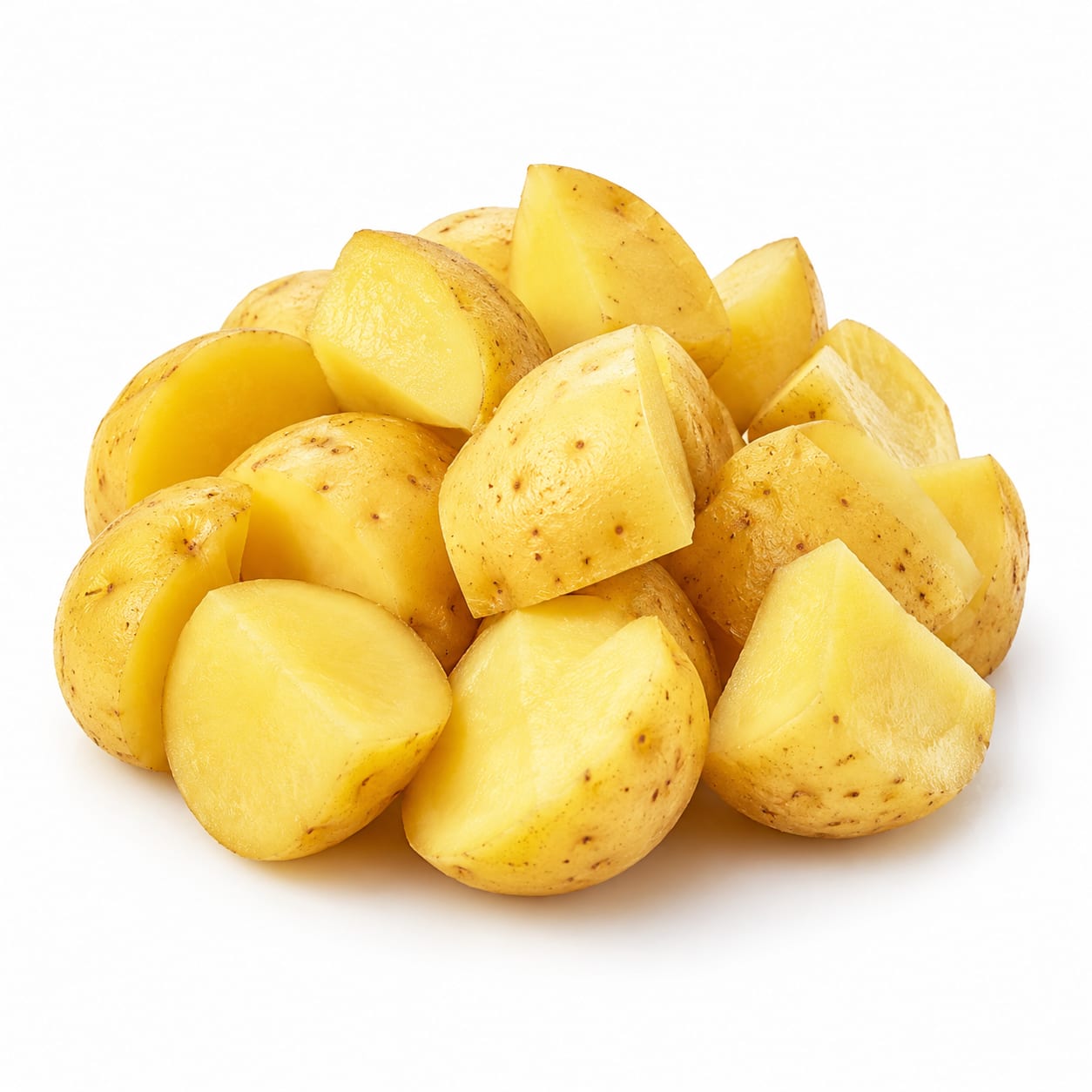
Yukon Gold Potato
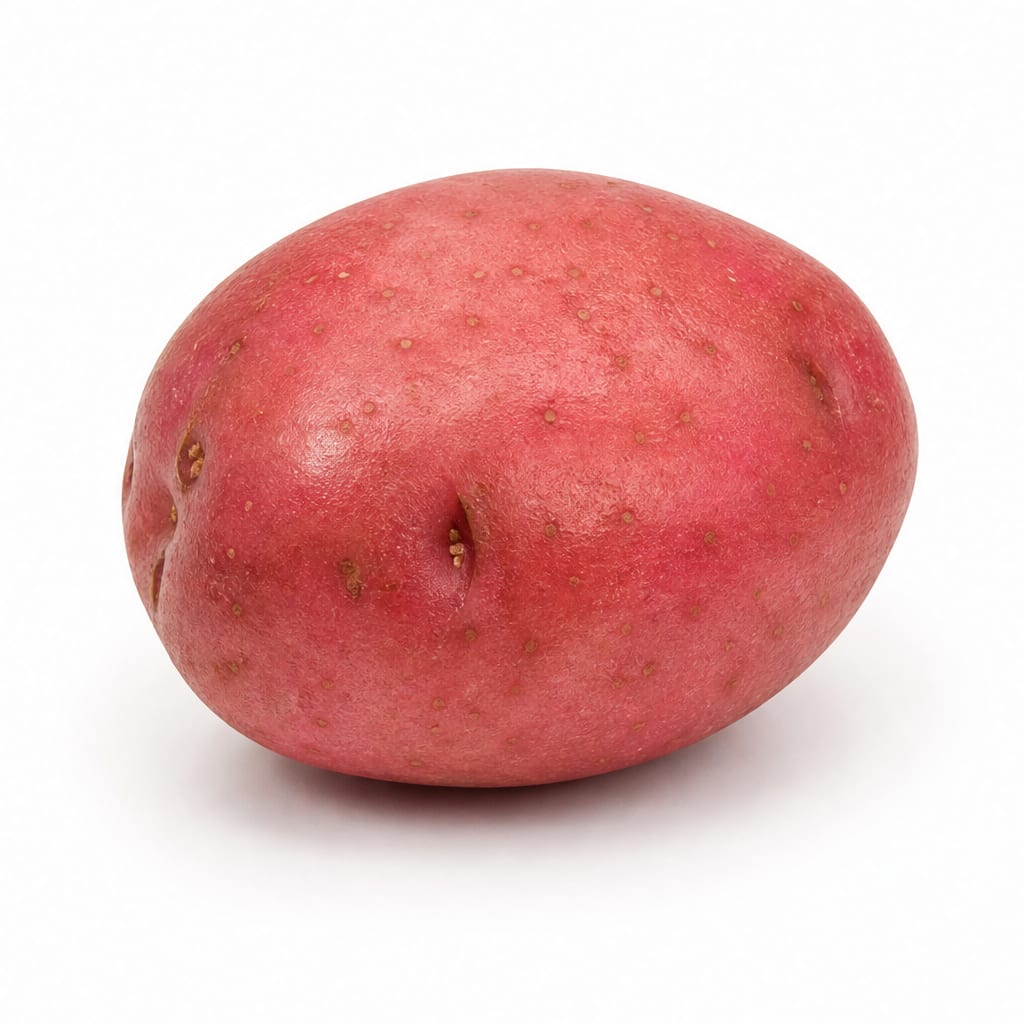
Red Potato
Red Potatoes edge ahead for antioxidants and blood sugar stability, while Yukon Golds win on creaminess and mashing versatility. The real decision comes down to cooking method and health priority.
Red Potatoes score slightly higher due to stronger antioxidant content and marginally better blood sugar behavior. Yukon Golds remain excellent but trade some nutritional edge for culinary creaminess.
Yukon Golds give you a richer, buttery texture ideal for mashing, but Red Potatoes deliver more skin-bound antioxidants and slightly steadier energy due to their waxy, lower-starch profile.
At a glance
Executive summary
Overall
It depends
Healthier
Red Potato
More practical
Yukon Gold Potato
Daily use
Red Potato
Key comparison lenses
glycemic impact and blood sugar
Both are starchy tubers with meaningful glycemic differences that affect energy and satiety
nutrient density and antioxidants
Red skin anthocyanins give Red Potatoes a distinct antioxidant advantage
culinary versatility and meal fit
Starch content differences make each better suited for different cooking methods and dishes
weight management and satiety
Slight differences in fiber and resistant starch affect fullness and calorie behavior
digestive tolerance
Waxy versus floury textures can matter for sensitive stomachs
Best choice for
Yukon Gold Potato
- Mashed potato lovers wanting creamy texture without added butter
- Roasting for crispy-on-outside, fluffy-on-inside results
- People who prefer a richer, more satisfying mouthfeel
- Busy cooks wanting an all-purpose potato that handles most methods well
Red Potato
- Potato salad and boiled dishes where shape retention matters
- People prioritizing antioxidant intake from anthocyanin-rich red skin
- Those seeking steadier blood sugar response from lower starch content
- Anyone eating potatoes with the skin on for maximum fiber and nutrients
Least suitable for
Yukon Gold Potato
- People strictly managing blood sugar who want the lowest glycemic option
- Dishes requiring potatoes that hold their shape firmly after boiling
Red Potato
- Mashed potato purists wanting ultra-smooth, creamy results
- Recipes where a buttery, rich flavor is the star of the dish
Deep comparison
Dimension by dimension
Each lens scores both foods and breaks down who each option suits.
- Dimension 1 · Priority 90Red Potato
Blood Sugar Stability
Yukon Gold Potato · 62Red Potato · 70Red Potatoes have slightly less starch and a marginally lower glycemic load, leading to steadier energy with less crash risk.
Tradeoff
The difference is modest — both are starchy tubers that spike blood sugar more than non-starchy vegetables. Preparation method matters more than potato variety.
Why it matters
If you are managing diabetes, prediabetes, or afternoon energy dips, every glycemic advantage counts even when small.
Real-world impact
Eating Red Potatoes with the skin and pairing with protein may delay hunger by 20-30 minutes compared to Yukon Golds eaten the same way.
Yukon Gold Potato
- Blood sugar sensitive individuals eating large portions
Worse for
Red Potato
- People with insulin resistance or prediabetes
- Those prone to post-meal energy crashes
- Anyone eating potatoes as a standalone snack without protein
Better for
- Dimension 2 · Priority 85Red Potato
Antioxidant Content
Yukon Gold Potato · 55Red Potato · 78Red Potato skins contain anthocyanins — the same antioxidant family found in blueberries — while Yukon Gold skins have far less.
Tradeoff
You must eat the skin to get this benefit. Peeled Red Potatoes lose most of their antioxidant advantage.
Why it matters
Anthocyanins support vascular health, reduce oxidative stress, and may lower long-term disease risk through consistent dietary intake.
Real-world impact
A skin-on Red Potato delivers roughly 2-3 times more total antioxidants than a skin-on Yukon Gold, though both trail deeply colored vegetables like spinach.
Yukon Gold Potato
- Those skipping the skin lose most of the antioxidant benefit either way
Worse for
Red Potato
- People who regularly eat potatoes with the skin on
- Anyone looking to maximize antioxidant intake from staple carbs
- Older adults concerned about vascular and cognitive health
Better for
- Dimension 3 · Priority 80Yukon Gold Potato
Culinary Versatility
Yukon Gold Potato · 85Red Potato · 72Yukon Golds are the quintessential all-purpose potato — they mash, roast, bake, and fry well. Red Potatoes excel in specific niches but struggle with fluffy textures.
Tradeoff
Yukon Golds sacrifice shape-holding ability for creaminess. Red Potatoes sacrifice mashability for structural integrity.
Why it matters
If a potato does not fit the dish you actually want to cook, you may add butter or cream to compensate, which changes the health profile entirely.
Real-world impact
Yukon Golds make a satisfying mash with less added fat. Red Potatoes need more effort to achieve the same smoothness.
Yukon Gold Potato
- Home cooks wanting one potato type for most recipes
- Mashed potato enthusiasts
- People who roast potatoes for crispy edges and fluffy centers
Better for
- Dishes where falling apart ruins the presentation
Worse for
Red Potato
- Potato salad makers
- Soups and stews where potatoes must stay intact
- Breakfast hash where firm cubes matter
Better for
- Anyone craving smooth, creamy mashed potatoes
Worse for
- Dimension 4 · Priority 75Red Potato
Satiety and Fullness
Yukon Gold Potato · 70Red Potato · 75Red Potatoes provide slightly more fiber per serving when eaten with skin, and their waxy texture may slow eating pace, both supporting fuller feelings.
Tradeoff
Yukon Golds feel more indulgent and satisfying in the moment due to creaminess, which can help emotional satisfaction even if physical fullness is similar.
Why it matters
Satiety is both physical and psychological. A food that feels rewarding prevents compensatory snacking later.
Real-world impact
A Red Potato with skin in a salad may keep you full longer. A Yukon Gold mash may feel more comforting and reduce the urge to seek dessert.
Yukon Gold Potato
- Emotional eaters who need meals to feel indulgent
- Those who find waxy potatoes unsatisfying
Better for
Red Potato
- Portion-conscious eaters wanting maximum fullness per calorie
- People who eat slowly and benefit from fiber-driven satiety signals
Better for
- Dimension 5 · Priority 70Red Potato
Nutrient Density
Yukon Gold Potato · 68Red Potato · 74Both deliver similar potassium, vitamin C, and B6, but Red Potatoes gain an edge from skin anthocyanins and slightly more fiber.
Tradeoff
The core micronutrient profiles are nearly identical. The difference lives almost entirely in the skin.
Why it matters
If you peel your potatoes, the nutritional gap essentially disappears and this dimension becomes a tie.
Real-world impact
Skin-on Red Potatoes offer marginally better nutrient value per calorie, but the gap is small enough that preference and cooking method should drive your choice.
Yukon Gold Potato
Red Potato
- Nutrition maximizers who always eat the skin
- People trying to get the most from every staple calorie
Better for
- Anyone who peels potatoes before cooking
Worse for
Timeline
Health impact over time
Short-term
Hours to days
Yukon Gold Potato
- Slightly faster blood sugar rise due to higher starch content
- Richer mouthfeel may reduce desire for added fats or seconds
- Moderate energy boost within 30-60 minutes of eating
Red Potato
- Steadier energy curve with less pronounced spike and crash
- Skin fiber slows glucose absorption when eaten unpeeled
- Firm texture may slow eating pace, supporting natural fullness signals
Long-term
Months to years
Yukon Gold Potato
- Consistent consumption without portion control may contribute to gradual weight gain similar to any starchy staple
- Good potassium source supporting blood pressure over time
- No unique protective compounds beyond standard potato nutrition
Red Potato
- Anthocyanin intake from red skin may support vascular and cognitive health with regular consumption
- Slightly better fiber intake contributes to gut health over months and years
- Marginally lower glycemic load compounds into meaningful metabolic benefit at high consumption frequencies
Risk profile
Safety & processing
Both Yukon Gold and Red Potatoes are whole, unprocessed foods straight from the ground. Neither contains additives, preservatives, or artificial ingredients when purchased fresh. The only processing concern arises if buying pre-cut, pre-seasoned, or frozen versions with added oils and sodium.
Yukon Gold Potato
Solanine toxicity from greening
lowLike all potatoes, Yukon Golds can develop solanine if exposed to light. Store in a cool, dark place and discard any green-tinged areas.
Acrylamide formation during high-heat cooking
mediumHigher starch content means Yukon Golds produce more acrylamide when fried or roasted at temperatures above 250°F. Boiling or steaming eliminates this risk.
Red Potato
Solanine toxicity from greening
lowSame risk as all potatoes. Proper storage prevents greening and solanine buildup.
Acrylamide formation during high-heat cooking
lowLower starch content means slightly less acrylamide formation compared to Yukon Golds when roasted or fried at high heat, though the difference is small.
Pesticide residue on skin
mediumRed skin is the nutritional prize, but it also holds more pesticide residue. Washing thoroughly or choosing organic matters more for Red Potatoes since the skin is key to their health benefits.
Who wins for whom
Audience fit
Same foods, different winners depending on your goal.
children
Yukon Gold PotatoCreamier texture and milder, buttery flavor make Yukon Golds more appealing to picky eaters, increasing the chance kids actually eat them.
daily consumption
Red PotatoThe antioxidant and fiber edge adds up over time, making Red Potatoes the slightly better everyday staple if you enjoy them.
diabetes
Red PotatoLower glycemic load and more fiber with skin-on eating support steadier blood sugar, though both require portion control.
elderly
Red PotatoAnthocyanins support vascular and cognitive health, and the firmer texture is easier to cook to a safe softness without turning to mush.
muscle gain
Yukon Gold PotatoHigher starch content provides more readily available glycogen for post-workout recovery and carb-loading needs.
weight loss
Red PotatoSlightly more fiber and lower starch content make Red Potatoes marginally more filling per calorie, especially when eaten with skin.
Your move
Decision guide
Choose Yukon Gold Potato
- You love creamy mashed potatoes and want to use less butter to get there
- You want one versatile potato that handles almost any cooking method well
- You are cooking for kids or picky eaters who prefer smoother textures
- You need a post-workout carb source with higher available starch
Choose Red Potato
- You eat potatoes with the skin on and want maximum antioxidant benefit
- Blood sugar management is a priority for you
- You make potato salad, soups, or stews where shape retention matters
- You want the best long-term nutritional return from a daily staple carb
Either works if
- You peel your potatoes before cooking — the nutritional gap nearly vanishes
- You are roasting at moderate temperatures where both perform well
- You are mixing potatoes into a dish with plenty of protein and vegetables
- You simply want a satisfying carb side and have no specific health concerns
Avoid both if
- You are on a strict very-low-carb or ketogenic diet
- You have severe nightshade sensitivity or solanine intolerance
- You are diabetic and unwilling to portion-control starchy foods
Final recommendation
For everyday health, Red Potatoes are the slightly better choice — more antioxidants, steadier energy, and better fiber when eaten with skin. But if Yukon Golds make you actually excited to cook and eat potatoes, that enjoyment matters too. The best potato is the one you will prepare simply, eat with the skin on, and pair with protein and vegetables. The gap between these two is small enough that cooking method and what you eat alongside them matters far more than which variety you pick.
Practical
Consumer tips
- 1
Always eat the skin — that is where most fiber and antioxidants live, especially for Red Potatoes
- 2
Boil or steam instead of frying to avoid acrylamide formation and keep calories lower
- 3
Store both varieties in a cool, dark, dry place to prevent greening and solanine buildup
- 4
Choose organic Red Potatoes if you plan to eat the skin, since red skin holds more pesticide residue
- 5
Pair either potato with protein and healthy fat to blunt the blood sugar spike and extend satiety
- 6
Let cooked potatoes cool for 12-24 hours before eating to increase resistant starch, which feeds gut bacteria and lowers glycemic impact
- 7
Yukon Golds mash best when still hot — cold potatoes become gummy and unappetizing