
Mixed Dish / Mexican Cuisine
Taco
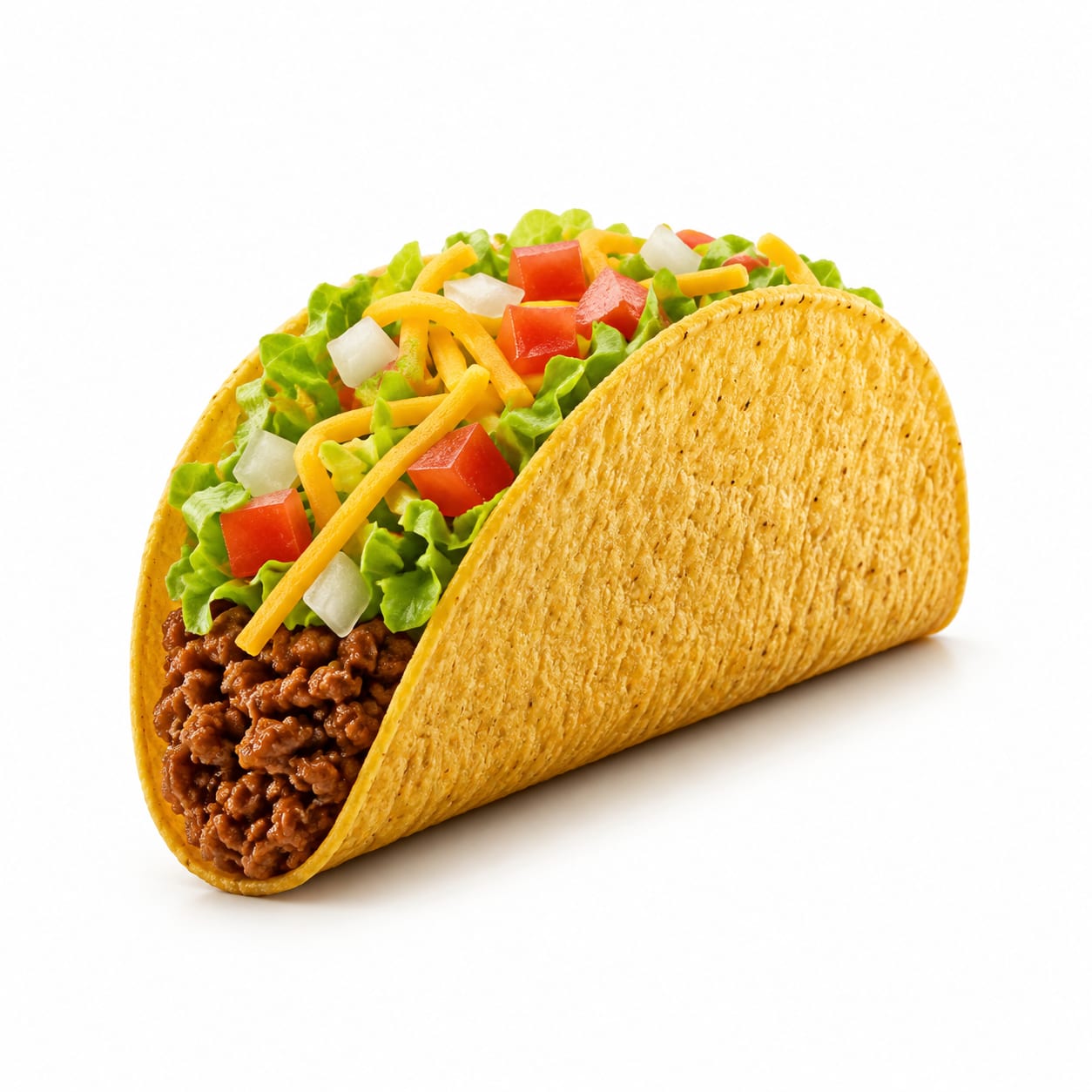
A folded tortilla filled with seasoned meat, beans, cheese, and fresh toppings.
A traditional Mexican dish consisting of a folded or rolled tortilla filled with various ingredients such as seasoned meat, beans, cheese, lettuce, and salsa.
mixed-macronutrient high-protein dish
Typical serving · 100g
Common varieties · beef taco, chicken taco, fish taco, carnitas taco, breakfast taco +1 more
Overall context score across nutrition, safety, and diet fit
At a glance
Quick facts
Simple indicators based on nutrition, processing, and diet fit.
The story
What makes it unique
A mixed-macronutrient food providing a balance of carbohydrates from the tortilla, protein and fat from the filling, and micronutrients from vegetable toppings. Digestion speed is moderate due to the combination of fat, protein, and fiber. Satiety is high due to protein and fat content, though energy density can be elevated depending on preparation.
Varieties: beef taco · chicken taco · fish taco · carnitas taco · breakfast taco · bean and cheese taco
Per 100g
Nutrition breakdown
Macro balance and key metrics at a glance.
Energy
Density 2.10 kcal/g
Protein
Carbs
Fat
Fiber
Sugar
1 g
Sodium
400 mg
Potassium
150 mg
Glycemic index
55
Glycemic load
10
Water content
55%
Standout compounds
Nutrient highlights
Protein
highSupports muscle growth and repair
Calcium
moderateImportant for bone health from cheese and tortillas
Sodium
highElectrolyte balance but often excessive in seasoned meat
Iron
moderateOxygen transport in blood, primarily from beef
Fiber
lowDigestive health, mostly from beans if included
Wellness map
Health scores & processing
NOVA processing scale
moderately processed · Whole food
Typically made with minimally processed corn tortillas and fresh toppings, but seasoned ground beef and cheese add processed elements.
Diet compatibility
- Weight loss
- Muscle gain
- Diabetes
- Gut health
- Low carb
- High protein
- Heart health
Relative standing
Food rankings
Qualitative ranks compared to similar whole foods.
- Satietygood
- Blood sugarmoderate
- Nutrient densitymoderate
- Fitness fuelgood
- Processing qualitymoderate
Eat with confidence
Food safety profile
Risk primarily stems from undercooked meat and cross-contamination with raw produce. Sourcing organic or grass-fed beef reduces antibiotic exposure.
Evidence confidence 85%
- Pesticideslow
- Antibioticsmoderate
- Heavy metalslow
- Contaminationmoderate
Watch for
- E. coli
- Salmonella
- Listeria
Safer choices
Grass-fed beef, organic lettuce, thoroughly cooked meat
Prep tips
Wash all fresh produce thoroughly. Ensure ground beef is cooked to an internal temperature of 160°F (71°C).
Antibiotic use in conventional beef production
Deep dive
Health analysis
How this food may fit different goals and preparation choices.
Weight loss
Standard tacos can be calorie-dense due to cheese and fatty meats; opting for lean proteins and skipping the cheese aids weight loss.
Blood sugar
Carbohydrates from the tortilla can spike blood sugar, but protein and fat slow digestion; lettuce wraps are a low-carb alternative.
Fitness & energy
Provides a solid protein punch for muscle repair, though high fat content may slow digestion if eaten right before a workout.
Gut health
Lacks significant fiber unless beans are added; high fat and spice can trigger reflux in sensitive individuals.
Processing quality
Homemade tacos using whole corn tortillas and fresh ingredients are minimally processed, but fast-food versions rely on ultra-processed shells and seasoning.
Food safety
Ground beef requires careful handling and thorough cooking to avoid foodborne illness; fresh toppings must be washed.
Common mistakes
Using pre-made taco seasoning packets high in sodium, and overloading with cheese and sour cream.
Best preparation
Use lean ground turkey or chicken, whole grain or corn tortillas, and load up on fresh salsa and lettuce instead of cheese.
Practical guide
Best use cases
When and how this food fits real eating patterns.
post-workout meal
Provides a solid mix of protein and carbs to replenish energy and repair muscles.
customizable family dinner
Easy to modify ingredients to suit different dietary needs like vegetarian or low-carb.
high-protein bulking diet
Adding extra meat and beans makes it a calorie and protein-dense meal for muscle gain.
Balance sheet
Pros & cons
Upsides
- High protein content supports satiety and muscle maintenance
- Highly customizable for various dietary preferences
- Fresh toppings like lettuce and salsa add vitamins and volume
- Corn tortillas are naturally gluten-free
Trade-offs
- Often high in sodium from seasoning and cheese
- Saturated fat content can be high with beef and cheese
- Standard preparation lacks significant dietary fiber
- Hard shells are deep-fried, adding unnecessary calories
Fit check
Who is it for?
Great match
- post-workout recovery
- high-protein diets
- customizable family meals
Consider alternatives
- strict low-carb diets
- low-sodium diets
- weight loss if heavily loaded with cheese and sour cream
Side by side
How it compares
Open the full head-to-head analysis for nutrition, safety, and practical tradeoffs.
This food
Taco
VS90% alike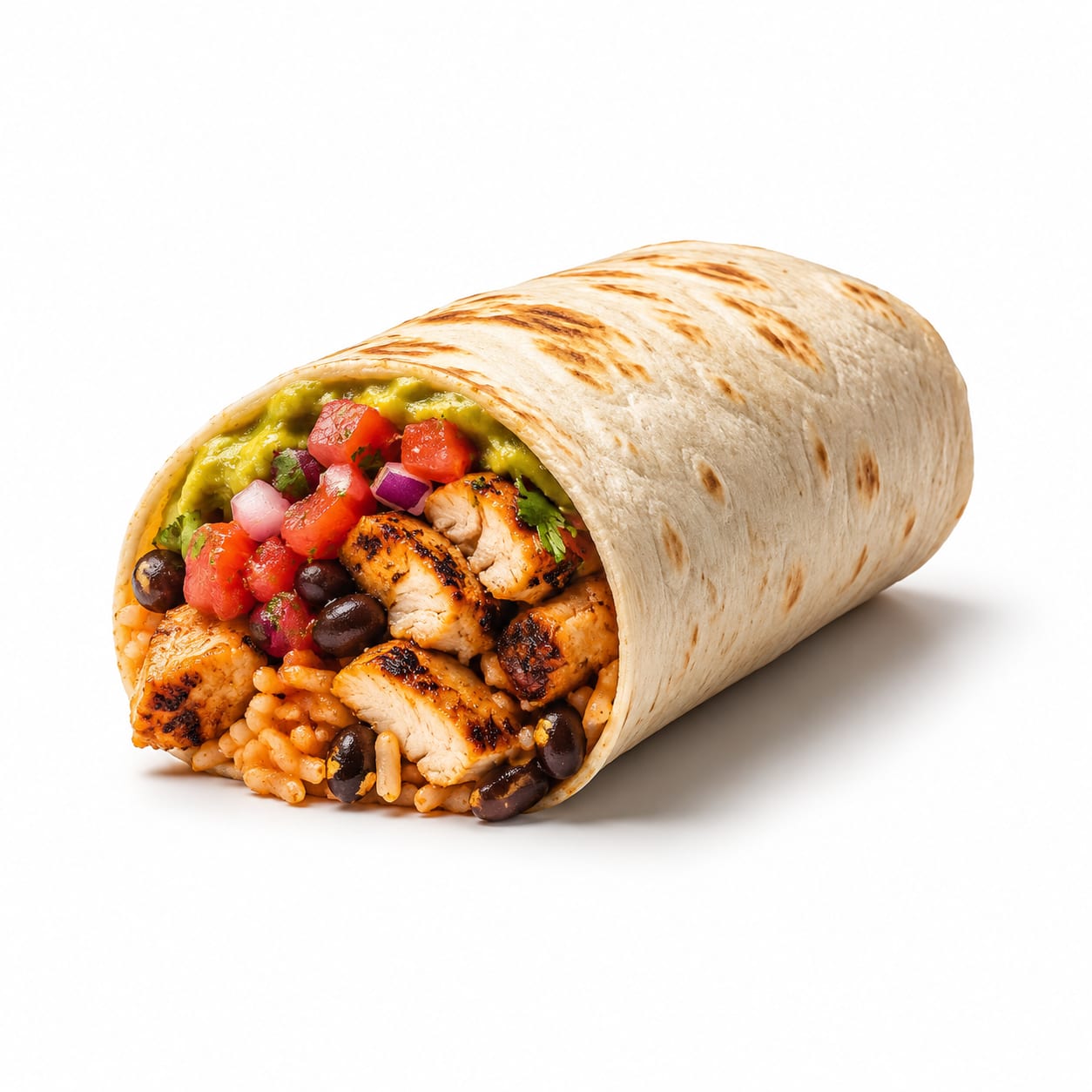
Compare with
Burrito
Tacos are generally lower in calories and carbs than burritos due to the smaller tortilla and absence of rice.
Tacos are lower in carbs and calories than burritos, making them better for weight loss, while burritos offer more volume and satiety.
This food
Taco
VS85% alike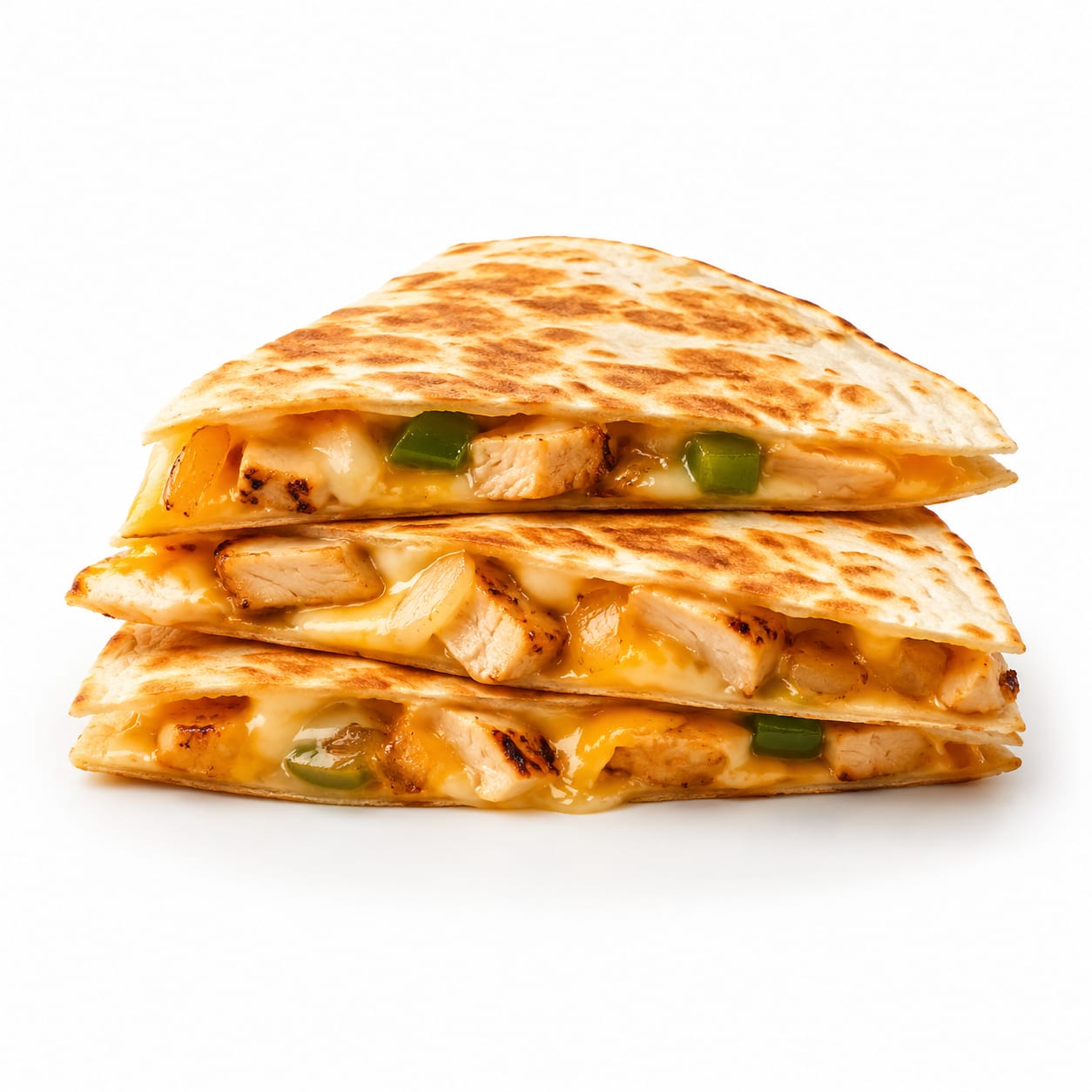
Compare with
Quesadilla
Tacos provide more protein from meat and less fat from cheese compared to quesadillas.
Tacos beat quesadillas for weight loss and fitness due to higher protein and lower fat content from cheese.
This food
Taco
VS80% alike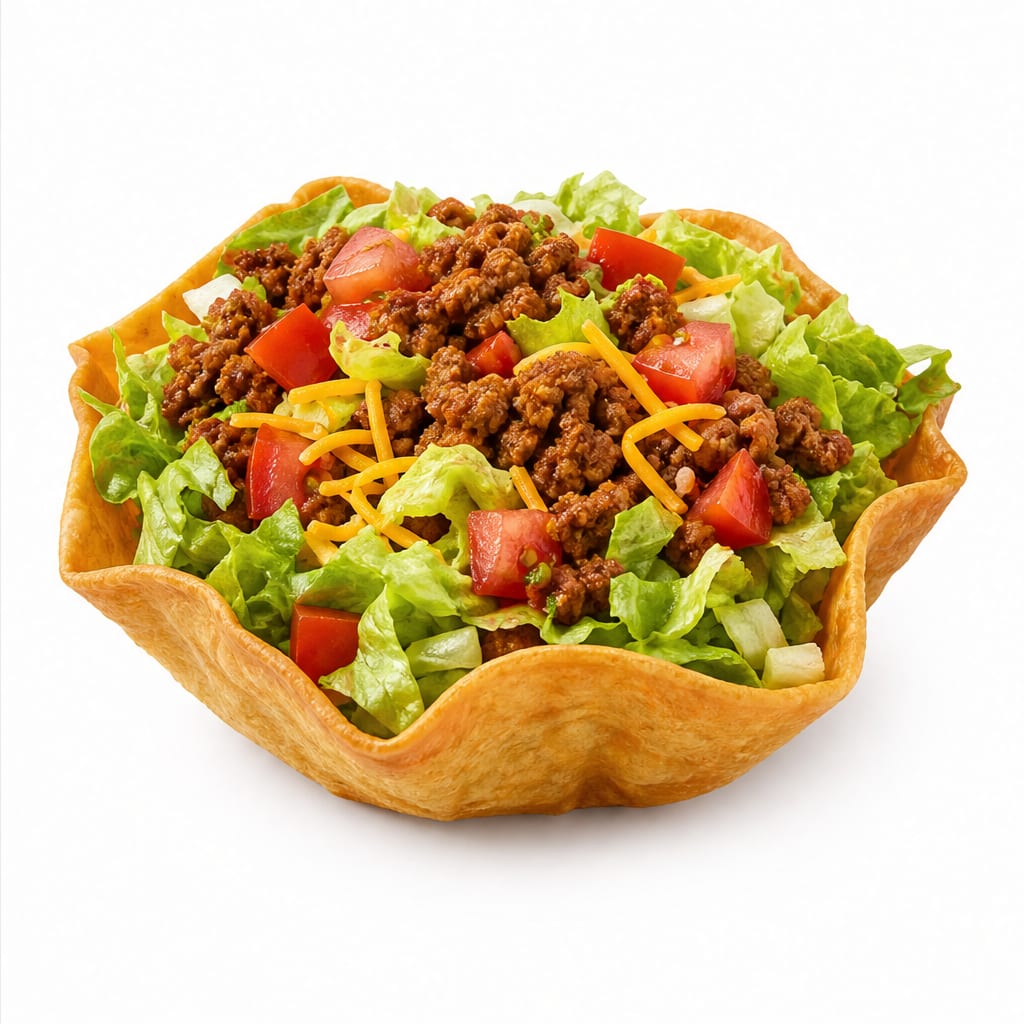
Compare with
Salad with Taco Meat
The salad version eliminates tortilla carbs, but tacos offer better portion control for some.
A taco salad without the shell is lower in carbs and calories, making it healthier for blood sugar and weight loss than a traditional taco.
This food
Taco
VS85% alike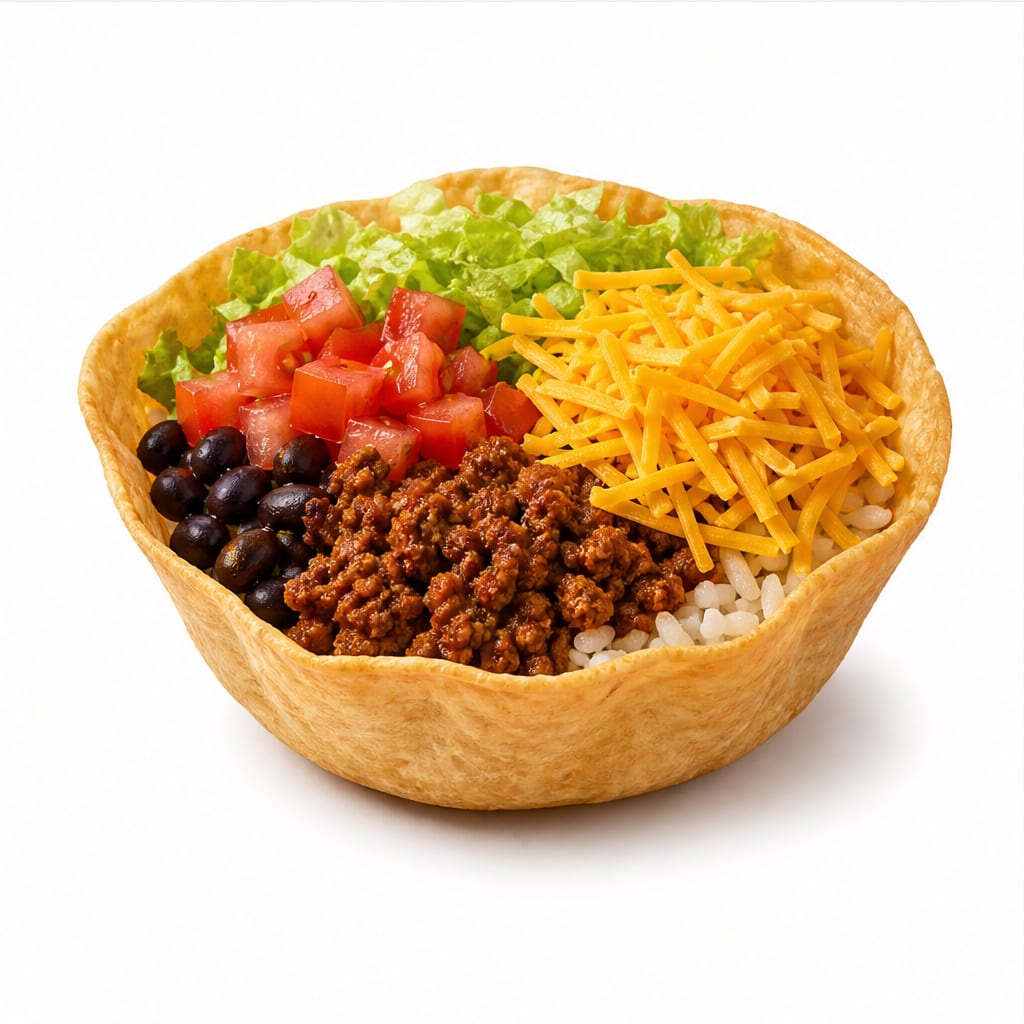
Compare with
Taco Bowl
Taco bowls can be very high in calories due to rice and large portions, whereas a single taco offers strict portion control.
Tacos offer better portion control for weight loss, while taco bowls without rice are better for blood sugar control.
This food
Taco
VS80% alike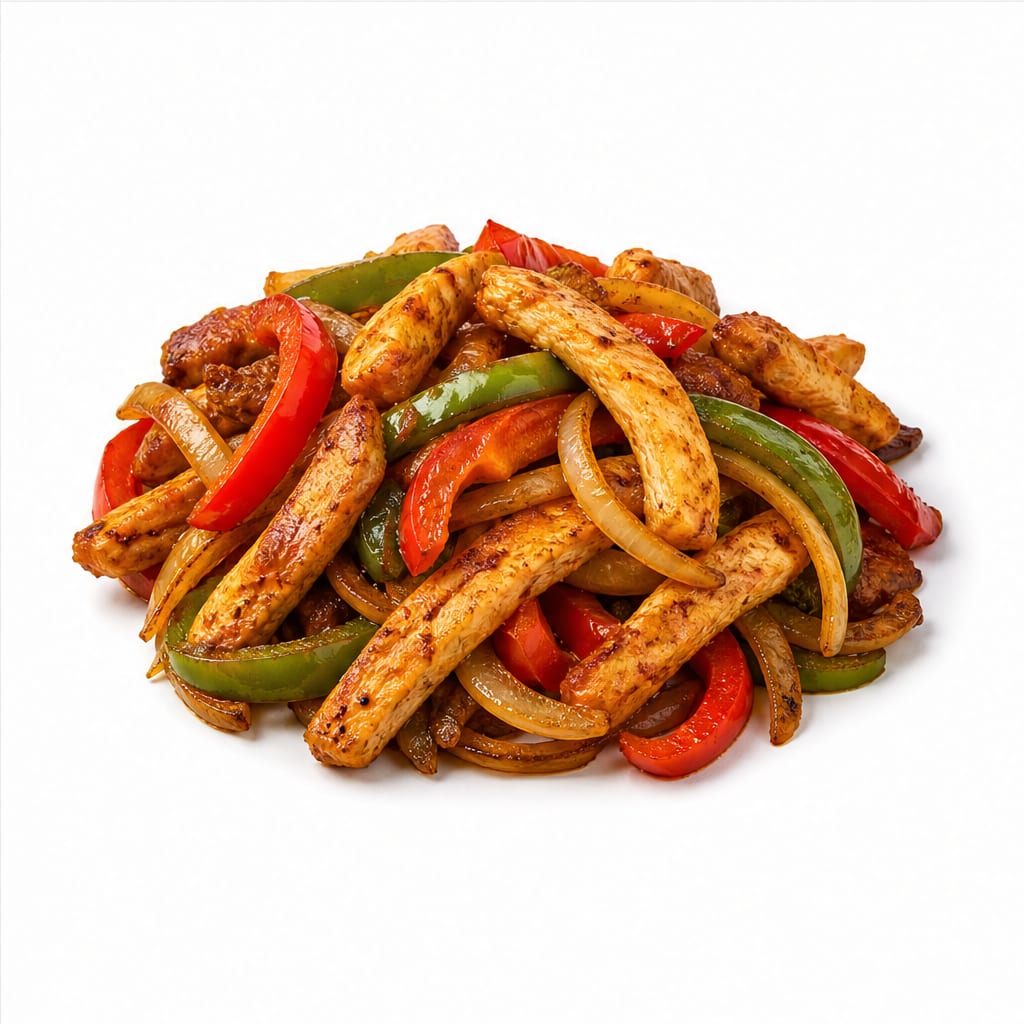
Compare with
Fajita
Fajitas are typically lower in fat than ground beef tacos and higher in vitamin C from bell peppers.
Fajitas are usually leaner and higher in veggies than ground beef tacos, making them better for weight loss and fitness.
This food
Taco
VS75% alike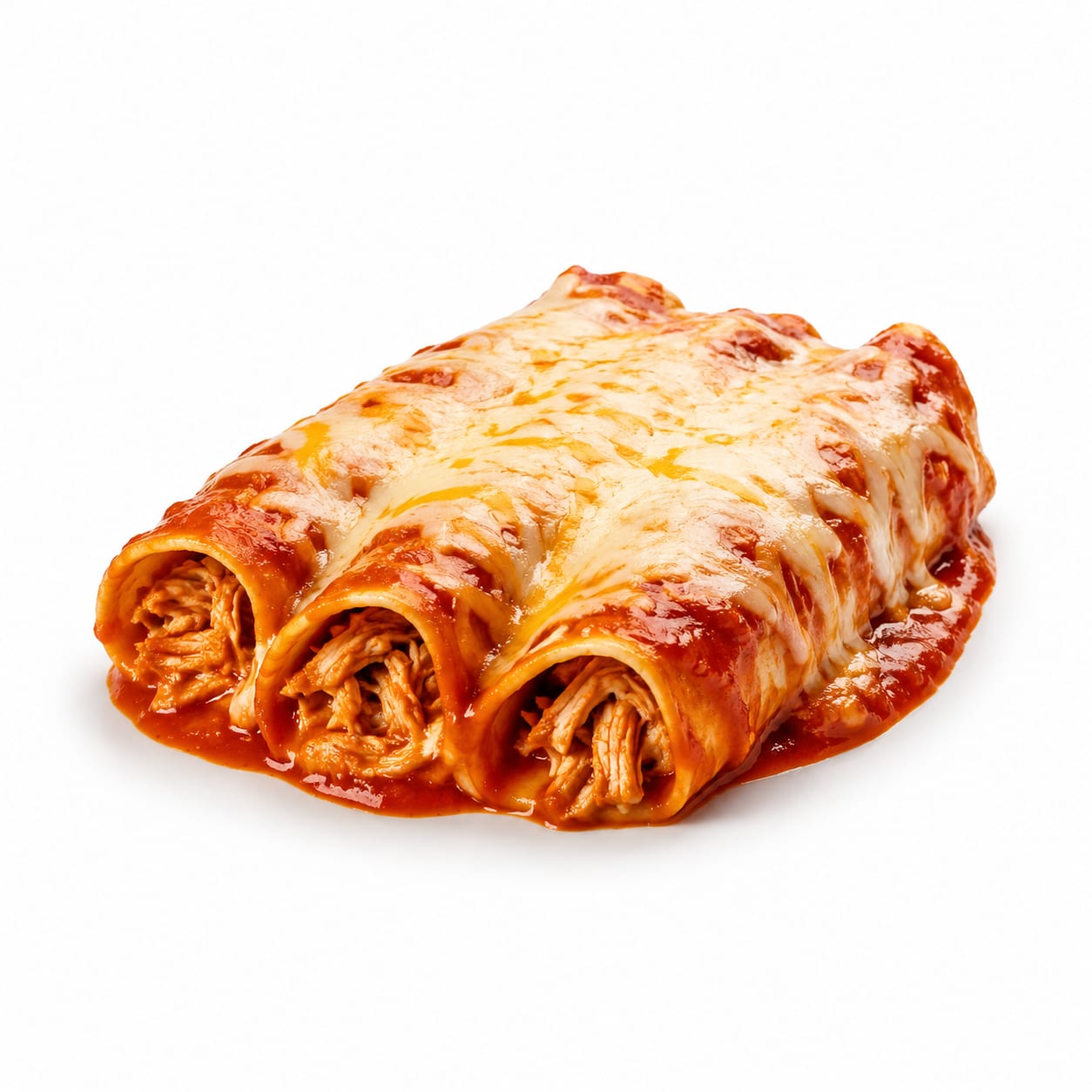
Compare with
Enchilada
Enchiladas are often higher in calories and sodium due to the heavy sauce and excessive cheese.
Tacos are generally lower in calories and sodium than cheese-heavy enchiladas, making them the better choice for weight loss.
This food
Taco
VS90% alike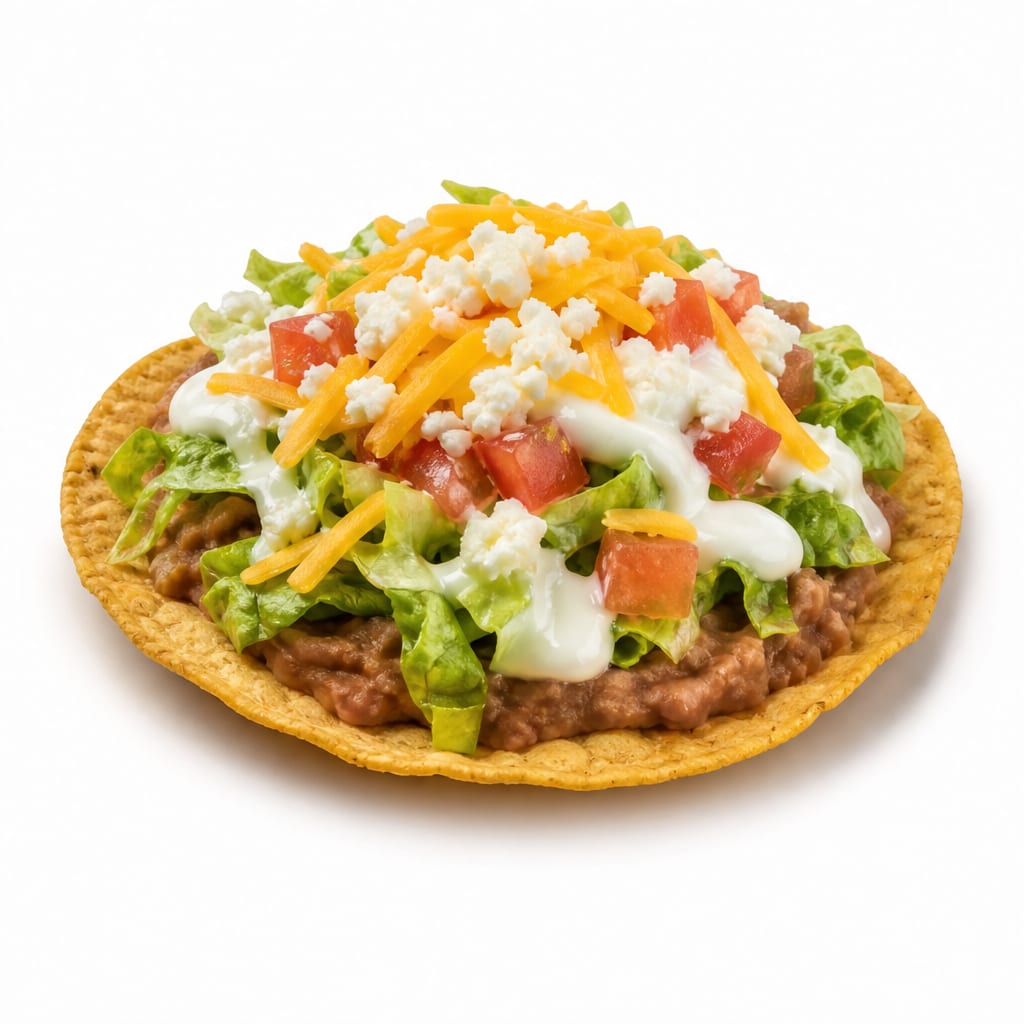
Compare with
Tostada
Tostadas use a larger, fully fried tortilla, increasing the calorie and fat content compared to a soft taco.
Tacos are lower in calories and unhealthy fats than tostadas, which use a larger deep-fried tortilla base.
This food
Taco
VS70% alike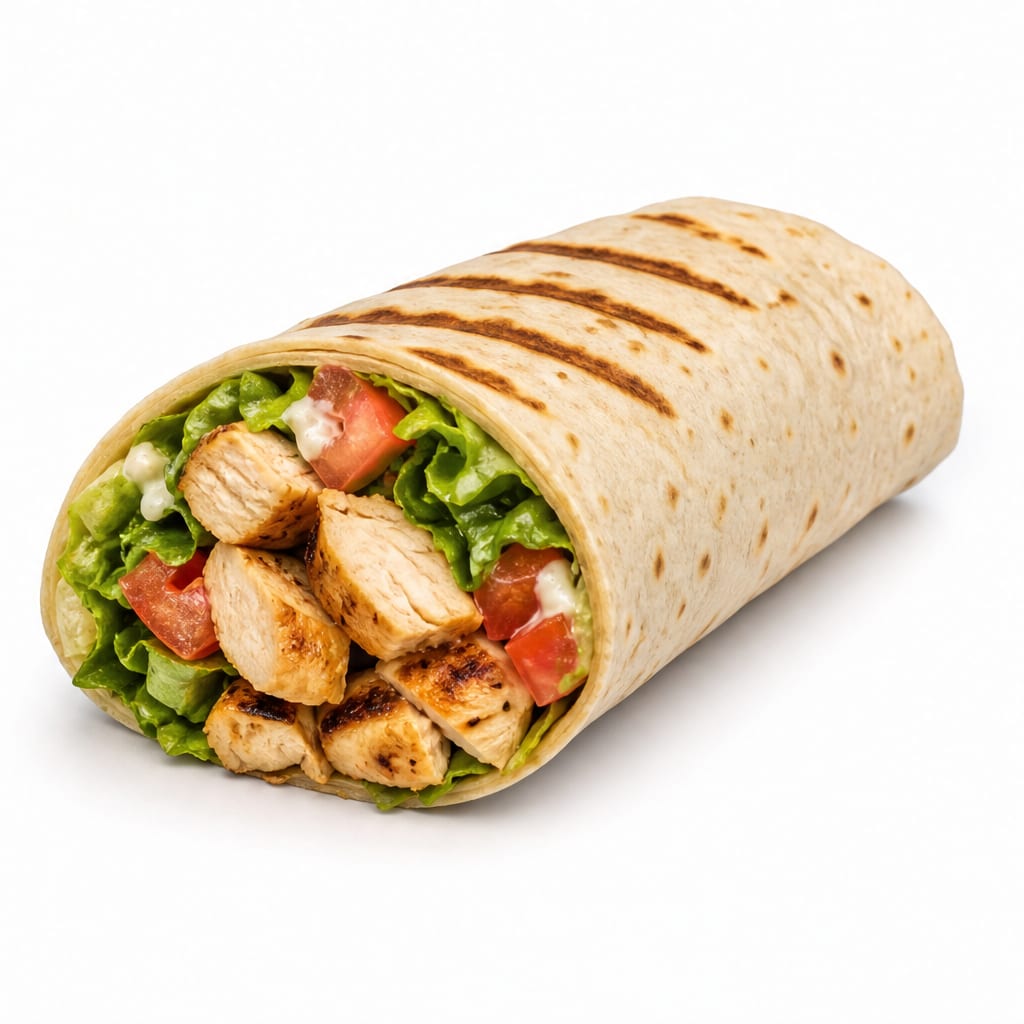
Compare with
Grilled Chicken Wrap
A grilled chicken wrap is typically lower in fat and higher in fiber if using a whole wheat tortilla.
Grilled chicken wraps are usually leaner and higher in fiber than standard beef tacos, making them better for weight loss.
This food
Taco
VS65% alike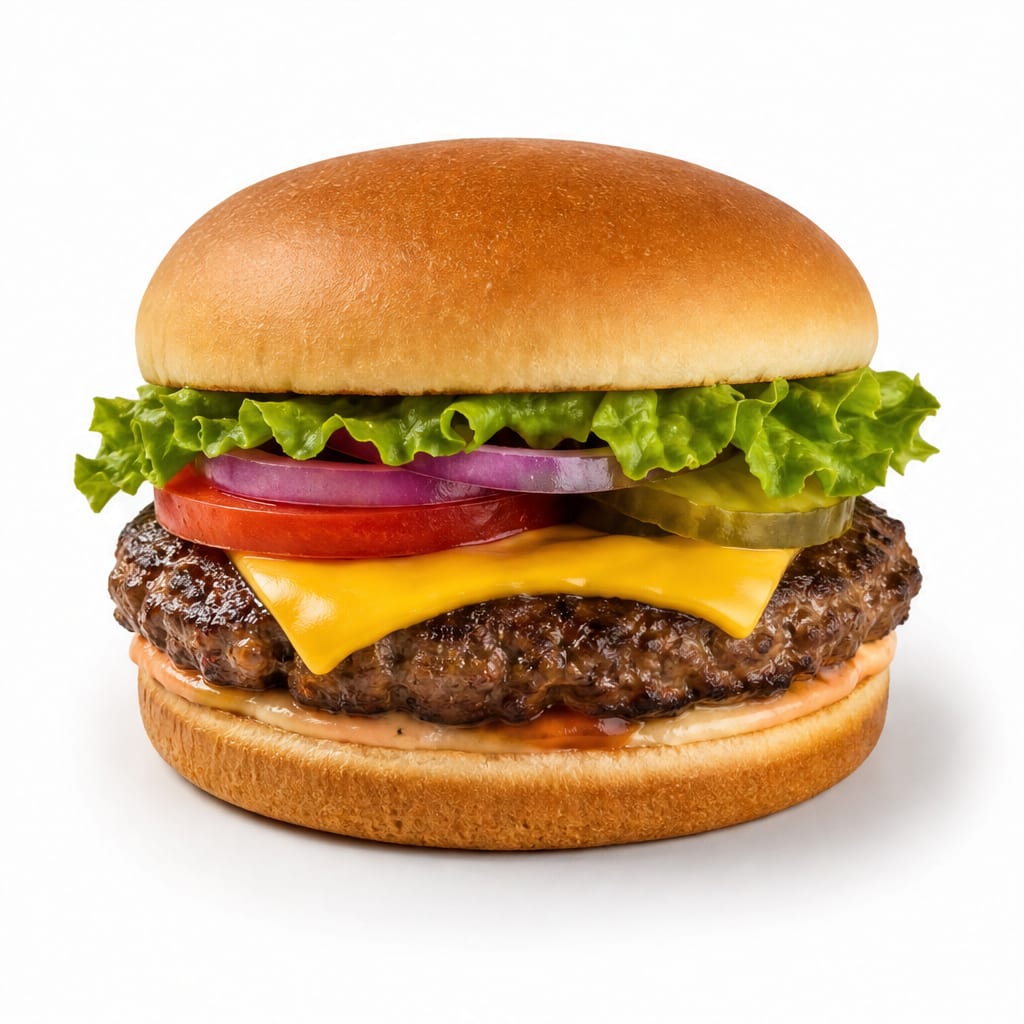
Compare with
Cheeseburger
A standard taco is generally lower in calories and saturated fat than a cheeseburger.
Tacos are usually lower in calories and saturated fat than cheeseburgers, making them a lighter fast-food choice.
This food
Taco
VS75% alike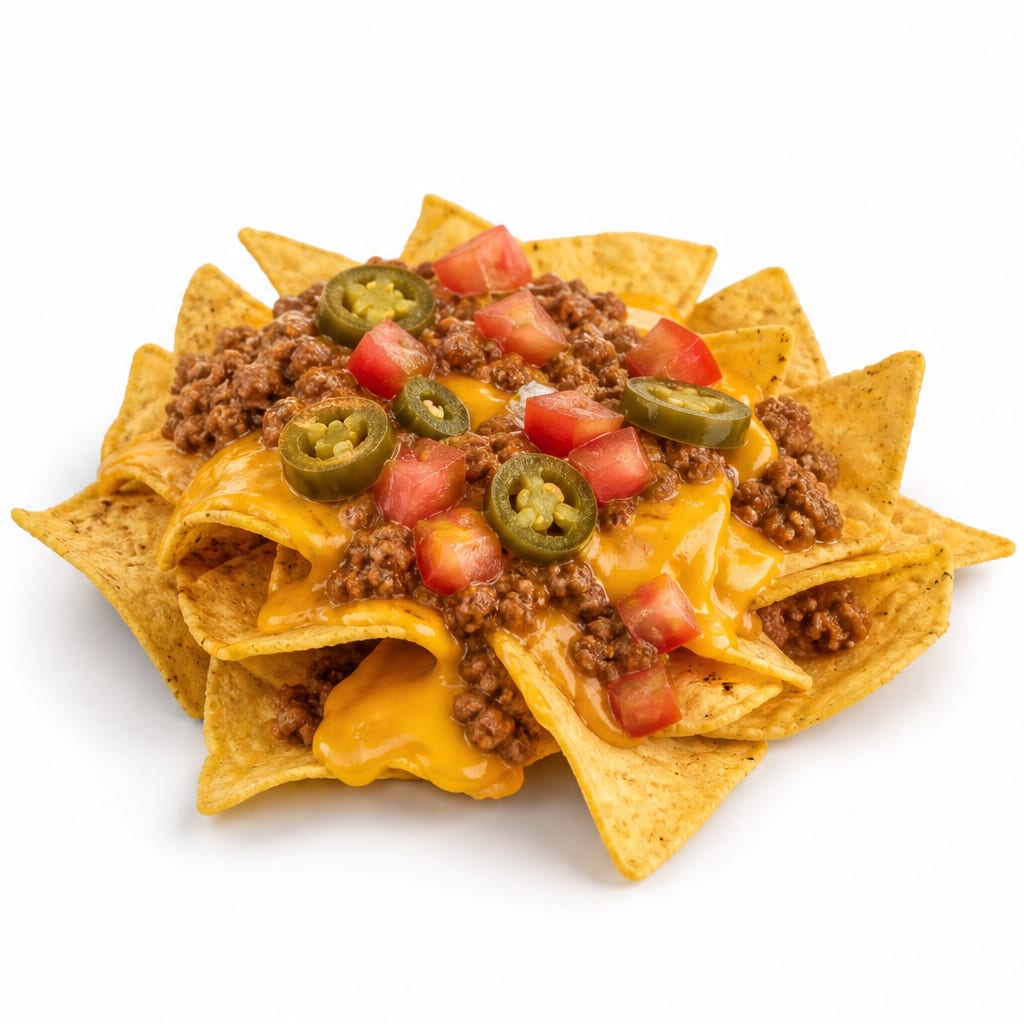
Compare with
Nachos
Nachos are extremely calorie-dense due to deep-fried chips and massive cheese coverage, making tacos the healthier choice.
Tacos are far lower in calories and processed carbs than nachos, which are deep-fried and heavily cheesed.
Common questions
FAQ
Answers aligned with how people search for this food.
Are tacos good for weight loss?
Traditional tacos can be high in calories and fat, but they can be adapted for weight loss by using lean proteins, skipping high-calorie dairy, and using lettuce wraps instead of tortillas.
How many calories are in a standard beef taco?
A typical restaurant-style beef taco in a hard shell contains around 170 to 210 calories, but fast-food versions can exceed 300 calories each.
Can diabetics eat tacos?
Yes, diabetics can eat tacos by choosing low-carb tortillas or lettuce wraps, and filling them with lean proteins and healthy fats to minimize blood sugar spikes.
Are hard shell or soft shell tacos healthier?
Soft corn tortillas are generally healthier than hard shells, as hard shells are often deep-fried in unhealthy oils, adding excess calories and trans fats.
What is the healthiest meat for tacos?
Grilled chicken, turkey, or fish are the healthiest options, providing high protein with significantly less saturated fat compared to ground beef or carnitas.
Are tacos considered processed food?
Homemade tacos using whole ingredients are minimally processed, but fast-food tacos and pre-packaged taco kits often contain ultra-processed elements and additives.
How can I make low carb tacos?
Replace the tortilla with lettuce wraps or cheese shells, and fill them with meat, guacamole, and salsa for a satisfying low-carb meal.
Are tacos high in sodium?
Yes, tacos are often high in sodium due to seasoned meat, cheese, and salsa. Making taco seasoning at home with spices can drastically reduce sodium content.
Can I eat tacos on a high protein diet?
Absolutely, tacos are an excellent vehicle for high-protein diets. Load up on chicken, steak, or shrimp to maximize protein intake.
Are breakfast tacos healthy?
Breakfast tacos can be healthy if made with whole grain tortillas, eggs, and vegetables, but restaurant versions often include refined carbs, bacon, and excess cheese.
Transparency
Data confidence
Estimated confidence for nutrition data, interpretation, safety notes, and comparisons.
Nutrition data
Health analysis
Food safety
Comparisons