
Nutrition comparison
Taco vs Cheeseburger: Which is Healthier?
Compare Taco vs Cheeseburger to see which fast food favorite is better for weight loss, protein, and overall health. Discover the nutritional tradeoffs.
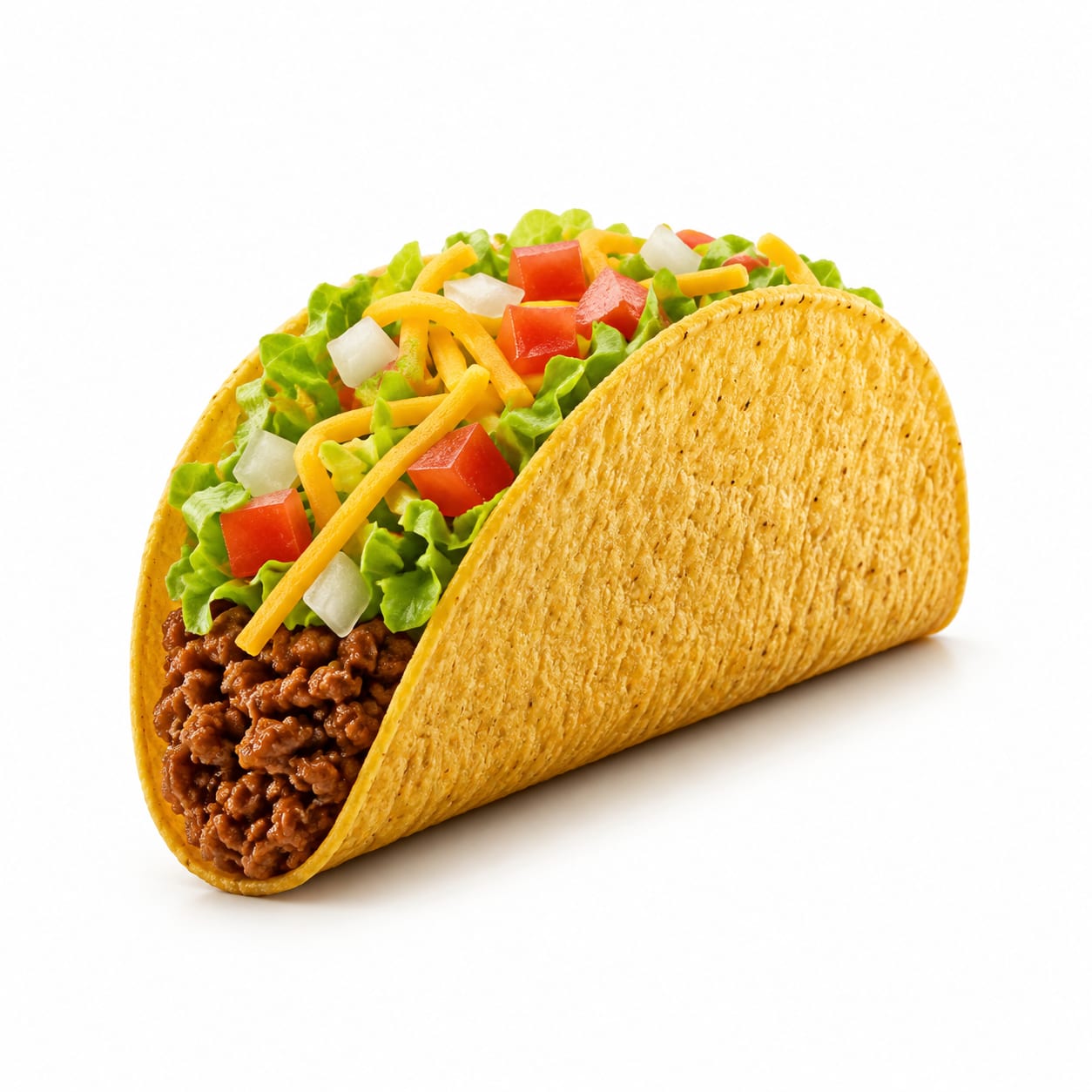
Taco
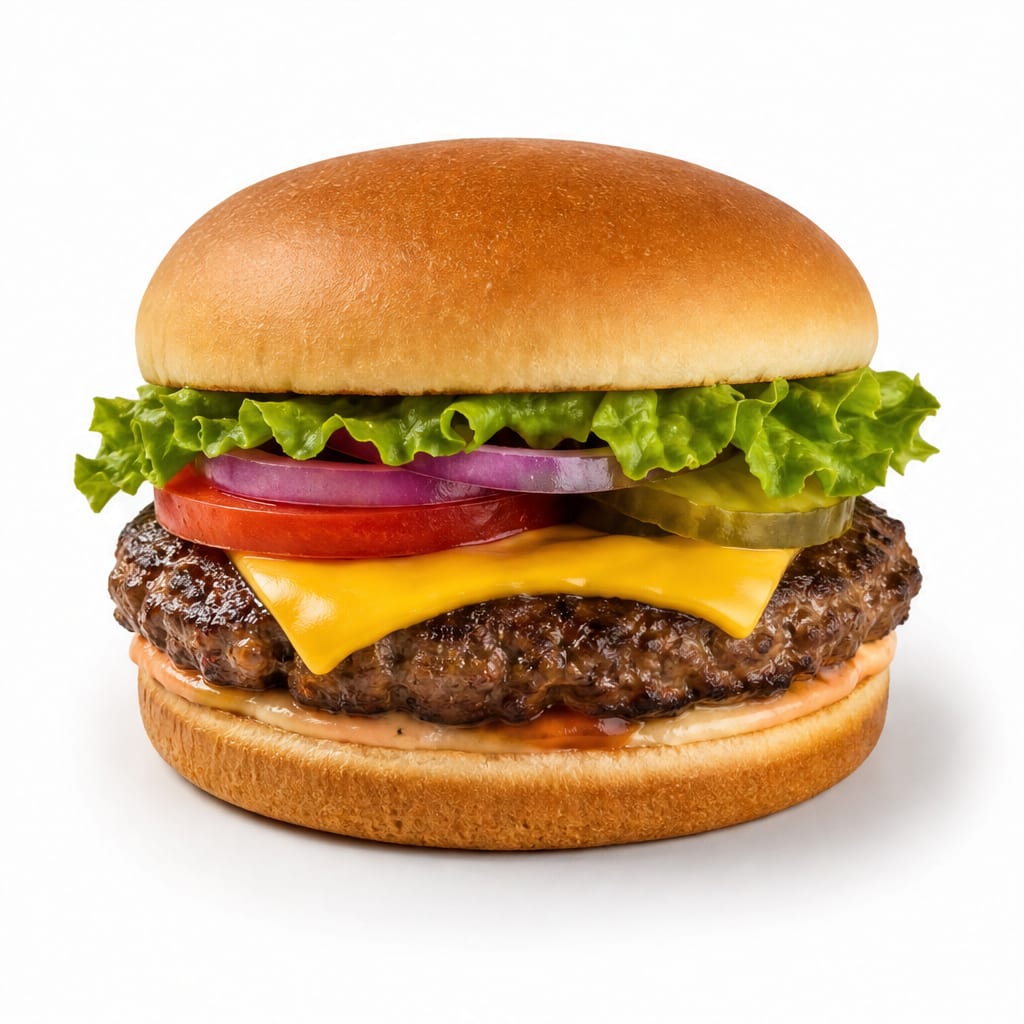
Cheeseburger
Tacos usually edge out cheeseburgers on fiber and calorie control, while cheeseburgers win on pure protein and heavy satiety.
Tacos score slightly higher due to better fiber content and lower average calorie density, but both are highly variable fast foods with significant sodium concerns.
Lighter, fiber-rich carbs and veggies versus heavier, protein-dense fuel that sits longer in your stomach.
At a glance
Executive summary
Overall
It depends
Healthier
Taco
More practical
It depends
Daily use
Taco
Key comparison lenses
Fast food calorie and fat tradeoffs
Both are popular fast food items, but their calorie density and fat profiles differ significantly.
Satiety and meal replacement value
Users often choose between these when needing a filling meal that holds them over.
Sodium and heart health impact
Processed meat and cheese make sodium a major concern for both options.
Customizability for healthier eating
Tacos offer more modular ingredient swaps than a traditional cheeseburger.
Best choice for
Taco
- Managing calorie intake without feeling deprived
- Getting more fiber and vegetables into a fast meal
- A lighter lunch that will not cause an afternoon crash
Cheeseburger
- High protein needs after heavy training
- Situations requiring maximum fullness for hours
- Intense cravings for rich, comforting food
Least suitable for
Taco
- Those strictly limiting sodium intake
- People with severe gluten sensitivity if using flour tortillas
Cheeseburger
- Weight loss diets due to high calorie density
- Cholesterol management plans
- Those prone to post-meal food comas
Deep comparison
Dimension by dimension
Each lens scores both foods and breaks down who each option suits.
- Dimension 1 · Priority 95Taco
Calorie Density & Weight Management
Taco · 65Cheeseburger · 50A standard taco is typically lower in calories than a cheeseburger, making it easier to fit into a balanced diet.
Tradeoff
You might need two tacos to feel full, which can close the calorie gap quickly.
Why it matters
Lower calorie density means you can eat a satisfying volume of food without overshooting your daily targets.
Real-world impact
Less afternoon sluggishness after a taco lunch compared to a heavy burger meal.
Taco
- Cutting calories without skipping meals
- Flexible dieting
Better for
- Situations where you only have time to eat a few bites
Worse for
Cheeseburger
- Bulking phases requiring a caloric surplus
Better for
- Sedentary days with low energy expenditure
Worse for
- Dimension 2 · Priority 90Cheeseburger
Satiety & Fullness
Taco · 60Cheeseburger · 85Cheeseburgers are heavier and more filling due to higher fat and protein content.
Tradeoff
That heavy fullness often comes with a sluggish food coma rather than energized satisfaction.
Why it matters
Staying full for hours can prevent mindless snacking before your next meal.
Real-world impact
A cheeseburger at lunch might kill your appetite until dinner, whereas a single taco probably will not.
Taco
- Avoiding that overly stuffed feeling
Better for
- High-activity days requiring sustained energy
Worse for
Cheeseburger
- Long shifts where you cannot snack
- Post-heavy-lifting meals
Better for
- Returning to a desk job after lunch
Worse for
- Dimension 3 · Priority 80Taco
Fiber & Micronutrients
Taco · 60Cheeseburger · 35Tacos often include beans, lettuce, tomatoes, and salsa, adding fiber and vitamins that a cheeseburger lacks.
Tradeoff
The nutritional boost depends heavily on what you actually put inside the taco.
Why it matters
Fiber aids digestion and steadies blood sugar, preventing energy crashes.
Real-world impact
Better digestive regularity and less bloating when tacos include beans and fresh veggies.
Taco
- Improving digestion
- Steadying blood sugar
Better for
- Sensitive stomachs reacting to spicy salsa
Worse for
Cheeseburger
- Scenarios where low residue is preferred
Better for
- Combating constipation
Worse for
- Dimension 4 · Priority 85It depends
Sodium & Heart Health
Taco · 40Cheeseburger · 40Both are sodium bombs, especially from seasoned meat, cheese, and condiments.
Tradeoff
Neither is a heart-health hero; seasoning in tacos and cheese/sauce in burgers both drive up salt heavily.
Why it matters
High sodium leads to bloating, thirst, and blood pressure spikes.
Real-world impact
Expect water retention and tight rings on your fingers after eating either option.
Taco
- Instances where you can control the seasoning at home
Better for
- Hypertension management
Worse for
Cheeseburger
- Situations where you skip the cheese and sauce
Better for
- Cardiovascular risk reduction
Worse for
- Dimension 5 · Priority 75Taco
Customizability & Ingredient Control
Taco · 85Cheeseburger · 55Tacos are easier to modify—swap sour cream for guacamole, add beans, skip the cheese, or use a lettuce wrap.
Tradeoff
A burger without the bun or cheese is just a patty, which feels like a compromise rather than a real meal.
Why it matters
More control means you can make the meal fit your dietary needs without sacrificing the experience.
Real-world impact
You can build a relatively healthy taco much more naturally than deconstructing a cheeseburger.
Taco
- Specific dietary restrictions like gluten-free or dairy-free
- Macronutrient tracking
Better for
- Analysis paralysis at the ordering counter
Worse for
Cheeseburger
- Keeping it simple with no modifications
Better for
- Low-carb or keto diets unless eaten without the bun
Worse for
Timeline
Health impact over time
Short-term
Hours to days
Taco
- Quick energy from carbohydrates
- Possible heartburn from salsa or spice
- Lighter stomach feel compared to a burger
Cheeseburger
- High satiety and fullness
- Food coma risk from high fat content
- Immediate thirst from sodium
Long-term
Months to years
Taco
- Better weight maintenance if portions are controlled
- Improved digestion if beans and veggies are included
- Blood pressure concerns if sodium is unchecked
Cheeseburger
- Increased LDL cholesterol from saturated fat
- Higher risk of weight gain if eaten frequently
- Potential inflammatory effects from processed meat
Risk profile
Safety & processing
Both rely on processed components like tortillas, buns, and seasoned meat, but whole toppings like lettuce and tomatoes add some real food back into the mix.
Taco
Foodborne illness from undercooked meat
mediumGround beef in tacos must be cooked thoroughly to avoid E. coli and other pathogens.
Cross-contamination
mediumFresh toppings like cilantro and salsa can be contaminated if not washed or handled properly.
Cheeseburger
Foodborne illness from undercooked patty
highGround beef burgers are a common source of E. coli if not cooked to safe internal temperatures.
Preservative exposure
lowCommercial burger buns often contain preservatives and dough conditioners.
Who wins for whom
Audience fit
Same foods, different winners depending on your goal.
children
CheeseburgerKids typically prefer the simple, non-spicy familiarity of a cheeseburger.
daily consumption
It dependsNeither is ideal for daily consumption due to sodium and processed meat, but homemade versions of either can fit.
diabetes
TacoTacos can be made with lower-glycemic carbs like beans and corn, offering steadier blood sugar.
elderly
TacoTacos are often softer and easier to chew, and beans provide beneficial fiber for older digestive systems.
muscle gain
CheeseburgerCheeseburgers provide a heavier dose of protein and calories necessary for muscle building.
weight loss
TacoTacos are generally lower in calories and higher in fiber, making it easier to stay in a deficit.
Your move
Decision guide
Choose Taco
- You want a lighter meal with more veggies
- You prefer customizable toppings and flavors
- You are watching your calorie intake closely
Choose Cheeseburger
- You need serious protein and lasting fullness
- You are craving rich, comforting comfort food
- You just finished a heavy workout
Either works if
- You need a quick, satisfying fast-food meal
- You are okay with a sodium spike
- You can customize the order to be healthier
Avoid both if
- You have severe heart conditions requiring low sodium
- You are on a strict whole-food, unprocessed diet
- You are trying to eliminate red meat from your diet
Final recommendation
Choose a taco for a lighter, slightly more nutritious meal with fiber, or a cheeseburger when you need heavy-duty satiety and protein. For either, watch your portions and load up on fresh toppings to balance the salt and fat.
Practical
Consumer tips
- 1
Ask for tacos with grilled chicken or fish instead of beef to cut saturated fat.
- 2
Order a single-patty cheeseburger without mayo to save hundreds of calories.
- 3
Choose corn tortillas over flour for fewer calories and a gluten-free option.
- 4
Load up on lettuce, tomatoes, and onions to add volume without many calories.
- 5
Drink plenty of water to flush out the high sodium content from either meal.