
Nutrition comparison
Taco vs Fajita: Which is Healthier for You?
Comparing Taco vs Fajita? Discover the nutritional differences, calorie counts, and which Mexican dish is better for weight loss, muscle gain, and daily eating.
Overall winner · Fajita
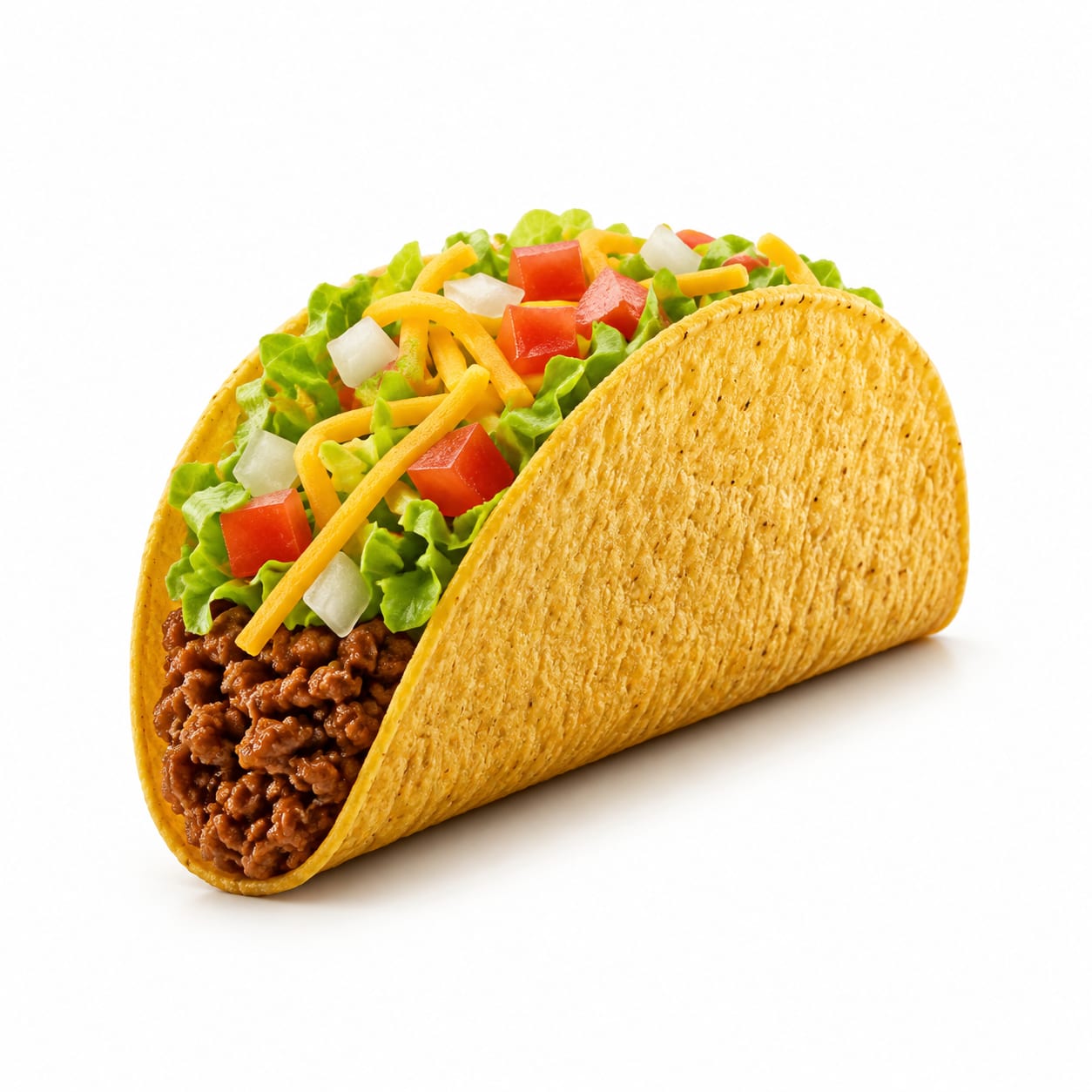
Taco
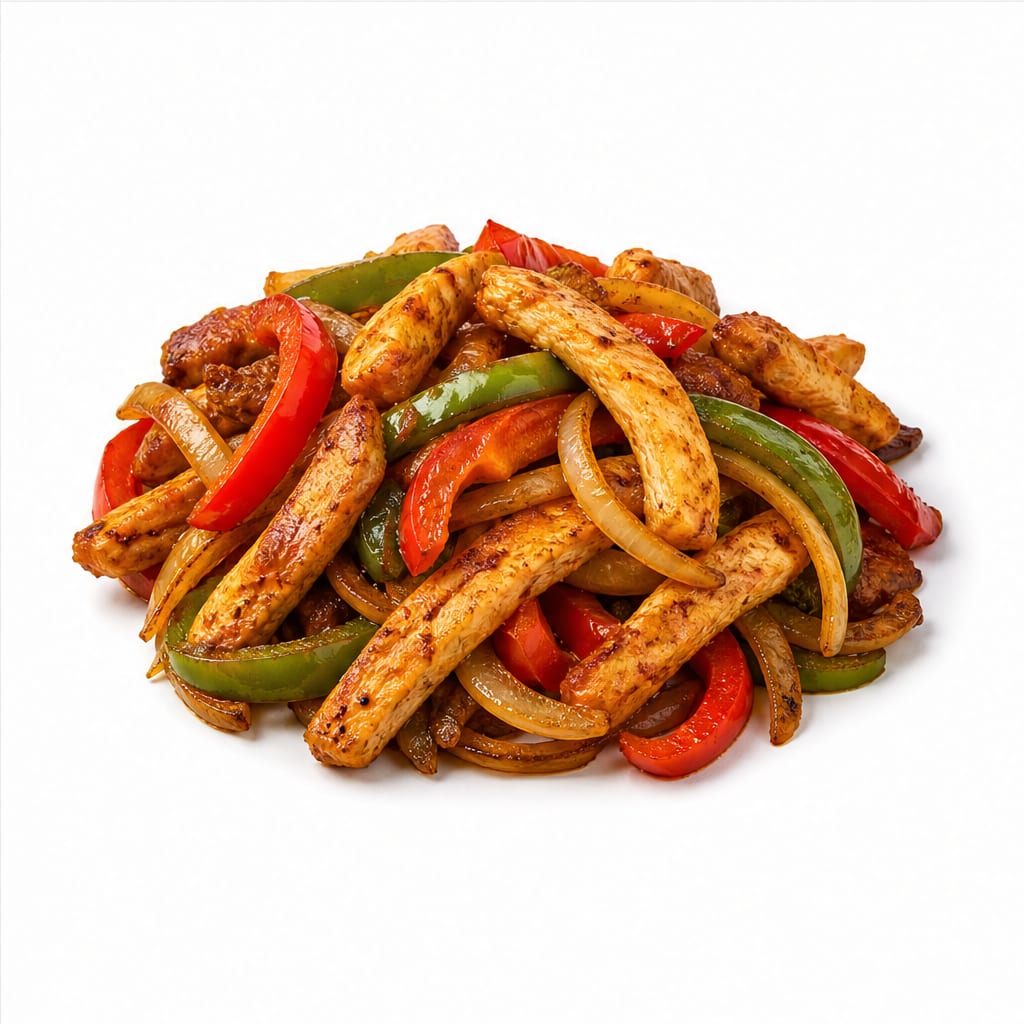
Fajita
Fajitas generally edge out tacos for health due to higher vegetable content and easier portion control, though tacos win for convenience.
Fajitas score noticeably higher due to superior vegetable volume and the ability to control carb and fat intake. Tacos fall behind because the pre-assembled format locks in refined carbs and often heavy dairy, making them less adaptable for strict health goals.
You trade the handheld convenience and cheesy comfort of a taco for the leaner protein, abundant veggies, and carb flexibility of a fajita.
At a glance
Executive summary
Overall
Fajita
Healthier
Fajita
More practical
Taco
Daily use
Fajita
Key comparison lenses
Calorie control and portion flexibility
Fajitas are served deconstructed, making it much easier to skip or reduce the tortilla compared to a pre-wrapped taco.
Vegetable intake and nutrient density
Fajitas feature a heavy load of sautéed onions and bell peppers, while tacos typically only include a sparse garnish of lettuce or pico de gallo.
Satiety and energy stability
The higher protein and fiber ratio in fajitas provides steadier energy, whereas tacos can cause quicker energy crashes due to refined carbs and heavier fats.
Convenience and eating context
Tacos are ultimate grab-and-go handheld food, while fajitas require a sit-down assembly process.
Best choice for
Taco
- Quick lunches on the go
- Handheld party appetizers
- Craving crunchy comfort food
Fajita
- Sit-down protein-focused dinners
- Low-carb or keto eating styles
- Boosting daily vegetable intake
Least suitable for
Taco
- Strict low-carb diets due to mandatory shells
- Those avoiding heavy dairy (cheese/sour cream)
- Large appetite control due to easy overeating
Fajita
- Eating while driving or walking
- Quick casual snacking
- Tight budgets at restaurants
Deep comparison
Dimension by dimension
Each lens scores both foods and breaks down who each option suits.
- Dimension 1 · Priority 92Fajita
Calorie Control & Carb Flexibility
Taco · 55Fajita · 88Fajitas give you the steering wheel for carbs, while tacos take you along for the ride.
Tradeoff
Tacos lock you into the tortilla shell, but fajitas let you eat the filling with a fork to skip carbs entirely.
Why it matters
Controlling the starch-to-protein ratio is the easiest way to manage weight and prevent afternoon energy crashes.
Real-world impact
Eating fajitas without the tortillas feels like a hearty steak and veggie bowl. Eating a taco without the shell is just a sad salad.
Taco
- Carb-loading before intense exercise
- Budget-friendly calorie surplus
Better for
- Keto or low-carb lifestyles
- Strict calorie tracking
Worse for
Fajita
- Keeping blood sugar steady
- Cutting calories without feeling deprived
Better for
- Those needing dense portable energy
- High-carb dietary needs
Worse for
- Dimension 2 · Priority 88Fajita
Vegetable & Nutrient Density
Taco · 40Fajita · 90Fajitas deliver a massive dose of vitamin C and fiber from peppers and onions. Tacos barely register on the veggie scale.
Tradeoff
You get flavor depth from grilled veggies in fajitas, whereas tacos rely more on dairy and sauces for their flavor punch.
Why it matters
Fiber keeps you full, and antioxidants from bell peppers help reduce inflammation from the grilled meat.
Real-world impact
A fajita plate easily covers half your daily vegetable needs. Three tacos might give you a single leaf of iceberg lettuce.
Taco
- Getting picky eaters to eat something familiar
Better for
- Improving gut health
- Fighting oxidative stress
Worse for
Fajita
- Meeting daily fiber goals
- Boosting immune system with vitamin C
Better for
- Those with onion/garlic sensitivities or IBS
Worse for
- Dimension 3 · Priority 85Fajita
Protein Quality & Satiety
Taco · 65Fajita · 85Fajitas typically feature larger, leaner cuts of unadulterated meat, offering more protein per bite than taco fillings.
Tradeoff
Taco meat is often mixed with fillers and oils, while fajita meat is purely grilled, meaning higher quality protein but a higher price tag.
Why it matters
Pure protein builds muscle and keeps you full longer without the sluggishness that comes from heavy grease.
Real-world impact
A fajita chicken breast keeps you full for hours. Ground taco meat mixed with grease might leave you hungry an hour later.
Taco
- Cheaper protein sources if using beans
Better for
- Lean muscle building
- Avoiding hidden fats
Worse for
Fajita
- Post-workout muscle recovery
- Staying full until your next meal
Better for
- Vegetarians relying on plant proteins
Worse for
- Dimension 4 · Priority 70Taco
Convenience & Portability
Taco · 95Fajita · 30Tacos are the ultimate handheld food. Fajitas require a plate, two hands, and some assembly skills.
Tradeoff
Tacos trade portion control for grab-and-go ease, while fajitas trade convenience for a sit-down dining experience.
Why it matters
If a meal is hard to eat, you might skip it or grab something worse. Practicality drives long-term consistency.
Real-world impact
You can eat three tacos while driving. Fajitas will ruin your shirt if you try the same thing.
Taco
- Busy workday lunches
- Standing at a party
Better for
- Formal dining settings
Worse for
Fajita
- Leisurely family dinners
- Restaurant date nights
Better for
- Commuting meals
- Eating at your desk
Worse for
Timeline
Health impact over time
Short-term
Hours to days
Taco
- Quick energy spike from the refined carb shell
- Potential bloating if loaded with sour cream and cheese
- Heavy sluggish feeling after eating multiple shells
Fajita
- Steady, sustained energy from high protein and fiber
- High satiety without the heavy 'food coma' feeling
- Possible heartburn from sautéed onions if sensitive
Long-term
Months to years
Taco
- Higher risk of weight gain due to calorie density and easy overconsumption
- Potential for elevated cholesterol if regularly using fatty ground beef and cheese
Fajita
- Better weight management due to high protein and veggie volume
- Improved cardiovascular health from lean meats and antioxidant-rich peppers
Risk profile
Safety & processing
Both rely on seasoned meats and tortillas, but taco shells (especially hard shells) are more heavily fried and processed. Fajita tortillas and grilled meats are closer to their natural state, though commercial marinades can hide added sugars.
Taco
Cross-contamination
mediumGround meat has more surface area for bacteria to thrive compared to whole cuts, requiring thorough cooking.
Stale frying oil
lowHard shell tacos are deep-fried, and reused restaurant oil can contain inflammatory compounds.
Fajita
Undercooked peppers and onions
lowIf not washed and cooked properly, vegetables can harbor bacteria, though cooking usually eliminates this risk.
Marinade cross-contamination
mediumRaw meat sitting in marinade can spread bacteria if the marinade is not discarded or properly cooked.
Who wins for whom
Audience fit
Same foods, different winners depending on your goal.
children
TacoTacos are fun, handheld, and easy for small hands to manage, making them far more appealing to kids than a pile of peppers.
daily consumption
FajitaThe higher nutrient density and lower refined carb content of fajitas make them a more sustainable daily choice without the heavy feeling.
diabetes
FajitaThe ability to control or eliminate the tortilla in fajitas makes managing blood sugar spikes much easier than with pre-wrapped tacos.
elderly
FajitaSoft, grilled fajita meats and cooked vegetables are easier to chew and digest than crispy shells or tough ground meat.
muscle gain
FajitaFajitas provide larger, higher-quality portions of pure grilled meat without the fillers often found in taco meat.
weight loss
FajitaFajitas allow you to skip the tortilla entirely, loading up on lean protein and fiber-rich veggies that keep you full on fewer calories.
Your move
Decision guide
Choose Taco
- You need a quick, portable lunch
- You are craving crunchy, cheesy comfort food
- You are feeding kids who refuse vegetables
Choose Fajita
- You want to eat low-carb without feeling deprived
- You need a high-protein meal to fuel your afternoon
- You are dining out and want a lighter, veggie-packed option
Either works if
- You are eating at a high-quality restaurant with fresh ingredients
- You plan to load up on healthy toppings like salsa and guacamole
Avoid both if
- You have severe celiac disease and cannot confirm gluten-free tortillas
- You are on a strict sodium-restricted diet due to heavy seasonings
Final recommendation
Choose fajitas when health and portion control are your priorities, as the vegetable volume and carb flexibility are hard to beat. Opt for tacos when convenience and comfort are the main goals, but stick to soft shells and go easy on the cheese to keep them lighter.
Practical
Consumer tips
- 1
Ask for corn tortillas instead of flour for both tacos and fajitas; they are less processed and lower in calories.
- 2
Skip the sour cream and double down on guacamole for a healthier fat boost.
- 3
Order fajitas and eat them like a bowl—skip the tortillas entirely for an easy low-carb meal.
- 4
If eating tacos, choose grilled chicken or fish over ground beef to cut down on grease and hidden fillers.
- 5
Ask for fajita vegetables on the side of your taco order to sneak in extra nutrients without changing the format.