
Composite Meal
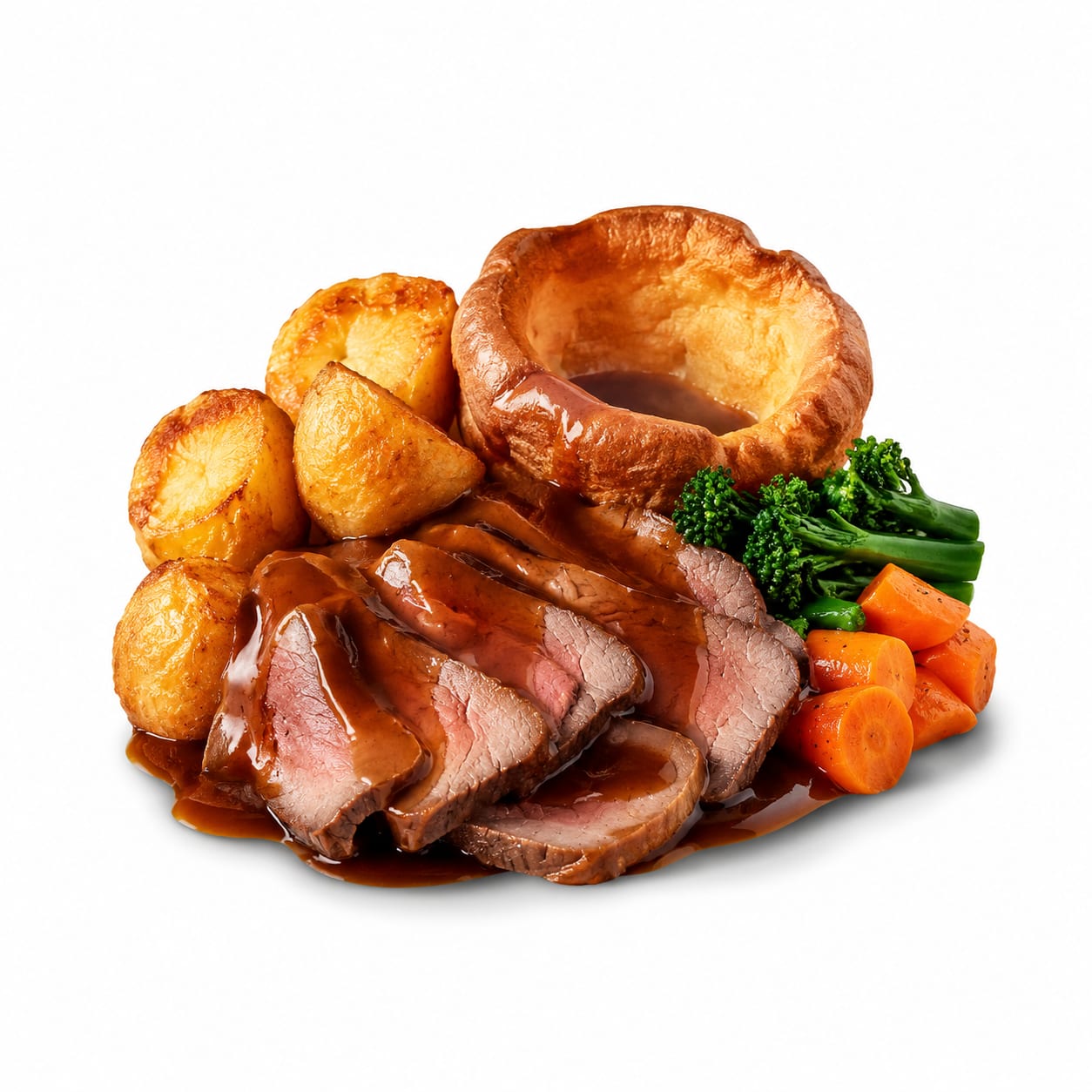
Sunday Roast
A traditional British meal of roasted meat, potatoes, vegetables, and Yorkshire pudding.
A traditional British meal consisting of roasted meat, roasted potatoes, seasonal vegetables, Yorkshire pudding, and gravy.
high-protein mixed-macronutrient composite meal
Typical serving · 450g
Common varieties · beef sunday roast, chicken sunday roast, lamb sunday roast, pork sunday roast, vegetarian nut roast
Overall context score across nutrition, safety, and diet fit
At a glance
Quick facts
Simple indicators based on nutrition, processing, and diet fit.
The story
What makes it unique
A mixed-macronutrient composite meal providing high protein from meat, complex carbohydrates from potatoes and Yorkshire pudding, and varied micronutrients from vegetables. Digestion speed is mixed; vegetables and potatoes provide moderate satiety, while fat content from meat and gravy slows gastric emptying. Processing level varies by component, with fresh meat and vegetables being minimally processed, while gravy and Yorkshire pudding add refined carbohydrates.
Varieties: beef sunday roast · chicken sunday roast · lamb sunday roast · pork sunday roast · vegetarian nut roast
Per 100g
Nutrition breakdown
Macro balance and key metrics at a glance.
Energy
Density 1.50 kcal/g
Protein
Carbs
Fat
Fiber
Sugar
2 g
Sodium
350 mg
Potassium
400 mg
Glycemic index
55
Glycemic load
6
Water content
60%
Standout compounds
Nutrient highlights
Protein
highSupports muscle maintenance and repair
B Vitamins
highAids energy metabolism from meat and yeast extracts
Potassium
moderateRegulates fluid balance from potatoes and vegetables
Dietary Fiber
moderatePromotes digestive health from vegetable sides
Saturated Fat
moderateProvides concentrated energy but should be moderated
Wellness map
Health scores & processing
NOVA processing scale
moderate · Whole food
Composed primarily of minimally processed whole foods like meat and vegetables, but typically includes processed components like Yorkshire pudding and gravy made from refined flour.
Diet compatibility
- Weight loss
- Muscle gain
- Diabetes
- Gut health
- Low carb
- High protein
- Heart health
Relative standing
Food rankings
Qualitative ranks compared to similar whole foods.
- Satietyexcellent
- Blood sugarmoderate
- Nutrient densitygood
- Fitness fuelgood
- Processing qualitymoderate
Eat with confidence
Food safety profile
Primary risks involve cross-contamination from raw meat and undercooking poultry or pork. Acrylamide formation in roasted potatoes at high temperatures is a minor concern.
Evidence confidence 85%
- Pesticideslow
- Antibioticsmoderate
- Heavy metalslow
- Contaminationmoderate
Watch for
- salmonella
- campylobacter
- escherichia coli
Safer choices
Organic or free-range meat, cooking potatoes to golden yellow rather than dark brown.
Prep tips
Wash hands after handling raw meat, avoid washing raw poultry to prevent splashing bacteria, ensure meat reaches safe internal temperatures.
Standard meat hygiene and cooking temperature regulations apply.
Deep dive
Health analysis
How this food may fit different goals and preparation choices.
Weight loss
Portion control is critical as the meal is energy-dense due to roasted potatoes, meat fat, and gravy.
Blood sugar
Roasted potatoes and Yorkshire pudding digest quickly, causing moderate blood sugar spikes, though protein and fat slow the overall glycemic response.
Fitness & energy
Excellent post-workout meal providing high protein for muscle repair and carbohydrates to replenish glycogen.
Gut health
Vegetables contribute fermentable fiber, but the high saturated fat and low overall fiber relative to bulk can slow motility.
Processing quality
Mostly whole foods, but refined flour components and added fats in roasting reduce the overall processing quality.
Food safety
Safe when meat is cooked to proper internal temperatures and cross-contamination from raw meat juices is avoided.
Common mistakes
Drenching the plate in gravy adds hidden calories and sodium; over-roasting potatoes creates acrylamide.
Best preparation
Roast potatoes in olive oil instead of dripping, use cornstarch-thickened gravy instead of flour, and load the plate with non-starchy vegetables.
Practical guide
Best use cases
When and how this food fits real eating patterns.
Post-workout recovery meal
Provides a robust mix of protein for muscle synthesis and carbohydrates for glycogen replenishment.
High-volume family dinner
Offers a balanced plate of macros and micronutrients suitable for sharing and satisfying large appetites.
Weekly meal prep base
Leftover roast meat and vegetables can be repurposed for sandwiches, salads, or soups throughout the week.
Balance sheet
Pros & cons
Upsides
- High protein content supports muscle growth and satiety
- Includes a variety of vegetables providing diverse micronutrients
- Highly filling and satisfying mixed-macronutrient meal
- Versatile recipe allowing for healthier ingredient swaps
Trade-offs
- Can be very high in calories due to oils, gravy, and potatoes
- Yorkshire pudding and gravy add refined carbohydrates and sodium
- Saturated fat content can be high depending on the cut of meat
- Roasting starchy vegetables at high heat can form acrylamide
Fit check
Who is it for?
Great match
- post-workout recovery
- high-protein diets
- family meal prep
- bulking phases
Consider alternatives
- strict low-carb diets
- low-calorie weight loss diets
- low-sodium diets
- vegan or plant-based diets
Side by side
How it compares
Open the full head-to-head analysis for nutrition, safety, and practical tradeoffs.
This food
Sunday Roast
VS75% alike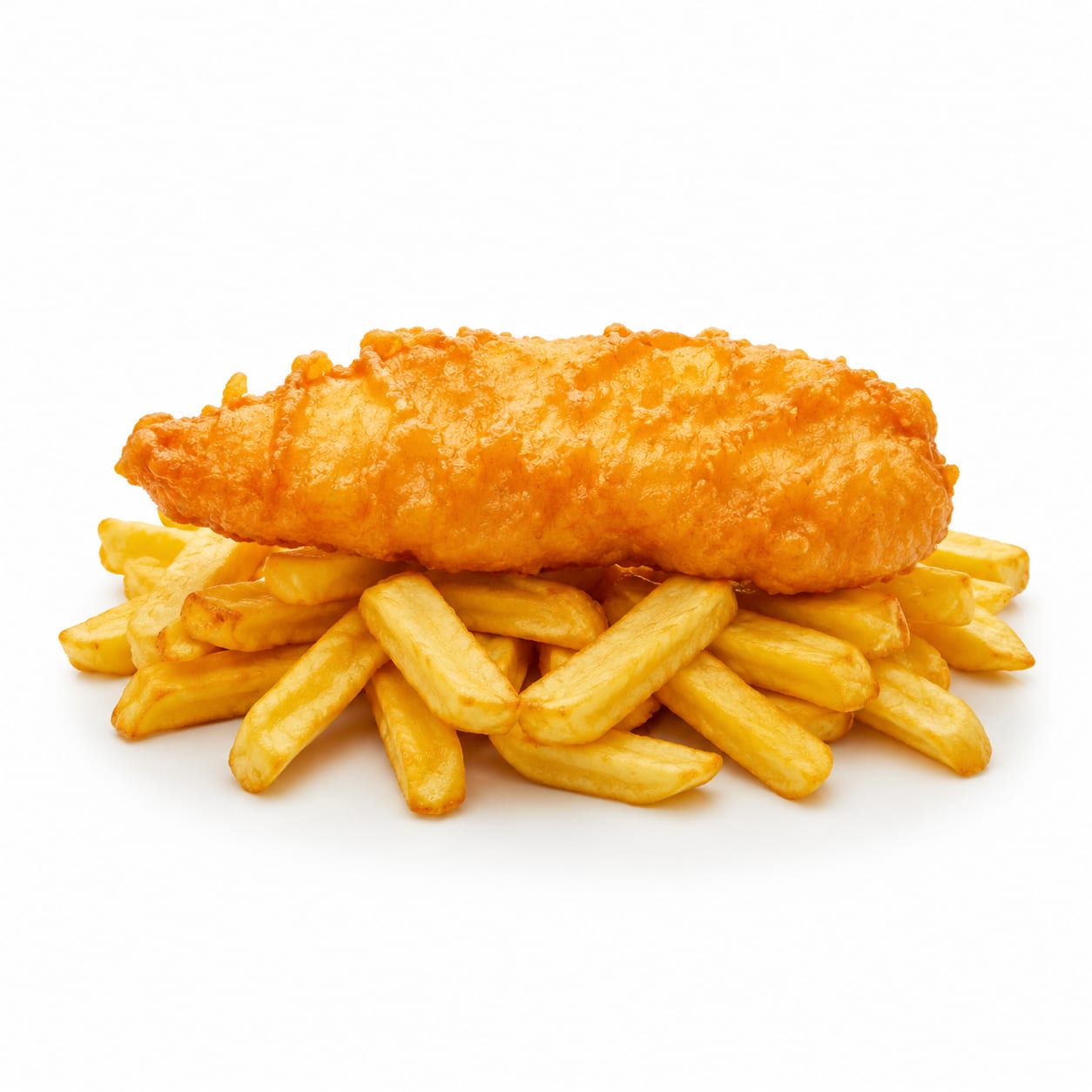
Compare with
Fish and Chips
Fish and chips is higher in fried fat and lower in vegetable diversity, while a Sunday roast offers better protein and micronutrient profile.
A Sunday roast provides more protein and vegetables, making it healthier and more filling than fish and chips.
This food
Sunday Roast
VS85% alike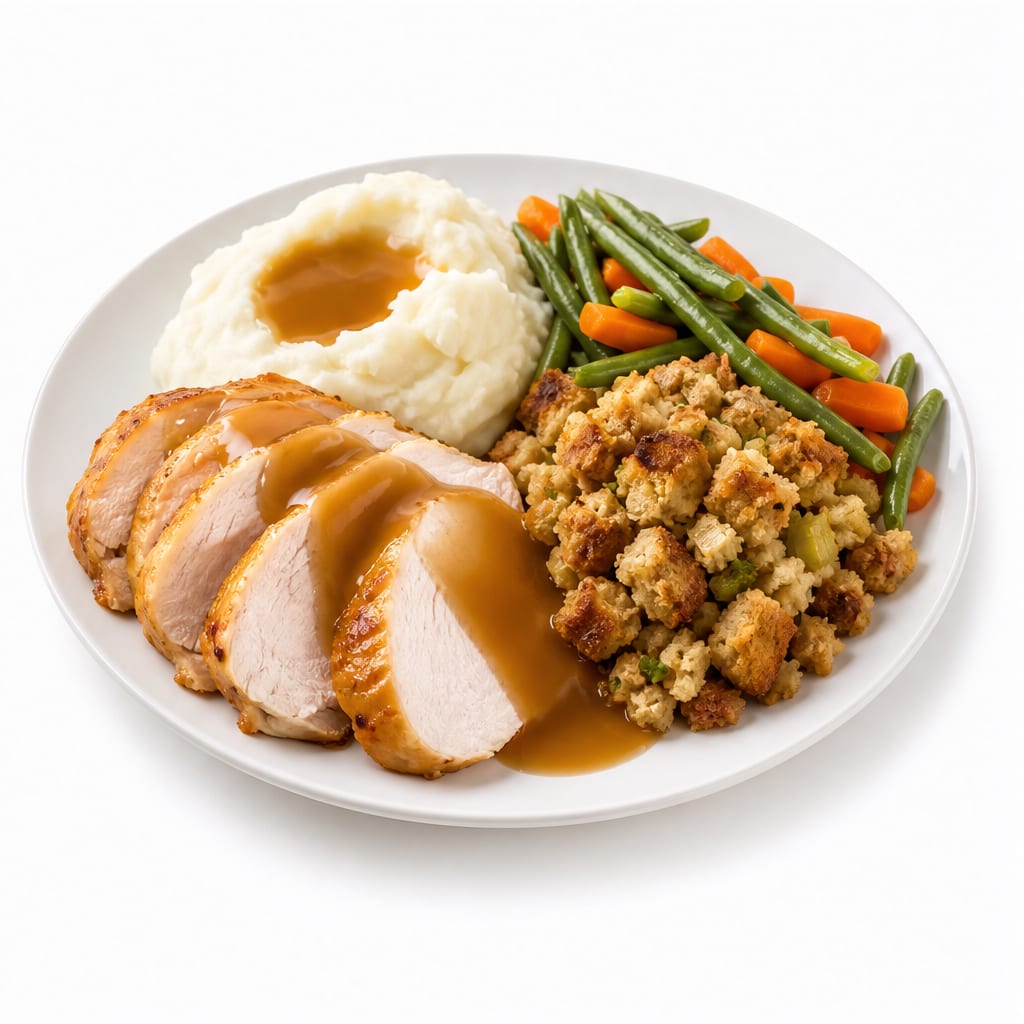
Compare with
Thanksgiving Dinner
Thanksgiving dinner often features turkey and sweeter sides like cranberry sauce and sweet potato casserole, while a Sunday roast typically uses beef or chicken with savory gravy and Yorkshire pudding.
Thanksgiving dinner often contains more sugar from side dishes, while a standard Sunday roast has more savory saturated fat from gravy and red meat.
This food
Sunday Roast
VS70% alike
Compare with
Shepherd's Pie
Shepherd's pie uses ground meat and mashed potato topping, while a Sunday roast uses whole cuts of meat and roasted potatoes.
Sunday roast offers more vegetable variety and whole-cut meat, while shepherd's pie is more uniform in texture and often higher in mashed potato carbs.
This food
Sunday Roast
VS65% alike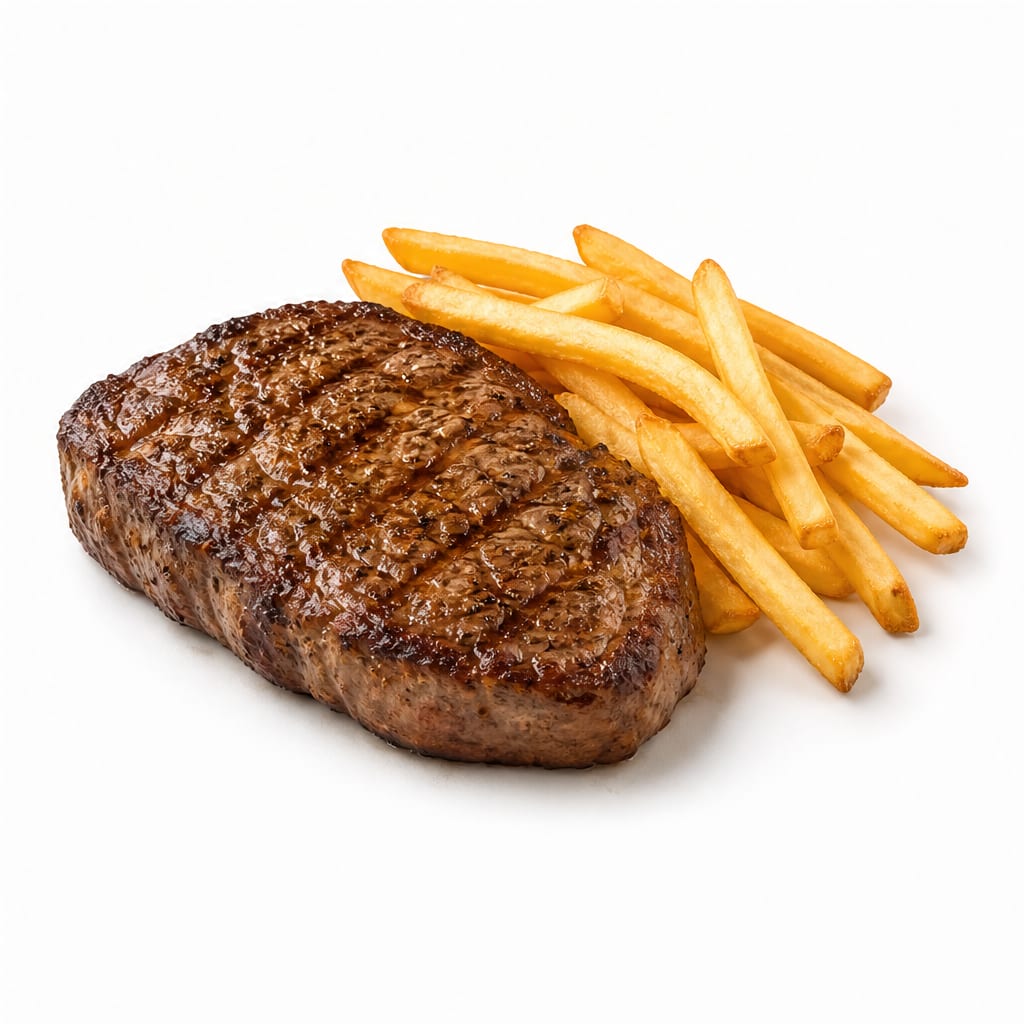
Compare with
Steak and Fries
Steak and fries is typically lower in vegetables and higher in deep-fried fat, whereas a Sunday roast includes boiled/roasted veg and gravy.
Sunday roast wins on vegetable intake and satiety, while steak and fries is faster to prepare but lower in fiber.
This food
Sunday Roast
VS95% alike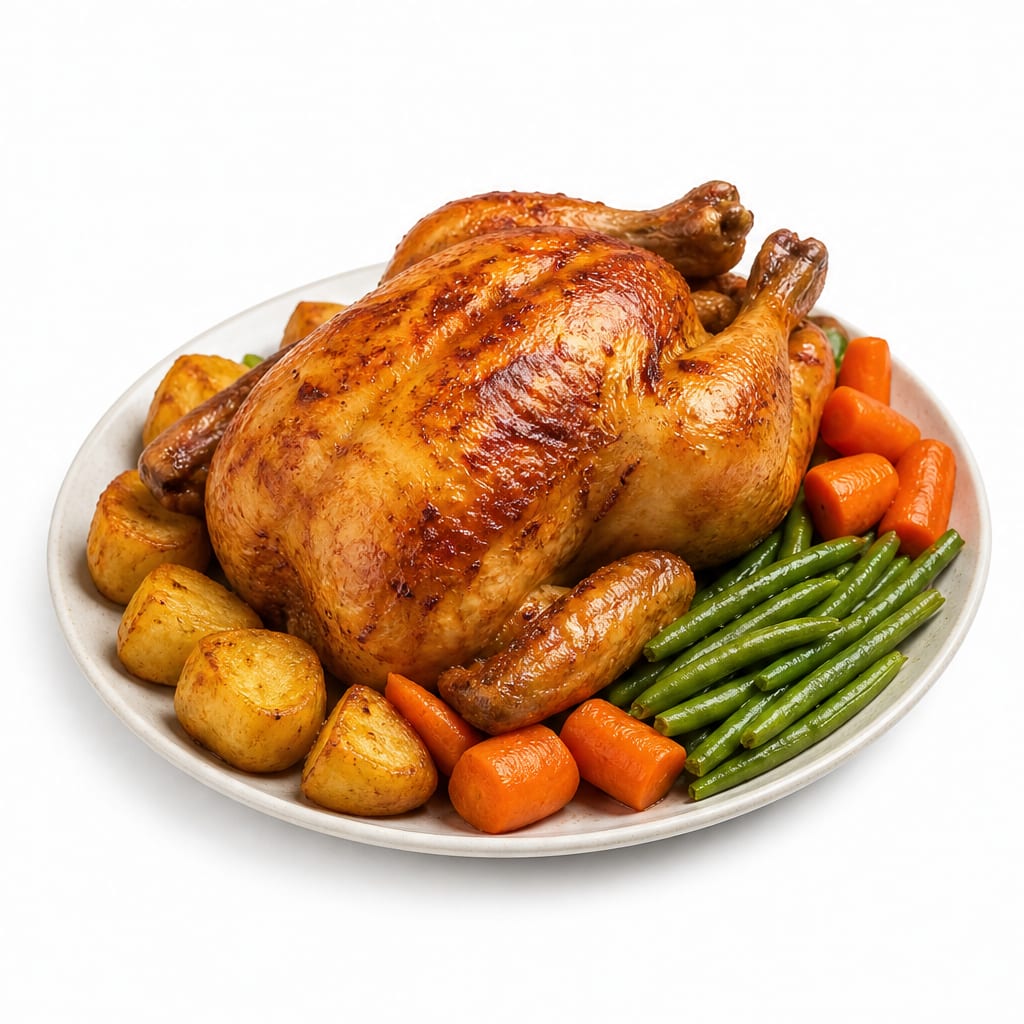
Compare with
Roast Chicken Dinner
A general Sunday roast can be beef, lamb, or pork, while roast chicken dinner specifies the leaner poultry option.
Choosing roast chicken over beef or lamb reduces saturated fat, making the chicken dinner slightly better for heart health and weight loss.
This food
Sunday Roast
VS60% alike
Compare with
Bangers and Mash
Bangers and mash uses processed sausages and mashed potatoes, while a Sunday roast uses unprocessed meat and roasted potatoes.
Sunday roast is far less processed than bangers and mash, offering higher quality protein and fewer preservatives.
This food
Sunday Roast
VS55% alike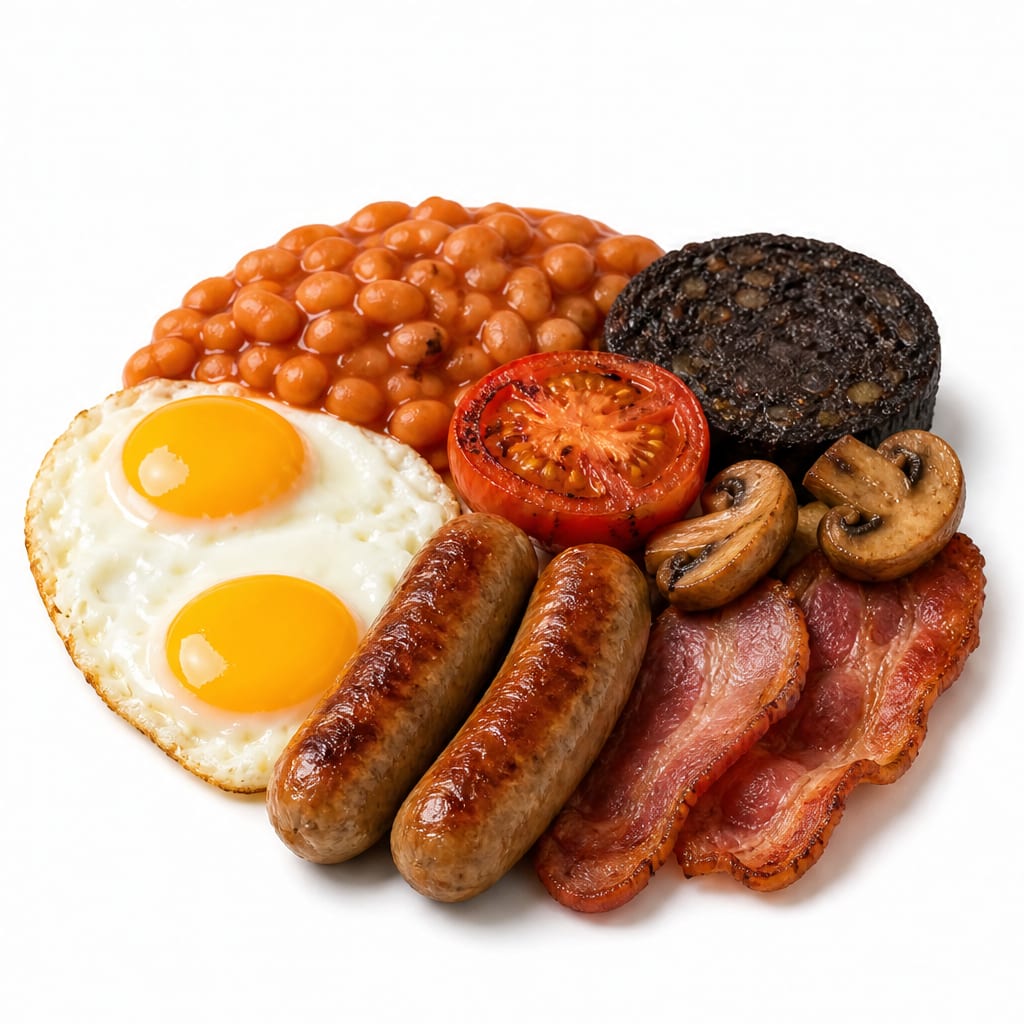
Compare with
Full English Breakfast
Breakfast is morning-focused with eggs and bacon, while roast is an afternoon meal with larger vegetable sides and roasted meats.
A Sunday roast provides better micronutrients from roasted vegetables, whereas a full English breakfast is higher in processed meats and sodium.
This food
Sunday Roast
VS70% alike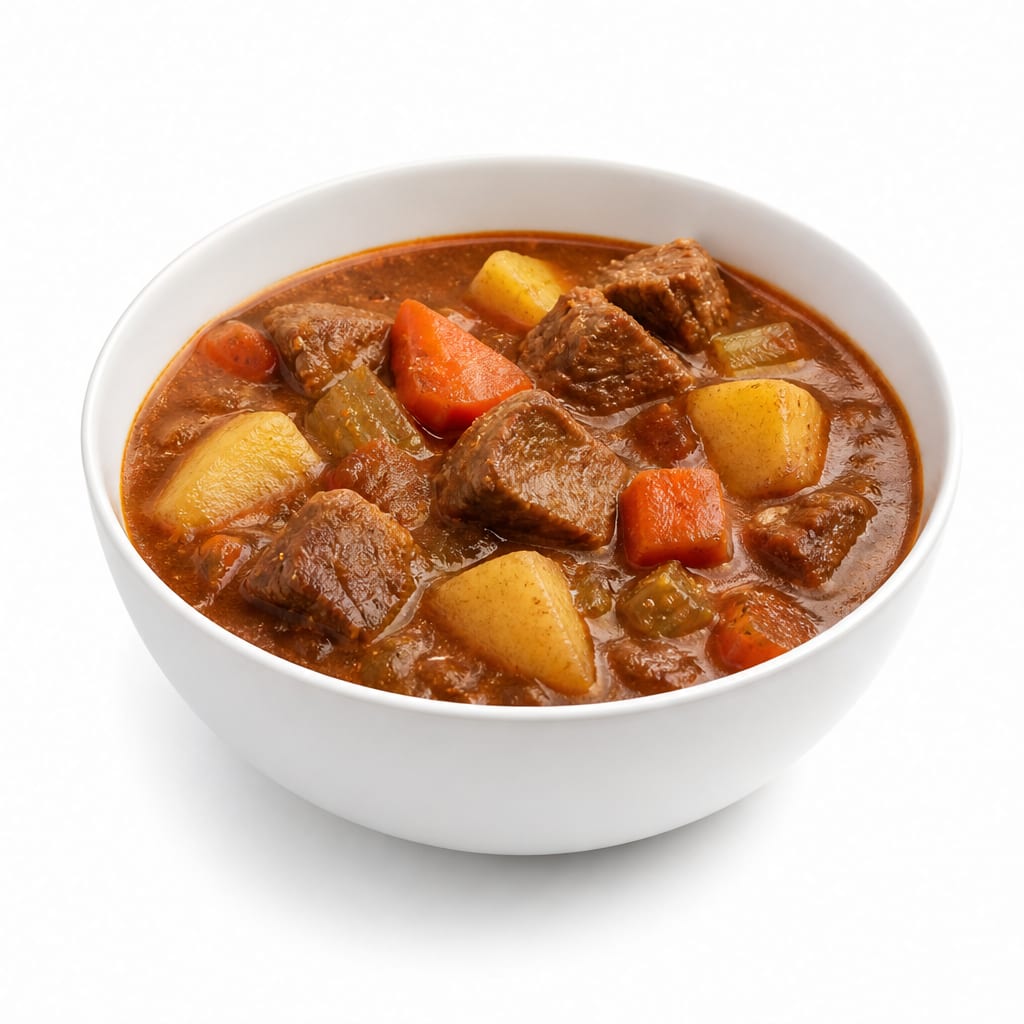
Compare with
Beef Stew
Stew is slow-cooked in liquid, creating tender meat and a thick broth, while a roast is baked dry with separate components.
Beef stew is lower in energy density and better for weight loss, while a Sunday roast provides more carbohydrates for energy.
This food
Sunday Roast
VS90% alike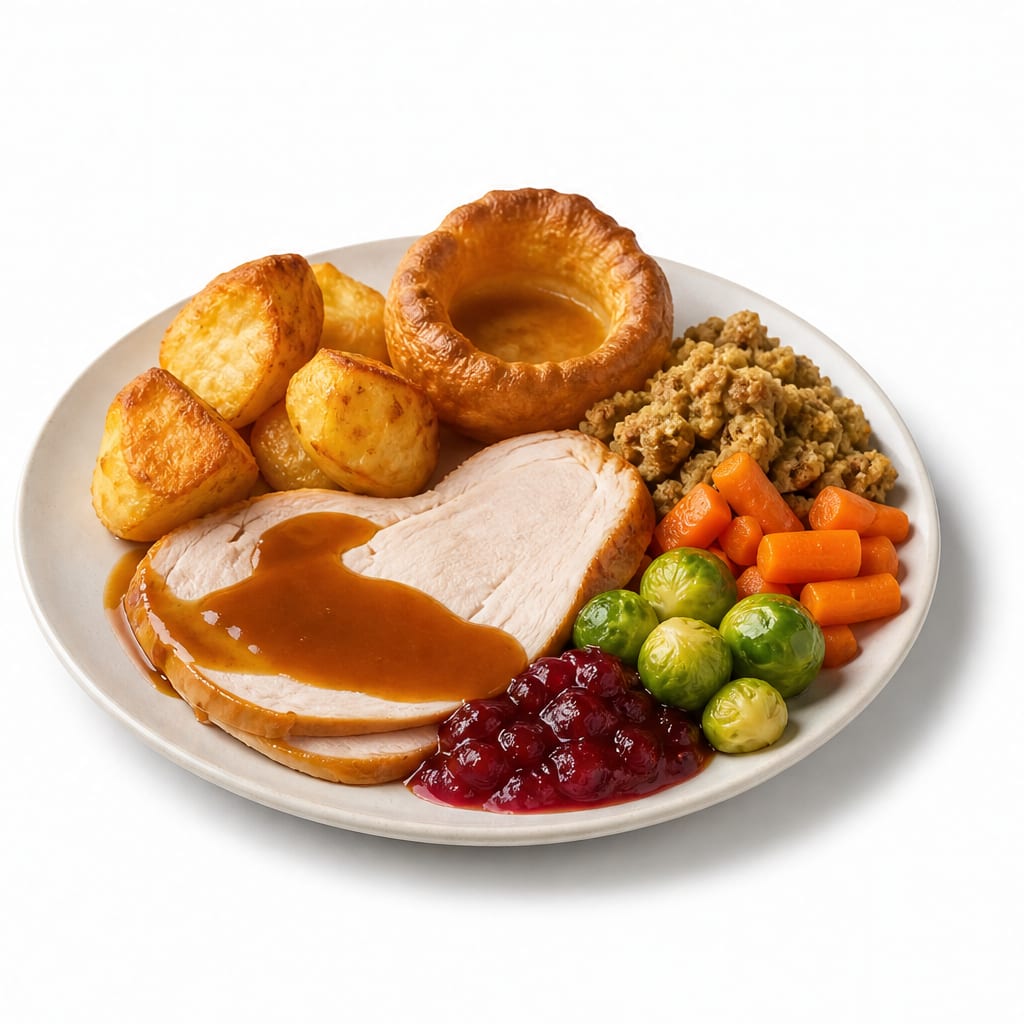
Compare with
Christmas Dinner
Christmas dinner includes specific items like pigs in blankets and stuffing balls, while a standard Sunday roast is simpler with just Yorkshire pudding.
Christmas dinner is typically more indulgent with extra sides, making a standard Sunday roast slightly lower in calories and simpler in composition.
This food
Sunday Roast
VS50% alike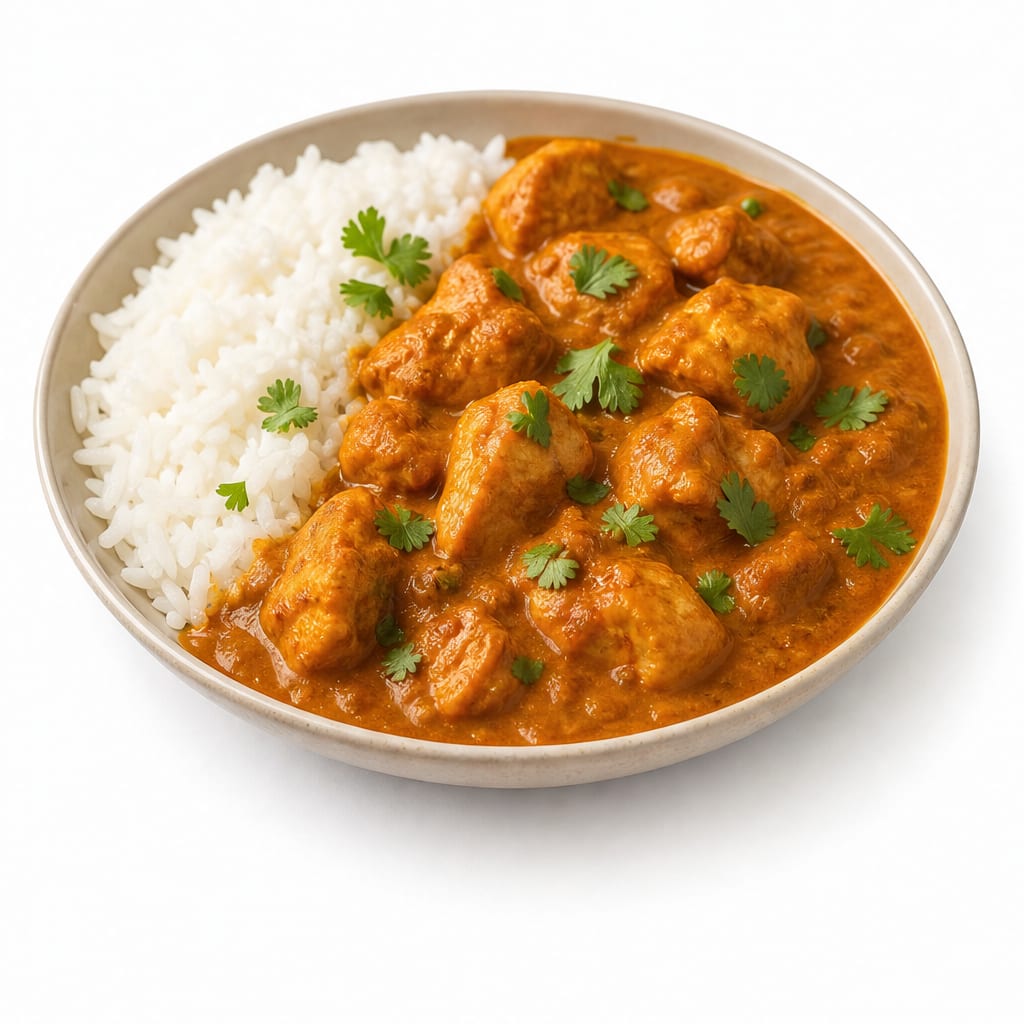
Compare with
Chicken Curry and Rice
Curry uses spices and a sauce base with rice, while a roast uses dry heat and gravy with potatoes.
Chicken curry can be higher in sodium and fat depending on the sauce, while a Sunday roast's healthiness depends heavily on gravy portion and potato preparation.
Common questions
FAQ
Answers aligned with how people search for this food.
How many calories are in a typical Sunday roast?
A standard plate ranges from 800 to 1200 calories depending on meat choice, potato portion, and gravy volume.
Is a Sunday roast healthy?
It can be healthy if loaded with vegetables and lean meat, but roasted potatoes and gravy add significant calories and fat.
What is the healthiest meat for a roast dinner?
Chicken breast or lean beef sirloin are the healthiest choices due to high protein and lower saturated fat compared to lamb or pork.
Can I eat a Sunday roast on a weight loss diet?
Yes, by reducing potatoes, skipping Yorkshire pudding, using lean meat, and adding extra non-starchy vegetables.
Why does a Sunday roast make you so full?
The combination of high protein from meat, carbohydrates from potatoes, and fat from roasting oils creates strong satiety signals.
Are roast potatoes bad for blood sugar?
Roast potatoes have a high glycemic index, but eating them with protein and fat in a roast dinner slows down blood sugar spikes.
How can I make a low-calorie gravy?
Use vegetable stock thickened with a small amount of cornstarch instead of meat drippings and flour to cut calories and fat.
Transparency
Data confidence
Estimated confidence for nutrition data, interpretation, safety notes, and comparisons.
Nutrition data
Health analysis
Food safety
Comparisons