
Nutrition comparison
Sunday Roast vs Beef Stew: Which Hearty Meal Is Healthier?
Compare Sunday Roast and Beef Stew on calories, nutrition, meal prep value, and daily practicality. Find out which comfort classic fits your health goals better.
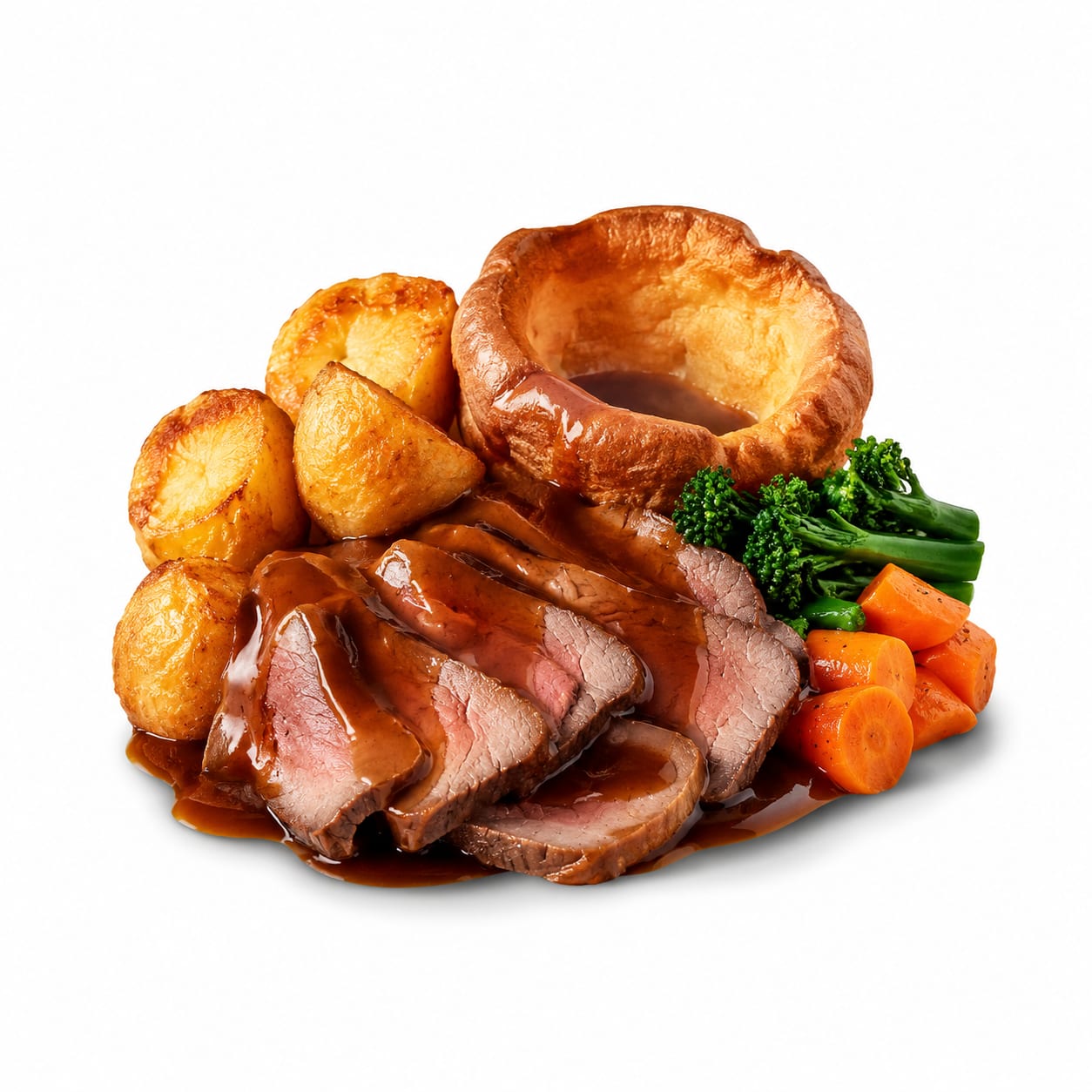
Sunday Roast
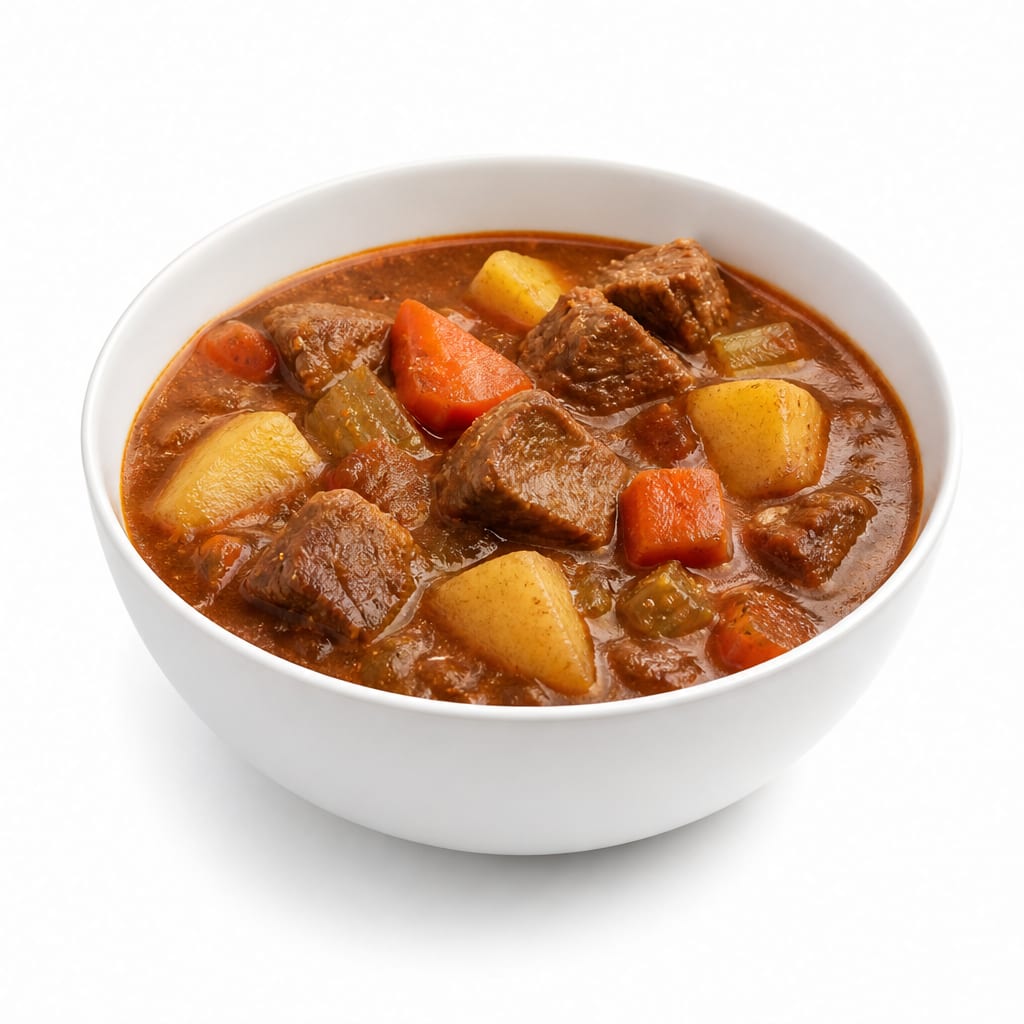
Beef Stew
Sunday Roast wins on variety and occasion appeal; Beef Stew wins on practicality, portion control, and everyday sustainability.
Beef Stew edges ahead primarily through practicality, portion manageability, and reheat-friendly leftovers. Sunday Roast scores well for nutrient diversity and emotional satisfaction but loses ground on calorie control and everyday feasibility.
Celebration versus convenience — Sunday Roast delivers a richer, more diverse plate but costs more effort and calories, while Beef Stew offers steady nourishment that reheats perfectly for days.
At a glance
Executive summary
Overall
It depends
Healthier
Beef Stew
More practical
Beef Stew
Daily use
Beef Stew
Key comparison lenses
comfort meal comparison for weekly planning
Both are traditional hearty meals often chosen for weekend or cold-weather dining
calorie and satiety tradeoff
Sunday Roast tends to be calorie-dense with multiple components while Beef Stew offers filling portions with fewer calories per bowl
meal prep and leftover practicality
Beef Stew reheats beautifully and improves overnight, while Sunday Roast components degrade quickly
nutrient variety from vegetable diversity
Sunday Roast typically includes more distinct vegetable sides, offering broader micronutrient coverage
sodium and gravy consumption
Both rely on gravy or broth which can significantly impact sodium intake
Best choice for
Sunday Roast
- Weekend family gatherings and social meals
- Anyone craving diverse textures and flavors on one plate
- Special occasion comfort without guilt
- Those who enjoy cooking as a weekend ritual
Beef Stew
- Busy weeknights needing a ready meal
- Meal preppers who want leftovers that improve with time
- Anyone watching calories but wanting hearty satisfaction
- Cold-weather comfort with built-in hydration from broth
Least suitable for
Sunday Roast
- Quick weeknight dinners after a long workday
- Strict calorie counters — portion creep is easy with multiple sides
- Anyone who dislikes food waste from large elaborate meals
Beef Stew
- Those wanting crispy textures and varied plate appeal
- People sensitive to high sodium from long-simmered broth
- Anyone bored by one-pot monotony over multiple days
Deep comparison
Dimension by dimension
Each lens scores both foods and breaks down who each option suits.
- Dimension 1 · Priority 92Sunday Roast
Satiety and Fullness
Sunday Roast · 88Beef Stew · 82Sunday Roast fills you faster due to larger volume and diverse textures, but Beef Stew sustains fullness longer thanks to broth-based hydration and gelatin from slow-cooked collagen.
Tradeoff
Immediate stuffed feeling versus prolonged comfortable satisfaction.
Why it matters
Overeating at a Sunday Roast is common because multiple sides encourage second helpings. Beef Stew naturally limits portions — a bowl feels complete.
Real-world impact
After a Sunday Roast you may feel sluggish and need a nap. After Beef Stew you feel comfortably full and still functional.
Sunday Roast
- Those who want a big satisfying meal after physical activity
- Families where shared abundance matters emotionally
Better for
- Anyone prone to overeating when multiple dishes are available
Worse for
Beef Stew
- Anyone who hates that overly-stuffed post-meal feeling
- People who need to stay productive after eating
Better for
- Very active individuals needing higher calorie intake in one sitting
Worse for
- Dimension 2 · Priority 90Beef Stew
Calorie Density and Portion Control
Sunday Roast · 55Beef Stew · 78Beef Stew delivers hearty satisfaction at roughly 350-450 calories per bowl. Sunday Roast easily hits 800-1200+ calories once you account for roast potatoes, Yorkshire pudding, gravy, and multiple sides.
Tradeoff
Flavor variety and plate excitement versus easier calorie management.
Why it matters
Sunday Roast makes unconscious overeating almost automatic. Beef Stew bowls self-regulate better.
Real-world impact
A single Sunday Roast can account for half your daily calories. Two bowls of stew still leave room in your budget.
Sunday Roast
- Underweight individuals needing calorie-dense meals
- Athletes in bulking phases
Better for
- People who struggle with portion awareness at large meals
Worse for
Beef Stew
- Anyone tracking calories without wanting to feel deprived
- Weight management that still feels indulgent
Better for
- Those who need higher calorie density per bite
Worse for
- Dimension 3 · Priority 85Sunday Roast
Nutrient Variety
Sunday Roast · 84Beef Stew · 68Sunday Roast typically delivers 4-6 distinct vegetables plus meat and starch. Beef Stew compresses variety into one pot — nutritious but less diverse.
Tradeoff
Broader micronutrient spectrum versus concentrated simplicity.
Why it matters
Different vegetables provide different antioxidants and minerals. More variety on the plate generally means better micronutrient coverage.
Real-world impact
Sunday Roast might give you iron from beef, vitamin C from broccoli, potassium from parsnips, and fiber from carrots all in one meal. Stew gives you many of the same nutrients but in a narrower range.
Sunday Roast
- Those eating few meals per day who need each one to cover more bases
- Families wanting to expose children to diverse vegetables
Better for
- No specific downside — variety is generally superior
Worse for
Beef Stew
- People who supplement broadly and just need solid baseline nutrition
Better for
- Risk of micronutrient gaps if stew is your only consistent meal
Worse for
- Dimension 4 · Priority 88Beef Stew
Meal Prep and Leftover Quality
Sunday Roast · 42Beef Stew · 92Beef Stew famously tastes better the next day as flavors meld. Sunday Roast leftovers are sad — soggy potatoes, dry meat, limp vegetables.
Tradeoff
One-pot reheating excellence versus declining texture across multiple components.
Why it matters
Food waste is a real health and budget issue. Meals that reheat well get eaten; meals that do not often get thrown out.
Real-world impact
Make stew on Sunday and eat it through Wednesday happily. Reheat roast potatoes on Monday and question your choices.
Sunday Roast
- Situations where the meal is fully consumed fresh with many people
Better for
- Solo cooks who cannot finish a full roast in one sitting
Worse for
Beef Stew
- Batch cookers and meal preppers
- Anyone cooking for one who needs leftovers to work
- Budget-conscious eaters maximizing every ingredient
Better for
- Those who crave fresh crispy textures and refuse reheated food
Worse for
- Dimension 5 · Priority 75Sunday Roast
Sodium Load
Sunday Roast · 62Beef Stew · 48Both can be salty, but Beef Stew often relies on stock cubes, seasoning blends, and long-reduced broth that concentrates sodium. Sunday Roast gravy is the main sodium source and can be controlled more easily.
Tradeoff
Stew's deep flavor often comes from salt-heavy stock versus roast's more controllable seasoning.
Why it matters
For blood pressure management, the difference between 800mg and 1400mg sodium in a meal matters significantly.
Real-world impact
Homemade stew with low-sodium stock is fine. Most people use standard stock cubes and end up with a sodium bomb.
Sunday Roast
- Those monitoring blood pressure who can control gravy portions
Better for
- People who drown everything in gravy without measuring
Worse for
Beef Stew
- No one — stew only wins here if you deliberately use low-sodium stock
Better for
- Anyone with hypertension eating stew made from commercial stock
Worse for
- Dimension 6 · Priority 78Beef Stew
Digestive Comfort
Sunday Roast · 60Beef Stew · 80Beef Stew's long cooking breaks down tough fibers and collagen into gelatin, making it gentler on digestion. Sunday Roast combines heavy roasted fats, dense starches, and rich gravy — a tougher digestive load.
Tradeoff
Slow-cooked tenderness and broth versus roasted richness and fat.
Why it matters
If you ever feel bloated or sluggish after heavy meals, the cooking method makes a real difference.
Real-world impact
Stew feels warming and settling in your stomach. Roast can sit heavy for hours, especially with Yorkshire pudding soaking up gravy.
Sunday Roast
- Those with robust digestion who enjoy feeling full and heavy
Better for
- Anyone prone to heartburn or reflux from fatty meals
Worse for
Beef Stew
- Anyone with sensitive digestion
- Older adults who benefit from softer textures
- People eating late who need to sleep comfortably after
Better for
- No significant downside — stew is generally gentler
Worse for
- Dimension 7 · Priority 65Beef Stew
Collagen and Joint Support
Sunday Roast · 45Beef Stew · 82Slow-simmered Beef Stew extracts significant collagen from connective tissue and bones, creating gelatin-rich broth. Sunday Roast uses leaner cuts and shorter cooking, yielding far less.
Tradeoff
Joint-nourishing broth versus quicker-cooked leaner meat.
Why it matters
Collagen intake from food supports skin, joint, and gut health over time. This is a meaningful long-term advantage for stew.
Real-world impact
Stew broth that gels when refrigerated is a visual sign of collagen content. Roast beef juices do not do this.
Sunday Roast
- No specific advantage here
Better for
- Missing out on easily accessible collagen benefits
Worse for
Beef Stew
- Older adults concerned about joint health
- Anyone interested in food-based collagen rather than supplements
- People with gut healing goals
Better for
- No real downside for collagen content
Worse for
Timeline
Health impact over time
Short-term
Hours to days
Sunday Roast
- Likely post-meal drowsiness from high calorie and fat load
- Risk of overeating due to multiple palatable sides
- Higher immediate blood sugar spike from roast potatoes and Yorkshire pudding
Beef Stew
- Comfortable sustained fullness without heaviness
- Steadier blood sugar from slower-digesting stewed ingredients
- Better hydration from broth-based liquid content
Long-term
Months to years
Sunday Roast
- If eaten weekly, calorie surplus risk increases without mindful portioning
- Better micronutrient diversity per meal when vegetables vary weekly
- Potential for higher saturated fat intake from roast cuts and gravy
Beef Stew
- Consistent collagen intake supports joint and skin health over time
- Easier to maintain healthy weight due to natural portion control
- Sodium accumulation risk if commercial stock is used regularly
Risk profile
Safety & processing
Both are whole-food meals cooked from scratch. Sunday Roast uses simple roasting with minimal additives. Beef Stew risks hidden sodium and additives from commercial stock cubes — homemade stock eliminates this concern entirely.
Sunday Roast
Undercooked roast beef
mediumLarge roasts can have uneven cooking. Internal temperature should reach safe levels especially near bone.
Leftover handling
mediumMultiple components cool at different rates. Refrigerate all within 2 hours to avoid bacterial growth.
Beef Stew
Slow cooker temperature safety
mediumIf stew does not reach safe temperature quickly enough, bacteria can multiply during initial heating phase.
Extended warming period
lowKeeping stew warm for hours on low heat can create a danger zone if temperature drops below 60°C/140°F.
Who wins for whom
Audience fit
Same foods, different winners depending on your goal.
children
Sunday RoastChildren often prefer distinct separate foods they can identify and choose. Stew's mixed appearance can trigger picky eating resistance.
daily consumption
Beef StewReheats well, portion-controllable, nutritionally balanced, and less calorie-heavy for regular intake without weight gain risk.
diabetes
Beef StewLower glycemic impact from stewed root vegetables compared to roasted potatoes and Yorkshire pudding. Broth also slows carbohydrate absorption.
elderly
Beef StewSoft textures, easier digestion, collagen-rich broth, and hydration from liquid make Beef Stew significantly more suitable for aging digestive systems and dental concerns.
muscle gain
Sunday RoastHigher total protein and calorie availability from larger meat portions and starchy sides supports muscle-building needs better.
weight loss
Beef StewNatural portion control, lower calorie density per serving, and high satiety from broth and protein make Beef Stew easier to fit into a calorie deficit.
Your move
Decision guide
Choose Sunday Roast
- You are cooking for a group and want a shared celebratory experience
- You crave diverse textures and flavors on one plate
- You have time to cook and will enjoy the process as a weekend activity
- You need higher calorie intake and want it to be enjoyable
Choose Beef Stew
- You want a meal that feeds you for three days with zero effort after cooking
- You are watching calories but refuse to eat bland food
- You need something gentle on digestion that still feels hearty
- You want joint-supporting collagen without taking supplements
Either works if
- You just want a warm comforting meal and both sound good
- You are cooking beef either way and deciding on method
- It is a cold day and either will hit the spot
Avoid both if
- You are strictly limiting red meat for heart health concerns
- You need a low-sodium meal and cannot control stock or gravy ingredients
- You are looking for a light meal — neither option qualifies
Final recommendation
Make Beef Stew your weekly staple and save Sunday Roast for actual Sundays or special occasions. You get the best of both worlds: everyday nourishment that is practical and calorie-aware, plus the joy of a proper roast when it matters. If you make stew with homemade stock and load it with vegetables, it becomes one of the most nutritionally complete single-dish meals you can eat.
Practical
Consumer tips
- 1
Use homemade bone broth for Beef Stew to maximize collagen and minimize sodium — it takes effort but transforms the nutritional profile
- 2
Roast extra vegetables with your Sunday Roast and repurpose them into a next-day soup to reduce waste
- 3
If making stew with commercial stock, buy low-sodium versions and add salt yourself to control the total load
- 4
Choose chuck or braising cuts for stew — they have more connective tissue that breaks down into beneficial gelatin
- 5
For Sunday Roast, roast vegetables in olive oil instead of dripping to reduce saturated fat without sacrificing flavor
- 6
Freeze individual portions of stew for instant meals — it freezes and reheats beautifully for up to 3 months
- 7
Skip seconds on Yorkshire pudding if watching calories — it is essentially a delicious sponge for fat and carbs