
Nutrition comparison
Sunday Roast vs Fish and Chips: Which British Classic Is Healthier?
Compare Sunday Roast and Fish and Chips on nutrition, calories, sodium, and health impact. Discover which British comfort food wins for weekly eating and which should stay an occasional treat.
Overall winner · Sunday Roast
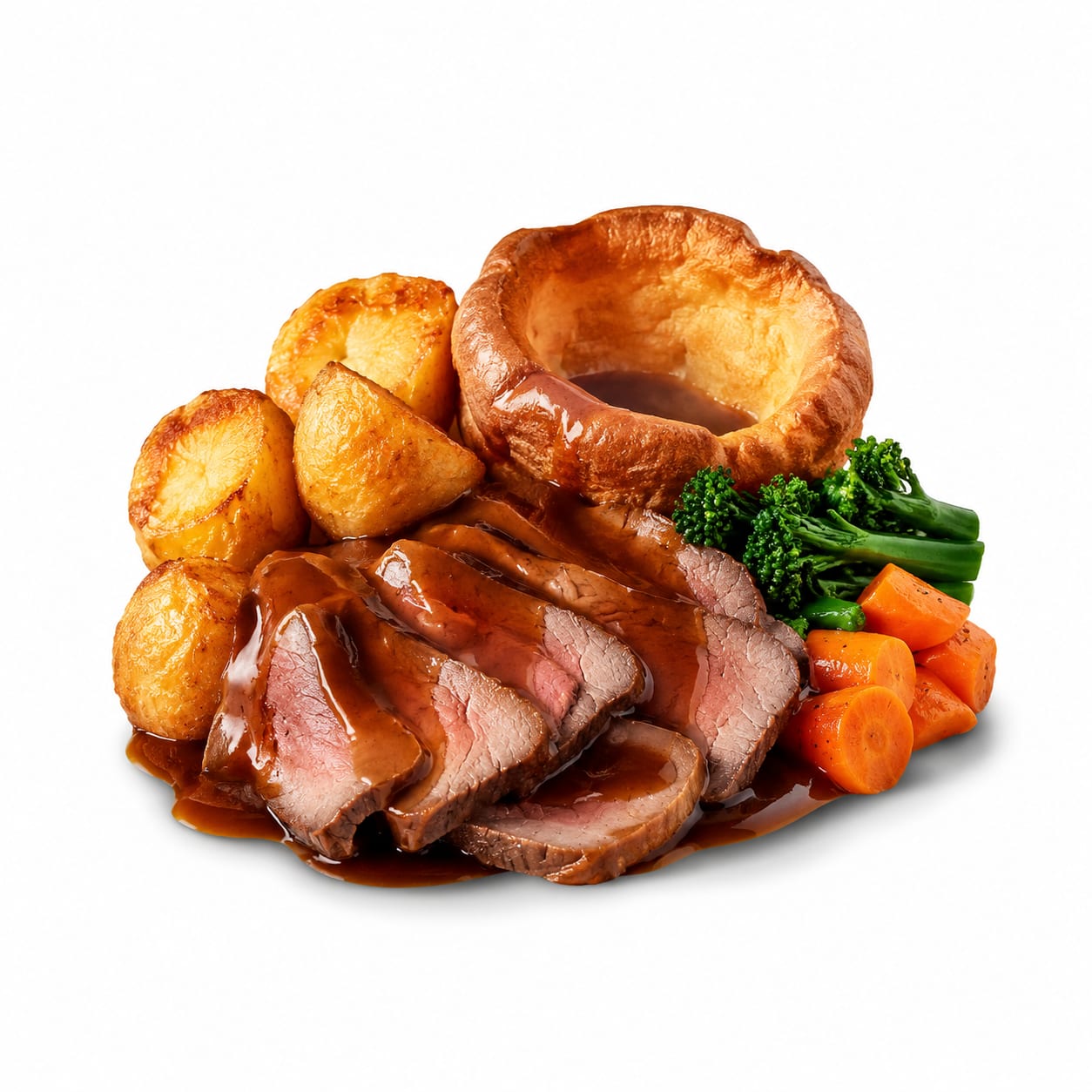
Sunday Roast
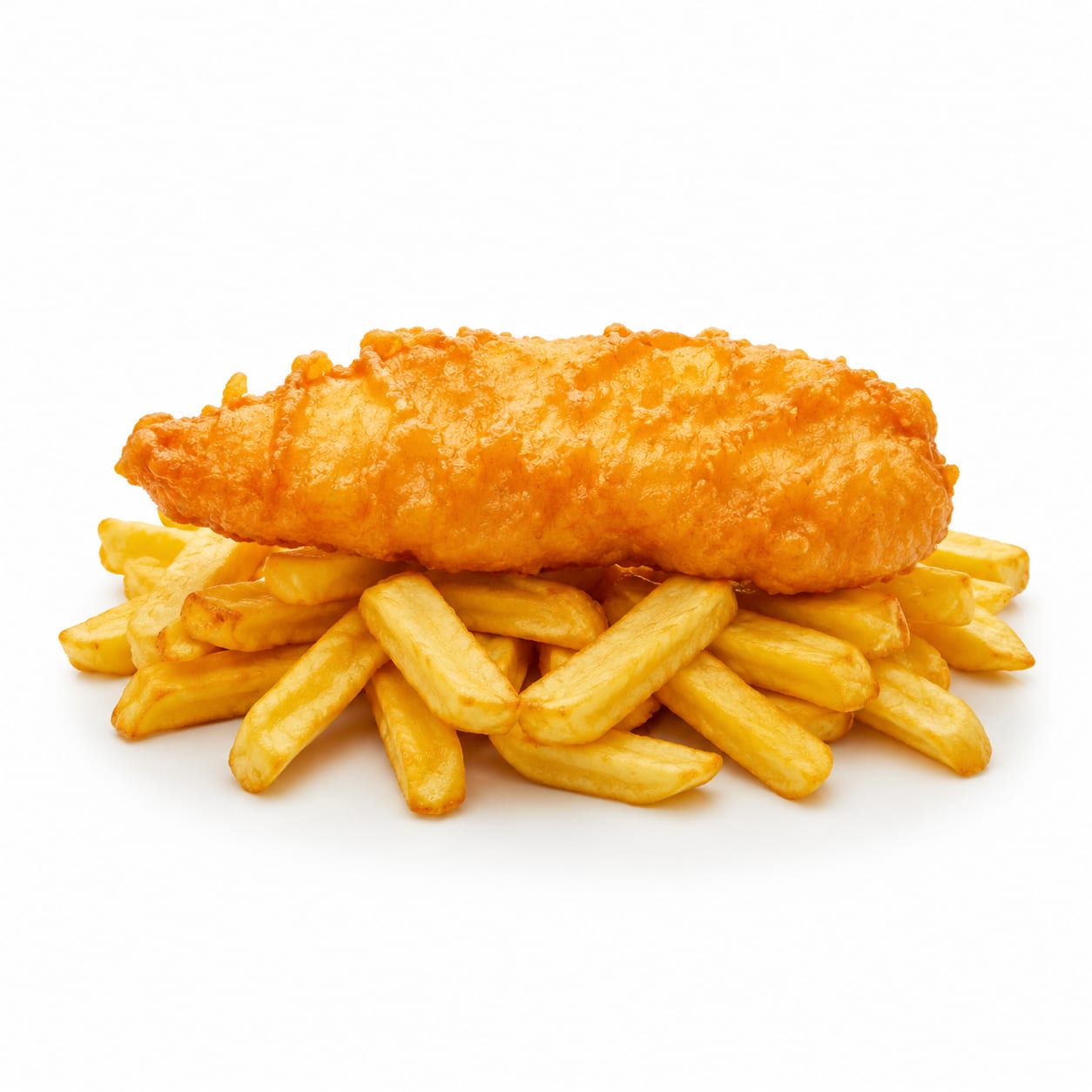
Fish and Chips
Sunday Roast wins convincingly on nutrition, offering balanced protein, multiple vegetables, and controlled cooking methods, while Fish and Chips delivers a saltier, greasier, calorie-dense experience best enjoyed occasionally.
Sunday Roast scores significantly higher due to superior macronutrient balance, vegetable content, and healthier cooking methods. Fish and Chips loses ground on calorie density, sodium load, and deep-frying health risks. The gap is large but not absolute, as Fish and Chips provides quality protein from fish and can be enjoyed moderately without harm.
You trade convenience and crispy indulgence for genuine nutritional balance and better long-term health outcomes.
At a glance
Executive summary
Overall
Sunday Roast
Healthier
Sunday Roast
More practical
Fish and Chips
Daily use
Sunday Roast
Key comparison lenses
comfort food health tradeoff
Both are iconic British comfort foods, but their health profiles differ dramatically due to cooking methods and ingredient composition
home cooked vs takeaway
Sunday Roast is typically home-cooked with control over ingredients, while Fish and Chips is usually a takeaway meal with no portion or preparation control
frying vs roasting
The core nutritional difference comes down to deep-frying batter and chips versus oven-roasting meats and vegetables
vegetable intake comparison
Sunday Roast naturally includes multiple vegetable portions, while Fish and Chips typically includes none or minimal peas
sodium and heart health
Both can be high in sodium, but Fish and Chips carries significantly more salt from batter seasoning, chip salt, and accompanying sauces
Best choice for
Sunday Roast
- Families wanting a balanced weekly meal
- Anyone tracking heart health or blood pressure
- People prioritizing protein and vegetable intake
- Those managing weight while still eating satisfying meals
- Home cooks who want leftover meat for the week
Fish and Chips
- Quick Friday night indulgence without cooking
- Post-pub hunger that needs immediate satisfaction
- Coastal visits where fresh fish is a local specialty
- Anyone craving crispy, salty comfort food occasionally
- Budget-conscious diners wanting a filling single meal
Least suitable for
Sunday Roast
- People short on time for cooking and cleanup
- Anyone living alone who finds large roasts impractical
- Those avoiding red meat if using beef or lamb
- Small kitchens without oven access
Fish and Chips
- Anyone with hypertension or sodium sensitivity
- People managing cholesterol or heart conditions
- Those on calorie-restricted diets
- Anyone avoiding deep-fried foods for digestive comfort
Deep comparison
Dimension by dimension
Each lens scores both foods and breaks down who each option suits.
- Dimension 1 · Priority 95Sunday Roast
Nutritional Balance
Sunday Roast · 82Fish and Chips · 30Sunday Roast delivers protein, carbohydrates, fiber, and micronutrients across multiple food groups. Fish and Chips is essentially protein, starch, and fat with minimal micronutrient diversity.
Tradeoff
You sacrifice complete nutrition for the concentrated pleasure of fried food.
Why it matters
Meals with balanced macros and micronutrients keep you fuller longer and reduce cravings between meals.
Real-world impact
After a Sunday Roast, you feel satisfied for hours. After Fish and Chips, you may feel sluggish and hungry again within two hours despite the high calorie count.
Sunday Roast
- Sustained energy through the afternoon
- Meeting daily vegetable targets in one meal
- Balanced plate without overthinking portions
Better for
- Requires planning and multiple dishes to achieve balance
Worse for
Fish and Chips
- Quick calorie surplus for underweight individuals
- Simple meal when you cannot face preparing multiple components
Better for
- Nutritional gaps if eaten regularly
- Excessive calories without proportional satiety
Worse for
- Dimension 2 · Priority 92Sunday Roast
Cooking Method Health Impact
Sunday Roast · 75Fish and Chips · 25Roasting preserves nutrients and uses moderate fat. Deep-frying adds massive calories, creates acrylamide, and degrades oil quality.
Tradeoff
Roasting takes longer but rewards you with better fat profiles and fewer harmful compounds.
Why it matters
Deep-frying at high temperatures creates inflammatory compounds and oxidized fats that stress your cardiovascular system over time.
Real-world impact
Regular fried food consumption is linked to higher heart disease risk. Roasting carries no such consistent association.
Sunday Roast
- Lower inflammatory potential
- Better fat quality retained in food
- Preserved heat-sensitive vitamins in vegetables
Better for
- Longer cooking time requires patience and planning
Worse for
Fish and Chips
- Crispy texture that feels immediately rewarding
Better for
- Acrylamide exposure from fried potatoes and batter
- Oxidized oils from repeated frying in takeaway shops
- Trans fat risk if shops use partially hydrogenated oils
Worse for
- Dimension 3 · Priority 85Sunday Roast
Sodium Load
Sunday Roast · 60Fish and Chips · 20Fish and Chips can easily exceed 3g of sodium in one serving. Sunday Roast gravy and seasoning add salt, but you control the amount at home.
Tradeoff
Takeaway salt is invisible and generous. Home cooking lets you season to taste, not to habit.
Why it matters
High sodium meals cause bloating, thirst, and blood pressure spikes that stress your cardiovascular system within hours.
Real-world impact
After Fish and Chips, you may notice swollen fingers, excessive thirst, and a puffy face the next morning. Sunday Roast rarely triggers this unless you heavily salt the gravy.
Sunday Roast
- Blood pressure stability
- Control over salt shaker at home
- Less next-day bloating and water retention
Better for
- Gravy and stock can still be deceptively salty if using cubes
Worse for
Fish and Chips
- Intense flavor from aggressive seasoning that some palates prefer
Better for
- Routinely exceeds daily sodium recommendations in a single meal
- Chip shop salt is added before you can control it
Worse for
- Dimension 4 · Priority 80Sunday Roast
Protein Quality
Sunday Roast · 85Fish and Chips · 65Sunday Roast typically offers more protein per portion from larger meat servings. Fish provides excellent lean protein but the portion is smaller relative to the batter and chips.
Tradeoff
Fish gives you omega-3s that roasted meats lack, but Sunday Roast delivers substantially more total protein for muscle maintenance and satiety.
Why it matters
Adequate protein at meals preserves muscle, keeps you full, and stabilizes blood sugar better than carb-heavy alternatives.
Real-world impact
Sunday Roast leftovers provide protein for Monday lunch. Fish and Chips rarely leaves anything behind, and the protein-to-calorie ratio is poor.
Sunday Roast
- Higher total protein for muscle maintenance
- Leftover meat extends protein intake into the next day
- More filling per calorie consumed
Better for
- Red meat versions carry saturated fat concerns
Worse for
Fish and Chips
- Omega-3 fatty acids from fish that red meat lacks
- Leaner protein source if you avoid the batter
Better for
- Batter adds calories without protein benefit
- Fish portion is often smaller than expected under the batter
Worse for
- Dimension 5 · Priority 78Fish and Chips
Convenience and Practicality
Sunday Roast · 25Fish and Chips · 85Fish and Chips is ready in minutes from the shop. Sunday Roast requires 2-3 hours of cooking and significant cleanup.
Tradeoff
You trade health and balance for speed and zero effort. Sometimes that tradeoff is worth it.
Why it matters
The best meal nutritionally is worthless if you never have time to cook it. Practical access matters for real-world eating patterns.
Real-world impact
On a tired Friday evening, Fish and Chips feels effortless. Sunday Roast is a weekend project that rewards planning and energy.
Sunday Roast
- Leftovers create easy meals for days after
- Batch cooking efficiency for families
Better for
- Significant time investment
- Multiple pots, pans, and oven space required
- Impractical for single servings
Worse for
Fish and Chips
- Zero preparation or cleanup
- Available almost everywhere in Britain
- Fast satisfaction when energy is low
Better for
- Quality varies wildly between shops
- Limited customization once ordered
Worse for
- Dimension 6 · Priority 82Sunday Roast
Calorie Density
Sunday Roast · 65Fish and Chips · 20A typical Fish and Chips portion packs 800-1200+ calories. Sunday Roast ranges 600-900 calories with more volume and nutrients per calorie.
Tradeoff
Fish and Chips delivers more calories in less food volume, making overeating easy and satiety poor relative to intake.
Why it matters
Calorie-dense meals with low fiber and protein density fail to trigger fullness signals before you have overconsumed significantly.
Real-world impact
You can eat an entire Fish and Chips portion and still feel unsatisfied. Sunday Roast fills your plate and stomach with less caloric impact.
Sunday Roast
- More food volume per calorie
- Greater satiety from fiber-rich vegetables
- Easier portion awareness on a filled plate
Better for
- Yorkshire pudding and roast potatoes can add up if you overserve
Worse for
Fish and Chips
- Useful for active individuals needing calorie surplus
Better for
- Easy to consume 1000+ calories without feeling full
- Oil absorption in batter and chips is deceptive
Worse for
- Dimension 7 · Priority 70It depends
Emotional and Cultural Satisfaction
Sunday Roast · 80Fish and Chips · 80Both are deeply comforting British traditions with strong emotional resonance. Sunday Roast feels like home and family. Fish and Chips feels like treat and freedom.
Tradeoff
Different emotional needs on different days. Neither replaces the other psychologically.
Why it matters
Emotional satisfaction from food is legitimate and prevents feelings of deprivation that derail healthy eating patterns.
Real-world impact
Sunday Roast anchors the week with ritual and togetherness. Fish and Chips marks the end of the work week with indulgence and relief.
Sunday Roast
- Family bonding over shared cooking and eating
- Ritual and tradition that creates weekly structure
- Comfort of home-cooked aromas filling the house
Better for
- Pressure to perform as cook can reduce enjoyment
Worse for
Fish and Chips
- Celebratory treat feeling without effort
- Nostalgic seaside or Friday night associations
- Freedom from cooking as an act of self-care
Better for
- Guilt can follow if eaten too frequently
Worse for
Timeline
Health impact over time
Short-term
Hours to days
Sunday Roast
- Sustained energy for hours after eating
- Mild fullness that supports portion control
- Potential drowsiness if portion is very large
- Comforting satisfaction without heaviness if portions are reasonable
Fish and Chips
- Immediate pleasure from fat and salt hitting taste receptors
- Bloating and thirst from high sodium within hours
- Energy crash as fried carbs digest quickly
- Possible indigestion or heartburn from greasy batter
Long-term
Months to years
Sunday Roast
- Better cardiovascular markers from balanced nutrition
- Consistent vegetable intake supporting gut health
- Maintained muscle mass from regular quality protein
- Potential concern if red meat versions dominate weekly rotation
Fish and Chips
- Increased cardiovascular risk if consumed weekly or more
- Weight gain from sustained calorie surplus
- Higher blood pressure from chronic sodium excess
- Omega-3 benefit from fish partially offsets frying damage
Risk profile
Safety & processing
Sunday Roast uses whole ingredients assembled at home with minimal processing. Fish and Chips involves batter made from refined flour, deep-frying in reused oil, and chips often pre-soaked in chemical solutions to prevent browning. The takeaway version carries more processing concerns than home-cooked fish and chips would.
Sunday Roast
Undercooked meat
mediumParticularly concerning with chicken or pork. Use a meat thermometer to ensure safe internal temperatures, especially for large joints.
Cross-contamination
mediumRaw meat juices contacting ready-to-eat vegetables during preparation is a common home cooking hazard.
Gravy from undercooked drippings
lowIf meat juices are not properly heated when making gravy, bacteria can survive. Always bring gravy to a full boil.
Fish and Chips
Oil degradation and oxidation
highChip shops that do not change frying oil frequently produce highly oxidized fats containing harmful compounds. This is the single biggest safety concern with takeaway fried food.
Acrylamide exposure
mediumDeep-fried potatoes and batter produce acrylamide, a probable carcinogen formed during high-temperature starch cooking.
Mercury in fish
lowCod and haddock, the most common fish and chips varieties, are low in mercury. This is a minor concern compared to frying risks.
Who wins for whom
Audience fit
Same foods, different winners depending on your goal.
children
Sunday RoastSunday Roast introduces children to varied vegetables and balanced eating patterns. Fish and Chips is fine occasionally but establishes poor nutritional habits if normalized.
daily consumption
Sunday RoastNeither should be eaten daily, but Sunday Roast once per week is nutritionally sustainable. Fish and Chips weekly would significantly impact cardiovascular health over time.
diabetes
Sunday RoastRoast vegetables and meat create a slower blood sugar response. Deep-fried chips cause rapid glucose spikes despite the fat slowing absorption somewhat.
elderly
Sunday RoastSofter roasted vegetables and tender meat are easier to chew and digest. Fish and Chips can be heavy and uncomfortable for sensitive digestive systems.
muscle gain
Sunday RoastLarger protein portions from roast meat support muscle protein synthesis better than the smaller fish portion hidden under batter.
weight loss
Sunday RoastSunday Roast provides more satiety per calorie with vegetables and lean protein. Fish and Chips routinely exceeds 1000 calories with poor fullness return.
Your move
Decision guide
Choose Sunday Roast
- You want a meal that nourishes and satisfies simultaneously
- Family time around the table matters to you
- You are managing any health condition affected by diet
- You enjoy cooking or want to develop cooking skills
- You want leftovers that make Monday easier
Choose Fish and Chips
- You are exhausted and need food with zero effort
- It is an occasional Friday treat, not a habit
- You are near a renowned chip shop and want the experience
- You have been active all day and can afford the calories
- You simply crave it and will not feel guilty after
Either works if
- Both fit as occasional meals within a balanced week
- You are eating socially and the venue chooses for you
- Comfort food is genuinely needed for emotional wellbeing today
Avoid both if
- You have severe sodium restrictions and cannot control seasoning
- You are in an acute digestive flare and need plain, simple food
Final recommendation
Make Sunday Roast your weekly tradition and treat Fish and Chips as a monthly indulgence. You get the best of both worlds: consistent nutrition and occasional crispy joy without the health consequences of regular deep-fried meals.
Practical
Consumer tips
- 1
Ask chip shops to go easy on the salt, or salt it yourself at home where you control the amount
- 2
Choose cod or haddock over unspecified white fish to ensure quality and lower mercury exposure
- 3
Roast extra vegetables on Sunday to repurpose in salads and wraps for weekday lunches
- 4
If making Fish and Chips at home, oven-bake the fish with panko instead of deep-frying for a dramatically healthier result
- 5
Use homemade gravy from meat drippings rather than granules to reduce sodium and additives
- 6
Order a small portion of chips and add mushy peas to increase fiber and reduce calorie density at the chip shop
- 7
If Sunday Roast uses beef, choose leaner cuts like topside and trim visible fat before cooking
- 8
Consider air-frying chips at home as a middle ground between takeaway and roast potatoes