
Nutrition comparison
Sunday Roast vs Christmas Dinner: Which Is Healthier?
Sunday Roast and Christmas Dinner share the same DNA but diverge sharply in calories, sodium, and sugar. Here's how to choose wisely and enjoy both without the guilt — or the food coma.
Overall winner · Sunday Roast
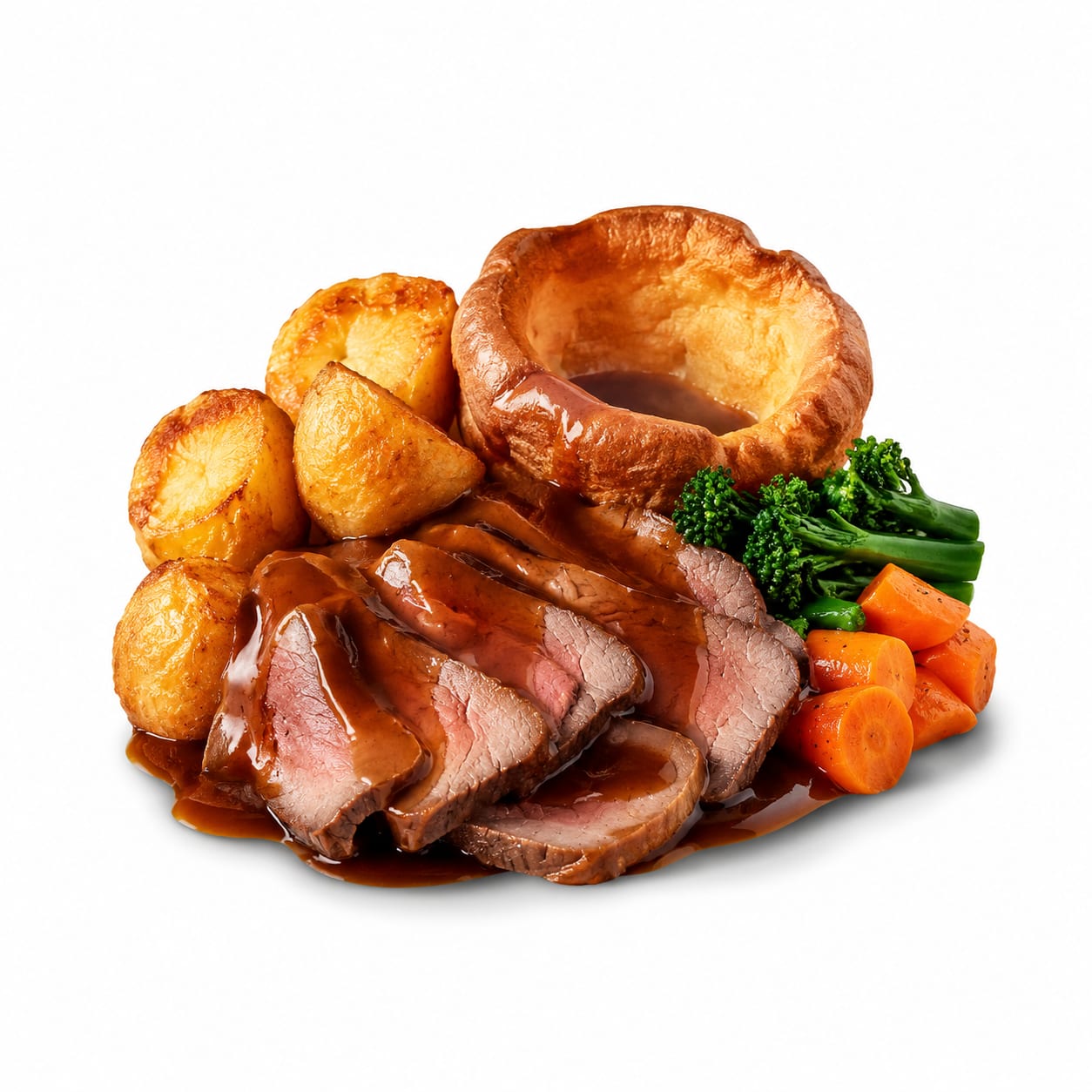
Sunday Roast
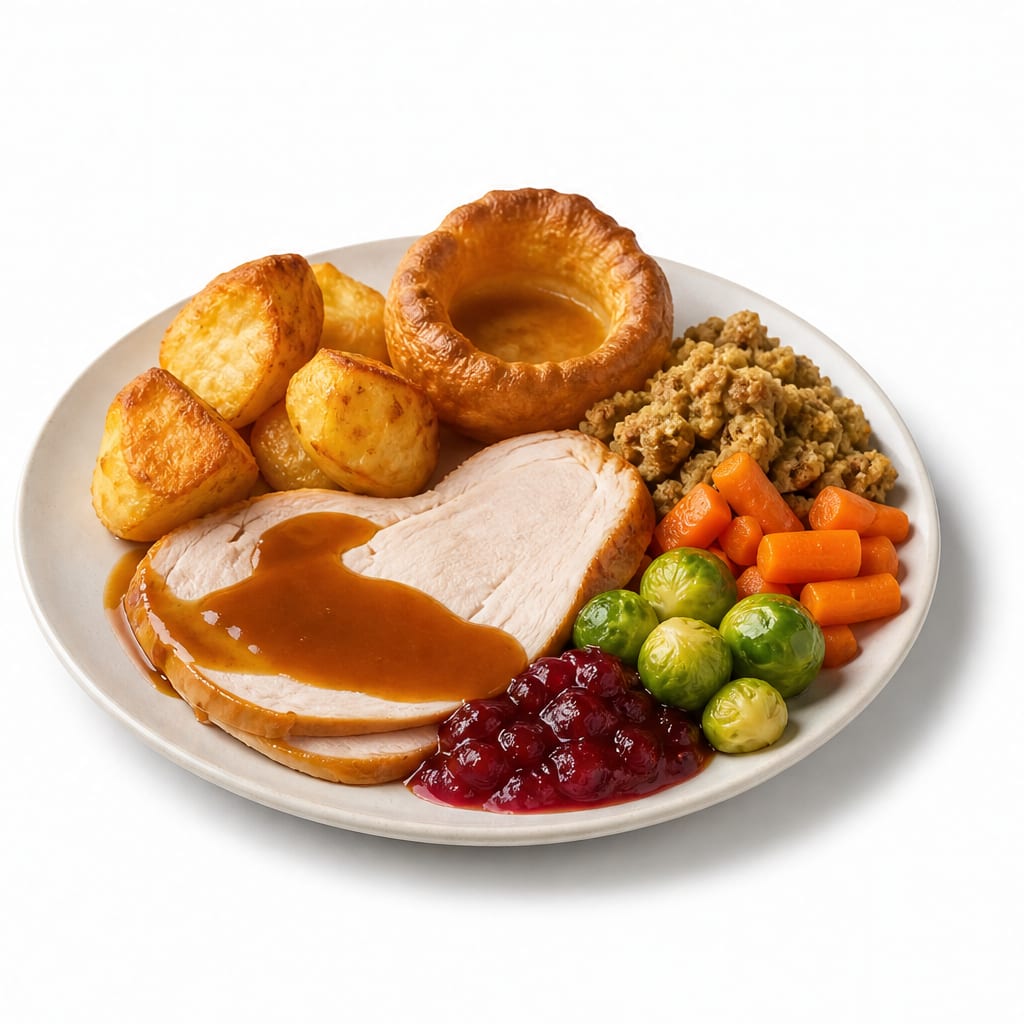
Christmas Dinner
Sunday Roast delivers the same comforting roast-dinner satisfaction with better portion control and nutritional balance, while Christmas Dinner is a richer, heavier celebration that's best enjoyed as a rare event.
Sunday Roast scores notably higher because it delivers roast-dinner satisfaction in a more nutritionally balanced, repeatable format. Christmas Dinner isn't unhealthy in isolation — the problem is its calorie density, sodium load, and the cultural pressure to overeat make it unsuitable as anything other than an occasional indulgence.
Christmas Dinner offers more variety and festive indulgence but comes with significantly more calories, sodium, and sugar — Sunday Roast gives you the roast experience without the seasonal excess.
At a glance
Executive summary
Overall
Sunday Roast
Healthier
Sunday Roast
More practical
Sunday Roast
Daily use
Sunday Roast
Key comparison lenses
calorie density and portion control
Christmas Dinner is famously indulgent with multiple rich sides, while Sunday Roast is a more restrained weekly tradition
frequency appropriateness
One is designed for weekly enjoyment, the other is a once-a-year feast — comparing them raises real questions about sustainable eating patterns
nutritional balance
Both meals share roots but diverge sharply in how many extras, sauces, and desserts accompany the plate
sodium and saturated fat load
Pigs in blankets, stuffing, gravy, and bread sauce push Christmas Dinner's sodium and fat significantly higher
emotional eating and overindulgence
Christmas culture encourages second helpings and prolonged eating, making portion control much harder
Best choice for
Sunday Roast
- Weekly family meals without guilt
- Maintaining steady energy through the afternoon
- People watching their weight who still want comfort food
- Consistent protein and vegetable intake
Christmas Dinner
- Annual celebration and tradition
- Maximum festive enjoyment without holding back
- Large gatherings where variety matters more than restraint
- Creating memorable food experiences
Least suitable for
Sunday Roast
- Anyone wanting a truly special, indulgent celebration meal
- Occasions demanding elaborate variety and spectacle
Christmas Dinner
- Anyone managing hypertension or heart conditions strictly
- Regular weekly consumption — it's simply too rich
- People trying to lose weight during the holiday season
Deep comparison
Dimension by dimension
Each lens scores both foods and breaks down who each option suits.
- Dimension 1 · Priority 92Sunday Roast
calorie_density_and_portion_control
Sunday Roast · 68Christmas Dinner · 35A typical Sunday Roast runs 800-1200 calories, while Christmas Dinner easily hits 1500-3000+ once you include all courses and second helpings.
Tradeoff
Christmas Dinner offers more flavors and dishes but makes mindful eating extremely difficult — the social environment encourages overloading your plate.
Why it matters
One Christmas Dinner can exceed half your daily calorie needs before dessert, while a Sunday Roast stays within reasonable bounds even with a generous portion.
Real-world impact
That post-Christmas food coma isn't just cultural — it's your body processing a massive caloric hit that leaves you sluggish for hours.
Sunday Roast
- Staying within daily calorie targets
- Avoiding that overstuffed, sluggish feeling
- Consistent energy through the rest of the day
Better for
- May feel too light for a special occasion
Worse for
Christmas Dinner
- Maximum hedonic enjoyment if calories are not a concern
- Athletes or very active people needing serious caloric intake
Better for
- Almost guaranteed overconsumption
- Post-meal lethargy and bloating
- Difficult to stop at one reasonable plate
Worse for
- Dimension 2 · Priority 85Sunday Roast
nutritional_balance
Sunday Roast · 74Christmas Dinner · 55Sunday Roast typically centers on one protein with vegetables and potatoes — a reasonably balanced plate. Christmas Dinner layers on stuffing, pigs in blankets, bread sauce, cranberry sauce, and dessert, tilting the balance toward fat, salt, and sugar.
Tradeoff
Christmas Dinner has more vegetable variety on paper, but the sheer volume of rich additions drowns out the nutritional benefit of those extras.
Why it matters
A balanced plate keeps blood sugar steadier and energy more consistent. Too many rich sides at once creates a metabolic traffic jam.
Real-world impact
After a Sunday Roast you might still want to go for a walk. After Christmas Dinner, the couch is calling and nothing else.
Sunday Roast
- Cleaner protein-to-carb-to-fat ratio
- Easier to fill half your plate with vegetables
- Less gravitational pull toward seconds
Better for
- Less variety of nutrients from fewer side dishes
Worse for
Christmas Dinner
- Broader micronutrient spread from more vegetable dishes
- Turkey provides excellent lean protein if you skip the skin
Better for
- Vegetable benefits get overshadowed by fat and sodium
- Multiple rich sides compete for stomach space
Worse for
- Dimension 3 · Priority 80Sunday Roast
sodium_and_saturated_fat_load
Sunday Roast · 62Christmas Dinner · 38Pigs in blankets, stuffing, gravy, and bread sauce make Christmas Dinner a sodium and saturated fat minefield. Sunday Roast has gravy and roast potatoes too, but fewer concentrated salt-fat bombs on the plate.
Tradeoff
Those salty, fatty extras are what make Christmas Dinner taste so celebratory — but they come at a real cardiovascular cost, especially combined with alcohol.
Why it matters
A single high-sodium, high-sat-fat meal can spike blood pressure and leave you bloated and thirsty for a full day afterward.
Real-world impact
Waking up the day after Christmas feeling puffy and dehydrated is the sodium talking, not just the alcohol.
Sunday Roast
- Lower cumulative sodium hit
- Less saturated fat from processed additions
- Easier on blood pressure and fluid balance
Better for
- Gravy and roast potatoes still contribute meaningful sodium and fat
Worse for
Christmas Dinner
- No real advantage here — the extras taste great but cost you nutritionally
Better for
- Pigs in blankets are essentially salt and saturated fat delivery vehicles
- Stuffing and bread sauce add hidden sodium
- Combined with alcohol, the sodium load is punishing
Worse for
- Dimension 4 · Priority 72Sunday Roast
sugar_content
Sunday Roast · 70Christmas Dinner · 40Sunday Roast is mostly savory with perhaps a modest dessert. Christmas Dinner brings cranberry sauce, Christmas pudding, mince pies, and chocolate — a sugar cascade that starts at the main plate and intensifies through dessert.
Tradeoff
Christmas pudding and mince pies are non-negotiable traditions for many, but they push the meal's sugar content into territory that derails blood sugar for the rest of the day.
Why it matters
A sugar-heavy meal after an already large dinner amplifies the blood sugar spike and crash cycle, worsening fatigue and cravings.
Real-world impact
That sleepy, foggy feeling by 4pm on Christmas Day is your blood sugar on a rollercoaster.
Sunday Roast
- Main plate is almost entirely savory
- Dessert is optional and typically smaller
- Blood sugar stays more predictable
Better for
- Less festive sweetness if that's what you're craving
Worse for
Christmas Dinner
- Cranberry sauce adds antioxidants alongside the sugar
- Christmas pudding contains dried fruit with some fiber
Better for
- Multiple sugar sources compound throughout the meal
- Christmas pudding alone can contain 40-60g of sugar per serving
- Sets up next-day sugar cravings
Worse for
- Dimension 5 · Priority 88Sunday Roast
frequency_appropriateness_and_sustainability
Sunday Roast · 82Christmas Dinner · 25Sunday Roast is literally designed for weekly repetition — balanced enough to become a sustainable tradition. Christmas Dinner is an event, not a habit.
Tradeoff
You can enjoy a Sunday Roast every week without health consequences. Eating Christmas Dinner weekly would be a nutritional disaster.
Why it matters
The healthiest eating pattern is one you can sustain. Sunday Roast fits into normal life; Christmas Dinner is a deliberate departure from it.
Real-world impact
If you ate Christmas Dinner every Sunday, you'd likely gain 10-15 pounds in a year just from the extra calories and sodium.
Sunday Roast
- Sustainable as a weekly ritual
- Doesn't require recovery or course correction
- Supports consistent healthy eating patterns overall
Better for
- Can feel routine if not varied seasonally
Worse for
Christmas Dinner
- The rarity makes it special and psychologically rewarding
Better for
- Completely unsustainable as a regular meal
- Each occurrence requires dietary compensation afterward
- Encourages a feast-famine mindset around food
Worse for
- Dimension 6 · Priority 70It depends
protein_quality_and_quantity
Sunday Roast · 72Christmas Dinner · 70Both meals deliver solid protein — Sunday Roast often features beef or lamb (higher iron), while Christmas Dinner centers on turkey (leaner, excellent protein-to-calorie ratio).
Tradeoff
Beef and lamb provide more iron and B12, but turkey offers more protein with less saturated fat. The real difference is what surrounds the protein on the plate.
Why it matters
Protein quality matters for satiety and muscle maintenance, but both meals deliver more than enough — the surrounding choices matter more.
Real-world impact
You'll feel equally full from protein either way. The difference is whether that fullness comes with a manageable or excessive calorie price tag.
Sunday Roast
- Beef provides superior iron and B12
- Lamb offers zinc and omega-3s if grass-fed
Better for
- Beef and lamb carry more saturated fat per serving
Worse for
Christmas Dinner
- Turkey is leaner with an outstanding protein-to-fat ratio
- More protein per calorie consumed
Better for
- Turkey can dry out and feel less satisfying texturally
Worse for
Timeline
Health impact over time
Short-term
Hours to days
Sunday Roast
- Comfortable fullness without excessive sluggishness
- Steady energy through the afternoon
- Mild sodium intake from gravy and roasted items
Christmas Dinner
- Significant post-meal drowsiness and bloating
- Blood sugar spike from combined carbs and desserts
- Thirst and fluid retention from high sodium intake
- Potential indigestion from sheer volume and fat content
Long-term
Months to years
Sunday Roast
- Supports consistent protein and vegetable intake as a weekly habit
- Manageable sodium and calorie load doesn't disrupt overall health goals
- Can be part of a balanced lifestyle without modification
Christmas Dinner
- Fine as an annual event with no meaningful long-term impact
- If repeated monthly or weekly, would contribute to weight gain and elevated blood pressure
- The all-or-nothing eating pattern it encourages can spill into surrounding days
Risk profile
Safety & processing
Sunday Roast is mostly whole foods — roasted meat, potatoes, and vegetables with gravy made from pan drippings. Christmas Dinner adds stuffing (often pre-made with preservatives), pigs in blankets (processed meat), and desserts with artificial colors and preservatives, pushing it into more processed territory.
Sunday Roast
Undercooked roast meat
mediumLarge joints of beef or lamb can be served rare in the center, which is fine for whole cuts but risky if surface bacteria have been driven inward during tenderizing.
Gravy storage and reheating
lowHomemade gravy from pan drippings needs prompt refrigeration and thorough reheating to avoid bacterial growth.
Christmas Dinner
Turkey undercooking
highA large turkey is the most common source of Christmas food poisoning — the bird must reach 74°C throughout, and the cavity stuffing often lags behind the meat temperature.
Processed meat from pigs in blankets
mediumSausages and bacon carry higher foodborne illness risk and contain nitrates linked to colorectal cancer with regular consumption.
Extended room temperature exposure
mediumChristmas meals often sit out for hours during prolonged gatherings, giving bacteria time to multiply in the danger zone between 4°C and 60°C.
Who wins for whom
Audience fit
Same foods, different winners depending on your goal.
children
Sunday RoastSunday Roast offers a simpler plate that's easier for children to navigate nutritionally. Christmas Dinner's excitement and sugar can overwhelm their appetite regulation.
daily consumption
Sunday RoastSunday Roast is designed for weekly repetition. Christmas Dinner as a regular meal would be nutritionally catastrophic.
diabetes
Sunday RoastSunday Roast has fewer sugar sources and a more predictable glycemic load. Christmas Dinner's cranberry sauce, stuffing, and desserts create a blood sugar management nightmare.
elderly
Sunday RoastOlder adults are more sensitive to sodium and heavy meals — Sunday Roast is gentler on digestion and blood pressure while still providing adequate protein and nutrients.
muscle gain
It dependsBoth provide ample protein — Christmas Dinner edges ahead in total calories which can help bulking, but Sunday Roast delivers cleaner protein without the excess fat and sodium.
weight loss
Sunday RoastSunday Roast can be portioned reasonably and still feel satisfying, while Christmas Dinner makes calorie control nearly impossible due to variety and social pressure.
Your move
Decision guide
Choose Sunday Roast
- You want a satisfying roast meal you can enjoy every week without consequences
- Blood pressure, weight management, or blood sugar control are priorities
- You prefer feeling comfortably full rather than stuffed and sluggish
- You want a balanced plate where vegetables aren't drowned out by rich extras
Choose Christmas Dinner
- It's actually Christmas or a comparable celebration — the tradition matters
- You want maximum variety and indulgence and are willing to accept the aftereffects
- You're very active and can absorb the extra calories without issue
- The social and emotional experience of the feast is the priority
Either works if
- You simply want a comforting hot meal with roasted meat and vegetables
- Protein intake is your main concern — both deliver well
- You're cooking for a family gathering and want something warm and communal
Avoid both if
- You need a light meal — both are heavy, sit-down affairs
- You're managing severe sodium restrictions and can't control the gravy and seasoning
- You're eating alone and prone to overeating comfort foods
Final recommendation
Make Sunday Roast your regular tradition and let Christmas Dinner be the exception it's meant to be. The smartest move at Christmas is to enjoy the feast mindfully — fill up on turkey and vegetables first, go easy on the pigs in blankets and stuffing, and savor a smaller portion of dessert. You get all the joy with far less of the aftermath.
Practical
Consumer tips
- 1
Load your Christmas plate with turkey and vegetables first, then add small portions of the richer sides — you'll eat less overall but feel just as satisfied
- 2
Make gravy from scratch rather than using granules to cut sodium by 40-50%
- 3
Roast potatoes in olive oil instead of dripping to reduce saturated fat without sacrificing crispiness
- 4
Walk for 15-20 minutes after either meal — it dramatically reduces the blood sugar spike and helps with digestion
- 5
If you're hosting Christmas, serve vegetables unadorned or lightly seasoned so they actually contribute nutrition rather than just being vehicle for butter
- 6
Skip seconds at Christmas Dinner — the first plate already has everything you need nutritionally
- 7
Offer a lighter dessert option alongside Christmas pudding — a fruit-based alternative lets people choose their sugar commitment