
Fungi
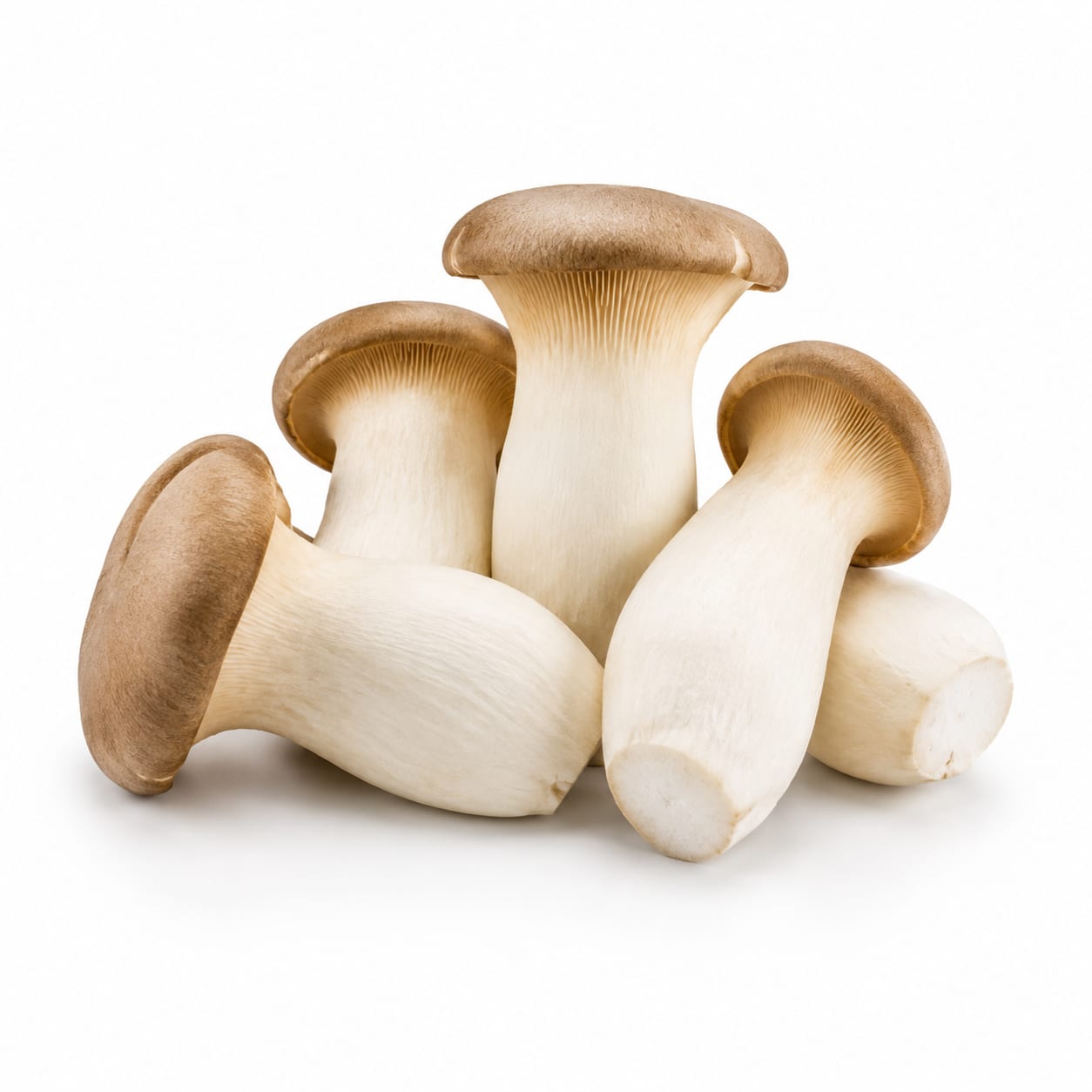
King Oyster Mushroom
A large, meaty edible mushroom prized for its thick stem and high umami flavor, often used as a vegan meat alternative.
A large, thick-stemmed edible mushroom known for its dense, meaty texture and mild umami flavor, widely used as a plant-based meat substitute.
low-calorie high-fiber fungi
Typical serving · 100g
Common varieties · standard king oyster, mini king oyster, king trumpet
Overall context score across nutrition, safety, and diet fit
At a glance
Quick facts
Simple indicators based on nutrition, processing, and diet fit.
The story
What makes it unique
King oyster mushrooms are low-energy-density fungi composed largely of water and indigestible chitin. Their cell walls contain beta-glucans, which slow digestion and moderate glycemic response. They provide high satiety relative to their caloric content due to their physical volume and fiber content, digesting slowly in the gastrointestinal tract.
Varieties: standard king oyster · mini king oyster · king trumpet
Per 100g
Nutrition breakdown
Macro balance and key metrics at a glance.
Energy
Density 0.43 kcal/g
Protein
Carbs
Fat
Fiber
Sugar
1.5 g
Sodium
5 mg
Potassium
420 mg
Glycemic index
15
Glycemic load
1
Water content
87%
Standout compounds
Nutrient highlights
Beta-glucans
highSupports immune function and helps lower blood cholesterol
Chitin
highProvides prebiotic fiber that resists digestion and feeds gut microbiota
Potassium
moderateRegulates fluid balance and supports healthy blood pressure
B Vitamins
moderateSupports cellular energy production and nervous system health
Wellness map
Health scores & processing
NOVA processing scale
minimally processed · Whole food
Sold as a whole, unrefined agricultural product requiring only washing and cutting before cooking.
Diet compatibility
- Weight loss
- Muscle gain
- Diabetes
- Gut health
- Low carb
- High protein
- Heart health
Relative standing
Food rankings
Qualitative ranks compared to similar whole foods.
- Satietyexcellent
- Blood sugarexcellent
- Nutrient densitygood
- Fitness fuelmoderate
- Processing qualityexcellent
Eat with confidence
Food safety profile
Highly safe when cooked. Always cook thoroughly to break down trace agaratine and prevent bacterial contamination from soil.
Evidence confidence 90%
- Pesticideslow
- Antibioticslow
- Heavy metalslow
- Contaminationlow
Watch for
- soil-borne bacteria
- mold spoilage
Safer choices
Organically cultivated varieties if concerned about substrate quality.
Prep tips
Wipe with a damp cloth or rinse briefly just before cooking; avoid soaking as they act like sponges. Slice and cook thoroughly to neutralize mild natural toxins and ensure digestibility.
Minimal. Commercially cultivated indoors under controlled conditions, reducing agricultural runoff and pesticide exposure.
Deep dive
Health analysis
How this food may fit different goals and preparation choices.
Weight loss
Extremely low energy density and high physical volume promote fullness without excess calories, making it ideal for high-volume eating strategies.
Blood sugar
Very low glycemic index and load. The chitin and beta-glucan content slows carbohydrate absorption, preventing blood sugar spikes.
Fitness & energy
Provides minimal direct caloric fuel but serves as an excellent low-calorie base for pre-workout meals when paired with complex carbohydrates.
Gut health
Acts as a prebiotic source. Chitin and beta-glucans resist digestion in the upper GI tract and ferment in the colon, supporting microbiome diversity.
Processing quality
A whole, unprocessed food with no added ingredients, retaining its full natural fiber and micronutrient profile.
Food safety
Very safe when cooked. Commercial indoor cultivation minimizes heavy metal and pesticide risks common in wild foraged mushrooms.
Common mistakes
Slicing too thin, which loses the signature meaty texture; overcrowding the pan which causes steaming instead of searing; eating raw which can cause digestive distress.
Best preparation
Thickly slicing into rounds or planks, then dry-searing or pan-frying to achieve a golden crust before adding fats or sauces.
Practical guide
Best use cases
When and how this food fits real eating patterns.
Vegan scallops or steak
Thick cross-sections perfectly mimic the texture and bite of sea scallops or meat steaks when seared.
High-volume low-calorie eating
Adds massive physical bulk to stir-fries and soups for minimal caloric cost.
Low-carb umami booster
Delivers deep savory flavor to dishes without adding carbohydrates or heavy sodium.
Balance sheet
Pros & cons
Upsides
- Very low calorie with high physical volume
- Dense, meaty texture acts as an excellent plant-based substitute
- Rich in prebiotic fiber for gut health
- Contains beneficial beta-glucans for immune and heart health
- Minimal glycemic impact
Trade-offs
- Low in protein and healthy fats, requiring dietary pairing
- Can become soggy if cooked improperly
- Short shelf life compared to other vegetables
- Chitin can cause mild digestive upset if not cooked thoroughly
Fit check
Who is it for?
Great match
- vegan and vegetarian diets
- weight loss and volume eating
- blood sugar management
- low-carb and keto diets
Consider alternatives
- high-protein diets
- those seeking dense caloric fuel
- people with severe mushroom allergies
Side by side
How it compares
Open the full head-to-head analysis for nutrition, safety, and practical tradeoffs.
This food
King Oyster Mushroom
VS85% alike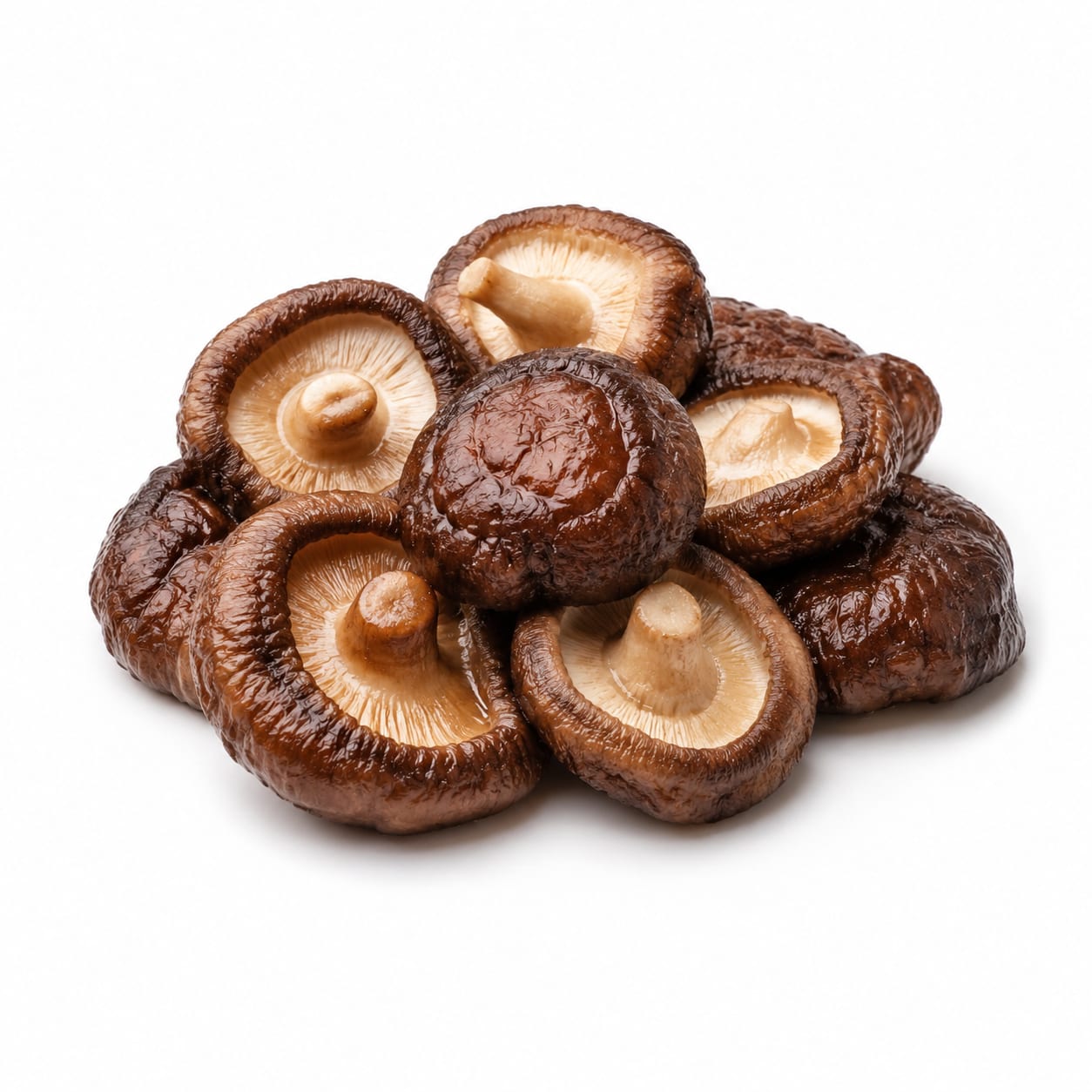
Compare with
Shiitake Mushroom
King oyster provides a meatier texture and fewer calories per volume, while shiitake offers a more concentrated flavor and higher levels of certain B vitamins.
King oyster mushrooms are lower in calories and have a meatier texture than shiitakes, making them better for volume eating, while shiitakes pack a stronger umami flavor.
This food
King Oyster Mushroom
VS80% alike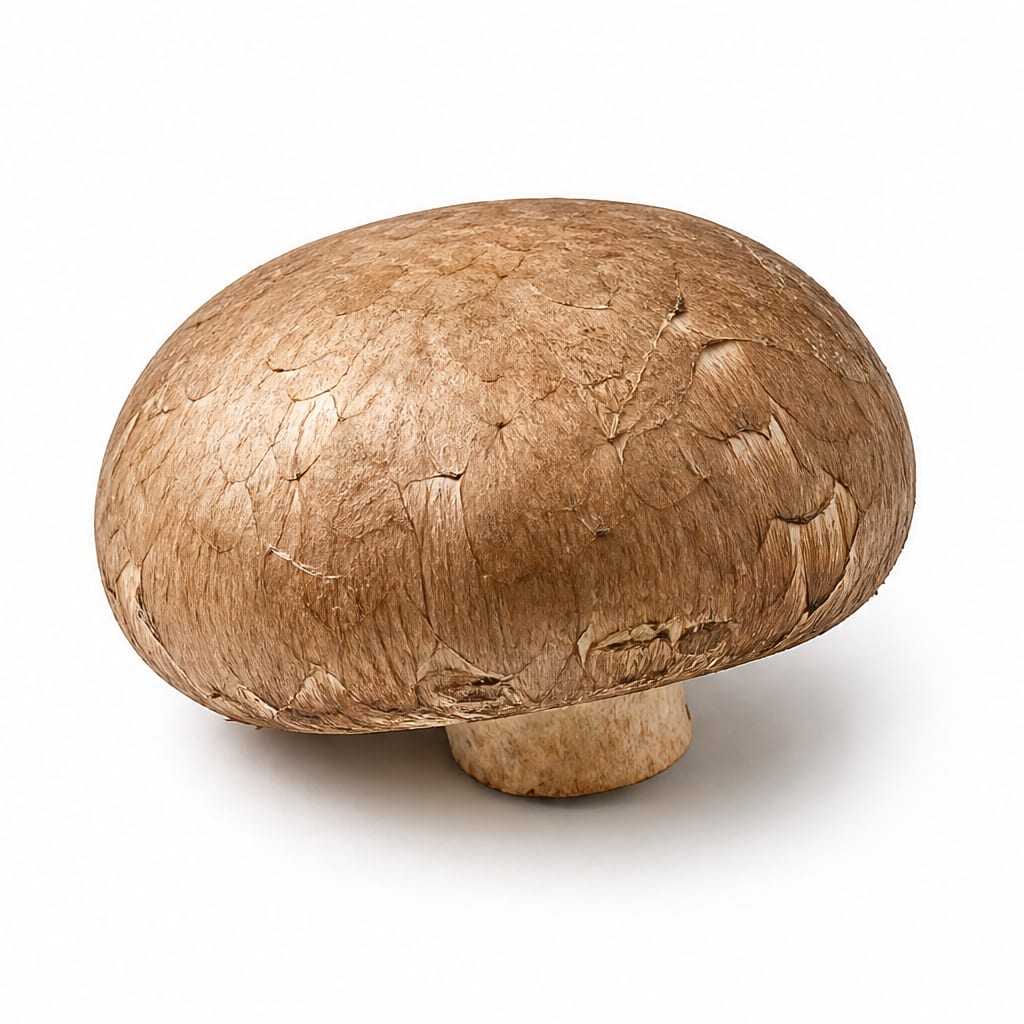
Compare with
Portobello Mushroom
King oyster has a denser, chewier texture and lower moisture content, while portobello offers a deeper earthy flavor but can become watery during cooking.
King oyster mushrooms provide a firmer, meatier bite and fewer calories than portobellos, which tend to release more water during cooking.
This food
King Oyster Mushroom
VS75% alike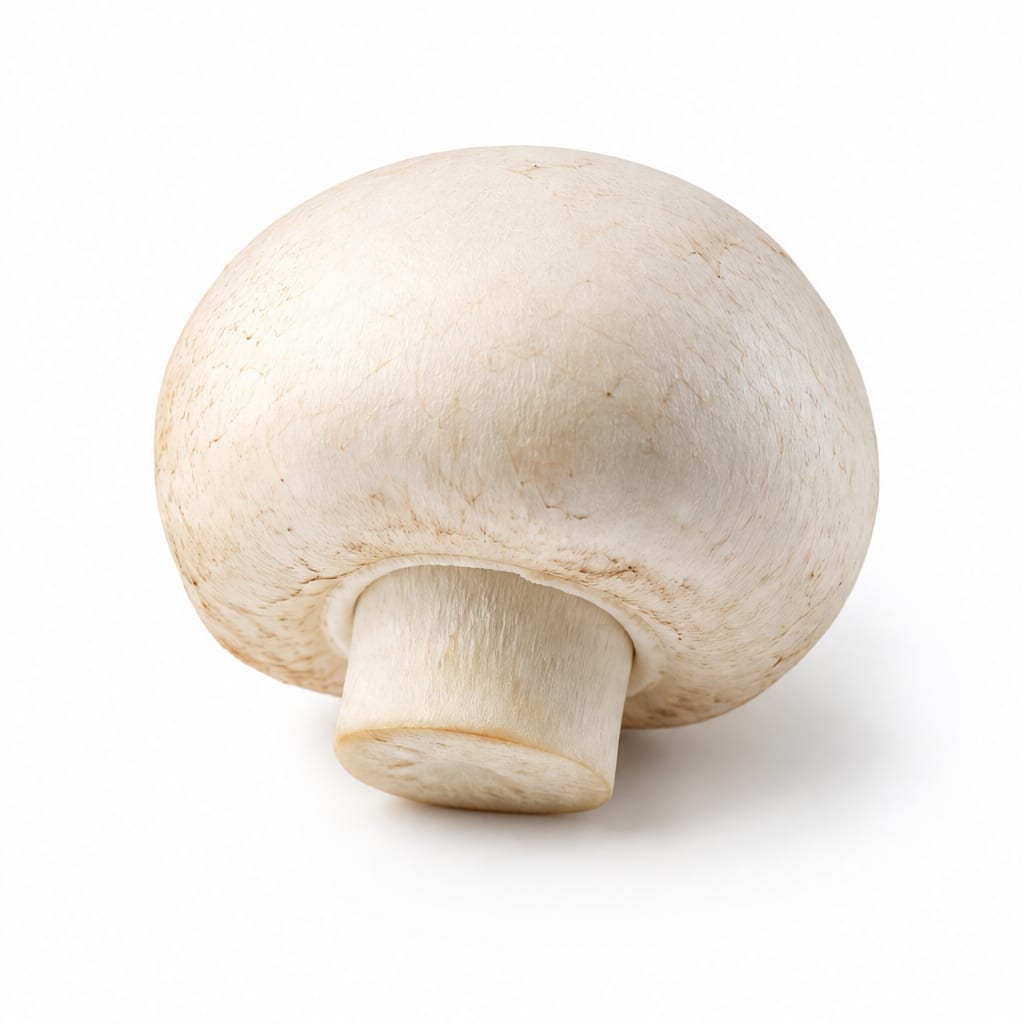
Compare with
Button Mushroom
King oyster is far denser and more substantial, whereas button mushrooms are softer, milder, and better suited for slicing into salads or sauces.
King oyster mushrooms offer a much denser, meatier texture and greater satiety per calorie compared to soft, mild button mushrooms.
This food
King Oyster Mushroom
VS60% alike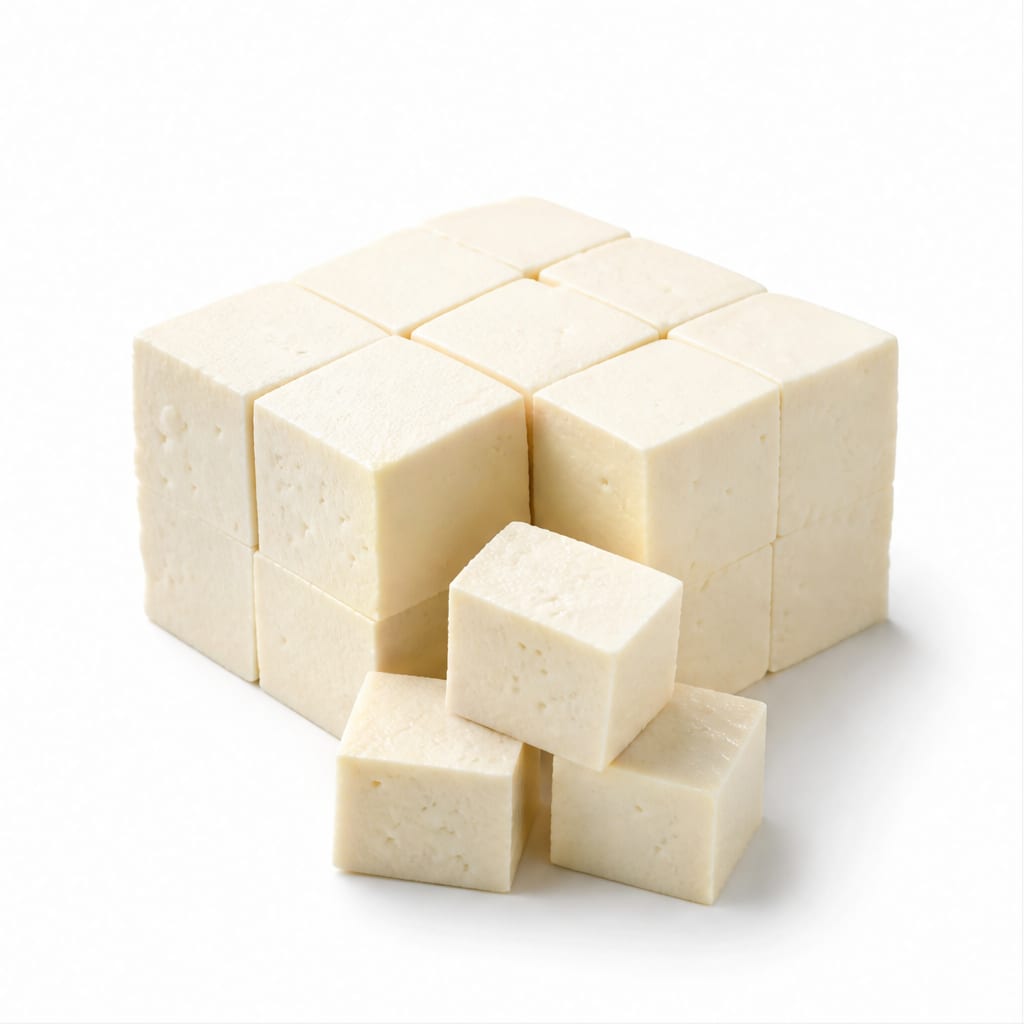
Compare with
Firm Tofu
Tofu provides significantly more protein and healthy fats, while king oyster mushrooms offer fewer calories and more fiber with a distinct umami taste.
Firm tofu is much higher in protein, making it better for muscle gain, while king oyster mushrooms are lower in calories and higher in fiber for weight loss.
This food
King Oyster Mushroom
VS65% alike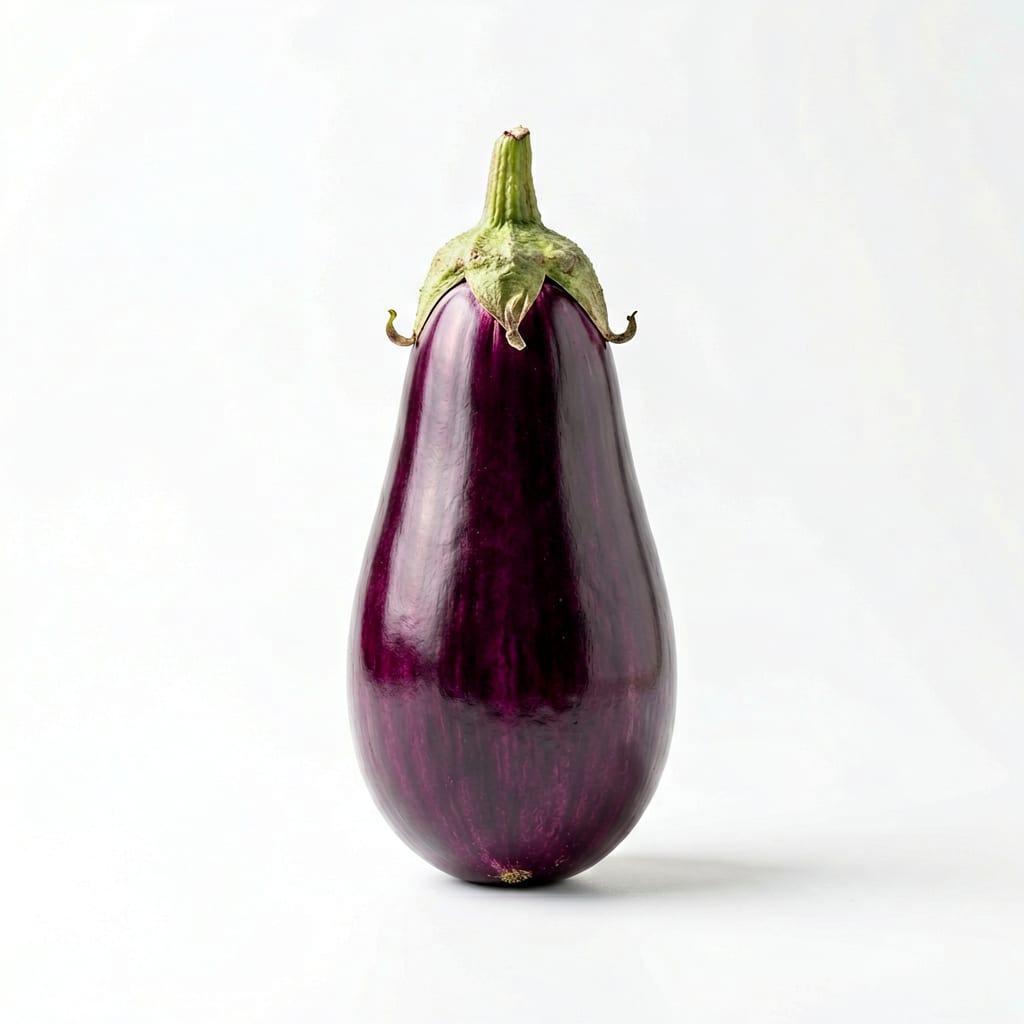
Compare with
Eggplant
King oyster mushrooms have a firmer, chewier texture and more protein per calorie, while eggplant is softer and higher in antioxidants like nasunin.
King oyster mushrooms are lower in calories and carbohydrates than eggplant, offering a meatier texture that holds up better in stir-fries.
This food
King Oyster Mushroom
VS60% alike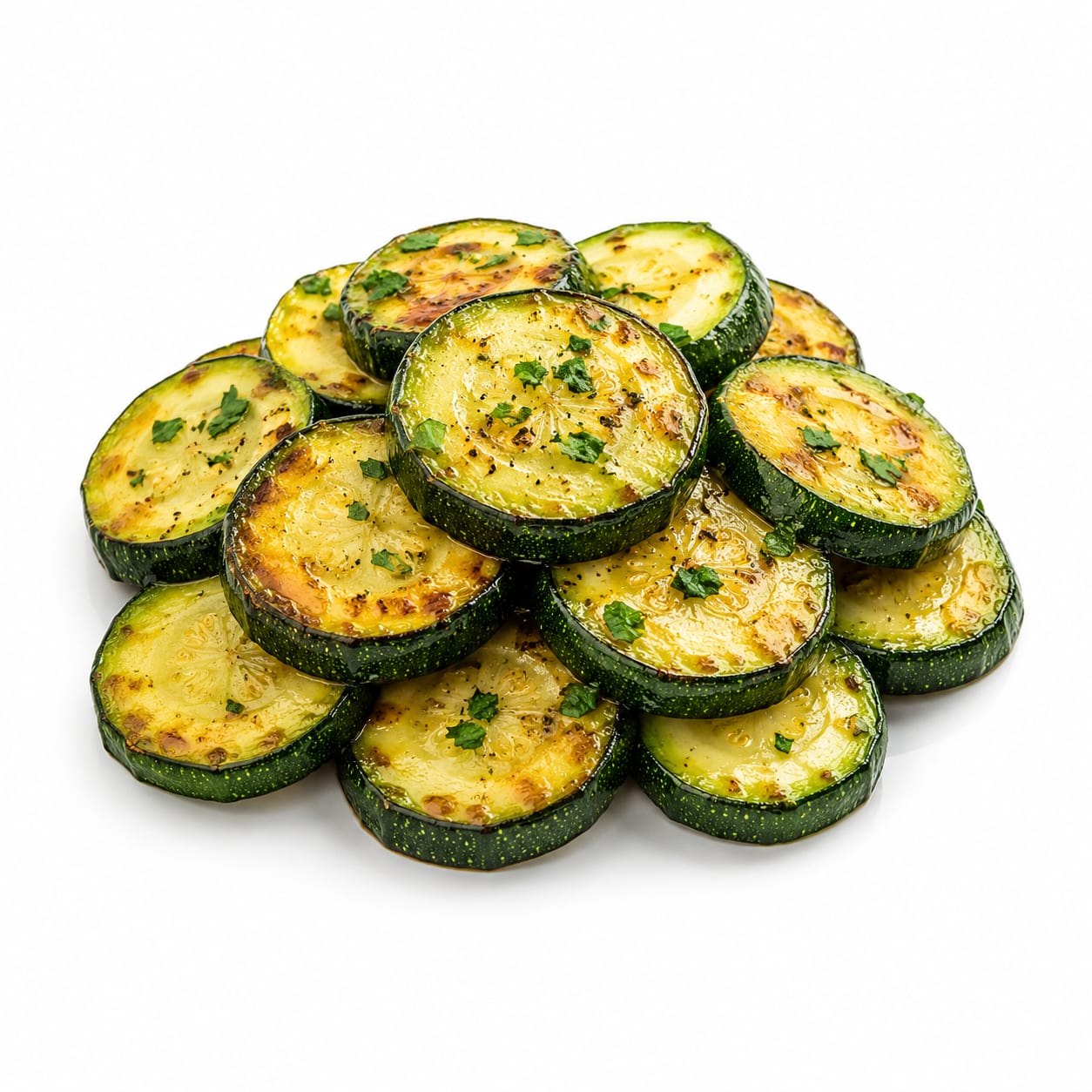
Compare with
Zucchini
Zucchini is more hydrating and lower in calories, but king oyster mushrooms provide significantly more fiber and a savory flavor profile.
Zucchini is slightly lower in calories, but king oyster mushrooms provide more fiber and a savory umami flavor that satisfies hunger better.
This food
King Oyster Mushroom
VS40% alike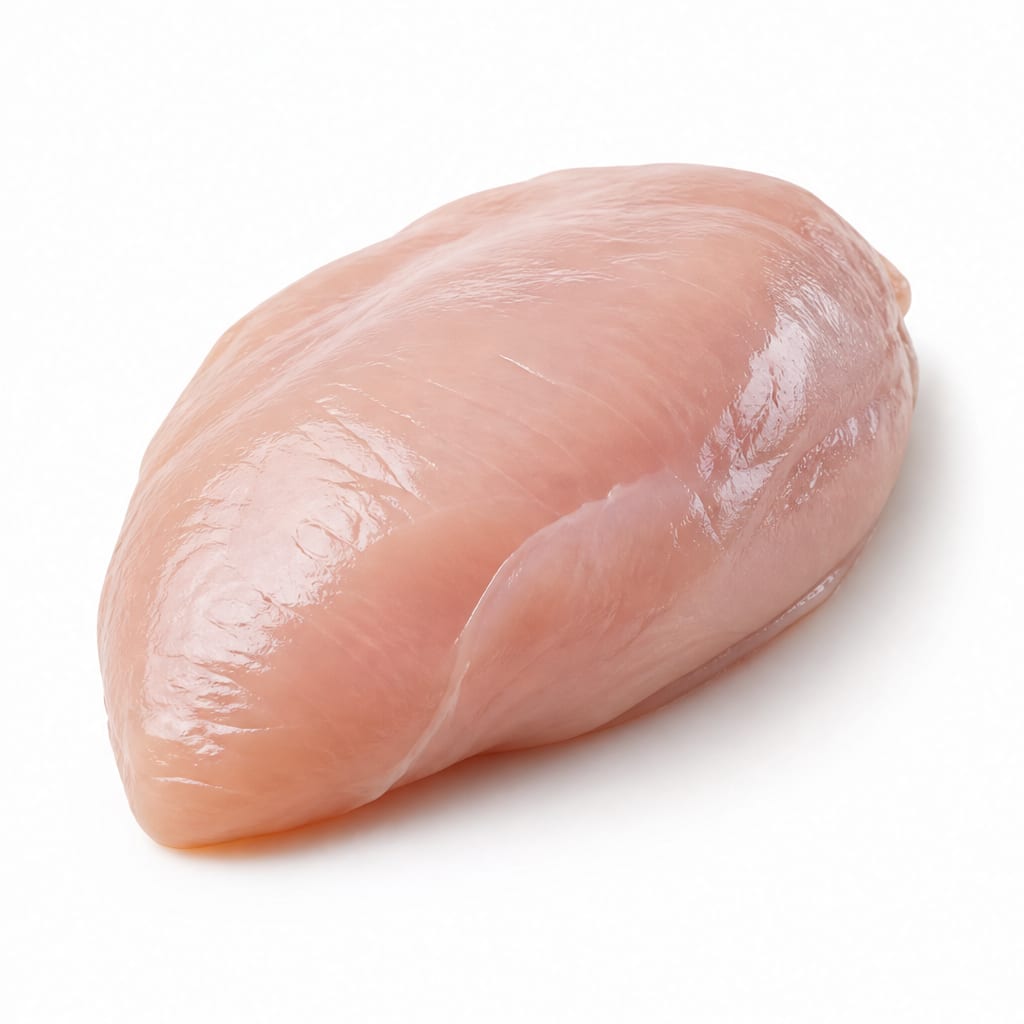
Compare with
Chicken Breast
Chicken breast is a high-protein, lean muscle-building staple, while king oyster mushrooms are a low-calorie, high-fiber fungi with minimal protein.
Chicken breast is far superior for protein and muscle gain, while king oyster mushrooms are a ultra-low calorie alternative for volume eating.
This food
King Oyster Mushroom
VS65% alike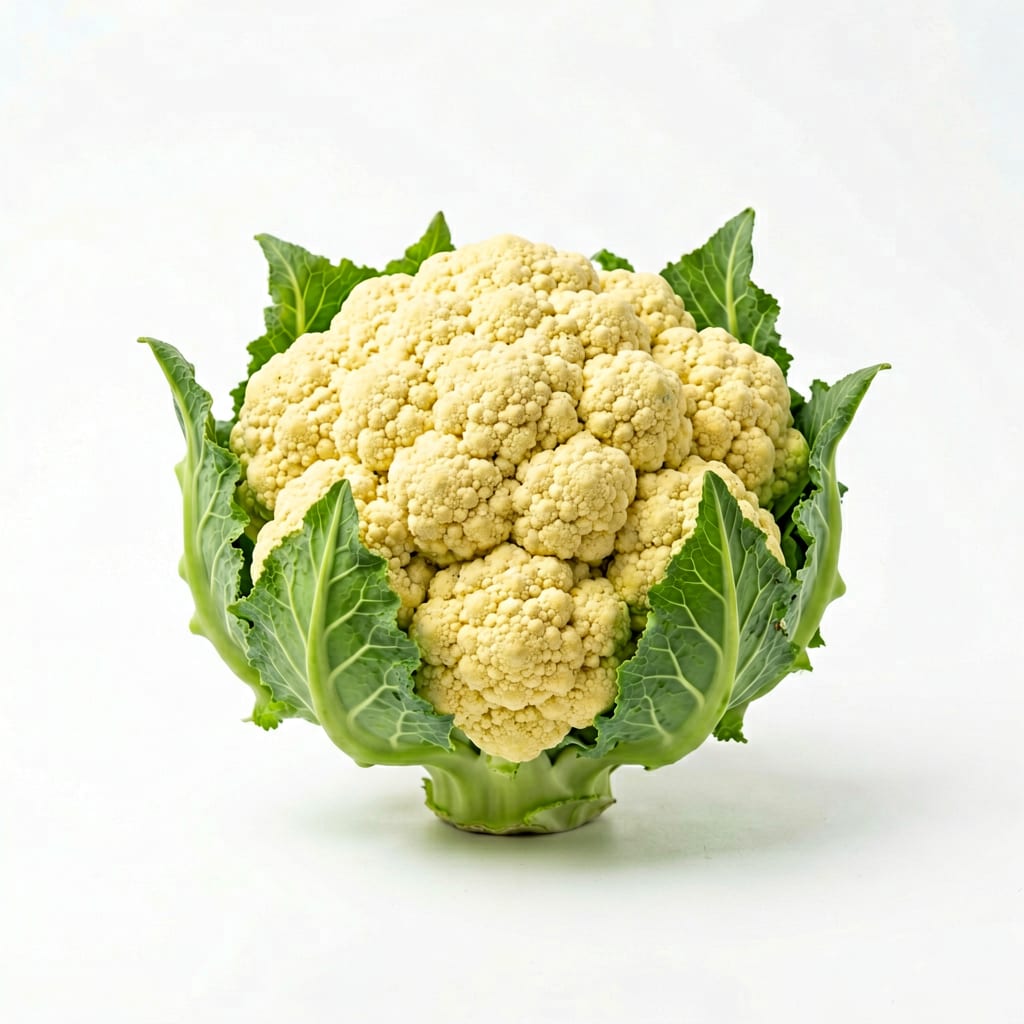
Compare with
Cauliflower
Cauliflower is higher in vitamin C and extremely versatile for low-carb substitutes, while king oyster mushrooms offer a meaty texture and more potassium.
Cauliflower and king oyster mushrooms are both great low-carb foods, but king oysters provide a denser, meatier chew that works better as a meat substitute.
This food
King Oyster Mushroom
VS55% alike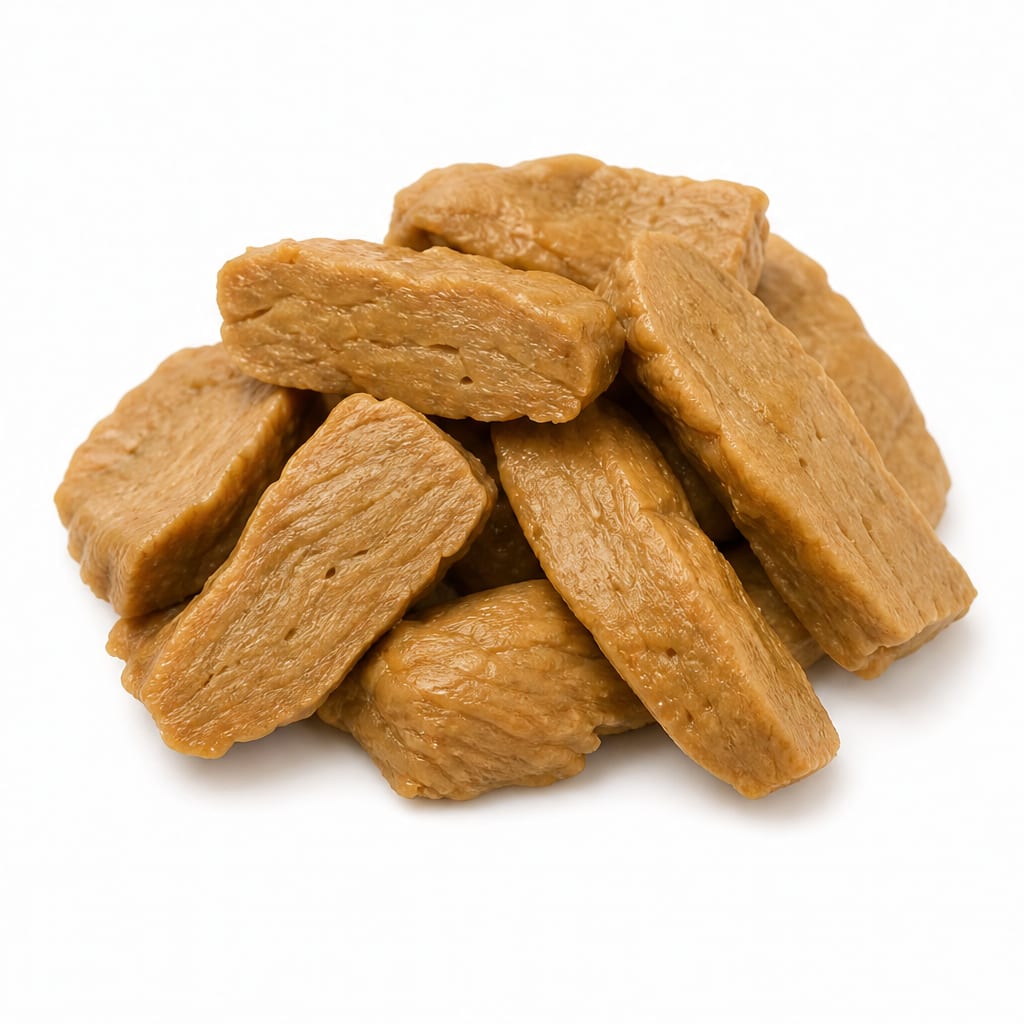
Compare with
Seitan
Seitan is extremely high in protein but is a highly processed wheat gluten product, whereas king oyster mushrooms are whole foods with minimal protein but high fiber.
Seitan provides much more protein for muscle building, but king oyster mushrooms are a whole food, lower in calories, and better for clean weight loss.
This food
King Oyster Mushroom
VS50% alike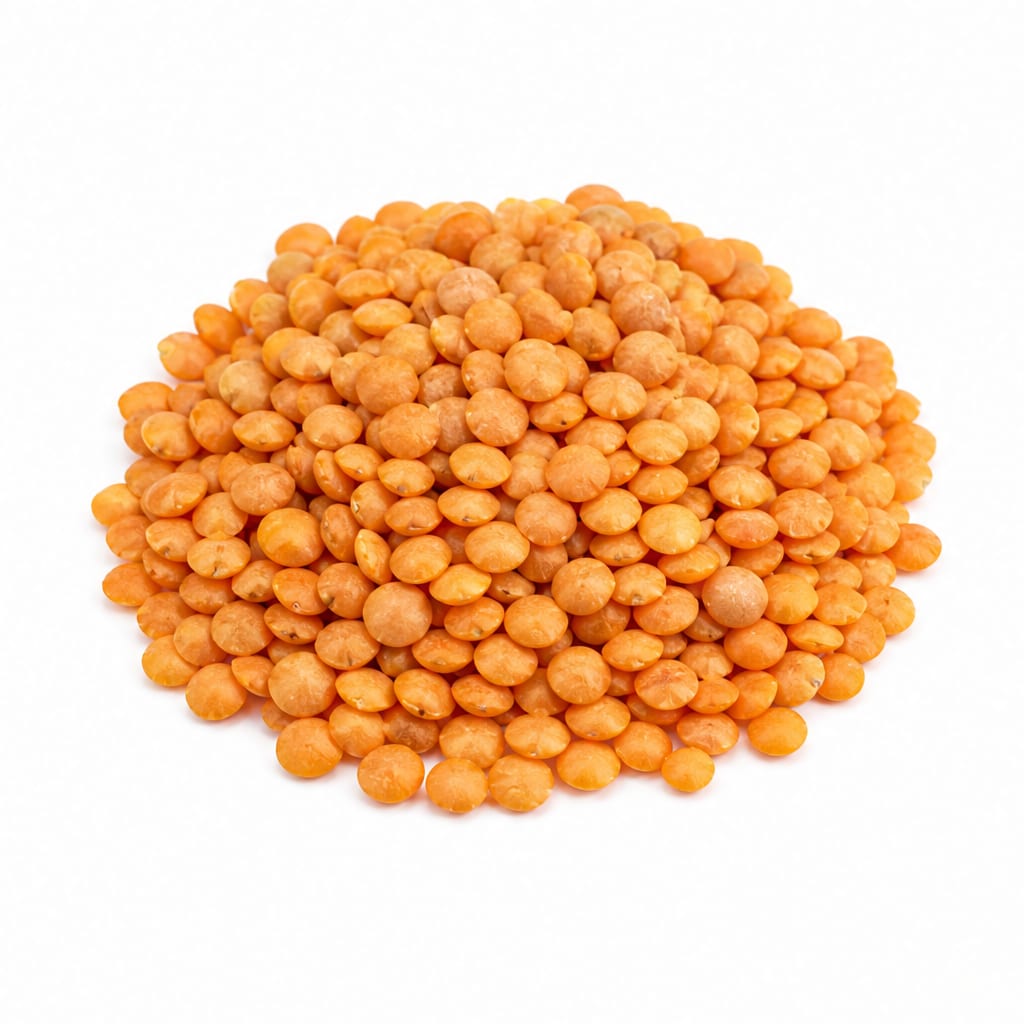
Compare with
Lentils
Lentils are rich in protein and complex carbohydrates, while king oyster mushrooms are nearly calorie-free and provide prebiotic fiber.
Lentils offer sustained energy and high protein, while king oyster mushrooms are a near-zero calorie food perfect for adding bulk without adding macros.
Common questions
FAQ
Answers aligned with how people search for this food.
Are king oyster mushrooms good for weight loss?
Yes, they are excellent for weight loss. They provide a large physical volume and meaty texture for very few calories, helping you feel full without overconsumption.
How do you cook king oyster mushrooms so they aren't soggy?
Slice them thickly and start with a dry, hot pan. Sear them without oil first to draw out moisture and create a crust, then add oil or butter towards the end.
Can you eat the stem of a king oyster mushroom?
Yes, the stem is the best part. Unlike other mushrooms with tough stems, the king oyster stem is dense, tender, and provides the signature meaty texture.
Are king oyster mushrooms high in protein?
No, they are not high in protein. While they contain about 3.3g per 100g, they should be paired with legumes, tofu, or meat to meet high protein needs.
Do king oyster mushrooms have health benefits?
Yes, they contain beta-glucans that support immune function and heart health, plus chitin fiber that feeds beneficial gut bacteria and helps regulate blood sugar.
Are king oyster mushrooms good for diabetics?
Yes, they have a very low glycemic index and load. Their fiber content slows glucose absorption, making them a safe and beneficial food for blood sugar management.
What is the difference between king oyster and regular oyster mushrooms?
King oyster mushrooms have a thick, central stem and small cap, offering a denser, meatier bite. Regular oyster mushrooms have broad, thin caps and short stems, with a more delicate texture.
Can you eat king oyster mushrooms raw?
It is not recommended. Raw mushrooms contain chitin that is hard to digest and trace amounts of agaritine. Cooking breaks down the cell walls for better nutrient absorption and digestibility.
Transparency
Data confidence
Estimated confidence for nutrition data, interpretation, safety notes, and comparisons.
Nutrition data
Health analysis
Food safety
Comparisons