
Nutrition comparison
King Oyster Mushroom vs Zucchini: Nutrition, Satiety, and Which to Choose
Compare King Oyster Mushroom and Zucchini side by side — calories, protein, fiber, immune benefits, and real-world practicality. Find out which fits your goals better.
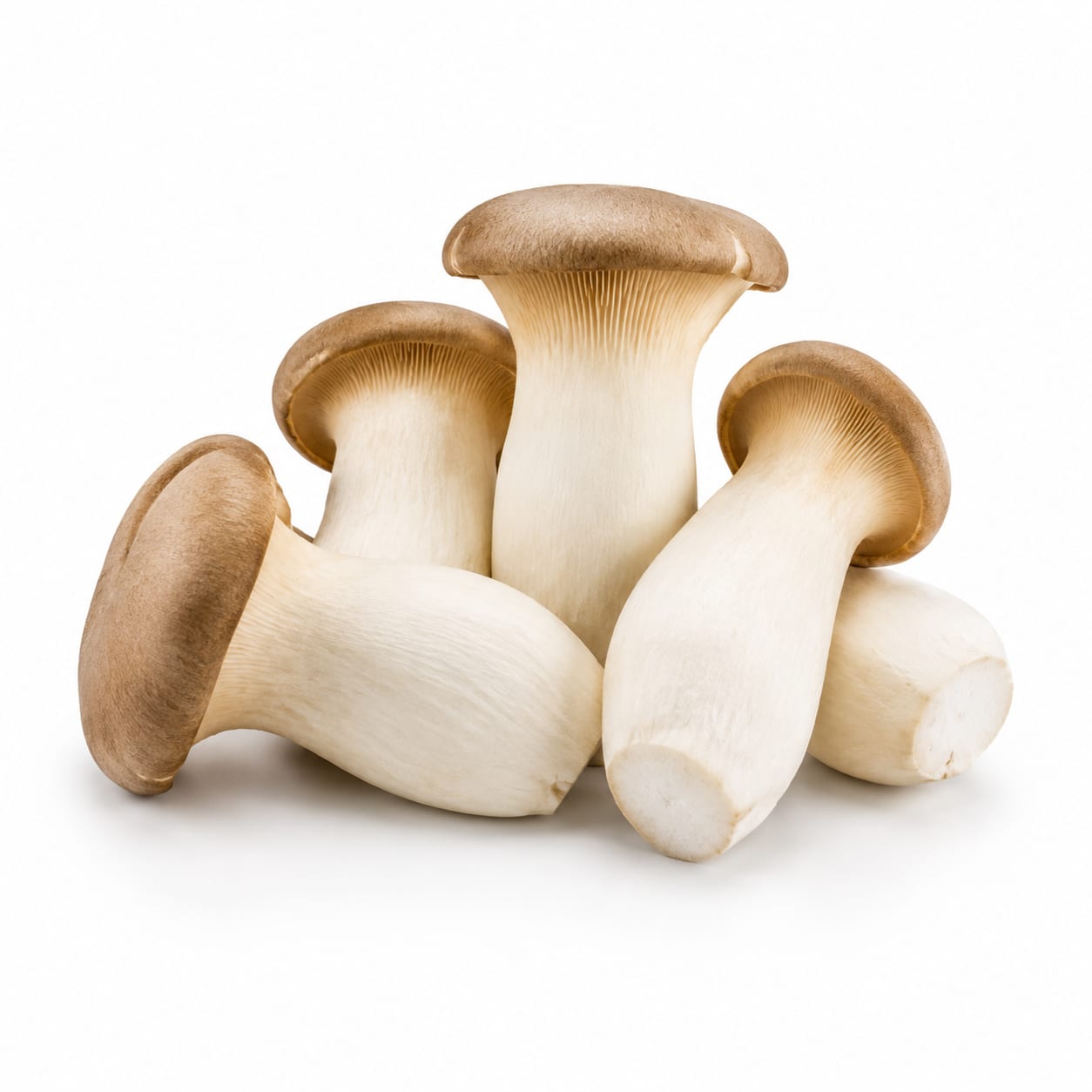
King Oyster Mushroom
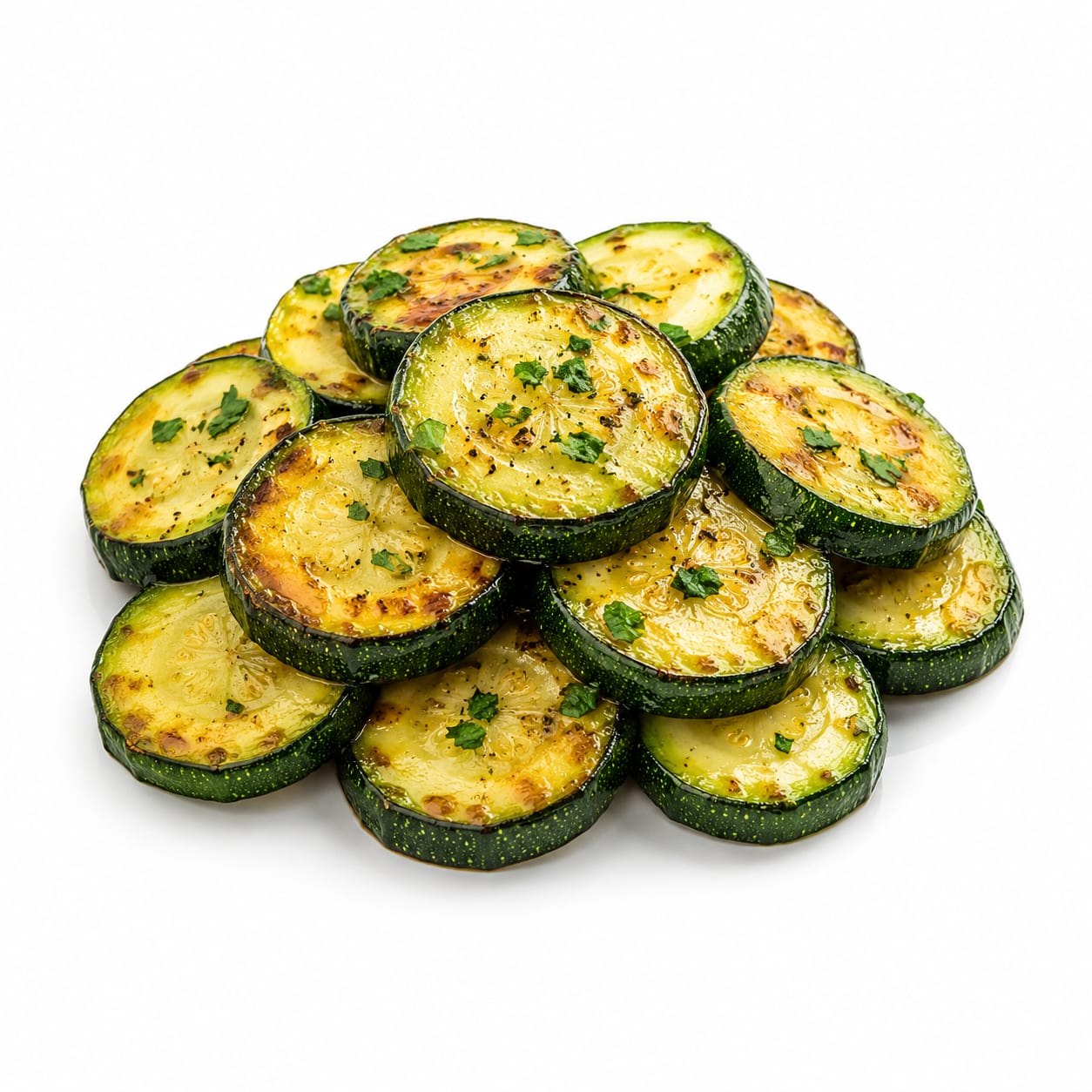
Zucchini
King Oyster Mushroom delivers more protein, unique immune-supporting compounds, and a satisfying meaty bite, while Zucchini offers fewer calories, more vitamin C, and unmatched versatility in everyday cooking.
King Oyster Mushroom edges ahead on nutritional depth and satiety, but Zucchini stays competitive through sheer practicality, lower calories, and broader recipe compatibility. The gap is small because both are genuinely healthy choices.
Substance versus flexibility — King Oyster Mushroom fills you up more and brings deeper nutrition, but Zucchini slides into almost any recipe effortlessly and costs less.
At a glance
Executive summary
Overall
It depends
Healthier
King Oyster Mushroom
More practical
Zucchini
Daily use
Zucchini
Key comparison lenses
low-calorie vegetable swap for volume eating
Both foods are extremely low in calories and often used as bulk fillers in meals, making them direct substitutes for people managing weight
nutrient density per calorie
Users choosing between these want to know which delivers more nutritional value for the same caloric cost
satiety and meal satisfaction
King Oyster Mushroom's meaty texture versus Zucchini's watery lightness creates a real difference in how full you feel afterward
culinary versatility and ease of use
Home cooks want to know which is easier to work with across different recipes and meal prep scenarios
immune and antioxidant benefits
Mushrooms offer unique compounds like beta-glucans and ergothioneine that Zucchini simply cannot match
Best choice for
King Oyster Mushroom
- People seeking plant-based umami and meat-like texture
- Anyone wanting immune-supporting beta-glucans
- Low-carb dieters needing more protein from vegetables
- Home cooks building stir-fries or savory roasts
Zucchini
- Volume eaters maximizing food quantity per calorie
- Meal preppers wanting a neutral vegetable base
- Families needing kid-friendly vegetable options
- Anyone on a tight grocery budget
Least suitable for
King Oyster Mushroom
- People with mushroom allergies or sensitivities
- Those who dislike earthy or umami flavors
- Very tight grocery budgets where cost per pound matters
Zucchini
- People needing substantial protein from vegetable sources
- Anyone seeking deep satiety from a single vegetable serving
- Those wanting significant micronutrient density per bite
Deep comparison
Dimension by dimension
Each lens scores both foods and breaks down who each option suits.
- Dimension 1 · Priority 92Zucchini
calorie density and weight management
King Oyster Mushroom · 70Zucchini · 88Zucchini contains roughly 17 calories per 100g versus King Oyster Mushroom's 43 calories per 100g, making it the clear winner for pure volume eating.
Tradeoff
Those extra calories in King Oyster Mushroom come with more protein and fiber, so you stay full longer — Zucchini fills your plate but not always your stomach.
Why it matters
If you are actively cutting calories, Zucchini lets you eat a mountain of food for almost nothing. But if you find yourself hungry an hour later, the mushroom's substance may actually serve you better.
Real-world impact
A heaping plate of sautéed Zucchini feels like a lot of food for under 50 calories. The same portion of sliced King Oyster Mushroom runs closer to 120 calories but leaves you more satisfied.
King Oyster Mushroom
- Sustained energy without snacking between meals
- Low-carb meals where protein still matters
Better for
- Extreme calorie restriction below 1200 kcal
Worse for
Zucchini
- Aggressive calorie deficit phases
- Large-volume meals when portions feel too small
Better for
- Meals where you need lasting fullness
Worse for
- Dimension 2 · Priority 85King Oyster Mushroom
protein and satiety
King Oyster Mushroom · 82Zucchini · 45King Oyster Mushroom provides roughly double the protein of Zucchini per serving, along with a dense chewy texture that signals fullness to your brain.
Tradeoff
Neither food is a protein powerhouse — you still need legumes, eggs, or meat. But King Oyster Mushroom contributes meaningfully while Zucchini is essentially a protein afterthought.
Why it matters
Protein from vegetable sources adds up over the day. If you are plant-based or reducing animal products, every gram counts toward staying satisfied.
Real-world impact
A cup of sliced King Oyster Mushroom adds about 3 grams of protein to your meal. Zucchini adds barely 1 gram. Over three meals a day, that difference compounds.
King Oyster Mushroom
- Plant-based eaters tracking protein intake
- Anyone who gets hungry soon after vegetable-heavy meals
Better for
- Being relied on as a primary protein source
Worse for
Zucchini
- Meals where protein comes from other components anyway
Better for
- Standalone snacks when you need lasting energy
Worse for
- Dimension 3 · Priority 80King Oyster Mushroom
unique bioactive compounds
King Oyster Mushroom · 90Zucchini · 40King Oyster Mushroom contains beta-glucans for immune support and ergothioneine, a potent antioxidant linked to longevity. Zucchini offers standard vitamins but no comparable specialty compounds.
Tradeoff
These compounds are genuinely rare in the vegetable world, but their effects are subtle and long-term — you will not feel an immediate difference after one meal.
Why it matters
Beta-glucans modulate immune function and may help lower cholesterol. Ergothioneine accumulates in tissues over time and appears protective against oxidative damage. Few everyday foods offer both.
Real-world impact
Regular mushroom consumption is associated with better immune resilience over months and years. Zucchini keeps you hydrated and provides vitamin C, but it does not move the needle on these deeper pathways.
King Oyster Mushroom
- Long-term immune and cellular health optimization
- Anyone interested in functional food benefits
Better for
- Expecting quick noticeable health changes
Worse for
Zucchini
- Immediate vitamin C needs for skin and immunity
Better for
- Deep antioxidant and immune support over time
Worse for
- Dimension 4 · Priority 75It depends
vitamin and mineral profile
King Oyster Mushroom · 68Zucchini · 65King Oyster Mushroom wins on B vitamins, potassium, and iron. Zucchini wins on vitamin C and vitamin A. They complement each other well.
Tradeoff
Neither is a micronutrient standout on its own. The real win is eating both rather than choosing one.
Why it matters
B vitamins support energy metabolism, while vitamin C aids iron absorption and skin health. Depending on what the rest of your diet lacks, either could fill a gap.
Real-world impact
If your diet is already rich in citrus and colorful vegetables, King Oyster Mushroom adds more unique value. If you are low on fresh produce overall, Zucchini's vitamin C is more immediately useful.
King Oyster Mushroom
- B-vitamin intake, especially for plant-based diets
- Potassium for blood pressure management
Better for
- Vitamin C contribution is minimal
Worse for
Zucchini
- Vitamin C for immune support and skin health
- Vitamin A precursors for eye health
Better for
- B-vitamin and iron content is negligible
Worse for
- Dimension 5 · Priority 75Zucchini
culinary versatility and convenience
King Oyster Mushroom · 60Zucchini · 88Zucchini works raw, grilled, baked, spiralized, or blended into sauces. King Oyster Mushroom is excellent but narrower — best sautéed, roasted, or grilled with savory seasonings.
Tradeoff
King Oyster Mushroom delivers a more distinctive and satisfying eating experience when cooked well, but it demands more technique and pairs best with specific cuisines.
Why it matters
The best vegetable for your health is the one you actually eat consistently. Zucchini's neutrality makes it an easy daily default.
Real-world impact
You can shred Zucchini into oatmeal, blend it into smoothies, or slice it into salads with zero effort. King Oyster Mushroom requires cooking and thoughtful seasoning to shine.
King Oyster Mushroom
- Stir-fries, pasta alternatives, and savory entrées
- Recipes where a meaty texture is the goal
Better for
- Raw applications or sweet recipes
- Quick no-cook meal assembly
Worse for
Zucchini
- Quick weeknight meals with minimal prep
- Sneaking vegetables into picky eaters' food
- Raw snacks and salads
Better for
- Dishes where you want bold savory presence
Worse for
- Dimension 6 · Priority 70King Oyster Mushroom
fiber and digestive health
King Oyster Mushroom · 75Zucchini · 60King Oyster Mushroom provides more total fiber per serving, including soluble beta-glucans that feed beneficial gut bacteria. Zucchini offers gentle insoluble fiber that is easy on sensitive digestion.
Tradeoff
Zucchini is safer for irritated digestive systems, while King Oyster Mushroom feeds your microbiome more aggressively — which is great unless your gut is already inflamed.
Why it matters
Soluble fiber from mushrooms acts as a prebiotic, supporting butyrate production and gut barrier integrity. Insoluble fiber from Zucchini simply keeps things moving.
Real-world impact
If you have IBS or a sensitive stomach, Zucchini is the safer bet. If your digestion is robust and you want to actively improve gut health, King Oyster Mushroom does more heavy lifting.
King Oyster Mushroom
- Microbiome support and prebiotic intake
- Healthy guts that can handle moderate fiber loads
Better for
- Active IBS or mushroom fiber sensitivity
Worse for
Zucchini
- Sensitive digestion or IBS flare-ups
- Gentle everyday regularity without fermentation
Better for
- Building a diverse and robust microbiome
Worse for
- Dimension 7 · Priority 65Zucchini
cost and accessibility
King Oyster Mushroom · 40Zucchini · 85Zucchini is one of the cheapest vegetables available year-round in most grocery stores. King Oyster Mushroom is pricier and often requires Asian markets or specialty produce sections.
Tradeoff
You pay more for King Oyster Mushroom's unique texture and bioactive compounds, but the nutritional gap does not justify the price gap for budget-conscious shoppers.
Why it matters
Consistency beats perfection. A vegetable you can afford to eat daily matters more than a superior one you only buy occasionally.
Real-world impact
Zucchini often runs $1-2 per pound. King Oyster Mushroom can be $4-8 per pound depending on your location and store. Over a month of daily use, that difference is significant.
King Oyster Mushroom
- Special occasion meals where quality matters more than cost
Better for
- Families feeding multiple people on tight budgets
Worse for
Zucchini
- Weekly grocery budgets under $50 per person
- Consistent daily vegetable intake without financial stress
Better for
- None — Zucchini is essentially always affordable
Worse for
Timeline
Health impact over time
Short-term
Hours to days
King Oyster Mushroom
- Noticeable satiety from protein and fiber content
- Steadier blood sugar after meals due to low glycemic impact
- Potential mild digestive adjustment if unaccustomed to mushroom fiber
Zucchini
- Immediate hydration from high water content
- Very light feeling after eating, which may or may not satisfy
- Easy digestion with almost no gastrointestinal stress
Long-term
Months to years
King Oyster Mushroom
- Gradual immune system support from regular beta-glucan intake
- Potential cholesterol improvement from soluble fiber
- Accumulation of ergothioneine in tissues for oxidative protection
Zucchini
- Consistent low-calorie intake supporting weight maintenance
- Steady vitamin C contribution for skin and connective tissue health
- Hydration support and gentle digestive regularity
Risk profile
Safety & processing
Both King Oyster Mushroom and Zucchini are whole foods sold fresh with minimal intervention. Neither typically carries additives, coatings, or preservatives in their raw form. This is a tie — both are as natural as produce gets.
King Oyster Mushroom
Agaritine content
lowRaw King Oyster Mushroom contains small amounts of agaritine, a compound with questionable carcinogenic potential in extreme animal studies. Cooking eliminates most of it. Eating them cooked is standard practice and effectively removes concern.
Spore inhalation for allergy-prone individuals
lowInhaling mushroom spores during slicing can trigger mild respiratory irritation in sensitive people. Good ventilation while prepping resolves this.
Zucchini
Pesticide residue
mediumZucchini frequently appears on produce lists with detectable pesticide residues. Peeling reduces exposure significantly, and organic options are widely available.
Bitter compound accumulation
lowOccasionally Zucchini develops cucurbitacins causing extreme bitterness. This is rare in commercial varieties but can occur in home gardens. Discard any unusually bitter Zucchini immediately.
Who wins for whom
Audience fit
Same foods, different winners depending on your goal.
children
ZucchiniZucchini's mild flavor and soft texture when cooked make it far easier to introduce to children. King Oyster Mushroom's earthy taste and chewy density are often rejected by young palates.
daily consumption
ZucchiniAffordability, availability, and culinary flexibility make Zucchini the more realistic daily staple for most households.
diabetes
King Oyster MushroomBoth have minimal glycemic impact, but King Oyster Mushroom's higher fiber and protein content provides steadier blood sugar control after meals.
elderly
ZucchiniZucchini is gentler on aging digestive systems and easier to chew when cooked soft. King Oyster Mushroom requires more thorough cooking to achieve similar tenderness.
muscle gain
King Oyster MushroomKing Oyster Mushroom provides more protein per serving and a more substantial texture that pairs well with higher-protein meals, though neither is a primary muscle-building food.
weight loss
ZucchiniZucchini's extremely low calorie density lets you eat large volumes, which helps with the psychological challenge of portion restriction during weight loss phases.
Your move
Decision guide
Choose King Oyster Mushroom
- You want a satisfying meaty texture in plant-based meals
- Immune support and longevity compounds matter to you
- You enjoy cooking and want a more flavorful ingredient
- Your budget allows for specialty produce regularly
Choose Zucchini
- You are actively cutting calories and need volume
- You want a no-fuss vegetable that works in anything
- Cost and availability are daily concerns
- You have kids or picky eaters to feed
Either works if
- You simply need more vegetables in your diet
- Both fit your calorie and budget constraints
- You enjoy variety and want to rotate them across the week
Avoid both if
- You need calorie-dense foods for weight gain
- You are looking for significant protein from a single vegetable source
Final recommendation
Eat both. King Oyster Mushroom gives you depth — more protein, unique immune compounds, and a satisfying chew. Zucchini gives you breadth — more recipes, lower cost, and easier daily consistency. Alternate them across the week and you get the best of both worlds without compromise.
Practical
Consumer tips
- 1
Always cook King Oyster Mushroom thoroughly to eliminate agaritine and unlock the best texture and flavor
- 2
Slice King Oyster Mushroom into rounds and score them in a crosshatch pattern — they absorb marinades beautifully and crisp up like scallops
- 3
Spiralize Zucchini for instant low-carb noodles, but salt and drain them first to avoid watery sauces
- 4
Grate Zucchini into muffins, meatballs, or oatmeal for invisible nutrition that even picky eaters will not notice
- 5
Buy organic Zucchini when possible to reduce pesticide exposure, or peel conventionally grown ones
- 6
Store King Oyster Mushroom in a paper bag in the fridge — plastic traps moisture and speeds spoilage
- 7
Both vegetables freeze poorly raw — blanch Zucchini and sauté King Oyster Mushroom before freezing if you must store them long-term