
Nutrition comparison
King Oyster Mushroom vs Eggplant: Which Is Healthier?
Compare King Oyster Mushroom and Eggplant on protein, calories, digestion, and cooking behavior. Find out which low-calorie vegetable is better for weight loss, blood sugar, and daily use.
Overall winner · King Oyster Mushroom
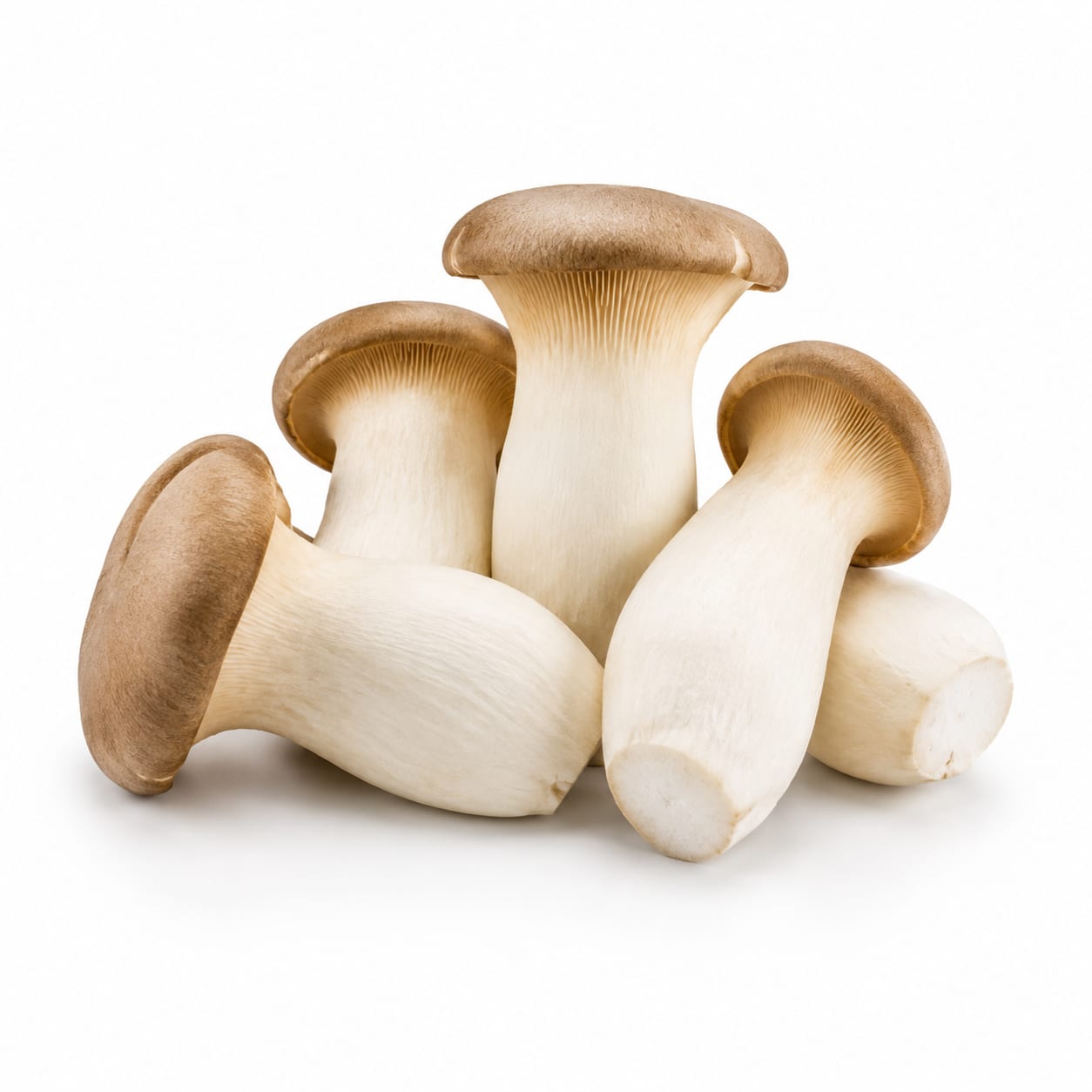
King Oyster Mushroom
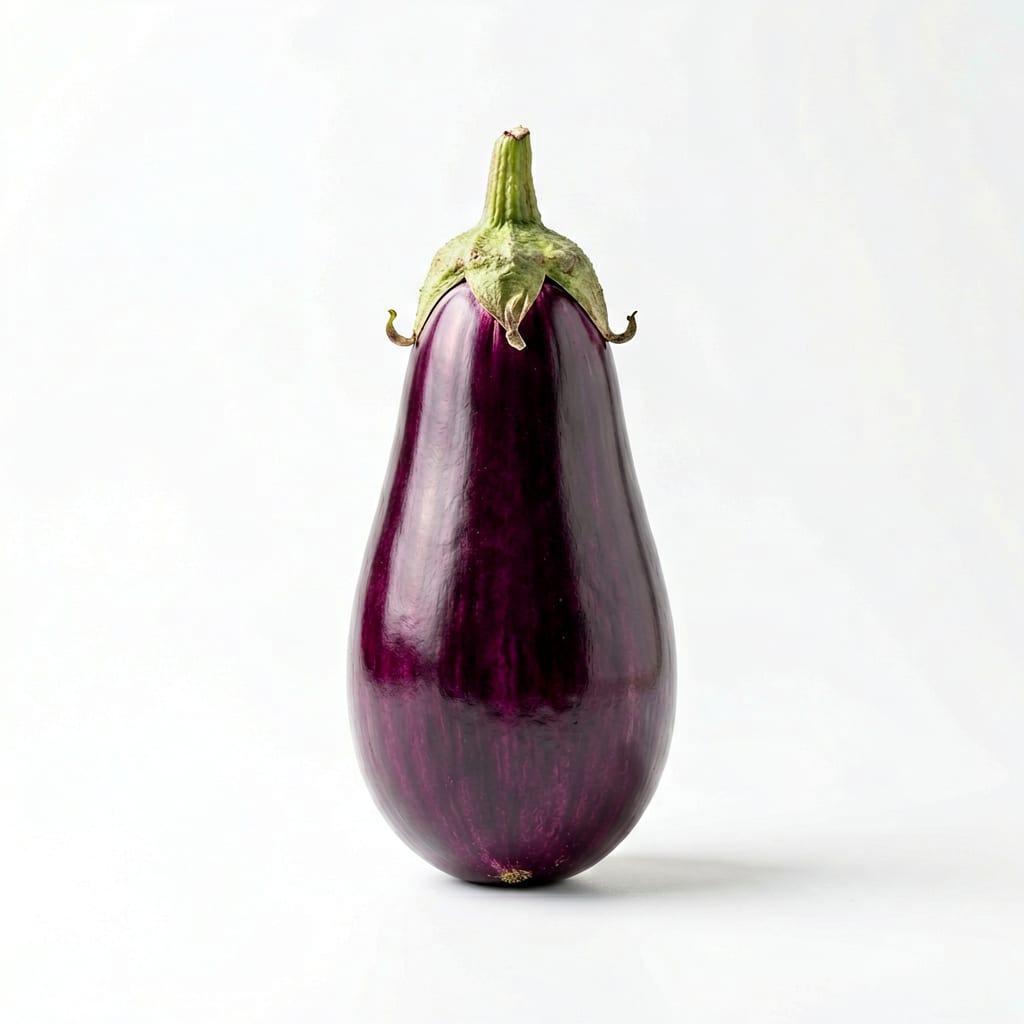
Eggplant
King Oyster Mushroom edges ahead with more protein, better satiety, no nightshade concerns, and less oil absorption during cooking.
King Oyster Mushroom scores higher due to superior protein content, better cooking behavior with less oil absorption, and absence of nightshade compounds. Eggplant remains a solid choice but loses ground on digestibility and calorie predictability when cooked with oil.
Eggplant offers unique skin antioxidants and broader culinary familiarity, but its nightshade compounds and oil-sponging behavior make it less forgiving for everyday use.
At a glance
Executive summary
Overall
King Oyster Mushroom
Healthier
King Oyster Mushroom
More practical
Eggplant
Daily use
King Oyster Mushroom
Key comparison lenses
low-calorie vegetable swap for weight management
Both are ultra-low-calorie whole foods commonly used as meat substitutes or volume eaters in meals
digestive sensitivity and nightshade avoidance
Eggplant is a nightshade with solanine and oxalate concerns, while King Oyster Mushroom is generally easier on sensitive digestive systems
protein and satiety comparison
King Oyster Mushroom offers notably more protein per calorie, making it more filling despite similar calorie counts
culinary oil absorption and cooking behavior
Eggplant acts like a sponge for oil, dramatically increasing its calorie density, while King Oyster Mushroom sears well without excess fat absorption
antioxidant and immune support
Each brings distinct antioxidant profiles—ergothioneine and beta-glucans in mushrooms versus nasunin and chlorogenic acid in eggplant
Best choice for
King Oyster Mushroom
- People avoiding nightshades due to joint pain or inflammation
- Anyone seeking a filling, low-calorie protein source
- Meal preppers wanting a meaty texture without excess oil
- Those with sensitive digestion who tolerate mushrooms well
Eggplant
- Home cooks wanting a versatile, familiar vegetable for Mediterranean or Asian dishes
- People seeking nasunin antioxidants for brain health
- Anyone who enjoys roasting or grilling and monitors oil carefully
- Those on a tight grocery budget in regions where eggplant is cheaper
Least suitable for
King Oyster Mushroom
- People with mushroom allergies or fungal sensitivities
- Anyone following a low-FODMAP diet during elimination phase
- Those who dislike umami or earthy flavors
Eggplant
- People with nightshade sensitivities or autoimmune flares
- Anyone prone to kidney stones due to oxalate content
- Those who struggle with oil portion control when cooking
Deep comparison
Dimension by dimension
Each lens scores both foods and breaks down who each option suits.
- Dimension 1 · Priority 92King Oyster Mushroom
satiety_and_fullness
King Oyster Mushroom · 82Eggplant · 62King Oyster Mushroom keeps you fuller longer thanks to more protein and a denser, meatier chew that signals satisfaction to your brain.
Tradeoff
Eggplant is lighter and less filling, which can be a pro or con depending on whether you want volume or substance.
Why it matters
Meals that actually satisfy you prevent snacking later. A mushroom-based dish tends to hold you over better than an eggplant one.
Real-world impact
A King Oyster Mushroom stir-fry at lunch likely keeps you full until dinner. An eggplant dish may leave you reaching for a snack by 3pm.
King Oyster Mushroom
- Busy professionals who skip snacks between meals
- Anyone trying to reduce overall calorie intake without feeling deprived
Better for
- People who find dense textures too heavy in summer
Worse for
Eggplant
- Light eaters who prefer smaller, less heavy meals
- Hot weather eating when heavy food feels unappealing
Better for
- Anyone prone to afternoon energy crashes from under-eating at lunch
Worse for
- Dimension 2 · Priority 88King Oyster Mushroom
protein_and_nutrient_density
King Oyster Mushroom · 79Eggplant · 55King Oyster Mushroom delivers roughly triple the protein per calorie, plus notable B vitamins and ergothioneine. Eggplant offers manganese and unique skin antioxidants but less overall nutrient punch.
Tradeoff
Eggplant's nasunin is a rare brain-protective antioxidant you won't find in mushrooms. But the total nutrient package favors the mushroom.
Why it matters
Protein per calorie matters enormously for plant-based eaters. Every gram counts when you're not eating meat.
Real-world impact
A 150g serving of King Oyster Mushroom gives you about 5g of protein. The same amount of eggplant gives under 2g.
King Oyster Mushroom
- Plant-based eaters tracking protein intake
- Older adults needing to maintain muscle with minimal calories
Better for
- Those who assume mushrooms are a complete protein source—they are not
Worse for
Eggplant
- People specifically targeting nasunin for cognitive health
- Anyone already meeting protein needs from other sources
Better for
- Vegetarians relying on eggplant as a significant protein contributor
Worse for
- Dimension 3 · Priority 85King Oyster Mushroom
blood_sugar_stability
King Oyster Mushroom · 80Eggplant · 74Both are low-glycemic and blood-sugar friendly, but King Oyster Mushroom's extra protein and fiber combo provides a slight edge in glucose steadiness.
Tradeoff
The difference is modest. Both are excellent choices for blood sugar management compared to starchy vegetables.
Why it matters
Steady blood sugar means fewer cravings, better focus, and more consistent energy throughout the day.
Real-world impact
Neither food will spike your blood sugar. Pair either with a healthy fat and protein for a rock-solid glucose response.
King Oyster Mushroom
- Diabetics looking for maximum stability per bite
- Pre-diabetics building meals around low-glycemic volume
Better for
- People eating mushrooms alone without a fat or protein companion
Worse for
Eggplant
- Anyone already pairing eggplant with protein-rich dishes like lentils
Better for
- Those cooking eggplant with sugary sauces that override its natural low glycemic load
Worse for
- Dimension 4 · Priority 82King Oyster Mushroom
cooking_behavior_and_oil_absorption
King Oyster Mushroom · 86Eggplant · 48Eggplant is notorious for soaking up oil like a sponge, often doubling or tripling its calorie content in pan-frying. King Oyster Mushroom sears beautifully with minimal fat.
Tradeoff
Eggplant's oil absorption makes it incredibly delicious but calorie-unpredictable. The mushroom gives you more control over your actual intake.
Why it matters
A vegetable that quietly absorbs 3 tablespoons of oil is no longer a low-calorie food. This is one of the most overlooked traps in healthy cooking.
Real-world impact
Pan-fried eggplant can easily hit 200+ calories per cup versus 20 calories raw. King Oyster Mushroom stays close to its raw calorie count when cooked properly.
King Oyster Mushroom
- Calorie-counters who want predictable nutrition labels
- Anyone cooking with minimal oil for heart health
Better for
- People who find mushroom texture too firm or snappy when seared
Worse for
Eggplant
- Chefs prioritizing flavor and mouthfeel over calorie precision
- Home cooks using techniques like roasting or steaming that reduce oil absorption
Better for
- Anyone trying to lose weight while frequently pan-frying or deep-frying eggplant
Worse for
- Dimension 5 · Priority 80King Oyster Mushroom
digestive_tolerance_and_sensitivities
King Oyster Mushroom · 70Eggplant · 55King Oyster Mushroom is gentler on most digestive systems. Eggplant brings nightshade compounds and oxalates that can trigger joint pain, inflammation, or kidney stone issues in sensitive people.
Tradeoff
Mushrooms contain FODMAPs that bother some people during IBS flares. Neither is universally tolerated—it depends on your specific sensitivity.
Why it matters
A healthy food that causes you discomfort is not healthy for you. Individual tolerance often matters more than nutritional profiles.
Real-world impact
If nightshades make your joints ache or your gut bloat, eggplant is a hidden trigger. King Oyster Mushroom is usually safer, except for those with fungal or FODMAP issues.
King Oyster Mushroom
- People with nightshade sensitivity or autoimmune conditions
- Anyone prone to oxalate kidney stones
Better for
- IBS patients in the elimination phase of a low-FODMAP diet
Worse for
Eggplant
- Those specifically sensitive to mushroom FODMAPs
- People with no nightshade issues who digest eggplant comfortably
Better for
- Anyone with unresolved joint pain who has not tested nightshade elimination
Worse for
- Dimension 6 · Priority 72It depends
antioxidant_diversity
King Oyster Mushroom · 75Eggplant · 76This is essentially a tie with different strengths. King Oyster Mushroom brings ergothioneine and beta-glucans for immune and cellular defense. Eggplant delivers nasunin for brain protection and chlorogenic acid for anti-inflammatory benefits.
Tradeoff
You get complementary but non-overlapping antioxidant coverage. Eating both across the week is the real win.
Why it matters
Antioxidant diversity matters more than loading one type. Different compounds protect different tissues and pathways.
Real-world impact
Ergothioneine supports long-term cellular aging. Nasunin protects brain cell membranes. Both are valuable, and neither makes the other redundant.
King Oyster Mushroom
- People prioritizing immune resilience and cellular aging defense
- Anyone not taking medicinal mushroom supplements already
Better for
- Those already supplementing with reishi or lion's mane, which provide overlapping compounds
Worse for
Eggplant
- People focused on cognitive longevity and brain health
- Anyone wanting chlorogenic acid's anti-inflammatory benefits
Better for
- People who peel eggplant and discard the skin where most nasunin lives
Worse for
Timeline
Health impact over time
Short-term
Hours to days
King Oyster Mushroom
- Provides quick satiety from protein and chew density without heaviness
- May cause mild bloating in FODMAP-sensitive individuals
- Supports steady energy with no blood sugar spike
Eggplant
- Very light in the stomach initially, but oil-heavy preparations can cause sluggishness
- Nightshade compounds may trigger joint stiffness or digestive discomfort in sensitive people within hours
- High water content supports hydration
Long-term
Months to years
King Oyster Mushroom
- Beta-glucans may support immune system resilience over months and years
- Ergothioneine accumulates in tissues and may protect against age-related cellular decline
- Consistent protein intake from mushrooms supports muscle maintenance in plant-based diets
Eggplant
- Nasunin consumption correlates with better cognitive aging outcomes in population studies
- Chlorogenic acid may contribute to reduced inflammatory markers over time
- Chronic oxalate exposure could increase kidney stone risk in susceptible individuals
Risk profile
Safety & processing
Both are whole, unprocessed foods as typically purchased. Neither carries significant additive concerns in their raw form. The processing risk comes from how you cook them—breaded mushroom dishes and oil-soaked eggplant preparations are where additives and excess calories sneak in.
King Oyster Mushroom
Fungal allergy or cross-reaction
lowTrue mushroom allergies are rare but can cause hives or respiratory symptoms. If you react to other mushrooms, avoid King Oyster Mushroom.
Agaritine content
lowSome raw mushrooms contain agaritine, a mildly controversial compound. Cooking eliminates most of it. Always cook King Oyster Mushroom thoroughly.
Sourcing and substrate contamination
mediumMushrooms absorb what they grow in. Buy from reputable sources to avoid heavy metal or pesticide exposure from contaminated growing substrates.
Eggplant
Nightshade sensitivity and solanine
mediumEggplant contains solanine, which can trigger inflammation, joint pain, or digestive distress in sensitive individuals. Symptoms are dose-dependent and often build over time.
Oxalate content and kidney stones
mediumEggplant contains moderate oxalates. If you have a history of calcium oxalate kidney stones, frequent eggplant consumption may increase recurrence risk.
Pesticide residue on skin
mediumEggplant frequently appears on EWG's Dirty Dozen list. The skin, where most antioxidants concentrate, also holds the most pesticide residue. Buy organic when possible or peel thoroughly.
Who wins for whom
Audience fit
Same foods, different winners depending on your goal.
children
EggplantEggplant's milder flavor and softer texture when cooked are usually more kid-friendly than the denser, chewier mushroom. Most children accept eggplant in pasta or curry more readily.
daily consumption
King Oyster MushroomKing Oyster Mushroom has fewer tolerance concerns for daily use. Nightshade compounds in eggplant can accumulate and trigger issues with frequent consumption in sensitive people.
diabetes
King Oyster MushroomBoth are excellent low-glycemic choices, but King Oyster Mushroom's protein edge provides slightly better glucose stabilization after meals.
elderly
King Oyster MushroomOlder adults benefit more from King Oyster Mushroom's higher protein for muscle preservation and ergothioneine for cellular aging defense. Eggplant's oxalates and nightshade compounds can worsen age-related joint issues.
muscle gain
King Oyster MushroomNeither is a muscle-building powerhouse, but King Oyster Mushroom provides more protein per calorie, making it the better complement to a high-protein diet.
weight loss
King Oyster MushroomMore protein and less oil absorption make King Oyster Mushroom more filling and calorie-predictable, both critical for sustainable weight loss.
Your move
Decision guide
Choose King Oyster Mushroom
- You have any nightshade sensitivity or unexplained joint pain
- You want a filling, low-calorie food that actually satisfies you
- You cook with oil and want predictable calorie counts
- You are plant-based and tracking protein intake
- You eat this type of food daily or near-daily
Choose Eggplant
- You tolerate nightshades well and love eggplant's unique flavor
- You are specifically interested in nasunin for brain health
- You use low-oil cooking methods like roasting, steaming, or air frying
- You want a softer texture that blends into stews and curries seamlessly
- Eggplant is significantly cheaper or more available in your area
Either works if
- You are simply trying to eat more vegetables and both sound good
- You rotate vegetables weekly and want variety more than optimization
- You have no digestive sensitivities to either food
Avoid both if
- You are on a strict low-FODMAP elimination diet
- You have known allergies to mushrooms or nightshades
- You are following a very low-fiber diet for a medical procedure
Final recommendation
Make King Oyster Mushroom your default choice for its protein, satiety, and cooking predictability. Keep eggplant in rotation for its unique antioxidants and culinary versatility, but be mindful of oil portions and nightshade tolerance. If you had to pick one for daily eating, the mushroom is the safer, more consistent bet.
Practical
Consumer tips
- 1
Salt eggplant slices and let them sit for 20 minutes before cooking to draw out water and reduce oil absorption significantly
- 2
King Oyster Mushroom slices sear beautifully in a dry or lightly oiled cast iron pan—no breading needed for great texture
- 3
Buy organic eggplant when possible, especially if you eat the skin, which is where both antioxidants and pesticide residues concentrate
- 4
Never eat King Oyster Mushroom raw—always cook thoroughly to eliminate agaritine and improve digestibility
- 5
If you have joint pain that seems unexplained, try removing eggplant and all nightshades for 2-3 weeks and observe any changes
- 6
Slice King Oyster Mushroom into rounds for a scallop-like texture, or lengthwise for a convincing pulled-pork or shredded-chicken substitute
- 7
Pair eggplant with tomatoes and olive oil for classic Mediterranean flavor, but measure the oil—free-pouring can easily add 200+ hidden calories