
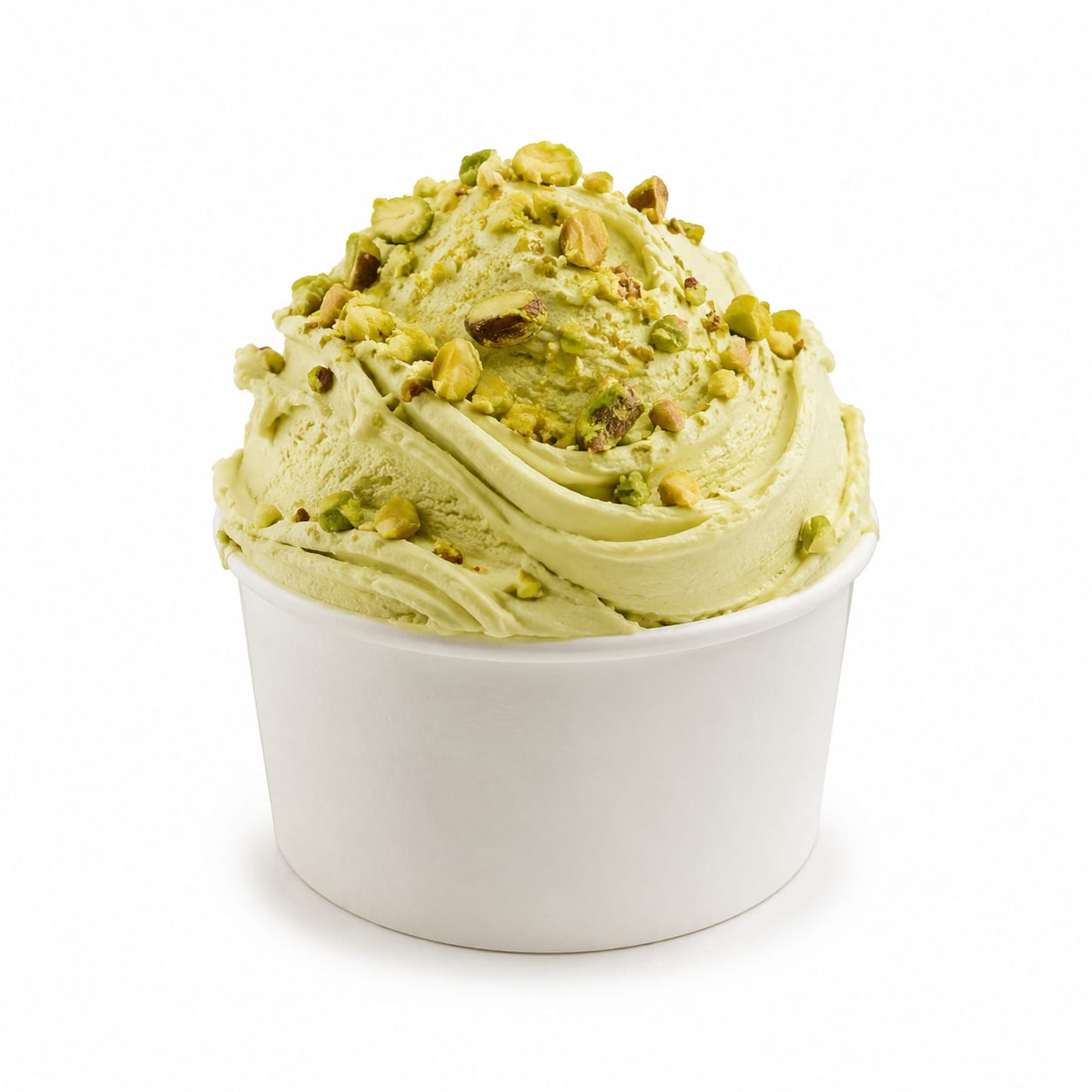
Frozen Dairy Dessert
Gelato
A dense, Italian-style frozen dessert with less fat but more sugar than traditional ice cream.
Gelato is an Italian-style frozen dessert made with milk, cream, sugar, and flavorings, churned at a slower speed than ice cream to incorporate less air, resulting in a denser, softer texture.
sugar-dense frozen dairy treat
Typical serving · 88g
Common varieties · stracciatella, pistacchio, nocciola, fior di latte, cioccolato +1 more
Overall context score across nutrition, safety, and diet fit
At a glance
Quick facts
Simple indicators based on nutrition, processing, and diet fit.
The story
What makes it unique
Gelato has a higher sugar-to-fat ratio than traditional ice cream, which lowers its freezing point and creates a soft texture. The lower fat content allows flavors to be perceived more rapidly, but the higher sugar content provides fast-digesting carbohydrates with minimal fiber, leading to low satiety and a moderate glycemic response.
Varieties: stracciatella · pistacchio · nocciola · fior di latte · cioccolato · vaniglia
Per 100g
Nutrition breakdown
Macro balance and key metrics at a glance.
Energy
Density 2.00 kcal/g
Protein
Carbs
Fat
Fiber
Sugar
24 g
Sodium
80 mg
Potassium
150 mg
Glycemic index
40
Glycemic load
12
Water content
65%
Standout compounds
Nutrient highlights
Calcium
moderateSupports bone health and muscle function
Vitamin A
lowPromotes vision and immune function
Phosphorus
moderateAids in energy metabolism and bone structure
Sugar
highProvides rapid cellular energy but spikes blood glucose
Wellness map
Health scores & processing
NOVA processing scale
Ultra-processed · Ultra-processed
Commercially produced gelato contains refined sugars, emulsifiers, and stabilizers like guar gum or carrageenan to maintain texture and prevent ice crystal formation.
Diet compatibility
- Weight loss
- Muscle gain
- Diabetes
- Gut health
- Low carb
- High protein
- Heart health
Relative standing
Food rankings
Qualitative ranks compared to similar whole foods.
- Satietypoor
- Blood sugarpoor
- Nutrient densitypoor
- Fitness fuelmoderate
- Processing qualitypoor
Eat with confidence
Food safety profile
Gelato is generally safe when made with pasteurized dairy. Unpasteurized versions carry a risk of Listeria or Salmonella. Conventional dairy sourcing carries a moderate risk of antibiotic residue.
Evidence confidence 85%
- Pesticideslow
- Antibioticsmoderate
- Heavy metalslow
- Contaminationmoderate
Watch for
- Listeria monocytogenes
- Salmonella
Safer choices
Artisanal gelato made from organic, pasteurized milk without synthetic stabilizers.
Prep tips
Ensure gelato is served and stored at proper temperatures; avoid refreezing melted gelato to prevent texture degradation and bacterial growth.
Dairy pasteurization standards must be strictly met to prevent bacterial contamination in this product served slightly above freezing.
Deep dive
Health analysis
How this food may fit different goals and preparation choices.
Weight loss
High energy density and low satiety make gelato easy to overconsume, posing a challenge for calorie deficit goals.
Blood sugar
High sugar content and low fiber lead to rapid glucose absorption, causing sharp blood sugar spikes unsuitable for insulin resistance.
Fitness & energy
Provides quick-digesting carbohydrates for immediate energy, but lacks sufficient protein for muscle recovery and causes rapid sugar crashes.
Gut health
Lacks fiber and contains dairy, which may trigger symptoms in lactose-intolerant individuals. Emulsifiers in commercial varieties can disrupt gut microbiome balance.
Processing quality
Typically ultra-processed with added stabilizers, gums, and refined sugars to achieve shelf stability and desired mouthfeel.
Food safety
Safe when produced with pasteurized milk, but unpasteurized or improperly stored gelato poses bacterial contamination risks.
Common mistakes
Assuming gelato is a healthy alternative to ice cream because it is lower in fat, while ignoring the higher sugar and comparable calorie content.
Best preparation
Making gelato at home using whole milk, minimal sugar, and real fruit or nut pastes allows for control over ingredients and processing level.
Practical guide
Best use cases
When and how this food fits real eating patterns.
Occasional sweet treat
Provides a rich, satisfying dessert experience for occasional indulgence without daily health compromises.
Quick pre-workout energy
The high sugar content offers rapidly available carbohydrates for short, high-intensity exercise if consumed 30-60 minutes prior.
Flavor exploration
The low fat content allows nuanced flavors like pistachio or hazelnut to shine more clearly than in traditional ice cream.
Balance sheet
Pros & cons
Upsides
- Rich, intense flavor profile due to lower fat content
- Denser texture provides a satisfying mouthfeel
- Contains some calcium and phosphorus from dairy
- Lower fat content than traditional ice cream
- Variety of flavor options using real nuts and fruits
Trade-offs
- High sugar content causes rapid blood sugar spikes
- Low fiber leads to poor satiety and overconsumption
- Ultra-processed with added emulsifiers and stabilizers
- Not suitable for lactose-intolerant individuals
- Energy density makes it unfavorable for weight loss
- Contains saturated fat from dairy
Fit check
Who is it for?
Great match
- occasional dessert indulgence
- quick digesting pre-workout fuel
- flavor enthusiasts seeking intense taste
Consider alternatives
- strict weight loss diets
- blood sugar control and diabetes management
- lactose intolerance
- low-carb or ketogenic diets
- gut healing protocols
Side by side
How it compares
Open the full head-to-head analysis for nutrition, safety, and practical tradeoffs.
This food
Gelato
VS95% alike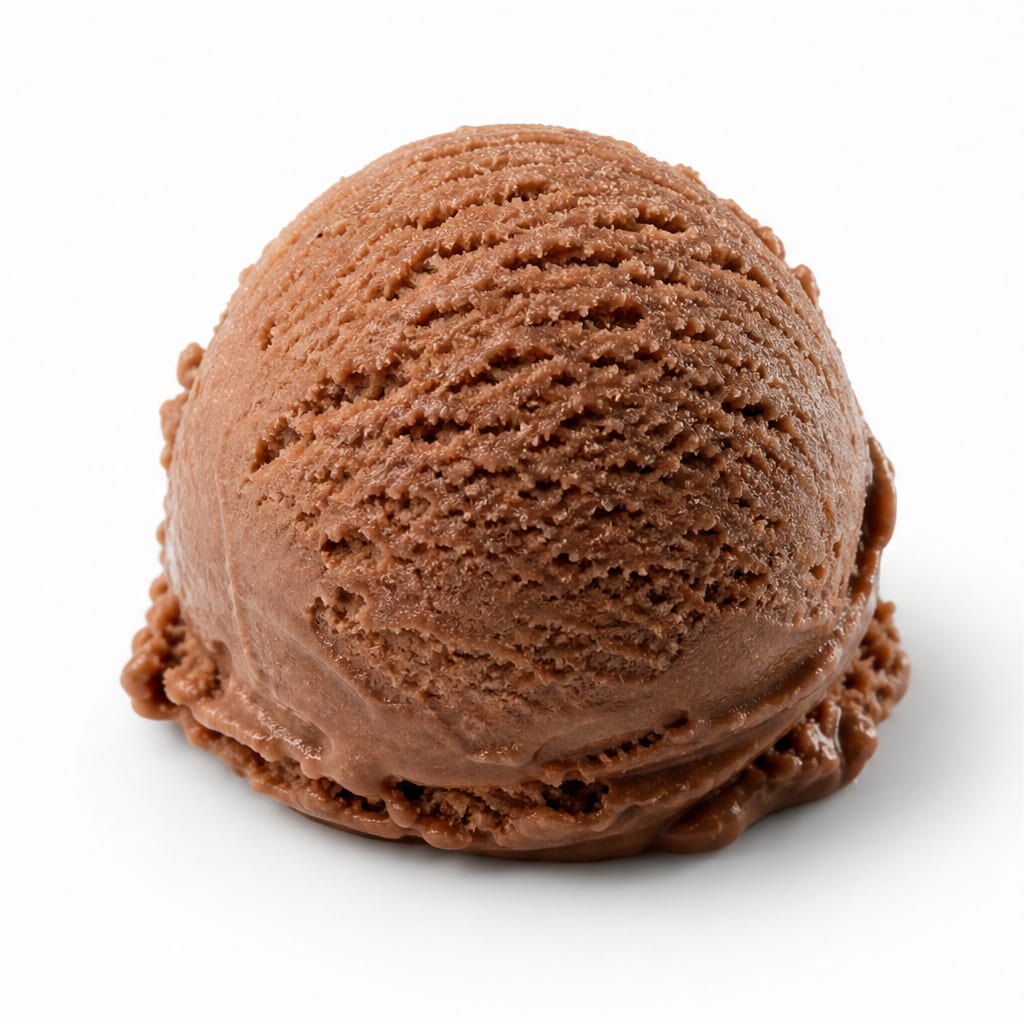
Compare with
Ice Cream
Gelato has less fat and air but more sugar than ice cream, resulting in a denser texture and similar calorie count.
Gelato offers less fat and a denser texture, while ice cream has less sugar and more fat, making their calorie counts very similar.
This food
Gelato
VS85% alike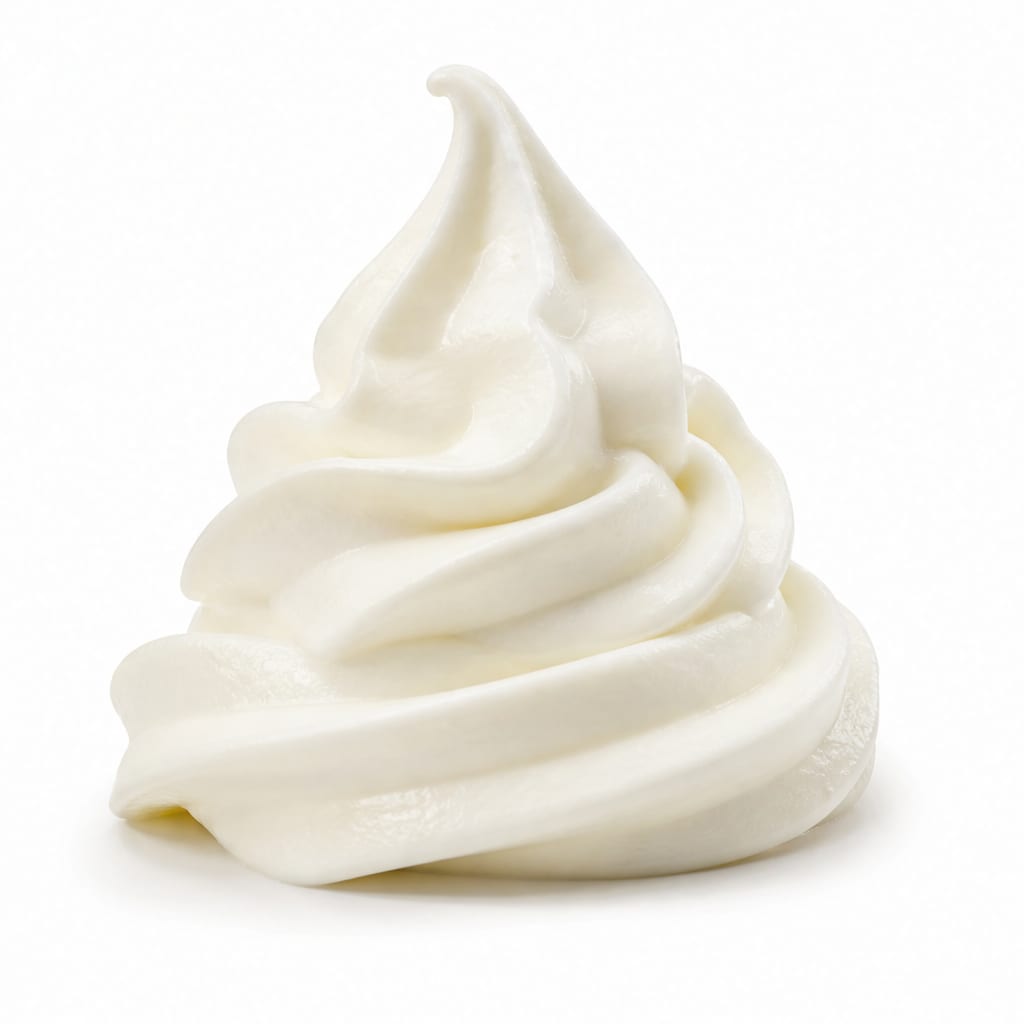
Compare with
Frozen Yogurt
Frozen yogurt often contains probiotics and less fat, but commercial varieties match gelato in sugar content.
Frozen yogurt may offer probiotics and slightly fewer calories, but both desserts are high in sugar and heavily processed.
This food
Gelato
VS80% alike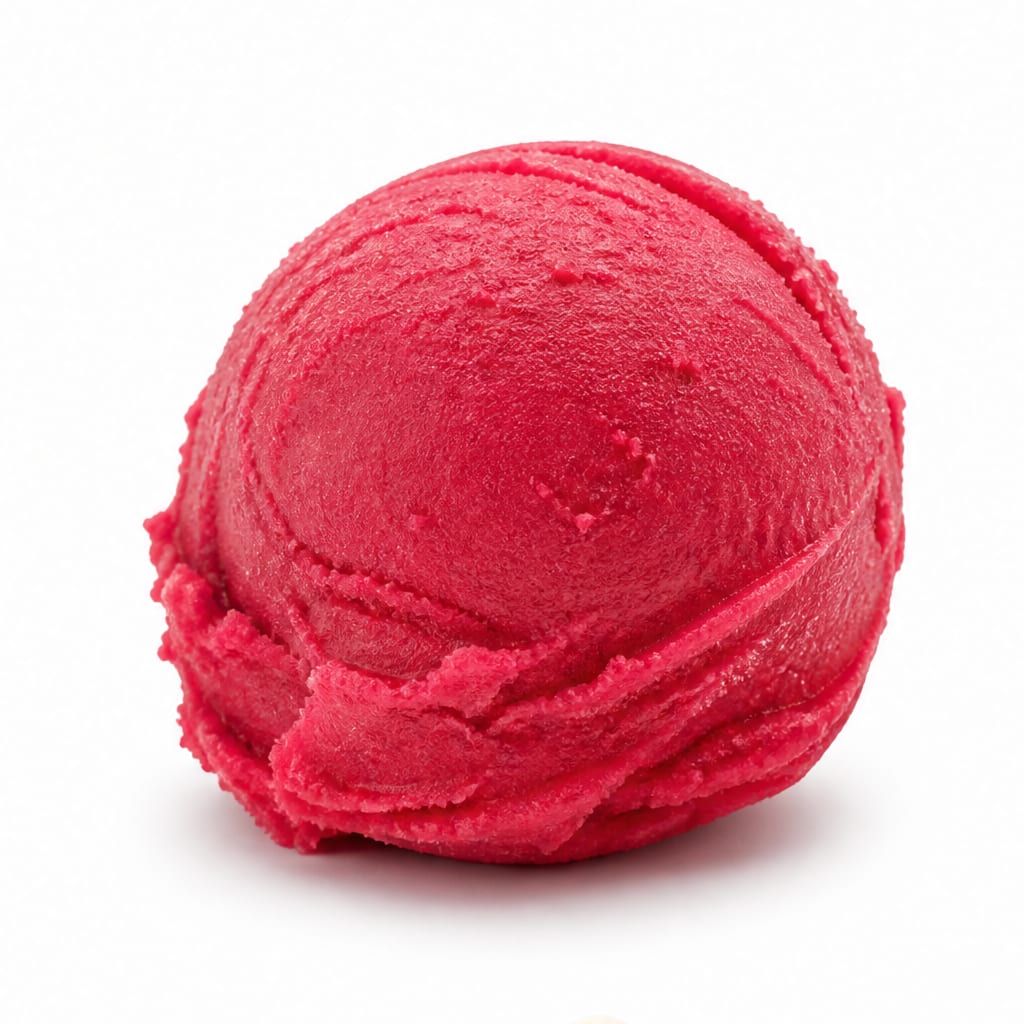
Compare with
Sorbet
Sorbet is dairy-free and fat-free but typically higher in sugar than gelato, offering no protein or calcium.
Gelato provides protein and calcium from dairy, whereas sorbet is fat-free but lacks protein and is often higher in sugar.
This food
Gelato
VS75% alike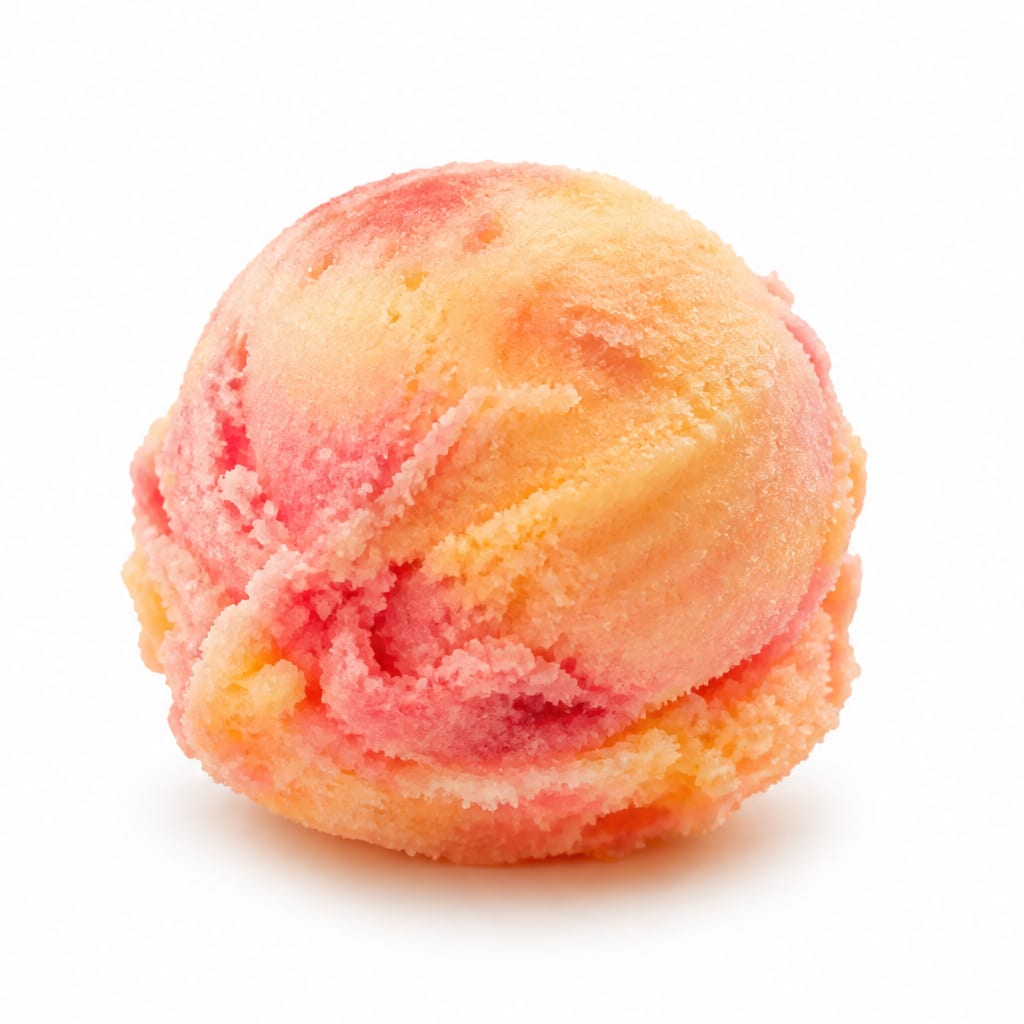
Compare with
Sherbet
Sherbet contains a small amount of dairy and less fat than gelato, but is heavily sweetened with high sugar content.
Gelato has more dairy and protein than sherbet, making it slightly more satiating despite both being high-sugar treats.
This food
Gelato
VS90% alike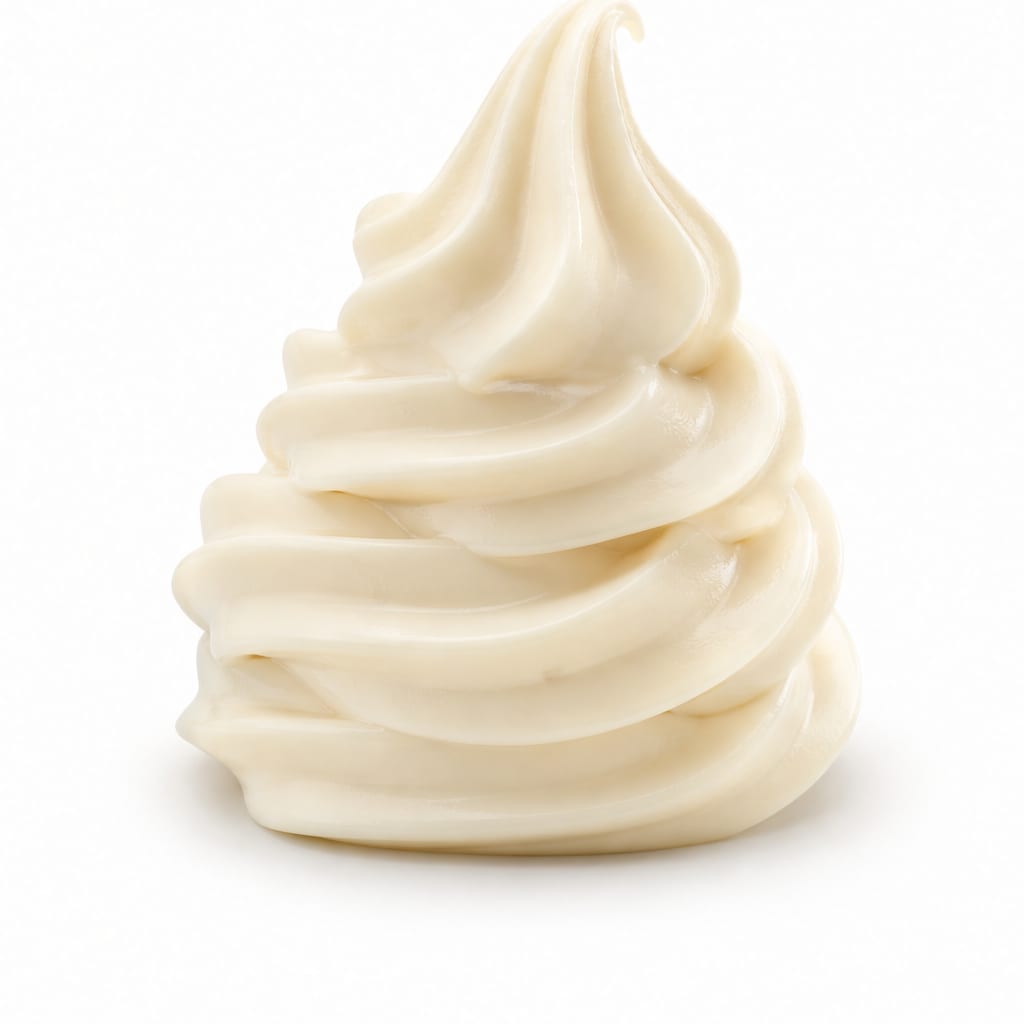
Compare with
Soft Serve Ice Cream
Soft serve incorporates more air and often uses emulsifiers, while gelato is denser with a richer flavor profile.
Soft serve has fewer calories per volume due to added air, but gelato provides a denser, more satisfying flavor experience.
This food
Gelato
VS60% alike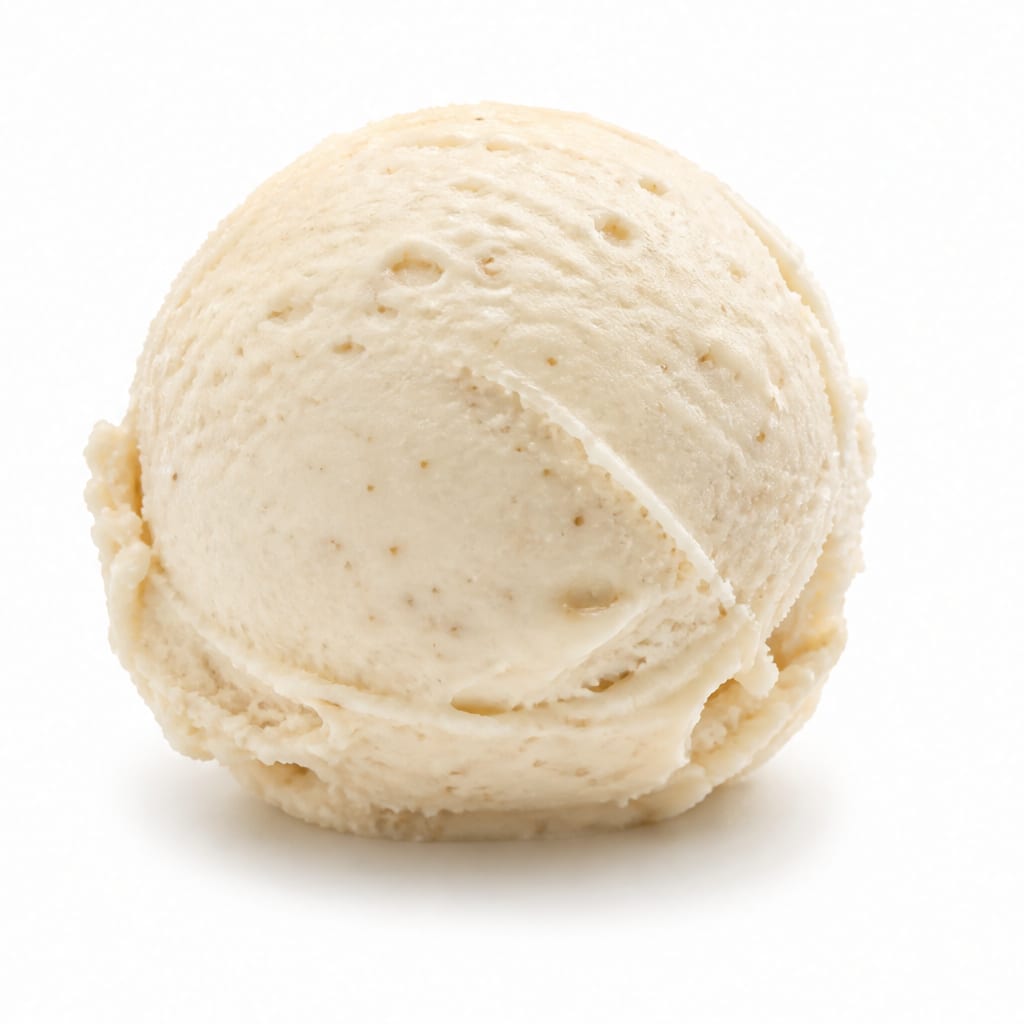
Compare with
Nice Cream
Nice cream is made from blended frozen bananas, offering high fiber, no added sugar, and low fat compared to gelato.
Nice cream provides natural sugars and fiber from fruit, making it far better for blood sugar and weight loss than sugar-heavy gelato.
This food
Gelato
VS85% alike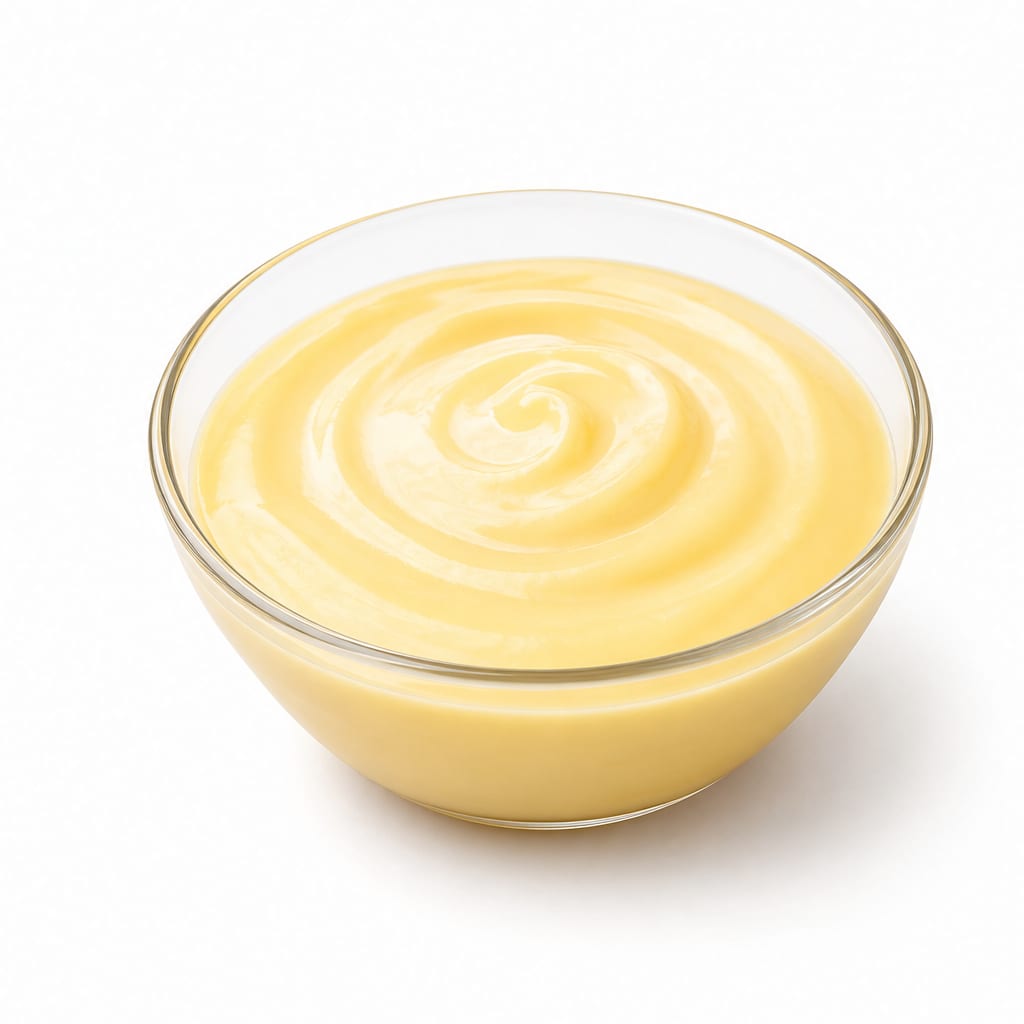
Compare with
Custard
Custard contains egg yolks and higher fat than gelato, giving it a creamier texture but a higher calorie density.
Custard is higher in fat and calories due to egg yolks, while gelato is lower in fat but significantly higher in sugar.
This food
Gelato
VS50% alike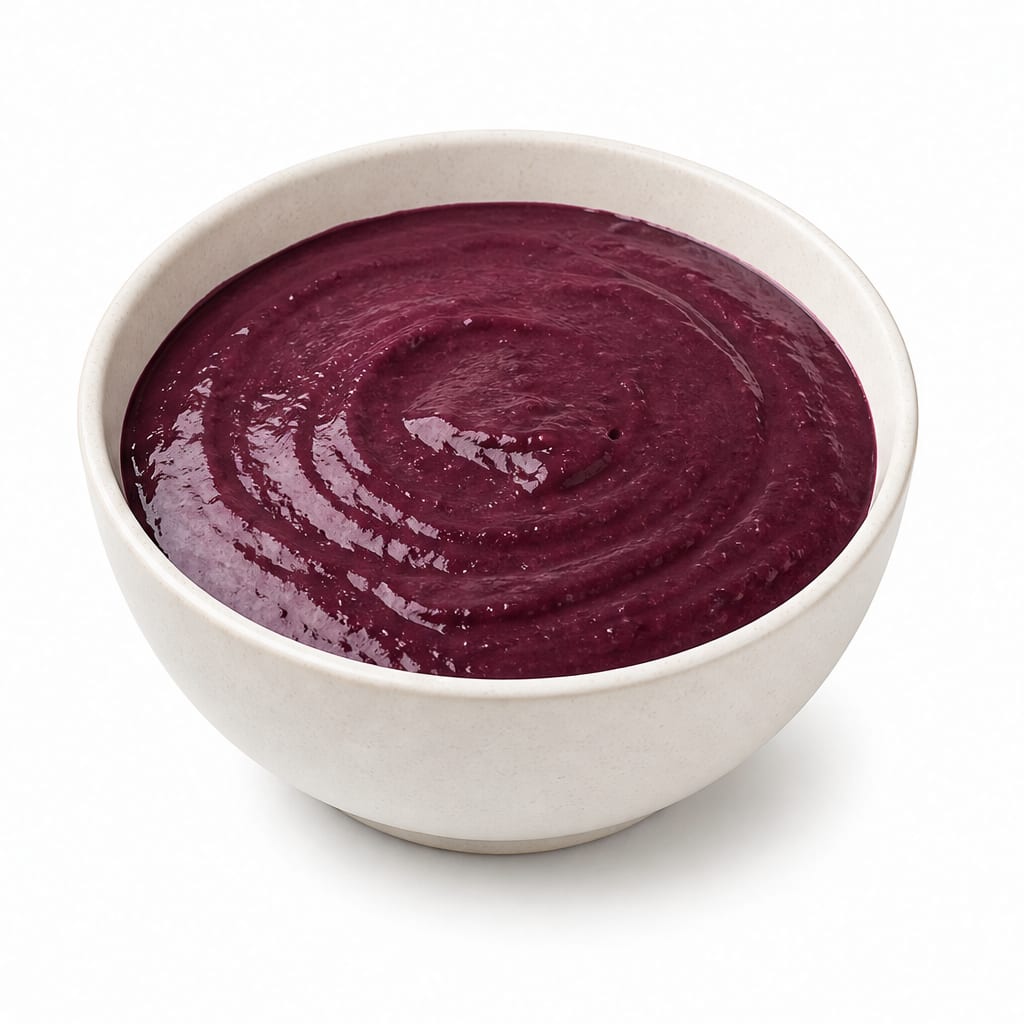
Compare with
Acai Bowl
Acai bowls offer antioxidants and fiber but can be sugar traps from added juices and toppings, similar to gelato's sugar content.
Acai bowls provide fiber and antioxidants that gelato lacks, though both can be high in sugar depending on preparation.
This food
Gelato
VS70% alike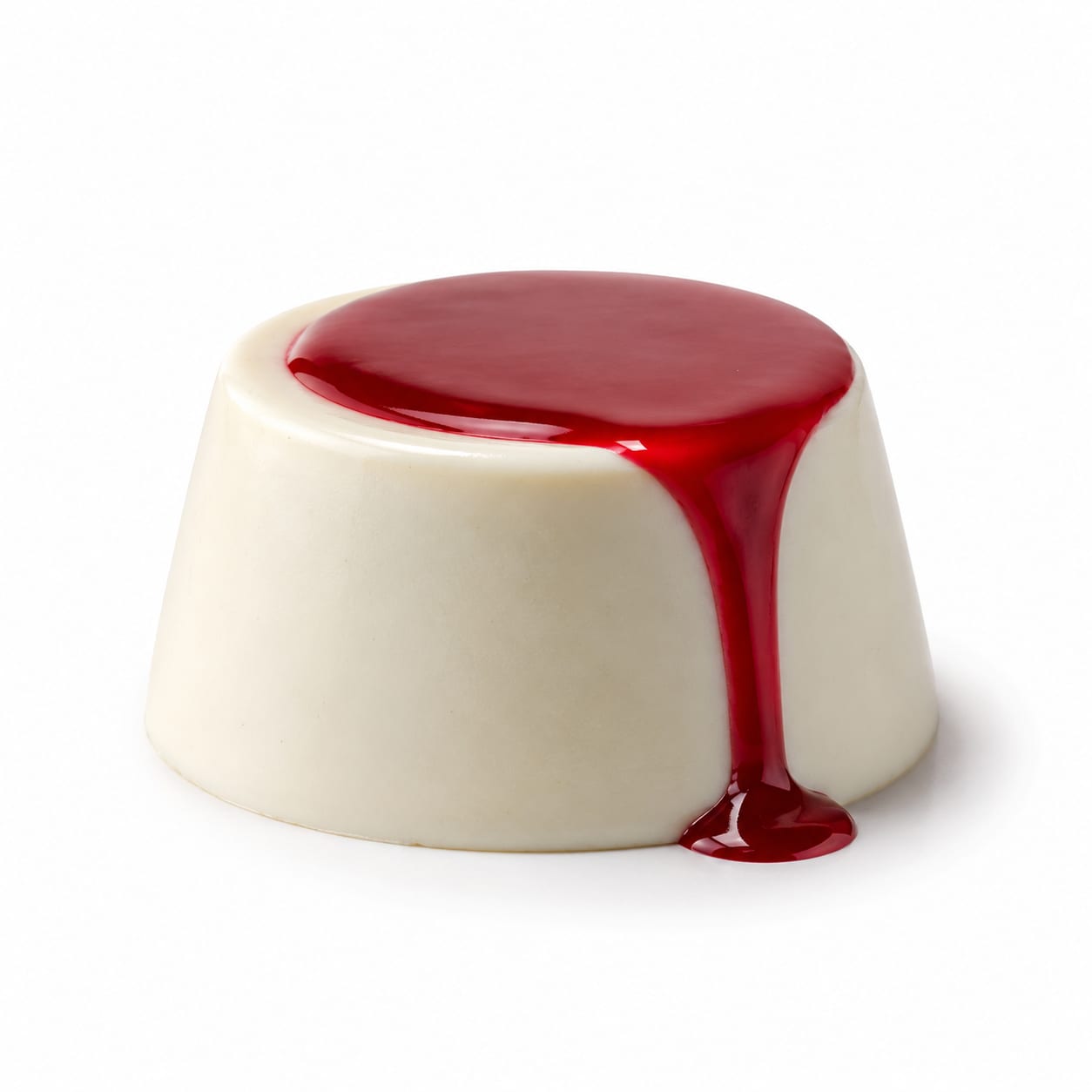
Compare with
Panna Cotta
Panna cotta is a chilled, gelatin-set cream dessert with high fat and sugar, lacking the overrun of gelato.
Gelato has less fat and fewer calories than panna cotta, which is heavily cream-based, though both are sugary Italian treats.
This food
Gelato
VS65% alike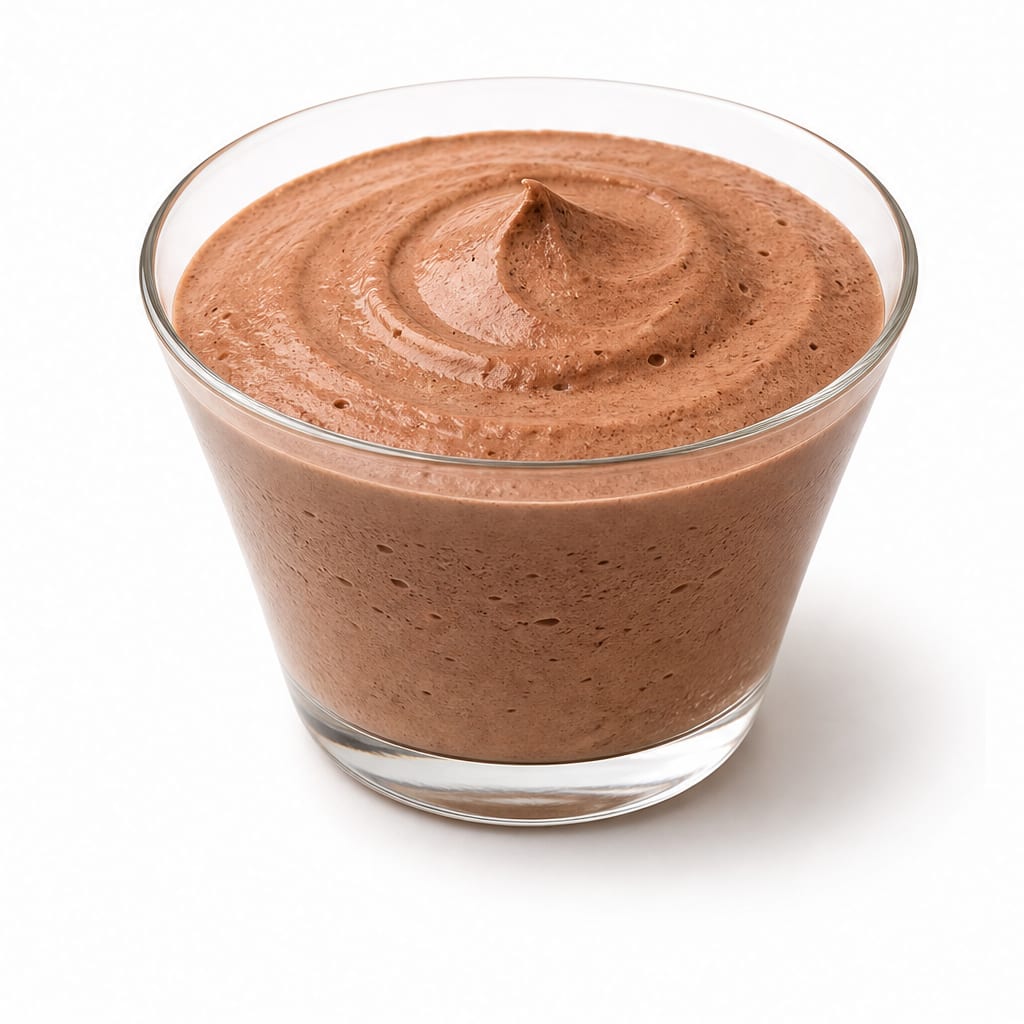
Compare with
Mousse
Mousse relies on whipped cream and egg whites for airiness, offering high fat and sugar without the dense chill of gelato.
Mousse is higher in fat and saturated calories, while gelato relies more on sugar for its structure and taste.
Common questions
FAQ
Answers aligned with how people search for this food.
Is gelato healthier than ice cream?
Gelato is not necessarily healthier than ice cream. It contains less fat but more sugar to maintain its soft texture, resulting in a similar calorie count per serving.
Can diabetics eat gelato?
Gelato is high in rapidly digesting carbohydrates and low in fiber, which causes quick blood sugar spikes. It is not ideal for diabetics unless consumed in very small portions.
Does gelato have less fat than ice cream?
Yes, gelato uses more milk than cream compared to ice cream, resulting in a significantly lower fat content.
Why is gelato served warmer than ice cream?
Gelato is served at a slightly warmer temperature because its lower fat content and denser texture remain soft and scoopable at higher temperatures than ice cream.
Is gelato good for weight loss?
No, gelato is calorie-dense and low in satiety, making it easy to overconsume. It is best enjoyed as an occasional treat rather than a weight loss food.
What is the difference between gelato and sorbet?
Gelato is a dairy-based frozen dessert containing milk and cream, while sorbet is dairy-free and made primarily of fruit puree and sugar.
Can lactose intolerant people eat gelato?
Traditional gelato contains milk, so it is not suitable for lactose-intolerant individuals. However, dairy-free gelato alternatives made with plant milks are available.
Does gelato contain eggs?
Some gelato flavors, like custard-based varieties, contain egg yolks for richness, but many fruit and milk-based flavors do not.
How many calories are in a scoop of gelato?
A typical half-cup serving of gelato contains around 150 to 200 calories, depending on the flavor and specific ingredients used.
Why does gelato taste sweeter than ice cream?
Gelato has less fat to coat the tongue, which allows the sugar and flavor molecules to reach taste receptors more directly, creating a more intense and sweeter perception.
Transparency
Data confidence
Estimated confidence for nutrition data, interpretation, safety notes, and comparisons.
Nutrition data
Health analysis
Food safety
Comparisons