
Nutrition comparison
Gelato vs Mousse: Which Dessert Is Healthier?
Compare gelato and mousse on sugar, fat, calories, and satiety. Find out which dessert satisfies cravings with less damage and which fits your goals better.
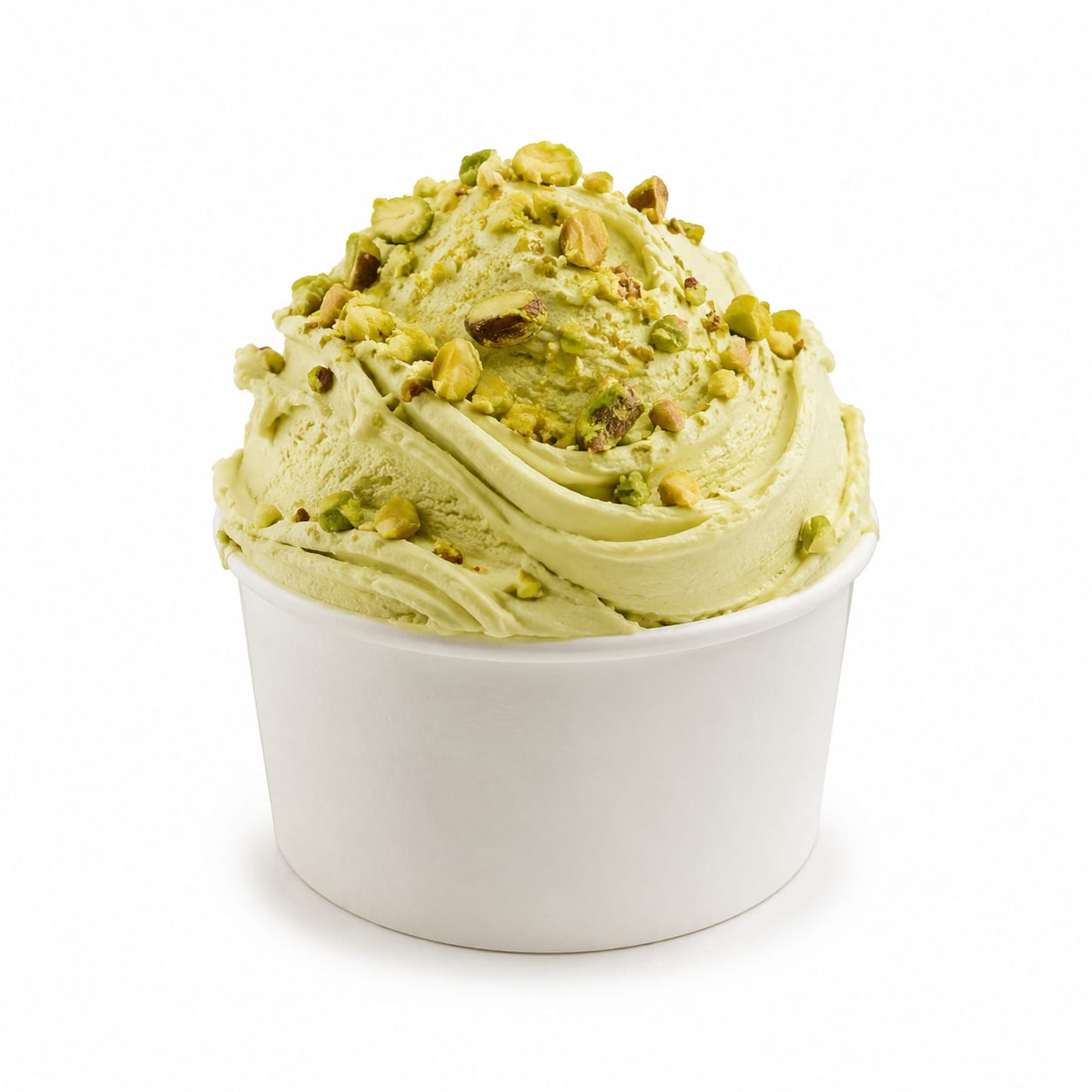
Gelato
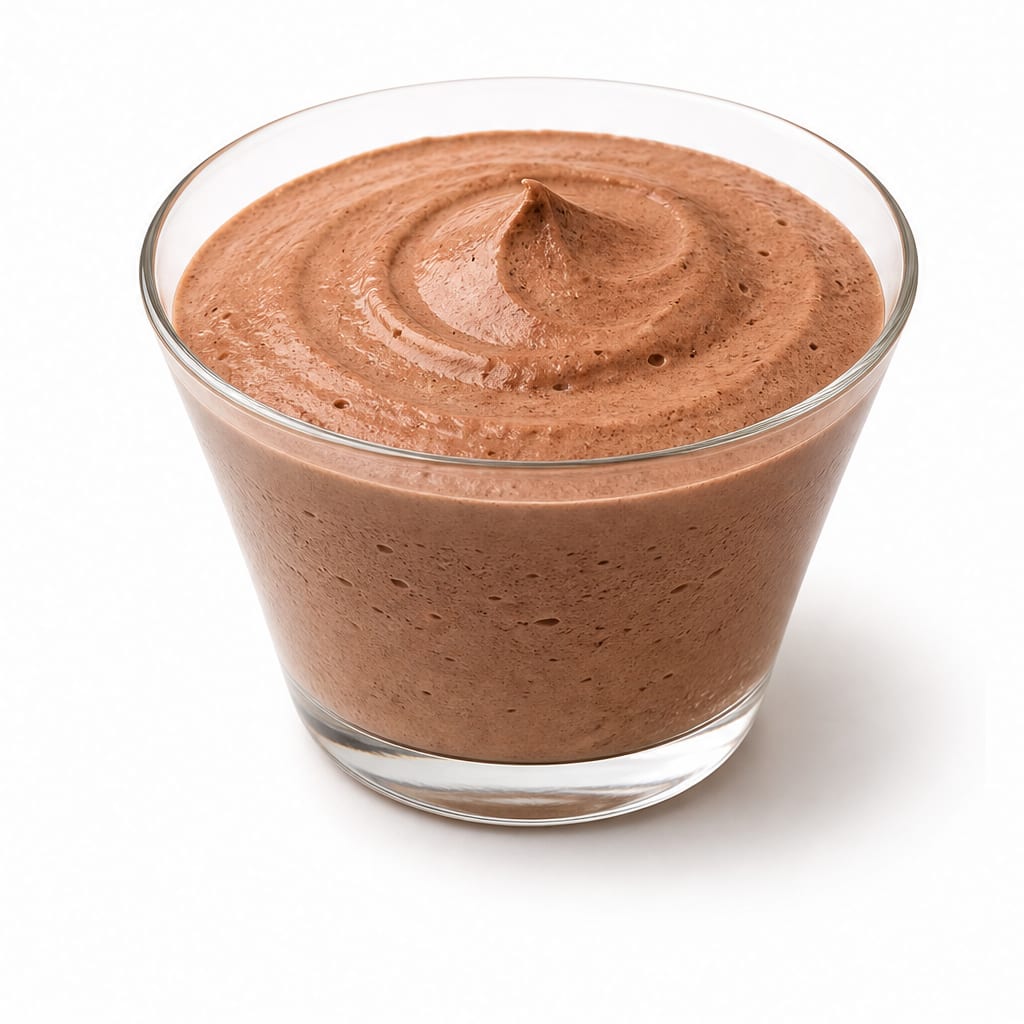
Mousse
Gelato is lighter per bite but sugar-heavy; mousse is richer and more satiating but fat-dense. Pick based on what you're trying to minimize.
Mousse edges slightly ahead due to better satiety and lower sugar, but both are indulgent desserts with limited nutritional upside. The small gap reflects mousse being more self-limiting in practice.
Gelato gives you less fat but more sugar. Mousse gives you less sugar but more fat. Neither is a health food.
At a glance
Executive summary
Overall
It depends
Healthier
It depends
More practical
Gelato
Daily use
neither
Key comparison lenses
dessert indulgence with less damage
Both are treat foods, so users want to know which satisfies cravings with fewer health costs
sugar and blood sugar management
Gelato is notoriously sugar-dense while mousse varies widely depending on recipe
portion control and overeating risk
Gelato is easy to overeat due to scoopability; mousse is richer and self-limiting
fat vs sugar tradeoff
Gelato leans sugar-heavy, mousse leans fat-heavy — a classic metabolic tradeoff
digestive comfort
Both contain dairy but mousse has more fat which slows digestion differently than gelato's sugar load
Best choice for
Gelato
- Hot weather refreshment
- Lower-fat dessert cravings
- Social dessert sharing
- Post-meal sweet tooth with smaller portions
Mousse
- Rich indulgence without sugar overload
- High-satiety dessert that stops you from grazing
- Low-carb or keto-friendly treat options
- Elegant dinner party desserts
Least suitable for
Gelato
- Blood sugar management
- Daily habitual consumption
- Late-night snacking — sugar spike before bed
Mousse
- Calorie-conscious diets
- Gallbladder or fat digestion issues
- Those avoiding heavy cream or eggs
Deep comparison
Dimension by dimension
Each lens scores both foods and breaks down who each option suits.
- Dimension 1 · Priority 90Mousse
sugar load and blood sugar impact
Gelato · 25Mousse · 50Gelato packs significantly more sugar per serving than most mousse recipes.
Tradeoff
Mousse trades lower sugar for higher fat, which may still concern some eaters.
Why it matters
Sugar spikes drive cravings, energy crashes, and metabolic strain more acutely than dietary fat.
Real-world impact
A bowl of gelato can leave you hungry again in 30 minutes. Mousse tends to satisfy longer.
Gelato
- Quick energy after intense activity
Better for
- Insulin spikes
- Post-dessert energy crash
- Triggering sugar cravings
Worse for
Mousse
- Steadier energy after dessert
- Less craving rebound
- Better blood sugar control
Better for
- Slower digestion if eaten too close to bedtime
Worse for
- Dimension 2 · Priority 88Mousse
satiety and overeating risk
Gelato · 30Mousse · 60Mousse is richer and more filling per bite, making it naturally portion-limiting.
Tradeoff
Gelato's lighter mouthfeel makes it dangerously easy to overeat.
Why it matters
Calories from desserts you don't notice are the most damaging kind.
Real-world impact
Two scoops of gelato feels like nothing. Half a cup of mousse feels like a full dessert experience.
Gelato
- Lighter dessert experience when you want less heaviness
Better for
- Easy to accidentally eat 2-3 servings
- Low satiety per calorie
Worse for
Mousse
- Built-in portion control
- More satisfying with less volume
- Stops the 'one more bite' loop
Better for
- Can feel too heavy in warm weather
Worse for
- Dimension 3 · Priority 82Gelato
calorie density
Gelato · 45Mousse · 30Gelato has fewer calories per gram than mousse due to lower fat content.
Tradeoff
Lower calorie density only helps if you actually stop eating — which gelato makes harder.
Why it matters
Raw calorie count matters, but only when paired with realistic portion behavior.
Real-world impact
A small gelato can be 150 calories. A small mousse can be 250. But most people eat double the gelato.
Gelato
- Lower calorie count per labeled serving
- Easier to fit into calorie tracking
Better for
- Calorie advantage disappears with overeating
Worse for
Mousse
- Higher calories but more satisfying per serving
Better for
- Higher calorie cost even at small portions
Worse for
- Dimension 4 · Priority 75Mousse
fat quality and content
Gelato · 35Mousse · 55Mousse contains more fat, mostly from cream and eggs, which provides satiety and slows sugar absorption.
Tradeoff
More fat means more calories and potential digestive heaviness for sensitive people.
Why it matters
Fat slows gastric emptying and blunts the glycemic response of a dessert.
Real-world impact
Mousse after dinner feels like a proper ending. Gelato can feel like an appetizer for more snacking.
Gelato
- Lighter feeling after eating
- Better for fat-sensitive digestion
Better for
- Very little fat to buffer the sugar rush
Worse for
Mousse
- Slower sugar absorption
- Longer-lasting fullness
- More stable post-dessert energy
Better for
- Heavy feeling if you eat too much
- Not suitable for low-fat diets
Worse for
- Dimension 5 · Priority 55Gelato
protein content
Gelato · 40Mousse · 35Gelato has slightly more protein from milk, while mousse gets modest protein from eggs and cream.
Tradeoff
Neither is a meaningful protein source — this dimension barely matters here.
Why it matters
Protein in desserts is a bonus, not a reason to choose one.
Real-world impact
You'd need to eat an unrealistic amount of either to get protein benefits. Don't factor this in.
Gelato
- Slightly more milk-derived protein per serving
Better for
- Protein content is still negligible
Worse for
Mousse
- Egg protein in some recipes adds variety
Better for
- Even less protein if made with heavy cream only
Worse for
- Dimension 6 · Priority 80Mousse
emotional satisfaction and craving resolution
Gelato · 55Mousse · 70Mousse delivers a more complete dessert experience with less volume, resolving cravings faster.
Tradeoff
Gelato is more fun and refreshing but often leaves you wanting more.
Why it matters
A dessert that actually satisfies prevents the cascade of extra snacking.
Real-world impact
One mousse cup and you're done. Gelato often leads to 'just one more scoop.'
Gelato
- More playful and refreshing experience
- Better for sharing and social settings
Better for
- Often fails to fully satisfy the craving
Worse for
Mousse
- Closes the dessert loop faster
- Richness signals 'meal is over' to your brain
Better for
- Can feel too decadent for casual snacking
Worse for
Timeline
Health impact over time
Short-term
Hours to days
Gelato
- Rapid blood sugar spike within 15-30 minutes
- Brief energy boost followed by a crash
- May trigger desire for more sweets shortly after
- Lighter stomach feeling immediately after eating
Mousse
- Slower, more gradual blood sugar rise
- Longer-lasting satiety for 1-2 hours
- Heavier feeling in stomach due to fat content
- Less likely to trigger immediate cravings
Long-term
Months to years
Gelato
- Frequent consumption contributes to sugar-dependent metabolic patterns
- Higher risk of insulin resistance if eaten regularly
- Dental health concerns from high sugar exposure
- Easier to form habitual daily consumption
Mousse
- Higher saturated fat intake if consumed frequently
- More calorie-dense pattern can contribute to weight gain
- Lower sugar exposure reduces metabolic risk somewhat
- Richness naturally limits frequency for most people
Risk profile
Safety & processing
Both are processed foods. Commercial gelato often contains stabilizers, emulsifiers, and added gums. Commercial mousse may contain gelatin, thickeners, and preservatives. Homemade versions of either dramatically reduce additive concerns.
Gelato
Dairy contamination
mediumGelato contains milk and sometimes eggs, requiring proper pasteurization and temperature control.
Sugar alcohols in sugar-free versions
lowSugar-free gelato may contain maltitol or sorbitol, which can cause digestive distress in sensitive individuals.
Mousse
Raw or undercooked eggs
mediumTraditional mousse uses raw eggs, posing salmonella risk. Commercial versions typically use pasteurized eggs.
Dairy spoilage
lowHeavy cream in mousse can spoil if not stored properly, though refrigeration usually manages this well.
Who wins for whom
Audience fit
Same foods, different winners depending on your goal.
children
GelatoGelato is more kid-friendly, easier to portion, and avoids raw egg concerns present in some mousse recipes.
daily consumption
neitherNeither dessert should be consumed daily. Both are indulgences best limited to a few times per week at most.
diabetes
MousseMousse has less sugar and more fat to slow glucose absorption, making it the gentler choice for blood sugar management.
elderly
MousseMousse's soft texture is easy to eat, and lower sugar is beneficial for older adults managing blood sugar.
muscle gain
It dependsNeither supports muscle gain meaningfully. Gelato has slightly more protein from milk, but the difference is negligible.
weight loss
It dependsGelato has fewer calories per serving but is easier to overeat. Mousse is more satiating but calorie-dense. Pick based on which helps you eat less overall.
Your move
Decision guide
Choose Gelato
- You want something refreshing on a hot day
- You prefer lighter textures after a heavy meal
- You can reliably stop at one small serving
- You're tracking calories strictly and portion carefully
- You're sharing dessert with others socially
Choose Mousse
- You want a dessert that actually ends the craving
- You're watching sugar more than fat
- You prefer rich, decadent flavors in small amounts
- You're eating low-carb or keto-style
- You tend to overeat lighter desserts
Either works if
- You just want a treat and neither is a regular habit
- You're at a restaurant and both look good
- You're celebrating and nutrition isn't the priority tonight
Avoid both if
- You're managing diabetes and need minimal sugar
- You have dairy intolerance or allergy
- You're trying to break a daily dessert habit
- You have egg allergies — mousse is off the table entirely
Final recommendation
If you want a treat that satisfies and stops, choose mousse. If you want something light and refreshing, choose gelato. But the real win is picking whichever one you'll eat less of — because portion behavior matters more than the dessert itself.
Practical
Consumer tips
- 1
Ask for a single scoop of gelato in a cup, not a cone, to control portions visually
- 2
Choose dark chocolate mousse for antioxidants and even lower sugar
- 3
Make mousse at home with pasteurized eggs and less sugar — you control the recipe
- 4
Eat either dessert slowly — rushing through treats bypasses satiety signals
- 5
Pair gelato with a few nuts to add fat and slow the sugar absorption
- 6
Restaurant mousse portions are often 2-3 servings — share or save half
- 7
Check labels on store-bought gelato for added gums and stabilizers if that concerns you
- 8
Freeze leftover mousse in small ramekins for built-in portion control next time