
Nutrition comparison
Gelato vs Custard: Which Frozen Dessert is Healthier?
Compare gelato and custard to see which is better for your health goals. Learn about the sugar vs fat tradeoff, blood sugar impact, and which dessert is more satisfying.
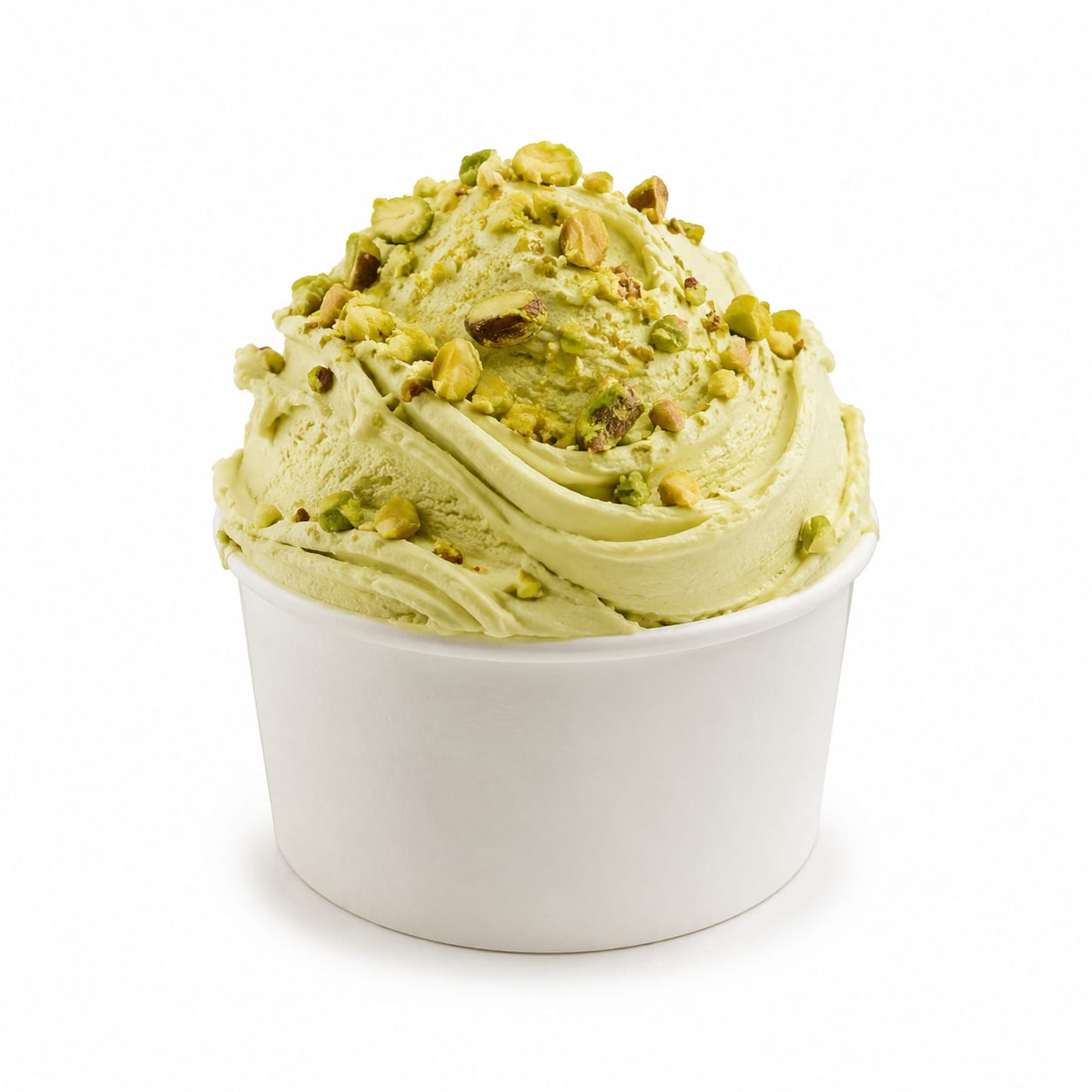
Gelato
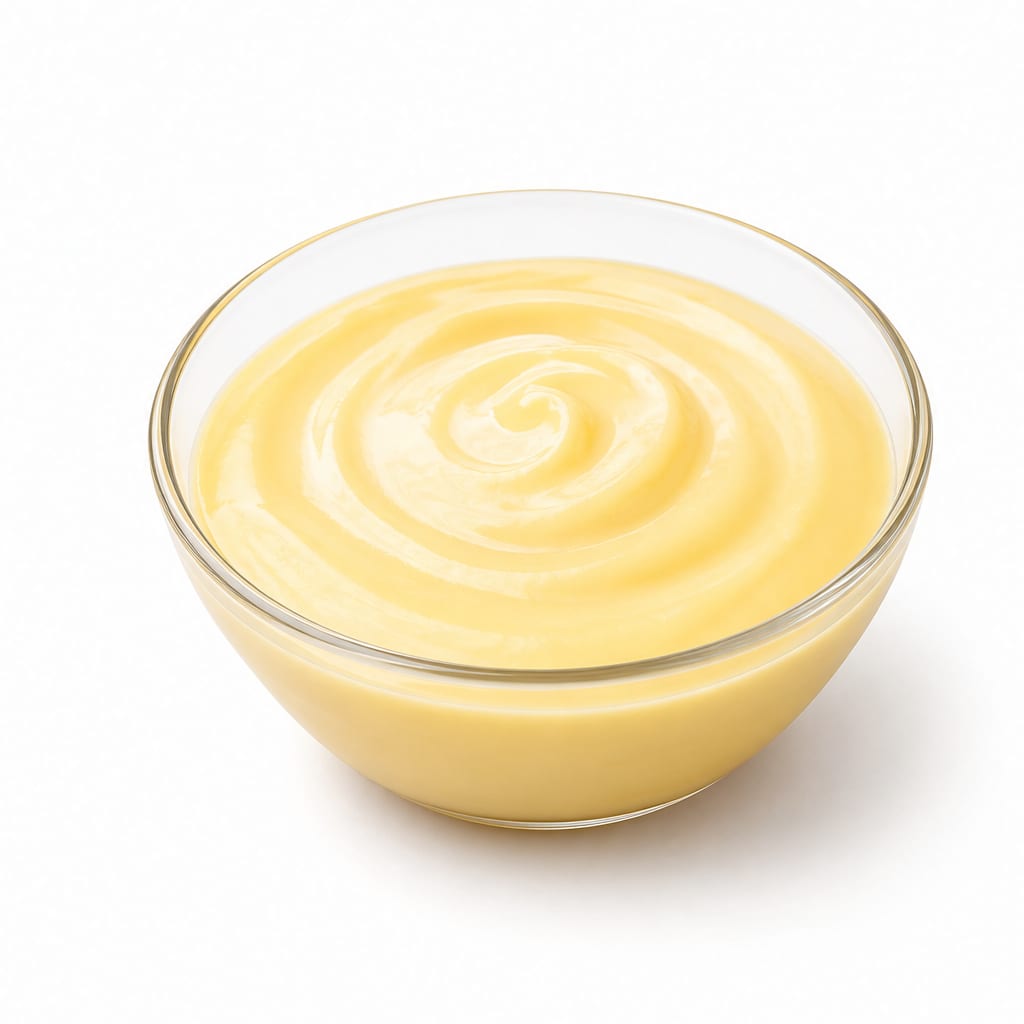
Custard
Gelato is lighter and lower in fat, but custard offers better blood sugar stability and richer satiety due to its egg yolk and cream base.
Custard scores slightly higher because its fat content buffers blood sugar spikes and provides better satiety, making it easier to eat in moderation. Both remain indulgent treats, not health foods.
Lower fat and calories in gelato versus lower sugar and steadier energy in custard.
At a glance
Executive summary
Overall
It depends
Healthier
It depends
More practical
It depends
Daily use
It depends
Key comparison lenses
sugar vs fat tradeoff
Gelato relies on sugar for texture due to lower fat, while custard uses egg yolks and cream for richness, often resulting in lower sugar content.
blood sugar impact
The higher fat and egg content in custard slows sugar absorption, making it gentler on blood glucose than the high-sugar, low-fat profile of gelato.
indulgence and satiety
Custard's dense fat content makes it more filling, while gelato's lighter feel can make it easier to overeat.
allergen and dietary restrictions
Custard contains eggs, which rules it out for egg-free diets, whereas gelato typically does not.
Best choice for
Gelato
- People strictly tracking calories or fat grams
- Those with egg allergies or avoiding eggs
- Anyone wanting a lighter, refreshing dessert after a heavy meal
Custard
- People managing blood sugar or insulin resistance
- Those who prefer a small, rich portion to feel satisfied
- Anyone seeking a higher-protein dessert option
Least suitable for
Gelato
- People with severe blood sugar concerns
- Those trying to reduce overall sugar intake
- Anyone prone to sugar cravings triggered by sweet foods
Custard
- People with egg allergies
- Those on strict low-fat or low-calorie diets
- Anyone who finds heavy, rich desserts hard to digest
Deep comparison
Dimension by dimension
Each lens scores both foods and breaks down who each option suits.
- Dimension 1 · Priority 95Custard
sugar_and_sweetness
Gelato · 30Custard · 55Gelato uses significantly more sugar to maintain a soft texture without fat, while custard achieves creaminess through egg yolks and cream instead of pure sweetness.
Tradeoff
Choosing gelato means consuming more sugar, which can lead to an energy crash and cravings later.
Why it matters
High sugar intake without enough fat causes rapid blood sugar spikes and drops, leaving you hungry again sooner.
Real-world impact
A bowl of gelato might leave you reaching for another snack an hour later, whereas a small custard can keep cravings at bay.
Gelato
- Those who prefer a sweeter, lighter flavor profile
Better for
- People prone to sugar crashes
- Those monitoring glycemic load
Worse for
Custard
- Anyone trying to minimize daily added sugar
- People seeking steady energy after dessert
Better for
- People who find very sweet desserts more satisfying in small amounts
Worse for
- Dimension 2 · Priority 90Custard
fat_and_satiety
Gelato · 35Custard · 70Custard is rich in dairy fat and egg yolks, making it far more filling and satisfying than the lower-fat gelato.
Tradeoff
The fat that makes custard so satisfying also makes it more calorie-dense and heavier on the stomach.
Why it matters
Fat triggers fullness signals in the brain, helping you stop eating naturally after a small portion.
Real-world impact
A single scoop of custard often feels like a complete dessert experience, while gelato's lightness can tempt you into going back for seconds.
Gelato
- Those wanting a light treat after a heavy dinner
- People who feel sluggish after high-fat foods
Better for
- Anyone who finds low-fat desserts unsatisfying
Worse for
Custard
- Those using dessert as a filling snack
- People who prefer rich, decadent flavors in small amounts
Better for
- People tracking strict calorie or fat macros
Worse for
- Dimension 3 · Priority 80Gelato
calorie_density
Gelato · 60Custard · 40Gelato generally has fewer calories per serving than custard due to its lower fat content.
Tradeoff
Gelato's lower calorie count comes with higher sugar and less satiety, making portion control harder.
Why it matters
If you strictly measure portions, gelato offers a lower-calorie indulgence, but the lack of fullness can lead to overeating.
Real-world impact
You might eat twice the volume of gelato to feel as satisfied as you would with a small custard, negating the calorie savings.
Gelato
- Those who practice strict portion control
- People looking for the lowest calorie dessert option
Better for
- Mindless snackers who eat until the bowl is empty
Worse for
Custard
- Those who naturally stop eating when they feel full
Better for
- Anyone on a calorie-restricted diet who struggles with dense foods
Worse for
- Dimension 4 · Priority 65Custard
nutrient_profile
Gelato · 35Custard · 55Custard provides more protein and essential nutrients like choline and vitamin A from egg yolks, while gelato offers little beyond calcium and sugar.
Tradeoff
Custard's nutritional edge comes alongside a high dose of saturated fat and cholesterol.
Why it matters
Desserts with some protein and fat slow digestion and offer marginal nutritional value compared to pure sugar treats.
Real-world impact
Custard acts slightly more like a food and less like a sugar rush, offering a bit of sustained energy.
Gelato
- Those avoiding dietary cholesterol
Better for
- Anyone seeking nutrient density even in indulgences
Worse for
Custard
- Those looking for a treat that doubles as a mild protein source
Better for
- People on strict heart-healthy diets limiting saturated fat
Worse for
Timeline
Health impact over time
Short-term
Hours to days
Gelato
- Rapid blood sugar spike followed by a crash
- Light, refreshing feeling immediately after eating
- Likelihood of craving more sweets shortly after
Custard
- Steadier blood sugar response due to fat content
- Heavy, satisfied feeling that curbs further snacking
- Possible sluggishness if a large portion is consumed
Long-term
Months to years
Gelato
- Increased risk of insulin resistance if consumed frequently
- Higher contribution to daily added sugar limits
- Potential for weight gain driven by sugar cravings and overconsumption
Custard
- Higher saturated fat intake, which may impact heart health if eaten daily
- Better blood sugar management compared to high-sugar desserts
- Easier portion control long-term due to strong satiety signals
Risk profile
Safety & processing
Both are processed foods, but traditional versions use simple ingredients. Commercial gelato often relies on stabilizers and gums to maintain texture without fat, while commercial custard uses emulsifiers to maintain consistency.
Gelato
Lactose intolerance discomfort
mediumGelato contains milk but no eggs, making it a trigger for lactose-sensitive individuals, though the cold temperature can sometimes mask symptoms.
Custard
Egg allergy or sensitivity
highCustard relies on egg yolks, making it strictly off-limits for anyone with egg allergies.
Salmonella from raw eggs
lowTraditional homemade custard carries a slight risk of salmonella if unpasteurized eggs are used, though commercial and modern recipes typically use safe, pasteurized eggs.
Who wins for whom
Audience fit
Same foods, different winners depending on your goal.
children
GelatoGelato is lighter on the stomach, avoids the common egg allergy risk, and is easier for kids to digest after a meal.
daily consumption
It dependsNeither is ideal for daily consumption, but if forced to choose, it depends on whether you tolerate fat or sugar better in your daily diet.
diabetes
CustardThe higher fat content in custard slows the absorption of sugar into the bloodstream, preventing the severe glucose spikes caused by gelato's high-sugar, low-fat profile.
elderly
CustardCustard's softer texture and higher protein and fat content provide satiety and a slower energy release, which is beneficial for older adults with smaller appetites.
muscle gain
CustardCustard provides slightly more protein from the milk and egg yolks, though neither is a significant muscle-building food.
weight loss
GelatoGelato offers lower calories per serving, which is beneficial for weight loss, provided you can stick to a single portion and resist the sugar-driven cravings.
Your move
Decision guide
Choose Gelato
- You are counting calories or watching your fat intake
- You have an egg allergy or are cooking for someone who does
- You want a refreshing, lighter treat on a hot day
Choose Custard
- You are monitoring your sugar intake or managing blood sugar
- You want a rich dessert where a small portion feels completely satisfying
- You prefer creamy, dense textures over icy, sweet ones
Either works if
- You are looking for an occasional indulgence and can keep the portion to a single scoop
- You have no specific dietary restrictions regarding fat, sugar, or eggs
Avoid both if
- You are dairy-free or lactose intolerant
- You are following a strict whole-food, low-sugar, or low-fat diet
- You struggle with portion control around sweet treats
Final recommendation
Let your primary health goal decide. If you are watching calories, go for gelato but measure your portion. If you are watching sugar or want to feel full faster, choose custard. Neither is a health food, so pick the one that satisfies you most in the smallest amount.
Practical
Consumer tips
- 1
Ask for nutritional info at shops: sugar content in gelato can vary wildly depending on the flavor.
- 2
Pair either dessert with a handful of nuts to add fat and fiber, which slows down sugar absorption.
- 3
Choose fruit-based gelato flavors for slightly less sugar density than caramel or chocolate.
- 4
When making custard at home, use pasteurized eggs to eliminate salmonella risk.
- 5
Eat slowly and savor the richness of custard; its heavy texture is meant to be enjoyed in small amounts.