
Nutrition comparison
Gelato vs Frozen Yogurt: Which Is Actually Healthier?
Compare gelato and frozen yogurt on calories, sugar, fat, probiotics, and satisfaction. Learn which frozen dessert fits your health goals and when each is the smarter choice.
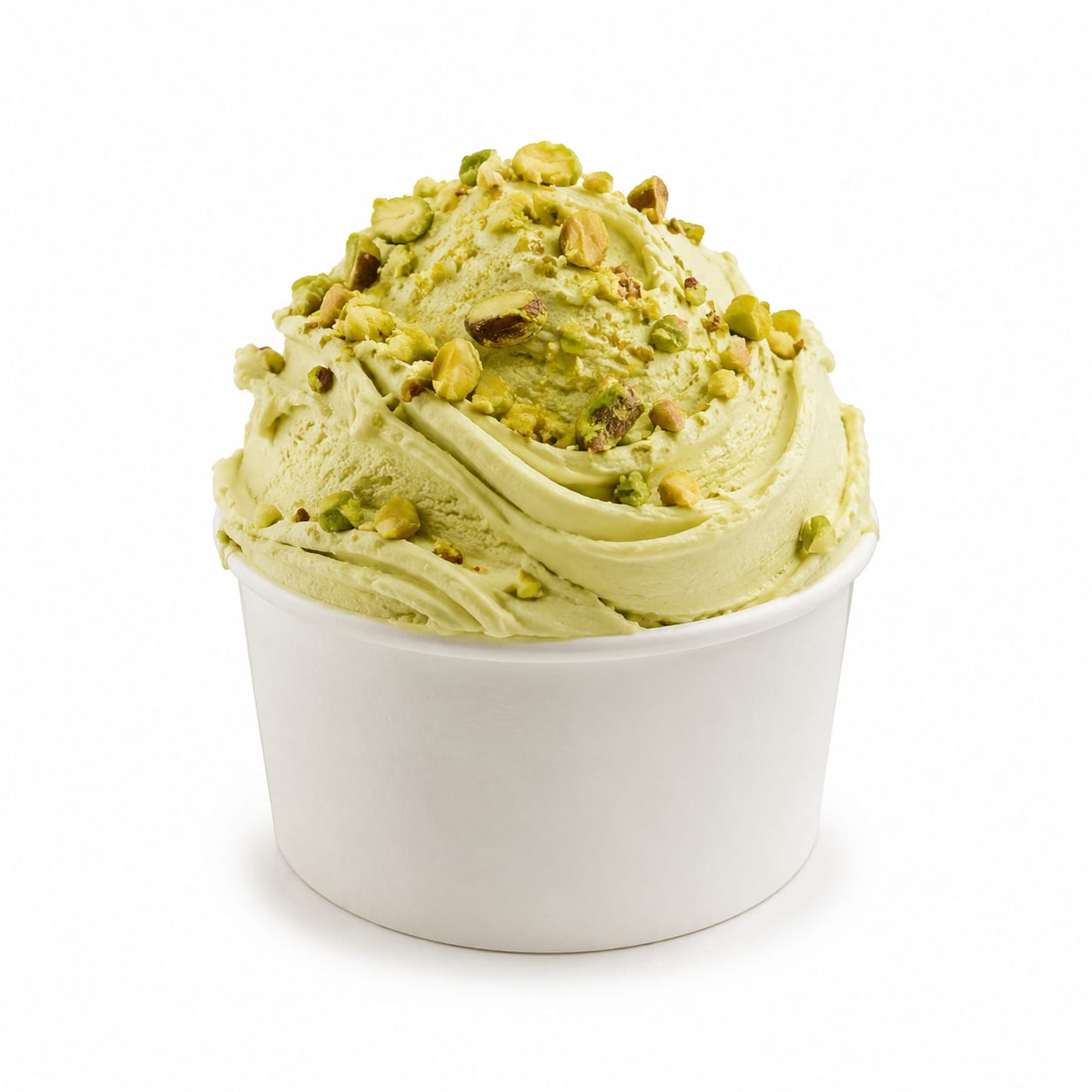
Gelato
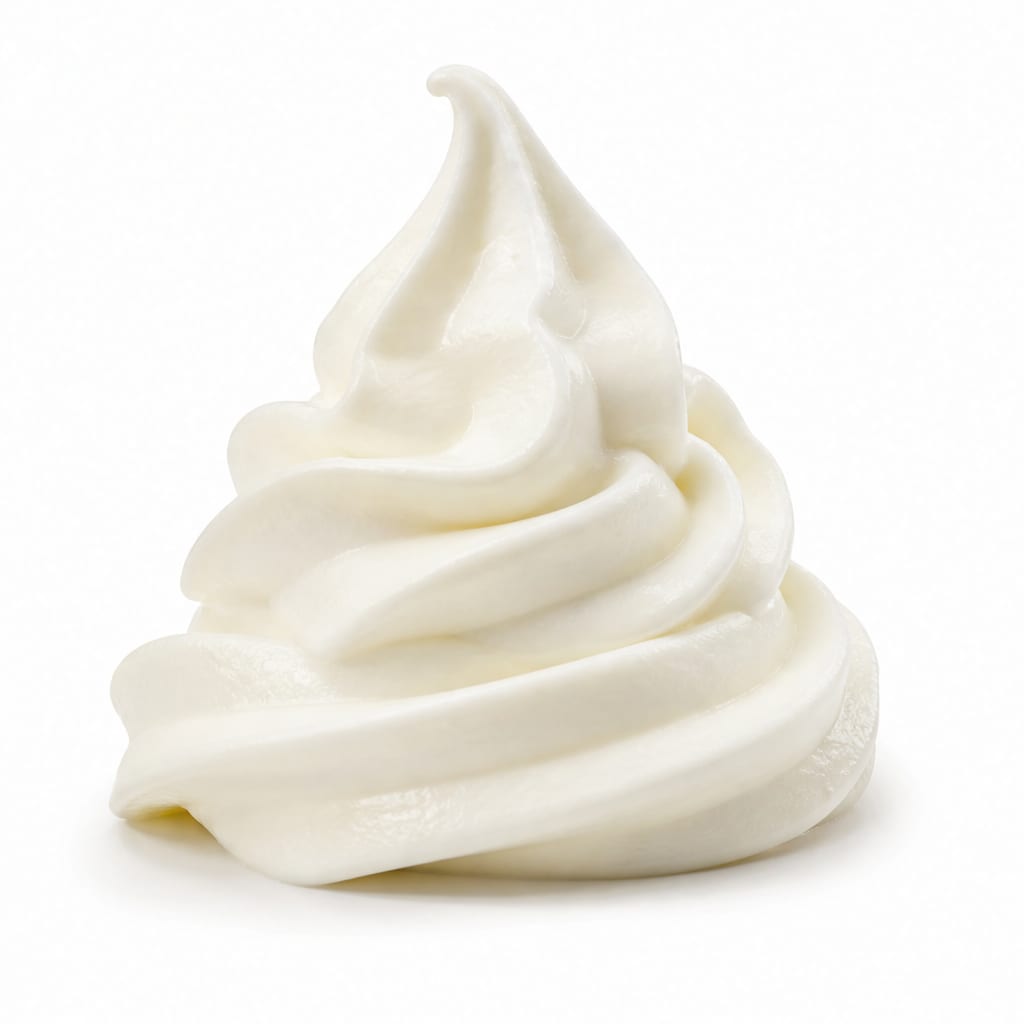
Frozen Yogurt
Gelato delivers richer satisfaction in smaller portions, while frozen yogurt offers less fat but often hides more sugar than expected.
Frozen yogurt edges ahead for everyday practicality and lower fat, but the margin is slim because hidden sugars and portion creep can neutralize its advantages. Gelato scores lower overall due to higher saturated fat and calorie density, though it wins on sugar control and satisfaction per bite.
Fat versus sugar — gelato leans into cream and density, frozen yogurt compensates for lost fat with sweetness and toppings.
At a glance
Executive summary
Overall
It depends
Healthier
It depends
More practical
Frozen Yogurt
Daily use
Frozen Yogurt
Key comparison lenses
guilt-free dessert selection
Most people choosing between these two are trying to satisfy a sweet craving while minimizing regret
calorie and fat tradeoff awareness
The core decision hinges on whether lower fat actually means a better choice overall
sugar content reality check
Frozen yogurt is often assumed to be low-sugar, which is frequently misleading
digestive and gut health benefits
Probiotics in frozen yogurt matter to many health-conscious consumers
satiety and overeating risk
Lower fat can mean less fullness, leading to larger portions or second helpings
Best choice for
Gelato
- Those who prefer a small, rich treat and stop after a few bites
- People avoiding excessive sugar spikes
- Anyone seeking authentic dessert satisfaction without seconds
Frozen Yogurt
- Fat-conscious eaters watching saturated intake
- Probiotic seekers wanting a gut-friendly option
- People who enjoy customizing with fruit toppings
Least suitable for
Gelato
- Daily indulgers — calorie density adds up fast
- Those strictly limiting saturated fat
- Lactose-sensitive individuals
Frozen Yogurt
- Sugar-conscious diabetics — many varieties are surprisingly sweet
- People prone to overeating at self-serve stations
- Anyone avoiding artificial flavors or emulsifiers
Deep comparison
Dimension by dimension
Each lens scores both foods and breaks down who each option suits.
- Dimension 1 · Priority 92Frozen Yogurt
Calorie Density and Portion Control
Gelato · 40Frozen Yogurt · 65Frozen yogurt is less calorie-dense per serving, but self-serve culture often leads to oversized portions.
Tradeoff
Gelato's richness naturally limits intake, while frozen yogurt's lighter feel invites larger servings.
Why it matters
A small gelato may actually deliver fewer calories than a heaping frozen yogurt bowl with toppings.
Real-world impact
You might feel satisfied after half a cup of gelato but easily consume a full cup of frozen yogurt without noticing.
Gelato
- Natural portion control through richness
- Fewer calories if you truly eat a small serving
Better for
- Easy to exceed calorie budget if you ignore portion size
- Higher fat calories concentrate quickly
Worse for
Frozen Yogurt
- Lower calorie density per standard serving
- Less guilt per spoonful when portions are managed
Better for
- Self-serve stations encourage overpouring
- Toppings can double the calorie count
Worse for
- Dimension 2 · Priority 90Gelato
Sugar Content and Blood Sugar Impact
Gelato · 60Frozen Yogurt · 42Gelato typically contains less sugar than frozen yogurt, which compensates for lower fat with extra sweetness.
Tradeoff
Frozen yogurt's tart profile requires more sugar to taste appealing, creating a sharper blood sugar rise.
Why it matters
Many people assume frozen yogurt is the low-sugar choice, but the opposite is often true.
Real-world impact
A frozen yogurt serving can spike blood sugar faster than gelato, leaving you hungry again sooner.
Gelato
- Lower sugar content per serving on average
- Steadier energy with less crash risk
Better for
- Still a high-sugar dessert by absolute standards
Worse for
Frozen Yogurt
- Some sugar-free varieties exist with alternative sweeteners
Better for
- Added sugar often exceeds gelato in comparable servings
- Toppings like candy and syrups multiply the sugar load
Worse for
- Dimension 3 · Priority 85Gelato
Fat Content and Satiety
Gelato · 70Frozen Yogurt · 45Gelato's higher fat content provides more lasting fullness, while frozen yogurt's low fat can leave you wanting more.
Tradeoff
Saturated fat in gelato is a health concern, but it also slows sugar absorption and extends satisfaction.
Why it matters
Feeling satisfied after dessert matters for preventing a second helping or late-night snacking.
Real-world impact
After frozen yogurt, you may find yourself back in the kitchen an hour later; gelato tends to close the chapter.
Gelato
- Fat slows digestion and extends fullness
- More satisfying mouthfeel reduces the urge for more
Better for
- Saturated fat raises LDL cholesterol with frequent consumption
- Not suitable for fat-restricted diets
Worse for
Frozen Yogurt
- Significantly less saturated fat per serving
- Better fit for low-fat dietary approaches
Better for
- Low fat means faster digestion and quicker hunger return
- May trigger compensatory eating later
Worse for
- Dimension 4 · Priority 78Frozen Yogurt
Gut Health and Probiotics
Gelato · 20Frozen Yogurt · 68Frozen yogurt retains some beneficial bacteria, though freezing reduces viability significantly compared to refrigerated yogurt.
Tradeoff
Probiotic benefits are real but modest — frozen yogurt is not equivalent to fresh yogurt for gut health.
Why it matters
Any probiotic advantage is a bonus, but should not be the primary reason to choose frozen yogurt.
Real-world impact
You get a small gut-friendly benefit, but not enough to treat frozen yogurt as a health food.
Gelato
- No particular gut health advantage
Better for
- No probiotic content
- Higher lactose load can bother sensitive stomachs
Worse for
Frozen Yogurt
- Some live cultures survive freezing in quality brands
- Slightly easier on digestion for some lactose-sensitive people
Better for
- Freezing kills or reduces many probiotic strains
- Not a reliable probiotic source compared to regular yogurt
Worse for
- Dimension 5 · Priority 72It depends
Processing and Additives
Gelato · 55Frozen Yogurt · 48Artisanal gelato tends to have simpler ingredients, but commercial versions of both can be heavily processed.
Tradeoff
Frozen yogurt often requires stabilizers and emulsifiers to maintain texture without fat, while gelato relies on cream and eggs.
Why it matters
Fewer additives means a cleaner ingredient list and less exposure to questionable food chemicals.
Real-world impact
Reading labels matters more than the category — a high-quality gelato shop beats a processed frozen yogurt chain, and vice versa.
Gelato
- Traditional recipes use minimal ingredients
- Less need for texture-enhancing additives
Better for
- Commercial gelato can contain gums and preservatives
- Artificial flavors are common in mass-produced options
Worse for
Frozen Yogurt
- Some brands use simple ingredients with live cultures
Better for
- Low-fat formulations often add emulsifiers and stabilizers
- Artificial sweeteners appear in sugar-free varieties
Worse for
- Dimension 6 · Priority 80Gelato
Emotional Satisfaction and Craving Resolution
Gelato · 82Frozen Yogurt · 55Gelato's dense, creamy texture delivers a more indulgent experience that truly ends a craving.
Tradeoff
Frozen yogurt can feel like a compromise — healthy enough to justify but not rich enough to satisfy.
Why it matters
Dessert that does not satisfy often leads to eating more of it or seeking additional snacks.
Real-world impact
You might eat frozen yogurt and still want something else, while gelato tends to feel like a complete treat.
Gelato
- Rich mouthfeel provides genuine indulgence
- Higher fat triggers stronger satiety signals
Better for
- Heavier after-feeling may not suit every occasion
- Can feel too rich in hot weather
Worse for
Frozen Yogurt
- Lighter feel suits warm weather and casual snacking
- Less post-treat heaviness
Better for
- May not fully resolve a dessert craving
- Can trigger a search for something more satisfying
Worse for
Timeline
Health impact over time
Short-term
Hours to days
Gelato
- Quick satiety from fat content reduces immediate snacking urge
- Moderate blood sugar rise due to fat slowing sugar absorption
- Possible digestive heaviness if lactose intolerant
Frozen Yogurt
- Sharper blood sugar spike from higher sugar and lower fat
- Lighter stomach feel immediately after eating
- Potential bloating from sugar alcohols in sugar-free varieties
Long-term
Months to years
Gelato
- Frequent consumption raises saturated fat intake and LDL cholesterol risk
- Smaller portions may support better portion discipline over time
- Higher calorie density contributes to weight gain if not portioned carefully
Frozen Yogurt
- Regular intake of high-sugar frozen yogurt can contribute to insulin resistance
- Occasional probiotic benefit from surviving cultures supports gut diversity
- Self-serve portion habits may train overconsumption patterns
Risk profile
Safety & processing
Both are processed foods by nature. Artisanal gelato often uses simpler ingredient lists, while frozen yogurt frequently requires stabilizers and sweeteners to compensate for removed fat. Quality varies enormously by brand and shop for both.
Gelato
Listeria contamination
lowDairy-based frozen desserts carry a small listeria risk, particularly from unpasteurized ingredients in artisanal shops.
Temperature abuse
mediumGelato is stored at slightly warmer temperatures than ice cream, creating a narrower safe window if not handled properly.
Frozen Yogurt
Cross-contamination at self-serve stations
mediumShared nozzles and customer-handled toppings increase exposure to allergens and bacteria.
Artificial sweetener sensitivity
lowSugar-free varieties may contain sugar alcohols that cause digestive discomfort in sensitive individuals.
Who wins for whom
Audience fit
Same foods, different winners depending on your goal.
children
Frozen YogurtFrozen yogurt's lower fat and softer flavor profile suits kids better, and probiotics offer a small bonus for developing digestive systems.
daily consumption
Frozen YogurtNeither should be daily, but frozen yogurt's lower fat and potential probiotics make it the less harmful regular habit — if sugar is managed.
diabetes
GelatoGelato's higher fat content slows sugar absorption, creating a gentler blood sugar curve than the sugar-heavy frozen yogurt alternatives.
elderly
Frozen YogurtLower saturated fat and easier digestion make frozen yogurt a more heart-friendly choice for older adults watching cardiovascular risk.
muscle gain
It dependsNeither is a meaningful protein source. Choose based on which fits your calorie allowance as an occasional treat.
weight loss
It dependsGelato supports portion control through richness, while frozen yogurt offers lower calorie density — the winner depends on which strategy works better for the individual.
Your move
Decision guide
Choose Gelato
- You want a small, deeply satisfying treat that ends a craving
- You are watching sugar more than fat
- You prefer fewer additives and simpler ingredients
- You tend to stop eating when you feel full rather than when the bowl is empty
Choose Frozen Yogurt
- You are limiting saturated fat for heart health
- You enjoy customizing with fresh fruit toppings
- You want something lighter after a heavy meal
- You are looking for any probiotic benefit, however modest
Either works if
- You just want a cold dessert and neither poses a specific health concern
- You are eating an occasional treat and the nutritional differences are negligible
Avoid both if
- You are lactose intolerant without access to dairy-free alternatives
- You are strictly managing blood sugar and need to minimize all dessert intake
- You are prone to binge eating and cannot control portions with either option
Final recommendation
Pick gelato when you want real indulgence in a small serving — it satisfies deeply and contains less sugar than most people expect. Choose frozen yogurt when fat intake is your primary concern or you want a lighter, customizable experience. But read labels carefully: frozen yogurt's health halo often masks more sugar than gelato, and toppings can erase any calorie advantage. The smartest move is whichever one you can enjoy moderately without triggering a second helping.
Practical
Consumer tips
- 1
Ask for nutrition information at frozen yogurt shops — sugar content varies wildly between brands
- 2
Skip the candy and syrup toppings at frozen yogurt bars and opt for fresh fruit or nuts instead
- 3
Order the smallest gelato size available — a few ounces of quality gelato satisfies more than a large portion of frozen yogurt
- 4
Look for frozen yogurt brands with live active cultures listed on the label for the best probiotic benefit
- 5
Check ingredient lists for artificial sweeteners in sugar-free frozen yogurt if you are sensitive to sugar alcohols
- 6
Eat either option slowly — both benefit from mindful consumption to register fullness before overdoing portions