
Fruit
Dragon Fruit
A low-calorie, fiber-rich tropical fruit with a low glycemic impact and striking appearance.
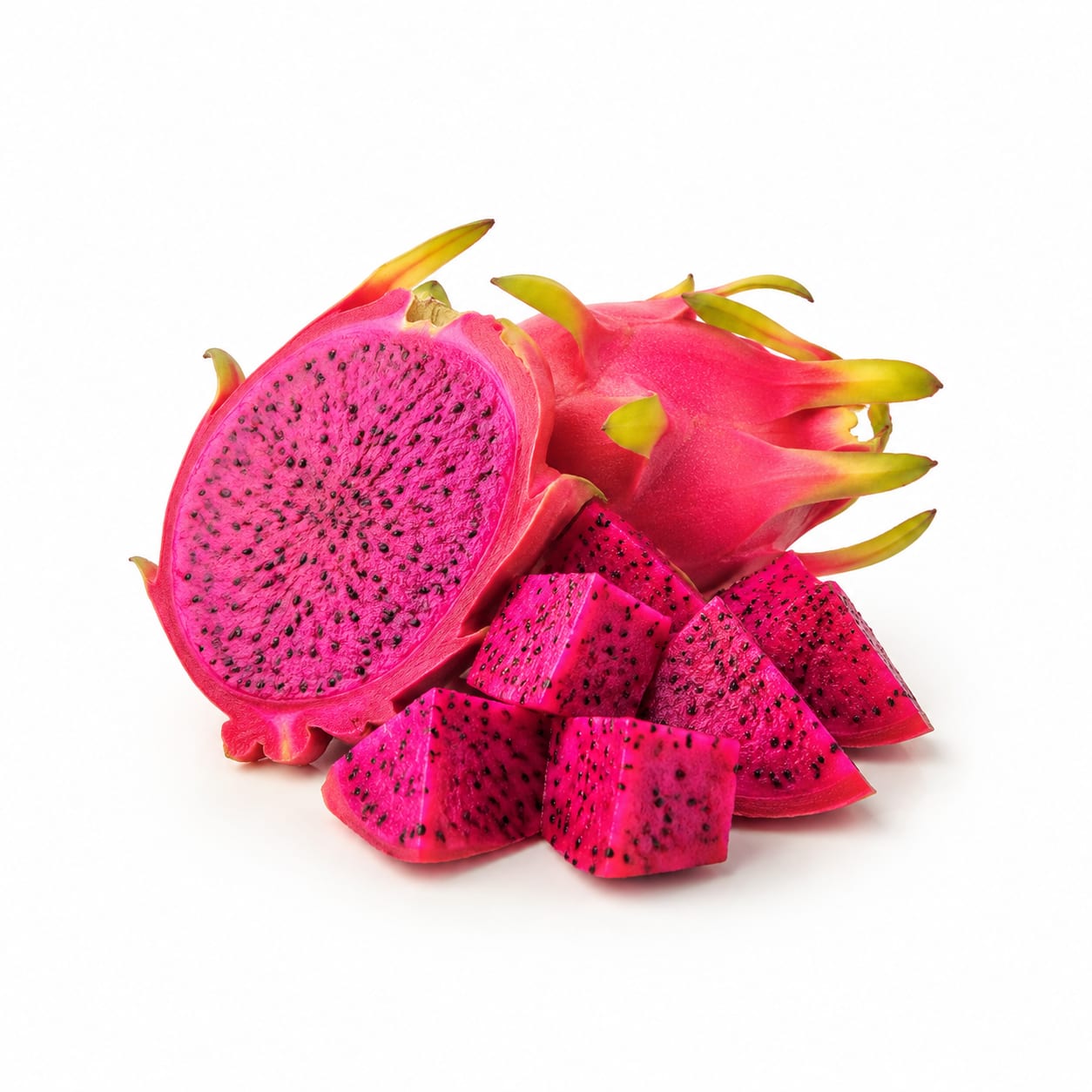
A vibrant tropical fruit from several cactus species, known for its striking pink skin and either white or red flesh dotted with tiny black seeds.
high-volume low-calorie fruit
Typical serving · 100g
Common varieties · white-fleshed pitaya, red-fleshed pitaya, yellow dragon fruit (pitahaya), costa rican pitaya
Overall context score across nutrition, safety, and diet fit
At a glance
Quick facts
Simple indicators based on nutrition, processing, and diet fit.
The story
What makes it unique
Dragon fruit digests at a moderate pace due to its water content and dietary fiber, providing steady energy release. It offers low satiety relative to high-protein foods but is highly filling for its calorie count. The macronutrient profile is carbohydrate-dominant with minimal fat and protein. As a minimally processed whole food, its cellular structure remains intact, optimizing nutrient bioavailability.
Varieties: white-fleshed pitaya · red-fleshed pitaya · yellow dragon fruit (pitahaya) · costa rican pitaya
Per 100g
Nutrition breakdown
Macro balance and key metrics at a glance.
Energy
Density 0.57 kcal/g
Protein
Carbs
Fat
Fiber
Sugar
8 g
Sodium
2 mg
Potassium
200 mg
Glycemic index
48
Glycemic load
4
Water content
83%
Standout compounds
Nutrient highlights
Fiber (oligosaccharides)
highpromotes gut microbiome diversity
Vitamin C
moderatesupports immune function and collagen synthesis
Magnesium
moderateessential for muscle and nerve function
Betacyanins (red variety)
highprovides antioxidant protection against oxidative stress
Iron
lowsupports oxygen transport in blood
Wellness map
Health scores & processing
NOVA processing scale
minimally processed · Whole food
Whole fruit consumed fresh or frozen with no added ingredients, retaining its natural cellular structure.
Diet compatibility
- Weight loss
- Muscle gain
- Diabetes
- Gut health
- Low carb
- High protein
- Heart health
Relative standing
Food rankings
Qualitative ranks compared to similar whole foods.
- Satietygood
- Blood sugarexcellent
- Nutrient densitygood
- Fitness fuelmoderate
- Processing qualityexcellent
Eat with confidence
Food safety profile
The thick inedible skin protects the edible flesh from most agricultural chemicals and microbial contamination.
Evidence confidence 90%
- Pesticideslow
- Antibioticslow
- Heavy metalslow
- Contaminationlow
Watch for
- pesticide residue on skin
Safer choices
organic varieties to avoid any skin pesticide residue
Prep tips
Wash the outer skin thoroughly under running water before slicing to prevent transferring dirt or bacteria to the flesh.
minimal
Deep dive
Health analysis
How this food may fit different goals and preparation choices.
Weight loss
Low energy density and high water content make it a volumetrically satisfying food for few calories.
Blood sugar
Low glycemic index and moderate fiber prevent sharp blood sugar spikes, making it suitable for glucose management.
Fitness & energy
Provides easily digestible carbohydrates for light pre-workout fuel, but lacks protein for muscle recovery.
Gut health
Contains oligosaccharides that promote the growth of lactobacilli and bifidobacteria, supporting microbiome diversity.
Processing quality
Whole, unprocessed fruit with intact cellular structure and nutrient synergy.
Food safety
Thick peel shields the flesh from most agricultural chemicals; washing the rind before cutting mitigates transfer risks.
Common mistakes
Avoiding it due to perceived high sugar content based on its sweet taste, or overconsuming dried versions which are calorie-dense.
Best preparation
Fresh, cubed, or blended into smoothies; avoid syrups or dried versions with added sugars.
Practical guide
Best use cases
When and how this food fits real eating patterns.
pre-workout light carb snack
Provides easily digestible carbohydrates for energy without causing digestive heaviness.
high-volume low-calorie eating
Large portions can be consumed for minimal calories, aiding portion control and satiety.
smoothie bowl base
Adds thickness, vibrant color, and mild sweetness to blended recipes without excess sugar.
digestive health support
Prebiotic fiber feeds beneficial gut bacteria to support microbiome balance.
Balance sheet
Pros & cons
Upsides
- low in calories
- rich in prebiotic fiber
- low glycemic impact
- high in antioxidants
- hydrating
Trade-offs
- relatively expensive
- low in protein
- mild flavor may not satisfy sweet cravings
- can be messy to prep
Fit check
Who is it for?
Great match
- weight management
- blood sugar control
- gut microbiome support
- hydration
Consider alternatives
- strict ketogenic diets
- high-protein diets
- budget-conscious grocery shopping
Side by side
How it compares
Open the full head-to-head analysis for nutrition, safety, and practical tradeoffs.
This food
Dragon Fruit
VS85% alike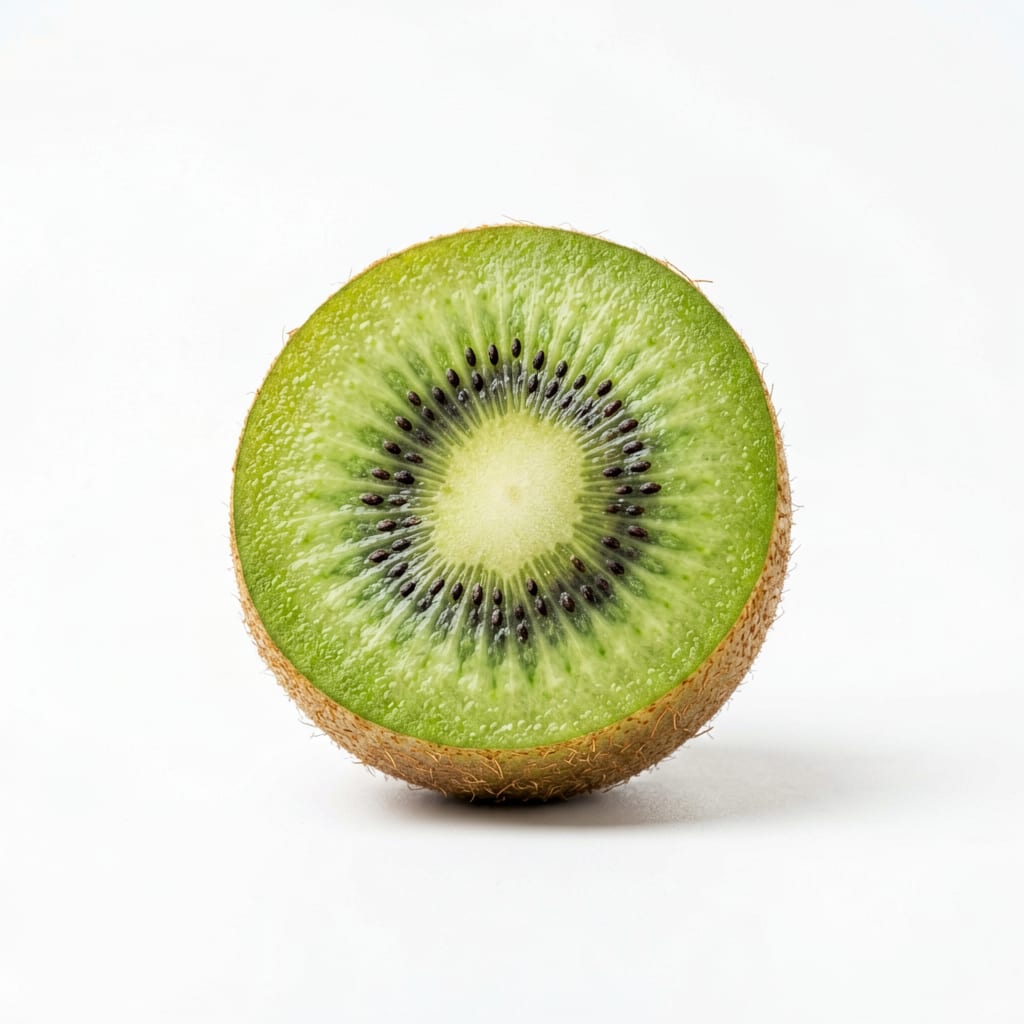
Compare with
Kiwi
Kiwi offers more vitamin C and satiety, while dragon fruit provides more magnesium and unique prebiotics.
Kiwi offers more vitamin C and satiety, while dragon fruit provides more magnesium and unique prebiotics.
This food
Dragon Fruit
VS80% alike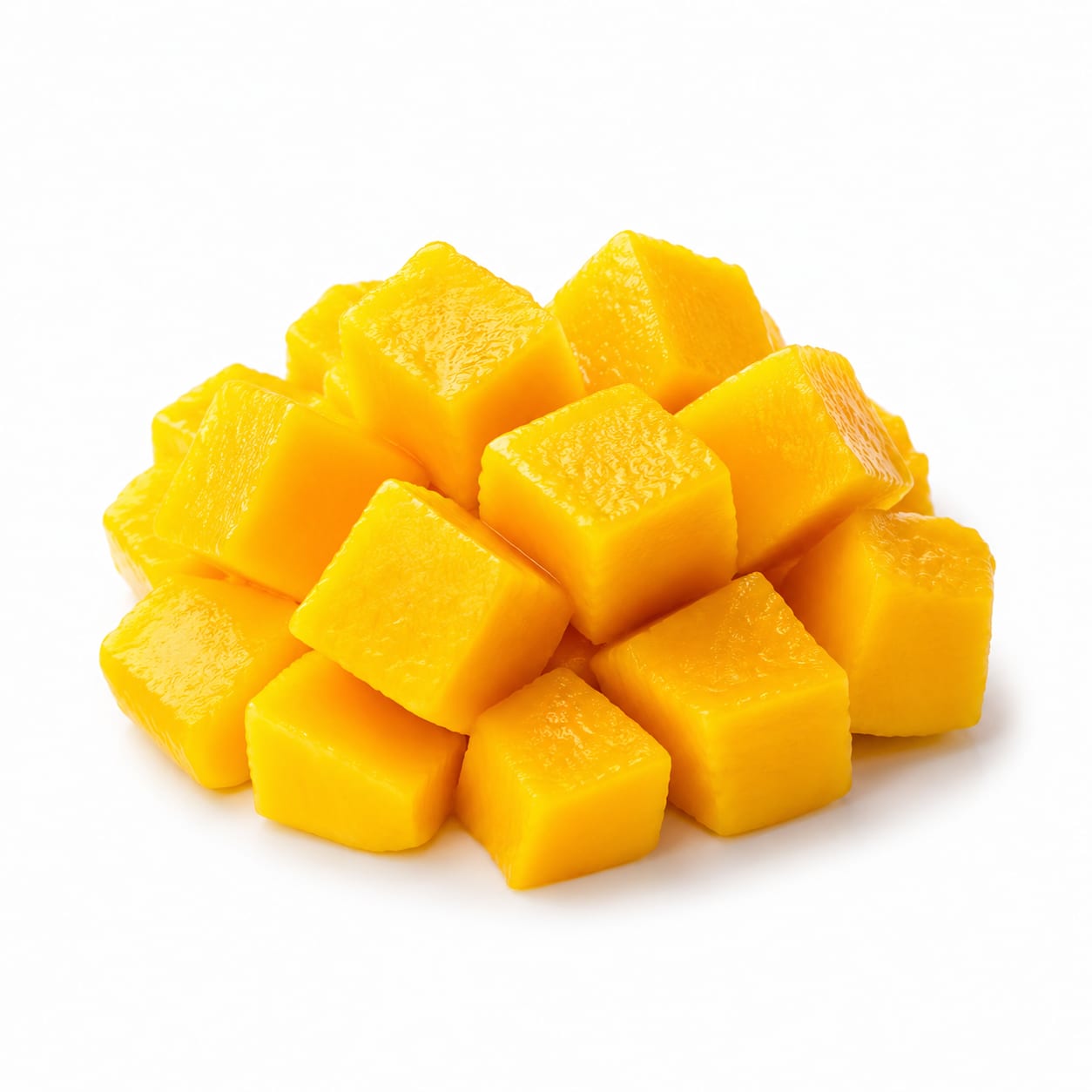
Compare with
Mango
Dragon fruit is better for blood sugar and weight loss due to lower sugar, while mango provides more vitamin A and folate.
Dragon fruit is better for blood sugar and weight loss due to lower sugar, while mango provides more vitamin A and folate.
This food
Dragon Fruit
VS75% alike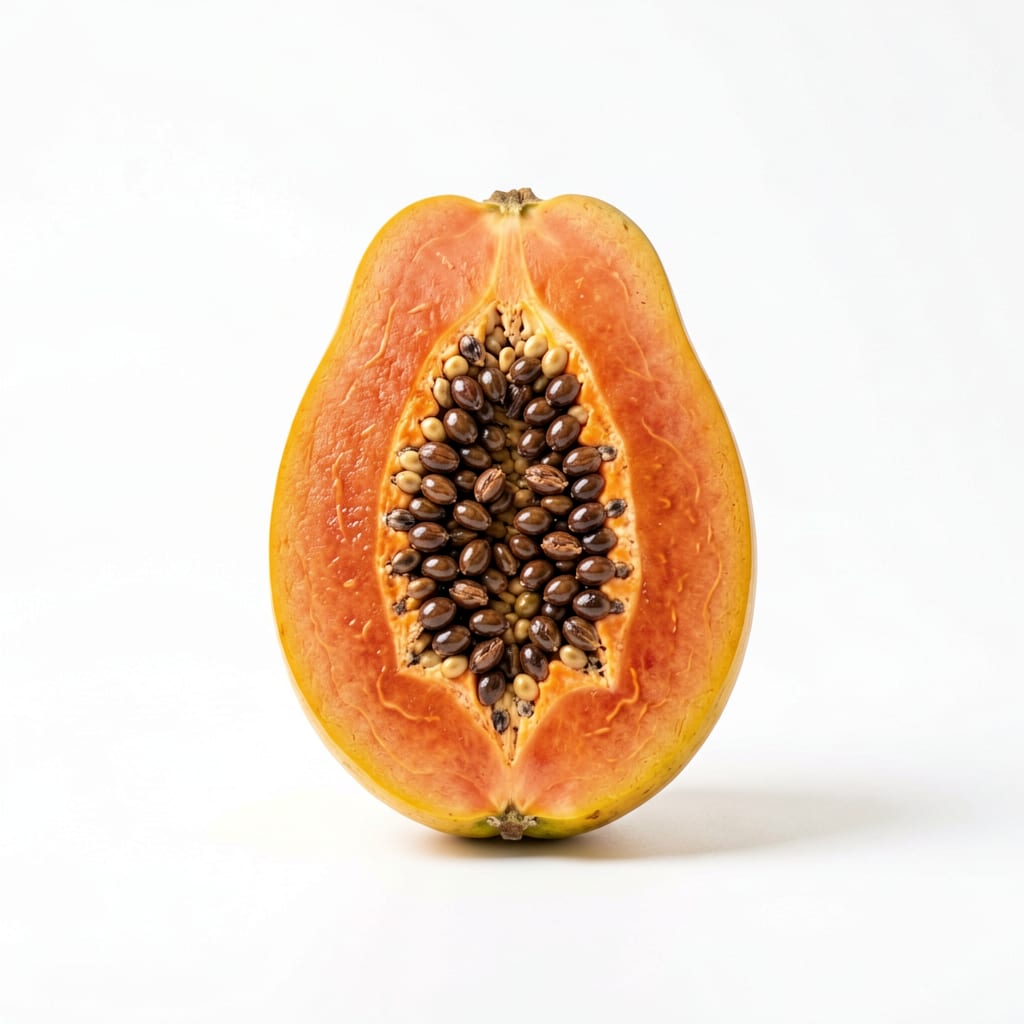
Compare with
Papaya
Papaya excels at breaking down proteins with enzymes, whereas dragon fruit feeds beneficial gut bacteria with fiber.
Papaya excels at breaking down proteins with enzymes, whereas dragon fruit feeds beneficial gut bacteria with fiber.
This food
Dragon Fruit
VS70% alike
Compare with
Banana
Bananas provide more potassium and workout fuel, while dragon fruit is lower in calories and better for blood sugar control.
Bananas provide more potassium and workout fuel, while dragon fruit is lower in calories and better for blood sugar control.
This food
Dragon Fruit
VS70% alike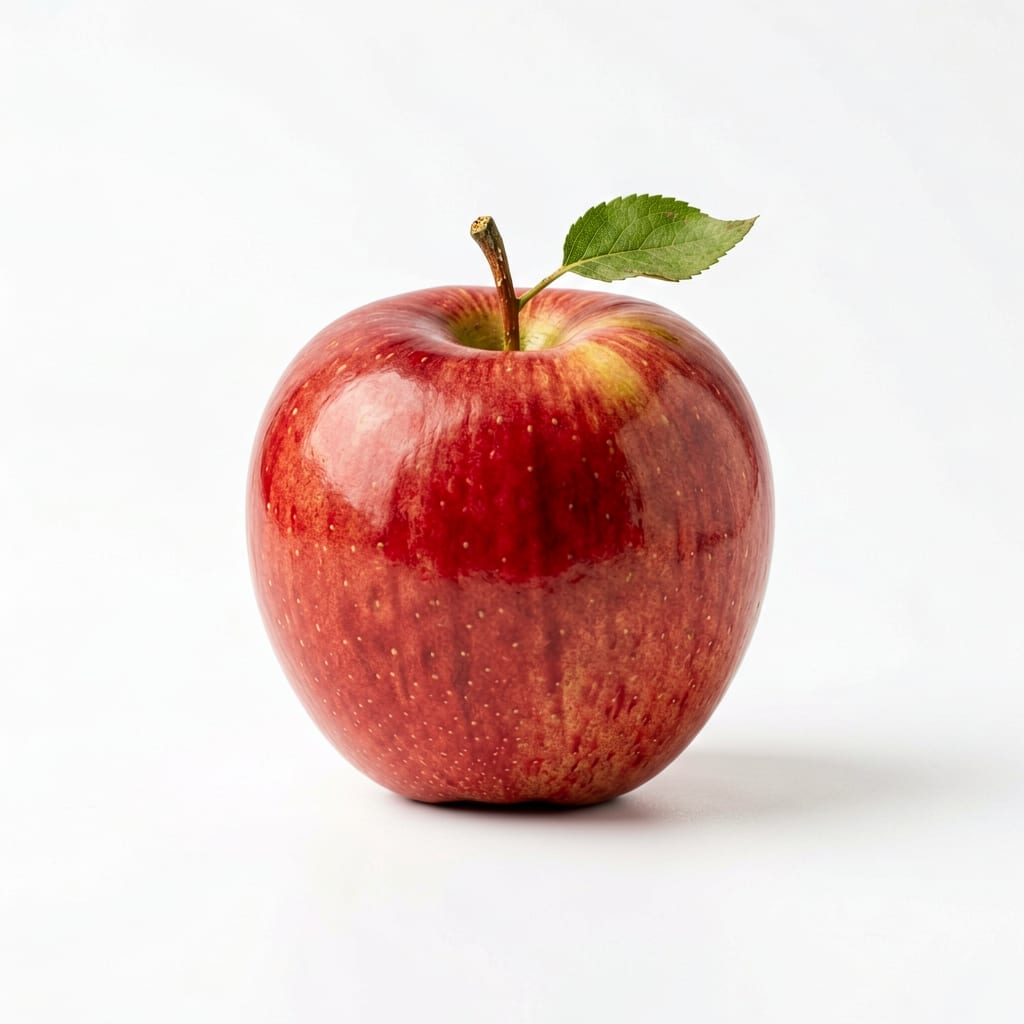
Compare with
Apple
Apples offer more satiety from pectin, but dragon fruit has a lower glycemic load and fewer calories per serving.
Apples offer more satiety from pectin, but dragon fruit has a lower glycemic load and fewer calories per serving.
This food
Dragon Fruit
VS65% alike
Compare with
Watermelon
Dragon fruit provides more fiber and a lower glycemic impact, making it superior for blood sugar management compared to watermelon.
Dragon fruit provides more fiber and a lower glycemic impact, making it superior for blood sugar management compared to watermelon.
This food
Dragon Fruit
VS65% alike
Compare with
Pineapple
Pineapple delivers more vitamin C and anti-inflammatory bromelain, but dragon fruit is gentler on blood sugar.
Pineapple delivers more vitamin C and anti-inflammatory bromelain, but dragon fruit is gentler on blood sugar.
This food
Dragon Fruit
VS60% alike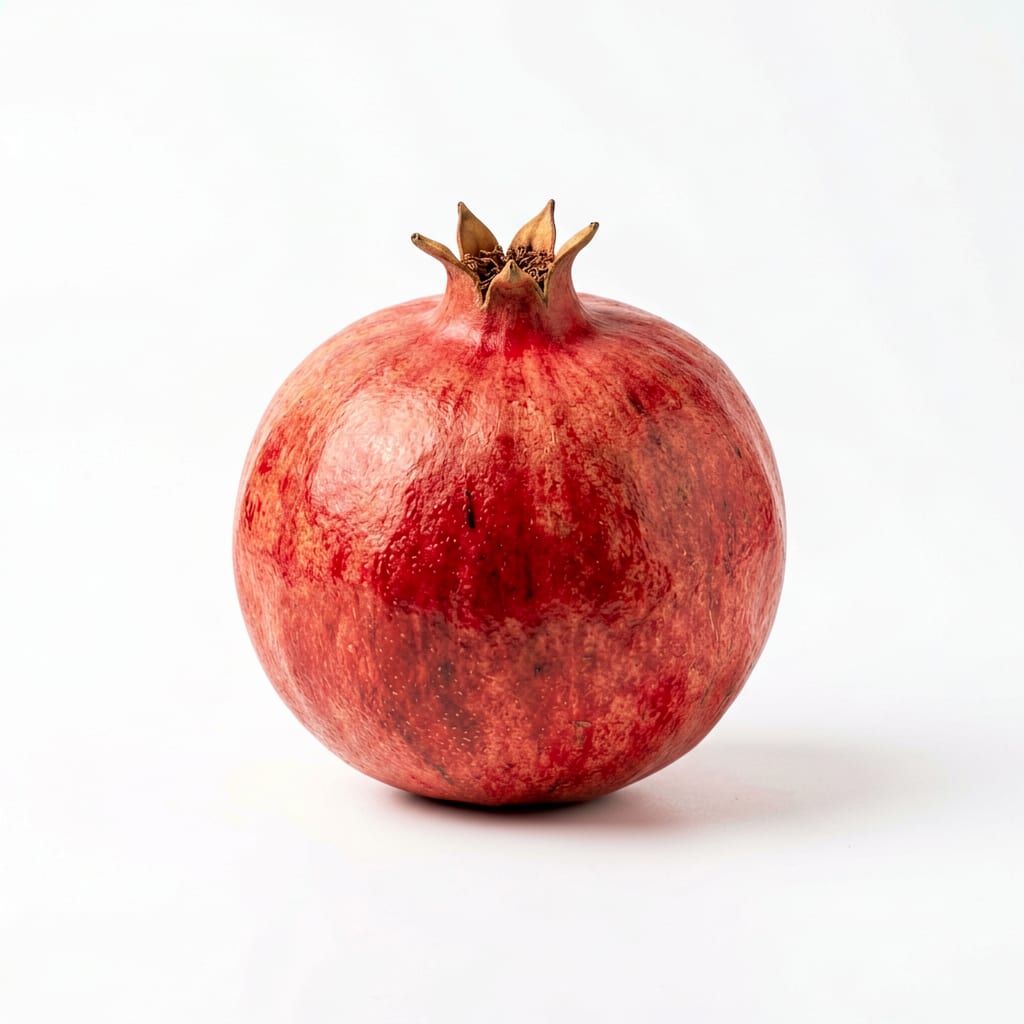
Compare with
Pomegranate
Pomegranate packs more fiber and antioxidants per gram, but dragon fruit is significantly lower in calories and sugar.
Pomegranate packs more fiber and antioxidants per gram, but dragon fruit is significantly lower in calories and sugar.
This food
Dragon Fruit
VS60% alike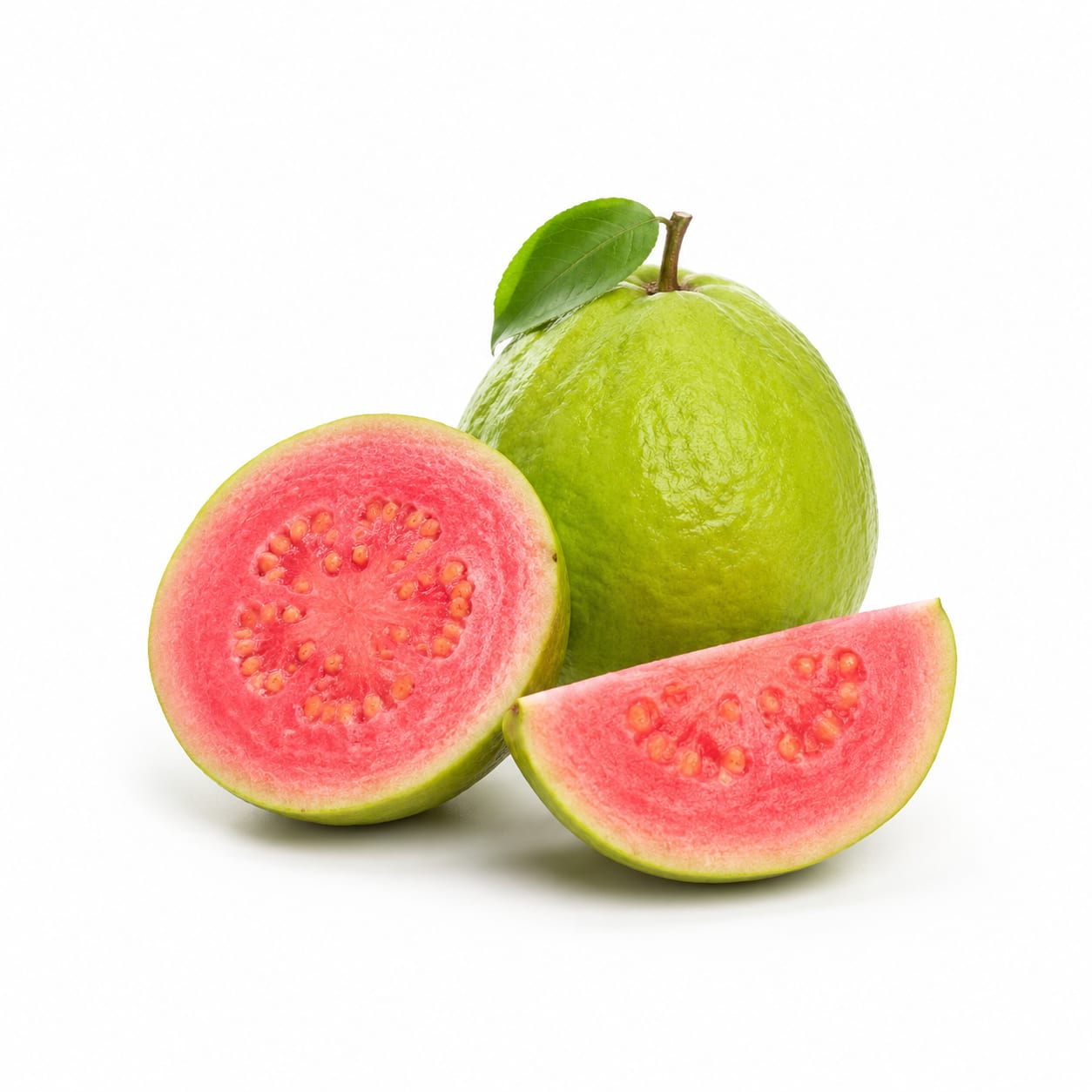
Compare with
Guava
Guava is a nutritional powerhouse with massive vitamin C and fiber, while dragon fruit is a lighter, lower-calorie alternative.
Guava is a nutritional powerhouse with massive vitamin C and fiber, while dragon fruit is a lighter, lower-calorie alternative.
This food
Dragon Fruit
VS55% alike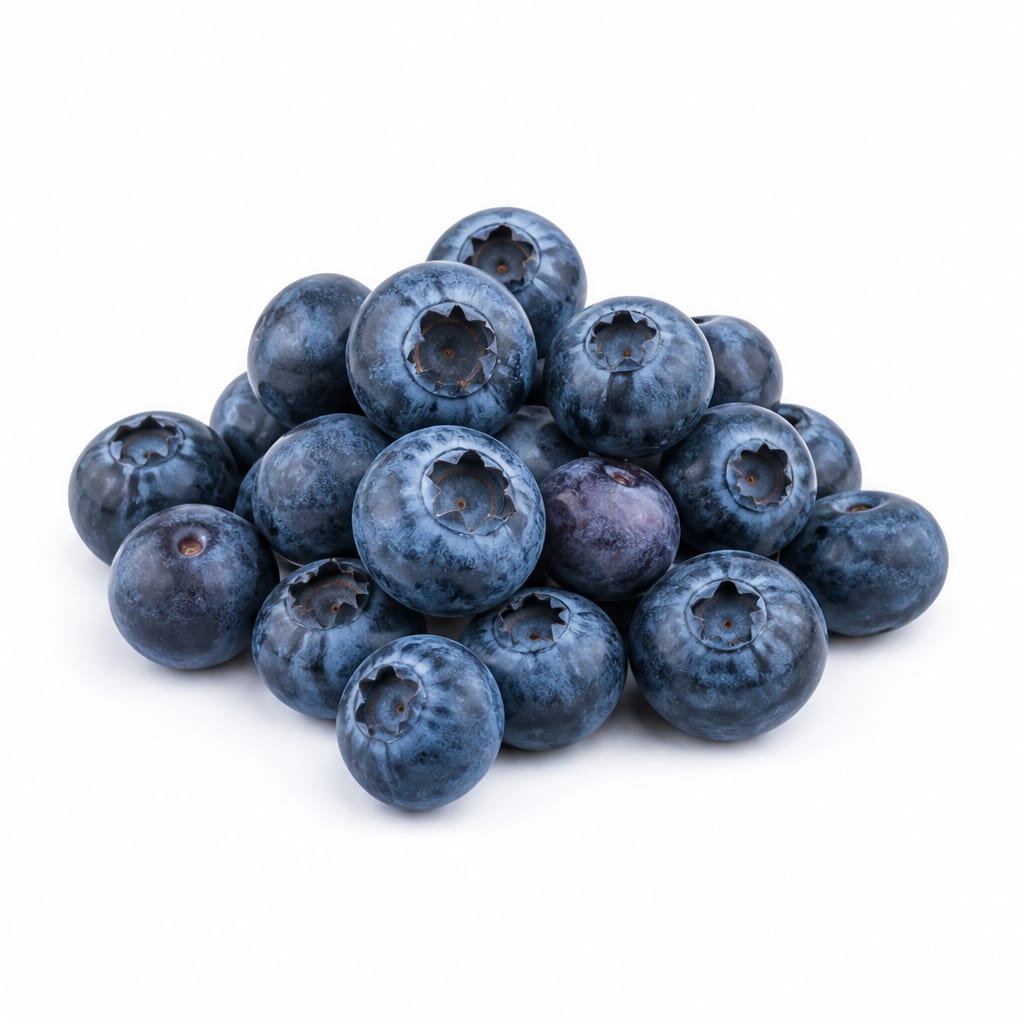
Compare with
Blueberries
Blueberries are renowned for brain-healthy anthocyanins, but dragon fruit offers fewer calories and a lower glycemic load.
Blueberries are renowned for brain-healthy anthocyanins, but dragon fruit offers fewer calories and a lower glycemic load.
Common questions
FAQ
Answers aligned with how people search for this food.
Is dragon fruit good for weight loss?
Yes, it is low in calories and high in water and fiber, which helps you feel full without overconsuming energy.
Can diabetics eat dragon fruit?
Yes, it has a low glycemic index and contains fiber that slows sugar absorption, preventing blood sugar spikes.
Is dragon fruit high in sugar?
No, despite its sweet taste, it contains less sugar per gram than many common fruits like apples or grapes.
What are the health benefits of dragon fruit?
It provides hydration, prebiotic fiber for gut health, antioxidants like vitamin C, and essential minerals like iron and magnesium.
Does dragon fruit make you poop?
Yes, its fiber content adds bulk to stool and promotes regular bowel movements.
Is the skin of dragon fruit edible?
No, the skin is tough and leathery and should not be eaten, though it is safe to steep for tea.
Which color dragon fruit is healthiest?
Red-fleshed dragon fruit contains higher levels of antioxidants like betacyanins compared to white-fleshed varieties.
Can you eat dragon fruit every day?
Yes, incorporating a serving of dragon fruit daily is a healthy way to boost fiber and antioxidant intake.
Transparency
Data confidence
Estimated confidence for nutrition data, interpretation, safety notes, and comparisons.
Nutrition data
Health analysis
Food safety
Comparisons