
Nutrition comparison
Dragon Fruit vs Pomegranate: Which Is Healthier for You?
Compare dragon fruit and pomegranate on antioxidants, sugar, convenience, and heart health. Discover which fruit fits your goals and when to choose each.
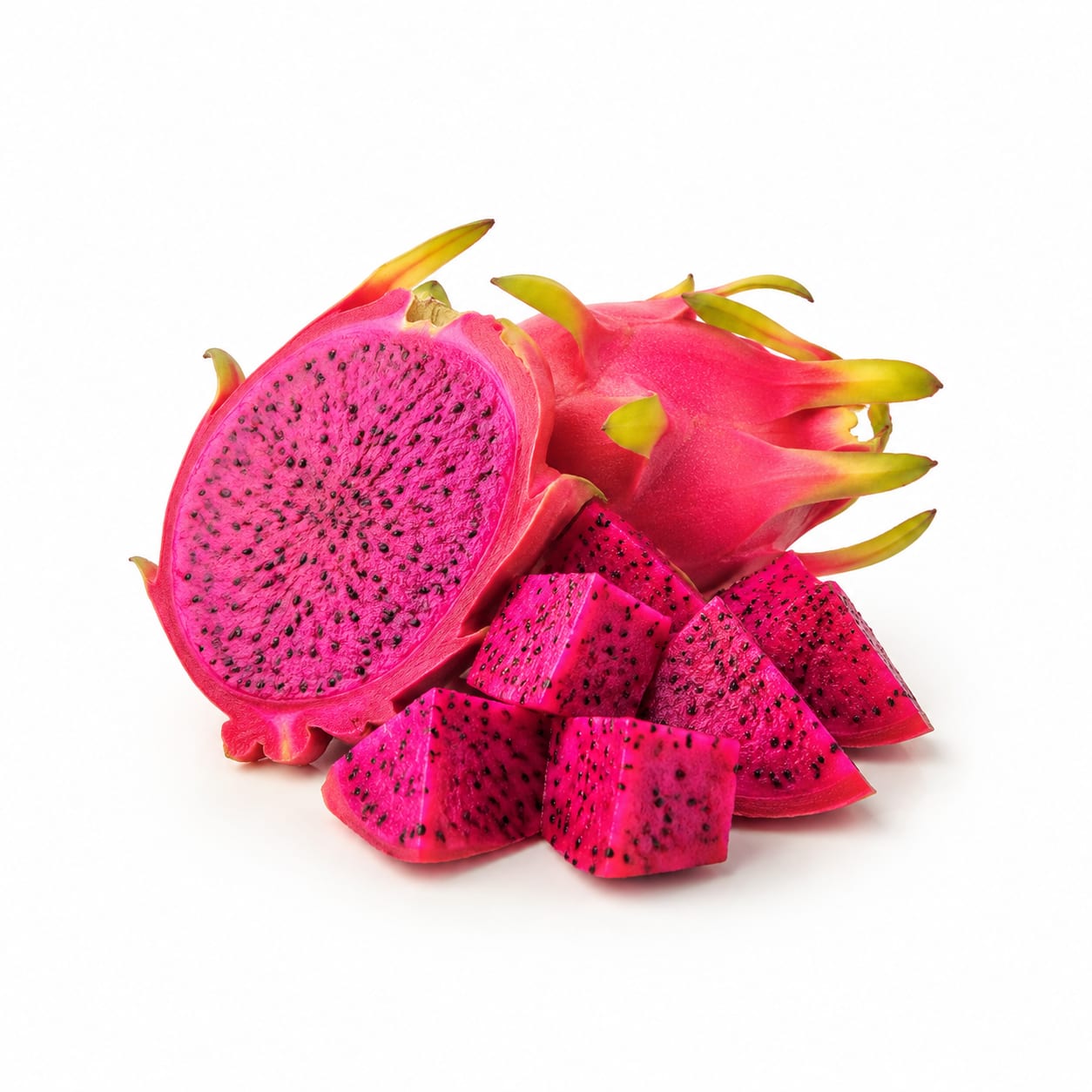
Dragon Fruit
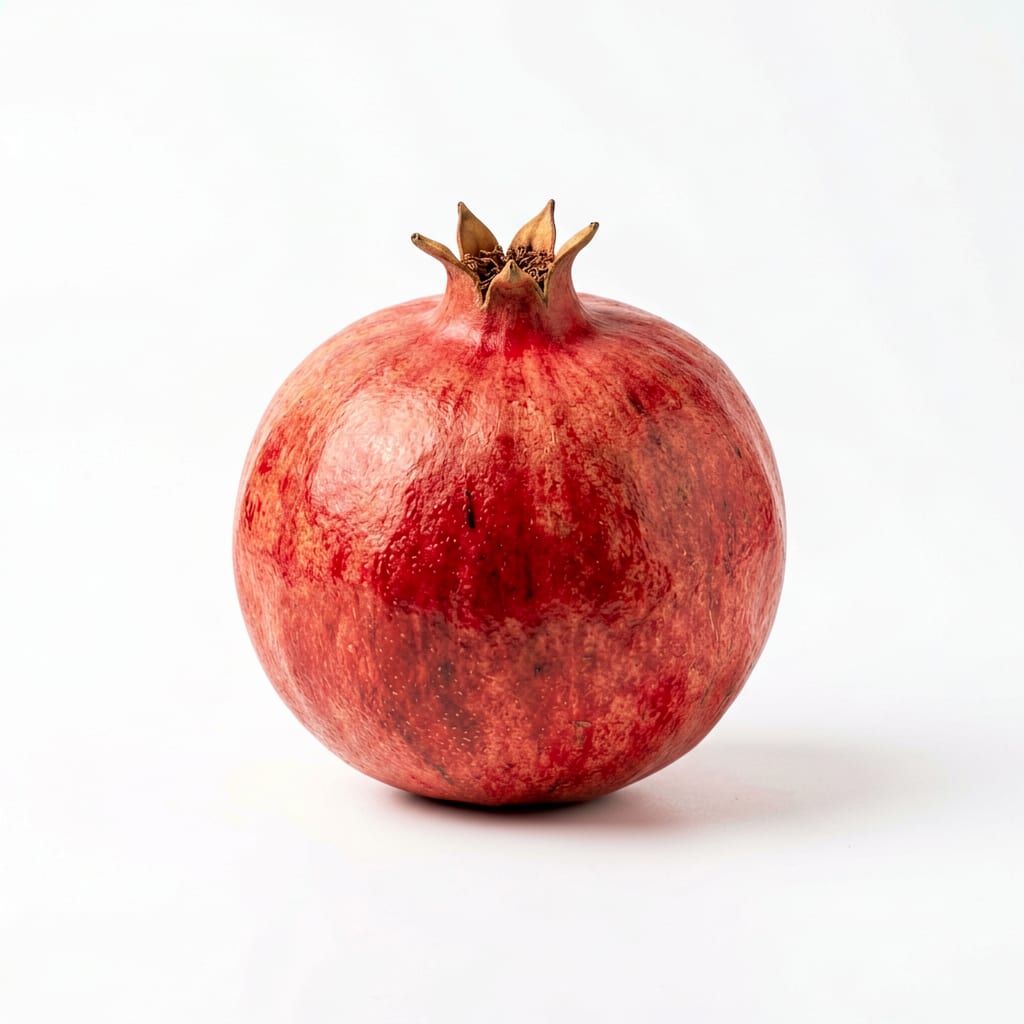
Pomegranate
Pomegranate is the antioxidant powerhouse with stronger disease-fighting evidence; dragon fruit is the lighter, easier everyday option with less sugar and hassle.
Pomegranate scores higher due to superior antioxidant density and stronger health evidence, but dragon fruit stays competitive through lower sugar, easier consumption, and broader digestive tolerance.
Maximum nutritional intensity versus daily convenience and lower sugar load.
At a glance
Executive summary
Overall
It depends
Healthier
Pomegranate
More practical
Dragon Fruit
Daily use
Dragon Fruit
Key comparison lenses
antioxidant potential
Both fruits are prized for antioxidants, but pomegranate is one of the most antioxidant-rich fruits on the planet, making this the defining contrast
sugar and calorie consciousness
Dragon fruit is notably lower in sugar and calories, appealing to those watching intake, while pomegranate packs more per serving
heart and anti inflammatory benefits
Pomegranate has strong clinical evidence for cardiovascular protection, while dragon fruit's benefits are more general
convenience and ease of eating
Dragon fruit is scoop-and-eat simple; pomegranate requires extraction effort and can stain, a real daily friction point
digestive tolerance
Dragon fruit is gentle and hydrating; pomegranate seeds and tannins can bother sensitive stomachs
Best choice for
Dragon Fruit
- Low-sugar diets and calorie counters
- People who want effortless snack prep
- Sensitive stomachs and gentle digestion
- Hot climates where hydration matters
- Kids who need mild, non-tart flavors
Pomegranate
- Heart health and cardiovascular protection
- Maximum antioxidant and anti-inflammatory intake
- People seeking strong clinical evidence for benefits
- Flavor enthusiasts wanting bold tart-sweet taste
- Older adults prioritizing disease prevention
Least suitable for
Dragon Fruit
- Those seeking potent therapeutic antioxidant doses
- Budget-conscious shoppers (often expensive)
- People wanting strong flavor intensity
Pomegranate
- Strict low-sugar or keto dieters
- Anyone with seed sensitivity or diverticulitis
- People who find food prep frustrating
Deep comparison
Dimension by dimension
Each lens scores both foods and breaks down who each option suits.
- Dimension 1 · Priority 92Pomegranate
antioxidant_power
Dragon Fruit · 55Pomegranate · 96Pomegranate is in a different league, containing punicalagins and anthocyanins at concentrations rarely matched by other fruits.
Tradeoff
Dragon fruit offers betalains and vitamin C, but at much lower concentrations; you'd need several servings to approach one pomegranate's antioxidant load.
Why it matters
Antioxidants protect cells from damage linked to aging, heart disease, and cancer. This is where pomegranate truly shines.
Real-world impact
Regular pomegranate consumption is linked to measurable reductions in blood pressure and oxidative stress markers within weeks.
Dragon Fruit
- Gentle antioxidant support without overwhelming the system
Better for
- Noticeably weaker disease-fighting evidence base
Worse for
Pomegranate
- Therapeutic-level antioxidant intake
- Measurable cardiovascular risk reduction
- Anti-aging and cellular protection strategies
Better for
- High concentration of tannins can irritate sensitive stomachs
Worse for
- Dimension 2 · Priority 85Dragon Fruit
sugar_and_calorie_profile
Dragon Fruit · 88Pomegranate · 58Dragon fruit delivers satisfying sweetness with roughly half the sugar and fewer calories per serving than pomegranate.
Tradeoff
Pomegranate's sugar comes with far more nutritional payload, but the higher load still matters for blood sugar management and low-carb diets.
Why it matters
For anyone monitoring sugar intake, prediabetics, or calorie counters, this difference is daily-impactful.
Real-world impact
A full cup of dragon fruit sits around 60 calories and 8g sugar; the same pomegranate portion hits roughly 100 calories and 24g sugar.
Dragon Fruit
- Low-carb and keto-adjacent eaters
- Blood sugar management
- Calorie-conscious snacking
Better for
- May feel too light for those needing sustained energy
Worse for
Pomegranate
- Athletes needing natural carb fuel
- People who find low-sugar fruit unsatisfying
Better for
- Sugar adds up quickly if eating multiple servings
Worse for
- Dimension 3 · Priority 78Dragon Fruit
convenience_and_ease
Dragon Fruit · 90Pomegranate · 45Dragon fruit is slice-and-scoop in seconds; pomegranate requires extraction technique, stains fingers and surfaces, and takes real effort.
Tradeoff
Pomegranate rewards patience with intense flavor and nutrition, but the prep barrier means many people skip it on busy days.
Why it matters
The best fruit for you is the one you actually eat regularly. Convenience directly impacts consistency.
Real-world impact
Dragon fruit is a grab-and-go morning option; pomegranate is more of a weekend ritual or recipe ingredient.
Dragon Fruit
- Busy mornings and quick snacks
- Office and on-the-go eating
- People who hate food prep hassle
Better for
- Less culinary versatility overall
Worse for
Pomegranate
- Cooking and recipe integration
- Mindful eating rituals and enjoyment
Better for
- Stains are notoriously hard to remove
- Seed extraction deters frequent consumption
Worse for
- Dimension 4 · Priority 80Pomegranate
heart_and_anti_inflammatory_benefits
Dragon Fruit · 50Pomegranate · 93Pomegranate has robust clinical evidence for lowering blood pressure, improving cholesterol, and reducing arterial plaque; dragon fruit's evidence is thinner.
Tradeoff
Dragon fruit supports general wellness through hydration and mild antioxidants, but cannot match pomegranate's targeted cardiovascular protection.
Why it matters
Heart disease remains the leading cause of death globally. Food-as-medicine choices matter here more than almost anywhere.
Real-world impact
Studies show pomegranate juice can reduce systolic blood pressure by 5-10 points over weeks; dragon fruit has no comparable data.
Dragon Fruit
- General light hydration and wellness
Better for
- No strong clinical evidence for cardiovascular outcomes
Worse for
Pomegranate
- Hypertension management
- Cholesterol improvement
- Chronic inflammation reduction
- Post-heart-attack dietary recovery
Better for
- Not a replacement for medication; can be overestimated
Worse for
- Dimension 5 · Priority 65Dragon Fruit
digestive_tolerance
Dragon Fruit · 88Pomegranate · 60Dragon fruit is soft, hydrating, and gentle on most digestive systems; pomegranate seeds and tannins can irritate sensitive guts.
Tradeoff
Pomegranate's seeds provide valuable fiber but pose problems for diverticulitis, IBS, or seed-sensitive individuals.
Why it matters
The healthiest fruit causes harm if your body cannot comfortably process it.
Real-world impact
Dragon fruit is often recommended post-illness for gentle nutrition; pomegranate seeds can trigger bloating or discomfort in vulnerable people.
Dragon Fruit
- IBS and sensitive digestion
- Post-surgical or post-illness recovery
- Children and elderly with chewing concerns
Better for
- Lower fiber content means less digestive bulk
Worse for
Pomegranate
- Constipation relief from seed fiber
- People needing digestive stimulation
Better for
- Seeds problematic for diverticulitis
- Tannins can cause nausea in sensitive individuals
Worse for
- Dimension 6 · Priority 70It depends
taste_and_satisfaction
Dragon Fruit · 65Pomegranate · 82Pomegranate delivers bold, complex tart-sweet intensity; dragon fruit offers subtle, refreshing mildness that some love and others find bland.
Tradeoff
Intensity versus subtlety. Pomegranate satisfies with a few bites; dragon fruit requires more volume to feel equally rewarded.
Why it matters
Flavor satisfaction determines whether a healthy food becomes a habit or gets abandoned.
Real-world impact
Pomegranate arils pop with flavor bursts that feel indulgent; dragon fruit is more like a refreshing palate cleanser.
Dragon Fruit
- Those who prefer mild, non-tart flavors
- Hot weather refreshment
- Pairing with stronger-flavored foods
Better for
- Often described as underwhelming in flavor
- Less satisfying as a standalone treat
Worse for
Pomegranate
- Flavor-first eaters
- Dessert replacements and cravings
- Garnishing and visual appeal
Better for
- Tartness too intense for some palates
Worse for
Timeline
Health impact over time
Short-term
Hours to days
Dragon Fruit
- Gentle hydration boost from high water content
- Mild blood sugar stability due to low glycemic load
- Light, non-bloated feeling after eating
Pomegranate
- Noticeable antioxidant surge measurable in blood tests
- Potential mild blood sugar spike from higher sugar content
- Satiety from seed fiber and intense flavor
Long-term
Months to years
Dragon Fruit
- Consistent low-sugar fruit intake supports weight maintenance
- General antioxidant support from regular betalain consumption
- Hydration habits that benefit skin and kidney function
Pomegranate
- Reduced cardiovascular risk markers with regular consumption
- Lower systemic inflammation linked to punicalagins
- Potential anti-cancer properties from ellagic acid, though evidence is preliminary
Risk profile
Safety & processing
Both fruits are eaten in their natural state with minimal intervention. Dragon fruit is typically sold whole and eaten fresh. Pomegranate arils are sometimes sold pre-packaged, which adds convenience but costs more and may reduce freshness. Neither raises processing concerns when consumed whole.
Dragon Fruit
Pesticide residue on skin
lowDragon fruit skin is not eaten, significantly reducing exposure. Still worth rinsing before cutting to avoid transfer.
Rare allergic reactions
lowThough uncommon, some individuals report itching or swelling, particularly with the red-fleshed variety.
Pomegranate
Pesticide residue on arils
mediumPomegranates frequently appear on EWG's higher pesticide lists. Washing the exterior thoroughly before opening helps; choosing organic reduces risk further.
Interaction with medications
mediumPomegranate can interact with blood pressure medications and statins, similar to grapefruit. Consult a doctor if on these medications.
Choking hazard from seeds
lowSmall children and elderly with swallowing difficulties should be monitored, though arils are small and typically safe.
Who wins for whom
Audience fit
Same foods, different winners depending on your goal.
children
Dragon FruitMild flavor and soft texture appeal to kids; pomegranate seeds can be a choking concern for very young children.
daily consumption
Dragon FruitLower sugar, easier prep, and gentler digestion make dragon fruit more sustainable as an everyday habit.
diabetes
Dragon FruitSignificantly lower sugar and glycemic impact make dragon fruit safer for blood sugar management.
elderly
PomegranateStronger cardiovascular and anti-inflammatory benefits align with age-related health priorities, provided seeds are tolerated.
muscle gain
PomegranateSlightly more natural carbs and anti-inflammatory compounds support recovery, though neither is a protein source.
weight loss
Dragon FruitLower calories and sugar make dragon fruit easier to fit into a calorie deficit without feeling deprived of fruit.
Your move
Decision guide
Choose Dragon Fruit
- You want a low-sugar, low-calorie fruit you can eat daily without thinking
- Convenience matters more than maximum nutritional intensity
- You have sensitive digestion or dislike seeds
- You live in a hot climate and want hydrating refreshment
- You're feeding children who prefer mild flavors
Choose Pomegranate
- Heart health and anti-inflammatory protection are top priorities
- You want the most antioxidant bang per bite
- You enjoy bold, complex flavors and don't mind prep work
- You're older or have family history of cardiovascular disease
- You use fruit as a culinary ingredient, not just a snack
Either works if
- You simply want more fruit variety in your diet
- Neither fruit is a dietary staple for you
- You rotate fruits seasonally anyway
Avoid both if
- You have severe fructose intolerance
- You're on a strict very-low-carb diet under 20g carbs daily
- You have known allergies to either fruit
Final recommendation
Eat both, but assign them different roles. Make pomegranate your targeted health booster a few times per week for cardiovascular and anti-inflammatory benefits. Keep dragon fruit as your easy daily fruit for light, low-sugar refreshment. If you must pick one, pomegranate delivers more measurable health impact, but only if you'll actually prepare and eat it consistently.
Practical
Consumer tips
- 1
Roll pomegranate firmly on a counter before cutting to loosen arils and speed extraction
- 2
Cut dragon fruit in half and scoop with a spoon for zero-fuss eating
- 3
Buy pomegranate arils pre-packaged only if convenience truly outweighs cost; they're 3-4x more expensive per serving
- 4
Freeze pomegranate arils for a tart, crunchy snack that lasts months
- 5
Choose red-fleshed dragon fruit over white for roughly 30% more antioxidants
- 6
Wash both fruits thoroughly before cutting, even though you don't eat the skin
- 7
If on blood pressure medication, talk to your doctor before making pomegranate a daily habit