
Nutrition comparison
Dragon Fruit vs Blueberries: Which Is Healthier for You?
Compare Dragon Fruit and Blueberries on antioxidants, sugar, gut health, and brain benefits. Learn which fruit fits your health goals and when to choose each.
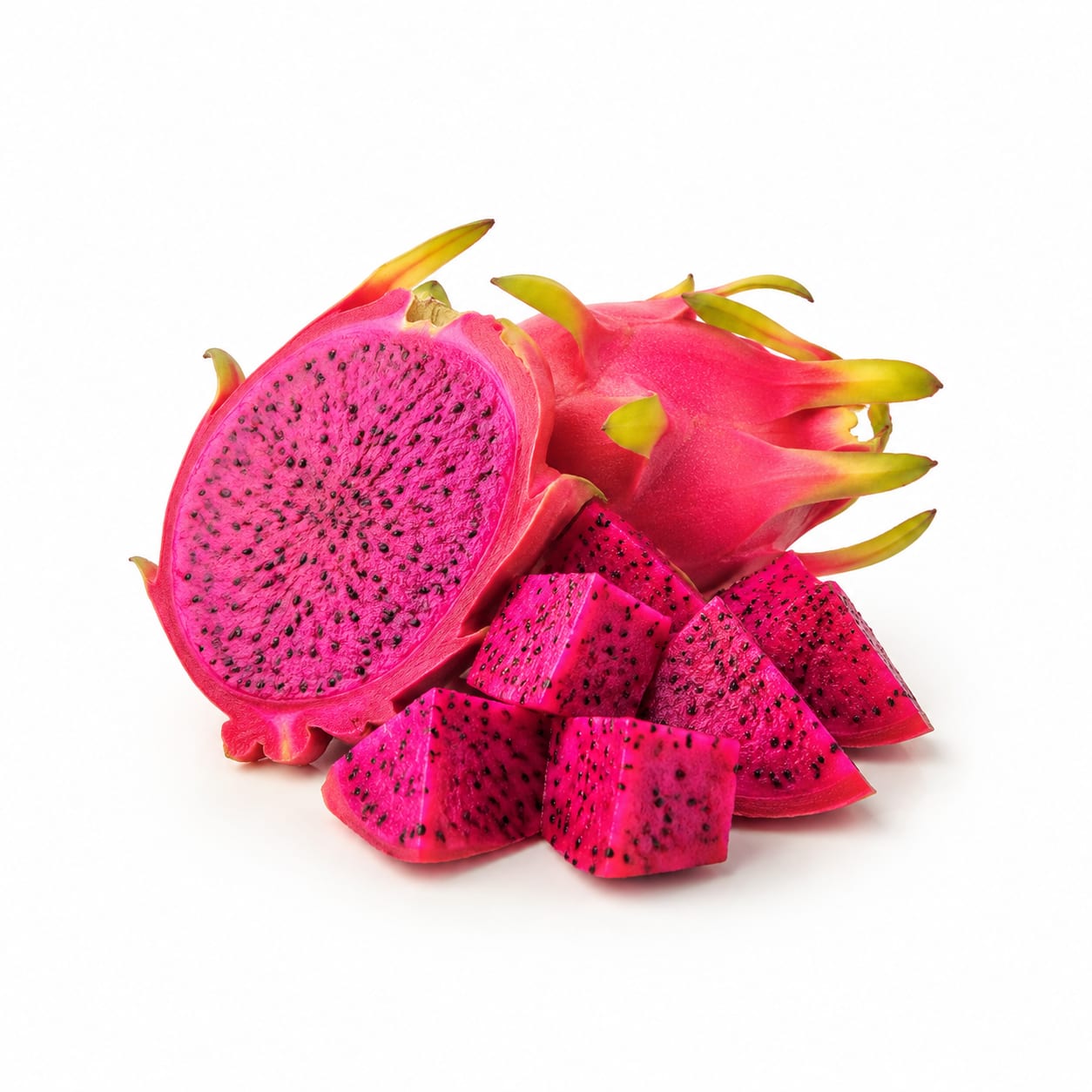
Dragon Fruit
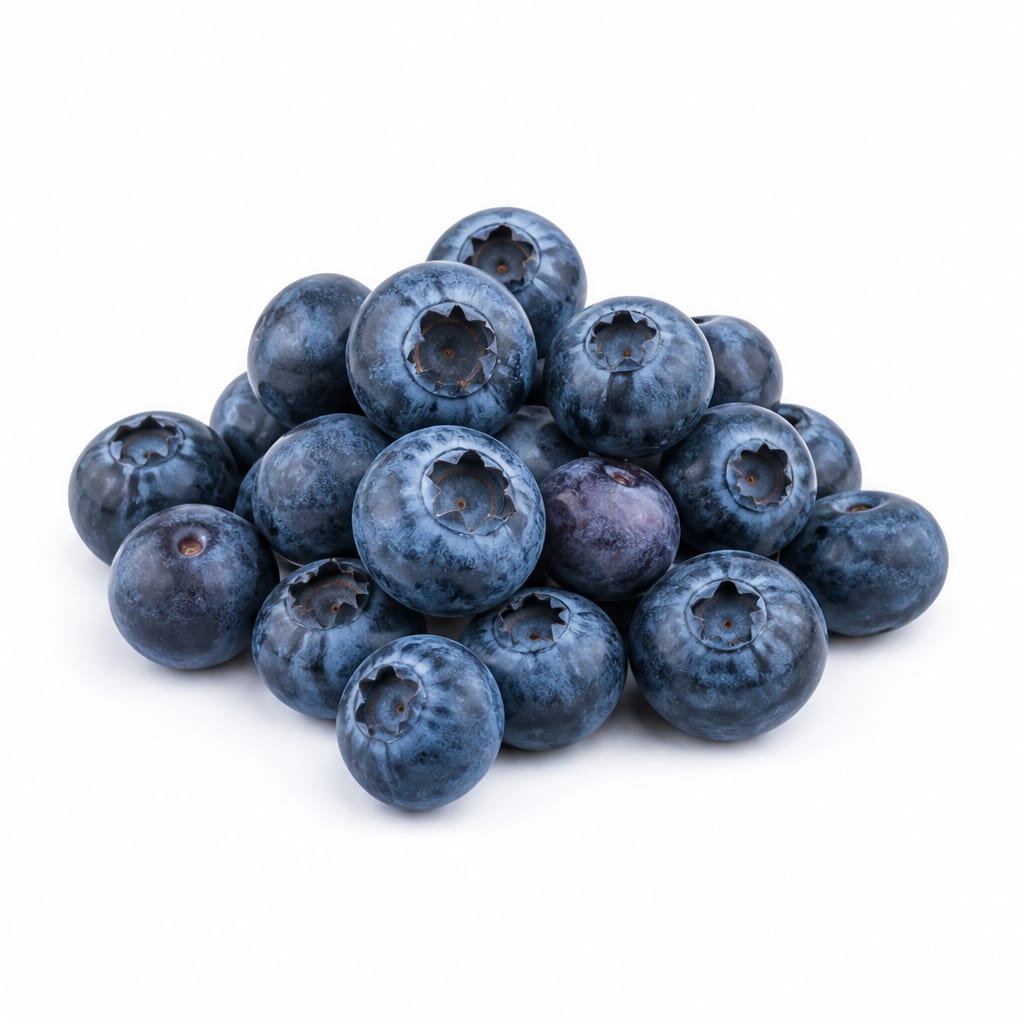
Blueberries
Blueberries deliver more antioxidants and brain-protective compounds per bite, while Dragon Fruit offers gentler blood sugar impact and unique gut-friendly prebiotics.
Blueberries score higher due to superior antioxidant density, stronger clinical evidence, better fiber content, and greater practicality. Dragon Fruit remains valuable for blood sugar management and gut health but lacks the depth of evidence and nutritional concentration that Blueberries offer.
Nutritional firepower versus metabolic gentleness — Blueberries pack more bioactive compounds, but Dragon Fruit is kinder to blood sugar and easier to overeat without consequence.
At a glance
Executive summary
Overall
It depends
Healthier
Blueberries
More practical
Blueberries
Daily use
Blueberries
Key comparison lenses
antioxidant density and longevity
Blueberries are legendary for anthocyanins; Dragon Fruit offers different antioxidants but at lower concentrations
sugar and blood sugar management
Dragon Fruit is notably lower in sugar, making it relevant for glucose-conscious users
brain health and cognitive aging
Blueberries have strong clinical evidence for neuroprotection; Dragon Fruit lacks equivalent research
gut health and prebiotics
Dragon Fruit contains unique oligosaccharides that feed beneficial gut bacteria
everyday affordability and access
Blueberries are widely available year-round; Dragon Fruit is often expensive and harder to find fresh
Best choice for
Dragon Fruit
- People monitoring blood sugar closely
- Those seeking gut prebiotic diversity
- Anyone wanting a high-volume low-calorie snack
- People tired of common berry flavors
Blueberries
- Brain health and cognitive aging concerns
- Maximum antioxidant intake per calorie
- Budget-conscious daily fruit eaters
- Anyone wanting well-researched anti-inflammatory benefits
Least suitable for
Dragon Fruit
- Budget-limited households needing daily fruit
- People wanting proven cognitive benefits
- Those who find the mild flavor unsatisfying
Blueberries
- Strict low-sugar diets requiring minimal glycemic load
- People with salicylate sensitivity
- Those concerned about pesticide exposure on conventional produce
Deep comparison
Dimension by dimension
Each lens scores both foods and breaks down who each option suits.
- Dimension 1 · Priority 92Blueberries
antioxidant_power
Dragon Fruit · 55Blueberries · 95Blueberries are one of the most antioxidant-dense foods on the planet. Dragon Fruit contains betacyanins but at much lower concentrations.
Tradeoff
Dragon Fruit offers antioxidant variety rather than density — different compounds, smaller amounts.
Why it matters
Antioxidant intake correlates with reduced chronic disease risk and slower cellular aging over decades.
Real-world impact
A cup of Blueberries delivers roughly 3-4 times the antioxidant capacity of a cup of Dragon Fruit.
Dragon Fruit
- Adding antioxidant diversity to an already berry-rich diet
Better for
- Cannot match Blueberry-level antioxidant concentration
Worse for
Blueberries
- Maximizing antioxidant intake per serving
- Long-term cellular protection
- Reducing oxidative stress from exercise or pollution
Better for
- Provides mainly anthocyanins rather than broad-spectrum antioxidant variety
Worse for
- Dimension 2 · Priority 85Dragon Fruit
blood_sugar_impact
Dragon Fruit · 88Blueberries · 65Dragon Fruit has roughly half the sugar content of Blueberries per serving, resulting in gentler blood sugar responses.
Tradeoff
Lower sugar means less sweetness and satisfaction per bite — some people find Dragon Fruit bland by comparison.
Why it matters
Stable blood sugar prevents energy crashes, reduces cravings, and supports metabolic health over time.
Real-world impact
A full cup of Dragon Fruit causes less glucose spike than the same volume of Blueberries, making it safer for glucose-sensitive individuals.
Dragon Fruit
- Diabetics or prediabetics managing post-meal glucose
- Low-carb dieters wanting fruit without the sugar hit
- Evening snacking without disrupting overnight blood sugar
Better for
- May feel unsatisfying as a standalone sweet snack
Worse for
Blueberries
- Post-workout recovery where some sugar aids glycogen replenishment
Better for
- Higher sugar load can trigger cravings in sugar-sensitive individuals
Worse for
- Dimension 3 · Priority 78Dragon Fruit
gut_health_and_prebiotics
Dragon Fruit · 82Blueberries · 70Dragon Fruit contains oligosaccharides that selectively feed beneficial gut bacteria. Blueberries offer fiber but fewer targeted prebiotic compounds.
Tradeoff
Blueberries provide more total fiber per serving, but Dragon Fruit offers more specialized prebiotic activity.
Why it matters
Prebiotic diversity supports a wider range of beneficial bacteria, improving digestion and immune function.
Real-world impact
Regular Dragon Fruit consumption may improve stool consistency and bloating within weeks for some people.
Dragon Fruit
- Building microbiome diversity alongside other fiber sources
- People with mild digestive discomfort seeking gentle prebiotics
Better for
- Lower total fiber means less bulk for digestive regularity
Worse for
Blueberries
- Getting more total fiber per serving to support regularity
Better for
- Less targeted prebiotic activity compared to Dragon Fruit oligosaccharides
Worse for
- Dimension 4 · Priority 80Blueberries
brain_health_and_cognition
Dragon Fruit · 45Blueberries · 90Blueberries have extensive clinical evidence linking regular consumption to improved memory and slower cognitive decline. Dragon Fruit lacks equivalent research.
Tradeoff
Dragon Fruit may have neuroprotective potential through its antioxidants, but this remains unproven in human studies.
Why it matters
Cognitive decline prevention is one of the most impactful long-term health outcomes tied to diet.
Real-world impact
Older adults eating Blueberries regularly show measurable improvements in memory tests within 12 weeks in some studies.
Dragon Fruit
- Theoretical neuroprotection from betacyanins, but evidence is preliminary
Better for
- No human clinical evidence for brain benefits
Worse for
Blueberries
- Proven cognitive benefits in clinical trials
- Supporting memory during aging
- Students or professionals wanting mental edge
Better for
- Benefits require consistent long-term consumption, not occasional intake
Worse for
- Dimension 5 · Priority 75Blueberries
practicality_and_affordability
Dragon Fruit · 40Blueberries · 85Blueberries are available year-round in most grocery stores at reasonable prices. Fresh Dragon Fruit is expensive and harder to find.
Tradeoff
Frozen Dragon Fruit is more accessible but still pricier than frozen Blueberries per serving.
Why it matters
The best fruit for you is the one you can actually afford and access consistently.
Real-world impact
A pint of conventional Blueberries costs roughly half what a single Dragon Fruit costs in most US markets.
Dragon Fruit
- Special occasions or tropical-themed meals where visual appeal matters
Better for
- High cost limits frequency of consumption
- Limited availability in many regions
Worse for
Blueberries
- Daily consumption without budget strain
- Finding organic options easily
- Meal prep and batch smoothie making
Better for
- Organic Blueberries can still be pricey in off-seasons
Worse for
- Dimension 6 · Priority 72Blueberries
satiety_and_fiber
Dragon Fruit · 58Blueberries · 78Blueberries deliver nearly double the fiber per serving compared to Dragon Fruit, keeping you fuller longer.
Tradeoff
Dragon Fruit's high water content fills your stomach temporarily but that fullness fades faster.
Why it matters
Fiber-rich foods reduce overeating and support stable energy between meals.
Real-world impact
A cup of Blueberries as a morning snack will keep you satisfied longer than the same volume of Dragon Fruit.
Dragon Fruit
- Large-volume eating with minimal calories for those who like big portions
Better for
- Lower fiber means hunger returns sooner
Worse for
Blueberries
- Sustained fullness between meals
- Supporting healthy cholesterol levels through soluble fiber
Better for
- Smaller portion size for the same calorie count may feel less satisfying volume-wise
Worse for
Timeline
Health impact over time
Short-term
Hours to days
Dragon Fruit
- Gentle blood sugar response with minimal energy crash risk
- High water content supports hydration
- Mild digestive support from prebiotic oligosaccharides
- Unlikely to trigger cravings due to low sweetness
Blueberries
- Noticeable antioxidant boost measurable in blood tests within hours
- Moderate blood sugar rise that may trigger appetite in sensitive individuals
- Fiber provides immediate digestive bulk
- Natural sweetness can satisfy dessert cravings healthily
Long-term
Months to years
Dragon Fruit
- Potential microbiome diversification from regular prebiotic intake
- Low sugar load supports metabolic health over years
- Iron and magnesium content may help prevent mild deficiencies
- Limited evidence for chronic disease prevention compared to Blueberries
Blueberries
- Strong evidence for reduced cognitive decline with regular consumption
- Anthocyanin intake linked to lower cardiovascular disease risk
- Consistent fiber intake supports colorectal health
- Anti-inflammatory effects may reduce joint pain and skin aging
Risk profile
Safety & processing
Both fruits are whole foods typically eaten in their natural state. Neither commonly contains added ingredients when purchased fresh or frozen. The main concern is pesticide residue on conventional Blueberries, which frequently appear on the EWG Dirty Dozen list.
Dragon Fruit
pesticide_residue_on_imported_fruit
mediumMuch Dragon Fruit sold in the US is imported from Southeast Asia or Central America where pesticide regulations may differ. Washing thoroughly helps but choosing organic reduces risk.
foodborne_illness_from_improper_handling
lowThe thick skin protects the edible flesh well, making contamination less likely than with many other fruits.
Blueberries
pesticide_residue
highBlueberries consistently rank on the EWG Dirty Dozen list with detectable pesticide residues on conventional samples. Organic is strongly recommended.
mold_and_spoilage
mediumBlueberries spoil quickly and mold can develop within days. Inspect carefully and discard any fuzzy or shriveled berries to avoid mycotoxin exposure.
Who wins for whom
Audience fit
Same foods, different winners depending on your goal.
children
BlueberriesBlueberries are sweeter, easier to eat by the handful, and widely accepted by kids. The brain-health benefits also support developing cognition.
daily consumption
BlueberriesBetter availability, lower cost, stronger evidence base, and higher nutrient density make Blueberries more sustainable as a daily habit.
diabetes
Dragon FruitSignificantly lower sugar content and gentler glycemic impact make Dragon Fruit the safer choice for managing post-meal blood glucose levels.
elderly
BlueberriesStrong clinical evidence for cognitive protection makes Blueberries particularly valuable for aging brains. The fiber also helps with common constipation issues.
muscle gain
BlueberriesSlightly more carbohydrates provide useful post-workout glycogen replenishment, and the antioxidant content helps reduce exercise-induced oxidative stress.
weight loss
Dragon FruitLower sugar and calorie density allow larger portions without exceeding daily limits, making it easier to stay in a deficit while feeling satisfied by volume.
Your move
Decision guide
Choose Dragon Fruit
- You are monitoring blood sugar or following a low-sugar approach
- You want gut prebiotic diversity beyond what common fruits offer
- You prefer large-volume snacking with minimal caloric impact
- You find Blueberries too sweet or want flavor variety in your fruit rotation
Choose Blueberries
- Brain health and cognitive aging are top priorities for you
- You want maximum antioxidant bang per calorie
- You need an affordable daily fruit that is easy to find year-round
- You are building anti-inflammatory eating patterns with strong evidence
Either works if
- You simply want more fruit variety in your diet
- You are rotating through different colored fruits for broad phytonutrient coverage
- Neither fruit is a staple and you are choosing based on what looks freshest
Avoid both if
- You have a strict very-low-carb protocol that limits all fruit
- You have specific allergies to either fruit, though this is rare
Final recommendation
Eat Blueberries most days for proven brain and antioxidant benefits, and add Dragon Fruit when you want lower sugar, gut-friendly variety. If budget forces a choice, Blueberries give you more nutritional value per dollar. If blood sugar management is your primary concern, Dragon Fruit is the safer everyday pick.
Practical
Consumer tips
- 1
Buy organic Blueberries whenever possible — they consistently test high for pesticide residues
- 2
Frozen Blueberries retain nearly all their antioxidants and are far more affordable than fresh out of season
- 3
Frozen Dragon Fruit cubes are often cheaper and more accessible than whole fresh Dragon Fruit
- 4
Red-fleshed Dragon Fruit contains more betacyanins than white-fleshed varieties — choose red for extra antioxidants
- 5
Add Dragon Fruit to smoothies for volume and prebiotics, then top with Blueberries for antioxidant density
- 6
Wash Blueberries right before eating, not before storing — moisture accelerates mold growth
- 7
Avoid Dragon Fruit with brown spots or dry shriveled wings — these indicate overripeness