
Nutrition comparison
Dragon Fruit vs Papaya: Which Tropical Fruit Is Better for You?
Compare dragon fruit and papaya on sugar, vitamins, digestion, and practical value. Learn which fruit fits your health goals and when to choose each one.
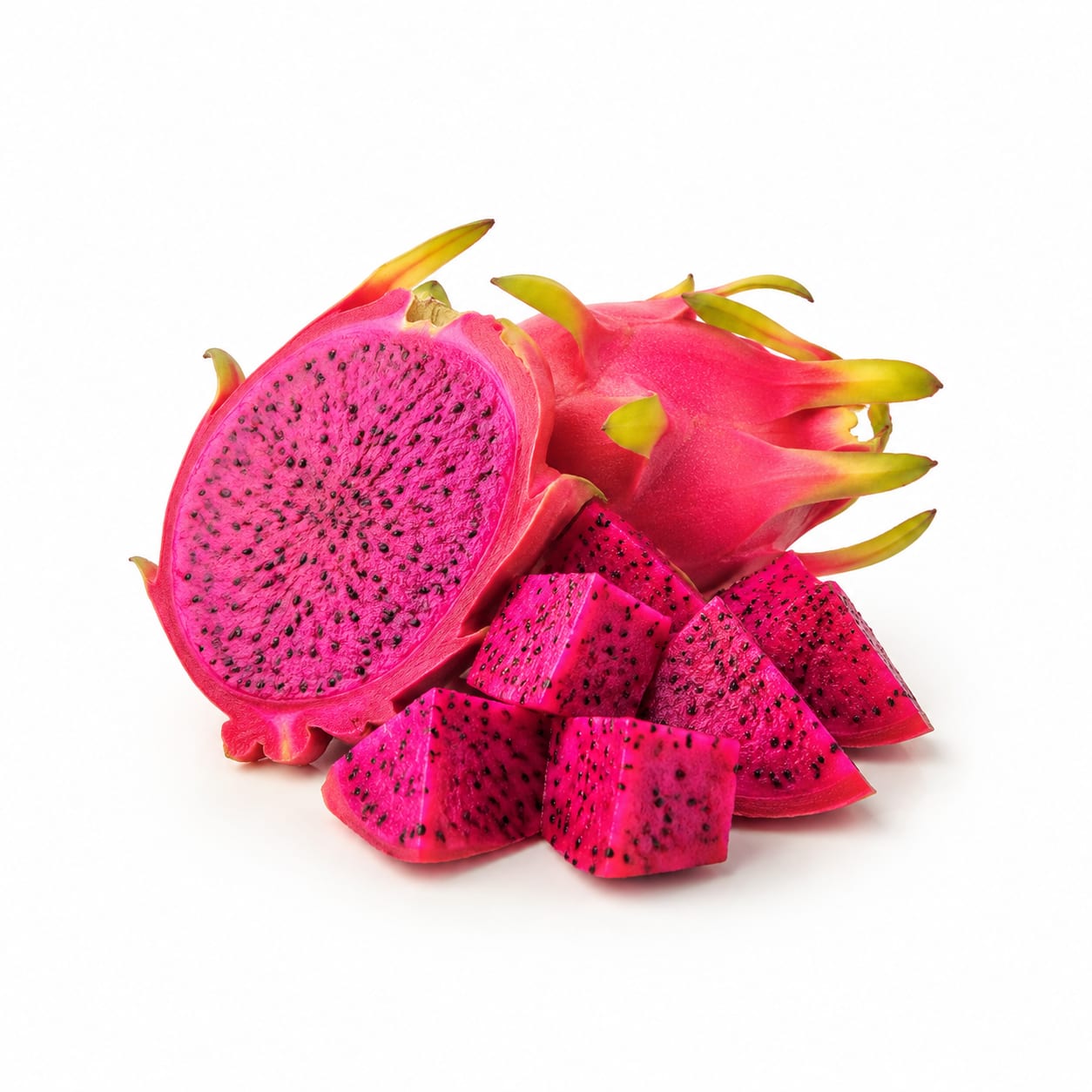
Dragon Fruit
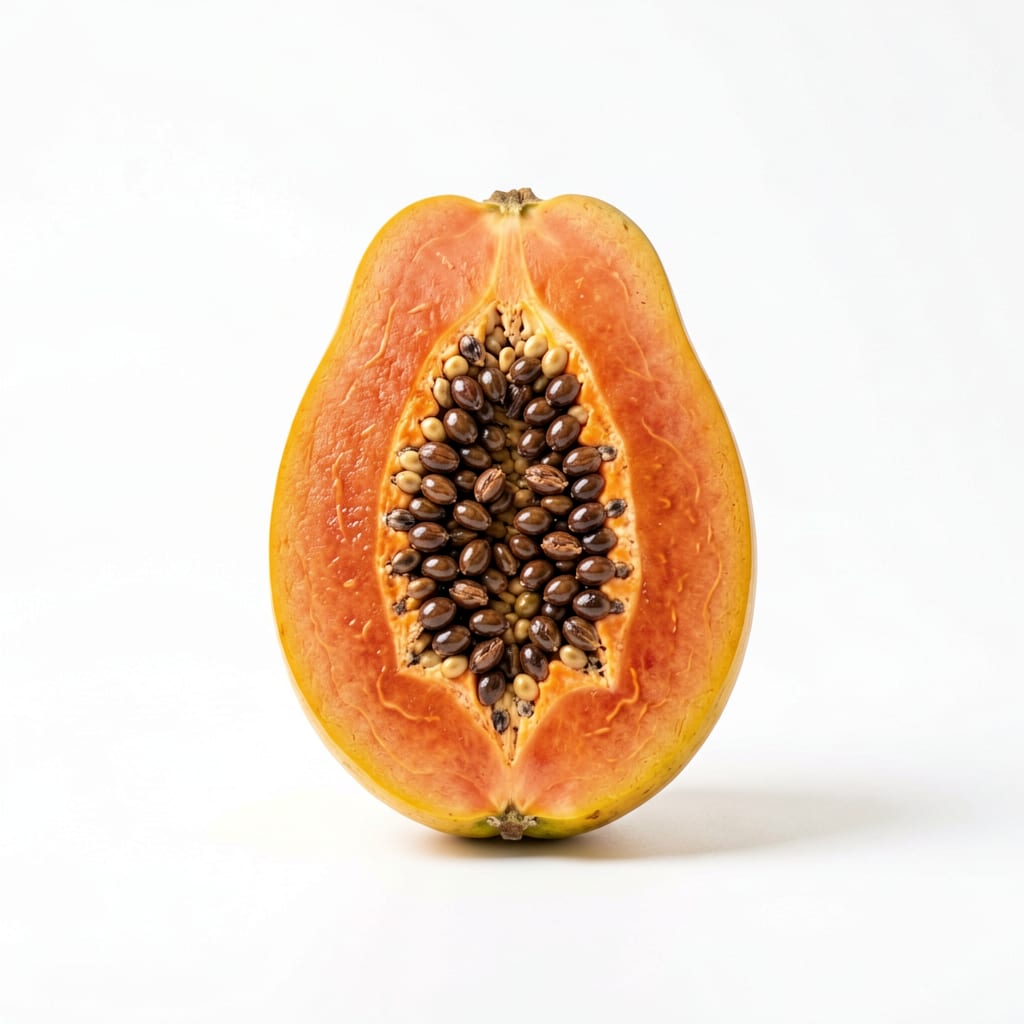
Papaya
Papaya wins for digestion and vitamin punch; dragon fruit wins for lower sugar and gut-friendly fiber. Your priority determines the winner.
Papaya edges ahead with superior vitamin density and proven digestive benefits, but dragon fruit remains excellent for low-sugar diets and gut microbiome support. The gap reflects papaya's broader nutritional impact for most people.
Papaya delivers dramatically more vitamins and digestive enzymes but comes with more sugar. Dragon fruit is the lighter, lower-sugar option with prebiotic benefits but less nutritional firepower.
At a glance
Executive summary
Overall
It depends
Healthier
It depends
More practical
Papaya
Daily use
Papaya
Key comparison lenses
digestive health
Papaya's papain enzyme is legendary for digestion while dragon fruit offers prebiotic fiber — users likely want to know which gut benefit matters more
sugar and blood sugar
Both are tropical fruits with different sugar profiles; dragon fruit is notably lower in sugar, making glycemic impact a key decision factor
antioxidant and immune benefits
Both are prized for antioxidant content but through completely different compounds — betalains vs carotenoids
practical everyday use
Availability, price, prep ease, and shelf life differ significantly between these two fruits
vitamin density
Papaya dominates in vitamin C and A while dragon fruit offers a broader but shallower nutrient spread
Best choice for
Dragon Fruit
- People watching their sugar intake
- Those seeking prebiotic fiber for gut microbiome diversity
- Anyone wanting a light, hydrating tropical fruit
- People with sensitive stomachs who find papaya too sweet or enzymatic
Papaya
- People wanting maximum vitamin C and A in one serving
- Those with digestive issues who benefit from papain enzyme
- Anyone seeking anti-inflammatory carotenoids
- Budget-conscious shoppers wanting tropical fruit nutrition
Least suitable for
Dragon Fruit
- People wanting high vitamin content per calorie
- Those on tight grocery budgets
- Anyone seeking strong digestive enzyme support
Papaya
- People strictly limiting sugar or carbs
- Those with latex-fruit allergy syndrome
- People avoiding GMO produce (some Hawaiian papaya varieties)
Deep comparison
Dimension by dimension
Each lens scores both foods and breaks down who each option suits.
- Dimension 1 · Priority 92Papaya
digestive_support
Dragon Fruit · 70Papaya · 92Papaya's papain enzyme actively breaks down protein and eases digestion. Dragon fruit supports gut health indirectly through prebiotic fiber that feeds beneficial bacteria.
Tradeoff
Papaya gives you immediate digestive relief after meals while dragon fruit builds longer-term gut microbiome health. Different mechanisms, different timelines.
Why it matters
If you struggle with bloating or heavy meals, papaya is the faster fix. If you want to cultivate better gut health over weeks, dragon fruit is the quieter contributor.
Real-world impact
Eating papaya after a heavy dinner can reduce that stuffed feeling within 30 minutes. Dragon fruit eaten regularly supports smoother daily digestion over time.
Dragon Fruit
- Long-term gut microbiome cultivation
- Gentle fiber intake without fermentation discomfort
Better for
- No active digestive enzymes for immediate relief
Worse for
Papaya
- Immediate post-meal digestive comfort
- Protein-heavy meal recovery
- Reducing bloating quickly
Better for
- Can cause loose stools if eaten in excess due to enzyme activity
Worse for
- Dimension 2 · Priority 85Dragon Fruit
sugar_and_blood sugar_impact
Dragon Fruit · 85Papaya · 62Dragon fruit contains roughly half the sugar of papaya per serving, making it the clear choice for blood sugar management.
Tradeoff
You sacrifice some vitamin potency for steadier blood sugar. Papaya's higher sugar content comes with more nutrients but also more glycemic load.
Why it matters
For prediabetics, sugar-conscious eaters, or anyone avoiding afternoon energy crashes, this difference is meaningful in daily life.
Real-world impact
A bowl of dragon fruit won't give you that sugar rush and dip that a similar portion of papaya might, especially on an empty stomach.
Dragon Fruit
- Steadier energy without sugar spikes
- Fitting into low-carb or keto-adjacent eating
- Late-night snacking with less blood sugar disruption
Better for
- Less satisfying for sweet cravings
Worse for
Papaya
- Pre-workout energy from natural sugars
- Active individuals who burn through carbs quickly
Better for
- Can spike blood sugar if eaten in large portions alone
- Less suitable for insulin-resistant individuals
Worse for
- Dimension 3 · Priority 80Papaya
vitamin_and_antioxidant_density
Dragon Fruit · 60Papaya · 90Papaya delivers massive vitamin C and A along with lycopene. Dragon fruit offers unique betalains but at lower overall vitamin concentrations.
Tradeoff
Papaya gives you more conventional vitamins per bite. Dragon fruit provides rarer antioxidants but you'd need to eat more to match papaya's total antioxidant capacity.
Why it matters
If you're trying to hit vitamin targets efficiently, papaya does more heavy lifting per serving. Dragon fruit's betalains are special but harder to quantify in daily benefit.
Real-world impact
One cup of papaya covers over 100% of daily vitamin C needs. Dragon fruit covers roughly 15-20%. That's a dramatic practical difference.
Dragon Fruit
- Unique betalain antioxidants not found in most fruits
- Omega fatty acids from seeds for anti-inflammatory support
Better for
- Modest vitamin levels relative to other tropical fruits
Worse for
Papaya
- Exceptional vitamin C and A in a single serving
- Lycopene for prostate and heart health
- More measurable immune system support
Better for
- Less diversity in antioxidant types compared to dragon fruit's rare compounds
Worse for
- Dimension 4 · Priority 68Dragon Fruit
hydration_and_lightness
Dragon Fruit · 88Papaya · 72Dragon fruit is lighter and more hydrating per calorie, with a higher water-to-sugar ratio. Papaya feels denser and more filling.
Tradeoff
Dragon fruit is the better refreshing snack on hot days or after exercise. Papaya is more satisfying if you want something that feels like a mini-meal.
Why it matters
In real life, this affects when and how you reach for each fruit. Dragon fruit works as a palate cleanser; papaya works as a proper snack.
Real-world impact
After a workout, dragon fruit rehydrates without heaviness. Papaya feels more like a breakfast component that holds you over.
Dragon Fruit
- Hot weather refreshment
- Post-workout hydration without fullness
- Light dessert alternative
Better for
- May not feel satisfying enough as a standalone snack
Worse for
Papaya
- Satisfying morning snack that curbs hunger
- Smoothie base with more body and substance
Better for
- Can feel heavy when you want something light
Worse for
- Dimension 5 · Priority 75Papaya
practicality_and_accessibility
Dragon Fruit · 55Papaya · 80Papaya is more widely available, less expensive, and easier to find ripe. Dragon fruit is pricier and harder to source consistently.
Tradeoff
You pay a premium for dragon fruit's exotic appeal and visual drama. Papaya delivers more nutrition per dollar by a significant margin.
Why it matters
The best fruit is one you can actually buy and eat regularly. Dragon fruit's cost and availability make it a luxury for many people.
Real-world impact
A papaya costs $2-4 and feeds multiple people. A single dragon fruit can cost $5-8 and serves one. Over a month, this difference compounds.
Dragon Fruit
- Stunning visual presentation for entertaining
- Longer shelf life when whole and uncut
Better for
- Expensive for regular consumption
- Harder to find in smaller markets
- Difficult to judge ripeness for beginners
Worse for
Papaya
- Available in most grocery stores year-round
- Much better nutrition-to-cost ratio
- Easier to tell when ripe
Better for
- Spoils quickly once ripe
- Seeds need to be scooped out
Worse for
Timeline
Health impact over time
Short-term
Hours to days
Dragon Fruit
- Light, hydrating feeling after eating
- Minimal blood sugar disruption
- Mild prebiotic effect supporting gut bacteria activity
Papaya
- Noticeable digestive easing after protein-rich meals
- Quick vitamin C boost supporting immediate immune function
- Possible mild laxative effect if eaten in large amounts
Long-term
Months to years
Dragon Fruit
- Improved gut microbiome diversity from consistent prebiotic fiber intake
- Steady antioxidant protection from betalains against cellular stress
- Better blood sugar management habits due to low-sugar fruit choice
Papaya
- Stronger immune resilience from exceptional vitamin C and A intake
- Reduced inflammation from lycopene and carotenoids over time
- Improved protein digestion efficiency from regular papain consumption
Risk profile
Safety & processing
Both fruits are eaten whole and raw with minimal processing. The main concern is that some papaya varieties from Hawaii are GMO, which matters to some consumers. Dragon fruit is typically non-GMO. Neither fruit commonly carries artificial additives when purchased fresh.
Dragon Fruit
Pesticide residue
lowDragon fruit grows on cacti with thick skin that's removed before eating, significantly reducing pesticide exposure to edible flesh.
Contamination from improper handling
lowThick outer skin protects the edible portion well during transport and display.
Papaya
Latex-fruit allergy syndrome
mediumPapaya contains chitinases that cross-react with latex allergies. People with latex sensitivity may experience itching, hives, or swelling.
GMO concerns with Hawaiian varieties
lowMost Hawaiian papaya is Rainbow GMO variety engineered to resist ringspot virus. Mexican and Caribbean papayas are typically non-GMO. This is a preference concern rather than confirmed health risk.
Foodborne illness from improper washing
lowPapaya skin can harbor bacteria. Always wash thoroughly before cutting to avoid transferring pathogens to the flesh.
Who wins for whom
Audience fit
Same foods, different winners depending on your goal.
children
PapayaPapaya's higher vitamin content supports growing bodies, its natural sweetness appeals to kids, and its soft texture is easy for young children to eat. Just watch for latex allergy.
daily consumption
PapayaPapaya's broader vitamin coverage, better availability, and lower cost make it more sustainable as a daily habit for most people.
diabetes
Dragon FruitSignificantly lower sugar content and gentler blood sugar impact make dragon fruit the safer choice for glucose management.
elderly
PapayaPapaya's digestive enzymes help with the slower digestion common in older adults, and its exceptional vitamin A supports eye health.
muscle gain
PapayaPapaya's papain enzyme helps digest the higher protein intake needed for muscle building, and its natural sugars support post-workout glycogen replenishment.
weight loss
Dragon FruitDragon fruit has fewer calories and less sugar per serving, making it easier to fit into a calorie-controlled eating plan without triggering sugar cravings.
Your move
Decision guide
Choose Dragon Fruit
- You're watching your sugar intake or managing blood sugar
- You want a light, hydrating fruit that won't weigh you down
- You're focused on gut microbiome health and prebiotic fiber
- You have a latex allergy that rules out papaya
- You want a visually stunning fruit for entertaining
Choose Papaya
- You want maximum vitamin C and A per serving
- You struggle with digestion after meals
- You're looking for the best nutrition per dollar spent
- You want a satisfying fruit that actually fills you up
- You're seeking anti-inflammatory carotenoids and lycopene
Either works if
- You just want a nutritious tropical fruit and both are available
- You're making a smoothie and either works as a base
- You're rotating fruits for dietary variety
Avoid both if
- You have FODMAP sensitivities that react to tropical fruits
- You're on a very strict ketogenic diet (both contain carbs)
- You have oral allergy syndrome triggered by tropical fruits
Final recommendation
Eat papaya most days for the vitamin density and digestive benefits. Add dragon fruit when you want something lighter, lower in sugar, or when your gut needs prebiotic support rather than enzymatic help. Both are excellent choices — the real mistake would be eating neither.
Practical
Consumer tips
- 1
Choose papaya with slightly soft skin that gives to gentle pressure — rock-hard papaya won't ripen well
- 2
Red-fleshed dragon fruit has more antioxidants than white-fleshed varieties — worth the premium if available
- 3
If you have a latex allergy, avoid papaya entirely and enjoy dragon fruit as your tropical alternative
- 4
Freeze cubed papaya for smoothies — it adds creaminess and natural sweetness without ice dilution
- 5
Dragon fruit's mild flavor pairs well with stronger fruits like mango or pineapple in bowls and smoothies
- 6
Buy Mexican or Caribbean papaya if you want to avoid GMO varieties commonly found from Hawaii
- 7
Half a papaya with lime juice squeezed over it is one of the simplest, most satisfying breakfasts you can make