
Fruit/Berry
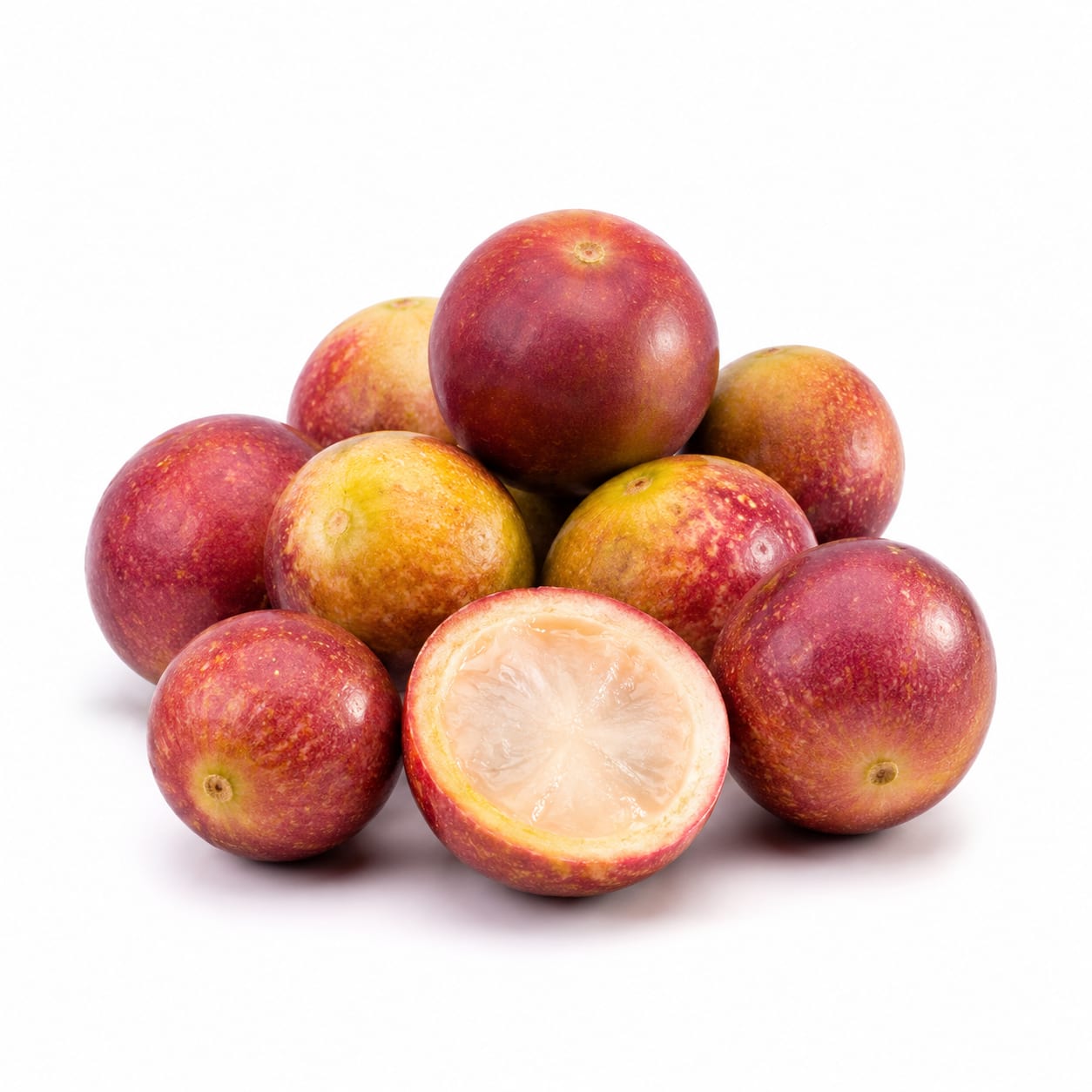
Camu Camu
Camu camu is an Amazonian berry prized for having the highest natural vitamin C concentration of any food.
A small, sour, cherry-like berry native to the Amazon rainforest, widely recognized as one of the most potent natural sources of vitamin C and antioxidants.
extremely high-vitamin C functional berry
Typical serving · 5g
Common varieties · raw whole berry, freeze-dried powder, liquid extract, capsule supplement
Overall context score across nutrition, safety, and diet fit
At a glance
Quick facts
Simple indicators based on nutrition, processing, and diet fit.
The story
What makes it unique
Camu camu is characterized by rapid digestion, low caloric density, and an exceptionally high concentration of ascorbic acid and polyphenols. Its macronutrient profile is minimal, consisting mostly of water and simple carbohydrates, while its micronutrient and phytochemical density drives its functional benefits.
Varieties: raw whole berry · freeze-dried powder · liquid extract · capsule supplement
Per 100g
Nutrition breakdown
Macro balance and key metrics at a glance.
Energy
Density 0.17 kcal/g
Protein
Carbs
Fat
Fiber
Sugar
2.5 g
Sodium
11 mg
Potassium
83 mg
Glycemic index
25
Glycemic load
1
Water content
94%
Standout compounds
Nutrient highlights
Vitamin C
highSupports immune function, collagen synthesis, and antioxidant protection
Ellagic Acid
moderatePolyphenol with anti-inflammatory and antioxidant properties
Potassium
lowRegulates fluid balance and supports nerve function
Dietary Fiber
lowPromotes healthy digestion and gut microbiome support
Wellness map
Health scores & processing
NOVA processing scale
minimally processed · Whole food
Raw camu camu is a whole unprocessed fruit. Most commercial products use freeze-drying, a minimal processing method that retains the vitamin C and antioxidant content without adding artificial ingredients.
Diet compatibility
- Weight loss
- Muscle gain
- Diabetes
- Gut health
- Low carb
- High protein
- Heart health
Relative standing
Food rankings
Qualitative ranks compared to similar whole foods.
- Satietygood
- Blood sugarexcellent
- Nutrient densityexcellent
- Fitness fuelmoderate
- Processing qualityexcellent
Eat with confidence
Food safety profile
Generally safe, but sourcing from reputable suppliers is important to avoid heavy metal accumulation from Amazon river sediments and ensure hygienic drying practices.
Evidence confidence 80%
- Pesticideslow
- Antibioticslow
- Heavy metalsmoderate
- Contaminationlow
Watch for
- naturally occurring river basin metals
- mold from improper drying
Safer choices
Organic certified freeze-dried powders tested for heavy metals.
Prep tips
If using powder, mix into cool or room-temperature liquids to preserve heat-sensitive vitamin C.
Lack of standardized dosing for supplements; heavy metal monitoring in river-sourced berries is advised.
Deep dive
Health analysis
How this food may fit different goals and preparation choices.
Weight loss
Extremely low energy density and calorie count make it an excellent flavor and nutrient booster without adding dietary energy.
Blood sugar
Very low glycemic load and minimal sugar content result in virtually no blood sugar spike.
Fitness & energy
Provides no direct macronutrient fuel, but the high vitamin C aids in exercise recovery and reducing oxidative stress.
Gut health
Contains dietary fiber and polyphenols that support beneficial gut bacteria, though typically consumed in amounts too small for significant fiber contribution.
Processing quality
Typically freeze-dried to preserve its highly unstable vitamin C content, maintaining a high nutrient-to-calorie ratio.
Food safety
Primary concern is heavy metal exposure from river basin soils; third-party tested powders mitigate this risk.
Common mistakes
Adding camu camu to boiling water or hot tea, which destroys the majority of its heat-sensitive vitamin C content.
Best preparation
Stirred into smoothies, yogurt, or cold water after blending to preserve nutrient integrity.
Practical guide
Best use cases
When and how this food fits real eating patterns.
Immune system boost
Provides a concentrated natural dose of vitamin C to support white blood cell production and immune defense.
Smoothie flavor enhancer
Adds a tangy, citrus-like flavor to blended drinks without the sugar content of fruit juices.
Post-workout recovery
Antioxidants help combat exercise-induced oxidative stress and support tissue repair.
Travel immune support
Lightweight freeze-dried powder is easy to transport and mix into water while traveling to maintain vitamin C intake.
Balance sheet
Pros & cons
Upsides
- Exceptionally high in natural vitamin C
- Very low in calories and sugar
- Rich in beneficial antioxidant polyphenols
- Supports immune system and skin health
Trade-offs
- Highly tart taste is unpalatable for some
- Expensive compared to common fruit powders
- Heat-sensitive vitamin C limits culinary uses
- Risk of heavy metals if not third-party tested
Fit check
Who is it for?
Great match
- immune system support
- low-carb flavor enhancement
- antioxidant boosting
- travel-friendly nutrition
Consider alternatives
- high-volume eating
- primary fiber source
- hot beverage mixing
- budget-conscious consumers
Side by side
How it compares
Open the full head-to-head analysis for nutrition, safety, and practical tradeoffs.
This food
Camu Camu
VS90% alike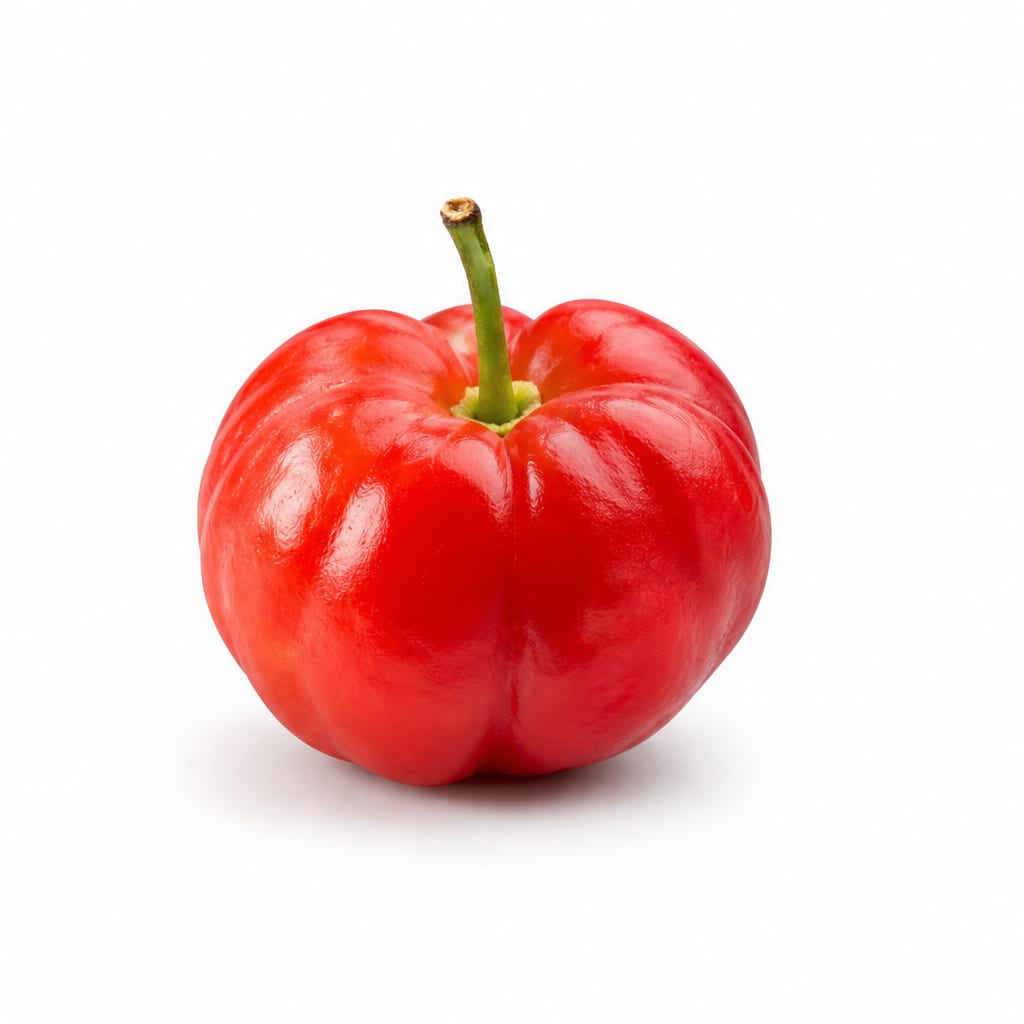
Compare with
Acerola Cherry
Acerola and camu camu are both top-tier vitamin C sources, but camu camu generally offers a broader spectrum of antioxidant polyphenols.
Acerola and camu camu are both exceptionally high in vitamin C, but camu camu offers a broader spectrum of antioxidant polyphenols.
This food
Camu Camu
VS85% alike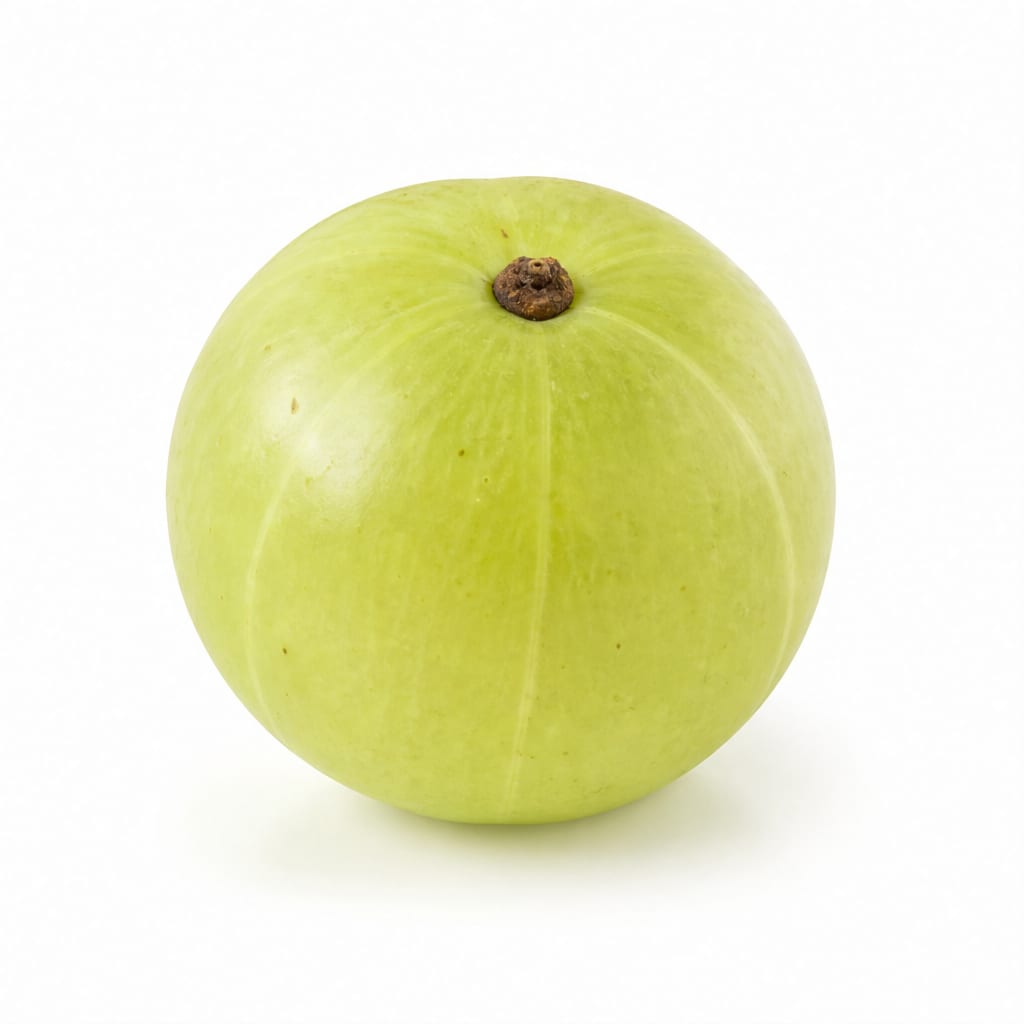
Compare with
Amla Berry
Amla provides potent tannin antioxidants and slightly better blood sugar control, while camu camu delivers a higher absolute dose of vitamin C.
Amla provides potent tannin antioxidants and slightly better blood sugar control, while camu camu delivers a higher absolute dose of vitamin C.
This food
Camu Camu
VS70% alike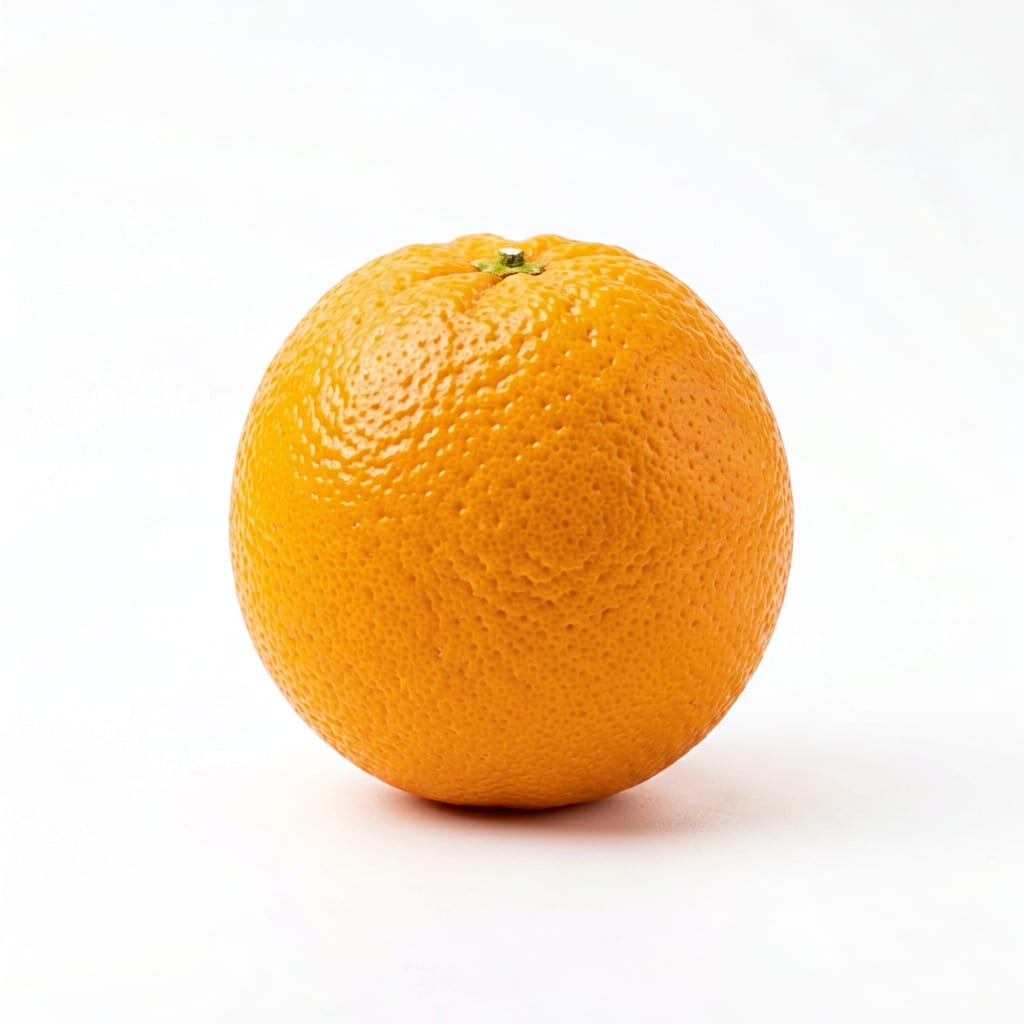
Compare with
Orange
Camu camu provides dramatically more vitamin C and fewer calories per gram, while oranges offer more fiber and volume for better satiety.
Camu camu provides dramatically more vitamin C and fewer calories per gram, while oranges offer more fiber and volume for better satiety.
This food
Camu Camu
VS65% alike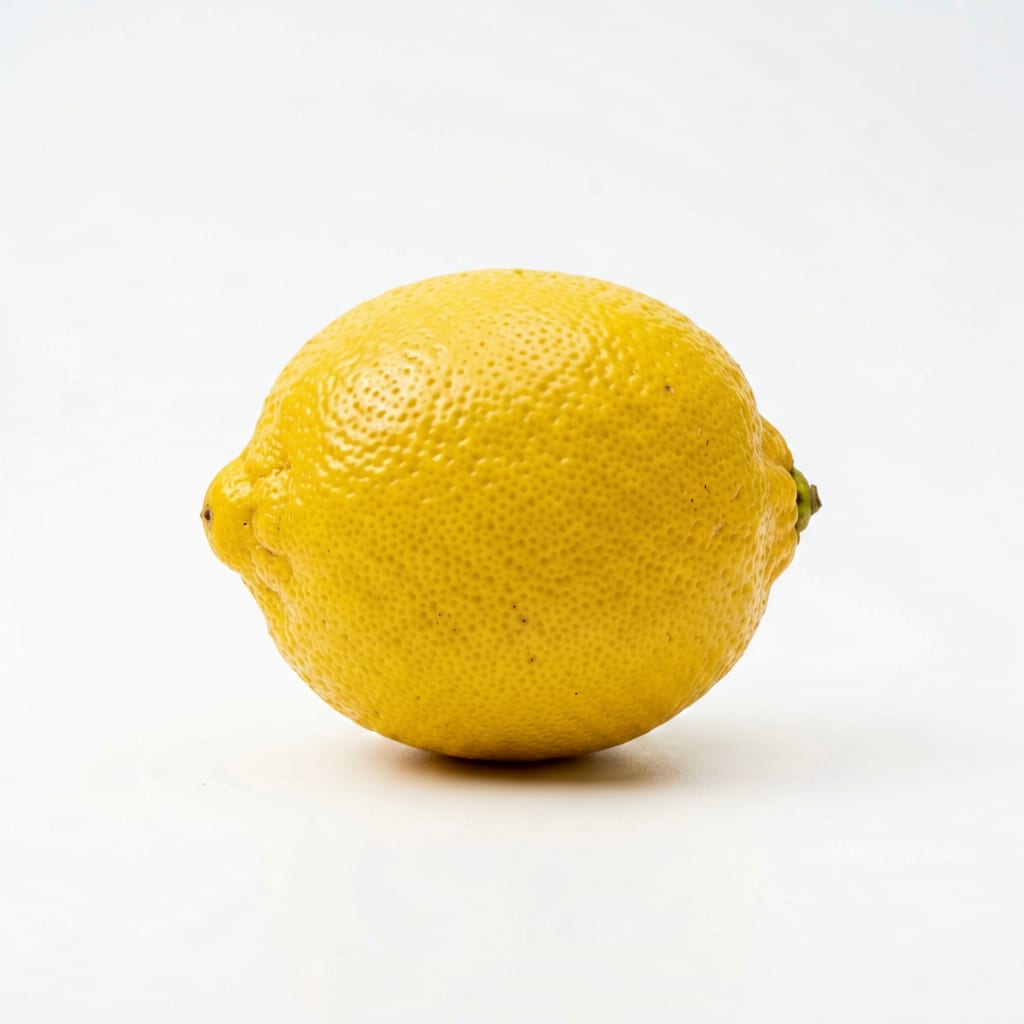
Compare with
Lemon
Camu camu is a vastly superior source of vitamin C compared to lemon, though lemon is more versatile and affordable for everyday hydration.
Camu camu is a vastly superior source of vitamin C compared to lemon, though lemon is more versatile and affordable for everyday hydration.
This food
Camu Camu
VS60% alike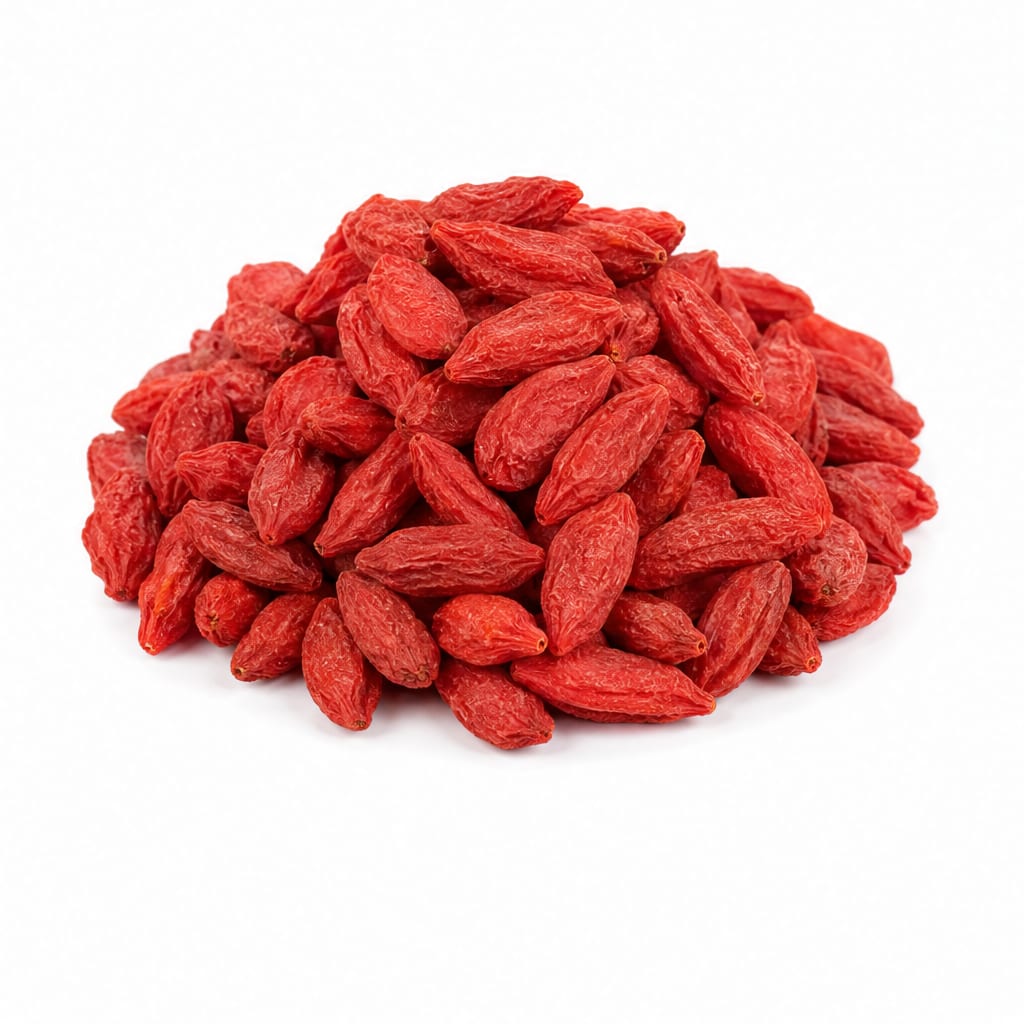
Compare with
Goji Berry
Camu camu is lower in sugar and higher in vitamin C, making it better for blood sugar control, while goji berries offer more sustained energy and carbohydrates.
Camu camu is lower in sugar and higher in vitamin C, making it better for blood sugar control, while goji berries offer more sustained energy and carbohydrates.
This food
Camu Camu
VS60% alike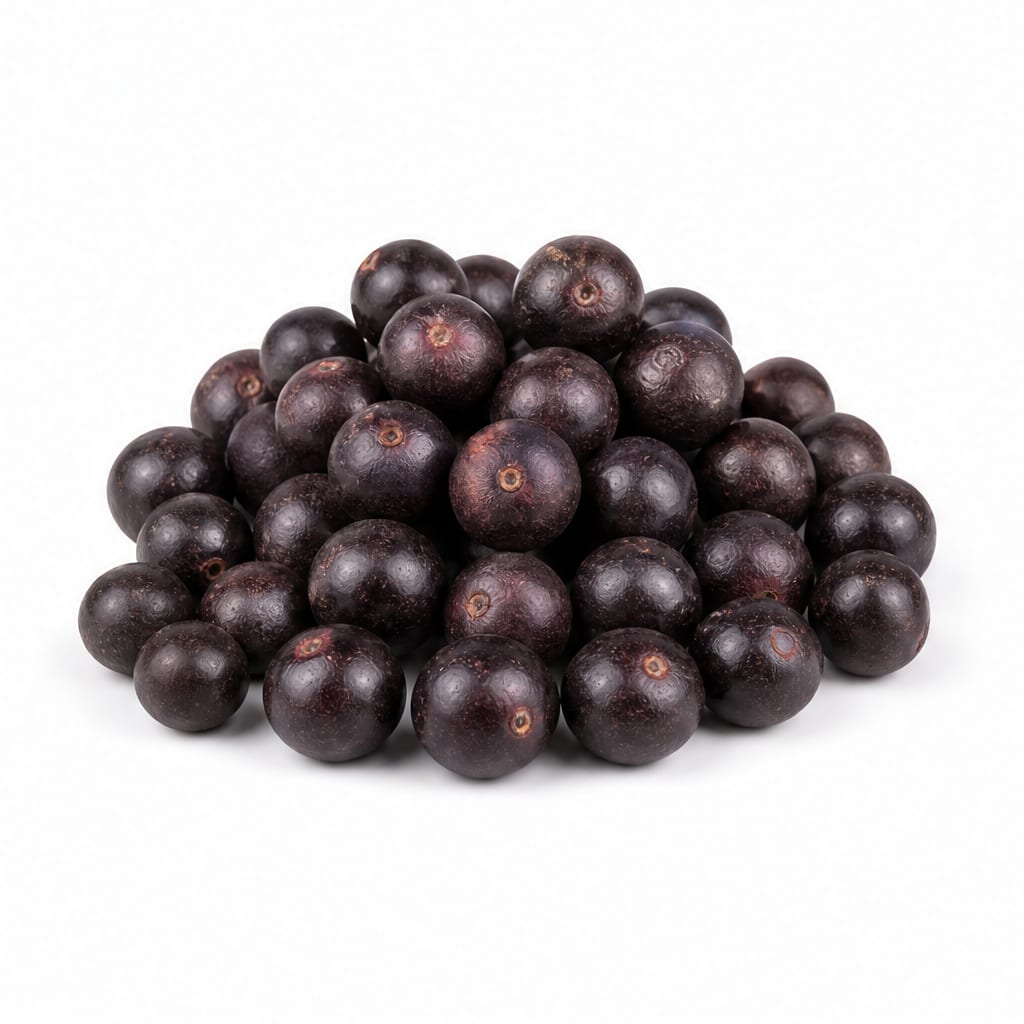
Compare with
Acai Berry
Acai is rich in healthy fats and skin-protecting anthocyanins, whereas camu camu is virtually fat-free and dominates in vitamin C content.
Acai is rich in healthy fats and skin-protecting anthocyanins, whereas camu camu is virtually fat-free and dominates in vitamin C content.
This food
Camu Camu
VS50% alike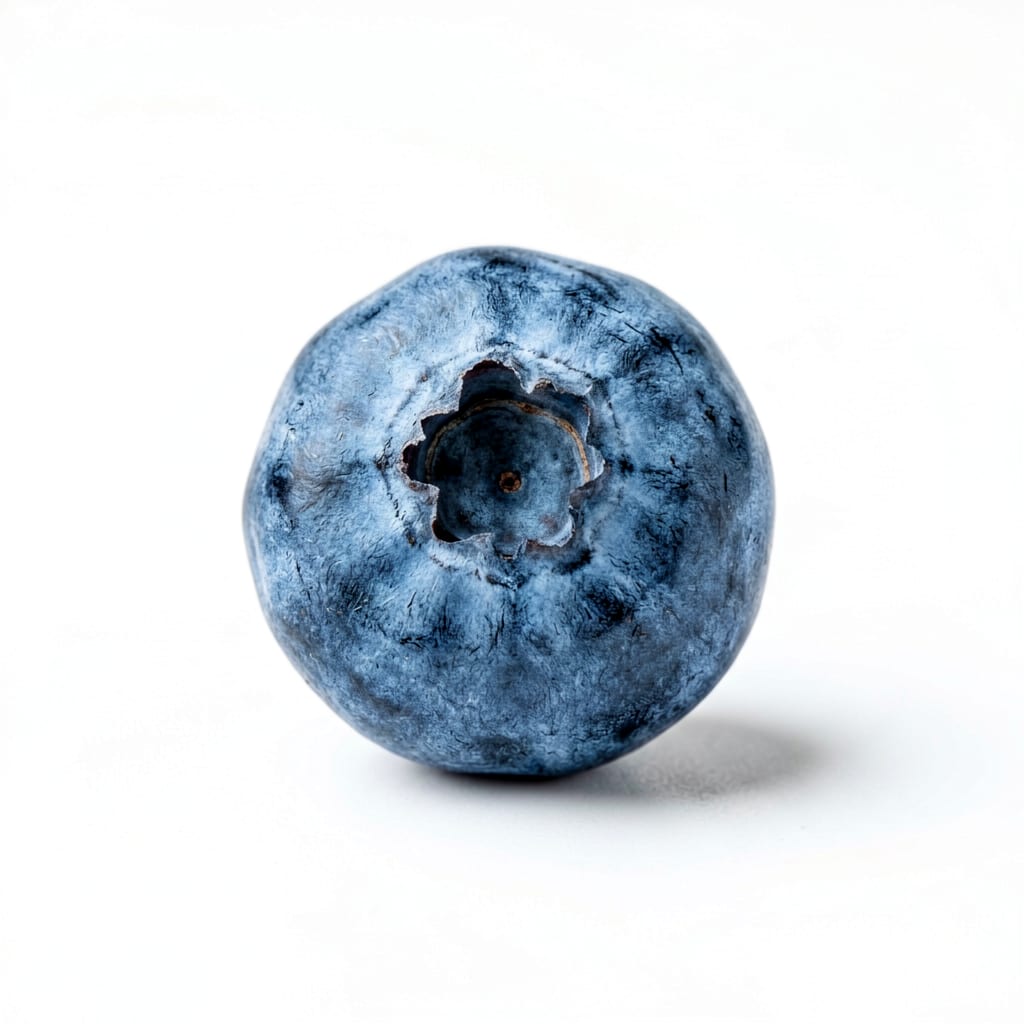
Compare with
Blueberry
Blueberries are superior for everyday snacking and satiety, but camu camu is a far more concentrated source of vitamin C and immune-supporting antioxidants.
Blueberries are superior for everyday snacking and satiety, but camu camu is a far more concentrated source of vitamin C and immune-supporting antioxidants.
This food
Camu Camu
VS50% alike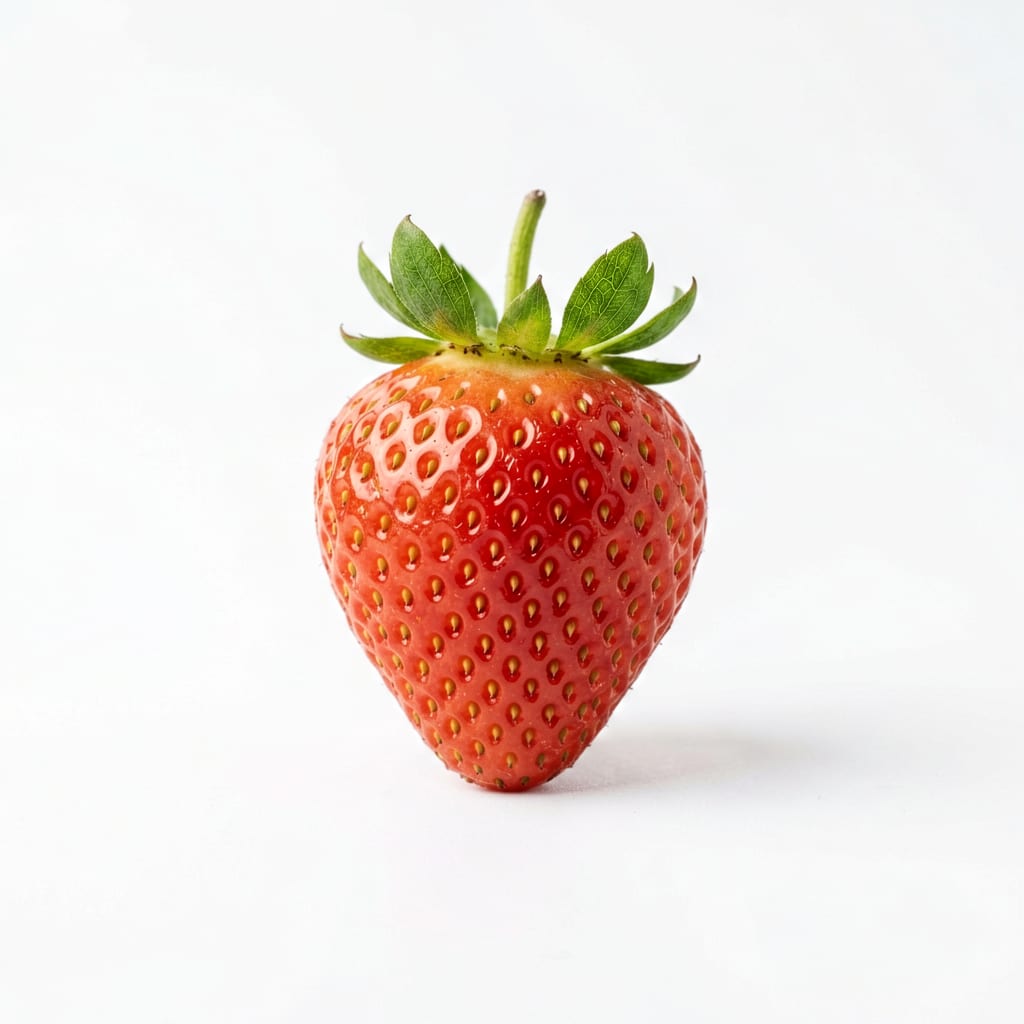
Compare with
Strawberry
Strawberries provide better volume and fiber for fullness, while camu camu delivers a massive dose of vitamin C in a tiny, low-calorie serving.
Strawberries provide better volume and fiber for fullness, while camu camu delivers a massive dose of vitamin C in a tiny, low-calorie serving.
This food
Camu Camu
VS75% alike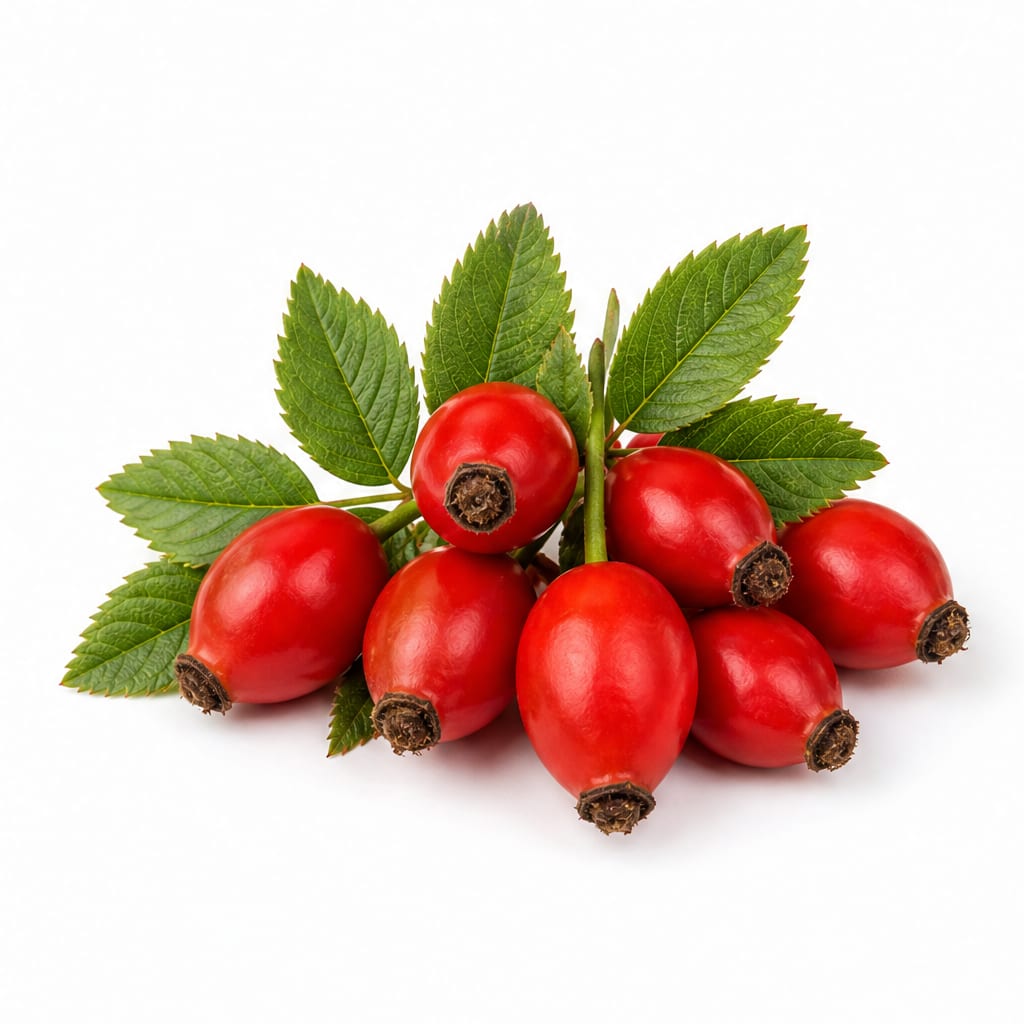
Compare with
Rosehip
Rosehips and camu camu are both top-tier vitamin C sources, but camu camu typically edges out rosehip in total ascorbic acid concentration and antioxidant diversity.
Rosehips and camu camu are both top-tier vitamin C sources, but camu camu typically edges out rosehip in total ascorbic acid concentration and antioxidant diversity.
This food
Camu Camu
VS65% alike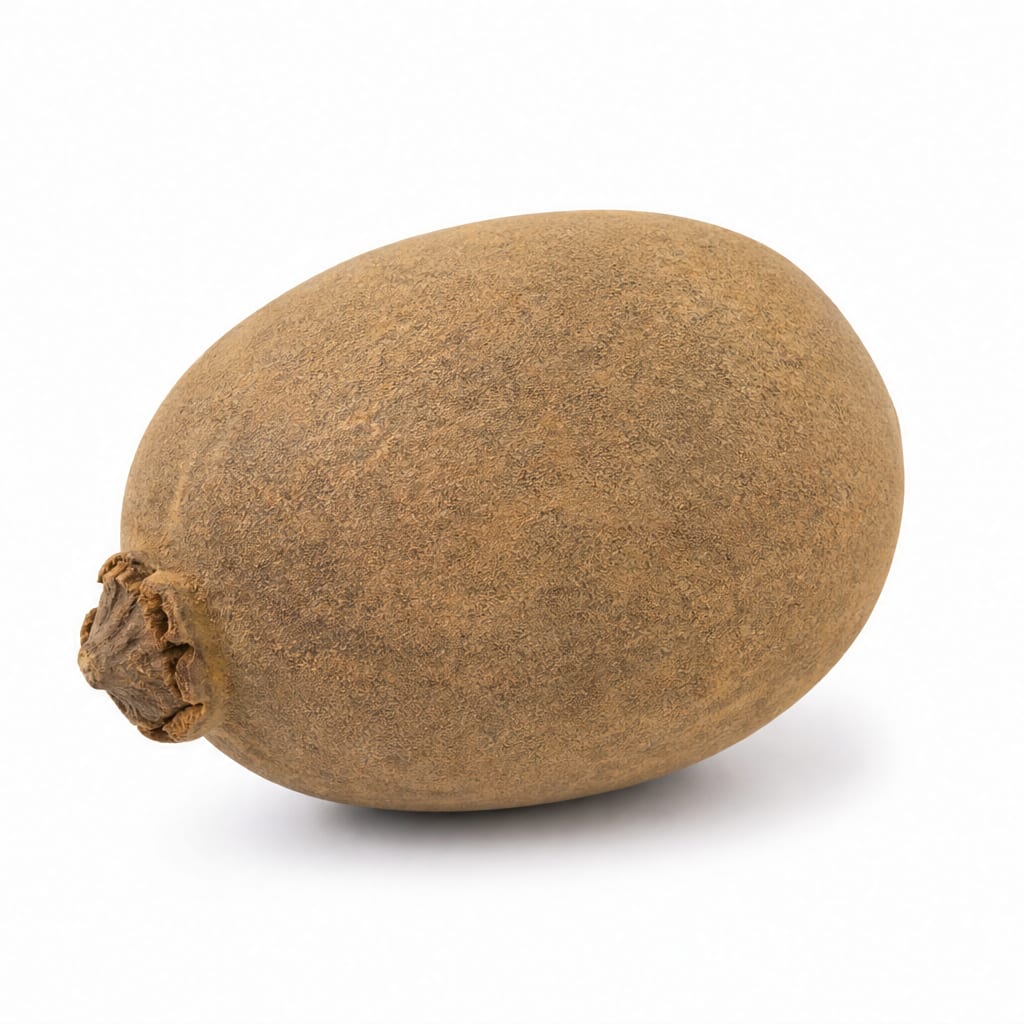
Compare with
Baobab
Baobab offers significantly more fiber for gut health, while camu camu provides a much stronger vitamin C hit for immune support.
Baobab offers significantly more fiber for gut health, while camu camu provides a much stronger vitamin C hit for immune support.
Common questions
FAQ
Answers aligned with how people search for this food.
What does camu camu taste like?
Camu camu has a very sour, tart, and astringent taste due to its extremely high vitamin C content, which is why it is rarely eaten raw and typically consumed as a powder mixed into smoothies or drinks.
How much camu camu powder should I take daily?
A typical serving is 1 to 2 grams (about 1/2 teaspoon) of freeze-dried camu camu powder per day, which provides well over the daily recommended intake of vitamin C.
Is camu camu better than a vitamin C supplement?
Camu camu provides vitamin C alongside natural cofactors like bioflavonoids and antioxidants, which may improve absorption and efficacy compared to isolated synthetic ascorbic acid supplements.
Does camu camu help with colds?
While camu camu does not cure the common cold, its massive vitamin C content supports overall immune function and may help reduce the duration and severity of colds if taken regularly.
Can you eat raw camu camu?
Yes, the raw berry is edible, but it is highly tart and rarely consumed plain. In the Amazon, it is often sweetened or made into beverages rather than eaten straight off the tree.
Does heat destroy camu camu benefits?
Yes, vitamin C is highly sensitive to heat. Adding camu camu powder to hot liquids like tea or baked goods will degrade most of its vitamin C content and diminish its health benefits.
Transparency
Data confidence
Estimated confidence for nutrition data, interpretation, safety notes, and comparisons.
Nutrition data
Health analysis
Food safety
Comparisons