
Nutrition comparison
Camu Camu vs Baobab: Which Superfruit Powder Is Better for You?
Compare Camu Camu and Baobab side by side. Camu Camu delivers unmatched vitamin C potency while Baobab offers fiber, minerals, and better daily practicality. Find out which fits your health goals.
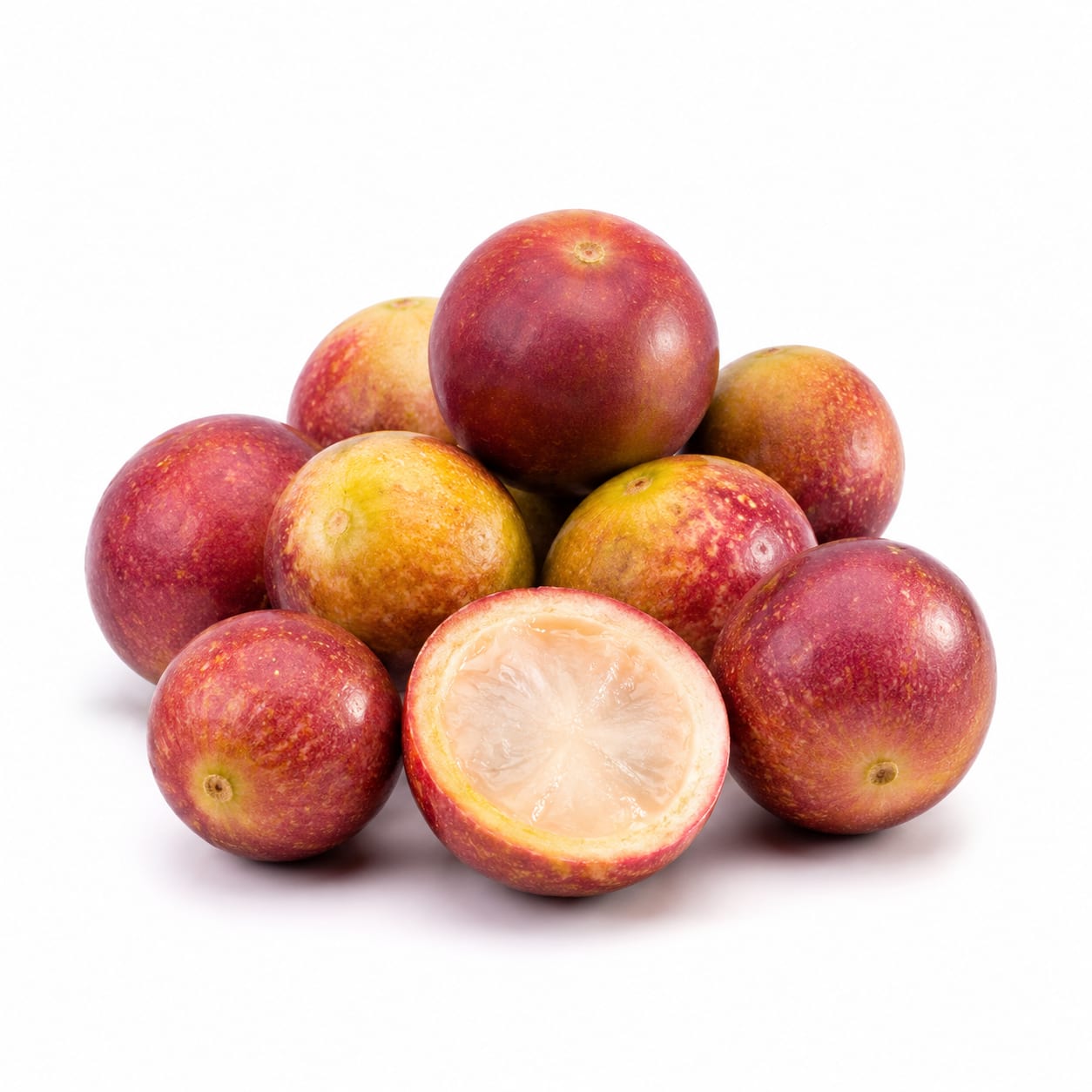
Camu Camu
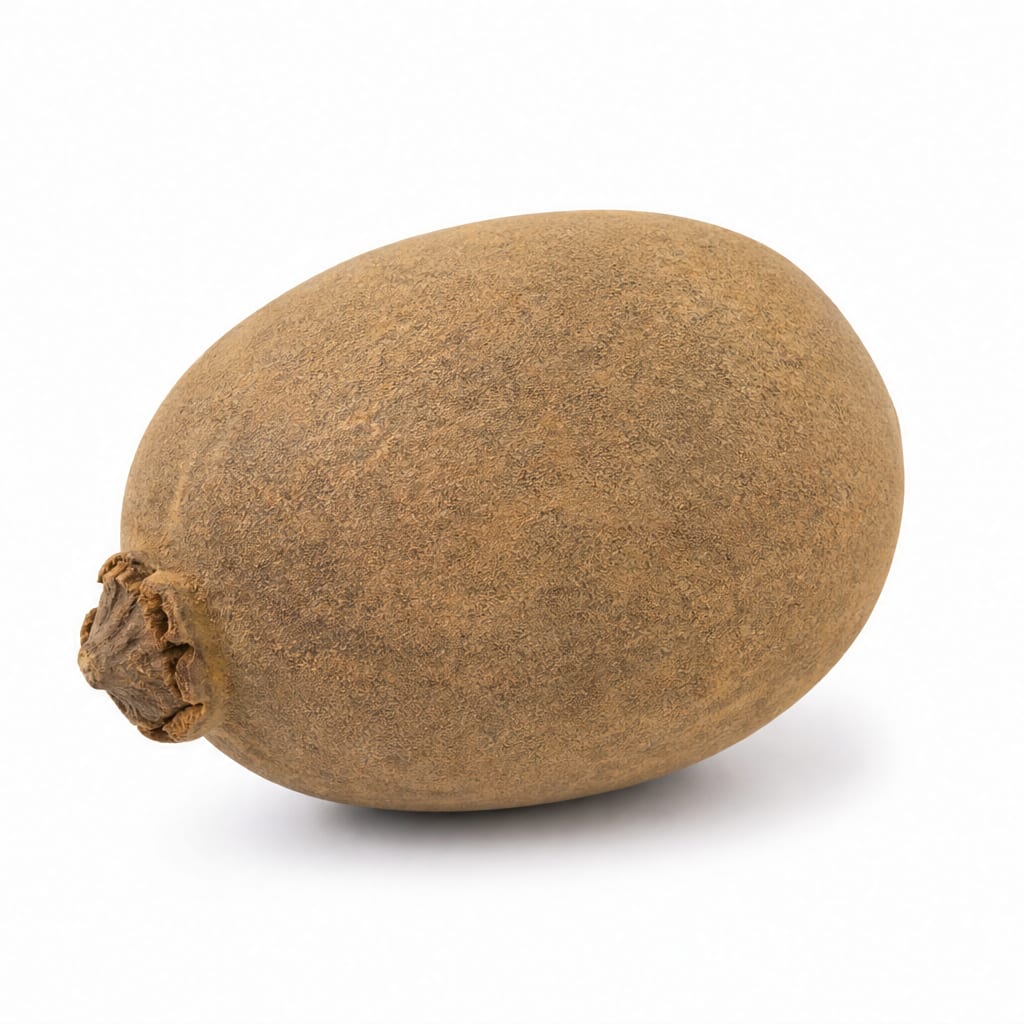
Baobab
Camu Camu is your vitamin C powerhouse; Baobab is your fiber-rich daily tonic. They serve different purposes despite both being tropical superfruit powders.
Baobab scores higher for daily practicality, fiber content, and mineral diversity. Camu Camu scores higher for vitamin C concentration and acute antioxidant delivery. The overall edge goes to Baobab because most users benefit more from consistent fiber and mineral intake than from extremely high vitamin C doses.
Massive vitamin C potency versus gut-friendly fiber and mineral breadth. Camu Camu excels at acute immune support while Baobab excels at digestive regularity and steadier energy.
At a glance
Executive summary
Overall
It depends
Healthier
It depends
More practical
Baobab
Daily use
Baobab
Key comparison lenses
immune support and vitamin c
Both are prized for vitamin C content but Camu Camu delivers dramatically more, making this the defining contrast
gut health and fiber
Baobab's fiber advantage is massive and changes its practical use case entirely compared to Camu Camu
daily supplement practicality
Users choosing between these are typically adding one to smoothies or water daily, so taste, mixability, and versatility matter
antioxidant diversity
Both offer polyphenols and antioxidants but through different compounds, affecting long-term benefits
satiety and blood sugar
Baobab's fiber meaningfully slows sugar absorption and increases fullness; Camu Camu does not
Best choice for
Camu Camu
- Acute immune support during cold season
- High-dose vitamin C without supplements
- Antioxidant flooding post-workout
- Travel immune insurance
Baobab
- Daily gut health maintenance
- Blood sugar smoothing with meals
- Satiety and appetite management
- Mineral replenishment and prebiotic fiber
Least suitable for
Camu Camu
- People prone to kidney stones from excess vitamin C
- Those seeking a pleasant-tasting daily drink
- Anyone needing fiber or digestive support
Baobab
- Those needing maximum vitamin C potency per gram
- People on strict low-fiber diets temporarily
- Anyone wanting a neutral-flavor additive
Deep comparison
Dimension by dimension
Each lens scores both foods and breaks down who each option suits.
- Dimension 1 · Priority 95Camu Camu
vitamin_c_potency
Camu Camu · 97Baobab · 62Camu Camu delivers roughly 30-60 times more vitamin C per serving than Baobab, making it one of the most concentrated natural sources on Earth.
Tradeoff
That much vitamin C can cause GI upset or kidney stone risk in susceptible people if overconsumed, while Baobab offers a gentler, more sustainable dose.
Why it matters
If your primary goal is immune flooding or fighting off a cold, Camu Camu gets vitamin C into your system faster and at higher levels than almost any food.
Real-world impact
A teaspoon of Camu Camu powder can exceed your daily vitamin C needs several times over. Baobab covers your baseline but will not deliver therapeutic doses.
Camu Camu
- Fighting off an oncoming cold
- Post-workout antioxidant recovery
- Replacing synthetic vitamin C supplements
Better for
- People with oxalate kidney stone history
- Anyone sensitive to high-dose vitamin C GI effects
Worse for
Baobab
- Gentle daily immune maintenance
- Avoiding vitamin C overload side effects
Better for
- Situations requiring therapeutic vitamin C doses
Worse for
- Dimension 2 · Priority 90Baobab
fiber_and_gut_health
Camu Camu · 25Baobab · 92Baobab is roughly 50% fiber by weight with both soluble and insoluble types, while Camu Camu contains minimal fiber.
Tradeoff
Baobab actively feeds beneficial gut bacteria and slows digestion in a helpful way. Camu Camu passes through without contributing to digestive regularity.
Why it matters
Fiber is the single most underconsumed nutrient in modern diets. Baobab meaningfully moves the needle on daily intake; Camu Camu does not.
Real-world impact
Adding Baobab to a morning smoothie helps you feel fuller longer and supports regular bowel movements. Camu Camu will not move the needle on either.
Camu Camu
- Situations where low fiber is preferred, such as pre-workout or sensitive stomach days
Better for
- Anyone constipated or needing digestive support
Worse for
Baobab
- Daily digestive regularity
- Prebiotic support for gut microbiome
- Smoothing blood sugar after carb-heavy meals
- Reducing afternoon hunger pangs
Better for
- Temporarily during low-residue diet phases
Worse for
- Dimension 3 · Priority 75Baobab
mineral_content
Camu Camu · 48Baobab · 82Baobab provides meaningful amounts of potassium, calcium, magnesium, and iron. Camu Camu offers some potassium and trace minerals but at lower levels.
Tradeoff
Baobab functions almost like a mineral supplement alongside its other benefits. Camu Camu is more narrowly a vitamin C and antioxidant source.
Why it matters
Mineral deficiency, especially potassium and magnesium, affects energy, sleep, and muscle function. Baobab helps close that gap more effectively.
Real-world impact
A tablespoon of Baobab contributes noticeably to your daily potassium and calcium. Camu Camu contributes primarily vitamin C and little else mineral-wise.
Camu Camu
- Situations where only vitamin C and antioxidants matter
Better for
- Those relying on it as a broad-spectrum nutrient source
Worse for
Baobab
- Electrolyte replenishment after sweating
- Supporting bone density with calcium
- Addressing mild mineral gaps in restrictive diets
Better for
- Situations requiring iron avoidance
Worse for
- Dimension 4 · Priority 80Baobab
taste_and_versatility
Camu Camu · 40Baobab · 78Camu Camu is intensely sour and tart, limiting how much you can use and what it pairs with. Baobab has a mild citrusy tang that blends easily into most foods and drinks.
Tradeoff
Camu Camu's sourness signals its potency but makes it harder to enjoy daily. Baobab's pleasant taste makes consistent use realistic.
Why it matters
The best superfood is the one you actually consume consistently. Taste is not superficial; it determines compliance.
Real-world impact
Baobab disappears into oatmeal, yogurt, or water without dominating the flavor. Camu Camu can overpower a smoothie if you use enough to get full benefits.
Camu Camu
- People who enjoy very tart flavors
- Adding sharpness to specific recipes
Better for
- Anyone with taste sensitivity to sourness
- Large servings that become unpalatable
Worse for
Baobab
- Daily smoothies where you want pleasant taste
- Mixing into water as a light drink
- Kids who will reject sour flavors
- Cooking and baking applications
Better for
- Those wanting a strong flavor impact
Worse for
- Dimension 5 · Priority 70Camu Camu
antioxidant_diversity
Camu Camu · 86Baobab · 72Camu Camu contains a wider array of antioxidant compounds including ellagic acid, quercetin, and unique polyphenols beyond just vitamin C. Baobab offers good polyphenols but less variety.
Tradeoff
Camu Camu's antioxidant profile is broader and more studied for anti-inflammatory effects. Baobab's antioxidants work more synergistically with its fiber for gut-mediated benefits.
Why it matters
Diverse antioxidants protect different tissues and pathways. Camu Camu covers more ground per gram in direct antioxidant capacity.
Real-world impact
For systemic inflammation or oxidative stress, Camu Camu delivers a more concentrated antioxidant punch. Baobab's antioxidants work more indirectly through gut health improvements.
Camu Camu
- High oxidative stress situations
- Post-exercise recovery
- Inflammatory conditions requiring diverse polyphenols
Better for
- Those who cannot tolerate large enough doses to access full antioxidant spectrum
Worse for
Baobab
- Long-term gut-mediated antioxidant benefits
- Gentle daily protection without intensity
Better for
- Acute antioxidant needs
Worse for
- Dimension 6 · Priority 70Baobab
blood_sugar_and_satiety
Camu Camu · 35Baobab · 85Baobab's high soluble fiber slows glucose absorption and increases fullness. Camu Camu has negligible fiber and minimal direct effect on blood sugar or satiety.
Tradeoff
Baobab actively improves glycemic response when eaten with carbs. Camu Camu neither helps nor harms blood sugar but will not reduce cravings or hunger.
Why it matters
Steady blood sugar means fewer energy crashes and less mindless snacking. Baobab contributes to this meaningfully.
Real-world impact
Stirring Baobab into a fruit smoothie blunts the sugar spike. Camu Camu adds vitamin C but the smoothie still hits your blood sugar the same way.
Camu Camu
- Situations where blood sugar impact is irrelevant
Better for
- Anyone using superfoods partly to manage cravings or energy dips
Worse for
Baobab
- Smoothing post-meal glucose spikes
- Reducing between-meal hunger
- Making sweet drinks gentler on metabolism
- Supporting insulin sensitivity over time
Better for
- Those on temporary low-fiber protocols
Worse for
Timeline
Health impact over time
Short-term
Hours to days
Camu Camu
- Rapid vitamin C elevation in blood within hours
- Possible mild stomach upset at higher doses
- Tart taste may cause mouth puckering or salivation
- Noticeable energy lift from antioxidant activity
Baobab
- Gentle fullness from fiber within 30-60 minutes
- Softer, more regular bowel movements within a day or two
- Steadier energy after carb-containing meals
- Mild improvement in hydration due to potassium content
Long-term
Months to years
Camu Camu
- Stronger immune resilience with consistent use
- Potential kidney stone risk if overconsumed long-term in susceptible individuals
- Better collagen support for skin and joints from sustained vitamin C
- Reduced oxidative stress markers
Baobab
- Improved gut microbiome diversity from prebiotic fiber
- Better long-term blood sugar regulation
- Improved mineral status especially potassium and calcium
- More consistent digestive regularity and reduced constipation
Risk profile
Safety & processing
Both are typically sold as freeze-dried or sun-dried fruit powders with no additives. Quality varies by brand, so sourcing matters more than processing method for both. Always check that the ingredient list contains only the fruit with no fillers, maltodextrin, or added vitamin C.
Camu Camu
Oxalate kidney stones from excess vitamin C
mediumVery high vitamin C intake can increase oxalate production in susceptible people, raising kidney stone risk over time. This is dose-dependent and mainly concerns those with a history of stones.
GI discomfort at high doses
lowDoses above 2000mg vitamin C may cause diarrhea or cramping. Camu Camu can easily exceed this with a tablespoon depending on concentration.
Sourcing and heavy metal contamination
lowWild-harvested Amazonian products can vary in quality. Reputable third-party tested brands minimize this concern.
Baobab
Fiber overload if introduced too quickly
lowAdding large amounts suddenly can cause bloating or gas. Gradual introduction over a week prevents this entirely.
Sourcing authenticity
lowSome Baobab products may be diluted with cheaper fillers. Choose brands that verify pure Baobab fruit pulp with no additives.
Iron absorption interference from polyphenols
lowHigh polyphenol intake with meals can modestly reduce non-heme iron absorption. Not a concern for most people but worth noting for those with iron deficiency.
Who wins for whom
Audience fit
Same foods, different winners depending on your goal.
children
BaobabBaobab's milder taste and fiber benefits make it easier to add to kids' food without rejection. Camu Camu's intense sourness is a hard sell for most children.
daily consumption
BaobabBaobab's pleasant taste, fiber benefits, and mineral content make it a sustainable daily addition. Camu Camu's sourness and vitamin C excess risk make it better suited for periodic or targeted use.
diabetes
BaobabBaobab's soluble fiber demonstrably reduces glycemic response when consumed with carbohydrates. Camu Camu has no meaningful effect on blood sugar management.
elderly
BaobabOlder adults benefit more from Baobab's fiber for digestion, minerals for bone health, and gentle vitamin C. Camu Camu's potency is less needed and carries more risk at high doses.
muscle gain
It dependsNeither is directly muscle-building. Camu Camu's antioxidants may slightly aid post-workout recovery, while Baobab's minerals support muscle function. Both are supplementary at best.
weight loss
BaobabBaobab's fiber increases satiety and slows sugar absorption, directly supporting appetite control. Camu Camu has minimal effect on fullness.
Your move
Decision guide
Choose Camu Camu
- You want the strongest natural vitamin C source available
- You are fighting off a cold or need acute immune support
- You want to replace synthetic vitamin C supplements with a whole-food source
- You enjoy tart, sour flavors and find them energizing
- You need potent antioxidant support after intense training
Choose Baobab
- You want a daily gut health and digestion ally
- You are looking for something pleasant-tasting to add to smoothies or water
- You want help managing blood sugar and cravings
- You need a fiber and mineral boost in a convenient form
- You want one superfood powder that does many things moderately well
Either works if
- You want a natural vitamin C source and neither taste nor fiber matters to you
- You are rotating superfoods and want variety in your pantry
- You are generally healthy and just adding insurance to your diet
Avoid both if
- You expect either to dramatically transform your health on its own
- You are not willing to source quality third-party tested products
- You have specific medical conditions requiring precise nutrient management without professional guidance
Final recommendation
For most people seeking a daily superfood addition, Baobab is the more practical and sustainable choice because of its fiber, mineral content, and pleasant taste. Camu Camu is the better targeted tool for acute immune support or when you need maximum vitamin C potency. Ideally, keep both: Baobab daily in your morning routine, Camu Camu when you feel something coming on or need an antioxidant surge.
Practical
Consumer tips
- 1
Start with half a teaspoon of either powder and work up to avoid digestive surprises
- 2
Mix Baobab into oatmeal, yogurt, or water where its mild tang shines
- 3
Pair Camu Camu with something sweet like banana or honey to balance its sourness
- 4
Always choose brands that show third-party testing for purity and potency
- 5
Store both in a cool, dry place away from sunlight to preserve vitamin C content
- 6
Do not add either to boiling liquids as heat degrades vitamin C significantly
- 7
If using Camu Camu daily, keep doses to a quarter teaspoon to avoid excessive vitamin C intake
- 8
Baobab thickens liquids slightly, making it a natural smoothie texture enhancer
- 9
Consider alternating: Baobab on weekdays for gut health, Camu Camu on weekends for antioxidant flooding