
Nutrition comparison
Camu Camu vs Amla Berry: Which Superfood Is Better for You?
Compare Camu Camu and Amla Berry for vitamin C potency, blood sugar support, liver health, and daily supplementation. Find out which one fits your health goals better.
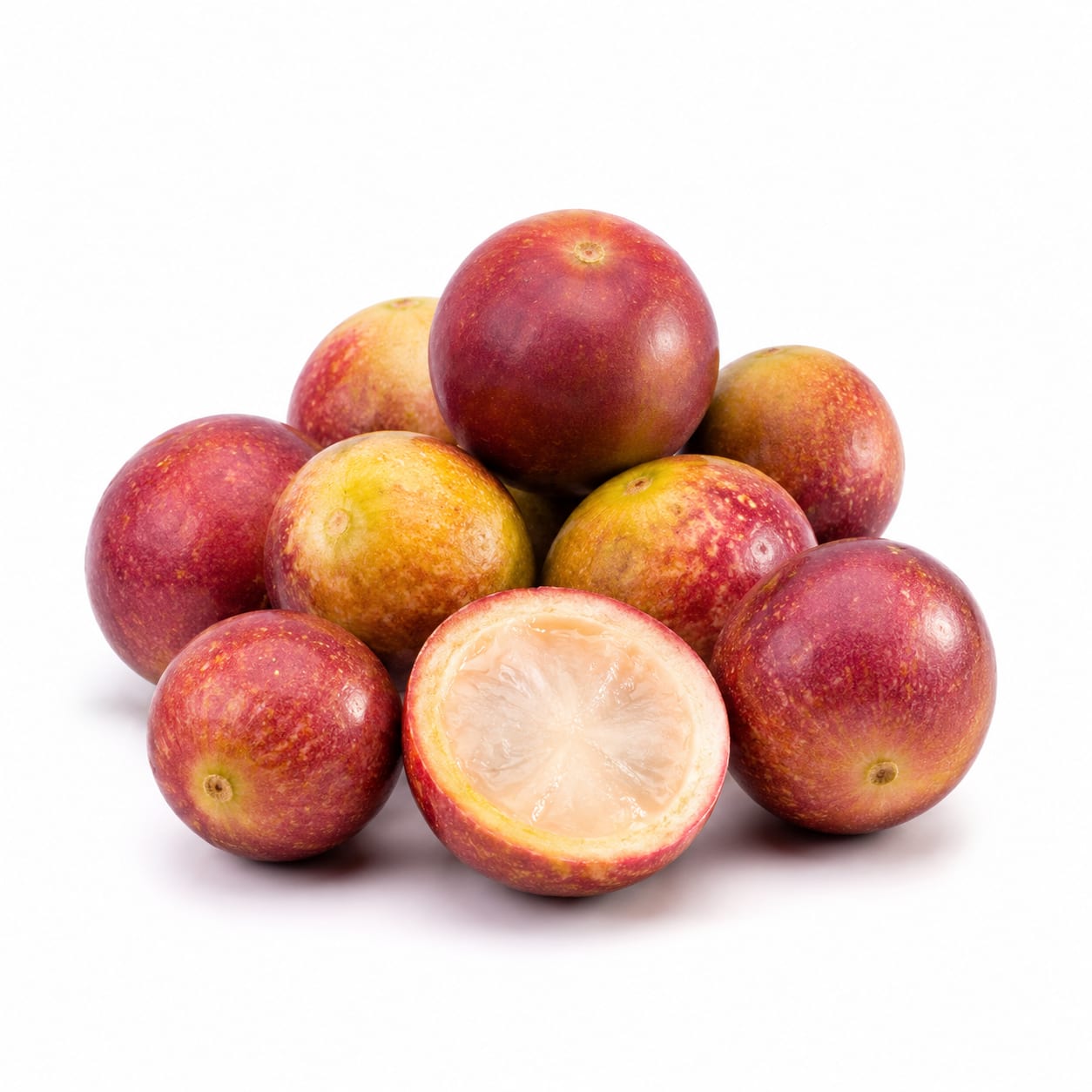
Camu Camu
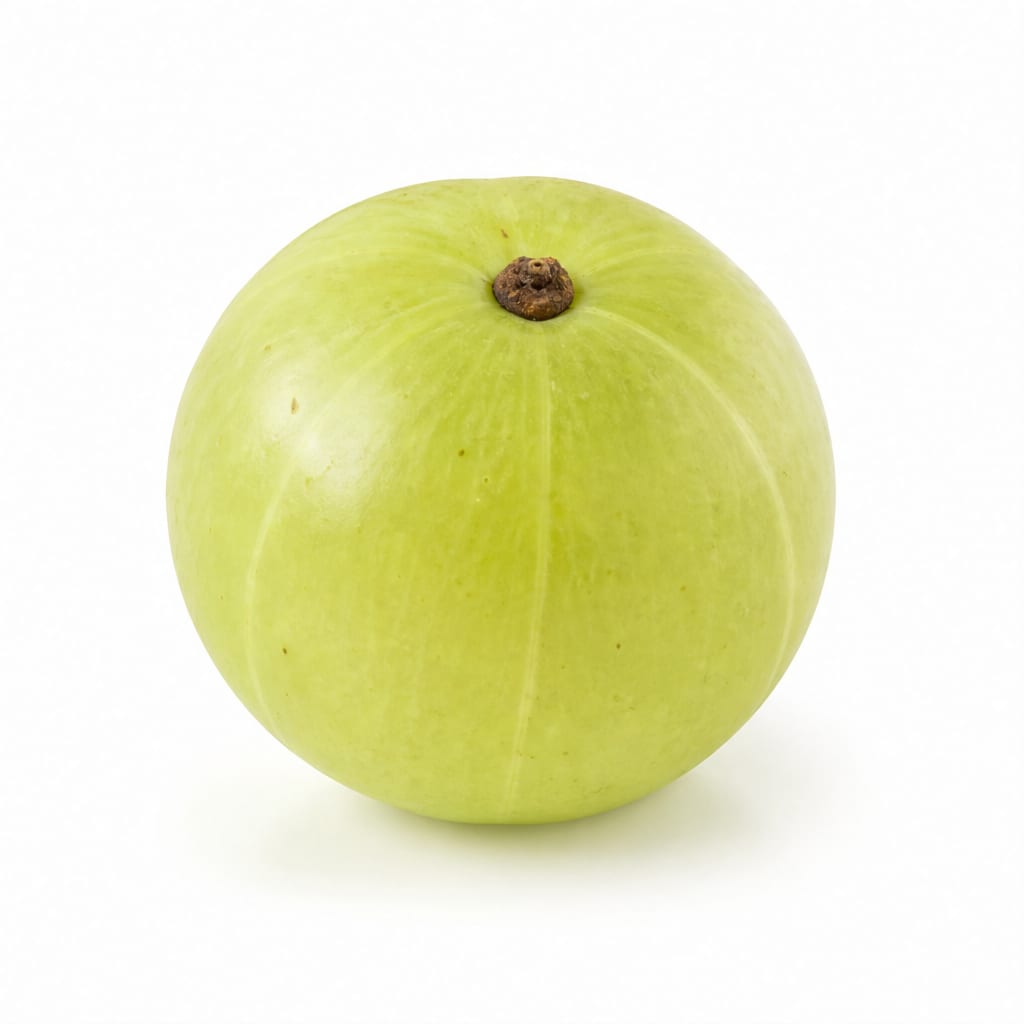
Amla Berry
Camu Camu delivers unmatched vitamin C potency, while Amla Berry offers broader metabolic and blood sugar benefits with deeper traditional validation.
Amla Berry edges ahead due to broader health benefits, stronger long-term safety data, and better practicality for daily use. Camu Camu wins on raw vitamin C concentration but is more niche and less versatile.
Raw vitamin C firepower versus whole-body metabolic support with more human evidence behind it.
At a glance
Executive summary
Overall
It depends
Healthier
It depends
More practical
Amla Berry
Daily use
Amla Berry
Key comparison lenses
superior vitamin C potency and immune support
Both foods are legendary for vitamin C content, so which delivers more usable vitamin C matters enormously
antioxidant breadth and longevity benefits
Users choosing between these want to know which offers deeper cellular protection beyond just vitamin C
blood sugar and metabolic regulation
Amla has strong Ayurvedic evidence for diabetes support, a key differentiator
practical daily supplementation feasibility
Neither is typically eaten fresh by most consumers, so form, taste, and accessibility determine real-world use
traditional use validation and safety confidence
Amla has centuries of human use while Camu Camu is newer to global markets, affecting trust
Best choice for
Camu Camu
- Maximum vitamin C supplementation
- Acute immune support during illness
- Short-term antioxidant boosting
- Travel or seasonal immune defense
Amla Berry
- Blood sugar management
- Long-term metabolic health
- Liver support and detoxification
- Sustainable daily supplementation
- Hair, skin, and anti-aging routines
Least suitable for
Camu Camu
- People on serotonin-affecting medications
- Those seeking gentle daily supplementation
- Budget-conscious long-term users
Amla Berry
- People wanting maximum vitamin C per gram
- Those who dislike bitter-astringent flavors
- Users seeking immediate acute immune response
Deep comparison
Dimension by dimension
Each lens scores both foods and breaks down who each option suits.
- Dimension 1 · Priority 95Camu Camu
Vitamin C Potency
Camu Camu · 97Amla Berry · 82Camu Camu contains roughly 2-3% vitamin C by weight, making it one of the most concentrated natural sources on Earth. Amla is impressive but typically delivers less per serving.
Tradeoff
Camu Camu's extreme potency can exceed daily needs easily, while Amla provides a still-excellent dose that's harder to overconsume.
Why it matters
If your primary goal is hitting maximum vitamin C intake for immune challenges, Camu Camu gets you there faster with less powder.
Real-world impact
Half a teaspoon of Camu Camu powder can exceed your daily vitamin C needs. Amla requires roughly double that amount for equivalent vitamin C.
Camu Camu
- Acute immune challenges
- Short-term vitamin C loading
- Travel-size potency
Better for
- Risk of overconsumption symptoms at high doses
Worse for
Amla Berry
- Steady daily vitamin C intake
- Avoiding potential GI upset from excess vitamin C
Better for
- Requires larger servings for equivalent vitamin C
Worse for
- Dimension 2 · Priority 88Amla Berry
Antioxidant Diversity
Camu Camu · 78Amla Berry · 91Amla Berry contains a wider array of bioactive compounds including tannins, emblicanin, gallic acid, and flavonoids that provide multi-pathway antioxidant protection beyond vitamin C.
Tradeoff
Camu Camu's antioxidant profile is strong but more vitamin C-centric. Amla offers redundant antioxidant systems that remain effective even if one pathway is overwhelmed.
Why it matters
Cellular protection works best with diverse compounds attacking free radicals through different mechanisms, not just one supercharged pathway.
Real-world impact
Amla's tannins stabilize vitamin C itself, making its antioxidant effect last longer in the body compared to pure vitamin C that degrades quickly.
Camu Camu
- Quick antioxidant surge when needed
Better for
- Narrower antioxidant mechanism diversity
Worse for
Amla Berry
- Long-lasting cellular protection
- Multi-organ antioxidant support
- Synergistic compound interactions
Better for
- Less dramatic immediate antioxidant spike
Worse for
- Dimension 3 · Priority 85Amla Berry
Blood Sugar and Metabolic Support
Camu Camu · 55Amla Berry · 92Amla Berry has substantial research showing it improves insulin sensitivity, reduces fasting blood sugar, and supports healthy lipid profiles. Camu Camu has minimal evidence in this area.
Tradeoff
Choosing Camu Camu means missing out on one of the most evidence-backed natural metabolic tonics available.
Why it matters
Blood sugar regulation affects energy stability, cravings, fat storage, and long-term disease risk more than most people realize.
Real-world impact
Regular Amla consumption can meaningfully improve HbA1c and fasting glucose over months. Camu Camu simply does not offer this benefit.
Camu Camu
- General anti-inflammatory support that indirectly aids metabolism
Better for
- No direct glycemic control evidence
Worse for
Amla Berry
- Pre-diabetic or diabetic blood sugar management
- PCOS-related insulin resistance
- Metabolic syndrome support
- Post-meal glucose spike reduction
Better for
- Not a replacement for medication in diagnosed diabetes
Worse for
- Dimension 4 · Priority 75Amla Berry
Liver Health and Detoxification
Camu Camu · 60Amla Berry · 90Amla Berry is a proven hepatoprotective agent in both animal and human studies, shielding liver cells from toxins and supporting regeneration. Camu Camu offers general antioxidant liver benefits but lacks specific evidence.
Tradeoff
If liver health is a priority, Amla is far more targeted and validated. Camu Camu helps indirectly through oxidative stress reduction.
Why it matters
Your liver processes everything you consume, and subclinical liver stress is far more common than most people think.
Real-world impact
Amla has shown measurable improvements in liver enzyme markers in clinical settings. Camu Camu's liver benefits remain theoretical.
Camu Camu
- General antioxidant protection for liver tissue
Better for
- Lacks specific hepatoprotective clinical evidence
Worse for
Amla Berry
- Elevated liver enzyme support
- Recovery from fatty liver disease
- Alcohol-related liver stress
- Medication-induced liver burden
Better for
- Should not replace medical treatment for liver disease
Worse for
- Dimension 5 · Priority 72Amla Berry
Practicality and Accessibility
Camu Camu · 58Amla Berry · 80Amla Berry is more widely available in multiple forms including fresh, juice, powder, capsules, and traditional preparations. Camu Camu is almost exclusively found as powder or capsules and is often more expensive.
Tradeoff
Camu Camu's Amazonian origin limits its form factor and raises costs. Amla's deep roots in South Asian cuisine and Ayurveda make it easier to find and use creatively.
Why it matters
The best supplement is the one you can actually obtain consistently and afford over months and years.
Real-world impact
Amla can be added to chutneys, smoothies, teas, and cooking. Camu Camu is mostly limited to smoothies or water due to its intense sourness.
Camu Camu
- Compact potency means smaller servings needed
Better for
- Limited to powder or capsule form for most buyers
- Higher cost for sustained use
- Very sour taste limits recipe integration
Worse for
Amla Berry
- Multiple consumption formats
- Lower cost per month of daily use
- Culinary versatility
- Wider retail availability
Better for
- Larger serving sizes needed for equivalent vitamin C
Worse for
- Dimension 6 · Priority 70Amla Berry
Safety and Drug Interactions
Camu Camu · 62Amla Berry · 85Amla Berry has centuries of safe human use and well-understood interactions. Camu Camu may affect serotonin levels and has less safety data for long-term daily use at high doses.
Tradeoff
Camu Camu's serotonin-related effects could be beneficial for mood but problematic for those on SSRIs or other neurotransmitter-targeting medications.
Why it matters
Superfood benefits mean nothing if they interact dangerously with medications you rely on.
Real-world impact
Amla is considered safe across populations in Ayurvedic practice. Camu Camu requires more caution with psychiatric medications and autoimmune conditions.
Camu Camu
- Potential mood-supporting serotonin effects for some users
Better for
- Potential serotonin syndrome risk with SSRIs
- Limited long-term human safety data
- May trigger autoimmune flares in sensitive individuals
Worse for
Amla Berry
- Safe with most common medications
- Well-established dosing ranges
- Extensive human safety history
- Suitable for long-term continuous use
Better for
- High tannin content may reduce absorption of some minerals
Worse for
Timeline
Health impact over time
Short-term
Hours to days
Camu Camu
- Rapid vitamin C saturation within hours
- Noticeable energy lift from reduced oxidative stress
- Possible mild digestive discomfort at higher doses due to acidity
- Potential mood brightening from serotonin-related compounds
Amla Berry
- Gradual vitamin C absorption with sustained release
- Mild blood sugar stabilization within days of regular use
- Digestive comfort due to fiber and traditional preparation methods
- Subtle improvement in regularity and gut comfort
Long-term
Months to years
Camu Camu
- Strong immune resilience with consistent use
- Reduced inflammatory markers over months
- Unknown effects of very high daily vitamin C intake beyond several years
- Potential cumulative serotonin modulation requiring monitoring
Amla Berry
- Measurably improved blood sugar markers over months
- Enhanced liver enzyme profiles with regular consumption
- Better skin elasticity and hair quality reported in Ayurvedic tradition
- Sustained antioxidant protection with low risk of adverse effects
Risk profile
Safety & processing
Both are typically sold as freeze-dried powders or whole fruit with minimal processing. Quality varies by brand, so sourcing matters more than inherent processing concerns for either.
Camu Camu
Serotonin interaction
mediumCamu Camu may increase serotonin levels, posing risks for those on SSRIs, MAOIs, or other mood medications. Consult a doctor before combining.
Heavy metal contamination in powders
lowAs with any imported powder, soil quality and manufacturing standards vary. Third-party tested brands are essential.
Autoimmune activation
lowHigh vitamin C and immune-stimulating effects could theoretically worsen some autoimmune conditions, though evidence is limited.
Amla Berry
Tannin interference with mineral absorption
lowAmla's tannins may reduce iron and calcium absorption when consumed in large amounts with meals. Separating by an hour mitigates this.
Blood sugar medication interaction
mediumAmla genuinely lowers blood sugar, which could compound the effect of diabetes medications and cause hypoglycemia. Monitor glucose closely if combining.
Diuretic effect at high doses
lowVery high Amla intake may increase urination, potentially affecting electrolyte balance or medication clearance rates.
Who wins for whom
Audience fit
Same foods, different winners depending on your goal.
children
Amla BerryAmla's gentler profile, traditional use in families, and lower risk of overconsumption make it more appropriate for children. Camu Camu's potency is harder to dose safely for small bodies.
daily consumption
Amla BerryAmla's balanced nutrient profile, broader benefits, lower cost, and stronger safety data make it more sustainable as a daily supplement over months and years.
diabetes
Amla BerryAmla has clinical evidence for improving insulin sensitivity and lowering fasting glucose. Camu Camu offers no direct glycemic benefit.
elderly
Amla BerryOlder adults benefit most from Amla's metabolic, liver, and blood sugar support. Its longer safety record and lower interaction risk are also important for those on multiple medications.
muscle gain
It dependsNeither is directly muscle-building. Camu Camu may slightly edge out for post-workout recovery due to higher vitamin C reducing exercise-induced oxidative stress.
weight loss
Amla BerryAmla's blood sugar stabilization reduces cravings and insulin spikes, which directly supports fat loss efforts better than Camu Camu's vitamin C alone.
Your move
Decision guide
Choose Camu Camu
- You want the most concentrated natural vitamin C source available
- Your primary goal is acute immune support during cold season or travel
- You are not on serotonin-affecting medications
- You want maximum antioxidant impact from the smallest serving size
- You are comfortable with a niche supplement that costs more per month
Choose Amla Berry
- Blood sugar management or metabolic health is a priority
- You want a supplement with centuries of safe human use behind it
- Liver support is important to you
- You prefer a more affordable option for long-term daily use
- You want culinary versatility beyond just mixing powder into drinks
- You take medications that could interact with serotonin modifiers
Either works if
- You simply want a natural vitamin C boost beyond citrus fruits
- General antioxidant support is your main goal
- You are comfortable with powdered superfood supplements
Avoid both if
- You have kidney stones or are prone to oxalate buildup without medical guidance
- You expect either to replace a nutrient-dense whole food diet
- You are looking for protein, calories, or macronutrient contribution
- You have citrus allergies or sensitivities that may cross-react
Final recommendation
For most people seeking a sustainable daily superfood supplement, Amla Berry is the more practical and well-rounded choice. Its metabolic benefits, safety profile, and affordability make it easier to stick with long-term. Reserve Camu Camu for targeted immune challenges or periods when you need maximum vitamin C potency. If budget allows, combining both gives you Camu Camu's vitamin C firepower alongside Amla's broader systemic support.
Practical
Consumer tips
- 1
Always choose freeze-dried powders over heat-processed versions for both, as heat destroys vitamin C and delicate polyphenols
- 2
Look for third-party tested brands to avoid heavy metal contamination, especially important for Amazonian-sourced Camu Camu
- 3
Start with half the recommended serving of Camu Camu to assess tolerance before increasing
- 4
Take Amla between meals rather than with iron-rich foods to avoid tannin interference with mineral absorption
- 5
If on diabetes medication, monitor blood sugar closely when starting Amla and inform your doctor
- 6
Avoid taking Camu Camu within two hours of SSRIs or other serotonin-targeting medications without medical guidance
- 7
Store both powders in airtight containers away from light and heat to preserve vitamin C potency
- 8
Amla juice mixed with warm water and honey is a traditional and well-tolerated way to consume it daily