
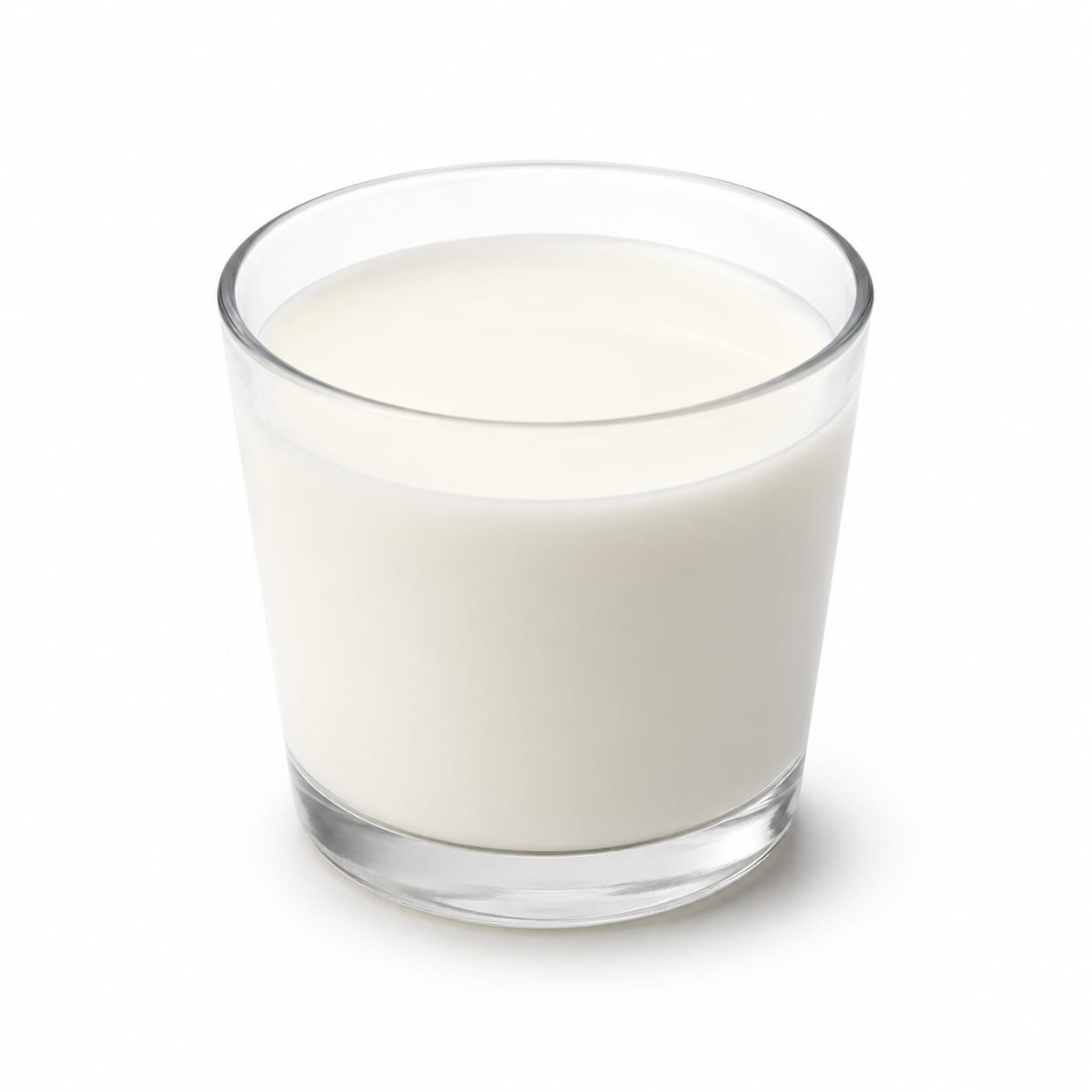
Dairy
Skimmed Milk
A fat-free or low-fat dairy milk with concentrated protein and carbohydrates but minimal calories from fat.
Cow's milk from which almost all the milk fat has been removed, resulting in a lower-calorie, higher-protein beverage compared to whole milk.
high-protein low-fat dairy beverage
Typical serving · 244g
Common varieties · fat-free, 0% milk, nonfat dry milk, skim milk powder
Overall context score across nutrition, safety, and diet fit
At a glance
Quick facts
Simple indicators based on nutrition, processing, and diet fit.
The story
What makes it unique
Skimmed milk is an aqueous solution of proteins (casein and whey), lactose, and minerals with minimal lipid content. Digestion is moderately fast due to the absence of fat, leading to faster gastric emptying compared to whole milk. Satiety is primarily driven by its high protein content rather than fat. Macronutrient profile is heavily skewed towards fast-digesting carbohydrates (lactose) and high-quality dairy protein.
Varieties: fat-free · 0% milk · nonfat dry milk · skim milk powder
Per 100g
Nutrition breakdown
Macro balance and key metrics at a glance.
Energy
Density 0.34 kcal/g
Protein
Carbs
Fat
Fiber
Sugar
5 g
Sodium
42 mg
Potassium
156 mg
Glycemic index
32
Glycemic load
4
Water content
91%
Standout compounds
Nutrient highlights
Protein
highSupports muscle repair and growth
Calcium
highEssential for bone density and muscle contraction
Vitamin D
moderateEnhances calcium absorption and immune function
Phosphorus
moderateWorks with calcium for bone health
Vitamin A
moderateSupports vision and immune function
Wellness map
Health scores & processing
NOVA processing scale
Minimally processed · Whole food
Requires mechanical separation (centrifugation) to remove fat and often involves the addition of synthetic vitamin A and D to replace what was lost with the fat.
Diet compatibility
- Weight loss
- Muscle gain
- Diabetes
- Gut health
- Low carb
- High protein
- Heart health
Relative standing
Food rankings
Qualitative ranks compared to similar whole foods.
- Satietygood
- Blood sugarmoderate
- Nutrient densityexcellent
- Fitness fuelexcellent
- Processing qualitygood
Eat with confidence
Food safety profile
Pasteurized skimmed milk is generally safe. Main concerns involve industrial dairy farming practices, such as antibiotic use in cattle, though regulatory limits strictly monitor residue levels.
Evidence confidence 90%
- Pesticideslow
- Antibioticsmoderate
- Heavy metalslow
- Contaminationlow
Watch for
- antibiotic residues
- bacteria (if unpasteurized)
Safer choices
Organic skimmed milk, grass-fed skimmed milk
Prep tips
Keep refrigerated and consume before the expiration date; do not leave at room temperature for more than 2 hours.
Routine testing for antibiotic residues and somatic cell counts in commercial dairy supply.
Deep dive
Health analysis
How this food may fit different goals and preparation choices.
Weight loss
Low energy density and high protein content make it effective for calorie-controlled diets while preserving lean mass.
Blood sugar
Contains lactose, a naturally occurring milk sugar. Without fat to slow digestion, skim milk can cause a slightly faster blood sugar rise compared to whole milk, though the absolute glycemic load remains low.
Fitness & energy
An excellent post-workout recovery drink. The fast-digesting whey and casein proteins combined with lactose provide rapid muscle protein synthesis and glycogen replenishment.
Gut health
Contains no fiber. The lactose content can trigger bloating or digestive distress in lactose-intolerant individuals. Does not contain probiotics unless cultured.
Processing quality
Mechanically separated to remove fat and typically fortified with vitamins A and D. Considered a minimally processed food, not an ultra-processed one.
Food safety
Highly regulated for pasteurization and antibiotic residues. Organic options reduce exposure to synthetic pesticides and bovine growth hormones.
Common mistakes
Assuming it is nutritionally superior to whole milk for everyone. The lack of fat reduces the absorption of fat-soluble vitamins and decreases satiety for some people.
Best preparation
Consumed cold as a beverage, mixed into oatmeal, or used as a base for protein smoothies.
Practical guide
Best use cases
When and how this food fits real eating patterns.
Post-workout recovery
Fast-absorbing protein and carbohydrates replenish glycogen and repair muscles effectively.
Calorie-controlled diets
Provides dairy nutrition and satiating protein with minimal calories from fat.
Protein smoothie base
Adds liquid volume, protein, and creaminess without the high calories of whole milk or cream.
Balance sheet
Pros & cons
Upsides
- Low in calories and saturated fat
- High in complete protein containing all essential amino acids
- Rich in highly bioavailable calcium
- Excellent post-workout recovery beverage
- Often fortified with vitamins A and D
Trade-offs
- Contains lactose, problematic for intolerant individuals
- Lacks natural fat to slow digestion and boost satiety
- Fat-soluble vitamin absorption may be reduced without fat
- Tastes thinner and less creamy than whole milk
- Naturally occurring sugar content remains unchanged
Fit check
Who is it for?
Great match
- post-workout recovery
- calorie deficit weight loss
- high-protein low-fat diets
Consider alternatives
- strict low-carb or ketogenic diets
- lactose-intolerant individuals
- those seeking maximum satiety from fats
Side by side
How it compares
Open the full head-to-head analysis for nutrition, safety, and practical tradeoffs.
This food
Skimmed Milk
VS95% alike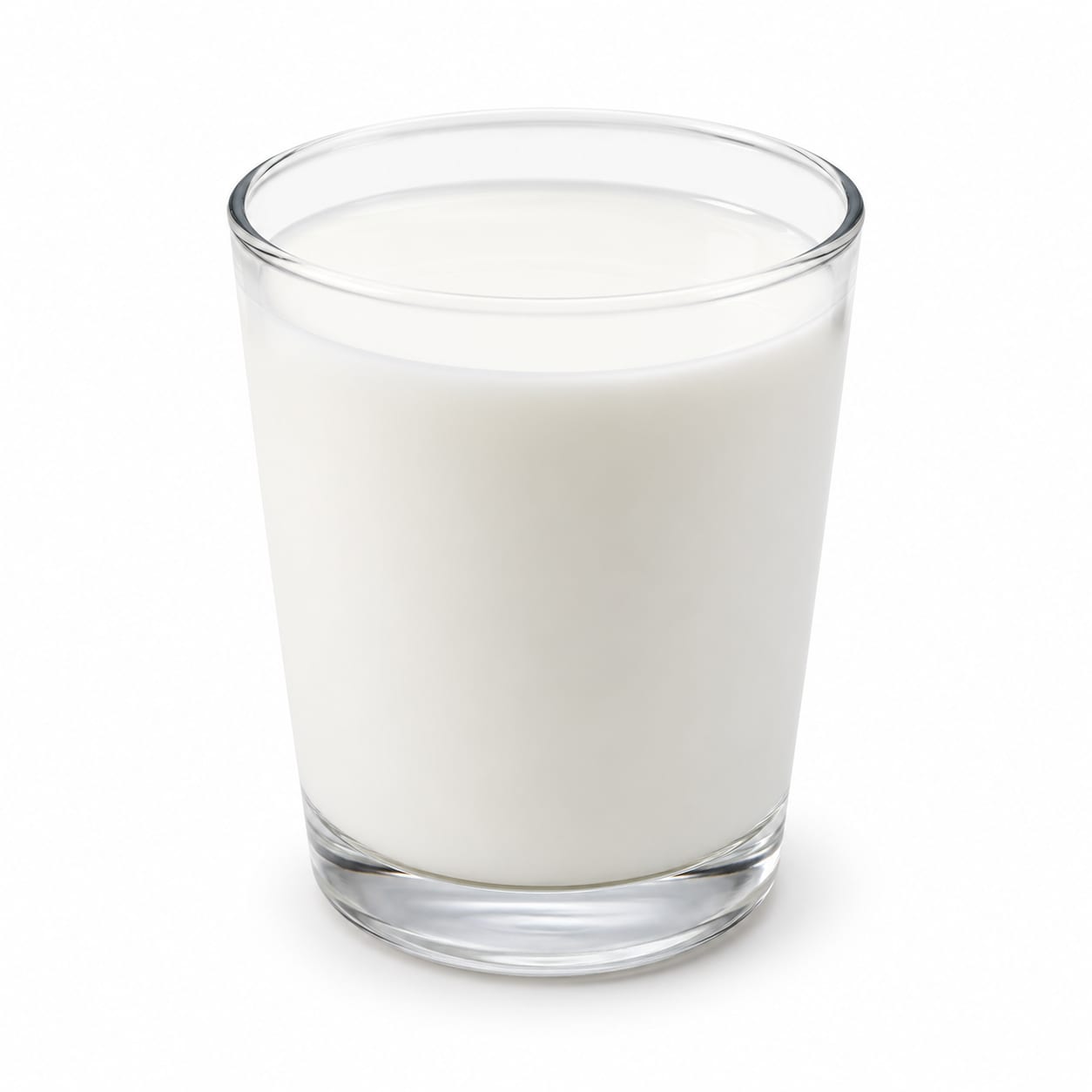
Compare with
Whole Milk
Whole milk contains more calories and fat, which slows digestion and boosts satiety, while skim milk offers the same protein and calcium with fewer calories.
Skim milk is lower in calories and better for weight loss, while whole milk provides more satiety and steadier blood sugar due to its fat content.
This food
Skimmed Milk
VS98% alike
Compare with
1% Milk
1% milk retains a small amount of fat for mouthfeel and vitamin absorption, while skim milk is virtually fat-free with marginally fewer calories.
Skim milk edges out 1% milk for strict calorie cutting, but 1% milk offers slightly better satiety and nutrient absorption.
This food
Skimmed Milk
VS70% alike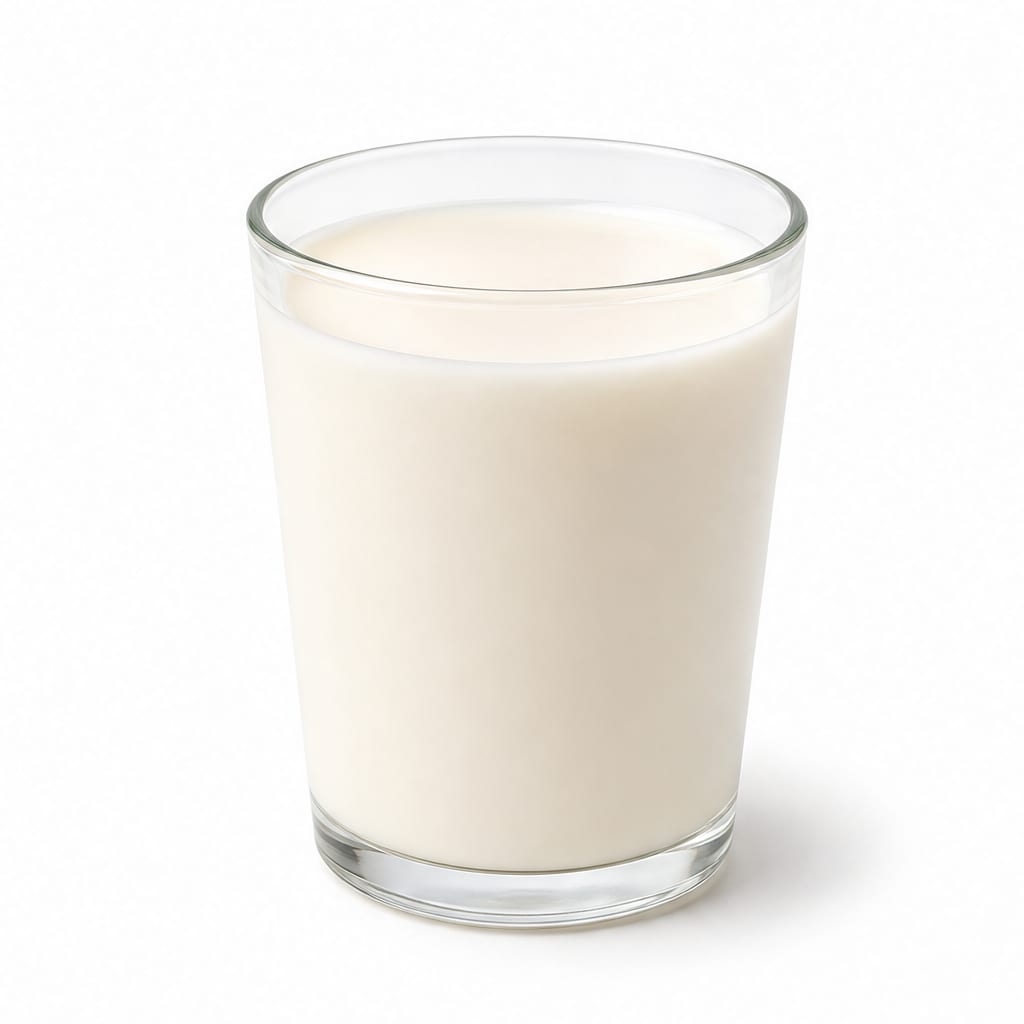
Compare with
Unsweetened Almond Milk
Almond milk is much lower in calories and carbohydrates but lacks the protein and natural calcium of skim milk.
Almond milk is lower in calories and carbs, but skim milk is far superior for muscle building and satiety due to its high protein content.
This food
Skimmed Milk
VS80% alike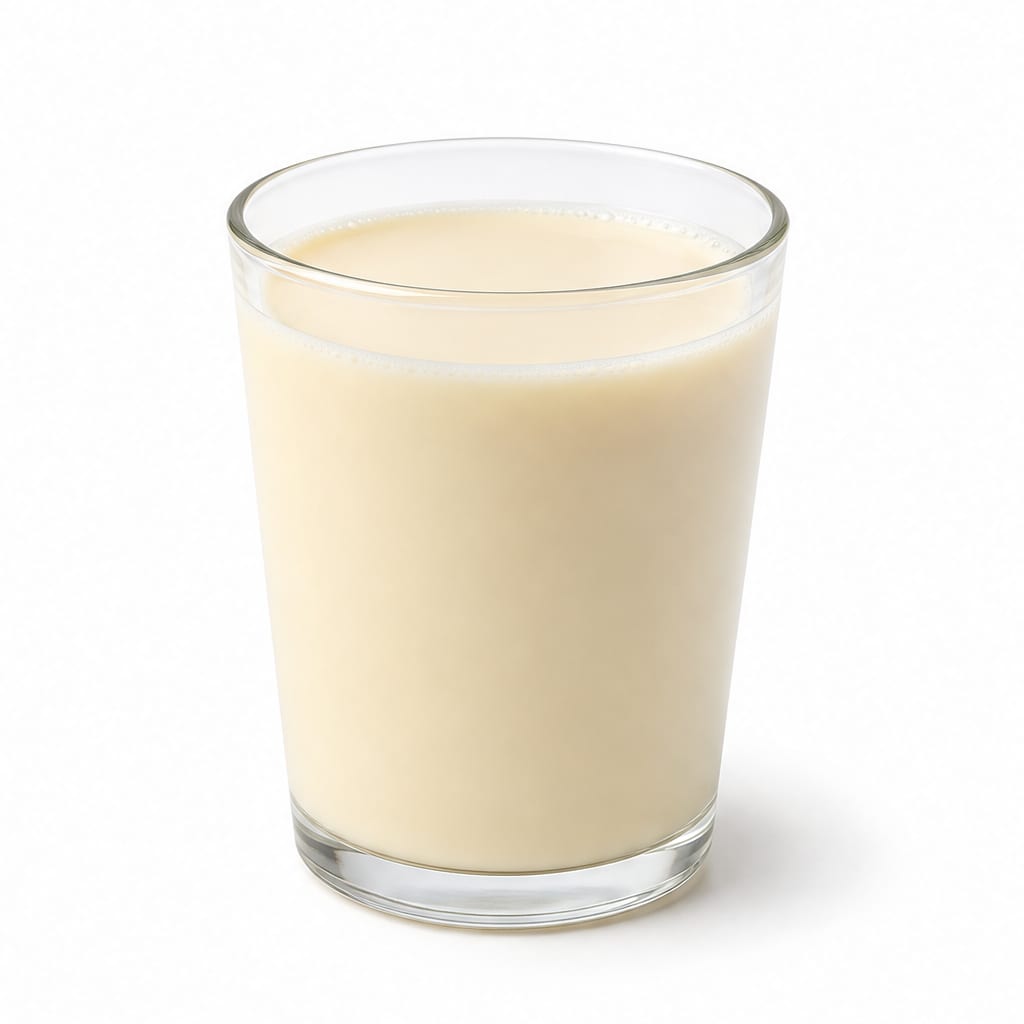
Compare with
Unsweetened Soy Milk
Soy milk matches skim milk in protein and has slightly less sugar, making it a strong dairy-free alternative.
Soy milk and skim milk offer similar protein and weight loss benefits, but soy milk has less sugar and no lactose.
This food
Skimmed Milk
VS75% alike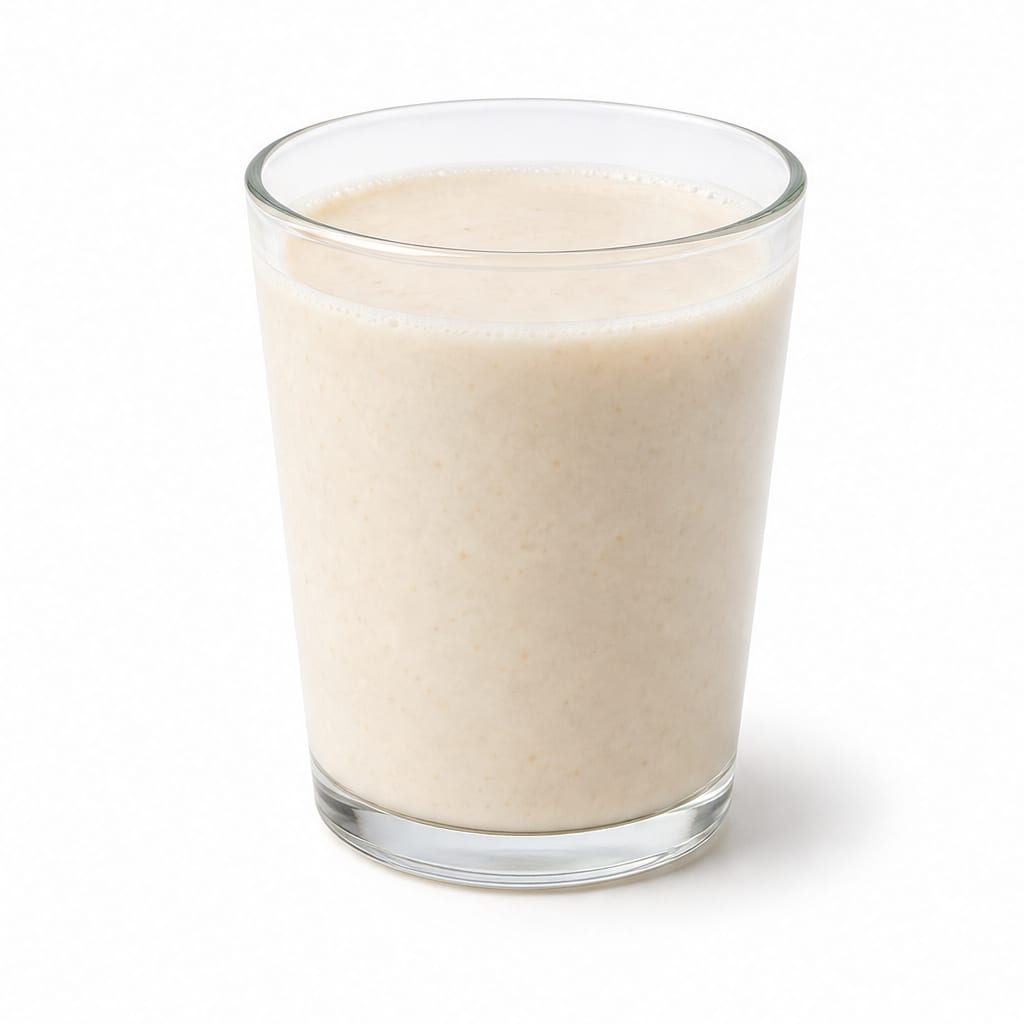
Compare with
Oat Milk
Oat milk is higher in carbohydrates and calories but lower in protein compared to skim milk.
Skim milk is lower in calories and higher in protein than oat milk, making it better for weight loss and fitness.
This food
Skimmed Milk
VS85% alike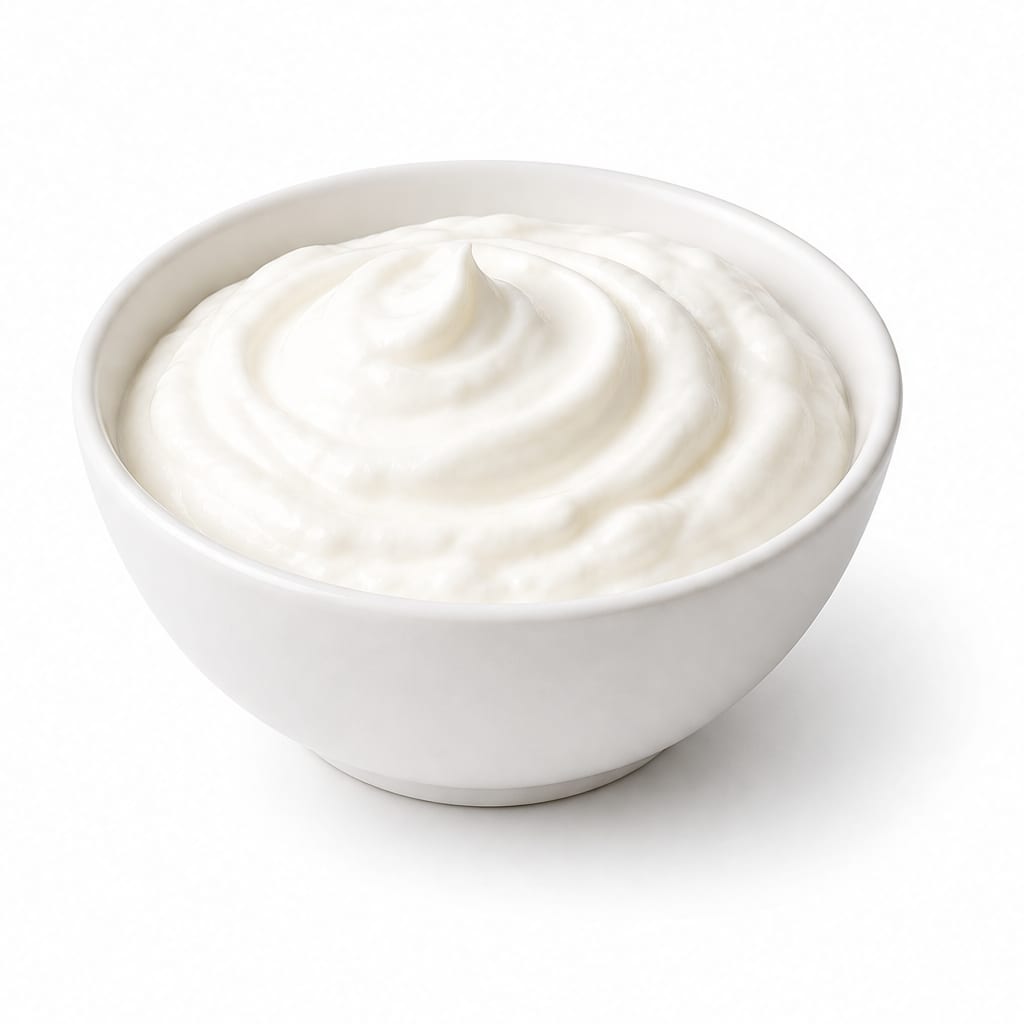
Compare with
Nonfat Greek Yogurt
Greek yogurt is strained to concentrate protein and reduce sugar, offering more protein per calorie than skim milk.
Nonfat Greek yogurt provides more protein and less sugar than skim milk, making it superior for satiety and weight loss.
This food
Skimmed Milk
VS99% alike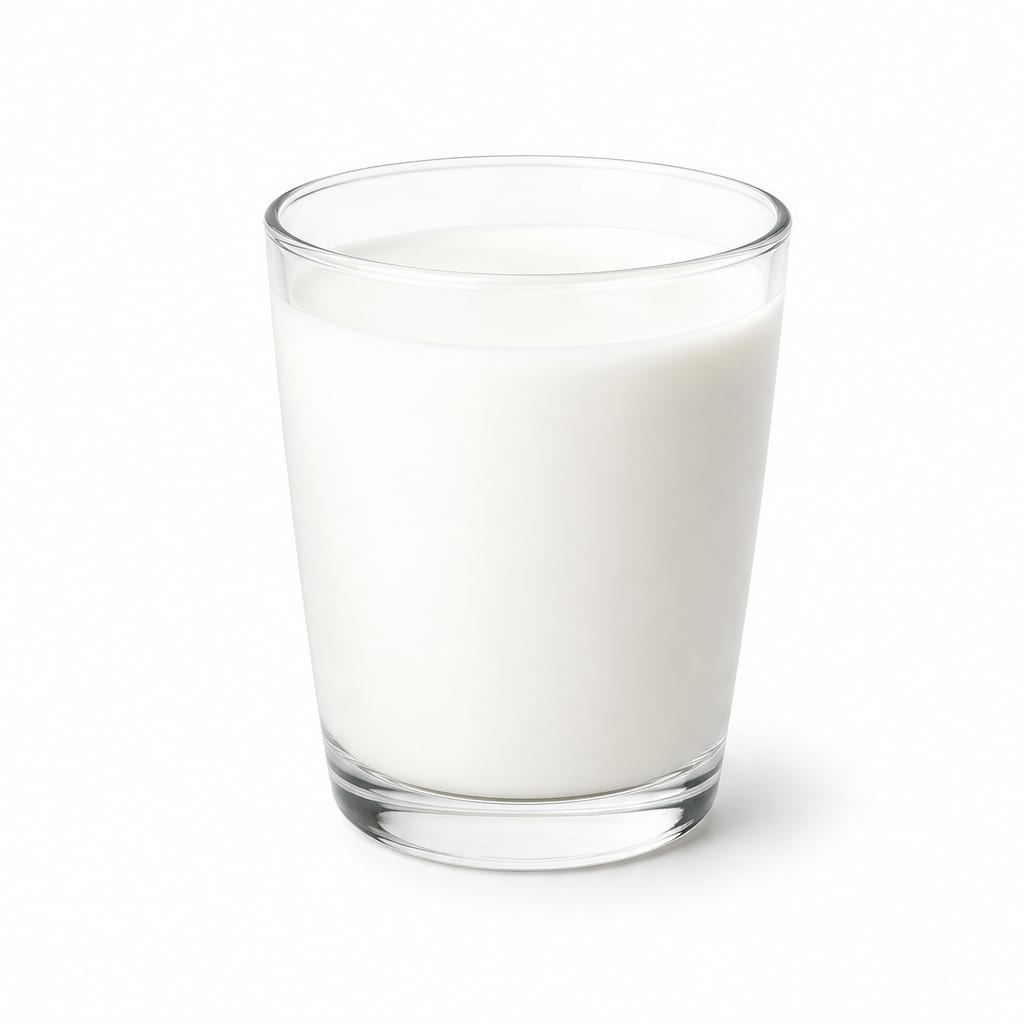
Compare with
Lactose-Free Skim Milk
Nutritionally identical to regular skim milk but with lactase enzyme added to prevent digestive issues for lactose-intolerant individuals.
Lactose-free skim milk offers the same nutrition as regular skim milk but is easier to digest for those with lactose intolerance.
This food
Skimmed Milk
VS65% alike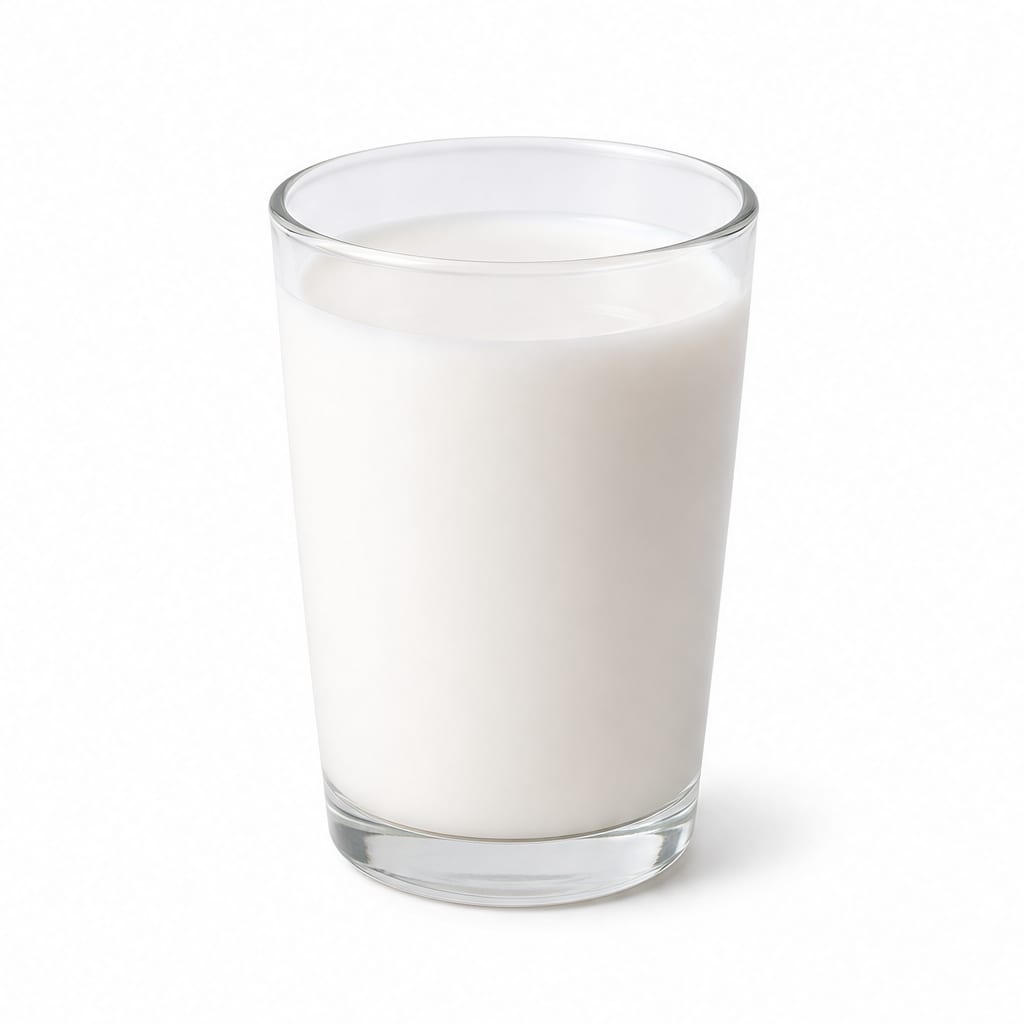
Compare with
Coconut Milk Beverage
Carton coconut milk is lower in protein and carbohydrates but higher in fat than skim milk.
Skim milk is much higher in protein and better for fitness, while carton coconut milk is lower in carbs but lacks protein.
This food
Skimmed Milk
VS68% alike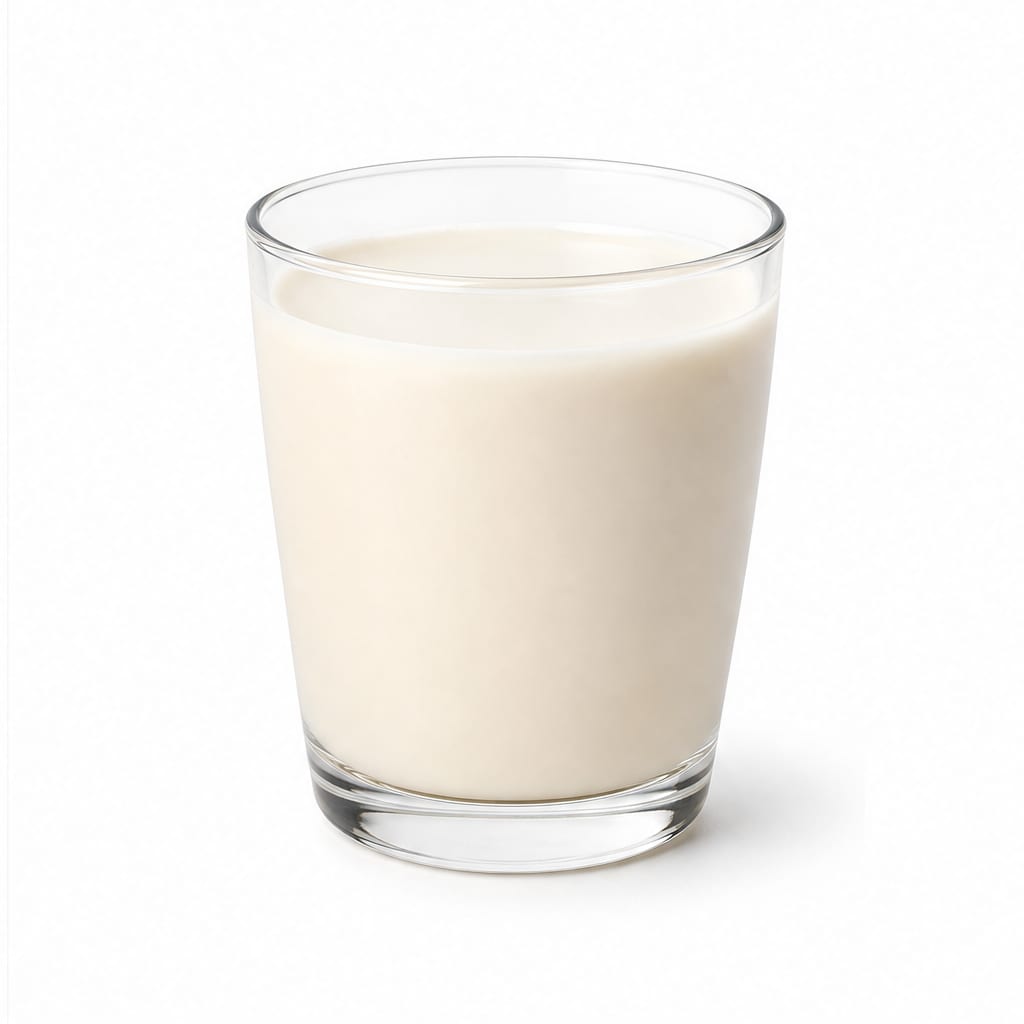
Compare with
Cashew Milk
Unsweetened cashew milk is very low in calories but provides almost no protein compared to skim milk.
Cashew milk is lower in calories but lacks the muscle-building protein and satiety that skim milk provides.
This food
Skimmed Milk
VS96% alike
Compare with
2% Milk
2% milk offers a balance of fat for flavor and satiety, while skim milk eliminates nearly all fat to minimize calories.
Skim milk is lower in calories for dieting, while 2% milk provides more fat to slow digestion and keep you full longer.
Common questions
FAQ
Answers aligned with how people search for this food.
Is skim milk good for weight loss?
Yes, skim milk is low in calories and high in protein, which can help preserve lean muscle and promote satiety during a calorie deficit.
Does skim milk have sugar?
Skim milk contains lactose, a naturally occurring milk sugar, at about 5 grams per 100 grams. No added sugars are present in plain skim milk.
Is skim milk healthier than whole milk?
It depends on your goals. Skim milk is lower in calories and saturated fat, making it better for weight loss. Whole milk provides better satiety and absorbs fat-soluble vitamins more naturally.
Can diabetics drink skim milk?
In moderation. While skim milk has a low glycemic index, the lack of fat allows lactose to digest quickly, which can cause a faster blood sugar rise compared to whole milk.
Why do bodybuilders drink skim milk?
Skim milk provides a mix of fast-digesting whey and slow-digesting casein proteins, along with carbohydrates, making it an effective and affordable post-workout recovery drink.
Does skim milk have calcium?
Yes, skim milk retains the same amount of calcium as whole milk, and sometimes slightly more if fortified, making it excellent for bone health.
Is skim milk highly processed?
Skim milk undergoes mechanical processing to remove fat and is typically fortified with vitamins A and D. It is considered minimally processed, not ultra-processed.
Transparency
Data confidence
Estimated confidence for nutrition data, interpretation, safety notes, and comparisons.
Nutrition data
Health analysis
Food safety
Comparisons