
Nutrition comparison
Skimmed Milk vs Lactose-Free Skim Milk: Which Should You Drink?
Complete comparison of Skimmed Milk vs Lactose-Free Skim Milk covering nutrition, digestion, blood sugar impact, taste differences, and cost. Find out which is right for you.
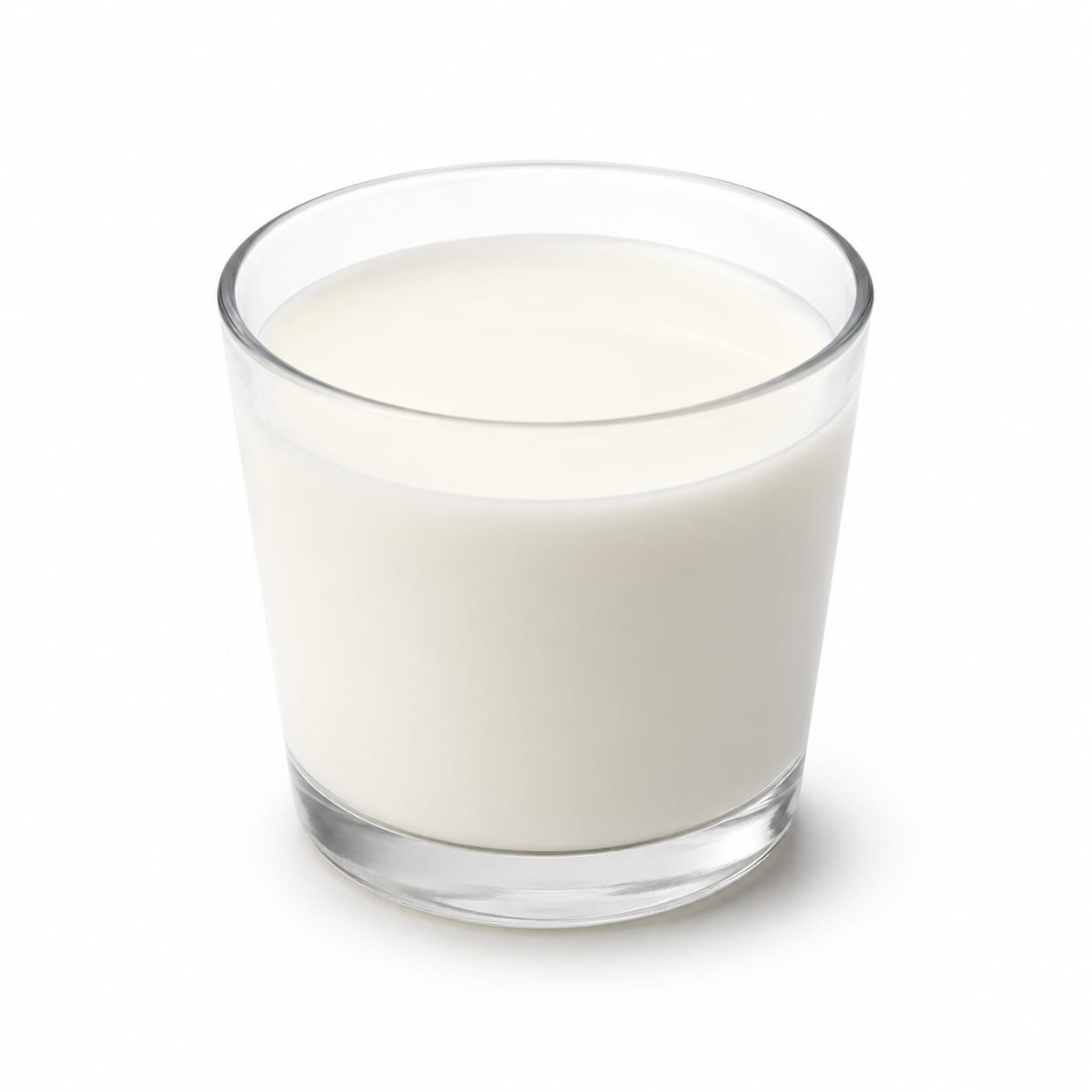
Skimmed Milk
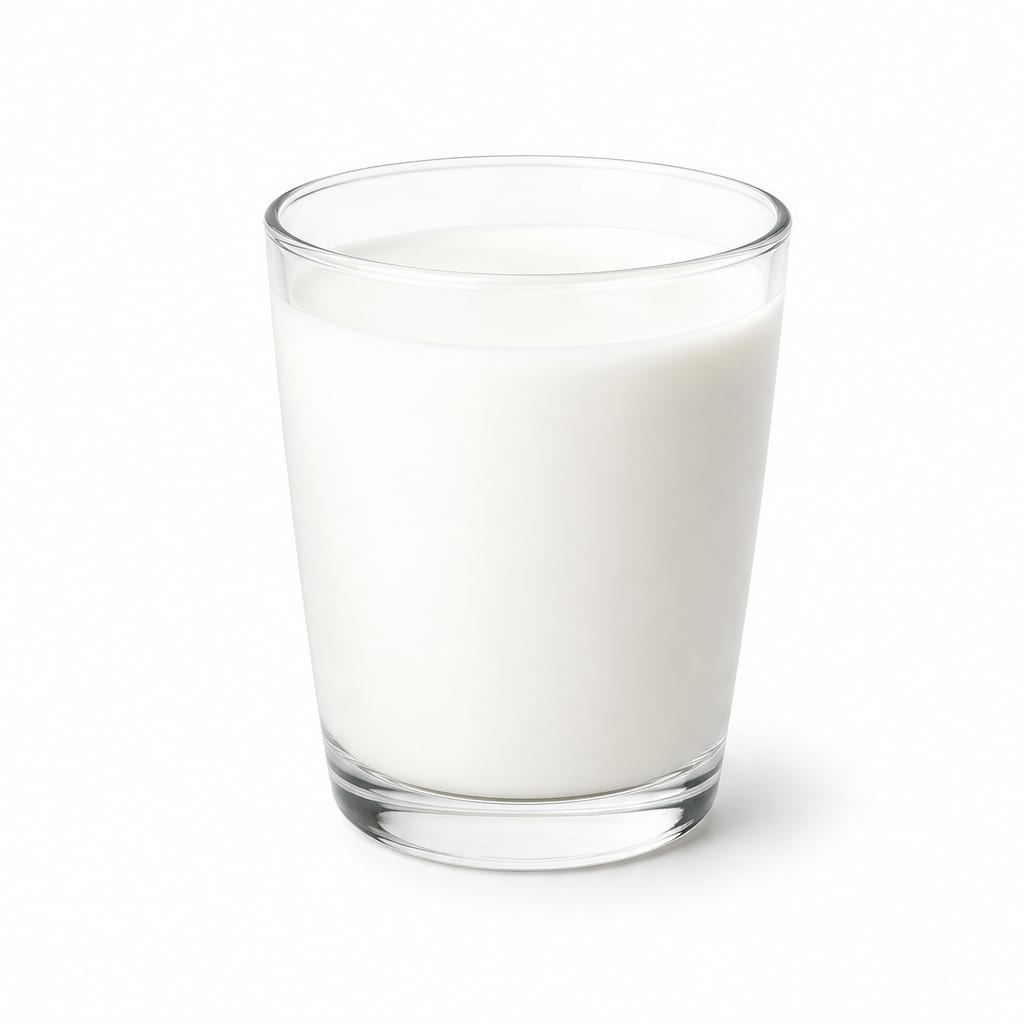
Lactose-Free Skim Milk
Nutritionally nearly identical, but the right choice depends entirely on whether you tolerate lactose. If you digest dairy fine, save money with regular skimmed milk. If lactose causes bloating or discomfort, lactose-free skim milk is worth every penny.
Skimmed Milk scores slightly higher for naturalness and cost, but Lactose-Free Skim Milk scores higher for digestive tolerance. For the roughly 65% of the global population with some lactose malabsorption, lactose-free is the clear winner. For those who tolerate lactose well, regular skimmed milk is the more practical and economical choice.
You pay more and accept slightly more processing for the freedom to drink milk without digestive consequences.
At a glance
Executive summary
Overall
It depends
Healthier
It depends
More practical
Lactose-Free Skim Milk
Daily use
It depends
Key comparison lenses
digestive tolerance
The primary reason anyone chooses lactose-free milk is to avoid digestive discomfort, making this the central decision factor
blood sugar impact
Lactose pre-broken into glucose and galactose may affect glycemic response differently than intact lactose
processing naturalness
Lactose-free milk requires an additional enzymatic processing step, raising concerns about how natural the product is
taste and sweetness
Pre-digested lactose makes lactose-free milk noticeably sweeter, which affects enjoyment and potential overconsumption
cost and accessibility
Lactose-free milk typically costs 30-50% more and has fewer brand options available
Best choice for
Skimmed Milk
- People with no lactose intolerance who want the most affordable option
- Budget-conscious consumers who tolerate dairy well
- Those who prefer less sweet-tasting milk
- Anyone avoiding even minimal additional processing
Lactose-Free Skim Milk
- Anyone with lactose intolerance or sensitivity
- People who experience bloating or gas after regular milk
- Those willing to pay more for worry-free dairy consumption
- Older adults who may have developed lactose intolerance with age
Least suitable for
Skimmed Milk
- Anyone with confirmed lactose intolerance
- People with unexplained bloating after dairy
- Those with dairy-sensitive IBS
Lactose-Free Skim Milk
- Strict budget households where the price premium matters
- People avoiding any added processing steps in their food
- Those who find overly sweet milk unappealing
Deep comparison
Dimension by dimension
Each lens scores both foods and breaks down who each option suits.
- Dimension 1 · Priority 95Lactose-Free Skim Milk
digestive_tolerance
Skimmed Milk · 30Lactose-Free Skim Milk · 98Lactose-Free Skim Milk eliminates the single biggest digestive complaint associated with milk consumption.
Tradeoff
You pay a premium for enzymatic processing that your body would normally do for free if it produced enough lactase.
Why it matters
Roughly 65% of the global population has some degree of lactose malabsorption. For them, regular milk causes bloating, gas, cramps, and diarrhea.
Real-world impact
If you have ever felt uncomfortably bloated or rushed to the bathroom after a bowl of cereal with regular milk, lactose-free solves that completely.
Skimmed Milk
- People with normal lactase production who never experience dairy discomfort
Better for
- Even mild lactose sensitivity makes regular milk a daily discomfort
Worse for
Lactose-Free Skim Milk
- Anyone who gets gassy or bloated after regular milk
- People with diagnosed lactose intolerance
- Those with IBS triggered by dairy
Better for
- No digestive downside unless you have a separate dairy allergy
Worse for
- Dimension 2 · Priority 75Skimmed Milk
blood_sugar_impact
Skimmed Milk · 62Lactose-Free Skim Milk · 55Intact lactose in regular skimmed milk digests more slowly than the pre-broken sugars in lactose-free milk, giving a slightly gentler blood sugar response.
Tradeoff
Lactose-free milk tastes sweeter because glucose and galactose hit your tastebuds directly, but that sweetness signals a marginally faster sugar absorption rate.
Why it matters
For people managing diabetes or insulin resistance, even small differences in how quickly sugars enter the bloodstream can matter.
Real-world impact
After a glass of lactose-free skim milk, you might notice a slightly quicker energy rise and dip compared to regular skim milk, though the difference is modest.
Skimmed Milk
- People with diabetes or prediabetes
- Those monitoring glycemic responses closely
- Anyone seeking steadier energy from dairy
Better for
- The difference is small enough that non-diabetic users may never notice
Worse for
Lactose-Free Skim Milk
- People who cannot drink regular milk regardless of glycemic concerns
Better for
- Pre-split sugars may cause a marginally faster blood sugar spike
Worse for
- Dimension 3 · Priority 80It depends
nutritional_equivalence
Skimmed Milk · 85Lactose-Free Skim Milk · 85Protein, calcium, vitamin D, and calorie content are virtually identical between both milks.
Tradeoff
No nutritional tradeoff exists here. The only difference is how the carbohydrate portion is structured.
Why it matters
You are not sacrificing any nutrition by choosing lactose-free. The protein quality, calcium bioavailability, and vitamin content remain the same.
Real-world impact
A post-workout glass of either milk delivers the same muscle-supporting protein and bone-building calcium.
Skimmed Milk
- No nutritional advantage over lactose-free
Better for
- No nutritional disadvantage
Worse for
Lactose-Free Skim Milk
- No nutritional advantage over regular skimmed milk
Better for
- No nutritional disadvantage
Worse for
- Dimension 4 · Priority 65Skimmed Milk
processing_and_naturalness
Skimmed Milk · 75Lactose-Free Skim Milk · 60Skimmed Milk undergoes fat removal. Lactose-Free Skim Milk undergoes fat removal plus enzymatic lactose breakdown, adding a processing step.
Tradeoff
The extra processing is minimal and uses the same lactase enzyme your body would naturally produce, but it is still an additional industrial step.
Why it matters
For people trying to minimize processed foods, every extra step matters psychologically and philosophically, even if the health impact is negligible.
Real-world impact
If you read labels and prefer shorter ingredient lists, regular skimmed milk wins. Lactose-free milk often lists lactase enzyme as an added ingredient.
Skimmed Milk
- Clean-label enthusiasts
- Those who prefer minimal processing
- People suspicious of enzyme-added products
Better for
- Skimmed milk is already processed compared to whole milk
Worse for
Lactose-Free Skim Milk
- The processing is gentle and mimics natural digestion, so health-conscious consumers need not worry
Better for
- That extra processing step, however benign, moves it further from farm-fresh
Worse for
- Dimension 5 · Priority 60It depends
taste_and_sweetness
Skimmed Milk · 70Lactose-Free Skim Milk · 72Lactose-Free Skim Milk tastes noticeably sweeter because pre-broken glucose and galactose register more intensely on the tongue than intact lactose.
Tradeoff
More sweetness can make the milk more enjoyable to drink plain, but it may also encourage overconsumption or feel wrong in savory recipes.
Why it matters
Taste drives long-term adherence. If lactose-free milk tastes better to you, you are more likely to drink it consistently and get its nutritional benefits.
Real-world impact
In a latte, the extra sweetness of lactose-free milk can feel pleasant. In mashed potatoes or a savory soup, it might taste oddly dessert-like.
Skimmed Milk
- Savory cooking applications
- People who find sweet milk off-putting
- Recipes where neutral flavor matters
Better for
- Some people find regular skim milk too watery and bland
Worse for
Lactose-Free Skim Milk
- Drinking plain as a beverage
- Smoothies where sweetness is welcome
- Anyone who finds regular milk too bland
Better for
- Sweetness can feel wrong in savory dishes
Worse for
- Dimension 6 · Priority 55Skimmed Milk
cost_and_accessibility
Skimmed Milk · 85Lactose-Free Skim Milk · 55Regular skimmed milk is significantly cheaper and available in more brands and store formats than lactose-free versions.
Tradeoff
You save 30-50% choosing regular skimmed milk, but that saving means nothing if you cannot digest it comfortably.
Why it matters
For families buying milk weekly, the price difference compounds significantly over a year.
Real-world impact
A household spending $4 per gallon on regular skimmed milk versus $6 on lactose-free could save over $100 per year if they drink two gallons weekly.
Skimmed Milk
- Budget-conscious families
- Bulk buyers
- People with easy access to any grocery store
Better for
- No cost downside
Worse for
Lactose-Free Skim Milk
- The premium is worth it if regular milk causes daily discomfort
Better for
- Consistently more expensive across all brands and retailers
Worse for
Timeline
Health impact over time
Short-term
Hours to days
Skimmed Milk
- May cause bloating, gas, or diarrhea within 30 minutes to 2 hours if you lack sufficient lactase
- Provides quick hydration and fast-digesting protein post-workout
- The slightly slower lactose digestion can feel more satiating
Lactose-Free Skim Milk
- Eliminates digestive distress entirely for lactose-sensitive individuals
- Slightly sweeter taste may trigger sugar cravings in some people
- Sugars absorb marginally faster, potentially causing a quicker but small energy shift
Long-term
Months to years
Skimmed Milk
- Chronic lactose consumption in intolerant individuals can damage gut lining and increase inflammation
- For tolerant individuals, regular dairy consumption supports bone density and muscle maintenance
- Long-term avoidance of dairy due to discomfort may lead to calcium and vitamin D shortfalls
Lactose-Free Skim Milk
- Allows lactose-intolerant people to maintain consistent calcium and protein intake long-term
- The added processing does not introduce any known long-term health risks
- Slightly sweeter taste profile may condition a preference for sweeter beverages over years
Risk profile
Safety & processing
Both milks are processed to remove fat. Lactose-Free Skim Milk adds one more step: adding lactase enzyme to break down lactose. This enzyme is the same one your body produces naturally, so the processing is gentle and does not introduce artificial chemicals. The difference is real but minor from a health perspective.
Skimmed Milk
Lactose intolerance symptoms
mediumNot dangerous but can cause significant discomfort including cramping, bloating, gas, and diarrhea in sensitive individuals
Dairy allergy confusion
lowSome people mistake lactose intolerance for dairy allergy; these are different conditions with different severity levels
Lactose-Free Skim Milk
Milk protein allergy remains
highLactose-free does NOT mean dairy-free. Those with cow's milk protein allergy will still react to lactose-free milk just as severely
Overconsumption due to sweetness
lowThe sweeter taste may lead some people to drink larger portions than they would with regular milk, increasing calorie intake
Who wins for whom
Audience fit
Same foods, different winners depending on your goal.
children
It dependsChildren who tolerate lactose do fine with regular skimmed milk. Children with lactose intolerance benefit enormously from lactose-free versions. Consult a pediatrician for children under 2, as whole milk is typically recommended.
daily consumption
It dependsIf you tolerate lactose well, regular skimmed milk is the simpler, cheaper daily choice. If you have any lactose sensitivity, lactose-free is the sustainable daily option because comfort drives consistency.
diabetes
Skimmed MilkIntact lactose digests more slowly than pre-broken glucose and galactose, giving a slightly gentler glycemic response. However, the difference is small and should not override digestive comfort.
elderly
Lactose-Free Skim MilkLactase production declines with age, making lactose intolerance more common in older adults. Lactose-Free Skim Milk helps maintain calcium and protein intake without digestive distress.
muscle gain
It dependsProtein content is identical. Both deliver the same leucine and amino acid profile for muscle synthesis. Choose whichever you digest more comfortably, since poor digestion reduces nutrient absorption.
weight loss
It dependsCalories and protein are identical. Lactose-Free Skim Milk tastes sweeter, which could either satisfy cravings with fewer calories or trigger more desire for sweets. Choose based on your personal relationship with sweetness.
Your move
Decision guide
Choose Skimmed Milk
- You drink milk without any bloating, gas, or stomach discomfort
- Budget is a significant factor in your grocery decisions
- You prefer a more neutral, less sweet milk flavor
- You use milk primarily in savory cooking
- You prioritize minimal processing in your food choices
Choose Lactose-Free Skim Milk
- You experience any bloating, gas, or cramping after regular milk
- You have been diagnosed with lactose intolerance
- You want to enjoy milk without worrying about digestive consequences
- You are older and have noticed increasing dairy sensitivity
- You prefer the sweeter taste and drink milk as a standalone beverage
Either works if
- You need the same protein and calcium from either option
- You are using milk in a smoothie where taste differences are masked
- You are cooking with small amounts where lactose content barely matters
Avoid both if
- You have a cow's milk protein allergy, as both contain casein and whey
- You are following a strict vegan diet
- You have severe dairy-triggered IBS that responds even to lactose-free dairy
Final recommendation
Let your gut decide. If regular skimmed milk causes no discomfort, save your money and enjoy it. If you feel any bloating, gas, or hesitation before drinking milk, switch to lactose-free skim milk. The nutritional profile is essentially identical, so the only meaningful difference is how you feel 30 minutes after drinking it. Never suffer through dairy discomfort to save a dollar per gallon.
Practical
Consumer tips
- 1
Test your tolerance by drinking a small glass of regular skimmed milk on an empty stomach and noting how you feel over the next two hours
- 2
Lactose-Free Skim Milk works perfectly in all the same recipes as regular skimmed milk, though the extra sweetness may be noticeable in savory dishes
- 3
Check expiration dates carefully: lactose-free milk often has a longer shelf life before opening due to ultra-pasteurization, but once opened, consume it within the same timeframe as regular milk
- 4
Store brands of lactose-free milk are often 20-30% cheaper than name brands with identical nutritional profiles
- 5
If you only have mild lactose sensitivity, try drinking smaller portions of regular milk with food rather than on an empty stomach, which can reduce symptoms significantly
- 6
Neither option is suitable for someone with a true milk protein allergy, which is different from lactose intolerance