
Nutrition comparison
Skimmed Milk vs 2% Milk: Which Is Actually Better for You?
Skimmed Milk saves 40 calories per cup but 2% Milk keeps you fuller, absorbs vitamins better, and tastes better. See which milk fits your health goals.
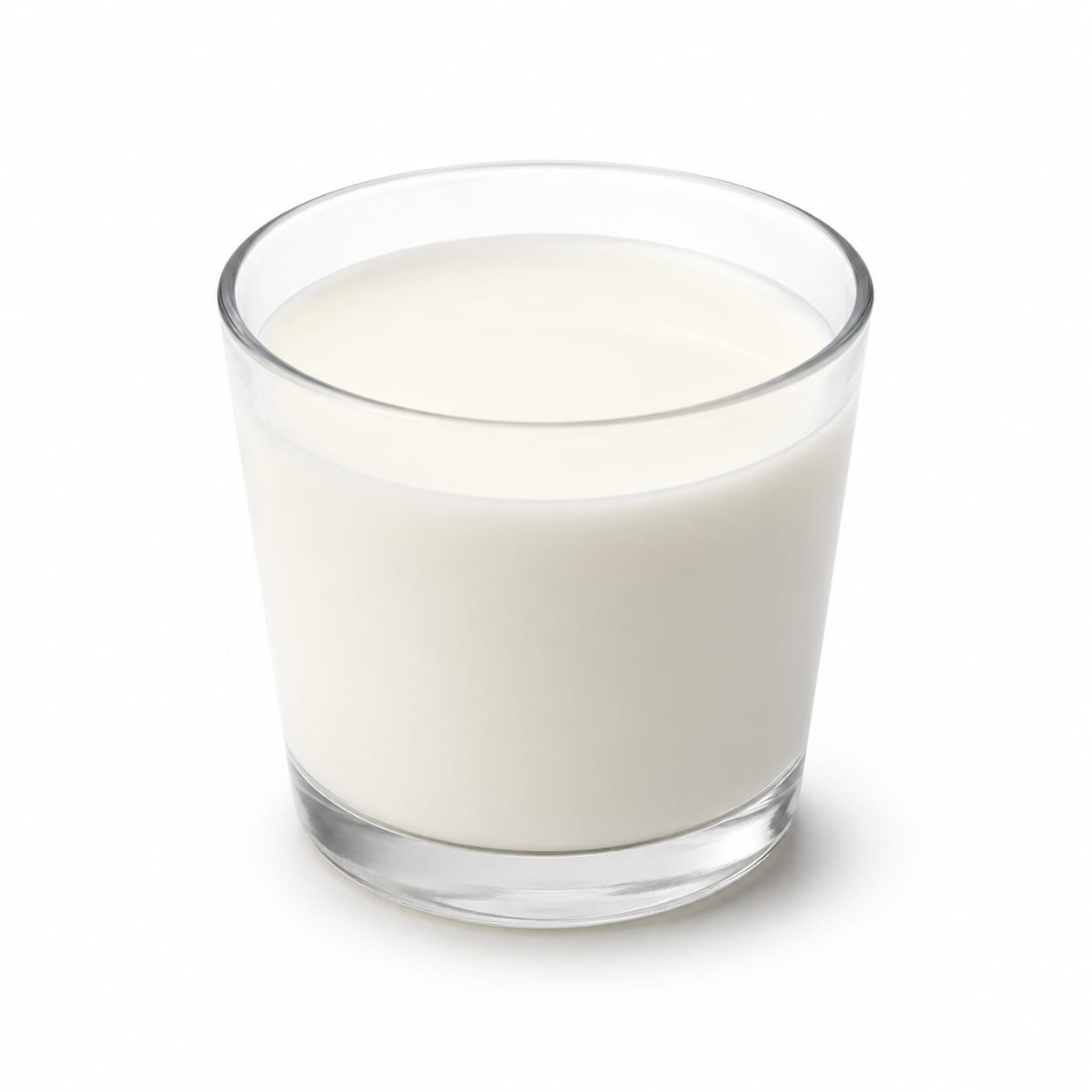
Skimmed Milk

2% Milk
Skimmed Milk saves about 40 calories per cup but sacrifices satiety, taste, and fat-soluble vitamin absorption. 2% Milk is more satisfying and nutritionally complete, making it easier to stick with long-term.
2% Milk scores higher because its modest calorie increase delivers meaningful benefits in satiety, nutrient absorption, and taste satisfaction. Skimmed Milk wins on raw calorie count but loses on real-world adherence and nutritional completeness.
Fewer calories and less saturated fat versus better fullness, steadier energy, and superior nutrient absorption.
At a glance
Executive summary
Overall
It depends
Healthier
It depends
More practical
2% Milk
Daily use
2% Milk
Key comparison lenses
calorie vs satiety tradeoff
The core dilemma: saving calories with Skimmed Milk versus feeling fuller longer with 2% Milk's fat content
fat soluble vitamin absorption
2% Milk retains natural fat needed to absorb vitamins A, D, E, and K effectively
heart health and cholesterol
Saturated fat content difference matters for cardiovascular risk management
taste and dietary adherence
Many people find Skimmed Milk watery and unsatisfying, which can lead to overconsumption elsewhere
blood sugar stability
The fat in 2% Milk slows lactose absorption, reducing glucose spikes
Best choice for
Skimmed Milk
- Strict calorie counters tracking every calorie
- People with high triglycerides under medical guidance
- Those who genuinely enjoy the lighter taste
- Anyone on a medically supervised low-fat diet
2% Milk
- People who want lasting fullness from their milk
- Those prioritizing vitamin D and A absorption
- Anyone who finds Skimmed Milk unsatisfying and compensates with snacking
- Families wanting a more palatable everyday milk
Least suitable for
Skimmed Milk
- Children who need dietary fat for brain development
- People prone to rebound hunger after low-fat meals
- Anyone seeking steady blood sugar from dairy
2% Milk
- People on strict low-saturated-fat diets for heart conditions
- Those carefully managing daily calorie intake at a deficit
Deep comparison
Dimension by dimension
Each lens scores both foods and breaks down who each option suits.
- Dimension 1 · Priority 92Skimmed Milk
Calorie Efficiency
Skimmed Milk · 882% Milk · 72Skimmed Milk delivers the same protein and calcium for roughly 40 fewer calories per cup.
Tradeoff
Those saved calories can vanish if the lack of fat leaves you hungry and snacking an hour later.
Why it matters
Calorie deficits only work if you can sustain them. A milk that leaves you unsatisfied may cost more calories elsewhere.
Real-world impact
Choosing Skimmed Milk saves about 280 calories per week if you drink a cup daily — but one extra handful of nuts from hunger erases that.
Skimmed Milk
- Precise calorie trackers
- Meal preppers who control portions tightly
Better for
- Grazers who snack when unsatisfied
Worse for
2% Milk
- People who eat intuitively and need meals to hold them
Better for
- Strict calorie counters in a tight deficit
Worse for
- Dimension 2 · Priority 902% Milk
Satiety and Fullness
Skimmed Milk · 552% Milk · 82The fat in 2% Milk slows digestion and triggers stronger fullness signals, keeping you satisfied longer.
Tradeoff
You consume slightly more calories upfront but may eat fewer calories overall throughout the day.
Why it matters
Fat is the most satiating macronutrient per calorie. Removing it from milk removes its staying power.
Real-world impact
A cup of 2% Milk with breakfast can keep you full until lunch. Skimmed Milk may have you reaching for a snack by 10 AM.
Skimmed Milk
- People who prefer small, frequent meals
Better for
- People prone to mid-morning energy crashes
Worse for
2% Milk
- Breakfast skippers who need one drink to hold them
- Anyone trying to reduce between-meal snacking
Better for
- Those who feel heavy after rich morning meals
Worse for
- Dimension 3 · Priority 882% Milk
Fat-Soluble Vitamin Absorption
Skimmed Milk · 522% Milk · 90Vitamins A, D, E, and K require dietary fat for absorption. 2% Milk provides the fat needed to actually use these nutrients.
Tradeoff
Skimmed Milk often has synthetic vitamins A and D added back, but without sufficient fat, absorption is significantly reduced.
Why it matters
Vitamin D deficiency is already widespread. Drinking fortified Skimmed Milk without fat is like having a key with no lock — the nutrient is present but poorly utilized.
Real-world impact
Over months, consistently choosing 2% Milk may meaningfully support bone health and immune function compared to Skimmed Milk.
Skimmed Milk
- People getting ample fat from other dietary sources
Better for
- Anyone with low vitamin D levels
Worse for
2% Milk
- Those relying on milk as a primary vitamin D source
- People with limited sun exposure
Better for
- People already taking high-dose vitamin D supplements with fatty meals
Worse for
- Dimension 4 · Priority 782% Milk
Blood Sugar Stability
Skimmed Milk · 582% Milk · 79Fat slows the absorption of lactose sugar, giving 2% Milk a gentler impact on blood glucose.
Tradeoff
The difference is moderate — both milks contain the same amount of lactose — but the fat buffer in 2% Milk smooths the curve.
Why it matters
Steadier blood sugar means fewer energy crashes and less craving cycles throughout the morning.
Real-world impact
If you drink milk alone on an empty stomach, 2% Milk is noticeably less likely to cause a sugar spike and dip.
Skimmed Milk
- People always consuming milk alongside fat-containing meals
Better for
- Morning milk drinkers who feel energy crashes
Worse for
2% Milk
- Anyone drinking milk solo as a snack
- People with insulin resistance or prediabetes
Better for
- Those pairing milk with already high-fat meals
Worse for
- Dimension 5 · Priority 80Skimmed Milk
Heart Health
Skimmed Milk · 852% Milk · 68Skimmed Milk eliminates nearly all saturated fat, which is beneficial for managing LDL cholesterol and cardiovascular risk.
Tradeoff
Emerging research suggests dairy fat may be more neutral for heart health than once believed, but the precautionary edge still goes to Skimmed Milk for at-risk individuals.
Why it matters
For people with existing heart conditions or high cholesterol, every gram of saturated fat reduction counts.
Real-world impact
One cup of 2% Milk has about 3 grams of saturated fat — roughly 15% of the daily limit for someone on a heart-healthy diet.
Skimmed Milk
- People with elevated LDL cholesterol
- Those with family history of heart disease
Better for
- People with no cardiovascular risk factors who sacrifice taste for no clear benefit
Worse for
2% Milk
- Healthy individuals with normal lipid panels
Better for
- Anyone on a physician-recommended low-saturated-fat diet
Worse for
- Dimension 6 · Priority 752% Milk
Taste and Enjoyment
Skimmed Milk · 452% Milk · 852% Milk has a creamier mouthfeel and richer flavor that most people find significantly more enjoyable.
Tradeoff
If you dislike the taste of your milk, you may drink less of it or compensate with less healthy flavor additions.
Why it matters
Dietary choices you enjoy are choices you maintain. A satisfying milk supports long-term consistency.
Real-world impact
Many people who switch to Skimmed Milk eventually quit drinking milk altogether because it feels like watered-down disappointment.
Skimmed Milk
- People who genuinely prefer lighter-tasting dairy
- Those using milk only in smoothies where taste is masked
Better for
- Anyone who finds Skimmed Milk unpalatable
Worse for
2% Milk
- Milk lovers who drink it straight
- Families where taste drives whether kids drink milk at all
Better for
- People who find richer dairy textures unpleasant
Worse for
Timeline
Health impact over time
Short-term
Hours to days
Skimmed Milk
- Lower immediate calorie intake per serving
- Less post-meal satiety, potentially leading to sooner hunger
- Slightly faster blood sugar rise when consumed alone
2% Milk
- Longer-lasting fullness after drinking
- More stable energy levels in the hours following consumption
- Slightly heavier feeling in the stomach right after drinking
Long-term
Months to years
Skimmed Milk
- Potential for better weight management if overall diet is well-controlled
- Risk of inadequate fat-soluble vitamin absorption if dietary fat is low elsewhere
- Possible compensatory snacking if Skimmed Milk leaves you unsatisfied
2% Milk
- Better sustained vitamin D and A status over months and years
- Moderately higher saturated fat intake, which may affect cardiovascular markers in sensitive individuals
- Greater dietary satisfaction may support long-term adherence to healthy eating patterns
Risk profile
Safety & processing
Skimmed Milk requires more processing to remove fat and often has synthetic vitamins A and D added back. 2% Milk is closer to milk's natural state with minimal intervention.
Skimmed Milk
Added synthetic vitamin palmitate
lowVitamin A palmitate is commonly added to Skimmed Milk after fat removal. While generally recognized as safe, it is a synthetic additive not present in natural milk.
Dairy allergen and lactose
mediumSame lactose content as 2% Milk. No reduction in allergenicity or lactose load despite fat removal.
2% Milk
Saturated fat intake
lowAbout 3g saturated fat per cup. A moderate concern for those with existing cardiovascular conditions, but low risk for healthy individuals.
Dairy allergen and lactose
mediumIdentical lactose content as Skimmed Milk. Fat removal does not change lactose or allergen profile.
Who wins for whom
Audience fit
Same foods, different winners depending on your goal.
children
2% MilkGrowing children need dietary fat for brain development, hormone production, and nutrient absorption. Skimmed Milk is generally not recommended for young children.
daily consumption
2% Milk2% Milk offers a better balance of nutrition, satisfaction, and taste for most people drinking milk every day.
diabetes
2% MilkThe fat in 2% Milk slows lactose absorption, resulting in a gentler blood sugar response. This matters more for insulin-resistant individuals.
elderly
2% MilkOlder adults benefit from 2% Milk's superior vitamin D absorption for bone health and its higher satiety, which helps counter age-related appetite decline.
muscle gain
2% MilkBoth milks offer equal protein per cup, but 2% Milk provides extra calories and fat that support the caloric surplus needed for muscle building.
weight loss
It dependsSkimmed Milk has fewer calories, but 2% Milk's satiety may prevent overeating later. The better choice depends on whether you track calories precisely or eat intuitively.
Your move
Decision guide
Choose Skimmed Milk
- You are counting every calorie and in a controlled deficit
- Your doctor has specifically recommended a low-saturated-fat diet
- You use milk mainly in smoothies or oatmeal where creaminess does not matter
- You genuinely prefer the lighter taste and texture
Choose 2% Milk
- You want milk that actually keeps you full
- You care about absorbing the vitamins naturally present in milk
- You drink milk on its own as a snack or with simple meals
- You have kids who need dietary fat for development
- You find Skimmed Milk watery and unsatisfying
Either works if
- You already get plenty of healthy fats from other sources like avocado, nuts, or olive oil
- You only use small amounts of milk in coffee or tea
- You have no specific health conditions affected by dairy fat
Avoid both if
- You are lactose intolerant without access to lactase supplements
- You have a dairy allergy
- You are following a strict vegan diet
Final recommendation
For most people, 2% Milk is the better everyday choice. The 40-calorie difference per cup is small, but the gains in satiety, vitamin absorption, and enjoyment are substantial. Choose Skimmed Milk only if you have a specific medical reason to limit saturated fat or you are in a carefully tracked calorie deficit where every calorie counts.
Practical
Consumer tips
- 1
If switching from whole milk, go to 2% first rather than Skimmed Milk — the transition is easier and more sustainable
- 2
Try 2% Milk in your morning coffee or oatmeal for a week and notice whether you stay full longer
- 3
If you drink Skimmed Milk and find yourself snacking an hour later, the missing fat may be why
- 4
Children under age 2 should never drink Skimmed Milk — their developing brains need the fat
- 5
Both milks have the same lactose content, so switching will not help with lactose sensitivity