
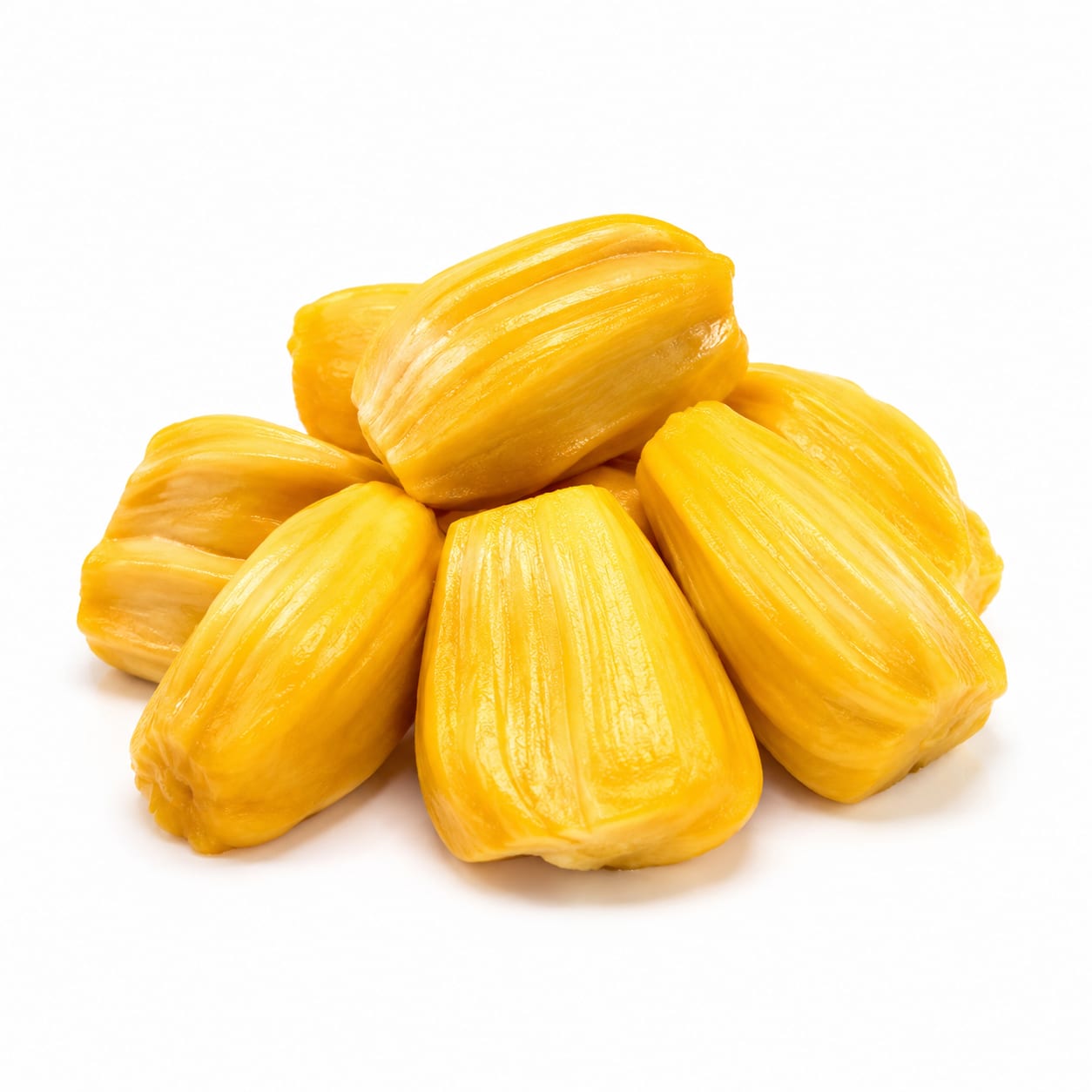
Fruit
Jackfruit
A large tropical fruit with a meaty texture when unripe, commonly used as a plant-based pulled pork substitute.
A large tropical fruit recognized for its sweet flavor when ripe and its fibrous, meat-like texture when unripe, making it a popular whole-food plant-based alternative to shredded meat.
starchy carbohydrate fruit and plant-based meat substitute
Typical serving · 150g
Common varieties · Artocarpus heterophyllus (standard), Golden Pillow, Cheena, Tabouey, Champa
Overall context score across nutrition, safety, and diet fit
At a glance
Quick facts
Simple indicators based on nutrition, processing, and diet fit.
The story
What makes it unique
Jackfruit digests at a moderate rate depending on ripeness. Unripe jackfruit contains resistant starch which slows digestion and improves satiety, while ripe jackfruit contains higher simple sugars leading to faster digestion. Its macronutrient profile is carbohydrate-dominant with minimal protein or fat. As a whole food, it retains its natural cellular structure and fiber matrix.
Varieties: Artocarpus heterophyllus (standard) · Golden Pillow · Cheena · Tabouey · Champa
Per 100g
Nutrition breakdown
Macro balance and key metrics at a glance.
Energy
Density 0.95 kcal/g
Protein
Carbs
Fat
Fiber
Sugar
19.1 g
Sodium
2 mg
Potassium
448 mg
Glycemic index
55
Glycemic load
12
Water content
73.5%
Standout compounds
Nutrient highlights
Vitamin C
moderateSupports immune function and collagen synthesis
Potassium
highRegulates blood pressure and fluid balance
Resistant Starch
moderateActs as a prebiotic to feed beneficial gut bacteria
Vitamin B6
moderateSupports brain health and amino acid metabolism
Wellness map
Health scores & processing
NOVA processing scale
Minimally processed · Whole food
Raw jackfruit is an unprocessed whole food. Canned unripe jackfruit may contain brine or mild preservatives but remains a minimally processed product.
Diet compatibility
- Weight loss
- Muscle gain
- Diabetes
- Gut health
- Low carb
- High protein
- Heart health
Relative standing
Food rankings
Qualitative ranks compared to similar whole foods.
- Satietygood
- Blood sugarmoderate
- Nutrient densitymoderate
- Fitness fuelgood
- Processing qualityexcellent
Eat with confidence
Food safety profile
Fresh jackfruit is generally safe. The thick rind protects the edible flesh from most agricultural chemicals, though pesticide residues can remain on the exterior. Canned versions should be checked for added sulfites or high sodium content in brine.
Evidence confidence 85%
- Pesticidesmoderate
- Antibioticslow
- Heavy metalslow
- Contaminationlow
Watch for
- pesticide residues on rind
- sulfites in canned varieties
Safer choices
Fresh whole jackfruit or canned jackfruit packed in water with no added sulfites.
Prep tips
Wash the exterior thoroughly before cutting. Oil your hands and knife to prevent the sticky latex sap from adhering when preparing fresh fruit.
Canned unripe jackfruit often contains sodium sulfites as a preservative, which can trigger reactions in sulfite-sensitive individuals.
Deep dive
Health analysis
How this food may fit different goals and preparation choices.
Weight loss
Moderate calorie density and high volume make it filling, but sugar content increases significantly as it ripens, requiring portion awareness.
Blood sugar
Ripe jackfruit can cause blood sugar spikes due to high simple sugar content. Unripe jackfruit has a lower impact due to resistant starch and lower sugar levels.
Fitness & energy
Provides quick-digesting carbohydrates suitable for pre-workout energy, but lacks the protein required for post-workout muscle recovery.
Gut health
Contains soluble fiber and resistant starch that act as prebiotics, supporting beneficial gut bacteria and healthy digestion.
Processing quality
Whole, fresh jackfruit is an unprocessed whole food. Packaged canned versions vary based on added sodium and preservatives.
Food safety
Safe for general consumption. Individuals with asthma or sulfite sensitivity should read labels on canned unripe jackfruit carefully.
Common mistakes
Assuming jackfruit provides the same macronutrient profile as the meat it replaces in recipes, leading to inadequate protein intake.
Best preparation
Slow-cook unripe jackfruit with barbecue sauce for a plant-based pulled pork texture, or consume ripe segments raw as a sweet snack.
Practical guide
Best use cases
When and how this food fits real eating patterns.
Vegan pulled pork
Slow-cooked unripe jackfruit shredded and mixed with barbecue sauce provides a convincing plant-based alternative to pulled pork sandwiches.
Pre-workout carbohydrate fuel
Ripe jackfruit provides easily digestible simple carbohydrates for quick energy before a workout.
High-volume low-calorie savory meals
Unripe jackfruit adds significant bulk and texture to stews and tacos without adding high calories or fat.
Balance sheet
Pros & cons
Upsides
- Excellent meat-like texture for plant-based savory dishes
- Good source of dietary potassium for heart health
- Contains prebiotic fiber that supports gut microbiome
- Completely cholesterol-free and low in fat
- Versatile ingredient available in both sweet and savory applications
Trade-offs
- Very low protein content fails to replace meat nutritionally
- High sugar content when ripe can spike blood glucose
- Difficult and messy to cut and prepare from whole fruit
- Canned versions often contain added sodium or sulfites
- Not suitable for low-carb or ketogenic diets
Fit check
Who is it for?
Great match
- vegan and vegetarian meal prep
- high-volume low-calorie eating
- pre-workout carbohydrate loading
- plant-based BBQ alternatives
Consider alternatives
- strict ketogenic diets
- high-protein diets
- diabetics seeking low-sugar fruits
- sulfite-sensitive individuals consuming canned varieties
Side by side
How it compares
Open the full head-to-head analysis for nutrition, safety, and practical tradeoffs.
This food
Jackfruit
VS85% alike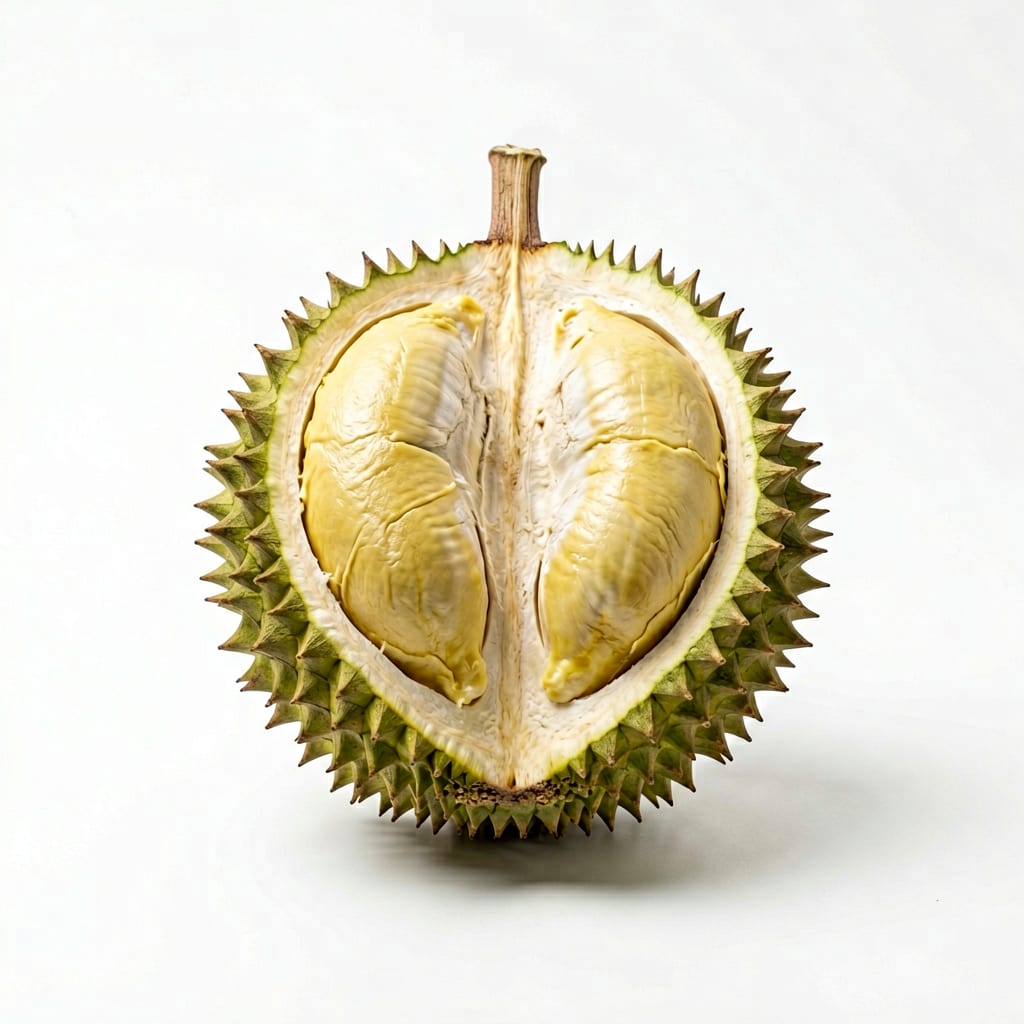
Compare with
Durian
Durian is significantly higher in fat, calories, and overall energy density compared to jackfruit, while jackfruit is lower in calories and primarily carbohydrate-based.
Jackfruit is lower in calories and fat than durian, making it better for weight loss, while durian provides more satiety due to its high fat content.
This food
Jackfruit
VS90% alike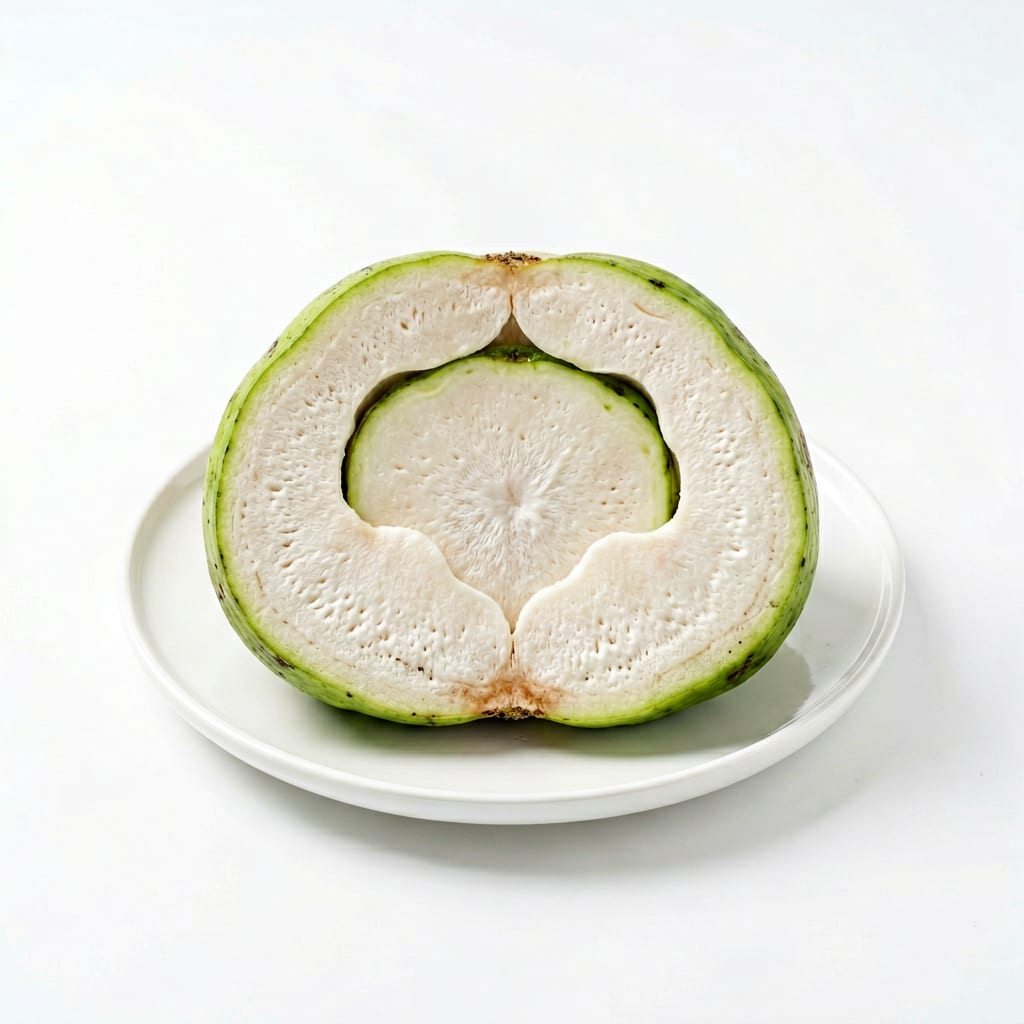
Compare with
Breadfruit
Breadfruit is starchier and lower in sugar, functioning more like a potato, while jackfruit is sweeter and has a distinct fibrous texture.
Breadfruit is starchier and lower in sugar than jackfruit, making it slightly better for blood sugar control, while jackfruit is sweeter and lower in calories.
This food
Jackfruit
VS70% alike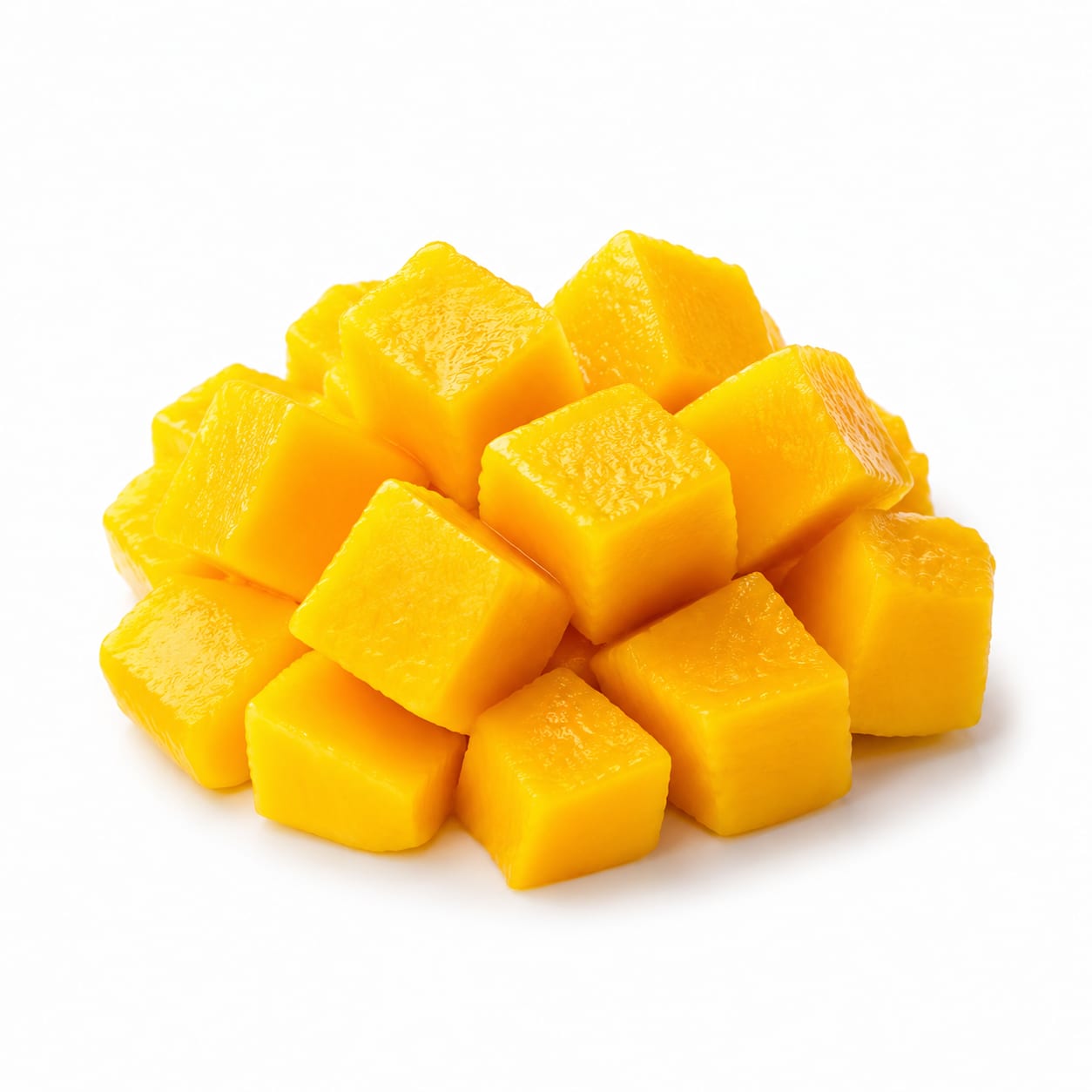
Compare with
Mango
Mango is richer in vitamin A and slightly higher in sugar, while jackfruit offers more fiber and a unique textural versatility in savory dishes.
Jackfruit provides more fiber and slightly fewer sugars than mango, offering better satiety and blood sugar control.
This food
Jackfruit
VS60% alike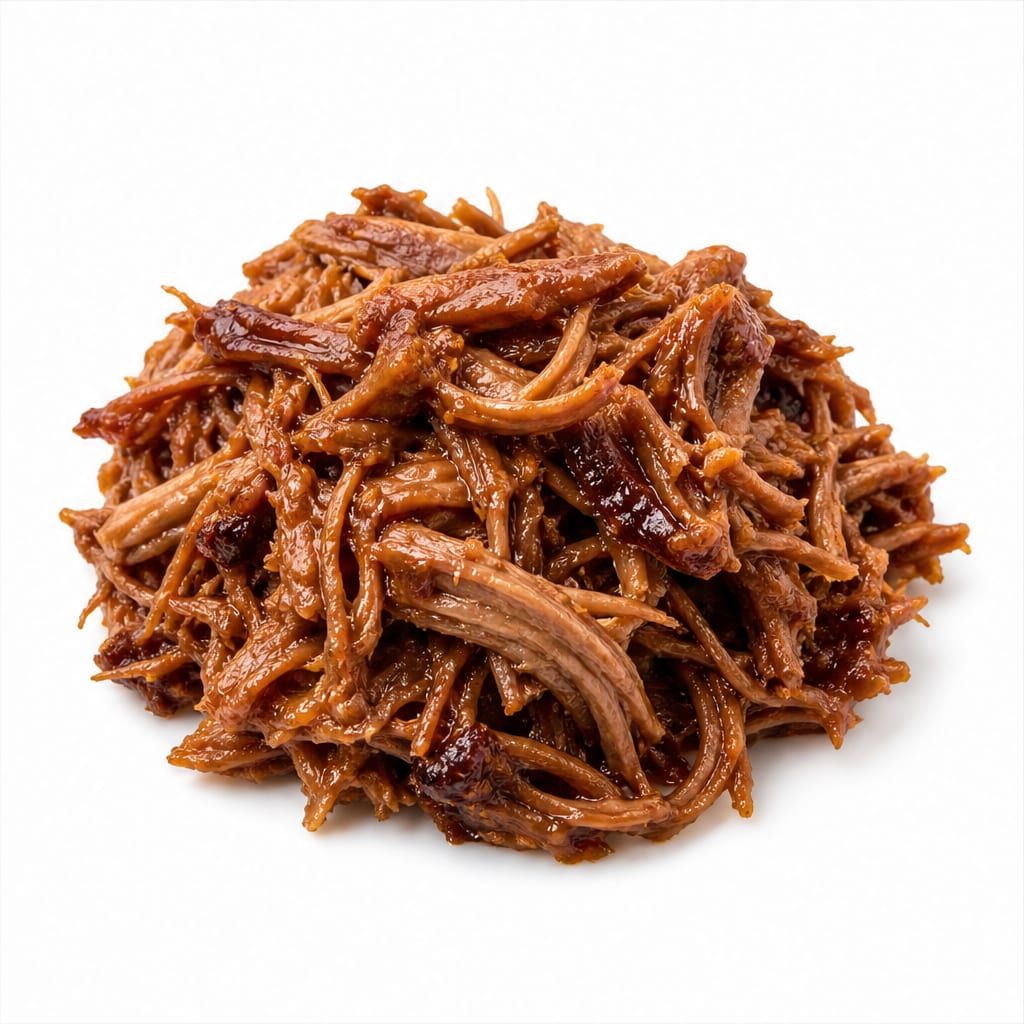
Compare with
Pulled Pork
Pulled pork is extremely high in protein and fat, while jackfruit is nearly fat-free and lacks protein, serving only as a textural mimic.
Pulled pork provides high protein and fat for satiety and muscle building, while jackfruit offers a low-calorie, fat-free alternative with similar texture but minimal protein.
This food
Jackfruit
VS65% alike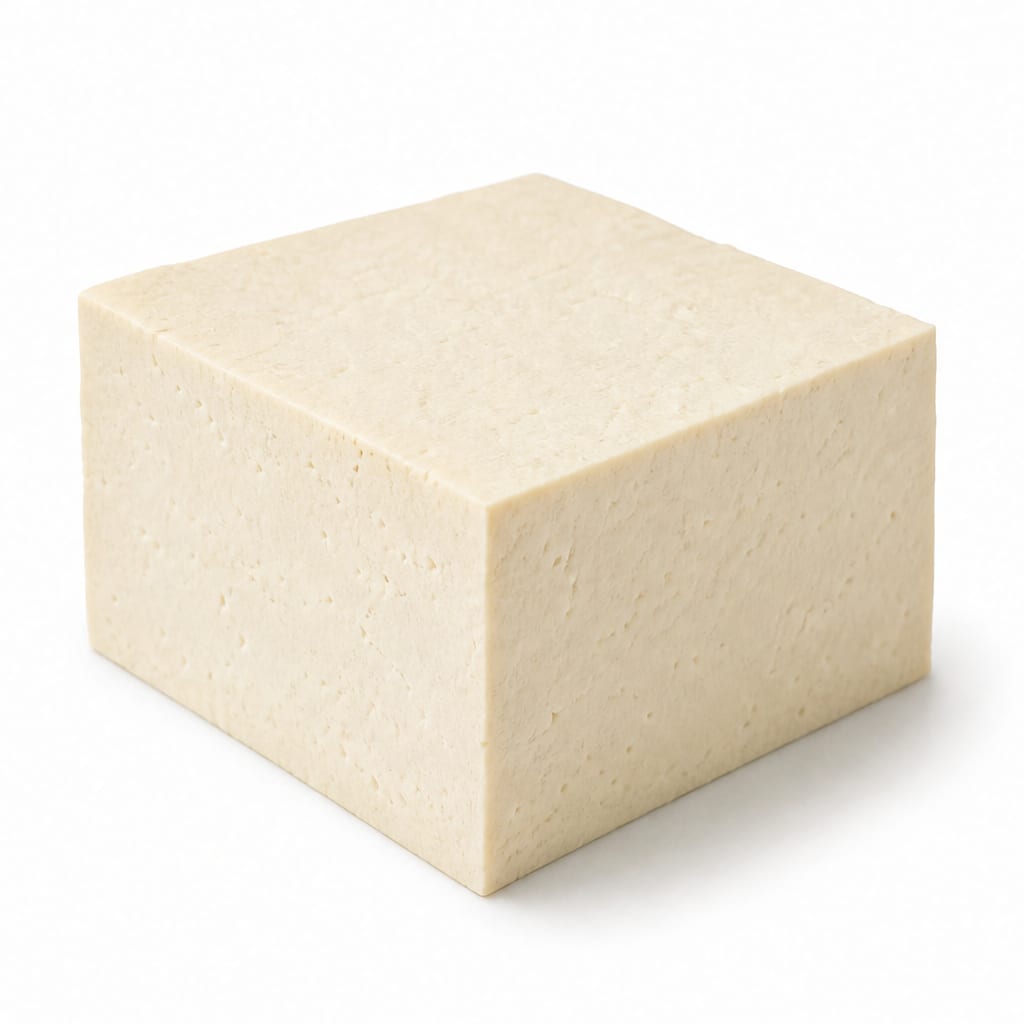
Compare with
Tofu
Tofu is a complete protein source rich in calcium and low in carbs, whereas jackfruit is a high-carb, low-protein fruit used for texture.
Tofu is far superior for protein and blood sugar stability, while jackfruit provides a meaty texture with carbohydrates but almost no protein.
This food
Jackfruit
VS75% alike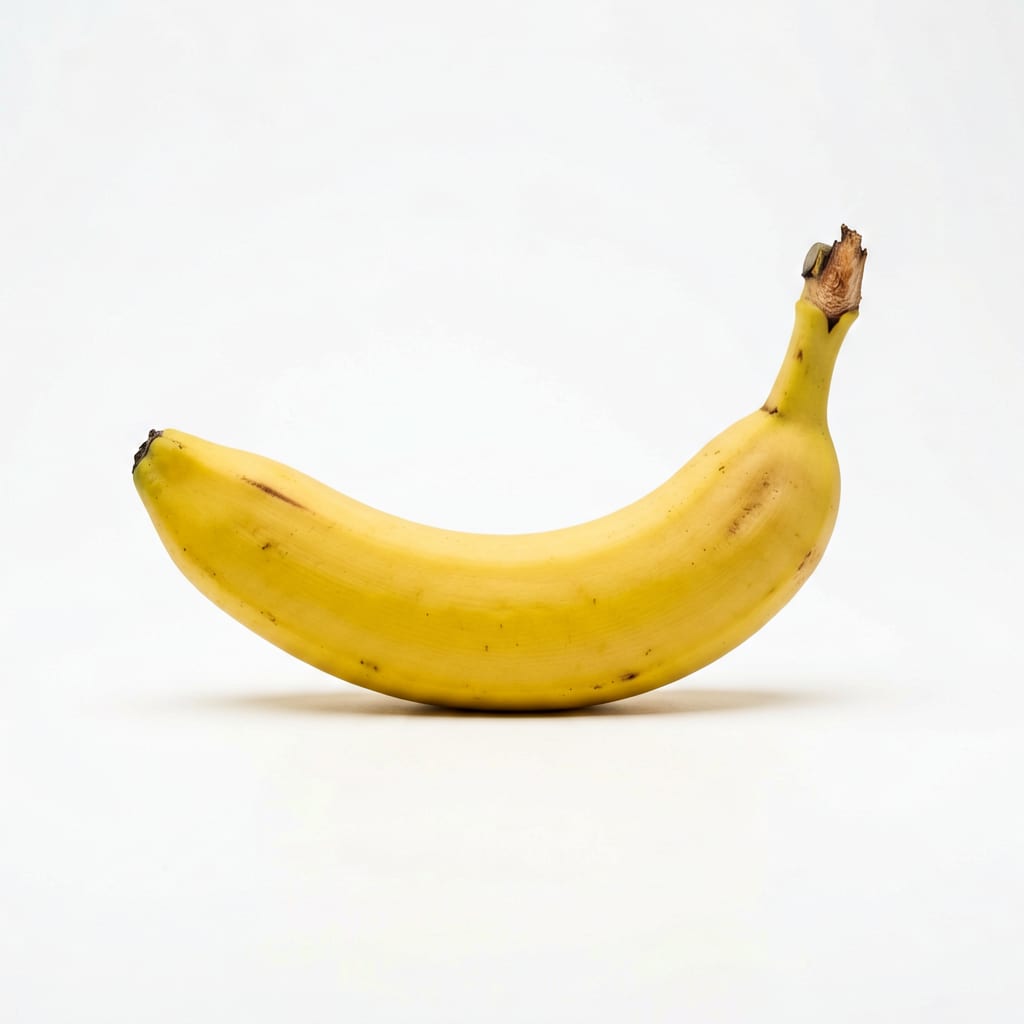
Compare with
Banana
Bananas are higher in potassium and denser in calories, while jackfruit offers more volume per calorie and a different fiber profile.
Jackfruit is lower in calories and carbohydrates than banana, making it slightly better for weight loss, while bananas are a more concentrated source of potassium and energy.
This food
Jackfruit
VS70% alike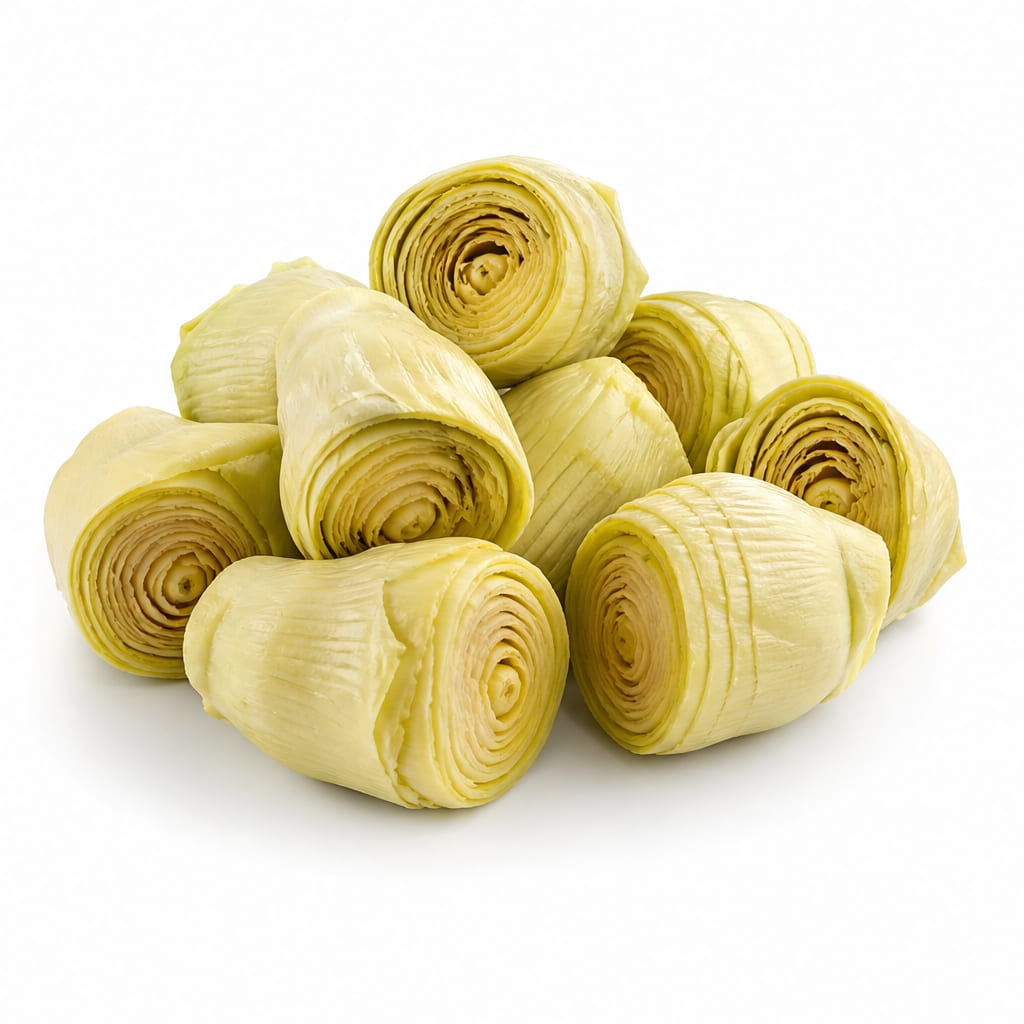
Compare with
Artichoke Hearts
Artichoke hearts are significantly lower in calories and carbohydrates and much higher in fiber and protein compared to jackfruit.
Artichoke hearts are much lower in calories and sugar and higher in fiber than jackfruit, making them better for weight loss and blood sugar control.
This food
Jackfruit
VS80% alike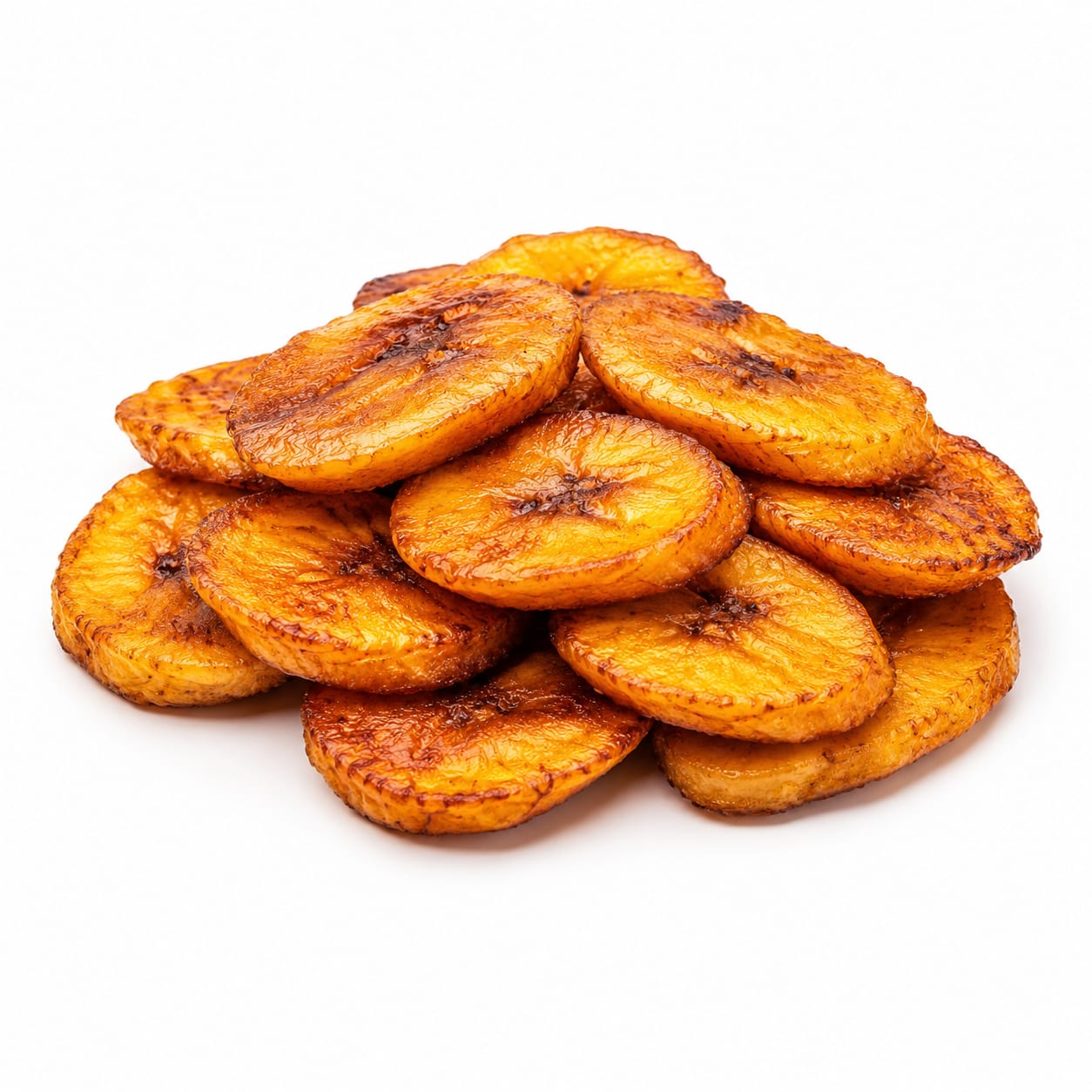
Compare with
Plantain
Plantains are starchier and denser in energy, while jackfruit is sweeter and has a fibrous rather than starchy texture.
Jackfruit is lower in calories and higher in water content than plantains, making it better for weight loss, while plantains offer denser energy for fuel.
This food
Jackfruit
VS55% alike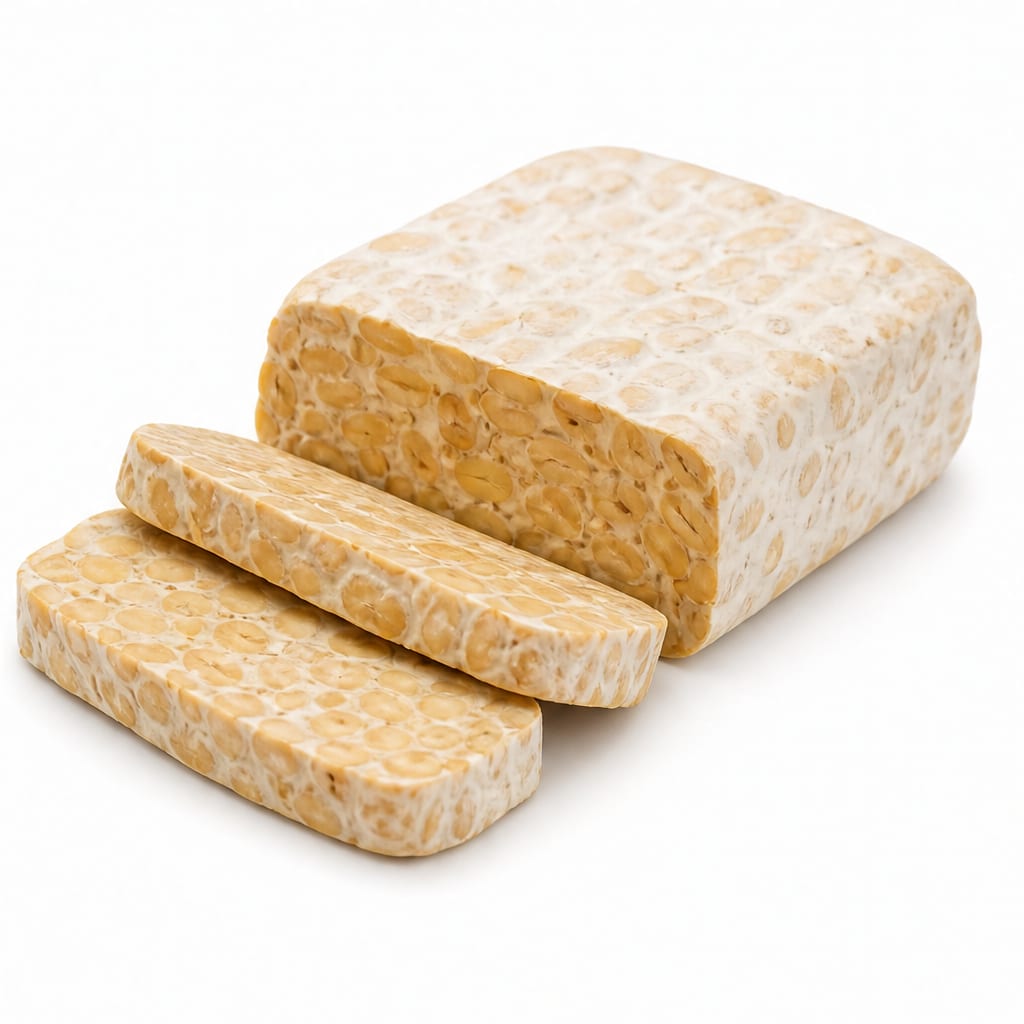
Compare with
Tempeh
Tempeh is a fermented soy product extremely high in protein and probiotics, while jackfruit is a low-protein fruit used strictly for texture.
Tempeh is a high-protein fermented food that stabilizes blood sugar and builds muscle, whereas jackfruit is a low-protein carb source used for meat-like texture.
This food
Jackfruit
VS50% alike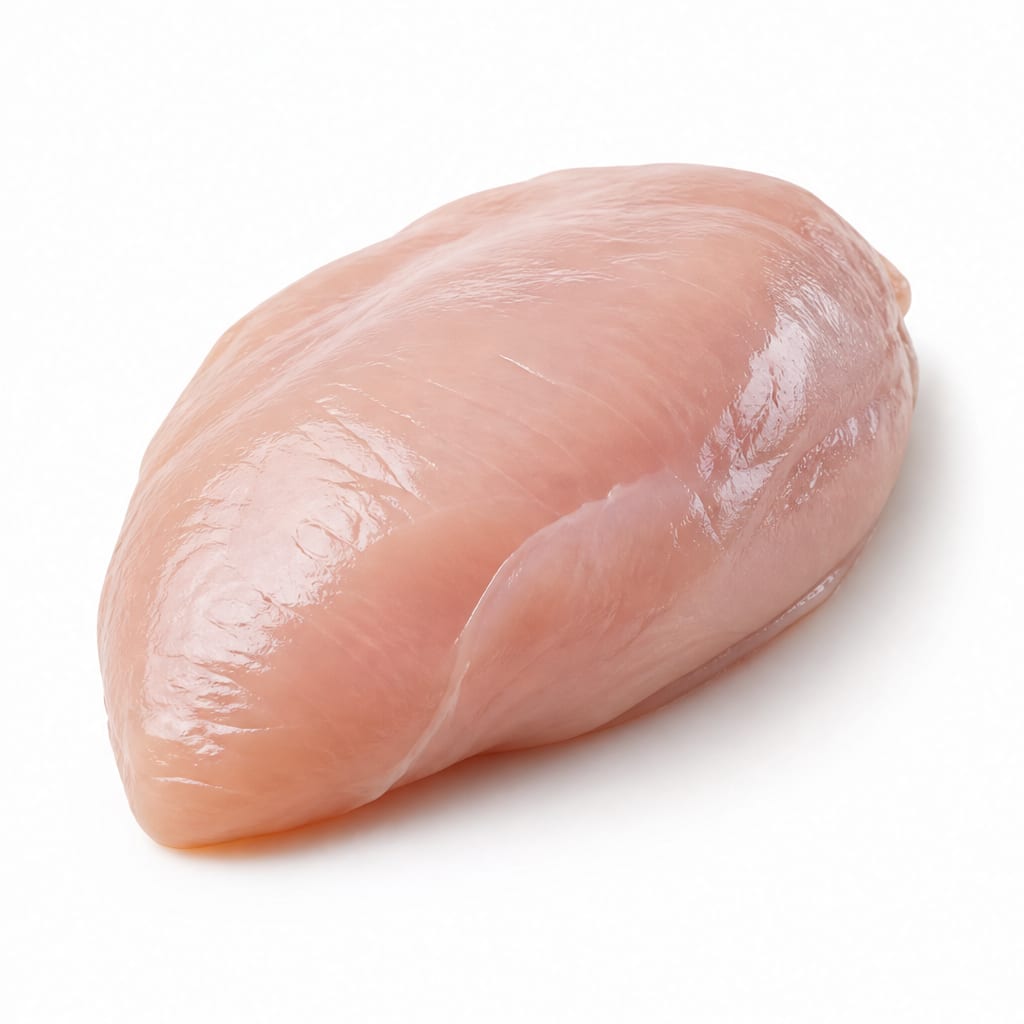
Compare with
Chicken Breast
Chicken breast is the gold standard for lean protein with zero carbs, while jackfruit is entirely carbohydrate-based with negligible protein.
Chicken breast provides pure lean protein with no carbs, making it far superior for muscle gain and blood sugar control compared to carbohydrate-dominant jackfruit.
Common questions
FAQ
Answers aligned with how people search for this food.
Is jackfruit a good meat substitute?
Jackfruit is an excellent textural substitute for shredded meat like pulled pork or chicken due to its fibrous consistency when unripe. However, it is not a nutritional substitute as it lacks the high protein content found in meat.
Does jackfruit have a lot of protein?
No, jackfruit contains only about 1.7 grams of protein per 100 grams. If you are using it as a meat replacement, you should pair it with other protein sources like beans or tofu to meet your protein needs.
Can diabetics eat jackfruit?
Diabetics can eat jackfruit in moderation. Unripe jackfruit has a lower glycemic impact due to resistant starch, but ripe jackfruit is high in natural sugars and can cause blood sugar spikes if consumed in large portions.
Is jackfruit good for weight loss?
Jackfruit can support weight loss due to its high water and fiber content which promotes fullness. However, ripe jackfruit is relatively high in calories and sugar compared to lower-sugar fruits like berries, so portion control is important.
What is the difference between ripe and unripe jackfruit?
Unripe jackfruit is green, firm, neutral in flavor, and starchy, making it ideal for savory dishes. Ripe jackfruit is soft, sweet, highly aromatic, and used in desserts or eaten raw as a sweet fruit.
Is jackfruit keto-friendly?
No, jackfruit is not keto-friendly. It contains over 23 grams of carbohydrates per 100 grams, which makes it difficult to fit into the strict carbohydrate limits of a ketogenic diet.
How many carbs are in jackfruit?
There are approximately 23 grams of carbohydrates per 100 grams of raw jackfruit. The majority of these carbs come from natural sugars, especially as the fruit ripens.
Does jackfruit taste like meat?
Unripe jackfruit does not taste like meat; it has a fairly neutral taste. Its value as a meat substitute comes entirely from its fibrous, shreddable texture which closely mimics pulled pork or chicken when cooked.
Transparency
Data confidence
Estimated confidence for nutrition data, interpretation, safety notes, and comparisons.
Nutrition data
Health analysis
Food safety
Comparisons