
Nutrition comparison
Jackfruit vs Artichoke Hearts: Nutrition, Gut Health, and Meat Substitute Comparison
Compare Jackfruit and Artichoke Hearts to see which is better for gut health, blood sugar, and vegan meat substitutes. Discover the nutritional tradeoffs.
Overall winner · Artichoke Hearts
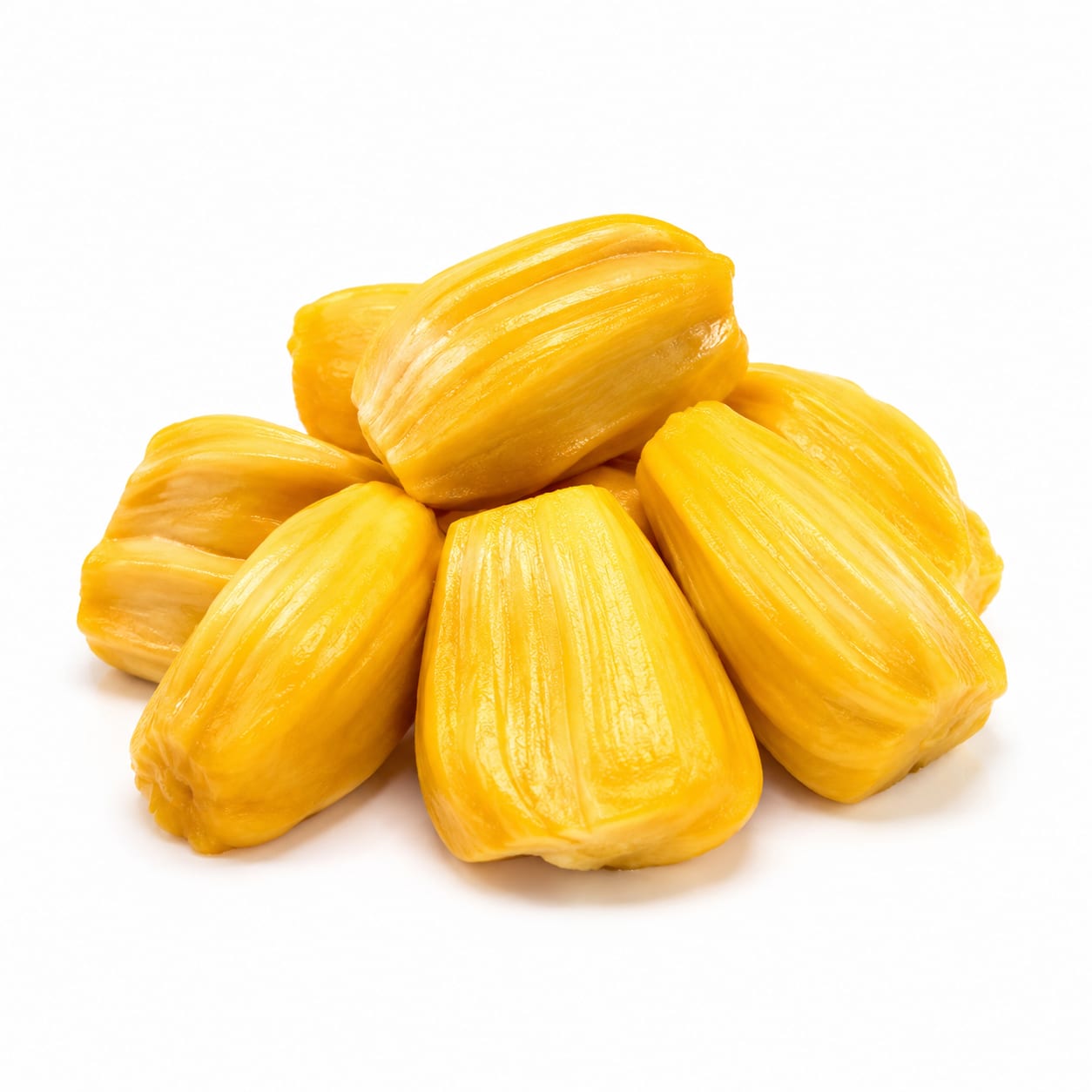
Jackfruit
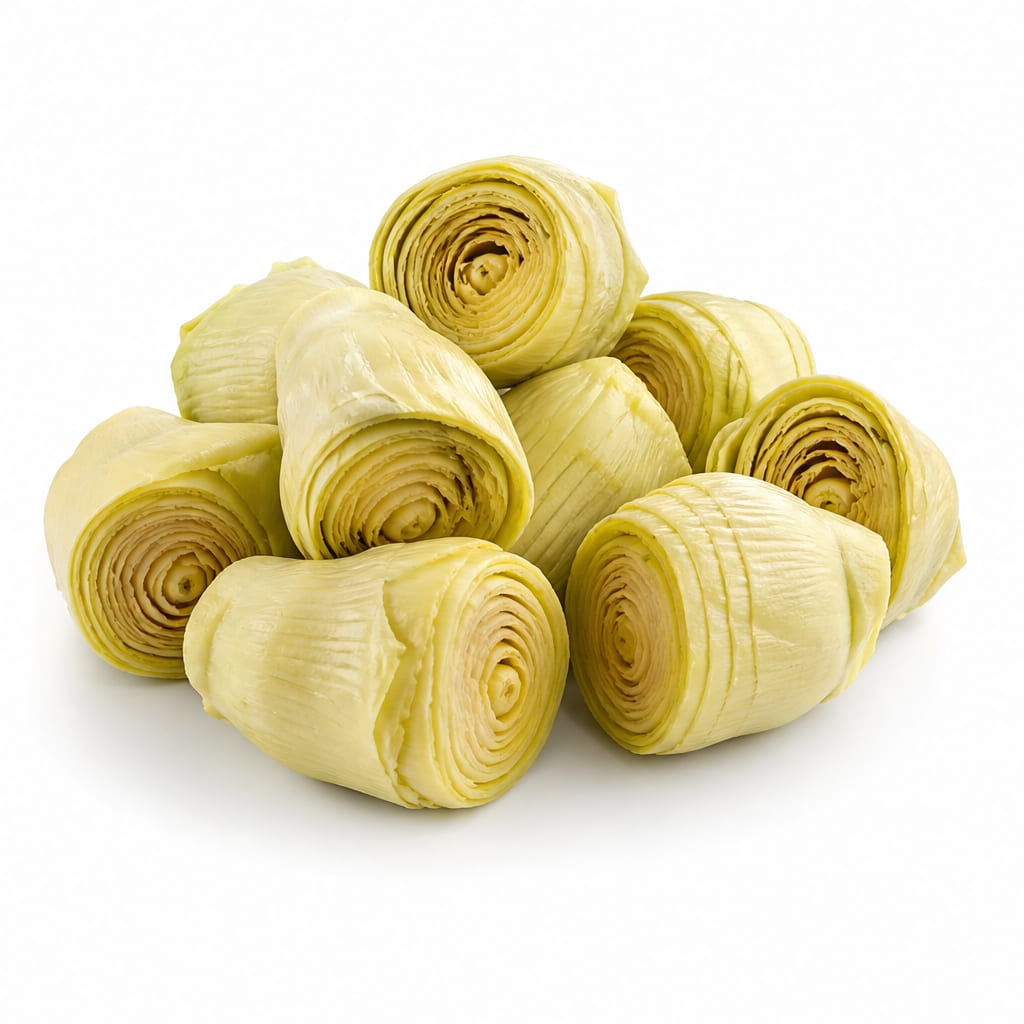
Artichoke Hearts
Artichoke Hearts dominate on nutrition and blood sugar stability, while Jackfruit wins on texture and vegan comfort food appeal.
Artichoke Hearts score significantly higher due to superior fiber, lower sugar, and richer micronutrient profile. Jackfruit remains a fun culinary substitute but falls short as a daily nutritional staple.
You trade low-calorie gut health and blood sugar control for a satisfying, meat-like texture when choosing Jackfruit over Artichoke Hearts.
At a glance
Executive summary
Overall
Artichoke Hearts
Healthier
Artichoke Hearts
More practical
It depends
Daily use
Artichoke Hearts
Key comparison lenses
Plant-based meat substitute quality
Jackfruit is famous for mimicking pulled pork, while Artichoke Hearts offer a hearty but distinct savory bite
Fiber and digestive health
Artichoke Hearts are a fiber and prebiotic powerhouse, vastly outperforming Jackfruit in gut health benefits
Blood sugar and carb load
Jackfruit is surprisingly high in carbohydrates and sugar compared to the near-zero sugar profile of Artichoke Hearts
Calorie density for weight management
Artichoke Hearts provide massive volume and satiety for very few calories, whereas Jackfruit is more calorie-dense
Best choice for
Jackfruit
- Vegan BBQ or pulled pork cravings
- Comfort food meals needing a meaty shred
- Active individuals needing higher carb intake
Artichoke Hearts
- Daily vegetable intake and gut health
- Low-carb or keto-friendly meals
- Weight loss and steady energy
Least suitable for
Jackfruit
- Strict low-carb or keto dieters
- People managing severe blood sugar spikes
- Those seeking high-protein meat alternatives
Artichoke Hearts
- High-intensity endurance athletes needing quick carbs
- People sensitive to high fiber or FODMAPs
- Those wanting a neutral-flavored base for sweet dishes
Deep comparison
Dimension by dimension
Each lens scores both foods and breaks down who each option suits.
- Dimension 1 · Priority 90Artichoke Hearts
Nutritional Density
Jackfruit · 45Artichoke Hearts · 92Artichoke Hearts are packed with vitamins, minerals, and antioxidants for very few calories. Jackfruit is mostly carbs and water.
Tradeoff
You get more satiating fiber and essential nutrients per bite from Artichoke Hearts, while Jackfruit offers energy but less micronutrient bang for your buck.
Why it matters
Eating nutrient-dense foods means you feel better and stay full longer without overeating calories.
Real-world impact
A serving of Artichoke Hearts fuels your body like a multivitamin; Jackfruit fuels it more like a starchy side dish.
Jackfruit
- Pre-workout carb loading
Better for
- Maximizing nutrition on a low-calorie diet
Worse for
Artichoke Hearts
- Correcting nutrient gaps on a calorie budget
- Boosting daily vegetable variety
Better for
- Quick energy replenishment after intense exercise
Worse for
- Dimension 2 · Priority 85Artichoke Hearts
Blood Sugar Stability
Jackfruit · 40Artichoke Hearts · 90Jackfruit can cause noticeable blood sugar spikes due to its high carb and sugar content. Artichoke Hearts stabilize blood sugar with inulin fiber.
Tradeoff
Choosing Jackfruit means accepting a faster rise in blood sugar, whereas Artichoke Hearts provide a slow, steady energy release.
Why it matters
Stable blood sugar prevents the afternoon energy crash and reduces cravings later in the day.
Real-world impact
Eating Jackfruit for lunch might leave you hungry an hour later; Artichoke Hearts keep you steady until dinner.
Jackfruit
- Recovering from a hypoglycemic episode
Better for
- Those trying to minimize sugar cravings
Worse for
Artichoke Hearts
- Managing insulin resistance or diabetes
- Preventing the mid-afternoon slump
Better for
- Endurance athletes needing rapid glycogen replenishment
Worse for
- Dimension 3 · Priority 88Artichoke Hearts
Digestive Health and Fiber
Jackfruit · 50Artichoke Hearts · 95Artichoke Hearts are one of the best sources of inulin, a prebiotic fiber that feeds good gut bacteria. Jackfruit offers moderate fiber but lacks the prebiotic punch.
Tradeoff
Jackfruit provides gentle fiber, but Artichoke Hearts actively repair and nourish your gut microbiome.
Why it matters
A healthy gut microbiome improves digestion, immunity, and even mood.
Real-world impact
Regularly eating Artichoke Hearts can reduce bloating and improve regularity over time, while Jackfruit acts more like basic roughage.
Jackfruit
- Those needing a milder fiber source
Better for
- Actively treating gut dysbiosis
Worse for
Artichoke Hearts
- Rebuilding gut flora after illness or antibiotics
- Combating chronic constipation
Better for
- Individuals with severe IBS triggered by FODMAPs
Worse for
- Dimension 4 · Priority 75Jackfruit
Culinary Versatility as Meat Substitute
Jackfruit · 92Artichoke Hearts · 60Young Jackfruit shreds perfectly to mimic pulled pork or chicken. Artichoke Hearts have a meaty bite but cannot replicate the stringy texture of shredded meat.
Tradeoff
You sacrifice the authentic BBQ texture if you choose Artichoke Hearts, but you avoid the high sugar content of Jackfruit.
Why it matters
Enjoying what you eat is crucial for sticking to a plant-based diet long-term.
Real-world impact
Jackfruit makes vegan BBQ sandwiches feel like the real deal; Artichoke Hearts make a great pizza topping or pasta mix-in but fail at pulled pork.
Jackfruit
- Vegan comfort food nights
- Hosting BBQs for mixed-diet crowds
Better for
- Delicate flavor pairings where sweetness is unwanted
Worse for
Artichoke Hearts
- Elegant appetizers and Mediterranean dishes
- Quick salads and antipasto plates
Better for
- Recipes requiring a stringy, shredded texture
Worse for
Timeline
Health impact over time
Short-term
Hours to days
Jackfruit
- Provides quick energy from natural sugars
- Offers satisfying fullness from solid food volume
Artichoke Hearts
- Stabilizes blood sugar and reduces cravings
- May cause mild bloating if you are not used to high fiber
Long-term
Months to years
Jackfruit
- Frequent consumption may contribute to higher daily sugar intake
- Supports general vitamin C intake but lacks broad mineral profile
Artichoke Hearts
- Significantly improves gut microbiome diversity
- Lowers inflammation and supports liver health through cynarin and antioxidants
Risk profile
Safety & processing
Both are most commonly found canned or jarred. Canned Jackfruit often sits in syrup or salty brine, while jarred Artichoke Hearts frequently contain citric acid, salt, or oil. Always check labels to avoid added sugars or excessive sodium.
Jackfruit
Added sugars in canned varieties
mediumMany canned Jackfruit products are packed in heavy syrup, drastically increasing the sugar content beyond what fresh Jackfruit contains.
BPA exposure from can linings
lowStandard canned goods may expose you to trace amounts of BPA from the can lining.
Artichoke Hearts
High sodium in jarred varieties
mediumArtichoke Hearts are frequently preserved in high-sodium brine, which can bloat you if not rinsed.
Sulfite sensitivity
lowSome jarred Artichoke Hearts use sulfites as a preservative, which can trigger reactions in sensitive individuals.
Who wins for whom
Audience fit
Same foods, different winners depending on your goal.
children
JackfruitJackfruit has a sweeter, milder taste and fun texture that kids are more likely to accept compared to the earthy, slightly bitter Artichoke Hearts.
daily consumption
Artichoke HeartsArtichoke Hearts provide consistent gut and metabolic benefits without the sugar load of daily Jackfruit.
diabetes
Artichoke HeartsArtichoke Hearts have minimal sugar and high inulin fiber, preventing the glucose spikes Jackfruit can cause.
elderly
Artichoke HeartsThe high fiber and liver-supporting antioxidants in Artichoke Hearts are especially beneficial for aging digestive and metabolic systems.
muscle gain
It dependsNeither is a strong protein source, but Jackfruit offers slightly more carbs to fuel heavy training sessions.
weight loss
Artichoke HeartsArtichoke Hearts offer massive volume and fiber for very few calories, making it much easier to stay in a deficit.
Your move
Decision guide
Choose Jackfruit
- You are craving a vegan BBQ sandwich or pulled pork taco
- You need a carb-heavy side for an active lifestyle
- You want to impress mixed-diet friends with plant-based comfort food
Choose Artichoke Hearts
- You want to improve your gut health and digestion
- You are watching your blood sugar or trying to lose weight
- You need a low-calorie, high-flavor addition to salads or pasta
Either works if
- You simply want a plant-based savory addition to your dinner plate
- You are bored with your usual vegetable rotation
Avoid both if
- You are looking for a primary protein source for your meal
- You have severe IBS and are currently on a strict low-FODMAP elimination diet
Final recommendation
Let your meal's purpose decide. Use Jackfruit when the meal is about texture and comfort, but rely on Artichoke Hearts for everyday health, steady energy, and gut support.
Practical
Consumer tips
- 1
Always buy canned Jackfruit in water or brine, never in syrup, to avoid massive hidden sugar
- 2
Rinse jarred Artichoke Hearts thoroughly to remove excess sodium and preservatives
- 3
If using Jackfruit as a meat substitute, cook it down with smoky spices and savory sauces to mask its natural sweetness
- 4
Keep frozen Artichoke Hearts on hand for a low-sodium alternative to the jarred versions