
Nutrition comparison
Jackfruit vs Mango: Which Tropical Fruit Is Healthier?
Compare jackfruit and mango on sugar, fiber, vitamins, and versatility. Find out which fruit is better for weight loss, diabetes, and daily eating.

Jackfruit
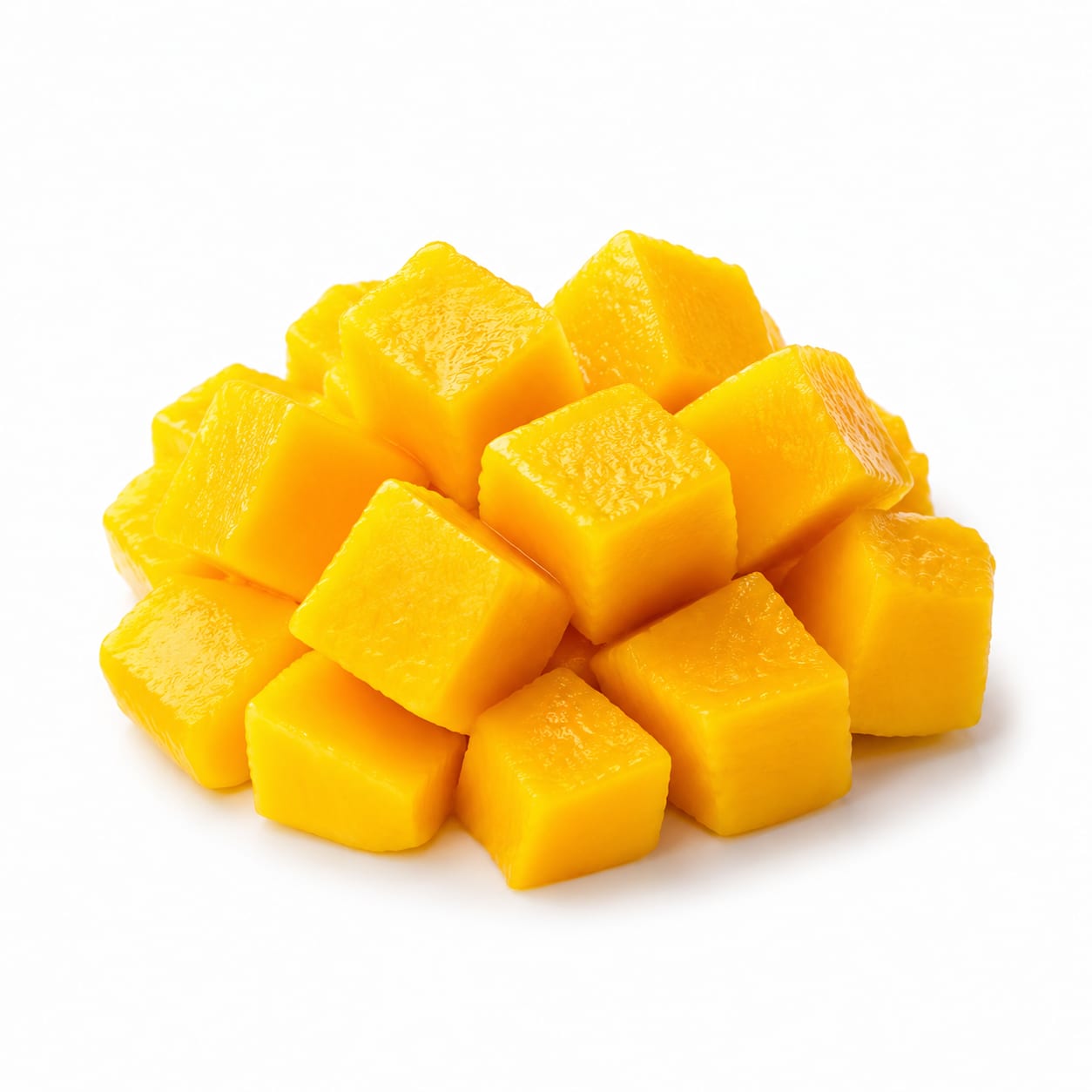
Mango
Jackfruit is the lower-sugar, higher-fiber, more versatile option. Mango delivers more vitamin A and C but comes with significantly more sugar per serving.
Jackfruit scores higher due to lower sugar, higher fiber, and greater culinary versatility. Mango wins on certain vitamins and convenience but its high sugar content pulls its overall score down for everyday health-conscious use.
Mango gives you a bigger antioxidant punch but at the cost of nearly double the sugar. Jackfruit fills you up more and plays well in savory dishes.
At a glance
Executive summary
Overall
It depends
Healthier
Jackfruit
More practical
Mango
Daily use
Jackfruit
Key comparison lenses
sugar and blood impact
Both are sweet tropical fruits, so sugar content and glycemic impact are the top concern for most users
versatility and meal use
Jackfruit is uniquely used as a savory meat substitute while mango is purely a sweet fruit, making this a key differentiator
satiety and fullness
Fiber and bulk differences affect how filling each fruit feels as a snack
vitamin and antioxidant profile
Mango is famous for vitamin A and C, while jackfruit offers different nutrients like B6 and potassium
weight management
Calorie density and sugar load differ enough to matter for weight-conscious eaters
Best choice for
Jackfruit
- People watching their sugar intake
- Anyone wanting a savory plant-based meal base
- Those seeking steadier energy without a sugar crash
- High-fiber diet followers
Mango
- Anyone needing a vitamin A and C boost
- Post-workout natural sugar replenishment
- People wanting an easy, delicious snack fruit
- Smoothie and dessert lovers
Least suitable for
Jackfruit
- People wanting a quick sweet snack
- Anyone unfamiliar with preparing whole jackfruit
- Those who dislike the texture when unripe
Mango
- People with diabetes or insulin resistance
- Low-sugar or keto diet followers
- Anyone prone to overeating sweet fruit
Deep comparison
Dimension by dimension
Each lens scores both foods and breaks down who each option suits.
- Dimension 1 · Priority 92Jackfruit
Blood Sugar Stability
Jackfruit · 78Mango · 52Jackfruit has roughly half the sugar per serving and more fiber to slow absorption, making it gentler on blood sugar.
Tradeoff
Mango's sweetness comes with a faster blood sugar rise that can trigger cravings an hour later.
Why it matters
If you experience afternoon energy crashes or have any blood sugar concerns, this difference is significant.
Real-world impact
A mango snack at 3pm may leave you hungry again by 4pm. Jackfruit keeps you steadier longer.
Jackfruit
- Diabetics and pre-diabetics
- Anyone avoiding sugar spikes
- Intermittent fasters breaking a fast gently
Better for
- Situations requiring rapid energy replenishment
Worse for
Mango
- Athletes needing quick carbs after exercise
- Endurance activity fuel
Better for
- Sedentary snacking
- Late-night eating
Worse for
- Dimension 2 · Priority 80Jackfruit
Satiety and Fullness
Jackfruit · 82Mango · 55Jackfruit's dense, fibrous flesh physically fills you up more. Mango is lighter and easier to overeat.
Tradeoff
Mango feels like a refreshing light snack but rarely satisfies hunger alone. Jackfruit can actually replace a meal component.
Why it matters
If you are trying to eat less overall, feeling full matters more than calorie counting.
Real-world impact
A cup of jackfruit feels like you ate something substantial. A cup of mango feels like a warm-up.
Jackfruit
- Weight loss diets
- Meal replacement scenarios
- Big appetites needing volume
Better for
- When you want something light and refreshing
Worse for
Mango
- Light snacking before a meal
- Hot weather when heavy food feels unappealing
Better for
- Controlling portions with sweet foods
Worse for
- Dimension 3 · Priority 75Mango
Vitamin and Antioxidant Density
Jackfruit · 62Mango · 88Mango is a vitamin A and C powerhouse. Jackfruit offers decent B6 and potassium but cannot compete on antioxidants.
Tradeoff
You get more immune-supporting and skin-protective nutrients from mango, but you also get more sugar with it.
Why it matters
If your diet is low in colorful fruits, mango delivers a concentrated dose of key vitamins efficiently.
Real-world impact
Half a mango covers most of your daily vitamin C and a big chunk of vitamin A. Jackfruit cannot match that.
Jackfruit
- Potassium supplementation needs
- B6 intake support
Better for
- Relying on it as a primary vitamin C source
Worse for
Mango
- Immune system support
- Skin health
- Eye health via beta-carotene
Better for
- Those already exceeding sugar targets
Worse for
- Dimension 4 · Priority 88Jackfruit
Culinary Versatility
Jackfruit · 90Mango · 50Unripe jackfruit works as a pulled pork substitute, curry base, or taco filling. Ripe jackfruit is a dessert fruit. Mango is mostly a sweet ingredient.
Tradeoff
Jackfruit requires more prep knowledge but rewards you with savory and sweet options. Mango is simpler but one-dimensional.
Why it matters
If you cook at home and want plant-based meal variety, jackfruit is a game-changer. Mango is a snack, not a meal.
Real-world impact
Canned young jackfruit can replace meat in 20+ recipes. Mango makes a great smoothie but that is about it for most people.
Jackfruit
- Plant-based meal preppers
- Home cooks wanting savory fruit options
- Budget cooks replacing meat
Better for
- People intimidated by new ingredients
Worse for
Mango
- Quick smoothie makers
- Dessert recipes
- No-cook snackers
Better for
- Anyone wanting a savory dish component
Worse for
- Dimension 5 · Priority 65Mango
Convenience and Accessibility
Jackfruit · 45Mango · 80Mango is easier to find, easier to cut, and easier to eat raw. Whole jackfruit is enormous and intimidating to prep.
Tradeoff
Canned jackfruit solves the prep problem but adds processing. Fresh mango is always ready to eat with minimal effort.
Why it matters
If a food is hard to prepare, you will eat it less often regardless of its health benefits.
Real-world impact
You can peel and eat a mango in two minutes. A whole jackfruit requires gloves, knife skills, and 30 minutes.
Jackfruit
- People comfortable with canned options
- Meal preppers who cook in batches
Better for
- Spontaneous snacking
- Travel or on-the-go eating
Worse for
Mango
- Busy professionals
- Anyone wanting grab-and-go fruit
- Office snacking
Better for
- Situations where canned goods are preferred
Worse for
- Dimension 6 · Priority 72Jackfruit
Sugar and Calorie Load
Jackfruit · 76Mango · 48Jackfruit delivers more food volume per gram of sugar. Mango is calorie-dense from sugar with less filling fiber.
Tradeoff
Mango tastes better if you have a sweet tooth, but you pay for it in sugar. Jackfruit is milder but more sustainable for daily eating.
Why it matters
Over a week, choosing the lower-sugar fruit daily saves you roughly 70 grams of sugar compared to mango.
Real-world impact
Daily mango habit can add 100+ calories of sugar to your intake without you noticing. Jackfruit is easier to keep moderate.
Jackfruit
- Low-sugar diets
- Calorie-conscious eaters
- Consistent daily fruit consumers
Better for
- Recreational eating and enjoyment
Worse for
Mango
- Active people burning through carbs
- Underweight individuals needing calories
Better for
- Sugar-restricted meal plans
- Metabolic syndrome management
Worse for
Timeline
Health impact over time
Short-term
Hours to days
Jackfruit
- Steadier energy without a sugar rush
- Noticeable fullness from fiber content
- Mild digestive adjustment if you are not used to high fiber
Mango
- Quick energy boost from natural sugars
- Possible sugar craving cycle an hour after eating
- Refreshing hydration from high water content
Long-term
Months to years
Jackfruit
- Better blood sugar regulation with regular consumption
- Improved digestive health from consistent fiber intake
- Lower cumulative sugar exposure over months and years
Mango
- Stronger immune support from consistent vitamin C and A intake
- Risk of excess sugar intake if eaten in large quantities daily
- Skin and eye health benefits from beta-carotene
Risk profile
Safety & processing
Both fruits are naturally whole foods when fresh. However, canned young jackfruit often contains brine with salt and sometimes calcium chloride, adding minor processing concerns. Fresh mango is almost always sold unprocessed.
Jackfruit
Latex allergy cross-reaction
mediumJackfruit contains proteins similar to latex. People with latex allergies may experience oral itching or swelling.
Canned jackfruit sodium content
lowCanned young jackfruit in brine can contain 200-400mg sodium per serving, which matters for sodium-sensitive individuals.
Mango
Pesticide residue on conventionally grown mangoes
mediumMango peel can retain pesticide residues. Peeling significantly reduces exposure, but some people eat the skin.
Contact dermatitis from mango peel
lowMango peel contains urushiol, the same compound in poison ivy. Peeling before eating avoids this issue.
Who wins for whom
Audience fit
Same foods, different winners depending on your goal.
children
MangoKids overwhelmingly prefer the sweet taste of mango. It also provides vitamin A crucial for growth.
daily consumption
JackfruitLower sugar and higher fiber make jackfruit more sustainable as a daily fruit without accumulating sugar load.
diabetes
JackfruitHalf the sugar and more fiber means a gentler, more manageable blood sugar response.
elderly
MangoMango is softer, easier to chew, and provides concentrated vitamins that aging bodies need. Its natural sweetness also stimulates appetite in older adults.
muscle gain
It dependsNeither fruit is a protein source. Mango offers slightly faster post-workout carbs, but the difference is minimal.
weight loss
JackfruitHigher fiber and lower sugar make jackfruit more filling per calorie, reducing the urge to overeat.
Your move
Decision guide
Choose Jackfruit
- You are watching your sugar intake or managing blood sugar
- You want a plant-based savory meal ingredient
- You need something filling that prevents overeating later
- You are meal prepping and want versatile ingredients
Choose Mango
- You want a delicious, refreshing snack with no prep
- You need a vitamin C and A boost, especially in winter
- You are active and need quick natural carbs
- You are making smoothies, desserts, or tropical dishes
Either works if
- You just want a serving of fruit and both are available
- You are eating fruit occasionally, not daily
- You are mixing fruit into a salad where either works
Avoid both if
- You are on a strict very-low-carb or keto diet
- You have a fructose intolerance or malabsorption issue
- You are managing severe blood sugar instability and need to limit all sweet fruit temporarily
Final recommendation
For everyday health-conscious eating, jackfruit is the smarter default because it gives you more food, more fiber, and less sugar per serving. But mango is the better choice when you specifically need a vitamin boost, a quick snack, or something that just tastes incredible. The best approach is keeping both in rotation: mango for enjoyment and vitamins, jackfruit for substance and stability.
Practical
Consumer tips
- 1
Buy canned young jackfruit in water or brine for savory cooking. It saves you the 30-minute prep ordeal of a whole fruit.
- 2
Always peel mangoes before eating to avoid pesticide residue and urushiol exposure from the skin.
- 3
Freeze chopped mango for smoothies. It eliminates waste and gives you a ready-to-blend option.
- 4
If you have a latex allergy, try a small amount of jackfruit first and watch for mouth tingling.
- 5
Pair mango with a protein source like Greek yogurt to blunt the blood sugar spike.
- 6
Ripe jackfruit is sweeter and works as a dessert. Unripe or canned jackfruit is what you want for savory dishes like pulled jackfruit sandwiches.
- 7
One cup of mango has about 23g of sugar. Keep that in mind if you are tracking.
- 8
Choose frozen mango over canned to avoid added syrups.