
Vegetable / Spice
Facing Heaven Pepper
An upward-growing spicy chili pepper from Sichuan known for its moderate heat and culinary versatility.
A small, conical chili pepper that grows pointing upward, originating from Sichuan, China. It is widely used in Asian cuisine for its moderate-to-high heat and distinct aromatic flavor.
spicy low-calorie flavor enhancer
Typical serving · 15g
Common varieties · green facing heaven pepper, red facing heaven pepper, dried facing heaven pepper, pickled facing heaven pepper
Overall context score across nutrition, safety, and diet fit
At a glance
Quick facts
Simple indicators based on nutrition, processing, and diet fit.
The story
What makes it unique
Facing heaven peppers are low-energy-density fruits with a slow digestion impact due to capsaicin content. They provide high satiety relative to caloric intake, feature a predominantly water-based macronutrient profile, and are consumed in minimally processed forms. Capsaicin modulates thermogenesis and gastric emptying rates.
Varieties: green facing heaven pepper · red facing heaven pepper · dried facing heaven pepper · pickled facing heaven pepper
Per 100g
Nutrition breakdown
Macro balance and key metrics at a glance.
Energy
Density 0.40 kcal/g
Protein
Carbs
Fat
Fiber
Sugar
5.3 g
Sodium
7 mg
Potassium
340 mg
Glycemic index
15
Glycemic load
1
Water content
88%
Standout compounds
Nutrient highlights
Capsaicin
highIncreases thermogenesis and fat oxidation while acting as a natural pain reliever.
Vitamin C
highSupports immune function and collagen synthesis.
Vitamin A
moderatePromotes healthy vision and immune response.
Potassium
moderateHelps regulate blood pressure and fluid balance.
Wellness map
Health scores & processing
NOVA processing scale
unprocessed · Whole food
Fresh facing heaven peppers are whole, unprocessed plant foods. Dried or pickled versions remain minimally processed unless artificial preservatives are added.
Diet compatibility
- Weight loss
- Muscle gain
- Diabetes
- Gut health
- Low carb
- High protein
- Heart health
Relative standing
Food rankings
Qualitative ranks compared to similar whole foods.
- Satietymoderate
- Blood sugarexcellent
- Nutrient densitygood
- Fitness fuelmoderate
- Processing qualityexcellent
Eat with confidence
Food safety profile
Primary concerns involve pesticide residues on the skin due to agricultural practices. Microbial contamination is rare but possible from soil contact.
Evidence confidence 85%
- Pesticidesmoderate
- Antibioticslow
- Heavy metalslow
- Contaminationlow
Watch for
- pesticide residues
- soilborne bacteria
Safer choices
Organically grown facing heaven peppers to minimize synthetic pesticide exposure.
Prep tips
Rinse thoroughly under running water and pat dry. Wear gloves when handling to prevent capsaicin burns on skin or eyes.
Conventional pepper farming often uses pesticide sprays; washing is recommended.
Deep dive
Health analysis
How this food may fit different goals and preparation choices.
Weight loss
Extremely low in calories and high in flavor, making it an excellent addition to restrictive diets. Capsaicin may also modestly increase energy expenditure.
Blood sugar
Very low glycemic index and load. Capsaicin has been shown to improve insulin sensitivity, making it highly suitable for blood sugar management.
Fitness & energy
Not a direct energy source, but capsaicin can enhance fat oxidation during exercise. Best used as a flavoring rather than a fuel source.
Gut health
Capsaicin can promote a healthy gut microbiome in small doses, but excessive consumption may trigger heartburn or exacerbate IBS symptoms.
Processing quality
Typically consumed as a whole food with no additives, retaining its full micronutrient and phytochemical profile.
Food safety
Moderate pesticide risk requires thorough washing. Capsaicin itself poses a contact risk to eyes and mucous membranes during preparation.
Common mistakes
Overconsumption by those unaccustomed to spicy food, leading to GI distress. Touching eyes after handling without washing hands.
Best preparation
Stir-frying, dry-roasting, or pickling. Cooking briefly preserves vitamin C while mellowing the raw heat.
Practical guide
Best use cases
When and how this food fits real eating patterns.
sichuan stir-fry flavoring
Adds authentic heat and aroma to traditional Sichuan dishes like stir-fried pork or dry-fried green beans.
metabolism-boosting garnish
Chopped raw or lightly cooked as a topping for soups and noodles to add zero-calorie flavor and a metabolic kick.
low-calorie hot sauce base
Blended with garlic and vinegar to create a homemade, sugar-free hot sauce.
Balance sheet
Pros & cons
Upsides
- Very low in calories and carbohydrates
- Contains capsaicin which boosts metabolic rate
- Rich in vitamin C and antioxidants
- Adds intense flavor without sodium or fat
- Supports insulin sensitivity
Trade-offs
- High heat can cause gastrointestinal discomfort
- Risk of capsaicin burns during preparation
- Pesticide residues require thorough washing
- Not suitable for low-tolerance or sensitive individuals
- Difficult to consume in large enough volumes for significant micronutrient intake
Fit check
Who is it for?
Great match
- weight loss diets
- low-carb and keto diets
- diabetics seeking flavor without sugar
- metabolism boosting
- sichuan cuisine enthusiasts
Consider alternatives
- people with GERD or acid reflux
- individuals with IBS or sensitive stomachs
- children or those with low spice tolerance
- high-protein bulk diets
Side by side
How it compares
Open the full head-to-head analysis for nutrition, safety, and practical tradeoffs.
This food
Facing Heaven Pepper
VS85% alike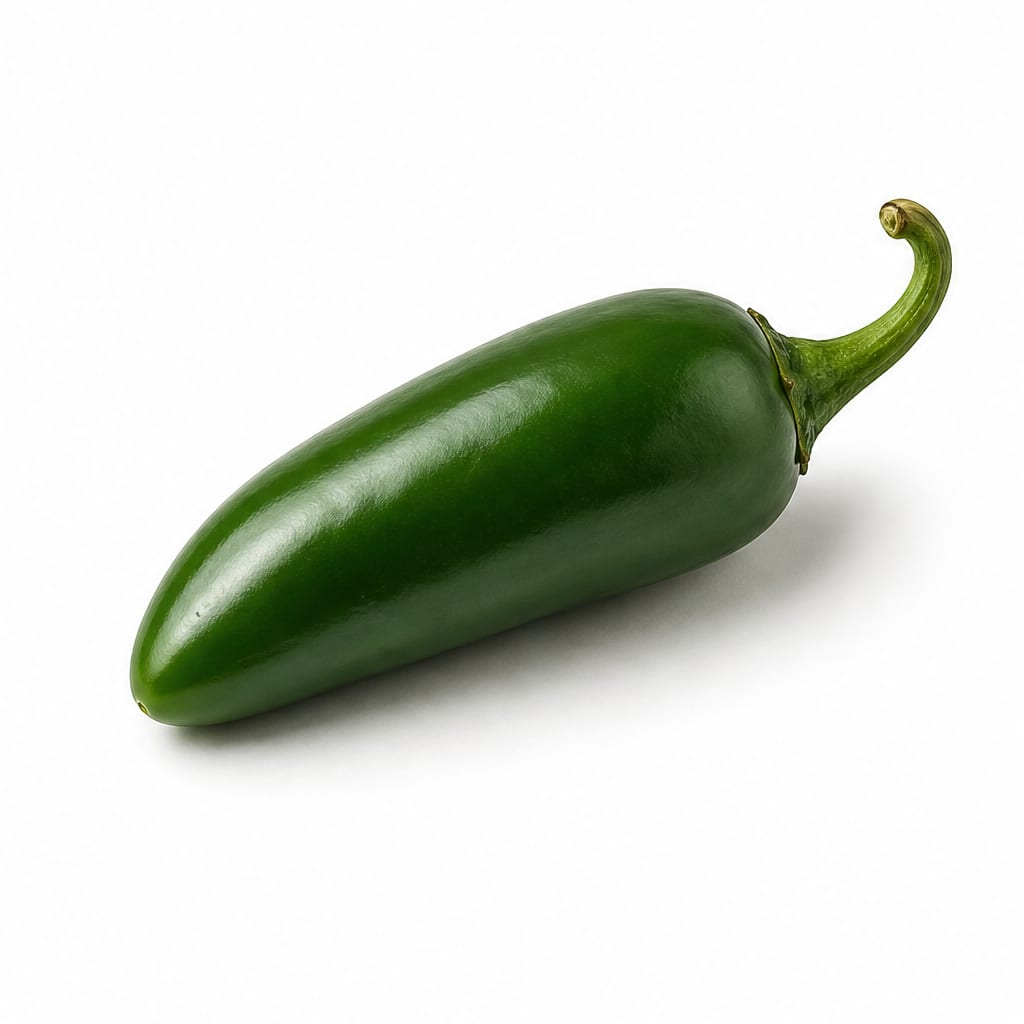
Compare with
Jalapeno
Jalapenos offer a milder heat and thicker flesh, while facing heaven peppers are significantly spicier and better for high-heat dishes.
Facing heaven peppers provide more capsaicin for a metabolic boost, while jalapenos offer milder heat and thicker flesh for satiety.
This food
Facing Heaven Pepper
VS95% alike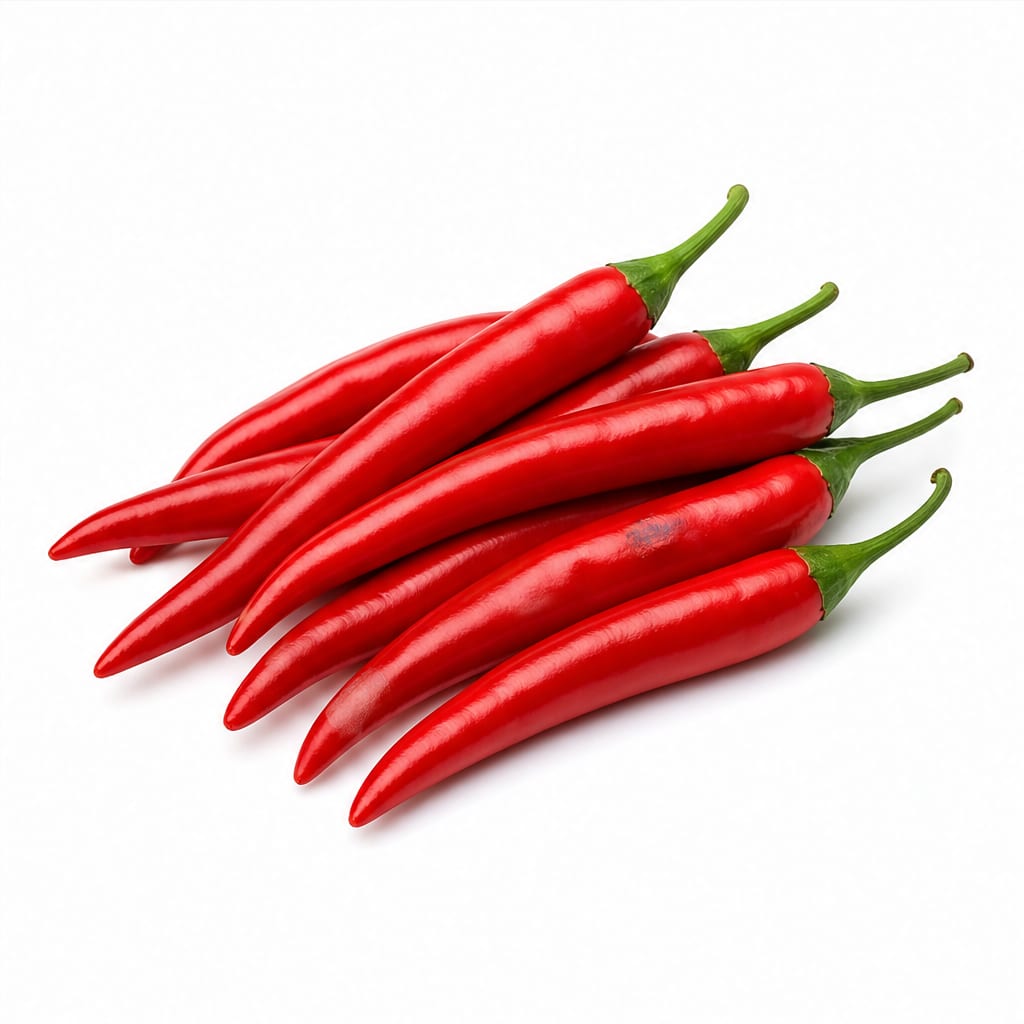
Compare with
Cayenne Pepper
Cayenne is usually sold dried and ground, while facing heaven is often used whole or sliced fresh.
Cayenne and facing heaven peppers share similar heat and metabolism benefits, but facing heaven is more commonly used fresh in Asian stir-fries.
This food
Facing Heaven Pepper
VS90% alike
Compare with
Thai Bird's Eye Chili
Bird's eye chilies are slightly hotter and more common in Southeast Asian food, while facing heaven is a Sichuan staple.
Thai bird's eye chilies are slightly hotter and used in Southeast Asian dishes, while facing heaven peppers are a staple in Sichuan cooking.
This food
Facing Heaven Pepper
VS50% alike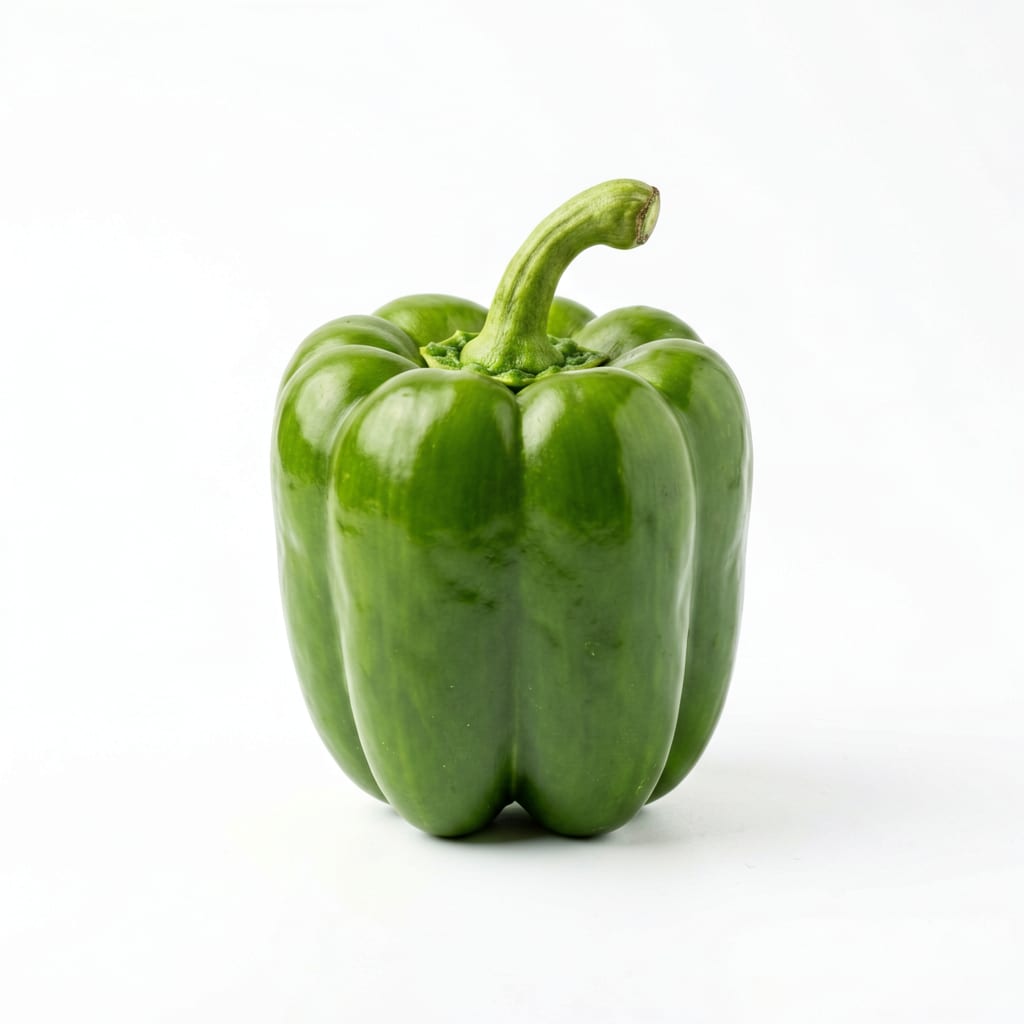
Compare with
Bell Pepper
Bell peppers are sweet, bulky, and vitamin C rich, while facing heaven peppers are spicy, lightweight, and capsaicin rich.
Bell peppers provide high volume and zero heat for satiety, while facing heaven peppers offer a metabolism boost from capsaicin.
This food
Facing Heaven Pepper
VS70% alike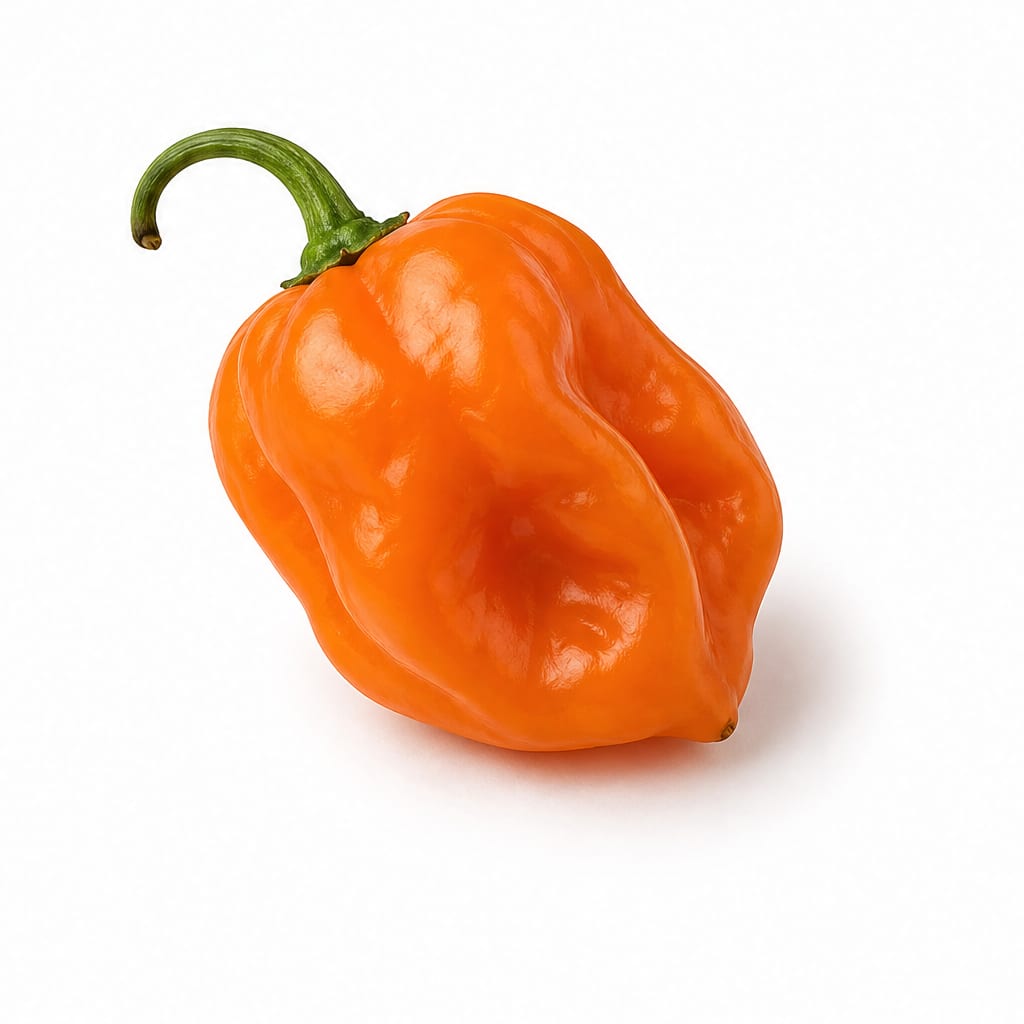
Compare with
Habanero
Habaneros have a fruity flavor and extreme heat, whereas facing heaven peppers have an earthy heat more suited for savory dishes.
Habaneros deliver extreme heat and a fruity flavor, while facing heaven peppers offer a more manageable earthy heat for everyday cooking.
This food
Facing Heaven Pepper
VS80% alike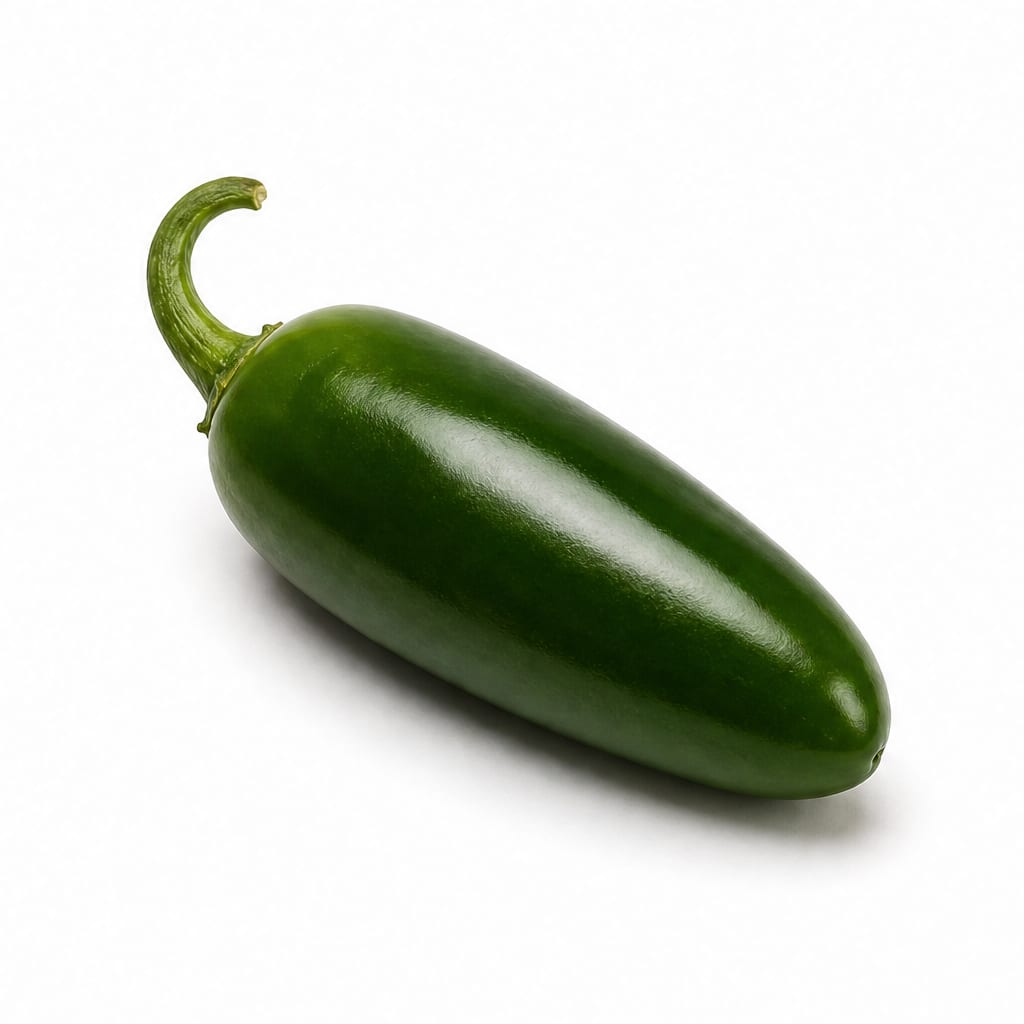
Compare with
Serrano Pepper
Serranos are milder and fleshier, making them better for roasting, while facing heaven peppers are spicier and better for stir-fries.
Serrano peppers are fleshier and milder for roasting, while facing heaven peppers are spicier and better suited for quick stir-frying.
This food
Facing Heaven Pepper
VS45% alike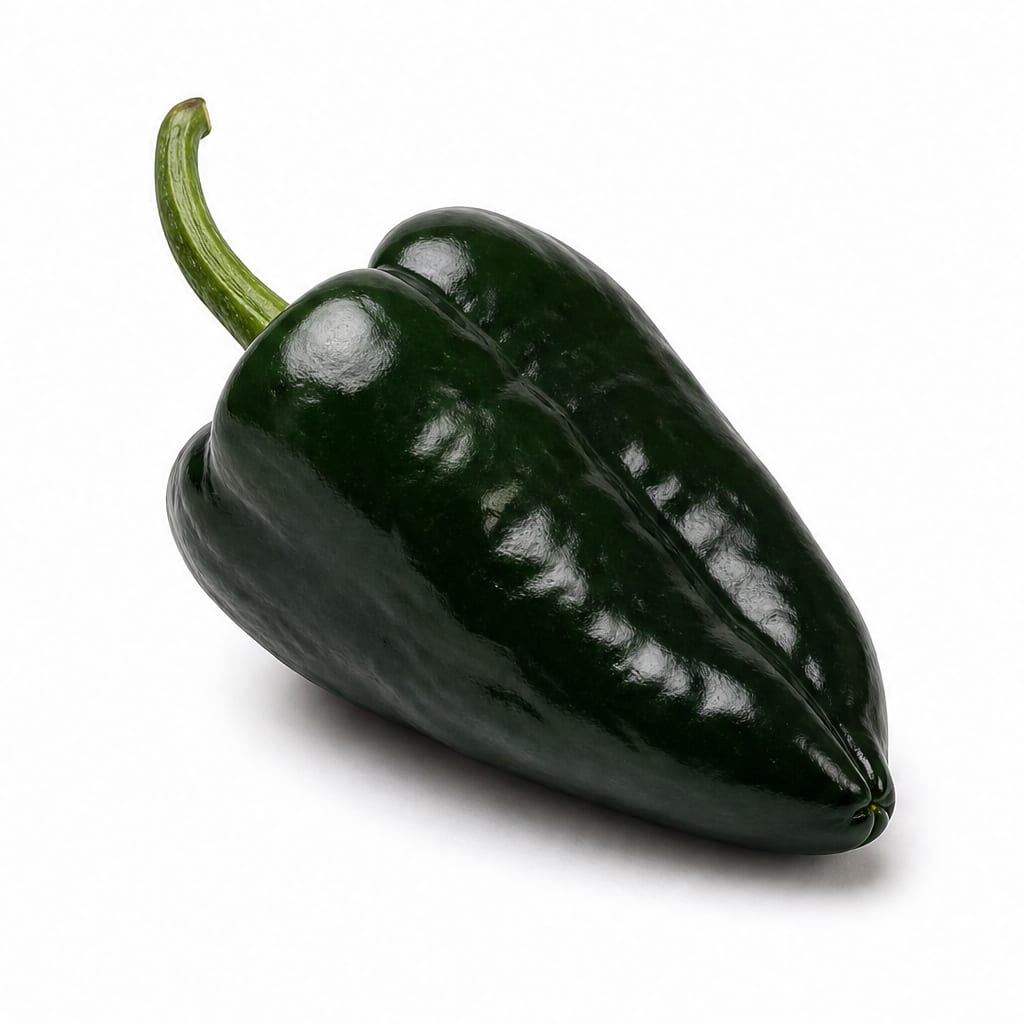
Compare with
Poblano Pepper
Poblanos are mild and ideal for stuffing, whereas facing heaven peppers are hot and used as a flavor accent.
Poblanos offer mild flavor and high volume for stuffing, while facing heaven peppers provide intense heat and metabolic benefits as a garnish.
This food
Facing Heaven Pepper
VS60% alike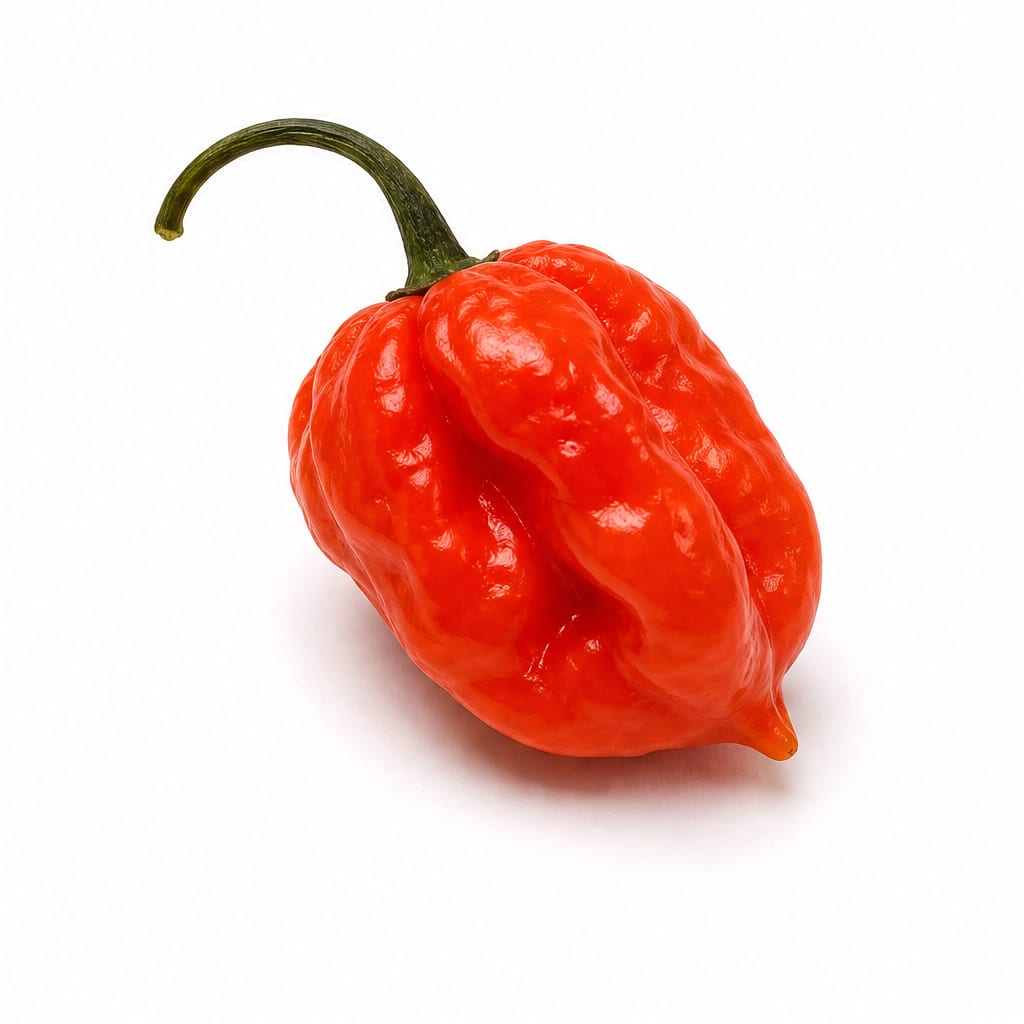
Compare with
Ghost Pepper
Ghost peppers are among the hottest in the world, used in extreme challenges, while facing heaven peppers are a culinary staple.
Ghost peppers are far too hot for most cooking, whereas facing heaven peppers offer a more accessible, culinary-friendly heat.
This food
Facing Heaven Pepper
VS65% alike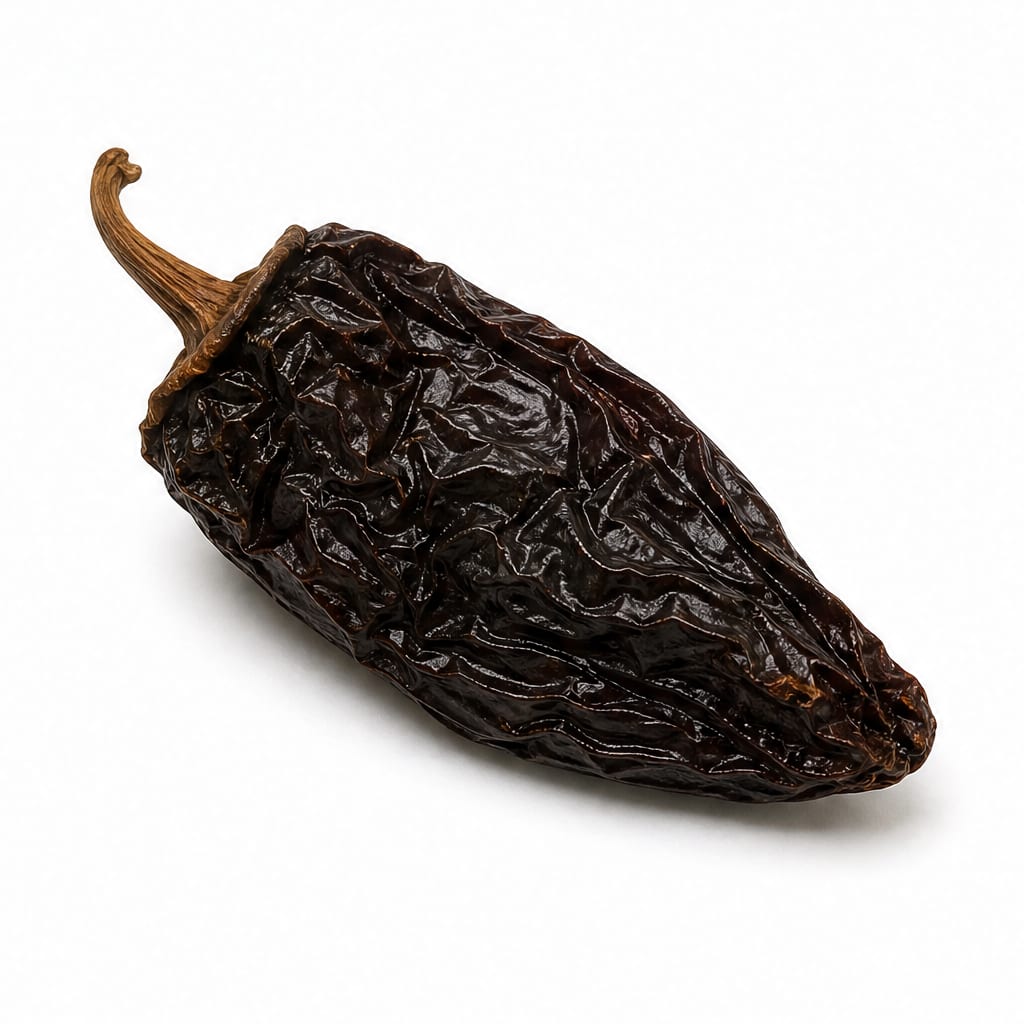
Compare with
Chipotle Pepper
Chipotles provide smoky depth and moderate heat, while facing heaven peppers offer fresh, sharp heat.
Chipotle peppers add smoky flavor and moderate heat, while facing heaven peppers deliver fresh, sharp spice with fewer calories and carbs.
This food
Facing Heaven Pepper
VS55% alike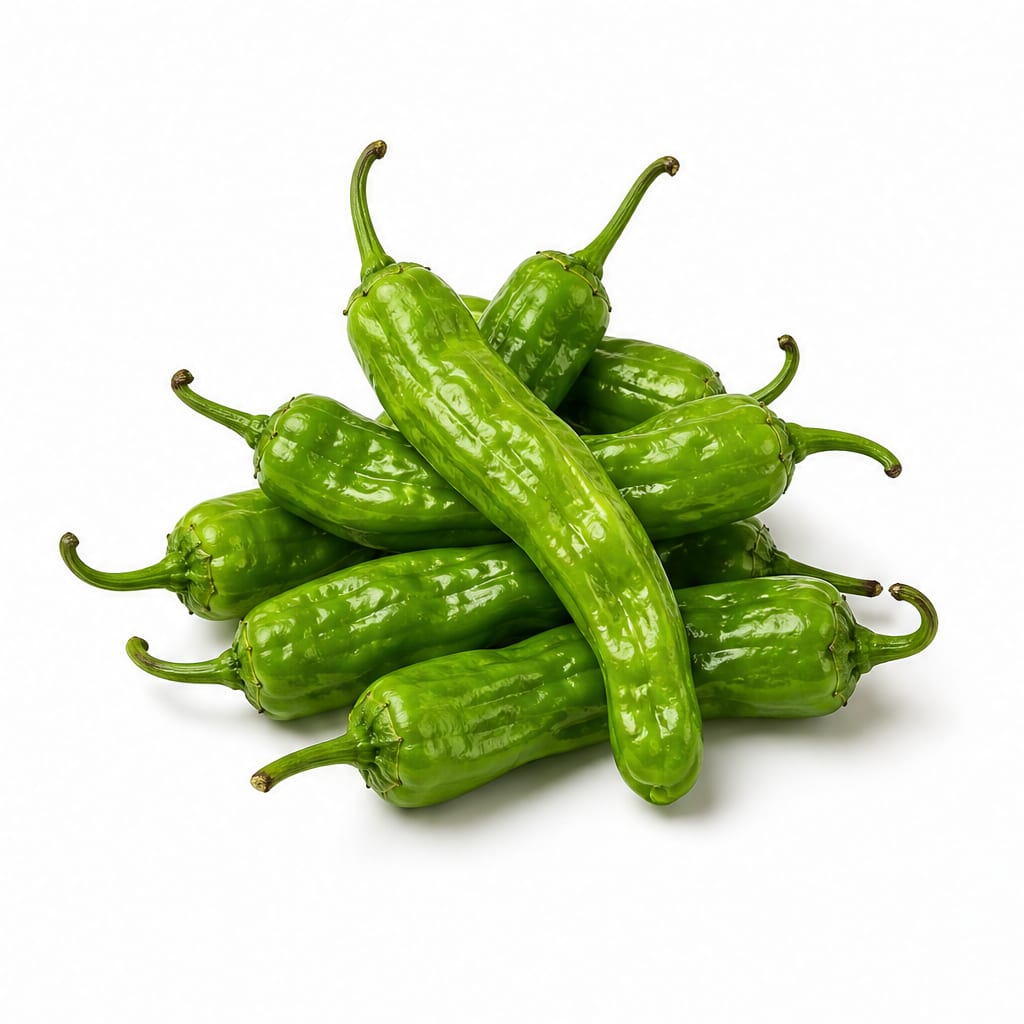
Compare with
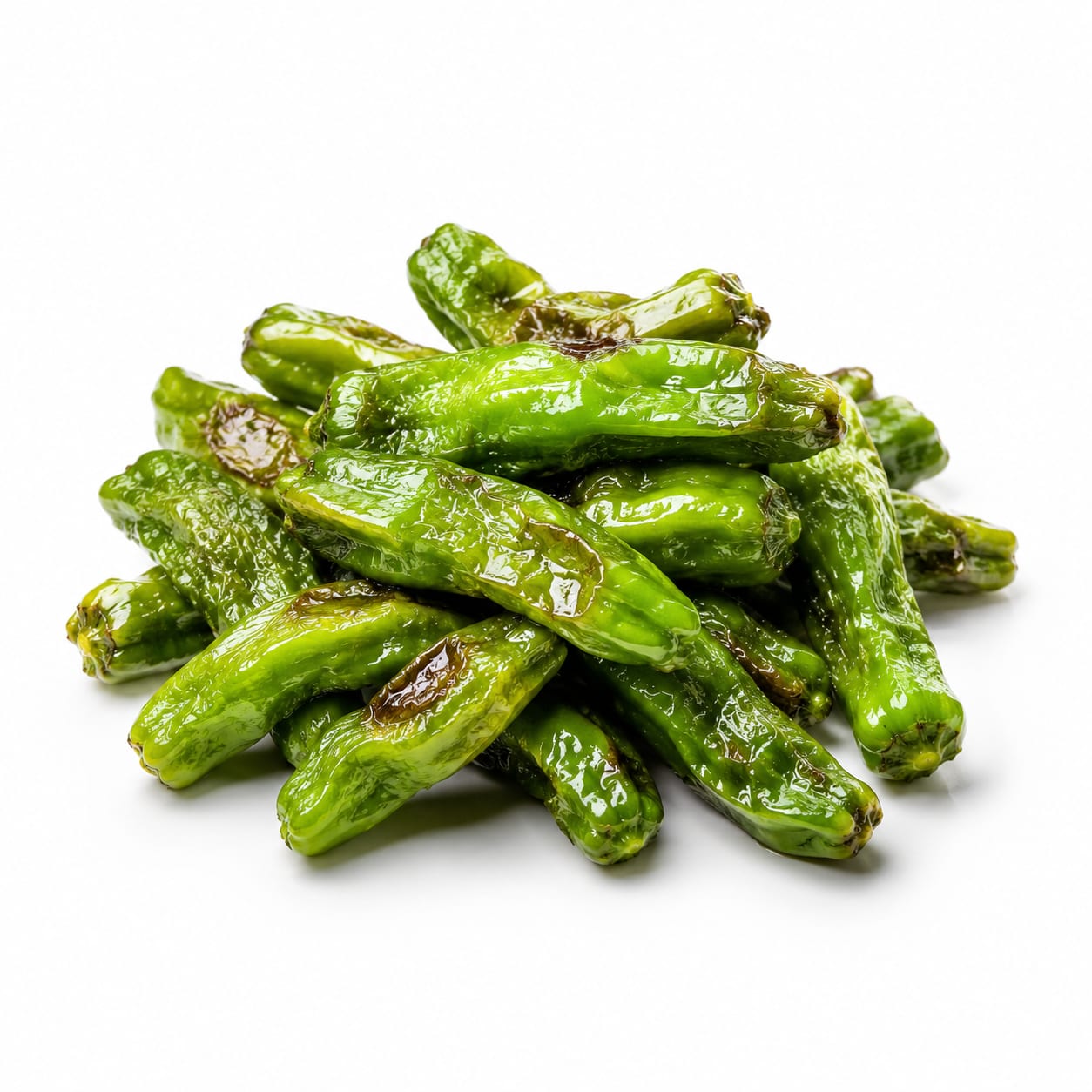
Shishito Pepper
Shishitos are mild and blistered as an appetizer, while facing heaven peppers are hot and used as a seasoning.
Shishito peppers are mild and eaten as a high-volume snack, while facing heaven peppers are spicy and used sparingly for metabolic benefits.
Common questions
FAQ
Answers aligned with how people search for this food.
How hot is a facing heaven pepper?
Facing heaven peppers range from 30,000 to 50,000 Scoville Heat Units (SHU), making them moderately to highly spicy, similar to a cayenne or tabasco pepper.
Are facing heaven peppers good for weight loss?
Yes, they are very low in calories and contain capsaicin, which can slightly boost metabolism and fat oxidation, supporting weight loss efforts.
Can diabetics eat facing heaven peppers?
Yes, they have an extremely low glycemic index and load. Capsaicin may also help improve insulin sensitivity, making them a safe and beneficial flavoring for diabetics.
What is a good substitute for facing heaven pepper?
Cayenne peppers or Thai bird's eye chilies are the best substitutes, offering a similar heat level and culinary profile.
Do facing heaven peppers boost metabolism?
Yes, the capsaicin in these peppers can induce a mild thermogenic effect, temporarily increasing calorie burn and fat oxidation.
Are facing heaven peppers bad for your stomach?
In moderation, they are safe for most people. However, excessive consumption can irritate the stomach lining and cause heartburn, especially in those with ulcers or GERD.
How do you cook facing heaven peppers?
They are commonly dry-fried, stir-fried with garlic, or used in Sichuan chili oil. Brief cooking mellows the raw heat while releasing aromatic flavors.
Can you eat facing heaven peppers raw?
While safe to eat raw, their intense heat makes them difficult to consume in large quantities. They are usually cooked or used as a garnish.
Transparency
Data confidence
Estimated confidence for nutrition data, interpretation, safety notes, and comparisons.
Nutrition data
Health analysis
Food safety
Comparisons