
Nutrition comparison
Facing Heaven Pepper vs Bell Pepper: Which Is Healthier for Daily Use?
Compare Facing Heaven Peppers and Bell Peppers on nutrition, digestion, capsaicin benefits, and everyday usability. Find out which pepper fits your health goals and cooking style.
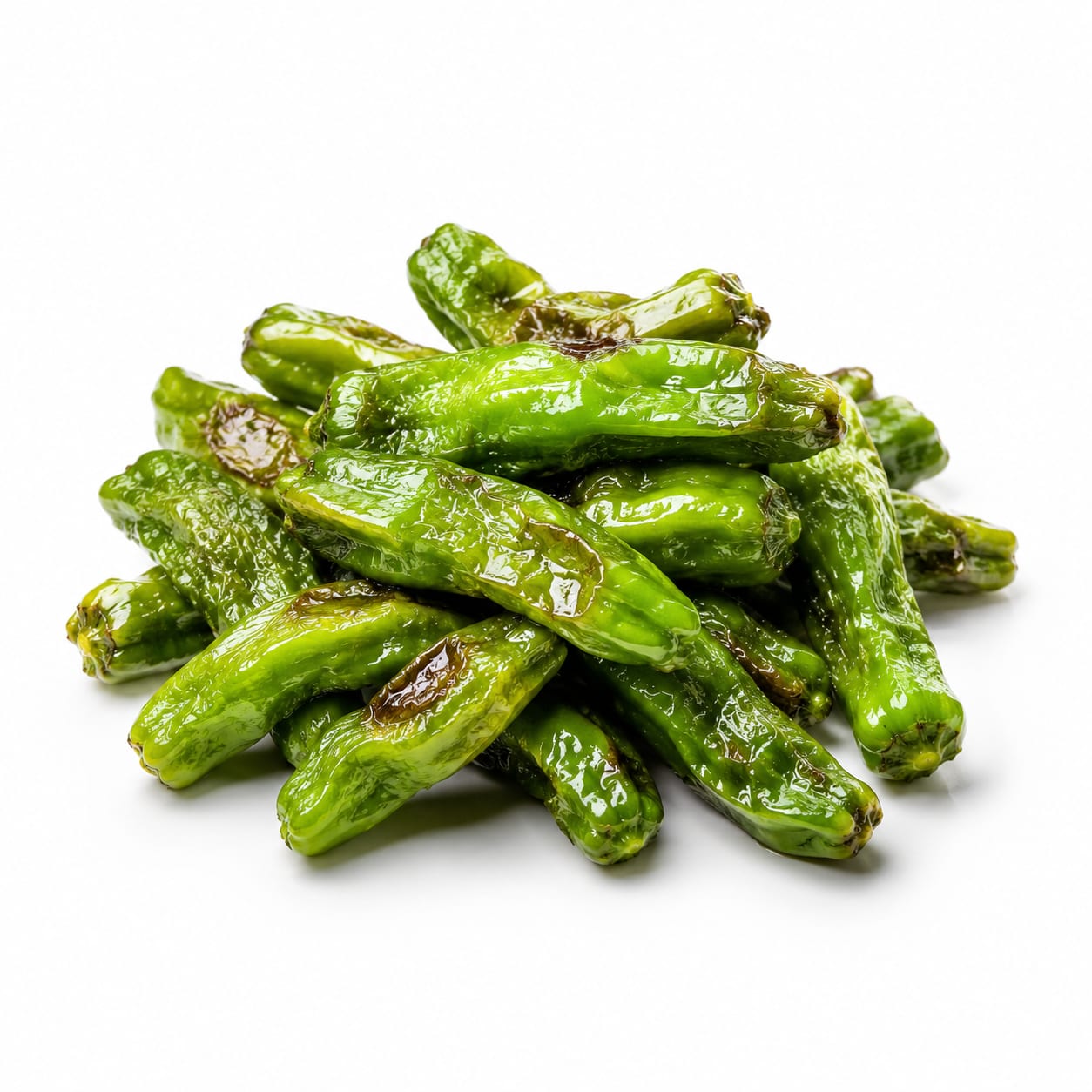
Facing Heaven Pepper
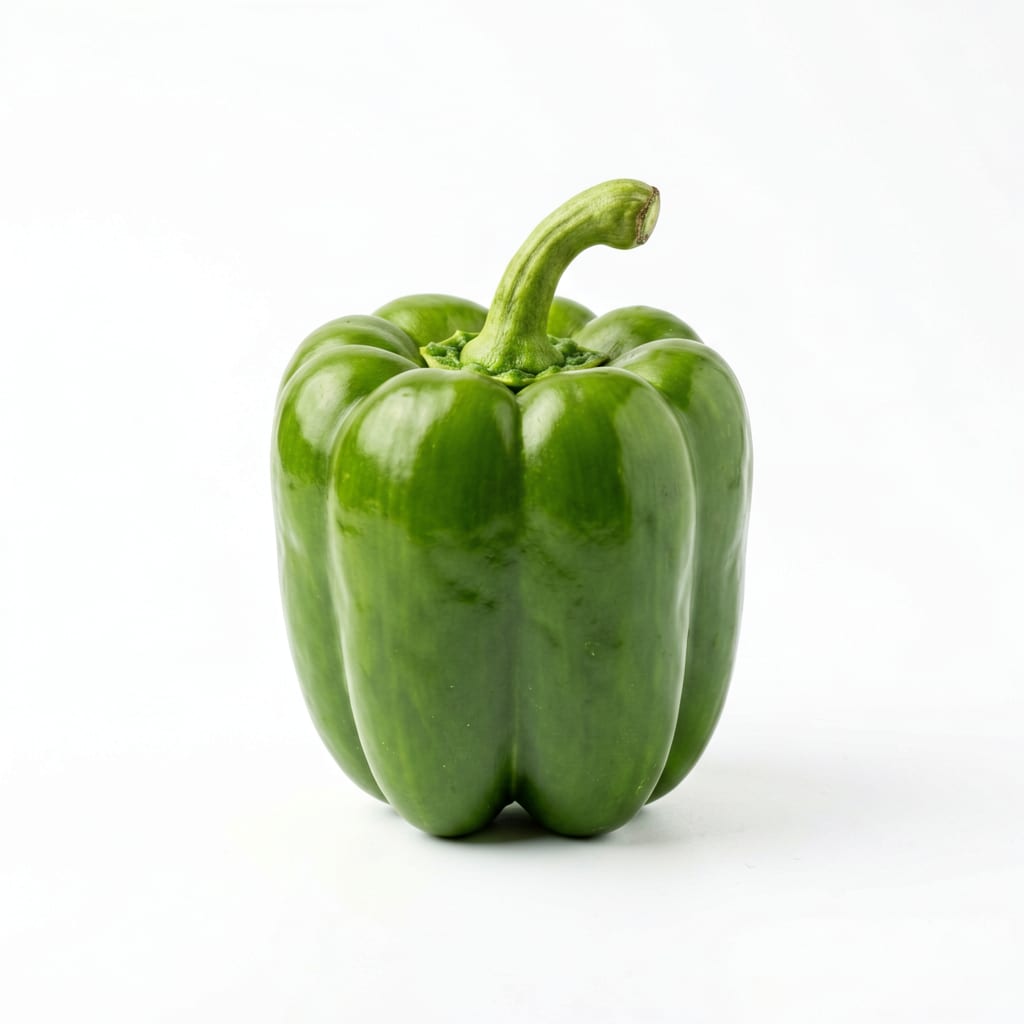
Bell Pepper
Bell Peppers are the everyday workhorse — mild, versatile, and easy on the stomach. Facing Heaven Peppers are a targeted tool for heat lovers seeking metabolic and circulatory benefits.
Bell Peppers score higher overall due to broader usability, gentler digestion, and everyday safety. Facing Heaven Peppers earn strong marks for capsaicin benefits but lose points on limited audience fit and digestive risk.
You trade comfort and versatility for capsaicin-driven health perks and bold flavor intensity.
At a glance
Executive summary
Overall
It depends
Healthier
It depends
More practical
Bell Pepper
Daily use
Bell Pepper
Key comparison lenses
Heat tolerance and digestive comfort
The defining difference is capsaicin content — Facing Heaven Peppers bring significant heat while Bell Peppers are completely mild
Daily eating sustainability
Users need to know whether they can eat one or both regularly without stomach issues or flavor fatigue
Vitamin C and antioxidant intake
Both peppers are vitamin C powerhouses but differ in antioxidant profiles due to capsaicin vs anthocyanins
Culinary versatility
Bell Peppers work in nearly any dish; Facing Heaven Peppers are more niche and can overpower other ingredients
Metabolic and anti-inflammatory benefits
Capsaicin in Facing Heaven Peppers offers unique metabolic perks that Bell Peppers cannot match
Best choice for
Facing Heaven Pepper
- People seeking capsaicin's metabolism-boosting effects
- Fans of Sichuan and spicy Chinese cuisine
- Those wanting anti-inflammatory and circulatory benefits from regular heat exposure
- Experienced chili eaters who tolerate spice well
Bell Pepper
- Families with children who need mild flavors
- People with sensitive stomachs or acid reflux
- Anyone meal-prepping large batches needing a neutral vegetable base
- Raw snackers and salad builders
Least suitable for
Facing Heaven Pepper
- People with IBS, gastritis, or acid reflux
- Children and spice-sensitive individuals
- Anyone taking anticoagulant medications without medical advice
Bell Pepper
- Those specifically seeking capsaicin's metabolic or pain-relief benefits
- Cooks wanting authentic Sichuan flavor profiles
Deep comparison
Dimension by dimension
Each lens scores both foods and breaks down who each option suits.
- Dimension 1 · Priority 95Bell Pepper
Digestive Tolerance
Facing Heaven Pepper · 35Bell Pepper · 95Bell Peppers are gentle on nearly all digestive systems. Facing Heaven Peppers can irritate sensitive stomachs, trigger heartburn, and worsen reflux.
Tradeoff
The capsaicin that makes Facing Heaven Peppers metabolically beneficial is the same compound that makes them risky for digestion.
Why it matters
If you cannot tolerate a food regularly, its nutritional benefits become theoretical rather than practical.
Real-world impact
A Bell Pepper stir-fry sits comfortably. A Facing Heaven Pepper dish might leave you reaching for antacids at midnight.
Facing Heaven Pepper
- People with well-adapted spice tolerance and no GI conditions
Better for
- People prone to heartburn or GERD
- Those with hemorrhoids or anal fissures
Worse for
Bell Pepper
- Anyone with acid reflux, IBS, or sensitive digestion
- Older adults with more fragile stomachs
- Pregnant women avoiding heartburn triggers
Better for
- No significant digestive downside for most people
Worse for
- Dimension 2 · Priority 82It depends
Vitamin C and Antioxidant Profile
Facing Heaven Pepper · 78Bell Pepper · 85Bell Peppers deliver slightly more vitamin C per serving. Facing Heaven Peppers compensate with capsaicin, a unique antioxidant with anti-inflammatory and metabolic properties.
Tradeoff
You get more raw vitamin C from Bell Peppers but a broader spectrum of bioactive compounds from Facing Heaven Peppers.
Why it matters
Vitamin C supports immunity and skin. Capsaicin supports metabolism, pain modulation, and circulation — benefits vitamin C alone cannot provide.
Real-world impact
Eating a red Bell Pepper covers your daily vitamin C easily. Eating Facing Heaven Peppers regularly may subtly boost metabolism and reduce inflammation over time.
Facing Heaven Pepper
- Those specifically wanting capsaicin's anti-inflammatory and metabolic effects
- People already getting adequate vitamin C from other sources
Better for
- People who lose nutrients because they cannot eat large volumes due to heat
Worse for
Bell Pepper
- Anyone prioritizing maximum vitamin C per bite
- People wanting reliable antioxidant intake without digestive risk
Better for
- Those missing the unique circulatory and pain-relief benefits of capsaicin
Worse for
- Dimension 3 · Priority 78Bell Pepper
Culinary Versatility
Facing Heaven Pepper · 40Bell Pepper · 92Bell Peppers work raw, roasted, stuffed, sautéed, or blended into sauces. Facing Heaven Peppers are a condiment-level ingredient — powerful but dominating.
Tradeoff
You can build an entire dish around Bell Peppers. Facing Heaven Peppers are a supporting actor that can hijack the whole plate if overused.
Why it matters
A versatile ingredient gets eaten more often, which means more consistent nutritional benefit in real life.
Real-world impact
Bell Peppers go in salads, omelets, pasta, and fajitas without thinking. Facing Heaven Peppers require careful dosing and cuisine matching.
Facing Heaven Pepper
- Sichuan and Hunan dishes where heat is the point
- Experienced cooks who understand heat layering
Better for
- Mild cuisine traditions like Japanese or Scandinavian cooking
- Dishes where pepper flavor should not dominate
Worse for
Bell Pepper
- Weeknight cooks needing a reliable vegetable
- Families with mixed spice preferences
- Meal preppers making large neutral batches
Better for
- Authentic spicy Asian recipes requiring real chili heat
Worse for
- Dimension 4 · Priority 72Facing Heaven Pepper
Metabolic and Circulatory Benefits
Facing Heaven Pepper · 88Bell Pepper · 45Capsaicin in Facing Heaven Peppers boosts thermogenesis, may improve blood flow, and has documented pain-relief properties. Bell Peppers offer none of these effects.
Tradeoff
You gain real metabolic upside from Facing Heaven Peppers but must tolerate the heat and potential stomach irritation to access it.
Why it matters
For people managing weight, mild chronic pain, or poor circulation, capsaicin is one of the few food-based interventions with solid evidence.
Real-world impact
Regular Facing Heaven Pepper consumption might slightly increase daily calorie burn and reduce joint discomfort. Bell Peppers will not do either.
Facing Heaven Pepper
- People seeking natural metabolism support
- Those with mild joint pain or poor circulation
- Anyone trying to reduce sodium by adding flavor through heat instead
Better for
- People who cannot eat enough regularly due to heat intolerance
Worse for
Bell Pepper
- No meaningful metabolic advantage over any other mild vegetable
Better for
- Those relying solely on food for metabolic or circulatory support
Worse for
- Dimension 5 · Priority 85Bell Pepper
Everyday Eating Sustainability
Facing Heaven Pepper · 38Bell Pepper · 90Bell Peppers are easy to eat daily in large quantities. Facing Heaven Peppers are exhausting to eat frequently and most people naturally limit portions.
Tradeoff
A food you can eat freely every day delivers more total nutrition than a theoretically superior food you can only tolerate in tiny amounts.
Why it matters
Consistency beats intensity in nutrition. The best food for you is one you actually eat regularly.
Real-world impact
You can easily eat a whole Bell Pepper at lunch. Most people stop at one or two Facing Heaven Peppers per meal — that is a fraction of the total nutrients.
Facing Heaven Pepper
- Heat-adapted eaters in cultures where daily chili is normal
Better for
- People who develop spice fatigue and stop eating them after a few weeks
Worse for
Bell Pepper
- Most Western eaters who prefer variety without discomfort
- Anyone building a sustainable long-term eating pattern
Better for
- No real sustainability downside — they are one of the easiest vegetables to keep eating
Worse for
Timeline
Health impact over time
Short-term
Hours to days
Facing Heaven Pepper
- Immediate warming sensation and mild sweating from capsaicin
- Possible heartburn or stomach discomfort in sensitive individuals
- Temporary metabolism boost lasting 1-2 hours after eating
- Nasal clearing and sinus drainage effects
Bell Pepper
- Comfortable digestion with no irritation
- Quick vitamin C absorption supporting immune function
- Hydrating crunch with no blood sugar disruption
- Mild satiety from fiber and water content
Long-term
Months to years
Facing Heaven Pepper
- Potential improved circulation and cardiovascular markers from regular capsaicin intake
- Possible reduced chronic inflammation and mild pain relief
- Risk of worsening GERD or developing gastric irritation if overconsumed
- Adaptation effect: tolerance builds over time, requiring more for the same sensation
Bell Pepper
- Consistent vitamin C intake supporting skin health and immunity
- Steady fiber contribution to gut health and regularity
- No digestive side effects even with daily consumption
- Carotenoid accumulation supporting eye health over years
Risk profile
Safety & processing
Both peppers are whole, unprocessed vegetables typically sold fresh. Neither carries meaningful additive concerns. The only processing consideration is that dried Facing Heaven Peppers may contain preservatives like sulfur dioxide — check labels if buying dried.
Facing Heaven Pepper
Capsaicin skin and eye irritation during preparation
mediumHandling Facing Heaven Peppers without gloves can cause burning sensations on skin and severe eye irritation if you touch your face. Always wash hands thoroughly or wear gloves.
Pesticide residue on conventional crops
lowChili peppers can carry pesticide residues. Washing thoroughly or choosing organic reduces exposure.
Overconsumption gastric distress
mediumEating too many at once can cause acute stomach pain, vomiting, or diarrhea in unaccustomed individuals.
Bell Pepper
Pesticide residue on conventional crops
lowBell Peppers consistently appear on EWG's Dirty Dozen list. Washing helps but organic is preferable if budget allows.
Nightshade sensitivity
lowRare but some individuals with nightshade sensitivity experience joint pain or inflammation from Bell Peppers.
Who wins for whom
Audience fit
Same foods, different winners depending on your goal.
children
Bell PepperChildren almost universally reject intense heat. Bell Peppers are sweet, crunchy, and colorful — far more kid-friendly.
daily consumption
Bell PepperYou can eat Bell Peppers every day without any downside. Daily Facing Heaven Peppers risk cumulative gastric irritation for most people.
diabetes
Facing Heaven PepperCapsaicin may improve insulin sensitivity and glucose metabolism. Both peppers are low glycemic, but Facing Heaven Peppers offer an additional metabolic advantage.
elderly
Bell PepperOlder adults are more prone to acid reflux and digestive sensitivity. Bell Peppers are safer and easier to chew when cooked.
muscle gain
Bell PepperNeither pepper is a protein source, but Bell Peppers provide more vitamin C which supports collagen synthesis and recovery. You can also eat them in larger volumes alongside protein-rich meals.
weight loss
Facing Heaven PepperCapsaicin increases thermogenesis and may reduce appetite slightly, giving Facing Heaven Peppers a modest metabolic edge for weight management — if you can tolerate them.
Your move
Decision guide
Choose Facing Heaven Pepper
- You enjoy spicy food and have no digestive issues
- You want capsaicin's metabolic, circulatory, or pain-relief benefits
- You cook Sichuan, Hunan, or other spicy Asian cuisines regularly
- You are looking to add bold flavor without adding sodium or fat
Choose Bell Pepper
- You want a versatile vegetable you can eat raw, cooked, or stuffed
- You have acid reflux, IBS, or a sensitive stomach
- You are feeding a family with mixed spice tolerances
- You want maximum vitamin C per comfortable bite
Either works if
- You are making a stir-fry and can use both — Bell Peppers for bulk and sweetness, Facing Heaven Peppers for heat
- You want to increase your daily vegetable intake and enjoy both flavors
Avoid both if
- You have a confirmed nightshade allergy or sensitivity
- You are on a very restricted low-FODMAP diet and react to peppers
Final recommendation
Keep both in your kitchen. Use Bell Peppers as your daily vegetable foundation — they are safe, versatile, and nutrient-dense. Add Facing Heaven Peppers strategically when you want heat, metabolic benefits, or authentic Asian flavor. Think of Bell Peppers as your staple and Facing Heaven Peppers as your spice tool.
Practical
Consumer tips
- 1
Wear gloves when handling Facing Heaven Peppers and never touch your eyes afterward
- 2
Buy organic Bell Peppers when possible — they rank high for pesticide residue
- 3
Start with one Facing Heaven Pepper per dish and adjust upward as your tolerance builds
- 4
Roasting Bell Peppers brings out natural sweetness and makes them easier to digest
- 5
Dried Facing Heaven Peppers are convenient but check for sulfur dioxide preservatives
- 6
Remove Facing Heaven Pepper seeds to reduce heat while keeping the flavor
- 7
Freeze excess Bell Peppers chopped for easy weeknight cooking — they freeze well