
Nutrition comparison
Facing Heaven Pepper vs Habanero: Heat, Health Benefits, and Which to Cook With
Comparing Facing Heaven Pepper and Habanero on heat level, capsaicin content, flavor, and daily usability. Find out which chili fits your cooking and health goals.
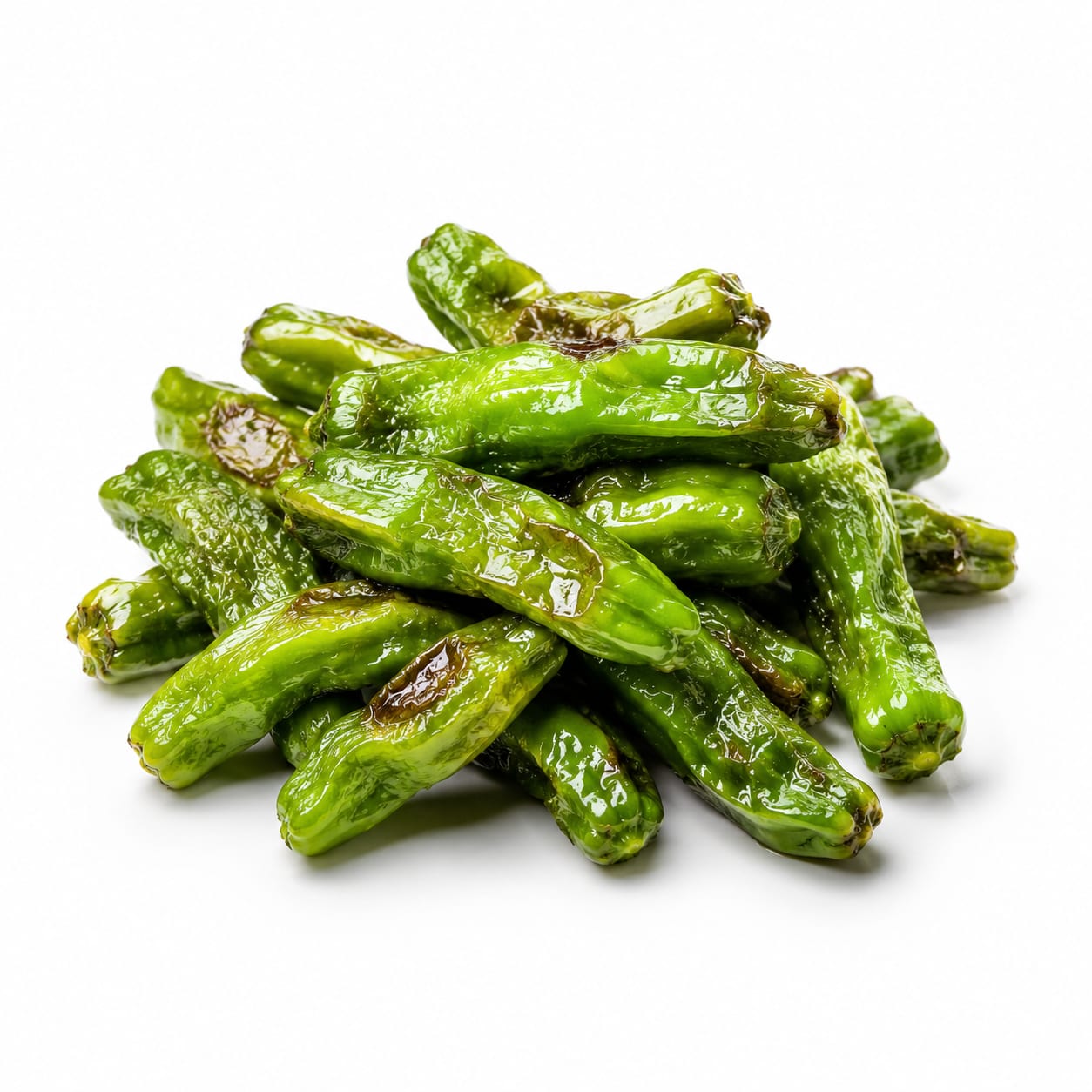
Facing Heaven Pepper
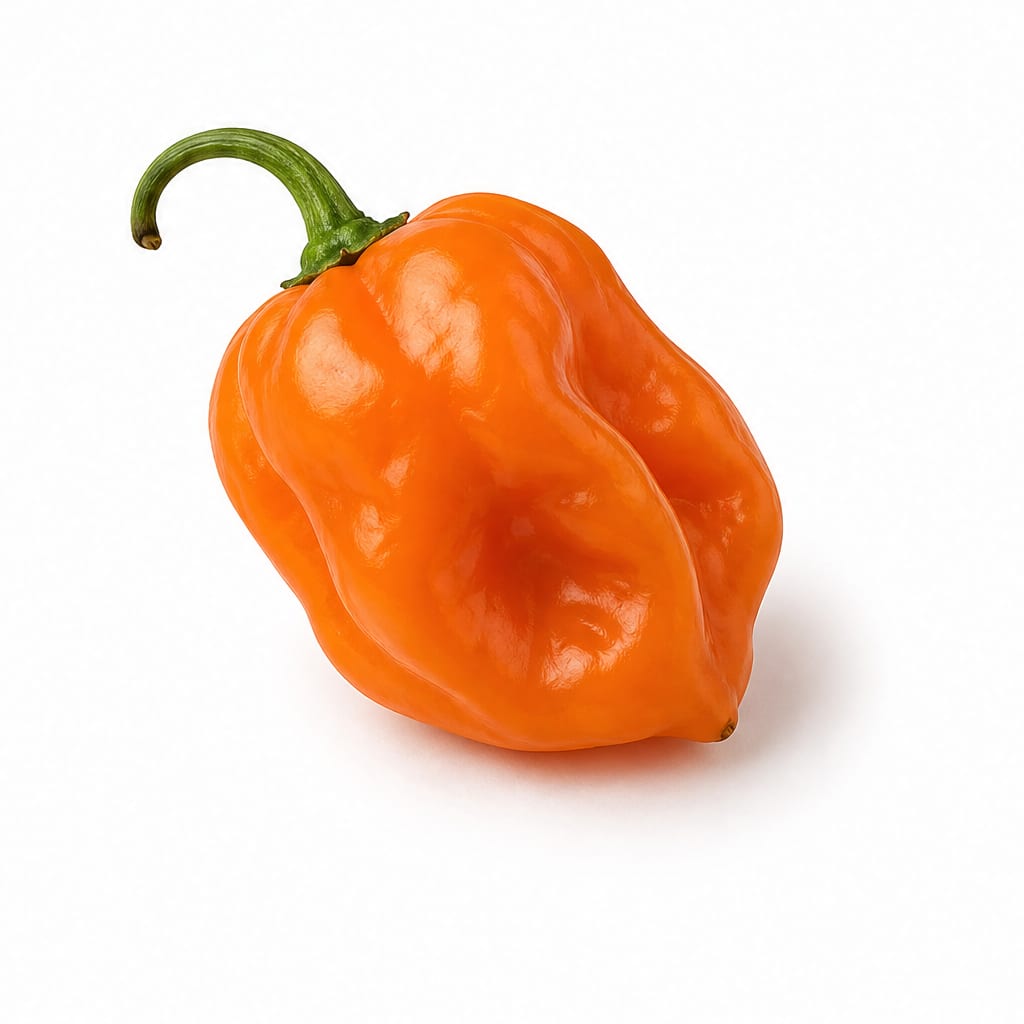
Habanero
Facing Heaven Pepper is your everyday workhorse chili — hot enough to matter, gentle enough to cook with freely. Habanero is a specialty powerhouse — more capsaicin per gram, but most people can only use tiny amounts.
Facing Heaven Pepper scores slightly higher for practical daily nutrition — you can actually eat meaningful quantities. Habanero wins on capsaicin density and flavor uniqueness but loses points because most people consume such tiny amounts that the nutritional edge shrinks in practice.
Habanero delivers far more capsaicin and flavor intensity per pepper, but Facing Heaven Pepper lets you actually eat enough of it to benefit daily without pain.
At a glance
Executive summary
Overall
It depends
Healthier
It depends
More practical
Facing Heaven Pepper
Daily use
Facing Heaven Pepper
Key comparison lenses
heat tolerance and usability
The massive Scoville gap between these peppers is the defining factor for most users — one is cookable daily, the other demands caution
capsaicin health benefits
Both deliver capsaicin-related perks but at very different intensities, affecting how much you can realistically consume
culinary versatility
Facing Heaven Pepper integrates easily into stir-fries and everyday cooking; Habanero dominates specific cuisines but limits broad use
flavor complexity
Habanero offers a distinctive fruity citrus profile; Facing Heaven Pepper brings a cleaner sharper heat with subtle smokiness
digestive safety
High capsaicin intake can irritate the GI tract, and Habanero's intensity makes overconsumption risk much more likely
Best choice for
Facing Heaven Pepper
- Daily stir-fry and noodle dishes
- People who want noticeable heat without suffering
- Cooking for groups with mixed spice tolerance
- Dried chili preparations and chili oil
- Gradual capsaicin intake throughout the week
Habanero
- Hot sauce and salsa making
- Experienced chiliheads seeking intense heat
- Maximum capsaicin from minimal pepper volume
- Caribbean and Yucatan cuisine authenticity
- Small-batch flavor bombs for marinades
Least suitable for
Facing Heaven Pepper
- Anyone seeking extreme heat experiences
- Cuisines that specifically need Habanero's fruity profile
- Extract-style hot sauce production
Habanero
- Sensitive stomachs or GERD sufferers
- Cooking for children or spice beginners
- Dishes where you want generous pepper volume without overwhelming heat
- Casual weeknight cooking for mixed palates
Deep comparison
Dimension by dimension
Each lens scores both foods and breaks down who each option suits.
- Dimension 1 · Priority 95Facing Heaven Pepper
heat_manageability
Facing Heaven Pepper · 82Habanero · 35Facing Heaven Pepper sits in the 30,000–50,000 SHU range — serious heat but cookable. Habanero hits 100,000–350,000 SHU, which is 3–10x hotter and demands careful handling.
Tradeoff
Habanero's extreme heat means you get more capsaicin per bite but far fewer bites. Facing Heaven Pepper lets you use whole peppers generously without hijacking the dish.
Why it matters
If you cannot comfortably eat a food, its health benefits become theoretical. Tolerable heat that you actually consume daily beats extreme heat that sits in the fridge.
Real-world impact
One Facing Heaven Pepper can go into a stir-fry for four people and everyone enjoys it. Half a Habanero in the same dish might be too much for two of those people.
Facing Heaven Pepper
- Family meals
- Developing spice tolerance gradually
- Dishes where heat complements rather than dominates
Better for
- People who specifically want extreme heat
Worse for
Habanero
- Thrill-seekers who want maximum burn
- Recipes where a tiny amount must carry all the heat
Better for
- Anyone with low spice tolerance
- Casual cooks who might accidentally over-spice
Worse for
- Dimension 2 · Priority 88Habanero
capsaicin_potential
Facing Heaven Pepper · 55Habanero · 92Habanero delivers dramatically more capsaicin per gram — linked to metabolism boost, pain relief, and anti-inflammatory effects. Facing Heaven Pepper provides meaningful but modest amounts.
Tradeoff
More capsaicin only helps if you consume it. A whole Facing Heaven Pepper may deliver more total capsaicin than the tiny Habanero sliver most people can tolerate.
Why it matters
Capsaicin research often uses doses equivalent to eating several hot peppers daily. The pepper you can actually eat several of wins the real-world capsaicin race.
Real-world impact
Eating three Facing Heaven Peppers across a day feels doable. Eating three Habaneros feels like a dare, not a diet choice.
Facing Heaven Pepper
- Cumulative daily capsaicin from normal portions
- Consistent low-dose anti-inflammatory intake
Better for
- Situations requiring high single-dose capsaicin
Worse for
Habanero
- Maximum capsaicin per gram consumed
- Concentrated dose from minimal volume
Better for
- Anyone who cannot tolerate enough volume to realize the capsaicin advantage
Worse for
- Dimension 3 · Priority 78It depends
flavor_versatility
Facing Heaven Pepper · 75Habanero · 78Habanero brings a unique fruity citrus flavor that defines Caribbean and Yucatan dishes. Facing Heaven Pepper offers a cleaner sharper heat that blends into almost anything without asserting a personality.
Tradeoff
Habanero's distinctive flavor is a star or an intruder depending on the cuisine. Facing Heaven Pepper's neutral heat profile is more flexible but less exciting.
Why it matters
Flavor determines whether you keep reaching for a pepper or it becomes a one-time experiment. Versatility wins for daily cooking; uniqueness wins for signature dishes.
Real-world impact
Facing Heaven Pepper disappears into a soup, stir-fry, or noodle dish seamlessly. Habanero transforms whatever it touches — sometimes brilliantly, sometimes awkwardly.
Facing Heaven Pepper
- Chinese and Southeast Asian dishes
- Dried chili flakes and chili oil
- Any dish where heat should blend in
Better for
- Cuisines where fruity heat is expected
Worse for
Habanero
- Tropical salsas and fruit-based hot sauces
- Jerk marinades and Yucatan recados
- Dishes where fruity heat is the point
Better for
- Delicate dishes where the fruity profile clashes
- East Asian recipes that expect clean neutral heat
Worse for
- Dimension 4 · Priority 72Facing Heaven Pepper
nutritional_accessibility
Facing Heaven Pepper · 80Habanero · 60Both peppers are rich in vitamin C and antioxidants, but Facing Heaven Pepper's moderate heat lets you eat more of it, unlocking more actual nutrition per meal.
Tradeoff
Habanero has slightly higher nutrient density per gram, but the serving size difference is enormous — you might eat 5–10x more Facing Heaven Pepper by weight in a sitting.
Why it matters
Nutrition only counts what you absorb. A pepper you nibble cautiously delivers less vitamin C and fiber than one you cook with generously.
Real-world impact
A stir-fry with three Facing Heaven Peppers gives you real vitamin C, fiber, and capsaicin. A salsa with a quarter Habanero gives you a fraction of those nutrients despite the higher concentration.
Facing Heaven Pepper
- Getting meaningful vitamin C from peppers
- Fiber intake from larger pepper portions
- Consistent daily micronutrient contribution
Better for
- Situations where you need concentrated nutrition in tiny amounts
Worse for
Habanero
- Squeezing maximum nutrition from minimal volume
Better for
- Real-world nutrient totals when serving size is tiny
Worse for
- Dimension 5 · Priority 70Facing Heaven Pepper
digestive_tolerance
Facing Heaven Pepper · 70Habanero · 40Both peppers can irritate sensitive stomachs, but Habanero's extreme capsaicin concentration makes GI distress far more likely, especially for unprepared eaters.
Tradeoff
If you have ironclad digestion, Habanero's intensity may be a non-issue. For everyone else, Facing Heaven Pepper is the safer path to spicy food enjoyment.
Why it matters
Chronic GI irritation from overly spicy food can offset anti-inflammatory benefits. The dose makes the poison, even with healthy compounds.
Real-world impact
Facing Heaven Pepper might cause mild warmth. Habanero can cause cramping, heartburn, or an urgent bathroom trip if you overestimate your tolerance.
Facing Heaven Pepper
- People with mild acid reflux
- Those building spice tolerance slowly
- Older adults with sensitive digestion
Better for
- Not applicable — moderate heat is inherently easier on digestion
Worse for
Habanero
- People with proven high capsaicin tolerance and no GI issues
Better for
- GERD or ulcer sufferers
- Anyone new to spicy food
- People taking NSAIDs regularly which already irritate the stomach
Worse for
Timeline
Health impact over time
Short-term
Hours to days
Facing Heaven Pepper
- Moderate thermogenic boost from manageable capsaicin dose
- Mild endorphin release creating pleasant warmth
- Possible light sweating and appetite suppression
- Unlikely to cause GI distress at normal cooking amounts
Habanero
- Strong thermogenic effect and pronounced endorphin rush
- Significant appetite suppression from intense heat
- Risk of stomach pain, heartburn, or nausea if overconsumed
- Skin and eye irritation during prep if handled carelessly
Long-term
Months to years
Facing Heaven Pepper
- Consistent capsaicin intake supporting metabolic health
- Regular anti-inflammatory contribution from daily cooking use
- Possible cardiovascular benefits from habitual moderate chili consumption
- Low risk of developing GI issues from overuse
Habanero
- Potentially higher capsaicin benefits if consumed consistently in small amounts
- Risk of GI irritation if frequently eaten in quantities beyond personal tolerance
- Same cardiovascular and metabolic benefits as other capsaicin peppers but harder to sustain daily
- Possible desensitization leading to seeking even hotter peppers
Risk profile
Safety & processing
Both are whole fresh peppers with essentially identical naturalness. Choose based on culinary needs, not processing concerns — neither has additives unless sold in jarred or sauce form.
Facing Heaven Pepper
capsaicin skin and eye contact
mediumCan cause burning irritation during prep; less severe than Habanero but still warrants hand washing before touching face
pesticide residue on conventional crops
lowPeppers are on the EWG's Dirty Dozen list; washing thoroughly or choosing organic reduces exposure
Habanero
severe capsaicin burns during preparation
highHabanero capsaicin concentration can cause painful skin burns and serious eye damage; gloves are strongly recommended
accidental overconsumption
highUnderestimating Habanero heat is common and can lead to intense GI distress, vomiting, or even hospital visits in extreme cases
pesticide residue on conventional crops
lowSame concern as Facing Heaven Pepper — wash thoroughly or buy organic
Who wins for whom
Audience fit
Same foods, different winners depending on your goal.
children
Facing Heaven PepperNeither is ideal for young children, but Facing Heaven Pepper at least allows tiny amounts in shared family dishes without overwhelming everyone at the table.
daily consumption
Facing Heaven PepperThis is the core advantage — Facing Heaven Pepper is a daily driver chili. Habanero is a special-occasion ingredient for most people.
diabetes
Facing Heaven PepperRegular moderate capsaicin intake may improve insulin sensitivity. Facing Heaven Pepper's tolerable heat makes daily consumption realistic, which matters more than peak capsaicin density.
elderly
Facing Heaven PepperOlder adults often have more sensitive digestion. Facing Heaven Pepper's moderate heat is far less likely to trigger heartburn or stomach upset.
muscle gain
It dependsNeither pepper directly supports muscle gain. Both add flavor to high-protein meals without calories. Choose based on which you will actually cook with consistently.
weight loss
Facing Heaven PepperModerate heat you can use daily provides consistent appetite suppression and metabolic nudge without the risk of GI distress that derails eating routines.
Your move
Decision guide
Choose Facing Heaven Pepper
- You cook regularly and want a reliable chili that enhances without overwhelming
- You make Chinese, Thai, or Southeast Asian food often
- You share meals with people who have mixed spice tolerances
- You want anti-inflammatory and metabolic benefits from consistent daily use
- You dry peppers or make chili oil at home
Choose Habanero
- You make Caribbean, Mexican, or Yucatan cuisine where fruity heat is traditional
- You are an experienced chilihead who genuinely enjoys extreme heat
- You want maximum capsaicin from the smallest amount of pepper
- You make hot sauce or salsa and need bold flavor personality
- You like the endorphin rush of very spicy food
Either works if
- You just need a chili pepper and both are available — any whole fresh pepper beats dried flakes or hot sauce for nutrition
- You are already eating a diet rich in spicy foods and want variety
Avoid both if
- You have active ulcers, severe GERD, or IBS flares triggered by spicy food
- You are on blood thinners and your doctor has advised against high capsaicin intake
- You have young children who cannot tolerate any heat
Final recommendation
Keep Facing Heaven Pepper in your regular cooking rotation and treat Habanero as a specialty ingredient. The pepper you actually eat three times a week delivers more real health value than the one you admire from a distance. If you love extreme heat and can handle it, Habanero adds a flavor dimension nothing else replicates — just use it with respect and gloves.
Practical
Consumer tips
- 1
Wear gloves when prepping Habanero — the capsaicin oil lingers on fingers for hours and transfers easily to eyes
- 2
Facing Heaven Pepper dries beautifully; string them up and you will have potent dried chilies for months
- 3
Start with a quarter Habanero in any dish and add more — you can always increase heat but cannot undo it
- 4
Both peppers freeze well whole; no need to use the entire bag at once
- 5
If you get Habanero oil on your hands, wash with dish soap or milk, not just water — capsaicin is oil-soluble
- 6
Remove seeds and membranes from either pepper to drop the heat significantly while keeping the flavor
- 7
Buy organic when possible — peppers are among the more pesticide-heavy vegetables