
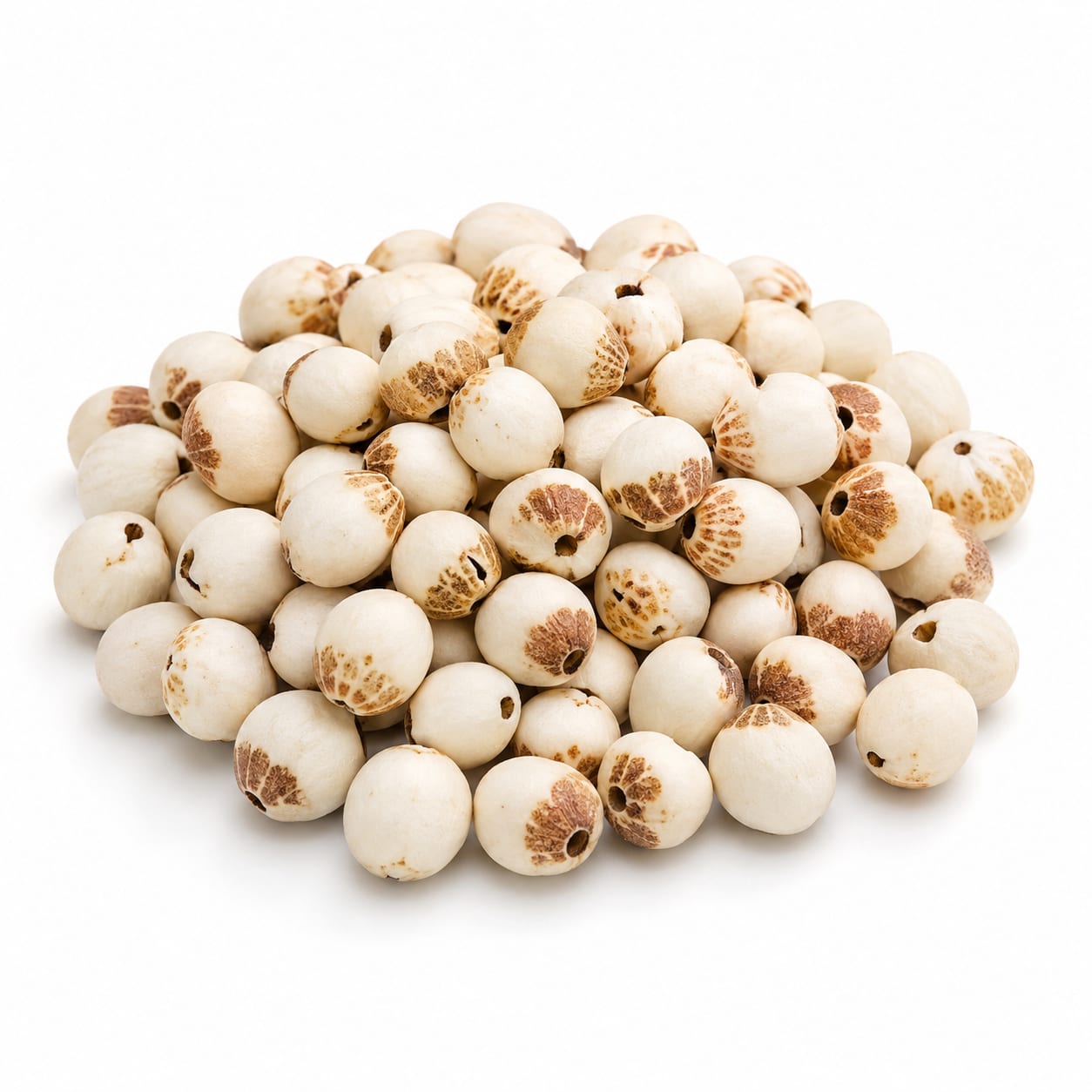
Seed
Euryale Seed
Euryale seed is a low-fat, high-carbohydrate aquatic seed commonly roasted as a crunchy, low-glycemic snack.
Euryale seed, commonly known as makhana or fox nut, is the edible seed of the Euryale ferox aquatic plant. It is a traditional snack in Asia, often roasted and popped, resembling popcorn, and is widely used in Ayurvedic and Chinese medicine.
low-fat high-carb aquatic seed
Typical serving · 30g
Common varieties · raw makhana, roasted makhana, flavored makhana, organic makhana, fox nut
Overall context score across nutrition, safety, and diet fit
At a glance
Quick facts
Simple indicators based on nutrition, processing, and diet fit.
The story
What makes it unique
Euryale seed is primarily composed of complex carbohydrates and resistant starch, which digest slowly and promote sustained satiety. It has a very low fat content and a moderate protein profile. As a minimally processed aquatic seed, it retains its natural macronutrient balance and provides a low-glycemic energy source.
Varieties: raw makhana · roasted makhana · flavored makhana · organic makhana · fox nut
Per 100g
Nutrition breakdown
Macro balance and key metrics at a glance.
Energy
Density 3.50 kcal/g
Protein
Carbs
Fat
Fiber
Sugar
0 g
Sodium
15 mg
Potassium
350 mg
Glycemic index
55
Glycemic load
35
Water content
10%
Standout compounds
Nutrient highlights
Carbohydrates
highProvides slow-releasing energy for sustained physical and mental endurance
Fiber
highPromotes satiety and supports healthy digestion
Potassium
moderateHelps regulate blood pressure and fluid balance
Magnesium
moderateSupports muscle function and energy production
Resistant Starch
highActs as a prebiotic to nourish gut microbiota
Wellness map
Health scores & processing
NOVA processing scale
minimally processed · Whole food
Traditionally harvested, dried, and roasted at high temperatures to pop the seed without the need for added oils or artificial additives.
Diet compatibility
- Weight loss
- Muscle gain
- Diabetes
- Gut health
- Low carb
- High protein
- Heart health
Relative standing
Food rankings
Qualitative ranks compared to similar whole foods.
- Satietyexcellent
- Blood sugargood
- Nutrient densitymoderate
- Fitness fuelmoderate
- Processing qualityexcellent
Eat with confidence
Food safety profile
Generally safe for consumption, but the aquatic growth environment warrants awareness of water source quality to avoid heavy metal accumulation.
Evidence confidence 85%
- Pesticideslow
- Antibioticslow
- Heavy metalsmoderate
- Contaminationlow
Watch for
- arsenic
- lead
Safer choices
Organic certified or brands that test for heavy metals
Prep tips
Roasting eliminates microbial risks; no washing is typically required for commercially popped seeds.
Aquatic cultivation environments can accumulate heavy metals; sourcing from clean water bodies is essential.
Deep dive
Health analysis
How this food may fit different goals and preparation choices.
Weight loss
Low energy density and high fiber volume promote fullness, making it easier to manage calorie intake during restrictive diets.
Blood sugar
Complex carbohydrates and resistant starch result in a slower glucose release compared to traditional refined grain snacks.
Fitness & energy
Provides a steady, slow-releasing carbohydrate source suitable for endurance activities, though not ideal for rapid post-workout glycogen replenishment.
Gut health
Resistant starch acts as a prebiotic, feeding beneficial gut bacteria and supporting healthy digestion.
Processing quality
Typically undergoes minimal mechanical and thermal processing without added chemicals, preserving its natural nutrient matrix.
Food safety
Primary concern is the potential bioaccumulation of heavy metals from aquatic farming environments; sourcing from reputable suppliers mitigates this risk.
Common mistakes
Consuming commercially flavored varieties that are roasted in unhealthy oils or loaded with excess sodium and artificial seasonings.
Best preparation
Dry roasting in a pan or air fryer with minimal ghee or oil, seasoned with natural spices like turmeric or black pepper.
Practical guide
Best use cases
When and how this food fits real eating patterns.
Evening snack
A low-calorie, crunchy alternative to chips or popcorn that satisfies cravings without excessive fat.
Fasting food
Widely used during religious fasts due to its light nature and minimal processing.
Diabetic-friendly snacking
Provides a safe, crunchy snack option that stabilizes rather than spikes blood sugar levels.
Gut health support
Resistant starch feeds beneficial gut bacteria when consumed as part of a diverse diet.
Balance sheet
Pros & cons
Upsides
- Very low fat content
- High in slow-digesting complex carbs
- Contains prebiotic resistant starch
- Gluten-free and naturally grain-free
- Light and easy to digest
Trade-offs
- Relatively high in total carbohydrates
- Low in protein compared to other seeds
- Commercially flavored varieties can be high in sodium
- Potential heavy metal exposure from aquatic farming
Fit check
Who is it for?
Great match
- weight loss snacking
- blood sugar management
- gluten-free diets
- light evening snacking
- religious fasting periods
Consider alternatives
- strict ketogenic diets
- high-protein diets
- low-fiber diets during acute digestive distress
- those with severe aquatic plant allergies
Side by side
How it compares
Open the full head-to-head analysis for nutrition, safety, and practical tradeoffs.
This food
Euryale Seed
VS90% alike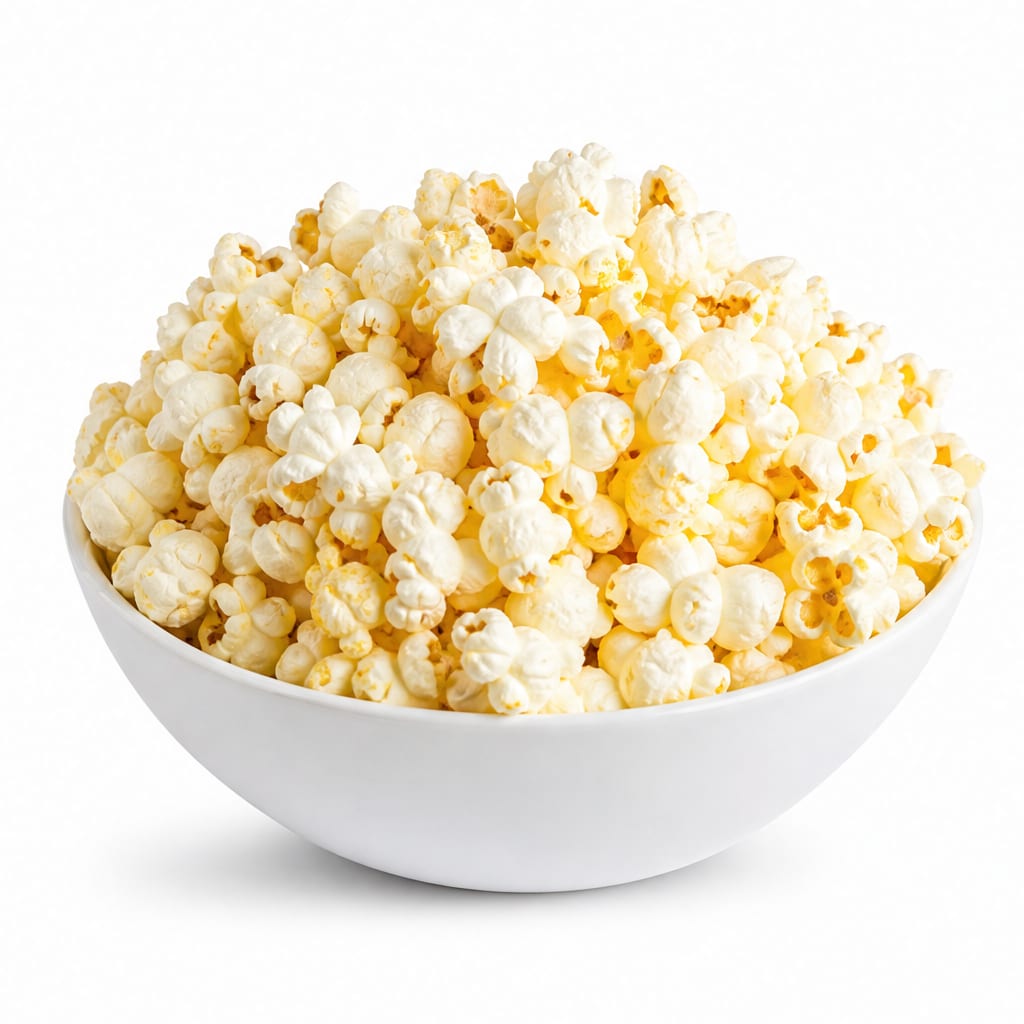
Compare with
Popcorn
Makhana is lower in calories and fat but higher in carbohydrates than air-popped popcorn.
Makhana offers fewer calories and more fiber than popcorn, making it better for weight loss, while popcorn provides slightly faster-digesting carbs for fitness fuel.
This food
Euryale Seed
VS85% alike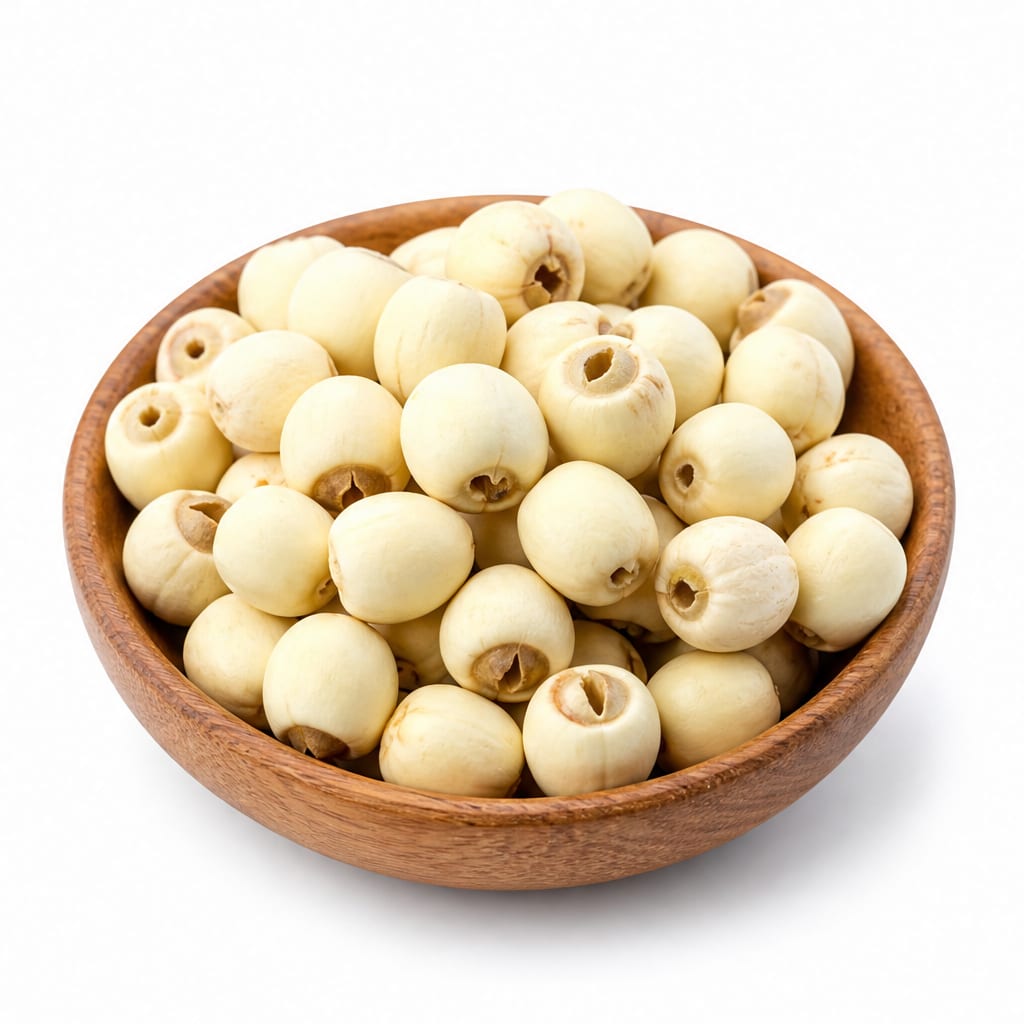
Compare with
Lotus Seed
Lotus seeds are higher in protein and lower in carbohydrates compared to makhana.
Lotus seeds provide more protein for muscle maintenance, while makhana offers more slow-digesting carbs for sustained energy and blood sugar control.
This food
Euryale Seed
VS75% alike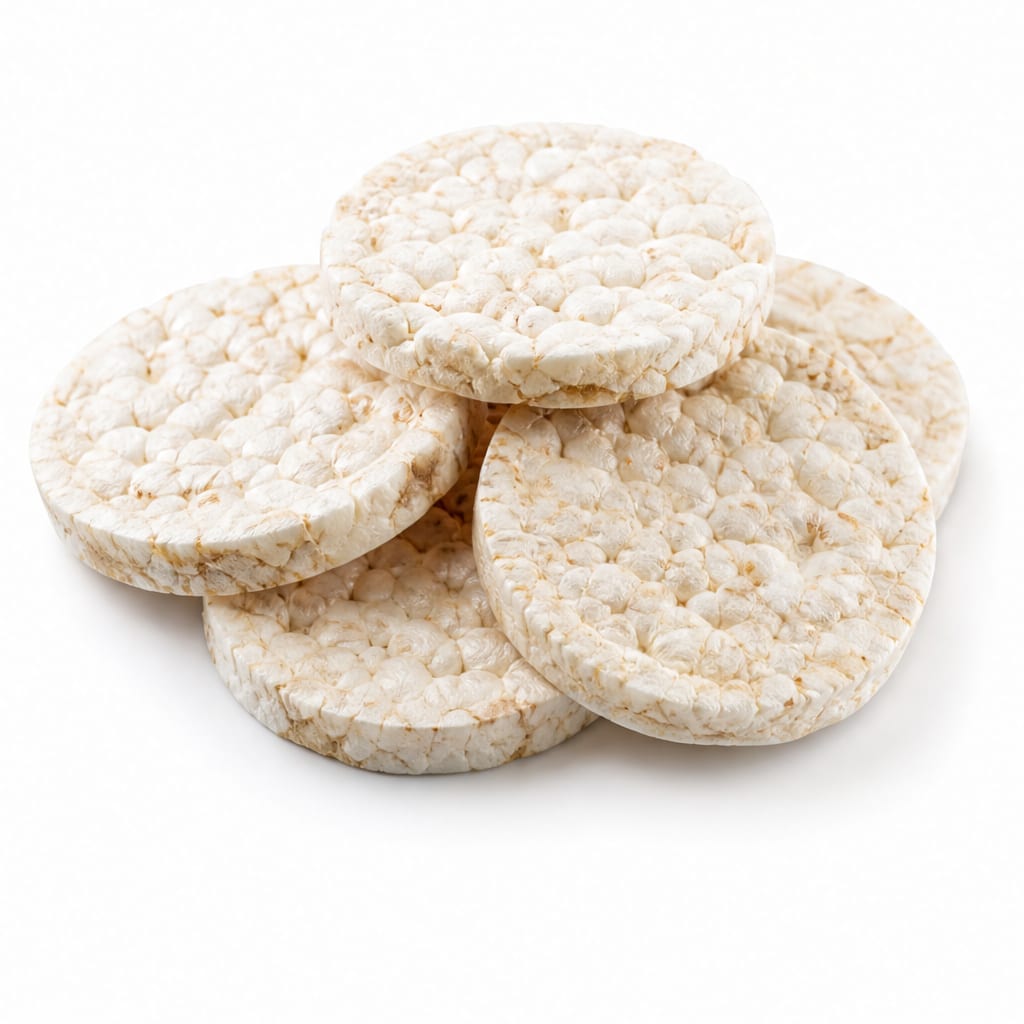
Compare with
Rice Cakes
Makhana has significantly more fiber and a lower glycemic impact than rice cakes.
Makhana beats rice cakes for satiety and blood sugar control due to its higher fiber and resistant starch content, though rice cakes digest faster for quick energy.
This food
Euryale Seed
VS60% alike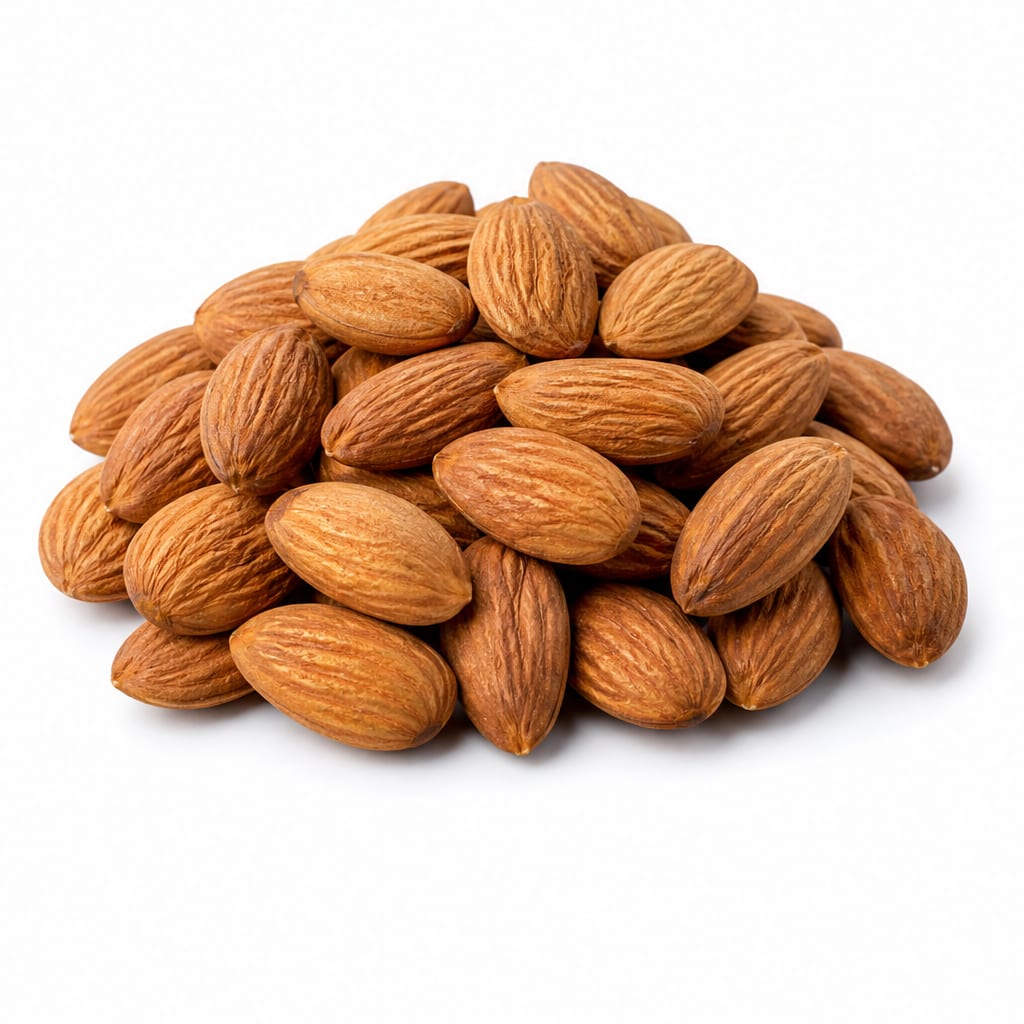
Compare with
Almonds
Almonds are high in healthy fats and protein, whereas makhana is virtually fat-free and carb-dominant.
Almonds provide more protein and healthy fats for satiety and blood sugar stability, while makhana is a low-fat, high-carb alternative for weight loss.
This food
Euryale Seed
VS55% alike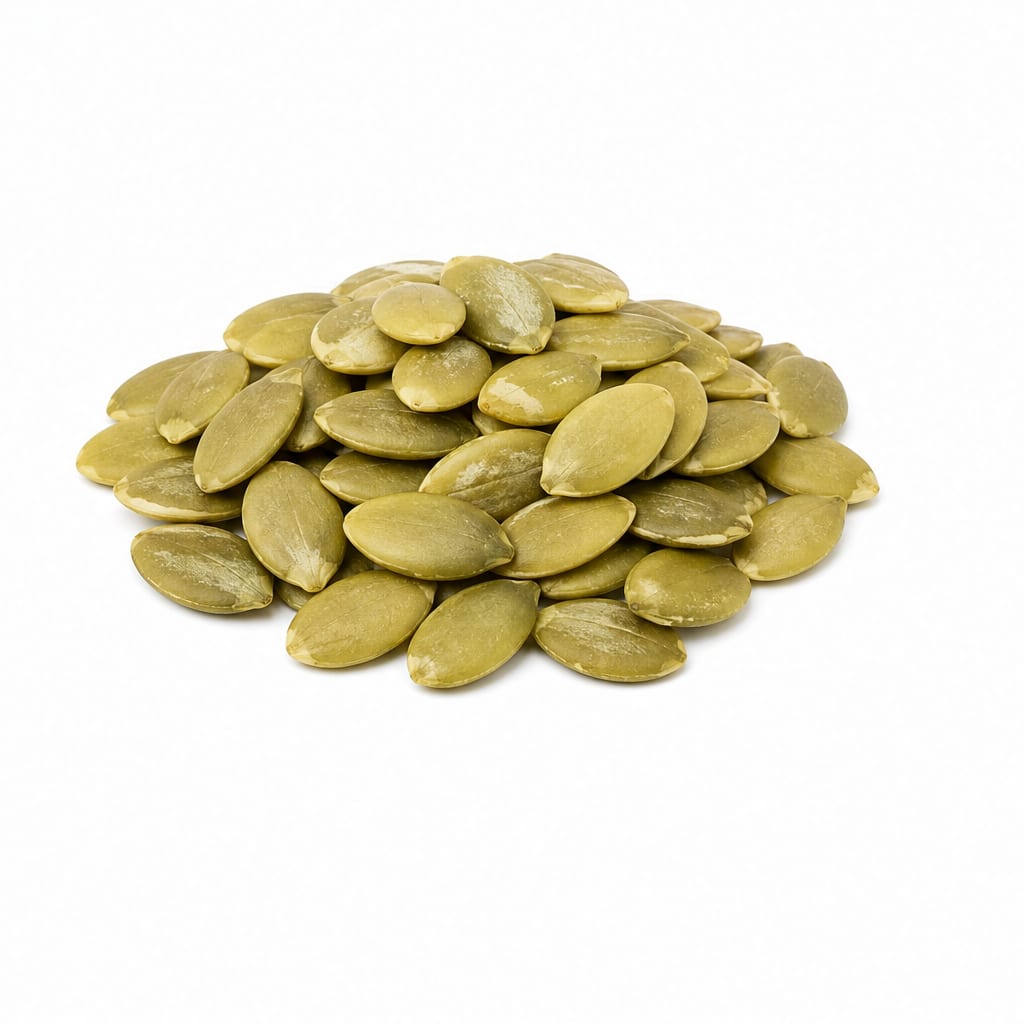
Compare with
Pumpkin Seeds
Pumpkin seeds are a rich source of fats and protein, while makhana is a low-fat carb source.
Pumpkin seeds offer superior protein and healthy fats for muscle recovery and blood sugar control, whereas makhana is a lighter, low-fat snacking option.
This food
Euryale Seed
VS50% alike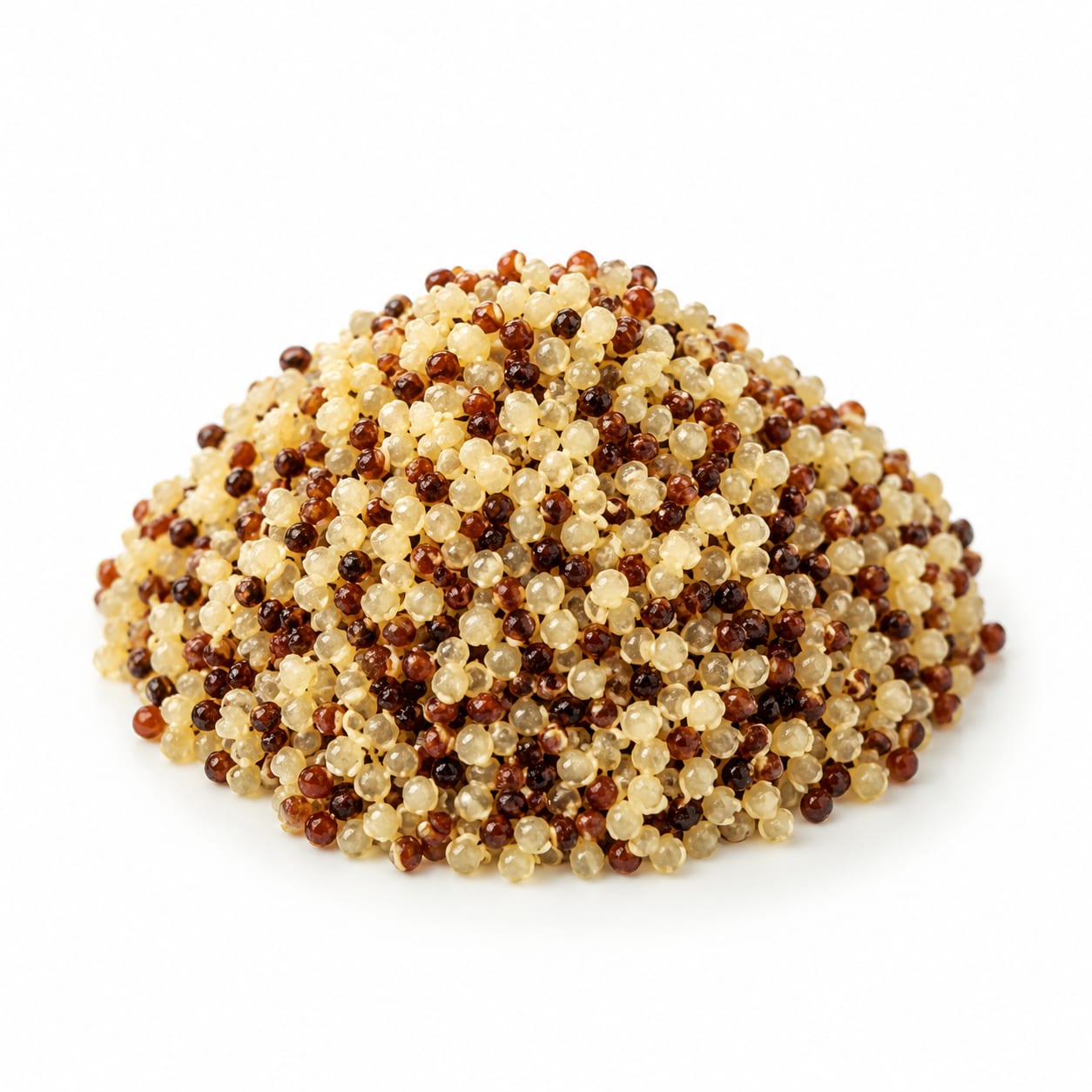
Compare with
Quinoa
Quinoa is a complete protein, while makhana provides more resistant starch.
Quinoa is better for muscle gain due to its complete protein, while makhana is lower in calories and better for low-fat weight loss snacking.
This food
Euryale Seed
VS70% alike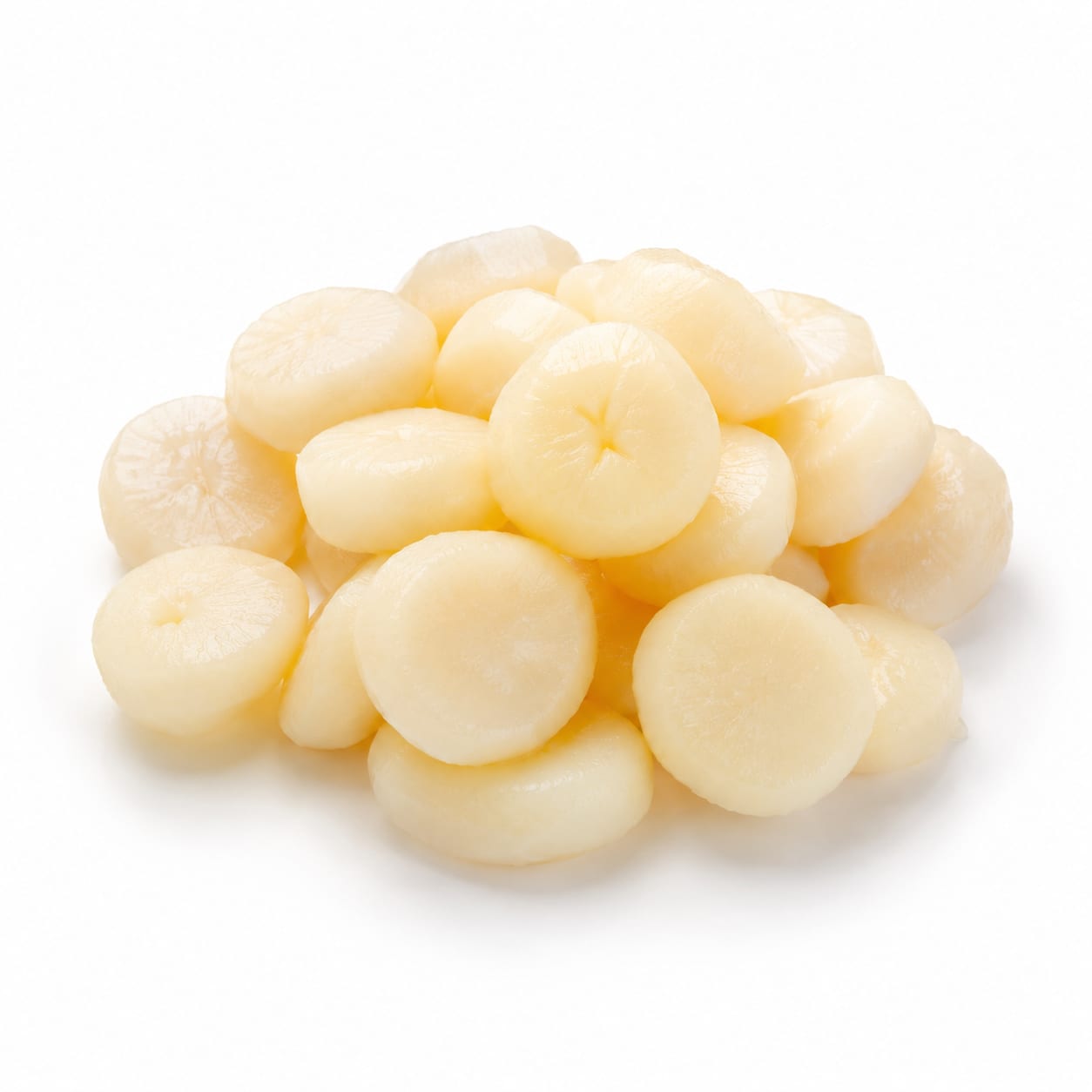
Compare with
Water Chestnut
Water chestnuts are lower in calories and higher in water content, while makhana is denser in fiber.
Water chestnuts are lower in calories for high-volume eating, but makhana provides more fiber and resistant starch for better blood sugar management.
This food
Euryale Seed
VS50% alike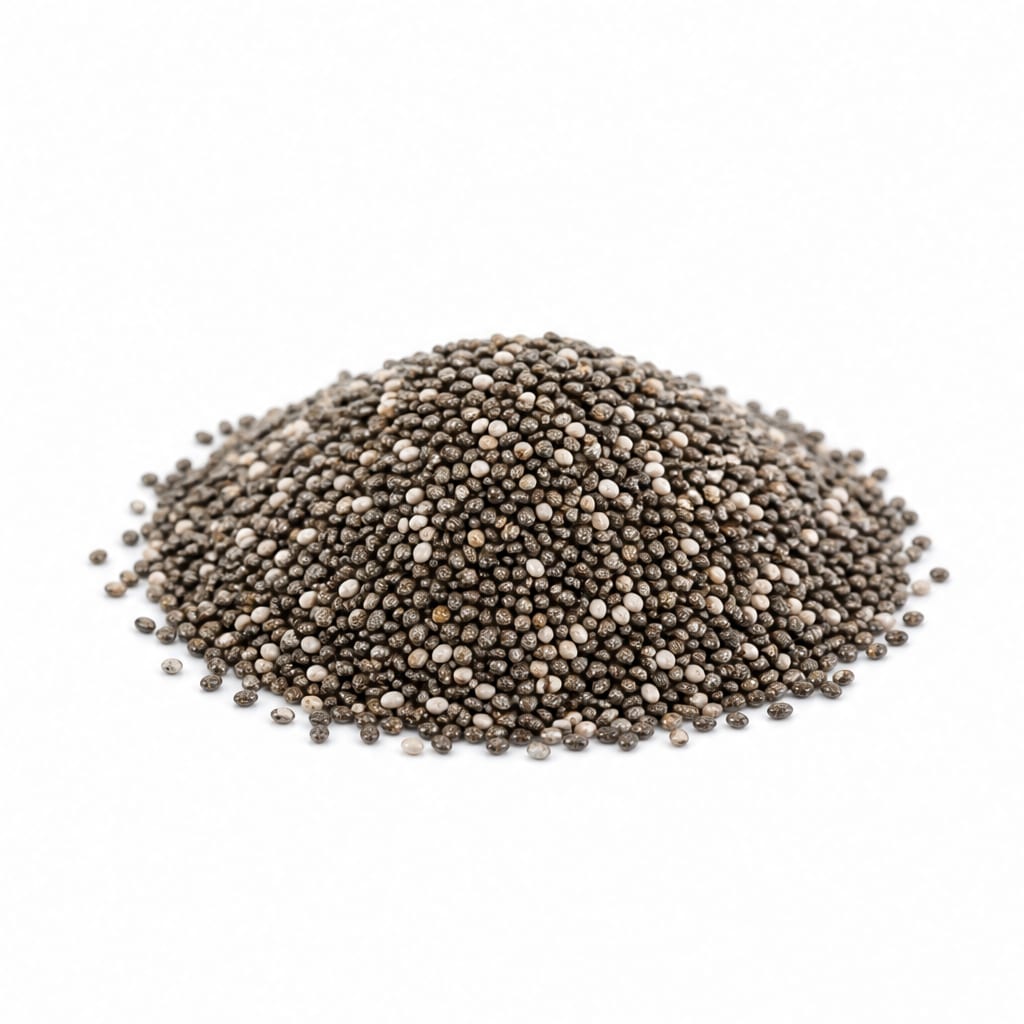
Compare with
Chia Seeds
Chia seeds are extremely high in fiber and omega-3 fats, while makhana is a low-fat, crunchy carb snack.
Chia seeds win for satiety and blood sugar control due to their high fiber and fat content, while makhana serves as a lighter, crunchy pre-workout carb source.
This food
Euryale Seed
VS55% alike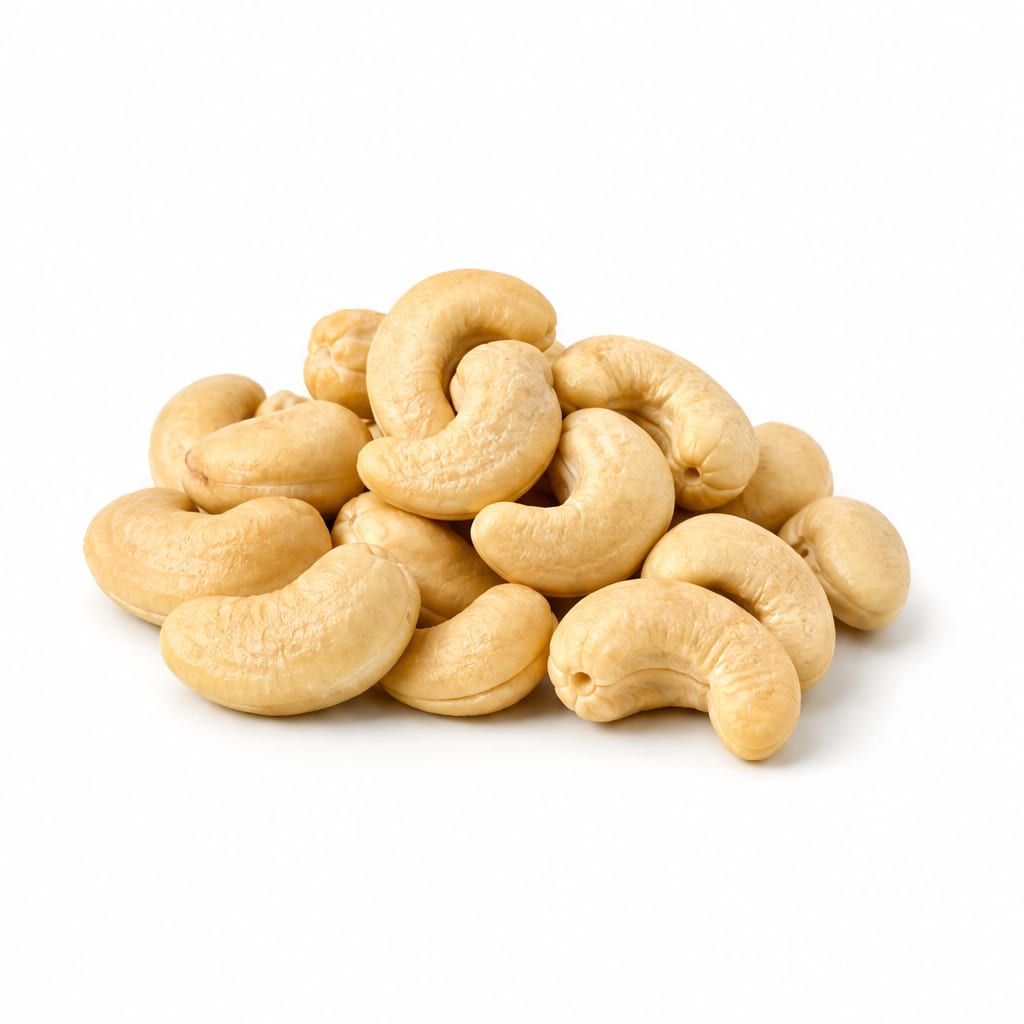
Compare with
Cashews
Cashews are high in fats and protein, while makhana is a low-fat, high-carb seed.
Cashews provide healthy fats and protein for sustained energy, whereas makhana is a low-calorie, low-fat alternative suited for restrictive diets.
This food
Euryale Seed
VS60% alike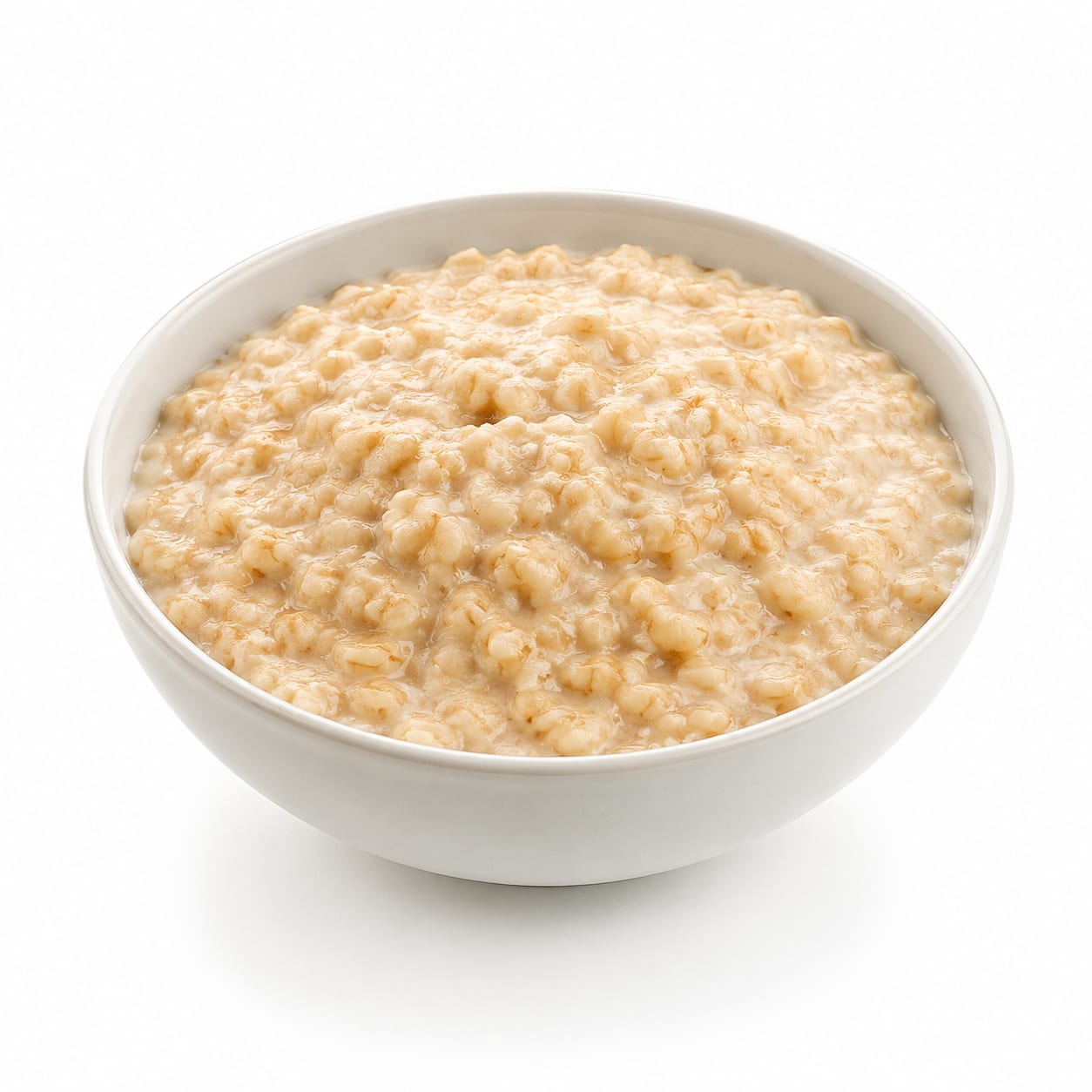
Compare with
Oats
Oats contain beta-glucan and more protein, while makhana offers a crunchy snack format with resistant starch.
Oats are superior for morning satiety and cholesterol reduction, while makhana is a portable, low-calorie crunchy snack for weight loss.
Common questions
FAQ
Answers aligned with how people search for this food.
Is makhana good for weight loss?
Yes, makhana is excellent for weight loss. It is low in fat and high in fiber, which keeps you full longer and prevents overeating.
Can diabetics eat Euryale seeds?
Yes, diabetics can safely eat Euryale seeds. They have a low glycemic index and contain resistant starch, which helps prevent blood sugar spikes.
Is makhana better than popcorn?
Makhana is lower in calories and fat than oil-popped popcorn and offers more resistant starch for gut health, making it a nutritionally superior alternative.
How many calories are in a serving of makhana?
A standard 30g serving of roasted makhana contains approximately 105 calories, making it a light and satisfying snack.
Does roasting makhana destroy its nutrients?
Dry roasting makhana at moderate heat preserves most of its nutrients while making it digestible and crunchy. Avoid burning or roasting at extremely high temperatures.
Is makhana a good source of protein?
Makhana contains a moderate amount of protein (around 9.7g per 100g), but it is not considered a high-protein food compared to legumes or meat.
Can I eat makhana on a keto diet?
No, makhana is high in carbohydrates and is not suitable for a strict ketogenic diet.
What are the side effects of eating too much makhana?
Eating excessive amounts can cause bloating, gas, or constipation due to its high starch and fiber content. Flavored varieties may also contribute to high sodium intake.
Transparency
Data confidence
Estimated confidence for nutrition data, interpretation, safety notes, and comparisons.
Nutrition data
Health analysis
Food safety
Comparisons