
Nutrition comparison
Euryale Seed vs Quinoa: Nutrition, Protein, and Health Comparison
Compare Euryale Seed and Quinoa side by side. Discover which is better for blood sugar, weight loss, protein intake, and daily use with practical tradeoff analysis.
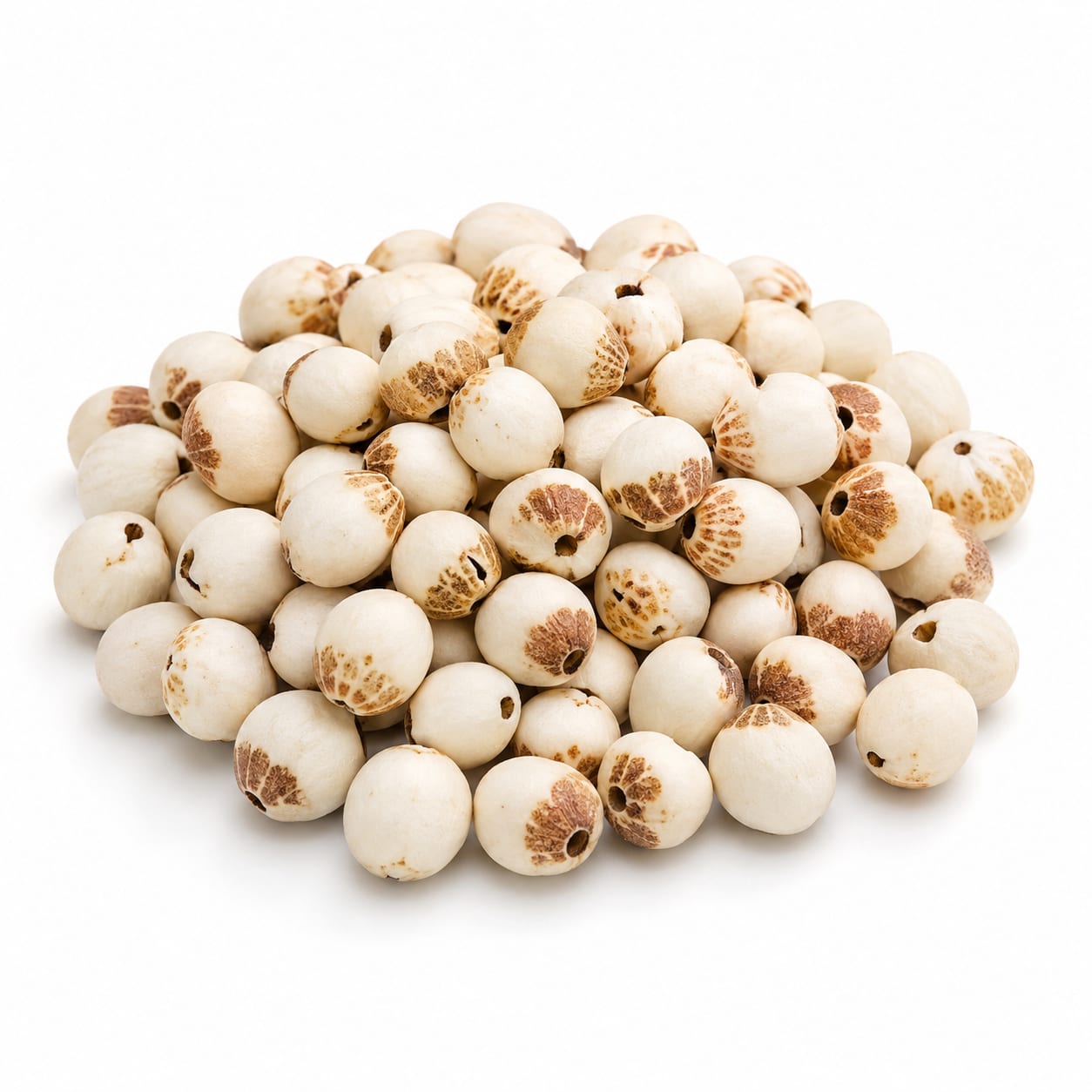
Euryale Seed
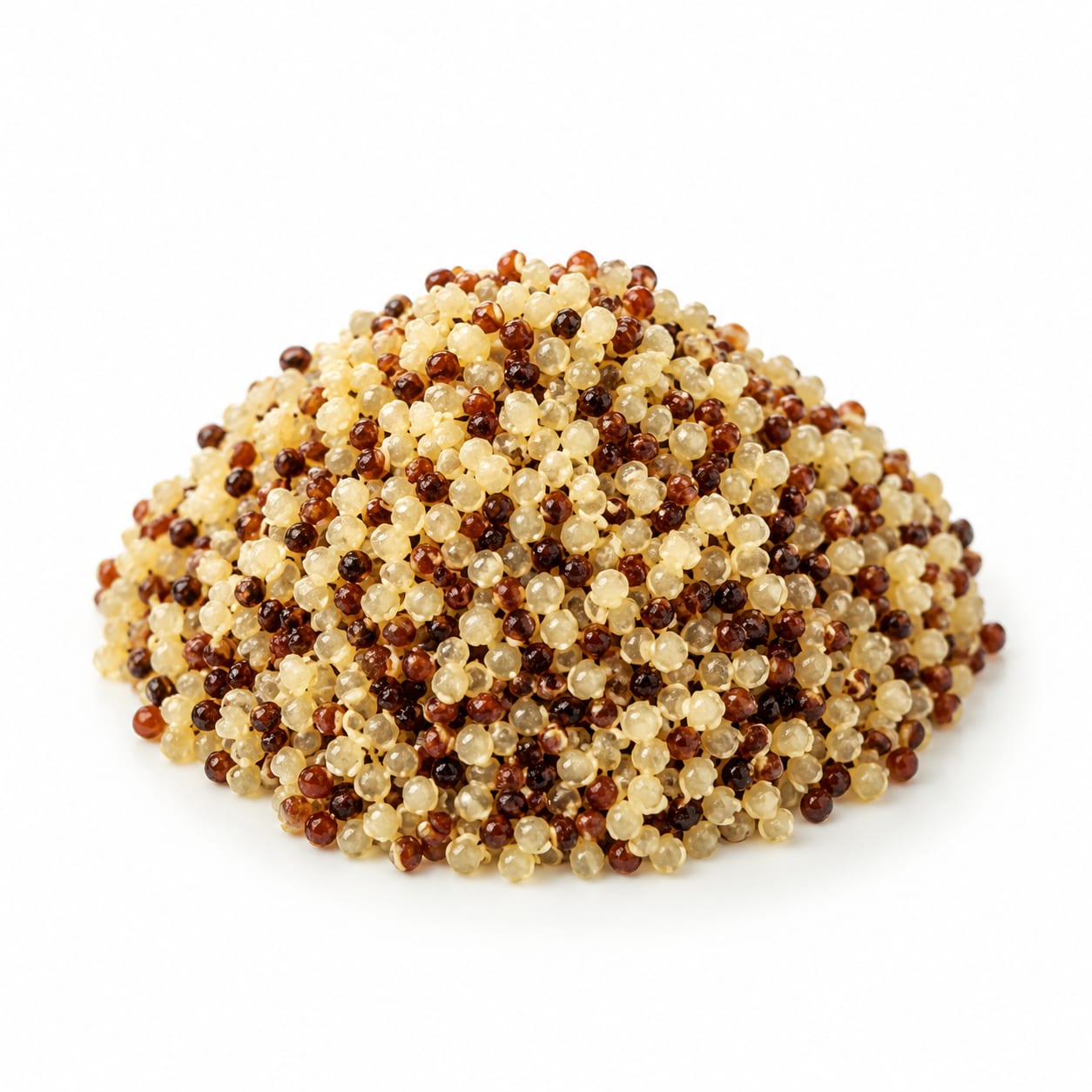
Quinoa
Quinoa delivers superior protein and fiber for meal-building, while Euryale Seed offers lighter snacking with steadier blood sugar and deeper traditional roots.
Quinoa scores higher due to complete protein, superior fiber, and broader meal versatility. Euryale Seed remains valuable for specific contexts like light snacking and blood sugar management, but offers less nutritional density per serving.
Complete nutrition and meal versatility versus low-calorie lightness and gentler glycemic impact.
At a glance
Executive summary
Overall
It depends
Healthier
Quinoa
More practical
Quinoa
Daily use
Quinoa
Key comparison lenses
protein quality completeness
Quinoa offers complete protein with all essential amino acids while Euryale Seed lacks certain essentials, making this the most nutritionally decisive factor
blood sugar management
Both foods appeal to people managing glucose, but their carb profiles and glycemic impacts differ meaningfully
weight management satiety
Users comparing these are often seeking filling, low-calorie options for weight control
traditional vs modern superfood
Euryale Seed carries centuries of Traditional Chinese Medicine credibility while Quinoa represents the modern superfood movement
meal versatility convenience
These foods serve very different culinary roles and understanding practical use cases matters for daily adoption
Best choice for
Euryale Seed
- Light snackers wanting low-calorie crunch
- People managing blood sugar who prefer gentle carb sources
- Those following Traditional Chinese Medicine principles
- Anyone seeking a comforting evening snack without heaviness
- Individuals avoiding high-fiber gas and bloating
Quinoa
- Meal-builders needing complete protein
- Athletes and active people requiring muscle support
- Families wanting a versatile grain substitute
- Vegetarians and vegans filling amino acid gaps
- Anyone meal-prepping for the week
Least suitable for
Euryale Seed
- Those needing substantial protein per serving
- People unfamiliar with specialty Asian ingredients
- Anyone wanting a one-dish meal base
- Budget-conscious shoppers in Western markets
Quinoa
- People with severe digestive sensitivity to fiber
- Those wanting a light low-calorie snack
- Anyone sensitive to saponins or who skips rinsing
- People seeking traditional medicinal food properties
Deep comparison
Dimension by dimension
Each lens scores both foods and breaks down who each option suits.
- Dimension 1 · Priority 92Quinoa
protein_quality_and_completeness
Euryale Seed · 45Quinoa · 90Quinoa provides all nine essential amino acids in meaningful amounts. Euryale Seed contains protein but is missing adequate levels of several essentials.
Tradeoff
You gain complete muscle-building blocks with Quinoa but lose the lighter calorie footprint of Euryale Seed.
Why it matters
Incomplete protein requires combining with other foods to fill gaps, which adds meal complexity.
Real-world impact
A Quinoa bowl after a workout supports recovery on its own. Euryale Seed needs pairing with legumes or dairy to achieve similar muscle support.
Euryale Seed
- Lower total protein intake goals
- Snacking contexts where protein is not the priority
Better for
- Reliance as a sole protein source
- Muscle-building dietary phases
Worse for
Quinoa
- Post-workout recovery meals
- Vegetarian and vegan main dishes
- Growing children needing complete amino acids
Better for
- Very low-protein diet protocols
- Situations demanding minimal calorie intake
Worse for
- Dimension 2 · Priority 85Euryale Seed
blood_sugar_stability
Euryale Seed · 82Quinoa · 68Euryale Seed has a lower glycemic impact and digests more slowly, producing gentler blood sugar curves. Quinoa is moderate but contains more available carbohydrates per serving.
Tradeoff
Smoother glucose response with Euryale Seed versus more sustained energy output from Quinoa's complex carbs.
Why it matters
Steadier blood sugar means fewer energy crashes and less craving-driven snacking later.
Real-world impact
Euryale Seed as an afternoon snack won't trigger the crash-and-crave cycle. Quinoa at lunch provides lasting energy but may cause a milder dip in sensitive individuals.
Euryale Seed
- Diabetics seeking gentle carb sources
- Late-night snackers avoiding glucose spikes
- People prone to afternoon energy crashes
Better for
- Situations requiring quick energy replenishment
Worse for
Quinoa
- Athletes needing sustained carb energy
- Active mornings requiring lasting fuel
Better for
- Insulin-resistant individuals watching glycemic load closely
- Evening eating when glucose should stay flat
Worse for
- Dimension 3 · Priority 80Quinoa
fiber_and_digestive_health
Euryale Seed · 50Quinoa · 88Quinoa delivers roughly 5 grams of fiber per cooked cup, supporting gut motility and microbiome diversity. Euryale Seed provides modest fiber, making it gentler but less gut-nourishing.
Tradeoff
Stronger digestive support and fullness from Quinoa versus easier tolerance and less bloating from Euryale Seed.
Why it matters
Fiber drives long-term gut health, cholesterol management, and sustained satiety between meals.
Real-world impact
A Quinoa lunch keeps you full for hours. Euryale Seed as a snack satisfies without the heavy fullness that some people find uncomfortable.
Euryale Seed
- People with IBS or fiber sensitivity
- Those who dislike heavy fullness after eating
- Reintroduction diets after gut rest
Better for
- Chronic constipation management
- Long-term microbiome diversity support
Worse for
Quinoa
- Daily gut health maintenance
- Cholesterol management goals
- Weight loss through natural appetite suppression
Better for
- Acute digestive flare-ups
- Low-residue diet requirements
Worse for
- Dimension 4 · Priority 75Quinoa
mineral_density
Euryale Seed · 62Quinoa · 80Quinoa offers strong magnesium, phosphorus, manganese, and iron content. Euryale Seed provides notable calcium and potassium but with lower overall mineral breadth.
Tradeoff
Wider mineral coverage with Quinoa versus targeted calcium and potassium support from Euryale Seed.
Why it matters
Mineral adequacy affects bone health, energy production, muscle function, and sleep quality.
Real-world impact
Regular Quinoa consumption helps close common magnesium and iron gaps. Euryale Seed contributes to calcium needs, especially valuable for those avoiding dairy.
Euryale Seed
- Dairy-free individuals needing calcium alternatives
- Those focused on blood pressure through potassium intake
Better for
- Iron-deficiency anemia support
Worse for
Quinoa
- Women with iron concerns
- Anyone deficient in magnesium
- Bone health through multiple minerals working together
Better for
- Situations requiring concentrated calcium without dairy
Worse for
- Dimension 5 · Priority 78Euryale Seed
calorie_efficiency_and_weight_management
Euryale Seed · 85Quinoa · 65Euryale Seed is significantly lower in calories per serving, making it easier to fit into calorie-controlled eating. Quinoa is more calorie-dense but also more filling.
Tradeoff
Lower calorie intake with Euryale Seed versus greater satiety per meal with Quinoa.
Why it matters
Weight management depends on both calorie control and satisfaction. The ideal choice depends on which lever matters more for the individual.
Real-world impact
You can eat a generous bowl of roasted Euryale Seed for under 150 calories. A cup of cooked Quinoa runs about 220 calories but replaces an entire meal component.
Euryale Seed
- Mindless snacking replacement
- Evening munchies without calorie damage
- Strict calorie-counting phases
Better for
- Situations where under-eating is a risk
- Active people needing calorie adequacy
Worse for
Quinoa
- Meal replacement where one dish replaces multiple items
- Appetite control through genuine fullness rather than restriction
Better for
- Very low-calorie diet protocols
- Frequent grazers who eat large volumes
Worse for
- Dimension 6 · Priority 70Quinoa
culinary_versatility_and_convenience
Euryale Seed · 55Quinoa · 85Quinoa works as a base for bowls, salads, soups, porridge, and baking. Euryale Seed is primarily a snack or soup ingredient with narrower application.
Tradeoff
Broader meal integration with Quinoa versus simpler grab-and-go snacking with Euryale Seed.
Why it matters
Foods you can use in many ways become dietary staples. One-trick foods often get abandoned.
Real-world impact
Quinoa can anchor breakfast, lunch, and dinner across cuisines. Euryale Seed shines as a roasted snack or traditional dessert addition but rarely carries a full meal.
Euryale Seed
- Quick no-cook snacking
- Traditional Asian recipes and soups
- Travel-friendly dry snack
Better for
- Building a complete meal around it
- Cuisine variety beyond Asian traditional dishes
Worse for
Quinoa
- Weekly meal prep
- Diverse cuisine exploration
- Family meals needing one adaptable grain
Better for
- Instant no-prep snacking
- Portable on-the-go situations
Worse for
- Dimension 7 · Priority 65Euryale Seed
traditional_medicinal_value
Euryale Seed · 88Quinoa · 40Euryale Seed holds deep roots in Traditional Chinese Medicine for kidney support, spleen health, and anti-aging. Quinoa carries cultural significance but less documented medicinal application.
Tradeoff
Centuries of therapeutic tradition with Euryale Seed versus modern nutritional science validation with Quinoa.
Why it matters
For people who value food-as-medicine philosophy, traditional credibility adds meaningful confidence and adherence.
Real-world impact
TCM practitioners may specifically recommend Euryale Seed for chronic fatigue, frequent urination, or digestive weakness. Quinoa is rarely prescribed therapeutically in any traditional system.
Euryale Seed
- TCM-guided dietary protocols
- Kidney and spleen weakness patterns
- Anti-aging and longevity diets
Better for
- Those skeptical of traditional medicine claims
- People wanting RCT-backed therapeutic foods
Worse for
Quinoa
- Evidence-based nutrition frameworks
- Western dietary guidelines alignment
Better for
- Holistic and traditional medicine practitioners
- Culturally rooted Asian dietary healing
Worse for
Timeline
Health impact over time
Short-term
Hours to days
Euryale Seed
- Light satisfying snack without post-eating heaviness
- Stable blood sugar without spikes or crashes
- Minimal digestive discomfort even in sensitive individuals
- Quick preparation as a roasted snack
Quinoa
- Noticeable fullness that delays next eating episode
- Sustained energy for 3-4 hours after a meal
- Possible mild bloating if unaccustomed to high fiber
- Saponin bitterness if improperly rinsed
Long-term
Months to years
Euryale Seed
- Consistent low-glycemic eating pattern supporting insulin sensitivity
- Calcium contribution to bone density maintenance over decades
- Gentle digestive tolerance supporting long-term adherence
- Possible kidney and spleen support per TCM framework
Quinoa
Risk profile
Safety & processing
Both foods are whole and minimally processed in their standard forms. Euryale Seed is typically dried and sometimes roasted. Quinoa is simply harvested and cleaned. Some commercial Quinoa is pre-rinsed to remove saponins, which is a beneficial processing step rather than a concern.
Euryale Seed
Heavy metal exposure from water sources
lowEuryale Seed grows in aquatic environments which can accumulate trace contaminants. Reputable sourcing mitigates this significantly.
Added oils or flavorings in commercial roasting
mediumPre-roasted packaged Euryale Seed may contain unexpected oils, salt, or flavor enhancers. Dry-roasted or home-prepared versions avoid this.
Quinoa
Saponin residue causing digestive irritation
mediumUnrinsed Quinoa retains bitter saponins that can cause stomach upset and reduce nutrient absorption. Thorough rinsing eliminates this risk.
Cross-contamination with gluten grains
lowThough naturally gluten-free, Quinoa processing facilities may handle wheat. Certified gluten-free labels matter for celiac individuals.
Who wins for whom
Audience fit
Same foods, different winners depending on your goal.
children
QuinoaComplete amino acids, iron, and versatile meal integration make Quinoa more suitable for growing bodies. Euryale Seed works as an occasional snack but lacks nutritional breadth.
daily consumption
QuinoaQuinoa's nutritional completeness and meal versatility make it a stronger daily staple. Euryale Seed is better as a complementary snack than a dietary foundation.
diabetes
Euryale SeedLower glycemic impact and slower digestion give Euryale Seed the edge for glucose management, though both are reasonable choices.
elderly
It dependsEuryale Seed suits elderly with weak digestion and blood sugar concerns. Quinoa suits those needing protein preservation and bone-supporting minerals. Individual health status determines the better choice.
muscle gain
QuinoaComplete protein and higher overall protein content make Quinoa a genuine muscle-support food, while Euryale Seed would need heavy supplementation.
weight loss
Euryale SeedLower calorie density makes Euryale Seed easier to fit into deficit eating, especially as a snack replacement for chips or nuts.
Your move
Decision guide
Choose Euryale Seed
- You want a light snack that won't spike blood sugar or add significant calories
- You follow TCM principles and value kidney and spleen support
- You have sensitive digestion and find high-fiber foods uncomfortable
- You are looking for a crunchy alternative to nuts with fewer calories
- You enjoy traditional Asian desserts and soups
Choose Quinoa
- You need a complete protein source as a meal foundation
- You meal-prep and want one versatile grain for multiple dishes
- You are vegetarian or vegan and need to close amino acid gaps
- You want maximum fiber for gut health and cholesterol management
- You cook for a family and need broad nutritional coverage
Either works if
- You are gluten-free and want variety beyond rice
- You rotate between multiple whole foods for dietary diversity
- You value traditional foods from any cultural background
- You want minimally processed carb sources with low inflammatory potential
Avoid both if
- You have a strict very-low-carb or ketogenic requirement
- You need concentrated protein above 25g per serving from a single source
- You have specific allergies to either food family
Final recommendation
Use both strategically rather than choosing one exclusively. Build meals around Quinoa for protein, fiber, and mineral coverage. Reach for Euryale Seed when you want a light snack, gentle blood sugar control, or traditional therapeutic benefits. This combination gives you the nutritional strength of Quinoa and the metabolic gentleness of Euryale Seed without sacrificing either advantage.
Practical
Consumer tips
- 1
Rinse Quinoa thoroughly under running water for at least 30 seconds to remove bitter saponins, even if labeled pre-rinsed
- 2
Roast Euryale Seed dry in a pan with ghee or coconut oil for the best crunch and flavor without commercial additives
- 3
Check Euryale Seed ingredient lists on packaged versions to avoid hidden oils, salt, or flavor enhancers
- 4
Cook Quinoa in broth instead of water for a flavor upgrade that requires no extra effort
- 5
Keep both in your pantry: Quinoa for meals, Euryale Seed for snacking, and you cover more nutritional ground than either alone
- 6
Soak Euryale Seed before cooking in soups to achieve the traditional soft, custard-like texture
- 7
Toast dry Quinoa in the pot for two minutes before adding liquid to enhance its nutty flavor