
Nutrition comparison
Euryale Seed vs Chia Seeds: Nutrition, Digestion, and Which Is Better for You
Compare Euryale Seed and Chia Seeds side by side — omega-3 content, fiber, digestion comfort, weight loss suitability, and real-world practicality. Find out which seed fits your goals.
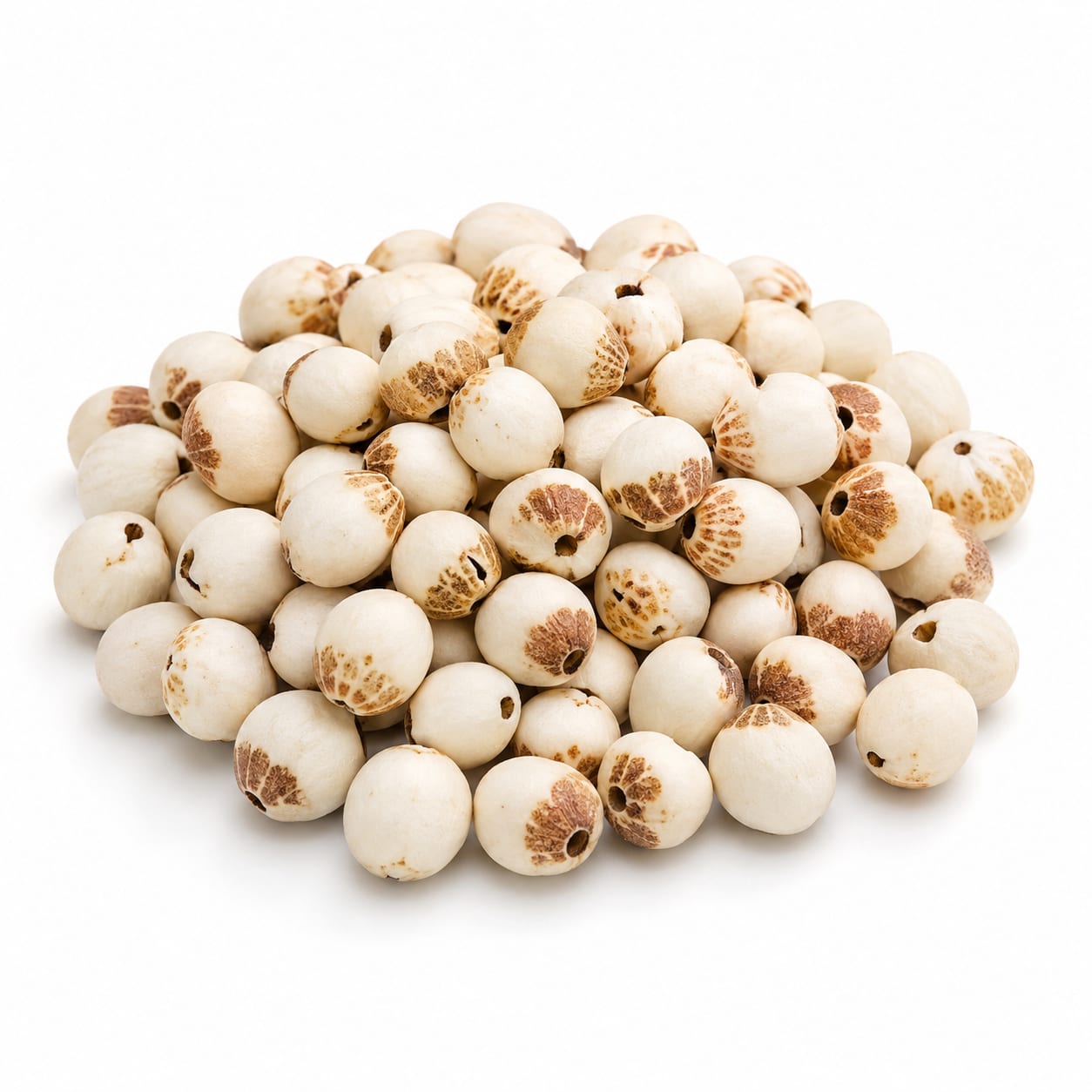
Euryale Seed
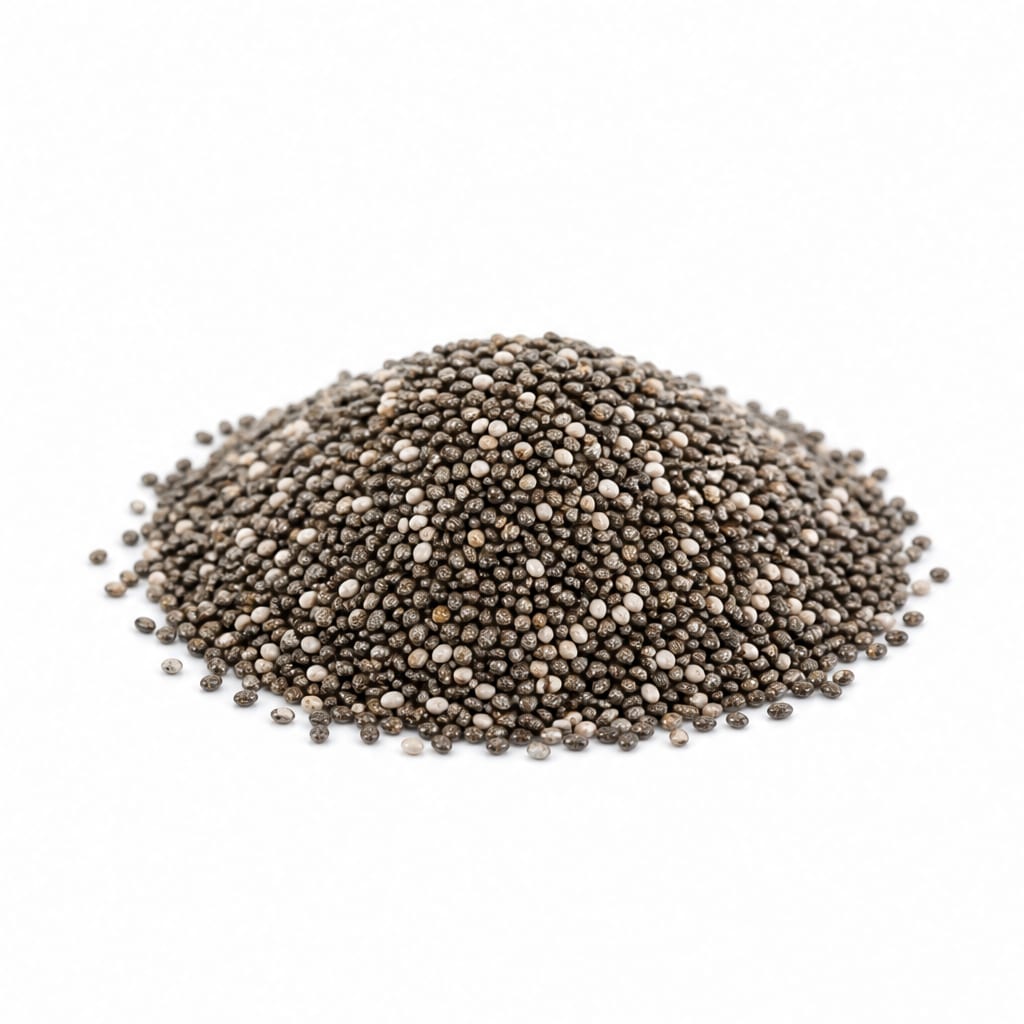
Chia Seeds
Chia Seeds deliver far more omega-3s, fiber, and overall nutrition per gram, but Euryale Seed is easier to digest, more convenient as a standalone snack, and gentler on sensitive stomachs.
Chia Seeds score higher due to superior omega-3, fiber, and mineral content. Euryale Seed remains competitive through digestive comfort, convenience, and lower calorie density. The gap reflects chia's nutritional edge, not euryale seed's inadequacy.
Nutritional firepower versus everyday comfort — chia loads you up with nutrients but can feel heavy and cause bloating, while euryale seed is lighter and more snackable but nutritionally thinner.
At a glance
Executive summary
Overall
It depends
Healthier
Chia Seeds
More practical
Euryale Seed
Daily use
It depends
Key comparison lenses
nutritional density and omega3
Chia Seeds are famously rich in omega-3 fatty acids and fiber, while Euryale Seed offers a lighter nutritional profile — this is the core tradeoff
satiety and weight management
Both foods are used for appetite control but through different mechanisms: chia's gel-forming fiber vs euryale seed's low-calorie crunch
digestive tolerance and comfort
Chia Seeds commonly cause bloating in sensitive people, while Euryale Seed is traditionally considered gentle on digestion
convenience and everyday practicality
Euryale Seed can be eaten straight as a roasted snack; chia requires soaking or mixing into recipes
blood sugar stability
Both are low-glycemic options favored by people managing diabetes, but they work differently
Best choice for
Euryale Seed
- People with sensitive digestion who get bloated from high-fiber seeds
- Snackers wanting a low-calorie crunchy option
- Those following Traditional Chinese Medicine or Ayurvedic dietary approaches
- Anyone wanting a gentle, comforting evening food
- People who dislike the gel-like texture of soaked seeds
Chia Seeds
- People prioritizing omega-3 intake on a plant-based diet
- Anyone needing more daily fiber easily
- Smoothie and pudding enthusiasts who enjoy chia's texture
- Those focused on heart health and inflammation reduction
- Athletes and active people needing sustained energy
Least suitable for
Euryale Seed
- People seeking high omega-3 intake from seeds
- Anyone needing a significant fiber boost
- Those unfamiliar with traditional Asian ingredients or sourcing them
- People wanting a nutrient-dense addition to smoothies or baking
Chia Seeds
- People with IBS or severe bloating tendencies
- Anyone who dislikes gelatinous or slimy textures
- Those wanting a quick grab-and-go snack without prep
- People on very low-fiber diets for medical reasons
Deep comparison
Dimension by dimension
Each lens scores both foods and breaks down who each option suits.
- Dimension 1 · Priority 95Chia Seeds
omega3_and_anti_inflammatory_potential
Euryale Seed · 15Chia Seeds · 92Chia Seeds are one of the richest plant sources of alpha-linolenic acid (ALA), while Euryale Seed contains negligible omega-3 fats.
Tradeoff
You get powerful anti-inflammatory fats from chia but must tolerate its heavier digestion; euryale seed won't move the needle on omega-3 intake.
Why it matters
Omega-3s support heart health, brain function, and joint comfort — hard to get enough on a plant-based diet without seeds like chia.
Real-world impact
Regular chia consumption can meaningfully shift your omega-3 balance over weeks; euryale seed cannot replace this role.
Euryale Seed
- Those already getting omega-3s from fish or algae oil supplements
Better for
- Vegans counting on seeds for essential fatty acids
Worse for
Chia Seeds
- Plant-based eaters relying on seeds for omega-3s
- People managing chronic inflammation
- Anyone concerned about heart health
Better for
- People taking blood thinners who must limit omega-3 intake
Worse for
- Dimension 2 · Priority 90Chia Seeds
fiber_and_satiety
Euryale Seed · 40Chia Seeds · 94Chia Seeds deliver roughly 34g of fiber per 100g and expand dramatically in liquid, creating lasting fullness. Euryale Seed has modest fiber content.
Tradeoff
Chia's fiber is a double-edged sword — deeply filling for most, but uncomfortable for sensitive guts. Euryale seed fills you through volume and crunch without the bloat risk.
Why it matters
Fiber controls appetite, stabilizes blood sugar, and feeds gut bacteria. But too much too fast causes real discomfort.
Real-world impact
A chia pudding at breakfast can keep you full until lunch. Euryale seed as a mid-morning snack takes the edge off hunger without heaviness.
Euryale Seed
- People who feel uncomfortably stuffed after high-fiber meals
- Those recovering from digestive illness needing gentle foods
Better for
- Those specifically trying to increase fiber for constipation relief
Worse for
Chia Seeds
- Anyone struggling to hit daily fiber targets
- People who find themselves snacking constantly between meals
Better for
- People with IBS-C who experience worsening bloating from soluble fiber
Worse for
- Dimension 3 · Priority 85Euryale Seed
digestive_comfort_and_tolerance
Euryale Seed · 88Chia Seeds · 52Euryale Seed is traditionally regarded as a digestive tonic — light, easy to process, and soothing. Chia Seeds frequently cause gas, bloating, and discomfort, especially when under-soaked or eaten in large amounts.
Tradeoff
Comfort versus nutrition density — euryale seed sits lightly in the stomach while chia can feel like a brick if your digestion isn't robust.
Why it matters
The healthiest food on paper means nothing if it makes you feel awful. Digestive tolerance determines whether you'll actually keep eating something.
Real-world impact
Euryale seed is an evening snack that won't disrupt sleep with bloating. Chia eaten too close to bedtime can cause uncomfortable fullness.
Euryale Seed
- People with sensitive stomachs or IBS
- Late-night snackers wanting something gentle
- Older adults with slower digestion
Better for
- No significant downside for digestive comfort
Worse for
Chia Seeds
- People with iron stomachs who never experience bloating
- Those who soak chia thoroughly and build tolerance gradually
Better for
- Anyone prone to gas, bloating, or abdominal discomfort from seeds
Worse for
- Dimension 4 · Priority 80Euryale Seed
convenience_and_versatility
Euryale Seed · 82Chia Seeds · 65Roasted Euryale Seed is ready to eat straight from the bag — a portable, crunchy snack. Chia Seeds need soaking, blending, or cooking to unlock their benefits and avoid digestive issues.
Tradeoff
Euryale seed wins on grab-and-go ease; chia wins on recipe versatility — it thickens, binds, and transforms textures in cooking and baking.
Why it matters
Convenience determines consistency. The food you'll actually eat daily beats the one that's theoretically superior but requires effort.
Real-world impact
Toss euryale seed in your bag for a work snack. Chia requires planning ahead — overnight oats, pre-soaked puddings, or blended drinks.
Euryale Seed
- Busy people who snack on the go
- Anyone wanting a no-prep crunchy alternative to chips
- Office workers needing a desk-friendly snack
Better for
- Those wanting a multipurpose ingredient for baking or cooking
Worse for
Chia Seeds
- Home cooks who enjoy recipe experimentation
- Meal preppers who plan ahead
- People who make smoothies or overnight oats daily
Better for
- People who rarely have time for food prep
- Anyone who finds soaking and planning tedious
Worse for
- Dimension 5 · Priority 75Chia Seeds
blood_sugar_stability
Euryale Seed · 70Chia Seeds · 85Both foods support steady blood sugar, but chia's massive fiber content slows glucose absorption more effectively. Euryale seed is low-glycemic but has less fiber to buffer carb absorption.
Tradeoff
Chia gives stronger blood sugar protection but requires digestive resilience. Euryale seed offers moderate support with zero gut stress.
Why it matters
Blood sugar crashes drive cravings, fatigue, and irritability. The right food choice depends on whether your priority is maximum control or gentle support.
Real-world impact
Adding chia to a morning smoothie can prevent the 10am energy dip. Euryale seed as an afternoon snack provides steady nibbling without spikes.
Euryale Seed
- Diabetics with sensitive digestion who can't tolerate high fiber loads
- Those wanting a low-glycemic snack without heaviness
Better for
- Those needing aggressive blood sugar management through diet alone
Worse for
Chia Seeds
- Diabetics prioritizing maximum blood sugar control
- Anyone experiencing energy crashes after meals
Better for
- Diabetics with gastroparesis or severe IBS
Worse for
- Dimension 6 · Priority 70Chia Seeds
mineral_density
Euryale Seed · 55Chia Seeds · 88Chia Seeds are loaded with calcium, magnesium, phosphorus, and manganese. Euryale Seed provides some calcium and potassium but at lower concentrations.
Tradeoff
Chia is essentially a mineral supplement in seed form; euryale seed contributes modestly but won't move the needle on bone health or electrolyte balance alone.
Why it matters
Mineral sufficiency affects sleep quality, muscle recovery, bone strength, and nerve function — and many people fall short.
Real-world impact
Two tablespoons of chia covers roughly 14% of daily calcium needs. Euryale seed helps but requires larger portions to match that contribution.
Euryale Seed
- Those already eating a mineral-rich varied diet
Better for
- Anyone relying on seeds as a primary mineral source
Worse for
Chia Seeds
- Plant-based eaters needing calcium from non-dairy sources
- Active people losing minerals through sweat
- Women concerned about bone density
Better for
- People prone to kidney stones who must moderate calcium and oxalate intake
Worse for
- Dimension 7 · Priority 65Euryale Seed
calorie_efficiency
Euryale Seed · 85Chia Seeds · 55Euryale Seed delivers satisfying volume and crunch at roughly 350 calories per 100g, while chia packs about 486 calories per 100g — much denser for a small serving.
Tradeoff
Euryale seed lets you eat more volume for fewer calories. Chia is nutrient-dense but calorie-dense too — easy to overconsume if you're not measuring.
Why it matters
For weight management, calorie density often matters more than nutrient density. A food you can eat a bowl of without guilt beats one where two tablespoons cost 120 calories.
Real-world impact
You can snack on a generous handful of roasted euryale seed for under 100 calories. The same calories barely cover a tablespoon of chia.
Euryale Seed
- Calorie-conscious snackers
- People who prefer eating larger portions
- Those managing weight through volume eating
Better for
- Those who need concentrated calories in small servings
Worse for
Chia Seeds
- Athletes needing calorie-dense fuel
- Underweight individuals trying to gain
Better for
- Anyone tracking calories closely who finds portion control hard with dense foods
Worse for
Timeline
Health impact over time
Short-term
Hours to days
Euryale Seed
- Light, comfortable satiety without bloating
- Steady energy from low-glycemic carbohydrates
- Mild calming effect traditionally associated with the seed
Chia Seeds
- Strong fullness from gel-forming fiber, sometimes to the point of discomfort
- Improved bowel regularity within hours
- Potential gas and bloating if not adequately soaked or if gut flora is unaccustomed
Long-term
Months to years
Euryale Seed
- Consistent gentle digestive support
- Modest contribution to kidney health per traditional medicine
- Sustained low-calorie snacking habit supporting weight maintenance
Chia Seeds
- Meaningful improvement in omega-3 status and inflammatory markers
- Enhanced gut microbiome diversity from prebiotic fiber
- Better cardiovascular risk profile with regular consumption
- Risk of chronic bloating if digestive tolerance remains low
Risk profile
Safety & processing
Both foods are whole, minimally processed seeds. Euryale Seed is typically roasted and sometimes lightly seasoned — check labels for added oils or salt. Chia Seeds are sold raw with no additives. Both are about as natural as food gets.
Euryale Seed
Added sodium in seasoned varieties
mediumMany commercially roasted euryale seed snacks are salted or flavored. Check labels if managing blood pressure.
Potential pesticide residue
lowEuryale seeds grow in water, which can carry agricultural runoff. Reputable brands test for contaminants.
Choking hazard if not chewed properly
lowRoasted euryale seed can be quite hard. Not ideal for very young children or those with dental issues.
Chia Seeds
Choking hazard from dry chia seeds
mediumDry chia seeds can expand in the esophagus. Always soak or consume with adequate liquid, especially for children and elderly.
Digestive blockage in vulnerable individuals
mediumPeople with narrowed esophagus or swallowing disorders should avoid chia unless fully pre-gelled in liquid.
Oxalate content
lowChia contains moderate oxalates. Those prone to calcium oxalate kidney stones should moderate intake.
Who wins for whom
Audience fit
Same foods, different winners depending on your goal.
children
Euryale SeedRoasted euryale seed is a safe, crunchy snack kids can eat easily. Dry chia poses a genuine choking risk for young children and must always be pre-soaked.
daily consumption
It dependsChia wins for nutritional impact if your digestion tolerates it daily. Euryale Seed wins for sustainable comfort — you're more likely to stick with it long-term without digestive fatigue.
diabetes
Chia SeedsChia's exceptional fiber content slows glucose absorption more effectively, providing stronger blood sugar control. Euryale Seed is still a safe low-glycemic choice for diabetics with sensitive digestion.
elderly
Euryale SeedEuryale Seed is gentle on aging digestive systems and easy to chew when properly roasted. Chia's choking risk and bloating potential make it less suitable without careful preparation.
muscle gain
Chia SeedsChia Seeds offer more protein per gram along with anti-inflammatory omega-3s that support recovery. Neither is a primary protein source, but chia contributes more meaningfully.
weight loss
It dependsChia Seeds provide stronger satiety per calorie through fiber, but Euryale Seed allows larger portion sizes with fewer calories. Choose chia if fiber fills you reliably; choose euryale seed if high-fiber foods cause discomfort that leads to overeating later.
Your move
Decision guide
Choose Euryale Seed
- You get bloated or gassy from high-fiber seeds
- You want a grab-and-go crunchy snack without prep
- You're feeding children or elderly family members
- You follow traditional Asian dietary practices
- You prefer eating larger food volumes with fewer calories
- You need a gentle evening snack that won't disrupt sleep
Choose Chia Seeds
- You're plant-based and need omega-3s from seeds
- You want to significantly boost your daily fiber intake
- You enjoy making chia puddings, smoothies, or overnight oats
- Heart health and inflammation reduction are top priorities
- Your digestion handles high-fiber foods without issues
- You want a versatile ingredient for baking and cooking
Either works if
- You want a low-glycemic snack option
- You're looking for plant-based protein sources
- You want to reduce reliance on processed snack foods
- You're building a seed rotation for dietary diversity
Avoid both if
- You have a diagnosed seed allergy
- You're on a strict low-fiber diet for a medical condition like acute diverticulitis
- You have severe dysphagia and struggle with small seed textures
Final recommendation
If your digestion handles it, Chia Seeds deliver substantially more nutrition per serving — especially omega-3s and fiber. But if chia leaves you bloated or you never actually prep it, Euryale Seed is the smarter real-world choice. The best seed is the one you'll eat consistently without discomfort. Consider rotating both: chia in morning smoothies, euryale seed as an afternoon snack.
Practical
Consumer tips
- 1
Start with one teaspoon of chia daily and increase gradually to let your gut adapt to the fiber load
- 2
Always soak chia seeds for at least 10-15 minutes before eating — never consume them dry by the spoonful
- 3
Choose plain roasted euryale seed over salted or flavored varieties to control sodium intake
- 4
Store both seeds in airtight containers away from light and heat — chia's omega-3 fats can go rancid if stored poorly
- 5
Try adding euryale seed to soups and stews for texture — it softens nicely and absorbs flavors
- 6
Blend chia into smoothies rather than eating it as a standalone pudding if the gel texture bothers you
- 7
If buying euryale seed, look for brands that test for heavy metals since it's grown in aquatic environments
- 8
Both seeds can be ground for easier digestion — chia ground releases omega-3s more effectively