
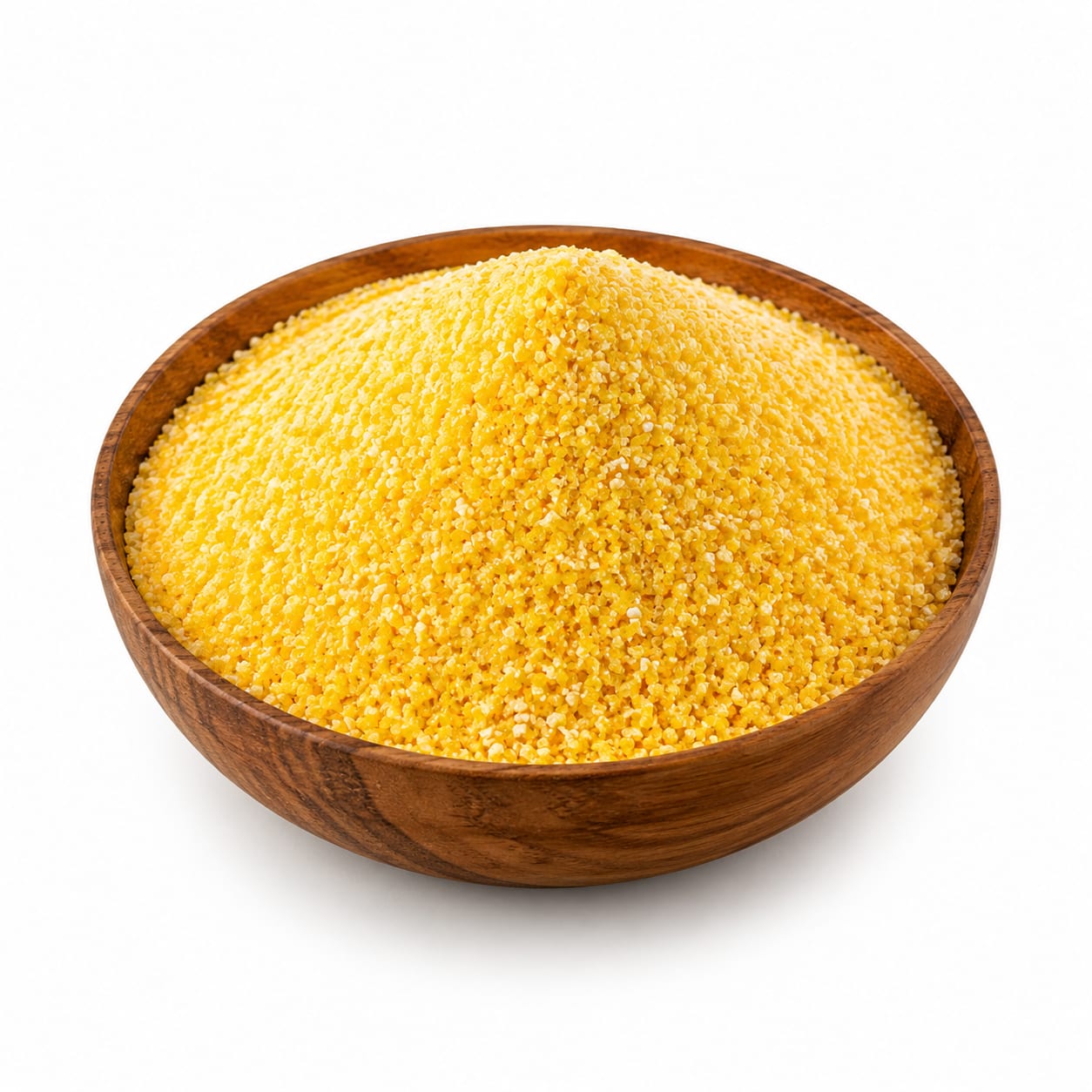
Grains
Cornmeal
Cornmeal is a coarse flour ground from dried corn, used as a staple carbohydrate in various global cuisines.
Cornmeal is a meal made from dried corn that is ground into a coarse, medium, or fine texture, commonly used for making cornbread, polenta, tortillas, and as a coating for fried foods.
staple grain carbohydrate source
Typical serving · 40g
Common varieties · stone-ground, steel-ground, degermed, white cornmeal, yellow cornmeal +2 more
Overall context score across nutrition, safety, and diet fit
The story
What makes it unique
Cornmeal is a carbohydrate-dominant flour alternative derived from dried maize. Digestion speed is moderate to fast depending on the grind and whether the bran and germ are removed. Satiety is moderate due to its caloric density and starch content, though coarse-ground varieties provide slightly more fullness. Macronutrient profile is heavily carbohydrate-based with low fat and modest protein. Processing ranges from stone-ground whole grain to degermed, which removes the nutrient-dense germ and bran to extend shelf life.
Varieties: stone-ground · steel-ground · degermed · white cornmeal · yellow cornmeal · blue cornmeal · masa harina
Per 100g
Nutrition breakdown
Macro balance and key metrics at a glance.
Energy
Density 3.70 kcal/g
Protein
Carbs
Fat
Fiber
Sugar
0.6 g
Sodium
2 mg
Potassium
120 mg
Glycemic index
70
Glycemic load
53
Water content
10%
Standout compounds
Nutrient highlights
Carbohydrates
highProvides rapid energy for physical activity and brain function.
Iron
moderateSupports oxygen transport in the blood; often enriched in degermed varieties.
Niacin (Vitamin B3)
lowEssential for energy production, though poorly absorbed in un-nixtamalized cornmeal.
Insoluble Fiber
moderatePromotes bowel regularity and digestive transit, primarily in stone-ground varieties.
Wellness map
Health scores & processing
NOVA processing scale
moderate · Whole food
Standard cornmeal is a processed culinary ingredient (NOVA 3). Degermed varieties undergo additional processing to remove the germ and bran, while stone-ground versions are minimally processed.
Diet compatibility
- Weight loss
- Muscle gain
- Diabetes
- Gut health
- Low carb
- High protein
- Heart health
Relative standing
Food rankings
Qualitative ranks compared to similar whole foods.
- Satietymoderate
- Blood sugarpoor
- Nutrient densitymoderate
- Fitness fuelgood
- Processing qualitymoderate
Eat with confidence
Food safety profile
Cornmeal is generally safe, but conventional corn crops often have moderate pesticide application. Fungal contamination leading to mycotoxins can occur if stored improperly. Choosing organic reduces pesticide exposure risk.
Evidence confidence 85%
- Pesticidesmoderate
- Antibioticslow
- Heavy metalslow
- Contaminationlow
Watch for
- mycotoxins
- pesticide residues
Safer choices
organic stone-ground cornmeal
Prep tips
Store in an airtight container in a cool, dark place. Refrigerate or freeze stone-ground varieties to prevent rancidity and mycotoxin growth.
Conventional corn is frequently grown from genetically modified seeds and treated with agrochemicals. Mycotoxin contamination is monitored in grain products.
Deep dive
Health analysis
How this food may fit different goals and preparation choices.
Weight loss
High energy density and moderate satiety make it easy to overconsume calories, limiting its usefulness for weight loss unless portions are strictly controlled.
Blood sugar
High glycemic index and load, especially in fine-ground and degermed varieties, cause rapid blood sugar spikes, making it challenging for glucose management.
Fitness & energy
Provides fast-digesting carbohydrates that are effective for pre-workout energy or glycogen replenishment after intense exercise.
Gut health
Whole-grain stone-ground cornmeal offers some insoluble fiber to support bowel regularity, but degermed versions lack the fiber and resistant starch needed for optimal gut microbiome health.
Processing quality
Degermed cornmeal is stripped of bran and germ, losing significant nutrients and healthy fats. Stone-ground retains more natural nutrition but is less common.
Food safety
Mycotoxin growth is a risk in improperly stored corn products. Conventional farming uses significant pesticides, making organic preferable for frequent consumers.
Common mistakes
Assuming all cornmeal is whole grain; most commercial varieties are degermed. Confusing cornmeal with masa harina, which has different nutritional properties due to nixtamalization.
Best preparation
Baking into whole-grain cornbread, cooking as polenta with added fiber-rich ingredients, or using as a coating for baking rather than deep-frying.
Practical guide
Best use cases
When and how this food fits real eating patterns.
Pre-workout carbohydrate loading
Provides fast-digesting carbs for energy before high-intensity or endurance exercise.
Gluten-free baking base
Serves as a structural flour alternative for those avoiding wheat gluten, provided it is certified GF.
High-volume meal base
When cooked as polenta or grits, it absorbs water and expands, creating a large volume of food that can promote fullness if portions are managed.
Balance sheet
Pros & cons
Upsides
- Provides fast-digesting energy for athletes
- Naturally gluten-free when uncontaminated
- Versatile for cooking and baking
- Stone-ground versions offer whole-grain fiber
- Good source of iron when enriched
Trade-offs
- High glycemic index causes blood sugar spikes
- Standard degermed versions lack nutrients and fiber
- Calorie-dense and easy to overconsume
- Contains bound niacin that is poorly absorbed without nixtamalization
- Often genetically modified and treated with pesticides
Fit check
Who is it for?
Great match
- pre-workout carb loading
- gluten-free baking
- endurance athletes
- budget-friendly meal bases
Consider alternatives
- strict low-carb diets
- blood sugar management
- weight loss diets
- high-protein diets
Side by side
How it compares
Open the full head-to-head analysis for nutrition, safety, and practical tradeoffs.
This food
Cornmeal
VS85% alike
Compare with
White Rice Flour
Cornmeal offers slightly more fiber and a coarser texture, while white rice flour is milder and finer, spiking blood sugar slightly faster.
Cornmeal provides slightly more fiber and satiety than white rice flour, though both are high-glycemic refined grains.
This food
Cornmeal
VS80% alike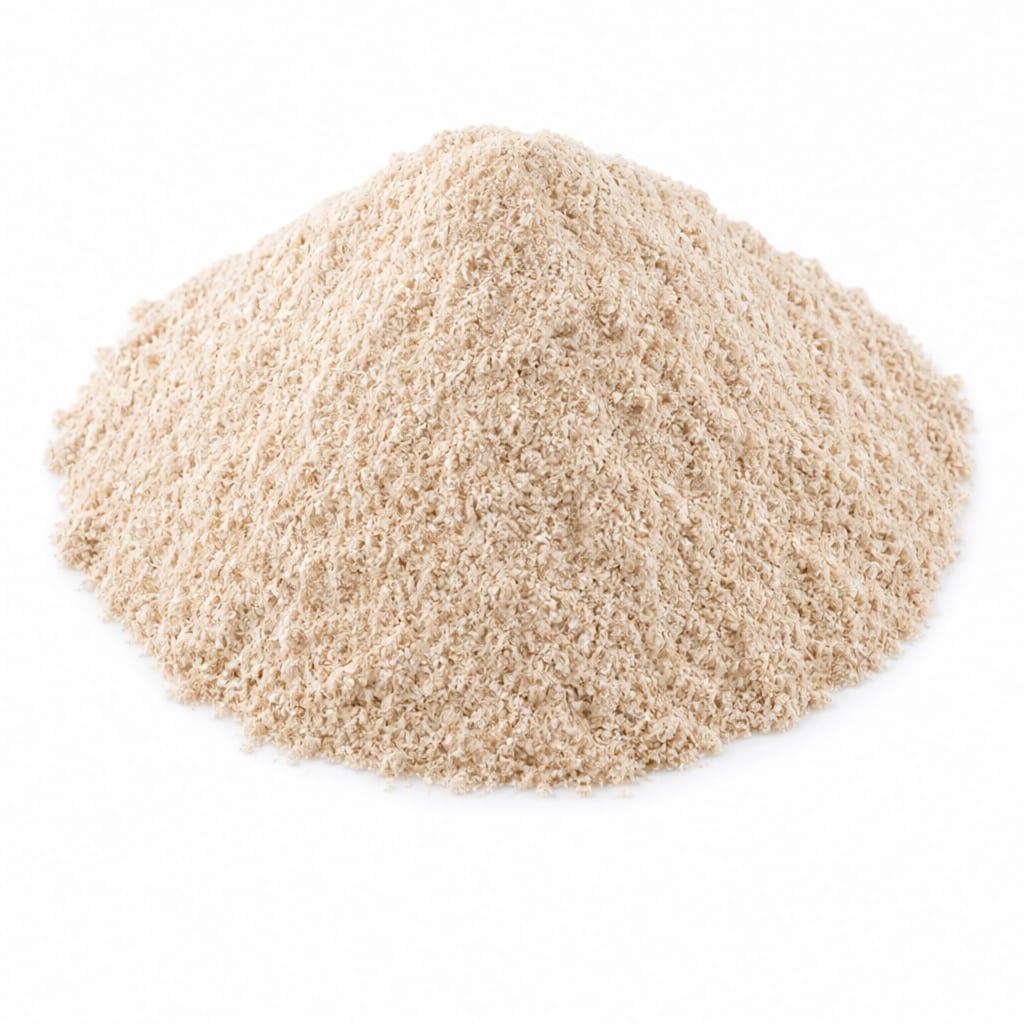
Compare with
Whole Wheat Flour
Whole wheat flour has more protein, fiber, and a lower glycemic index, while cornmeal is gluten-free.
Whole wheat flour beats cornmeal for fiber, protein, and blood sugar control, but cornmeal is a safe gluten-free alternative.
This food
Cornmeal
VS75% alike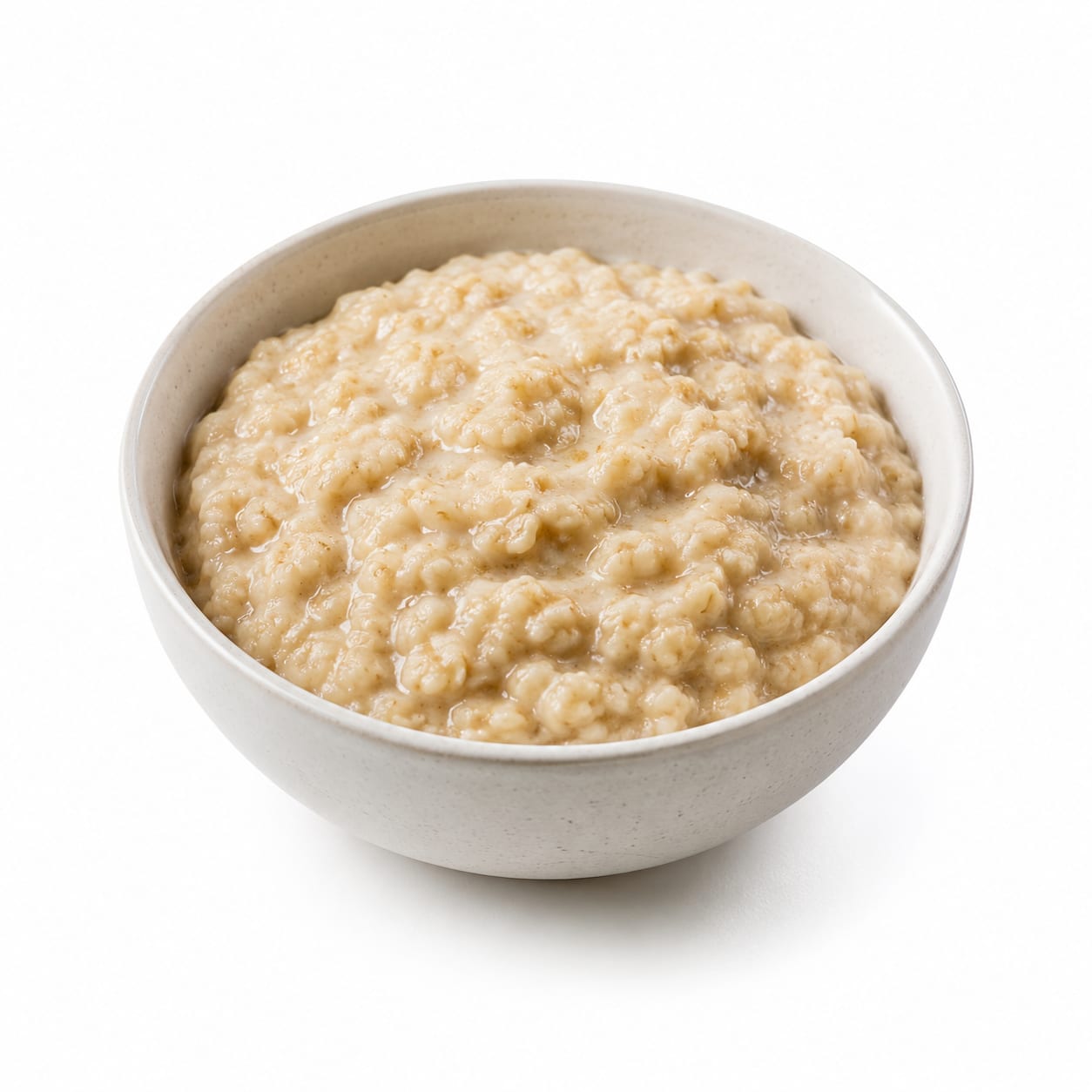
Compare with
Oatmeal
Oatmeal contains beta-glucan fiber for heart health and has a lower glycemic impact than cornmeal.
Oatmeal is superior to cornmeal for blood sugar control and heart health due to its soluble fiber, while cornmeal offers faster energy.
This food
Cornmeal
VS70% alike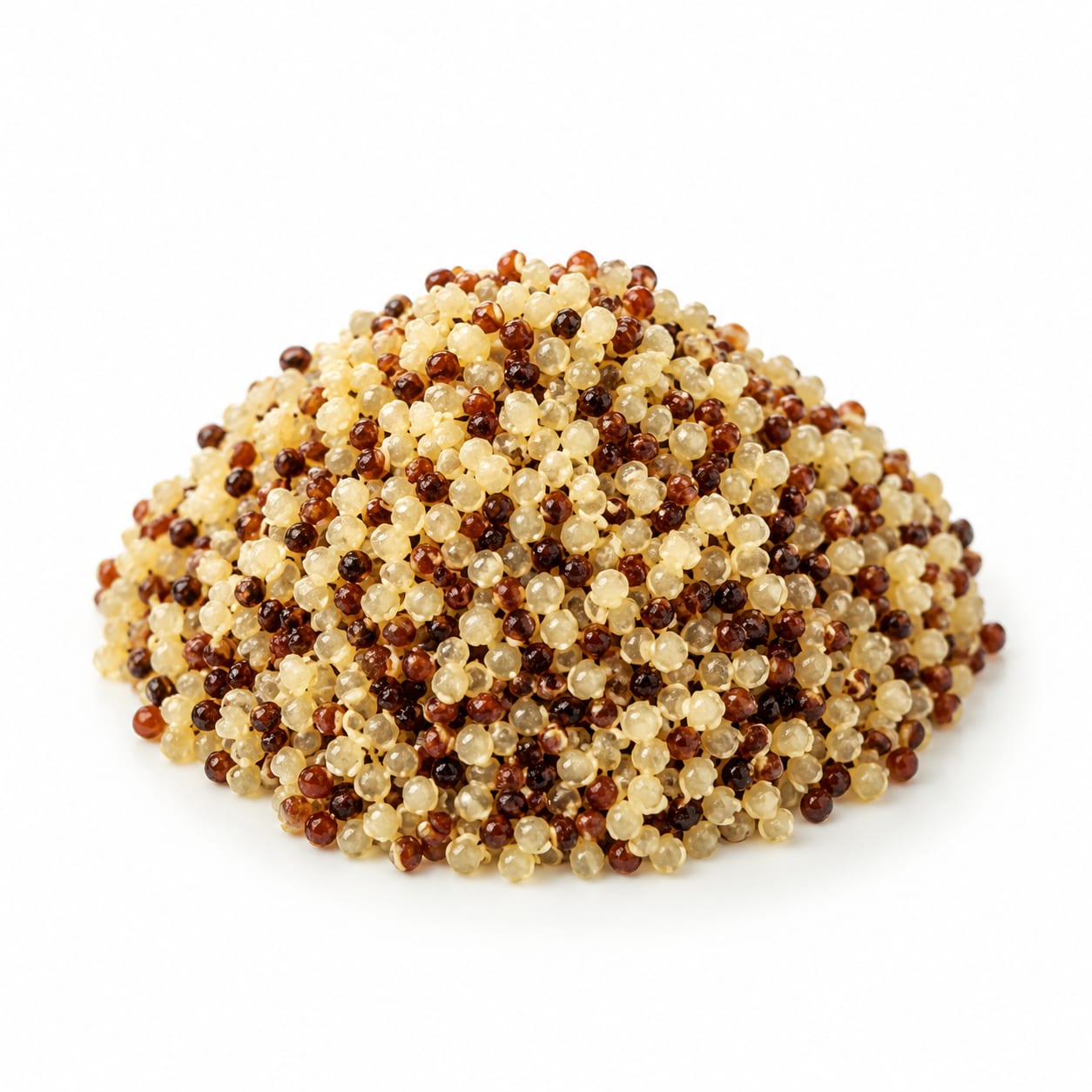
Compare with
Quinoa
Quinoa is a complete protein with far more fiber and micronutrients, whereas cornmeal is primarily a carbohydrate source.
Quinoa provides complete protein and better blood sugar stability than cornmeal, making it the healthier choice for weight loss and nutrition.
This food
Cornmeal
VS95% alike
Compare with
Corn Grits
Grits are nixtamalized, improving niacin availability, while standard cornmeal is not. Both are high-glycemic refined carbs if degermed.
Corn grits have better niacin bioavailability due to alkali processing, but both are similar high-carb, low-fiber options if refined.
This food
Cornmeal
VS90% alike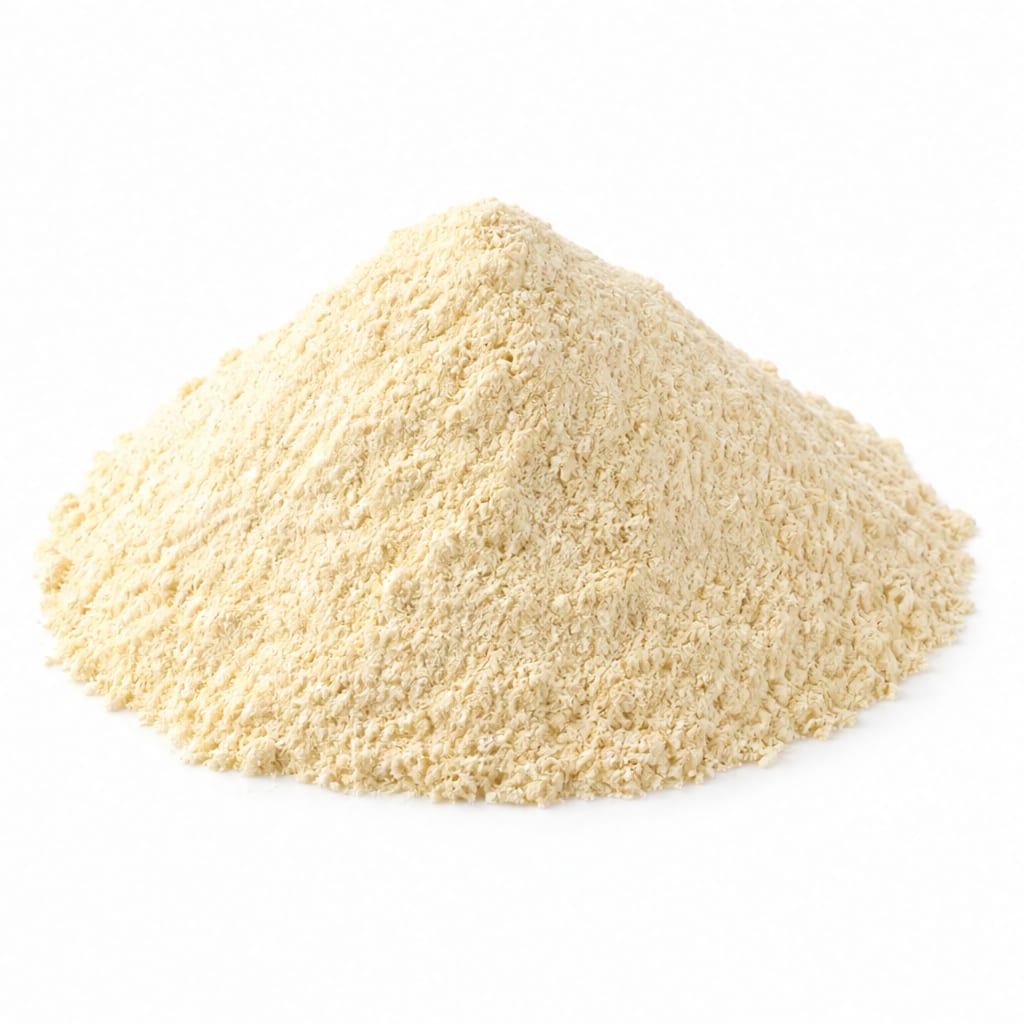
Compare with
Masa Harina
Masa harina is treated with slaked lime, unlocking niacin and calcium, making it nutritionally superior to standard cornmeal.
Masa harina offers more bioavailable nutrients like niacin and calcium than regular cornmeal due to traditional nixtamalization.
This food
Cornmeal
VS65% alike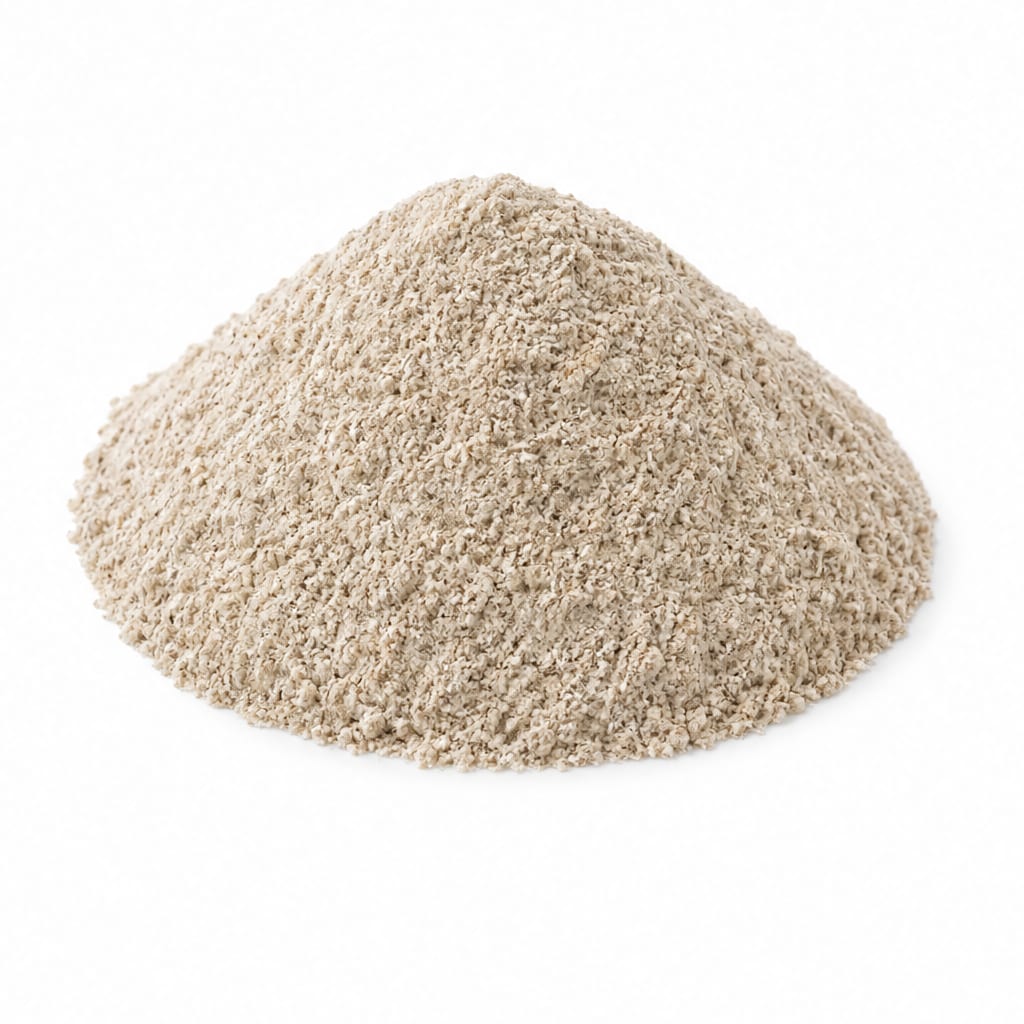
Compare with
Buckwheat Flour
Buckwheat is a pseudocereal with significantly more protein, fiber, and micronutrients, plus a lower glycemic index.
Buckwheat flour is far more nutritious than cornmeal, offering more protein and fiber with a much lower impact on blood sugar.
This food
Cornmeal
VS40% alike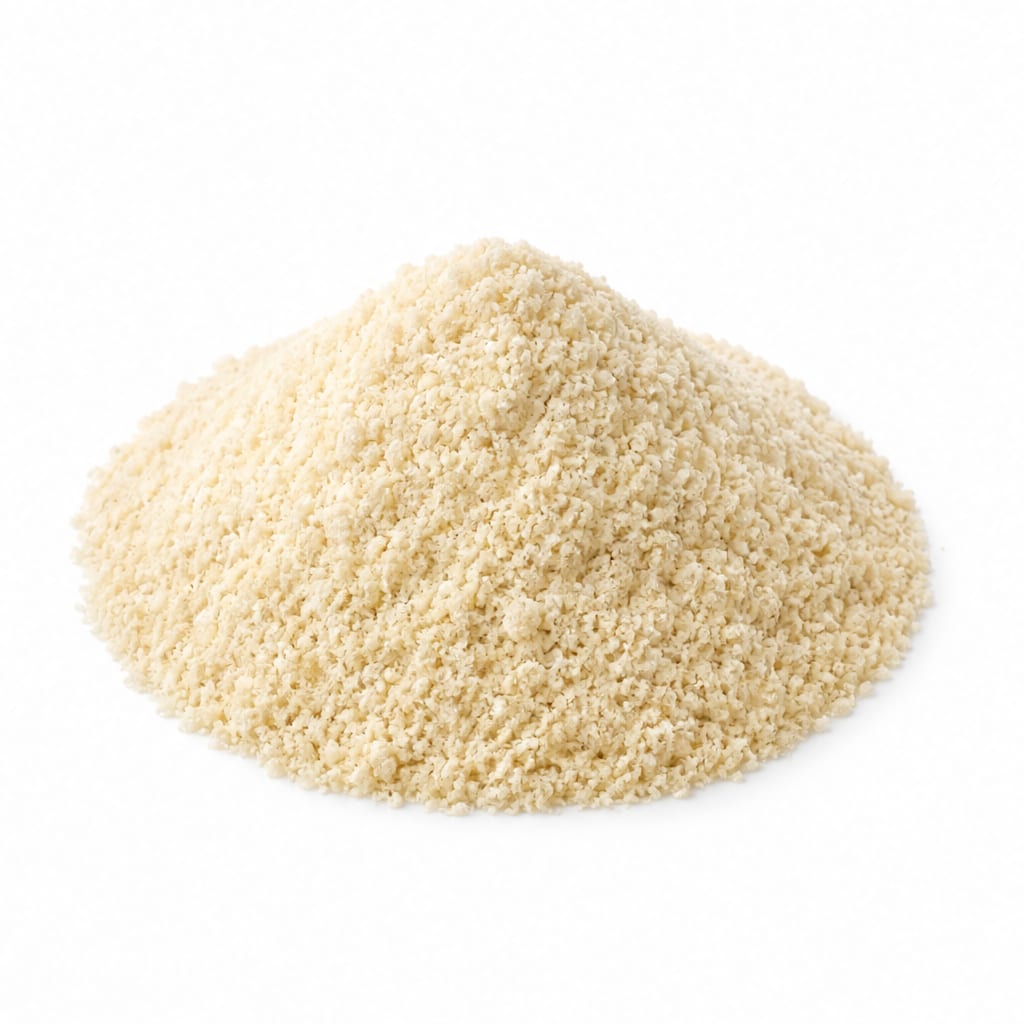
Compare with
Almond Flour
Almond flour is low-carb, high-fat, and high-protein, making it far better for blood sugar and keto diets than carb-heavy cornmeal.
Almond flour is a low-carb, high-protein alternative to cornmeal, making it far better for blood sugar control and low-carb diets.
This food
Cornmeal
VS60% alike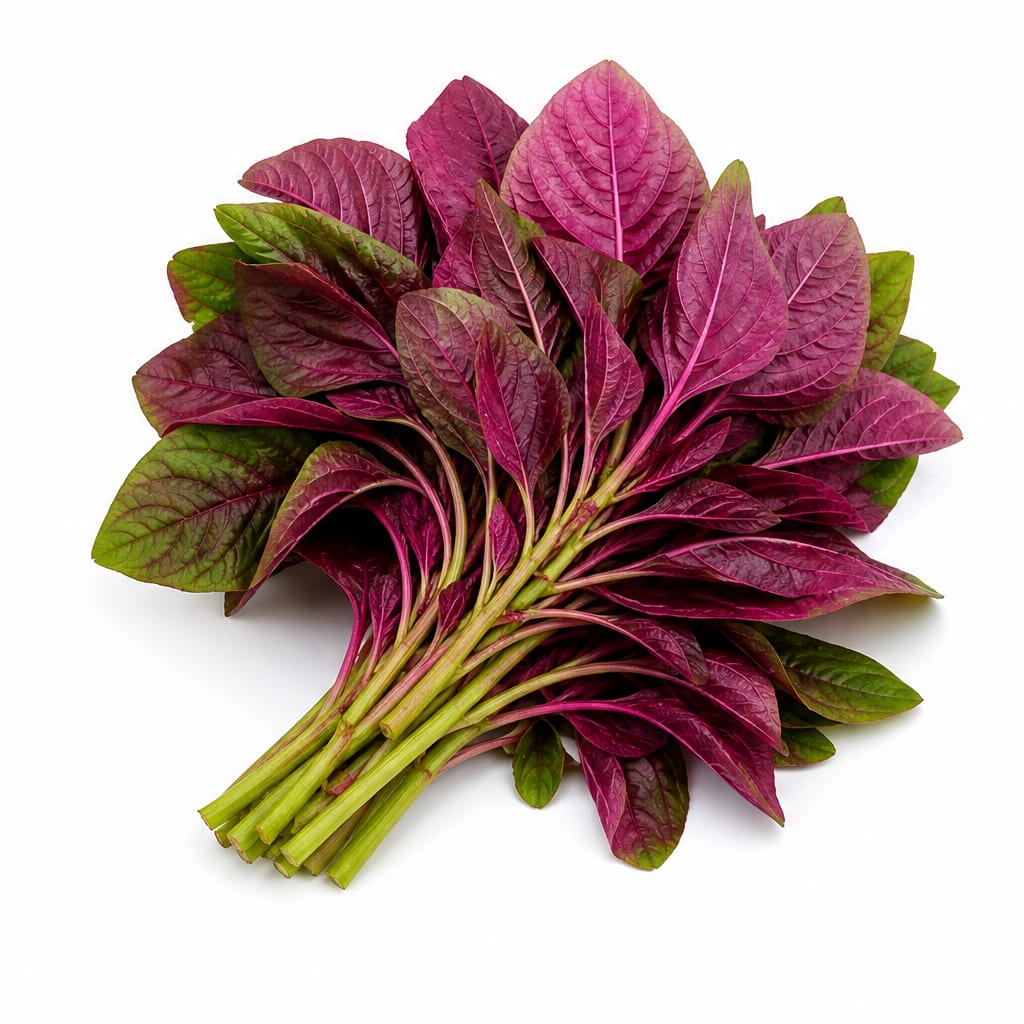
Compare with
Amaranth
Amaranth is a complete protein with high fiber and iron, vastly outperforming degermed cornmeal in nutrient density.
Amaranth provides more protein and fiber than cornmeal, offering better satiety and blood sugar regulation for a gluten-free diet.
This food
Cornmeal
VS70% alike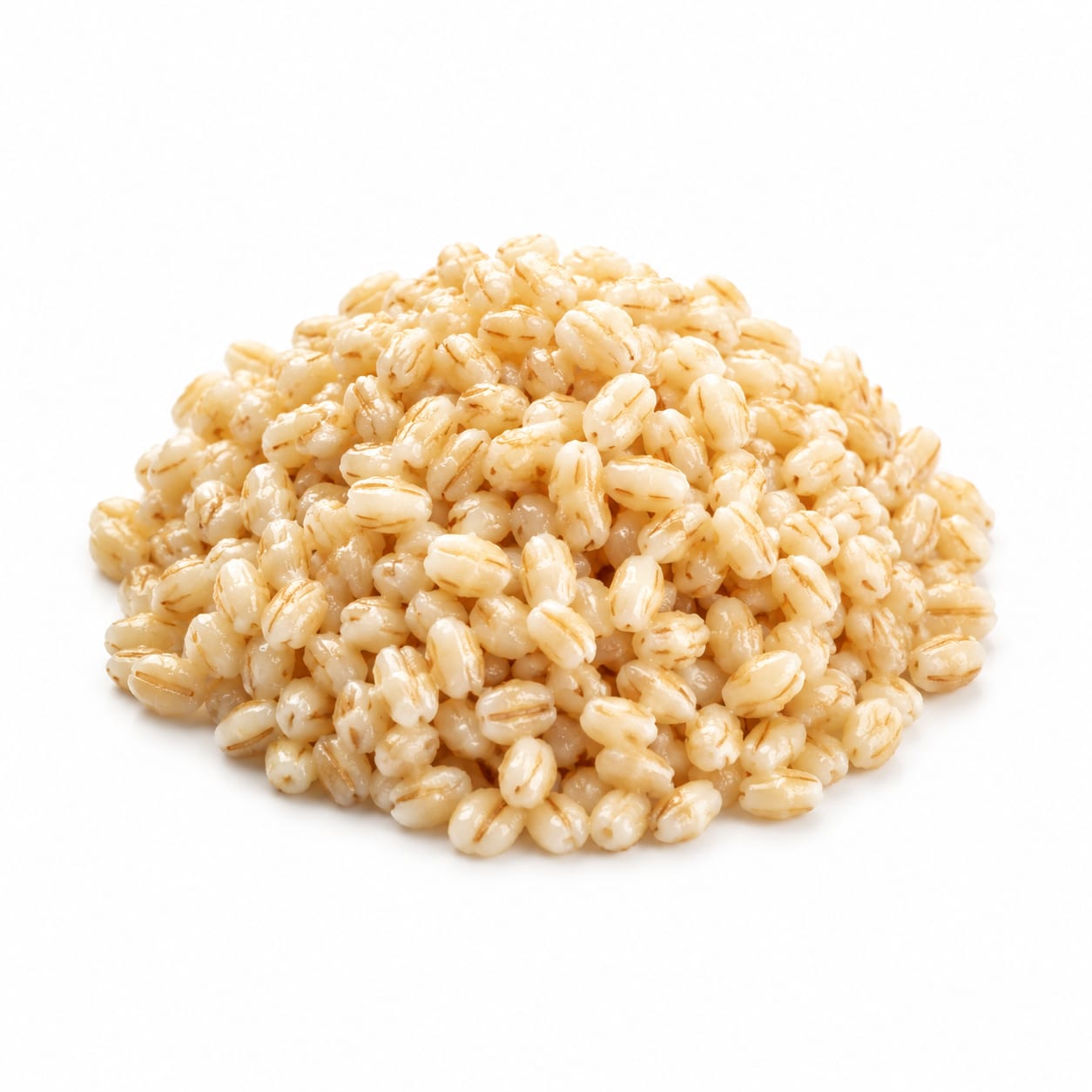
Compare with
Barley
Whole barley is very high in soluble fiber and has a low glycemic index, making it much better for metabolic health than standard cornmeal.
Barley's high soluble fiber content makes it far superior to cornmeal for blood sugar control and heart health, though it contains gluten.
Common questions
FAQ
Answers aligned with how people search for this food.
Is cornmeal healthy for you?
Cornmeal can be part of a healthy diet, especially stone-ground varieties that retain the whole grain's fiber and nutrients. However, standard degermed cornmeal is mostly refined starch with a high glycemic index and fewer health benefits.
Is cornmeal gluten-free?
Yes, pure cornmeal is naturally gluten-free. However, it is often processed in facilities that handle wheat, so those with celiac disease should look for certified gluten-free labels to avoid cross-contamination.
Can diabetics eat cornmeal?
Cornmeal has a high glycemic index and can cause rapid blood sugar spikes. Diabetics should limit portion sizes, choose coarse or stone-ground varieties, and pair it with protein and healthy fats to slow digestion.
What is the difference between cornmeal and masa harina?
Cornmeal is simply ground dried corn, while masa harina is cornmeal that has been treated with an alkali solution (nixtamalization). This process changes the flavor, texture, and significantly improves the bioavailability of niacin and other nutrients.
Is cornmeal a whole grain?
Only stone-ground cornmeal is a whole grain. Most standard cornmeal sold in supermarkets is degermed, meaning the nutrient-rich germ and bran have been removed to extend shelf life, making it a refined grain.
Does cornmeal make you gain weight?
Cornmeal is calorie-dense and easy to overeat, especially when baked into cornbread with added sugar and fats. Eating large portions can contribute to weight gain, but moderate portions as part of a balanced diet will not.
Is polenta the same as cornmeal?
Polenta is a dish made from cornmeal, not the ingredient itself. While you can make polenta from any cornmeal, coarse-ground yellow cornmeal is traditionally used for the best texture.
What is stone-ground cornmeal?
Stone-ground cornmeal is crushed between millstones rather than steel rollers. This method keeps the germ and bran intact, preserving more natural oils, fiber, and flavor, resulting in a more nutritious whole-grain product.
Transparency
Data confidence
Estimated confidence for nutrition data, interpretation, safety notes, and comparisons.
Nutrition data
Health analysis
Food safety
Comparisons