
Nutrition comparison
Cornmeal vs Masa Harina: Nutrition, Uses, and Health Tradeoffs
Discover the key differences between Cornmeal and Masa Harina. Learn why nixtamalization makes Masa Harina nutritionally superior with more calcium and bioavailable niacin.
Overall winner · Masa Harina
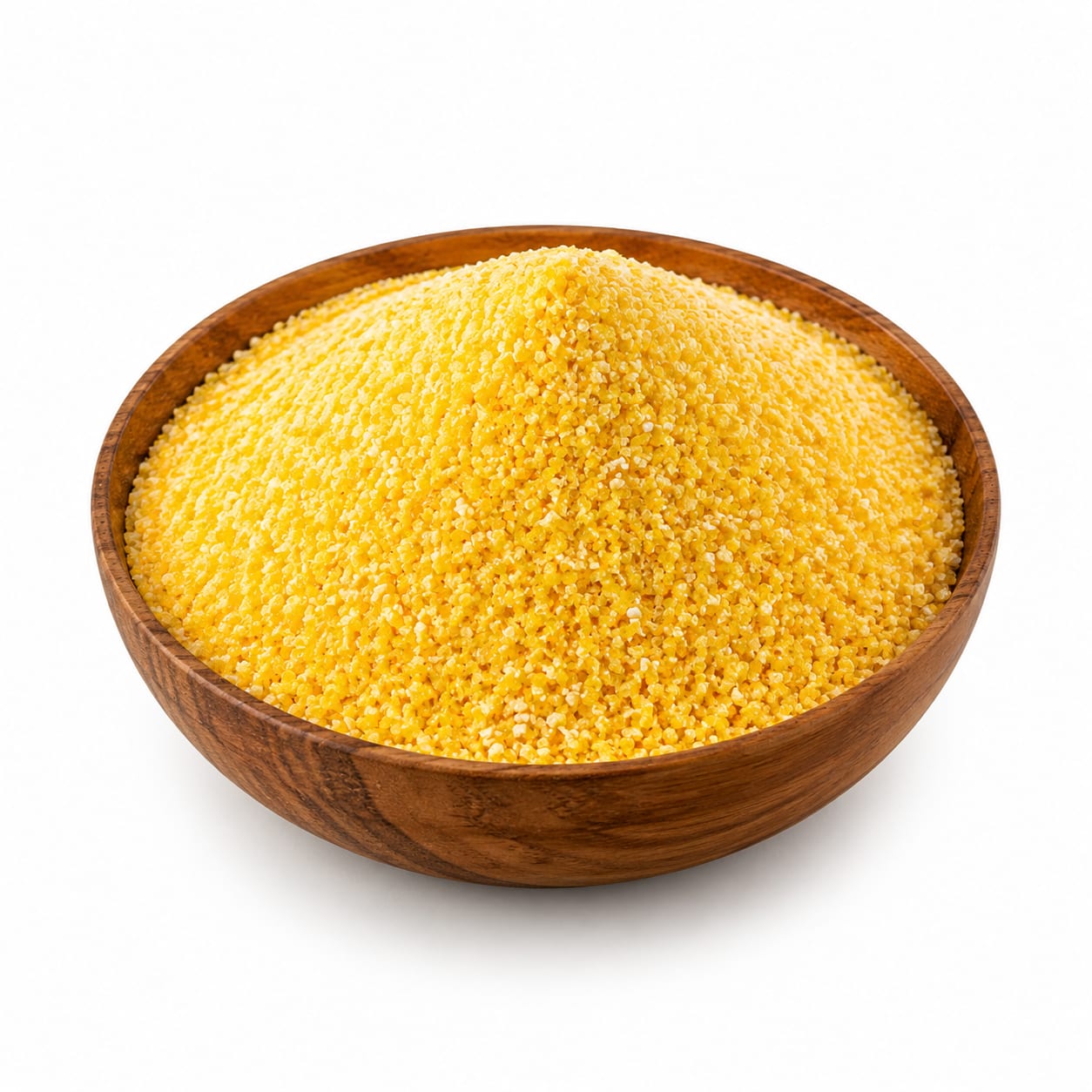
Cornmeal
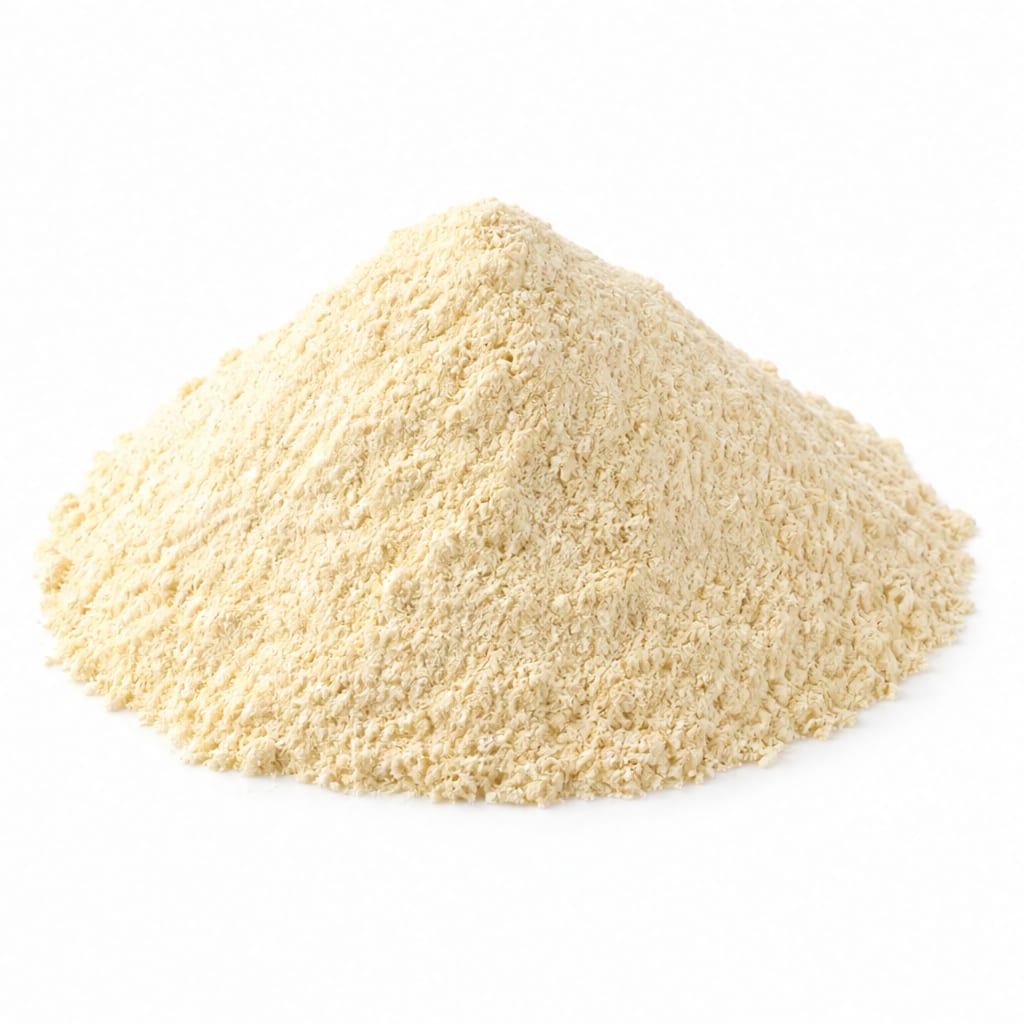
Masa Harina
Masa Harina is nutritionally superior due to nixtamalization, which unlocks niacin and adds calcium, while Cornmeal is less processed but less bioavailable.
Masa Harina scores higher because the nixtamalization process provides a significant nutritional upgrade—unlocking niacin and boosting calcium—making it a more nourishing staple. Cornmeal is still a solid whole grain but lacks these bioavailable advantages.
Cornmeal is a simpler, less processed grain, but Masa Harina's traditional alkali treatment transforms it into a more nourishing and digestible food.
At a glance
Executive summary
Overall
Masa Harina
Healthier
Masa Harina
More practical
It depends
Daily use
Masa Harina
Key comparison lenses
Nutritional upgrade from nixtamalization
Masa Harina is nixtamalized, which drastically changes its vitamin availability and mineral content compared to regular Cornmeal.
Culinary application and interchangeability
People often wonder if they can substitute Cornmeal for Masa Harina in recipes like tortillas or cornbread, but they behave very differently.
Digestive tolerance and anti-nutrients
The alkali treatment in Masa Harina breaks down hulls and reduces mycotoxins, making it easier to digest for some.
Best choice for
Cornmeal
- People making cornbread or polenta
- Those wanting a minimally processed whole grain option
- Anyone avoiding all food additives including lime
Masa Harina
- People making tortillas or tamales
- Those needing extra calcium in their diet
- Anyone concerned about B3 (niacin) deficiency
Least suitable for
Cornmeal
- Making authentic tortillas (it won't bind properly)
- Those relying on it as a primary protein source without other B-vitamins
Masa Harina
- Making fluffy cornbread (texture will be too dense)
- Those strictly avoiding any food processing aids, even traditional ones
Deep comparison
Dimension by dimension
Each lens scores both foods and breaks down who each option suits.
- Dimension 1 · Priority 95Masa Harina
Micronutrient Bioavailability
Cornmeal · 40Masa Harina · 90Masa Harina dominates here. Treating corn with slaked lime unlocks bound niacin (Vitamin B3) and dramatically increases calcium content.
Tradeoff
You accept a slight processing step to gain a massive increase in usable vitamins and minerals.
Why it matters
Regular Cornmeal can contribute to pellagra (niacin deficiency) if relied on heavily without other nutrient sources. Masa Harina prevents this.
Real-world impact
Eating Masa Harina tortillas daily supports bone health and energy metabolism far better than regular Cornmeal porridge.
Cornmeal
- Retaining the natural, unaltered state of the corn
Better for
- Bound niacin is largely unavailable to your body
- Very low calcium content
Worse for
Masa Harina
- Preventing B-vitamin deficiencies
- Increasing dietary calcium without dairy
- Better overall nourishment from a staple carb
Better for
- Slight reduction in some heat-sensitive vitamins due to the alkali and drying process
Worse for
- Dimension 2 · Priority 80It depends
Blood Sugar Stability
Cornmeal · 55Masa Harina · 60Both are high-glycemic carb sources, but Masa Harina has a slightly lower glycemic impact when formed into tortillas compared to Cornmeal porridge.
Tradeoff
Neither is a low-carb food, but preparation method matters more than the flour itself.
Why it matters
Steadier energy means fewer afternoon crashes and less craving for snacks.
Real-world impact
A Masa Harina tortilla with beans and cheese will give you longer-lasting energy than a bowl of Cornmeal grits on its own.
Cornmeal
- Coarser grinds can slow digestion slightly if kept whole
Better for
- Fine Cornmeal digests very quickly, spiking blood sugar
Worse for
Masa Harina
- Tortilla format naturally pairs with fats/proteins, blunting the blood sugar spike
- Slightly better glycemic profile in direct comparisons
Better for
- Still a refined carbohydrate that requires careful pairing
Worse for
- Dimension 3 · Priority 70Cornmeal
Processing and Naturalness
Cornmeal · 85Masa Harina · 65Cornmeal is simply dried corn ground up. Masa Harina undergoes nixtamalization—cooked with an alkali—before grinding and drying.
Tradeoff
Cornmeal is closer to the raw ingredient, but Masa Harina's processing is a traditional method that makes the food safer and more nutritious.
Why it matters
Minimizing processing is generally good, but traditional processing sometimes exists for vital health reasons.
Real-world impact
If you want the most 'whole' version of corn, Cornmeal wins. If you want the most 'functional' version, Masa Harina wins.
Cornmeal
- Fewer steps from farm to table
- No added substances, even natural ones like slaked lime
Better for
- Retains more natural contaminants from the corn hull
Worse for
Masa Harina
- Processing reduces mycotoxins
- Processing kills off potentially harmful bacteria on the hull
Better for
- Requires an industrial or traditional chemical process to create
Worse for
- Dimension 4 · Priority 75Masa Harina
Digestive Tolerance
Cornmeal · 60Masa Harina · 80Masa Harina is generally easier on the gut. The nixtamalization process breaks down the tough outer hull of the corn kernel.
Tradeoff
The breakdown of the hull means slightly less insoluble fiber in Masa Harina, but much less digestive friction.
Why it matters
Tough corn hulls can be irritating for sensitive digestive tracts and pass through undigested.
Real-world impact
If regular corn makes you bloated or gives you stomach upset, Masa Harina is much less likely to cause issues.
Cornmeal
- More insoluble fiber if you need help with constipation
Better for
- Whole corn hulls can irritate the gut lining
- Harder for the body to fully digest
Worse for
Masa Harina
- Easier to break down and absorb nutrients
- Less likely to cause bloating or gas
- Gentler on sensitive stomachs
Better for
- Lower insoluble fiber content
Worse for
Timeline
Health impact over time
Short-term
Hours to days
Cornmeal
- Quick energy from easily digested carbs
- Can cause blood sugar spikes if eaten alone
- May cause bloating in sensitive individuals due to the tough outer bran
Masa Harina
- Steadier energy release when eaten as tortillas
- Very gentle on the stomach
- More satisfying due to the way it pairs with fats and proteins in recipes
Long-term
Months to years
Cornmeal
- Risk of niacin deficiency if used as a dietary staple without variety
- Lower calcium intake compared to nixtamalized alternatives
- Higher risk of mycotoxin exposure over time
Masa Harina
- Improved bone health from enhanced calcium absorption
- Better prevention of B-vitamin deficiencies
- Lower long-term risk of gut irritation from indigestible hulls
Risk profile
Safety & processing
Cornmeal is simply ground corn. Masa Harina is ground nixtamalized corn, meaning it was cooked and soaked in an alkaline solution (slaked lime). While Masa Harina is more processed, the processing is a centuries-old tradition that enhances nutrition rather than degrading it.
Cornmeal
Mycotoxin contamination
mediumCorn is susceptible to mold that produces mycotoxins. Standard grinding does not remove these, though reputable brands test for them.
Masa Harina
Mycotoxin contamination
lowThe alkaline cooking process involved in making Masa Harina significantly reduces mycotoxin levels, making it safer from this specific risk.
Aluminum exposure (rare)
lowIf modern industrial processes use aluminum hydroxide instead of traditional calcium hydroxide, trace amounts may remain. Most traditional brands use calcium hydroxide (slaked lime).
Who wins for whom
Audience fit
Same foods, different winners depending on your goal.
children
Masa HarinaThe extra calcium and unlocked B-vitamins are highly beneficial for growing bodies, and soft tortillas are an easy, gentle food for kids.
daily consumption
Masa HarinaThe nutritional upgrades from nixtamalization make Masa Harina a more complete daily staple, preventing the nutrient deficiencies associated with unprocessed corn diets.
diabetes
Masa HarinaMasa Harina has a slightly lower glycemic index, especially when prepared into tortillas and paired with fats and proteins, leading to steadier blood sugar.
elderly
Masa HarinaEasier digestion and higher bioavailable calcium make Masa Harina a better staple for older adults concerned with bone density and gut comfort.
muscle gain
It dependsNeither is a protein powerhouse. Both serve as carb energy sources to fuel workouts, but require significant protein additions.
weight loss
It dependsBoth are similar in calories, but Masa Harina tortillas tend to be more satisfying and easier to pair with lean proteins, while Cornmeal porridge can be easy to overeat.
Your move
Decision guide
Choose Cornmeal
- You are making cornbread, polenta, or coating for frying
- You prioritize eating foods with the absolute fewest processing steps
- You need a high-fiber addition to a recipe
Choose Masa Harina
- You are making tortillas, tamales, or pupusas
- You want the most nutritional value from your corn staple
- You have a sensitive stomach and find regular corn hard to digest
Either works if
- You just need a gluten-free carbohydrate base for a meal
- You are mixing it into a heavily fortified recipe where the corn's native nutrients matter less
Avoid both if
- You are strictly following a low-carb or ketogenic diet
- You have a severe corn allergy
Final recommendation
Let your recipe guide you, but nutritionally, Masa Harina is the superior staple. The ancient wisdom of nixtamalization exists for a reason—it transforms corn from a simple filler into a deeply nourishing food. If you eat corn daily, make the switch to Masa Harina.
Practical
Consumer tips
- 1
Look for Masa Harina treated with 'cal' (calcium hydroxide) rather than other alkalis for the most traditional calcium boost.
- 2
Do not try to substitute Cornmeal for Masa Harina in tortilla recipes—it lacks the binding quality and will fall apart.
- 3
If you use Cornmeal, pair it with beans or meat to make up for the lacking niacin and incomplete proteins.
- 4
Store both in airtight containers in a cool, dark place, as the natural oils in corn can go rancid over time.
- 5
If buying Cornmeal, look for 'whole grain' on the label to ensure you are getting the full fiber content.